Robinson Restoration is an IICRC-certified water damage restoration company serving Corvallis, OR. Crews dispatch 24 hours a day, arrive on-site in 90 minutes or less, document the readings and photos your carrier needs, and bill your insurance directly on covered claims.
Corvallis is a university town with a rental market to match, and a lot of its housing is older than the people living in it. When a supply line fails at 2 a.m., our crews respond around the clock, on-site in 90 minutes or less, with drying and documentation from the first hour.
The Marys River meets the Willamette at the edge of town, and the low ground between them takes water every wet winter. Up on the west side the hills shed runoff straight into daylight basements. In between sit the pre-war bungalows and 1950s ranches near campus, most of them cut into apartments and duplexes at some point, with plumbing that has been modified more times than anyone can document.
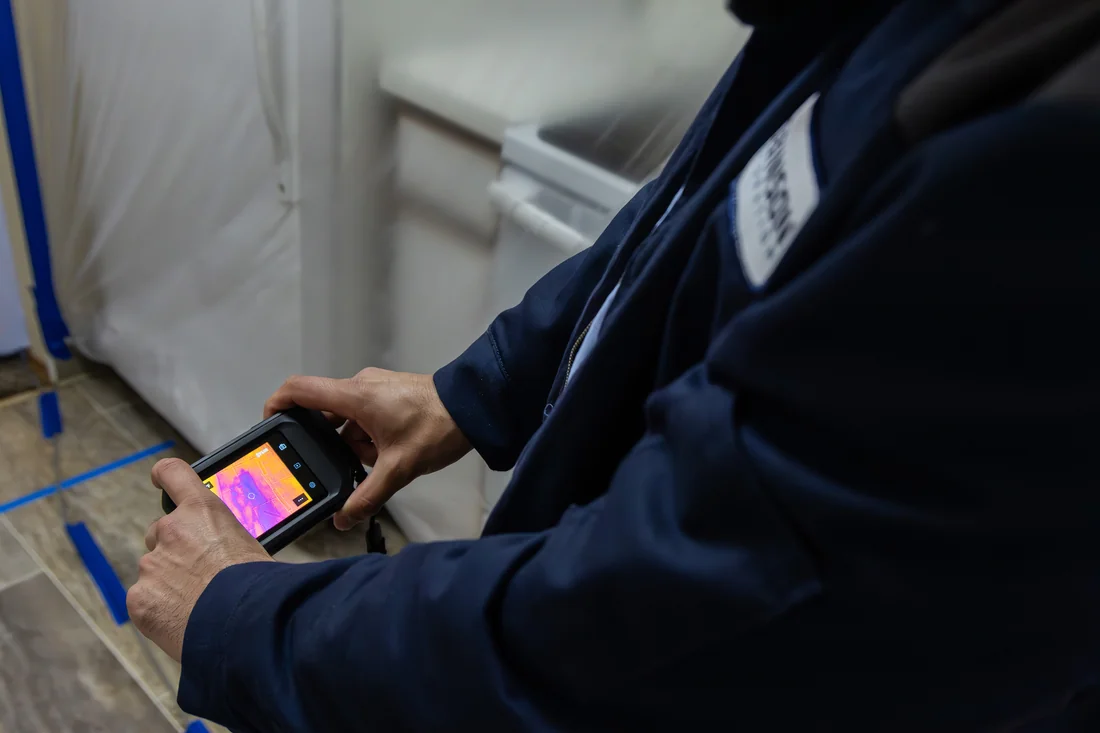
We dispatch 24/7 and work Corvallis out of our southern valley operation. Every loss gets moisture mapping, thermal imaging where it helps, and a photo record before equipment goes in. Readings are logged daily against IICRC S500 dry standards, so nobody is guessing when the job is finished. We bill carriers directly and coordinate with property managers when a tenant reports the leak and an owner two states away has to approve the scope.

Corvallis losses often involve a landlord, a tenant, and an adjuster, so we start documenting the moment we arrive and share it with all three.
24 hours a day, 7 days a week, our crews dispatch the moment you call and start mitigation the same visit. Call dispatch or message us for immediate help.
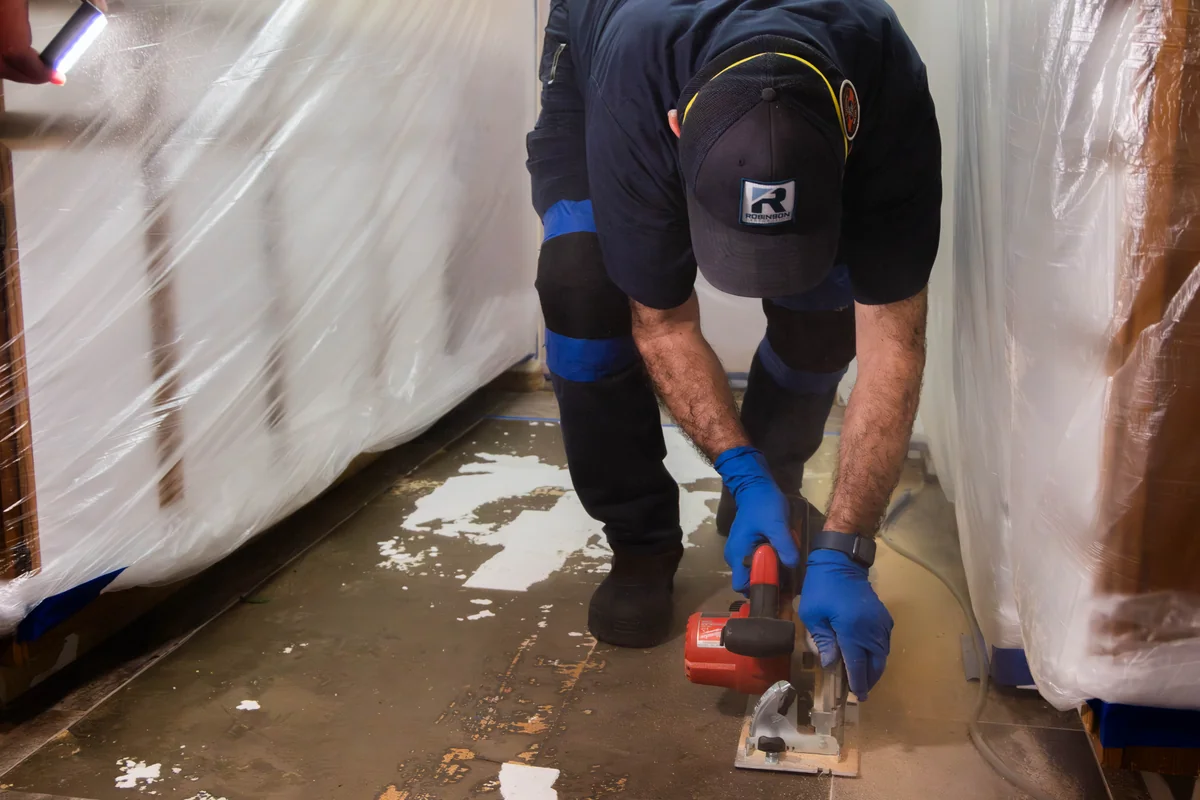
We stop further damage with commercial extraction, structural drying, and antimicrobial treatment, and we walk you through the entire insurance claim as we work.
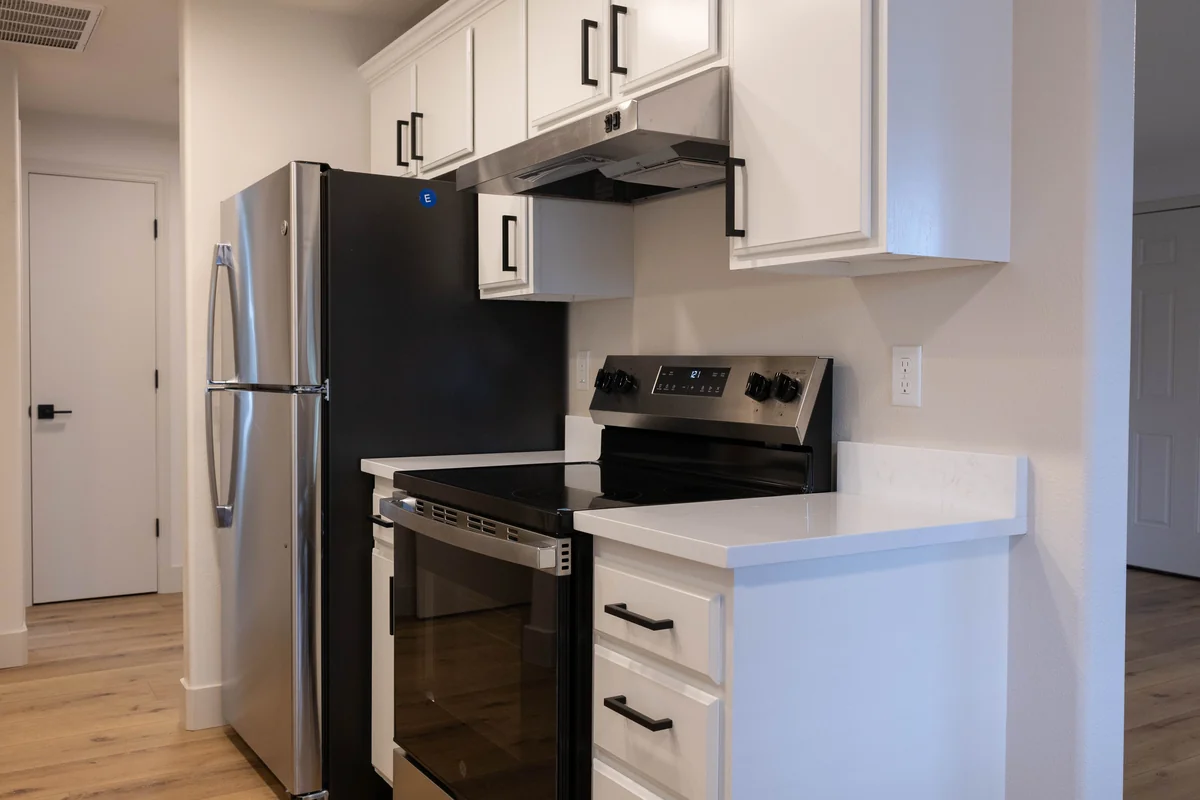
We manage your rebuild to pre-damaged condition through our trusted network of licensed contractors and sister companies. One manager, one timeline.
A quarter of Corvallis lives in something someone else owns, and multi-unit buildings turn a single failure into three claims. Water from an upstairs unit crosses the party wall, soaks the shared floor assembly, and shows up in a neighbor's ceiling. We contain, dry, and document per unit so the responsible policy is clear before the invoicing starts.
Between mid-December and early January a lot of houses near campus sit empty with the heat turned down to save money. That's exactly when the valley gets its hardest freezes. A line splits in an unheated laundry room and runs for a week before anyone opens the door. The difference between a dry-out and a gut is who checks the house.
Corvallis climbs toward the Coast Range on its western edge, and homes cut into those slopes get hydrostatic pressure against the uphill wall every time the ground saturates. Perimeter drains silt up. Foundation cracks weep. The finished basement below grade is usually the last room anyone checks and the first one to grow mold behind the baseboard.
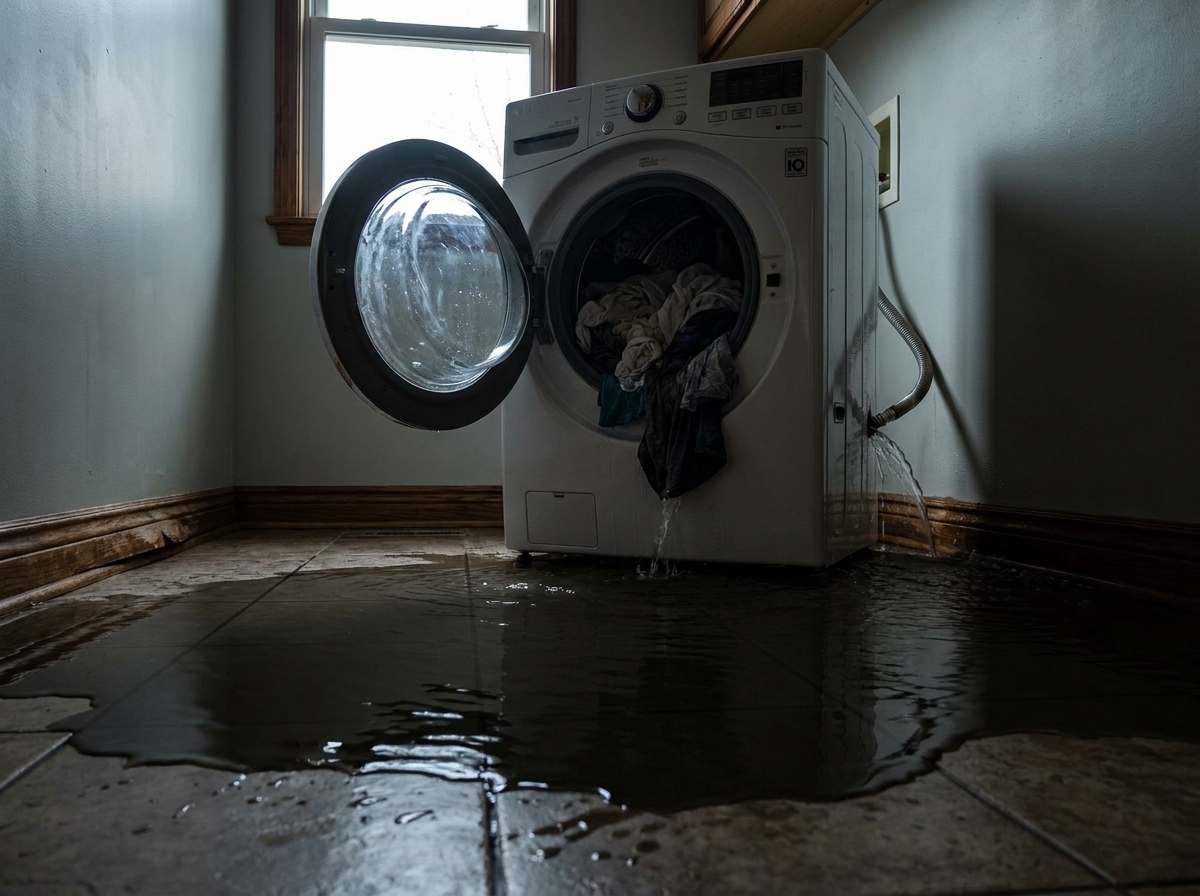
Washing machines run constantly in a house with four roommates, and the braided supply hose behind them has a service life most people never think about. Same with dishwasher inlet valves and refrigerator ice-maker lines. These fail without warning, usually while everyone's out, and a half-inch line delivers hundreds of gallons an hour onto a floor with nowhere to drain.
Most of the losses we run in Corvallis start one of three ways: appliance failures, burst and leaking pipes, and flooding and groundwater. Here is why each one happens here, and what it takes to dry it properly.
Heavy shared use in student rentals wears out washer hoses, dishwasher valves, and ice-maker lines faster than in a single-family home. They fail on an empty house and run until someone comes back.
Corvallis houses left cold and empty over winter break are the classic freeze-break scenario. Heat set to fifty, a cold snap, and a supply line in an exterior wall or unheated service room lets go.
The Marys River and the Willamette both back up against the low ground at the edge of town. Saturated soil then pushes groundwater into daylight basements and crawl spaces well away from either channel.
Water is how most losses start. It’s rarely where they end. The same local crew handles all of it.
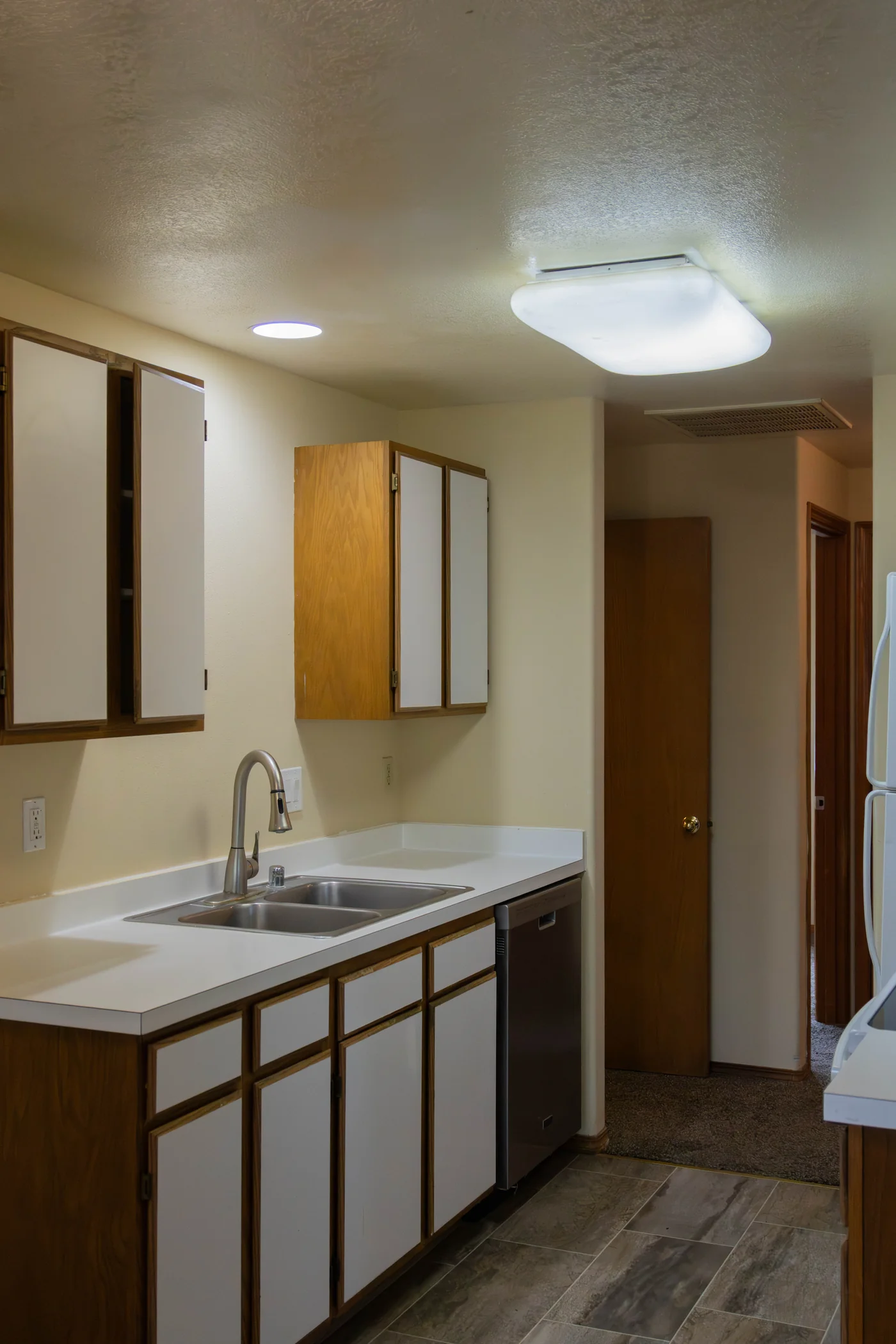
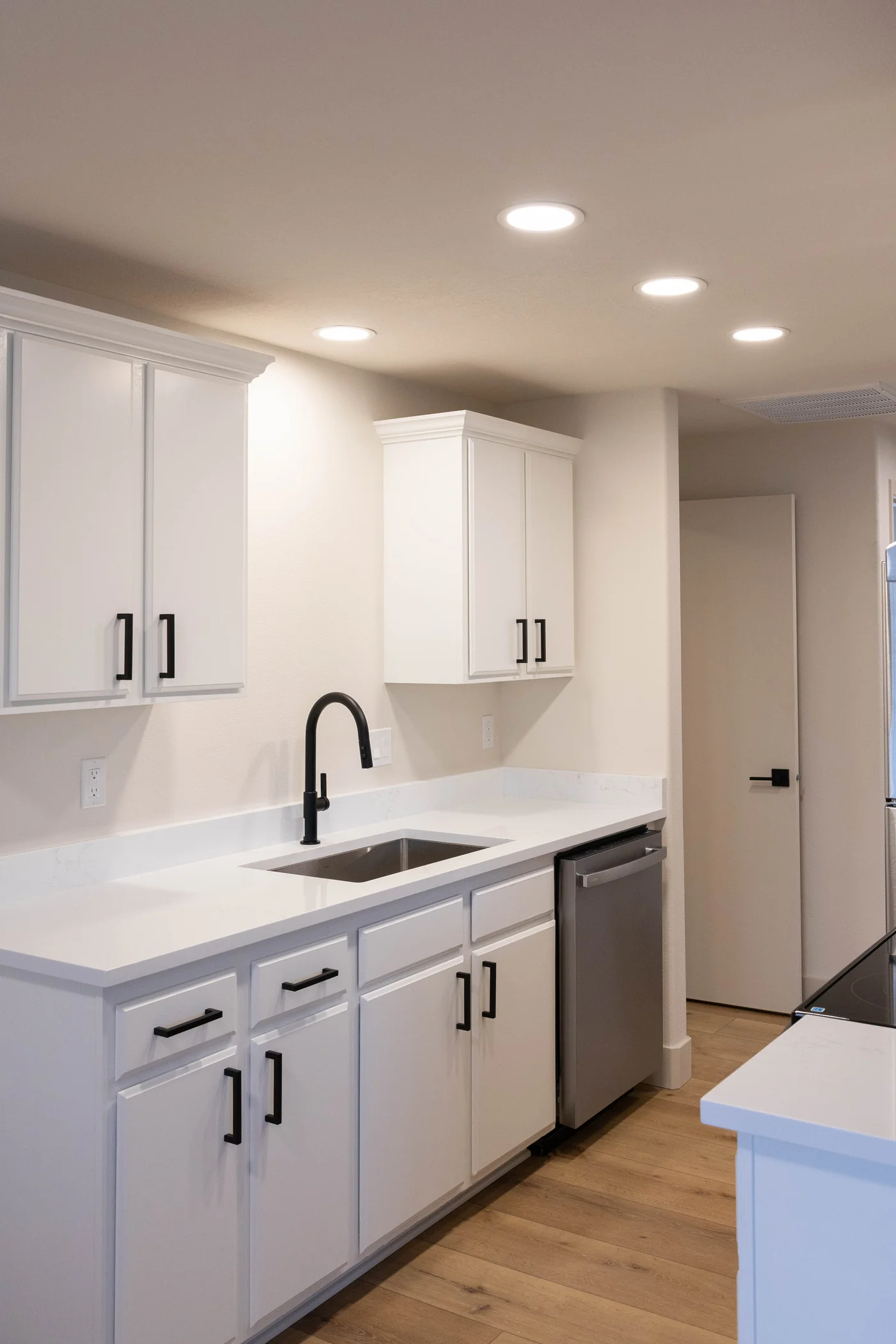
Three real projects, photo-documented for the insurance carrier. Drag each handle to compare.
“We've had the bittersweet opportunity to have Robinson in our lives twice now. First, for a major 3,000 sq ft mold remediation of our crawl space. Then last week, we had an unfortunate flood. I don't know what we would have done without them.”
T Marie C · Google Review
“Chuck and Cole were very professional, courteous and knowledgeable about their restoration skills including close out processes. I'm really happy they were the two employees assigned to our home.”
Joanna Gamble · Google Review
“We hired Robinson Restoration after a boiler joint failed and leaked what we thought was a small amount of water in our laundry room, but turned out to be more serious than it appeared. They did a fantastic job from first contact to insurance claim approval.”
Randi Covin · Google Review
In Oregon, you choose your restoration contractor, and your carrier can’t penalize you for it. We document every Corvallis loss with moisture maps, photos, and daily readings, then bill your insurer directly. You pay your deductible. That’s it.
Subject to policy coverage and deductible. We handle the paperwork, photos, and adjuster calls.
Southern Willamette Valley properties are inside the area our crews work daily, Corvallis included. The emergency line runs 24/7, so a two a.m. supply-line break gets the same crew as a weekday call. Technicians show up with truck-mounted extraction, air movers, and dehumidifiers, then document the loss for your insurer, who we bill directly. No fronting the cost while you wait.
Call us. Stopping the water and starting the dry-out is time-sensitive, and we can be working while ownership gets sorted. We'll notify the owner or property manager, document conditions before anything changes, and keep the tenant's belongings separate from the building scope. In most Corvallis rentals the building goes on the owner's policy and personal property goes on renters insurance.
It depends on the source and the building's governing documents, which is why documentation matters more than opinion. We photograph the failure point, map the moisture path, and note where the water crossed the assembly. In a Corvallis duplex or condo, the upstairs owner's policy often covers the discharge while the association or building policy handles common elements. Adjusters sort it out from evidence.
Leave the heat at fifty-five rather than off, open cabinet doors under sinks on exterior walls, and disconnect garden hoses so the bib doesn't hold water. Better yet, shut the main and drain the system if the house will be empty more than a week. Ask someone to walk through every few days. Most of the Corvallis freeze losses we see were empty houses nobody checked.
That smell is usually microbial growth feeding on damp material you can't see, common in west-side Corvallis basements where slope drainage pushes moisture through the foundation. We meter the walls, check behind baseboards and under flooring, and use thermal imaging to find cold wet spots. If there's growth we contain the area before disturbing it, because dry sanding spreads spores through the whole house.
Yes. Offices, labs, retail spaces, and multi-unit residential all get the same 24/7 response, with containment and negative air so unaffected areas stay open. Commercial losses in Corvallis usually come with a business-interruption clock, so we scope for phased drying that lets you keep operating in the dry portion of the building while equipment runs in the wet portion.
Drying and repair are two different phases with two different scopes. Once readings hit dry standard we hand you a documented mitigation file, then manage the rebuild through licensed contractors and sister companies rather than performing it ourselves. You keep one point of contact through both phases, and the reconstruction estimate is written against the same photos and measurements your Corvallis adjuster already approved.
The sooner drying starts, the less comes out. Reach our Corvallis dispatch any hour, any day.
Licensed · Insured · IICRC Certified · Serving Washington & Oregon