Robinson Restoration provides contents pack-out and cleaning across Washington and Oregon. Every item is photo-inventoried and barcoded on-site, cleaned and deodorized by material type, stored in climate-safe storage, and returned when your home is ready.

Losing track of belongings during a restoration is a second loss on top of the first. Our inventory system means nothing disappears into a warehouse.
Each box and furniture piece gets photographed, condition-noted, and barcoded on-site before it leaves your home.
Trained crews pack with proper materials: wardrobe boxes, dish packs, furniture blankets. Fragiles get flagged and padded.
Smoke odor, water exposure, and mold contamination each get the right treatment, from ultrasonic cleaning to ozone chambers.
Climate-safe storage until reconstruction wraps, then delivery and placement back in your finished home, checked off item by item.
More than you'd fear, less than a salesperson might promise. The real answer depends on the material and what touched it, and we'll give it to you straight during inventory. Anything that can't be restored gets documented for full replacement value on your claim, which is often the better outcome anyway.
Solid wood furniture
Clothing & textiles (laundered or dry-cleaned)
Dishes, glassware & cookware
Hard-surface decor & frames
Many electronics (assessed case by case)
Documents & photos (freeze-dried if wet)
Mattresses touched by Category 3 water
Soaked particle-board furniture
Heavily charred items
Food & medications exposed to smoke or water
Saturated carpet padding
Items with active mold in porous material
Wedding albums, military medals, a grandparent's letters. Tell us what matters most during the walkthrough and those items get flagged, handled first, and restored with specialty techniques like photo freeze-drying. We've returned things families thought were gone. It's the best part of this job.
Contents are covered under their own section of most policies, separate from the structure. If the cause of loss is covered, a sudden pipe break, a fire, a storm that opens the roof, then packing, cleaning, deodorizing and storing your belongings is generally part of that claim. Gradual leaks, long-neglected maintenance and wear are usually excluded, and flood damage typically needs a separate flood policy.
How much comes back to you depends on the policy. Replacement cost coverage pays to replace a non-restorable item with a comparable new one, while actual cash value subtracts depreciation first. Many policies also cap certain categories, jewelry, firearms and collectibles among them, no matter what the total contents limit says. Your deductible applies once per claim, and your adjuster reviews the inventory before contents settle.
Pack-out labor, cleaning by material type, deodorizing, and storage tied to a covered fire, smoke, or sudden water loss, plus documented replacement value for items that cannot be restored.
Damage from slow leaks, seepage, poor maintenance, or ordinary wear. Rising water and groundwater generally fall under a separate flood policy, and some carriers sublimit high-value categories.
A photo inventory with condition notes, make, model, and age where known, the cleaning method applied to each item, storage dates, and proof of ownership for anything high-value.
We invoice your carrier directly on covered losses and send you the same documentation. You approve the contents scope before crews start, and your deductible stays between you and the insurer.
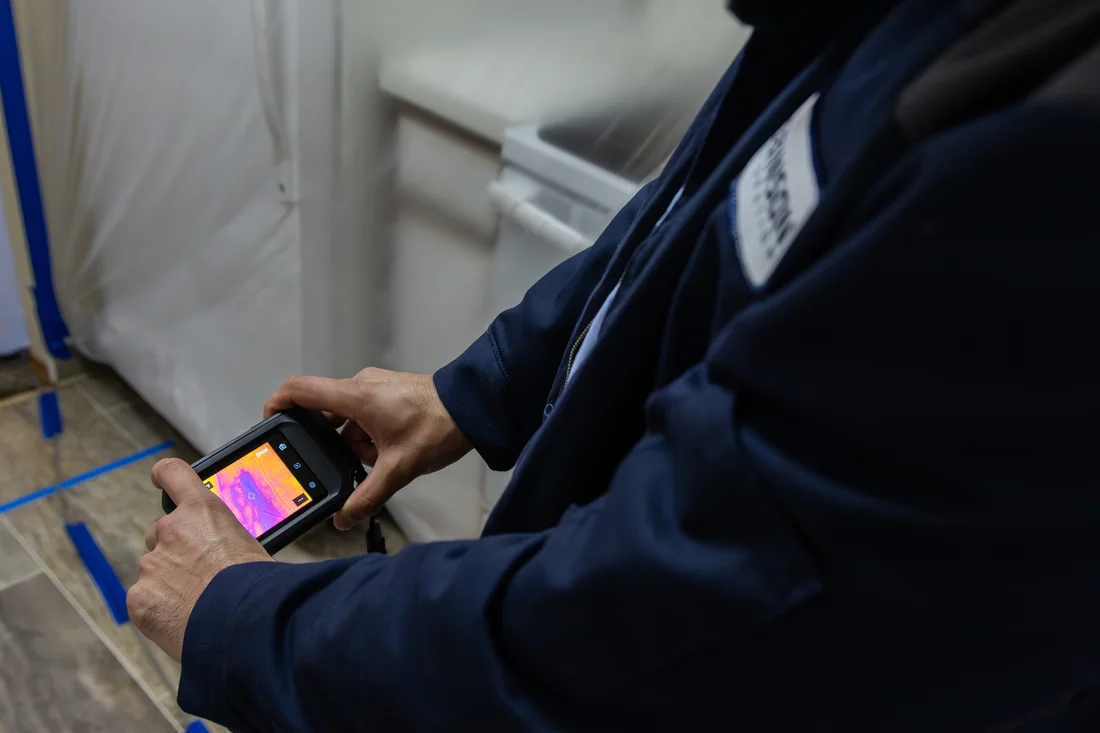
No two pack-outs cost the same, because no two homes hold the same things. Scope comes down to three questions: how much has to leave, what it takes to clean each material, and how long the storage clock runs. Here is how each one moves the number.
Not every loss needs the truck. If the affected area is small and containment holds, we clean contents where they sit and save you the handling cost. A full pack-out earns its keep when crews need bare floors and open walls, when Category 3 water or heavy smoke has spread through the space, or when the property has to sit empty during demolition and drying.
Crews estimate in cubic feet, not room count, so a packed basement can outweigh two bedrooms. Textiles are priced by the load, hard goods by the piece, and both take real labor hours. Anything that needs a specialist, fine art, a piano, firearms, area rugs, or electronics with corrosion, moves to a qualified restorer and carries its own line item on the estimate.
Storage bills by the month, so the repair calendar sets that part of the cost. Permits, material lead times and subcontractor scheduling stretch a rebuild more than the actual carpentry does. We manage that work through vetted licensed contractors and keep the return date tied to it, and we can deliver rooms back in stages once finished space is ready.
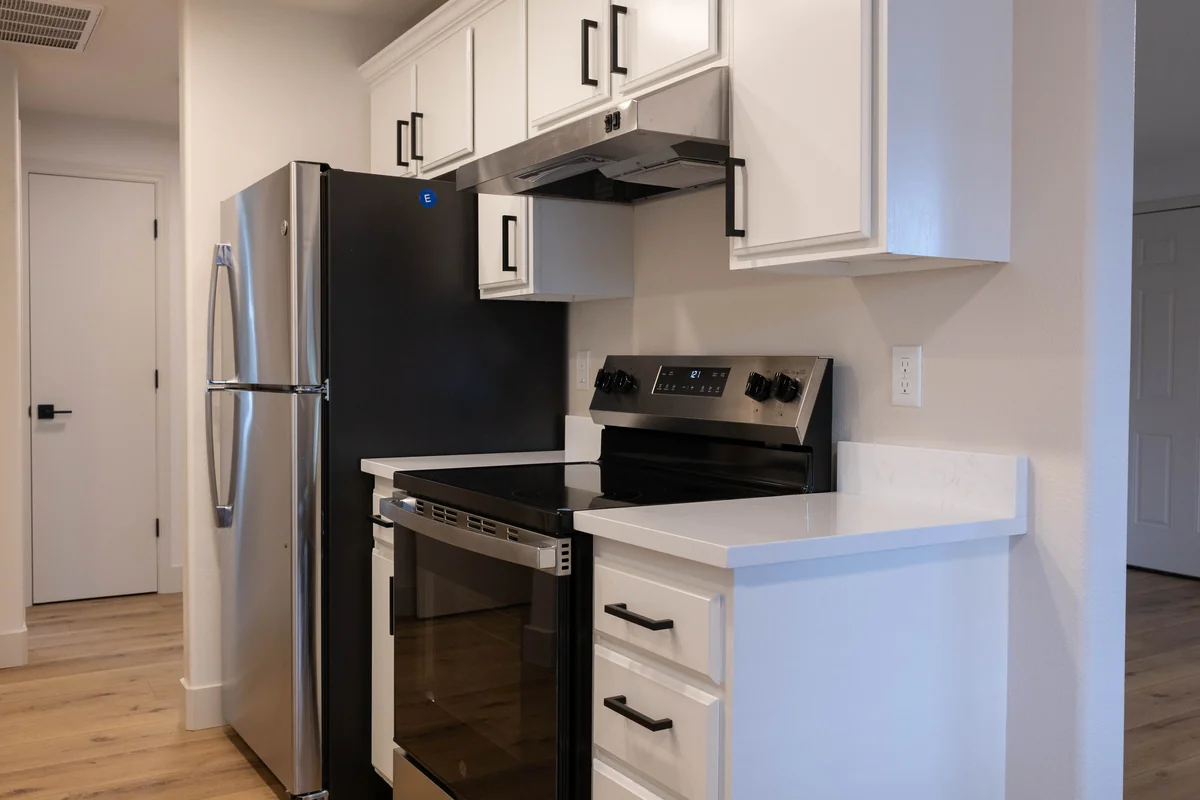
Contents work gets more complicated the moment more than one party owns the belongings. Landlords, property managers, business owners and condo boards all deal with questions a single-family claim never raises: whose policy, whose signature, and whose schedule the crew works around.
A landlord’s policy covers the building. Tenant belongings sit under their own renters coverage, and the tenant, not the owner, authorizes us to handle them. We build a separate inventory per unit, invite the resident to the walkthrough, and keep each household’s items segregated in storage so nothing crosses between claims.
Commercial losses run on a different clock. Paper records get triaged first, with wet files stabilized by freezing before they can pulp or bleed, and vacuum freeze-drying handles the ones worth recovering. Servers and equipment go to electronics specialists rather than getting powered on. Saleable stock is counted and documented for the carrier before anything is discarded.
One burst supply line in a condo stack can touch four units and the common hallway. The association’s master policy usually handles building elements named in the governing documents, while each owner’s policy handles contents and interior finishes. That means several adjusters, several inventories and one shared work sequence, so we document unit by unit from the first walkthrough.
Contents pack-out and storage cost depends on how much has to leave the building, what contaminated it, which cleaning process each material needs, how hard the load-out is, and how long storage runs before your home is ready. Robinson Restoration walks the property with you, builds a photographed and barcoded inventory, then turns that documented scope into a written estimate you’ll approve before we pack a box.
Clean supply-line water lets crews wipe down and dry most hard goods quickly. Category 3 sewage or heavy protein smoke forces protective equipment, containment, and item-by-item decontamination, which slows every box crews touch and pushes more porous goods into the replacement column.
Sealed hard goods often clean in one pass. Upholstery, mattresses, books, and wet paper need multi-stage work like laundering, ultrasonic immersion, freeze-drying, or chamber deodorizing, and each of those processes carries its own equipment, its own operator, and its own turnaround.
The same cubic footage costs more to move down a narrow stairwell than out a ground-floor slider. Elevator scheduling, restricted loading zones, and floor and doorway protection all add setup and carry time that has nothing to do with what’s in the boxes.
Bringing everything home is a second labor event. Crews unwrap, place room by room, reassemble what came apart, reconnect appliances and electronics, and haul the packing material off. When repairs finish in phases, that delivery happens more than once.
On a covered loss we bill your carrier directly, so your out-of-pocket is usually the deductible rather than the full contents invoice. Excluded causes like gradual leaks or flooding without a flood policy land on you, and your adjuster approves the scope first.
Call for a contents walkthrough. Photos of the affected rooms, your claim number, and what’s packed into garages, attics, and basements help us scope the job accurately.
On covered losses, yes, contents handling is typically part of the claim alongside the structure work. Our barcode inventory doubles as your contents claim documentation, which saves you from building a spreadsheet of everything you own from memory. We bill the carrier directly like the rest of the loss.
Every item is photographed and condition-documented before it leaves your home, tracked by barcode through cleaning and storage, and checked back in at delivery. You get a copy of the inventory. In the rare case something is damaged in our care, we own it, that's what our insurance is for.
Of course. During the walkthrough, set aside whatever you need for daily life: clothes, devices, documents, kids' comfort items. We inventory what stays with you too, so the claim record is complete.
Clothing and textiles go through specialized laundering or dry cleaning rated for smoke contamination. Furniture and hard goods get cleaned by material type, then deodorized in ozone or hydroxyl chambers that neutralize odor molecules rather than perfuming over them. If an item still smells, it didn't pass, and we treat it again.
Until your home is ready for them, typically the length of reconstruction. Storage is climate-safe and secured, and you can request access to specific items if something comes up. Your project manager coordinates the return delivery around the rebuild's finish date.
Plan to be there for the walkthrough, since that is when we flag priorities, note pre-existing damage and confirm what stays with you. After that, no. Most clients hand off a key or a lockbox code and get photo updates as rooms are cleared. If you would rather stay, you are welcome to, though we will ask you to keep clear of active work zones.
Those four get handled differently from the rest of the house. Cash and controlled medications never go on the truck, so plan to take them yourself. Firearms are documented, secured and transported under the rules that apply to them. Jewelry, coins and collectibles are photographed individually, listed with any appraisals you have, and stored apart from household boxes, which also matters because most policies cap what they pay on those categories.
It depends on what reached the circuit board. Smoke leaves acidic residue that keeps eating solder and contacts long after the fire is out, so speed matters more than scrubbing. Do not power anything on to test it, since that is how a salvageable unit becomes a dead one. Electronics go to a specialist for cleaning and evaluation, and units that fail get documented for replacement with any stored data addressed separately.
“We had a major sewer back up a couple of weeks ago, into the laundry room and downstairs bathroom. Panic! We were referred to Robinson Restoration and what a blessing. The whole crew has been wonderful.”
Lynn Dee King · Google Review
“One of the pipes in the shower burst and water damage got all over the roof in the kitchen. As new home owners we were very scared and panicked. We contacted Kelly Farmer from Robinson Restoration and believe me when I say I felt like more than half of my problem was solved.”
Nav Basra · Google Review
“Just started a project with Cole and Chuck at Robinson Restoration and had to write a review straight away. These guys have been fantastic. We were away on a week long trip when we had a kitchen leak that destroyed our flooring and subfloor.”
Justin O’Neill · Google Review
Our contents crews cover communities across Washington and Oregon, so the same inventory system and the same storage standards apply wherever your loss happened. Pick your city below for local detail, or call and we will have someone on-site in 90 minutes.
Ask about contents handling when you call. It's part of the plan, not an afterthought.
Licensed · Insured · IICRC Certified · Serving Washington & Oregon