Robinson Restoration is an IICRC-certified water damage restoration company serving Seattle, WA. Crews dispatch 24 hours a day, arrive on-site in 90 minutes or less, document the readings and photos your carrier needs, and bill your insurance directly on covered claims.
Century-old bungalows sit on hillsides that shed rain sideways, and half of Seattle lives over a basement. When a supply line fails or a floor drain backs up, the finished space below takes it first. Dispatch answers any hour of the night, and a certified crew can be on-site in 90 minutes.
The old neighborhoods went up between 1900 and 1930: Craftsman bungalows and boxes over full basements, most with cast iron waste stacks and some with original galvanized supply. Newer townhouses fill in between them, stacked three and four stories on narrow lots. Under all of it sits glacial till and dense clay that stops water from draining down, so winter rain travels along the hillside until it finds a foundation.
Our Kent operations center covers Seattle, and dispatch runs 24 hours with crews already carrying extraction and drying equipment. Every job follows IICRC S500: moisture mapping before demo, daily readings logged, photos of each affected assembly. We bill your carrier directly and give adjusters a file they can approve without a fight. If the loss crosses into rebuild work, we manage that through vetted licensed contractors and our sister companies.

Seattle losses rarely happen at a convenient hour, so crews and drying equipment stay staged overnight and through the weekend.
24 hours a day, 7 days a week, our crews dispatch the moment you call and start mitigation the same visit. Call dispatch or message us for immediate help.
We stop further damage with commercial extraction, structural drying, and antimicrobial treatment, and we walk you through the entire insurance claim as we work.
We manage your rebuild to pre-damaged condition through our trusted network of licensed contractors and sister companies. One manager, one timeline.
Large parts of older Seattle still run stormwater and sewage in the same pipe. During a heavy winter storm the system surcharges, and the lowest opening in your house becomes the relief valve. Basement floor drains, laundry standpipes, and old basement toilets push contaminated water back into finished rooms. That's a Category 3 loss, handled with containment from the first minute.
Queen Anne, Magnolia, Beacon Hill, and West Seattle all sit on slopes where a permeable layer runs over dense clay. Rain soaks down, hits that clay, and turns sideways. Homes cut into the uphill side of a street get the whole hill's water against their foundation wall through February, and a finished basement is what feels it.
A lot of the city lives stacked, in older brick apartment buildings, converted houses, and newer townhouse rows. One failed supply line on an upper floor can wet three units and whatever sits on the ground floor. We contain each unit separately, coordinate access with the property manager or HOA, and keep the damage record split so every policy involved gets its own documentation.
Converted basements and backyard cottages are everywhere in Seattle, and they're the part of the property most exposed to water. Below-grade bedrooms, low ceilings, and a bathroom tied into an old lateral add up fast. Losing that space also means losing rent, which is why we start extraction on the first visit and document the timeline your carrier will want.
Most of the losses we run in Seattle start one of three ways: sewage backups, burst and leaking pipes, and appliance failures. Here is why each one happens here, and what it takes to dry it properly.
Clay laterals under century-old Seattle lots crack and fill with roots, and a surcharged combined sewer sends the contents back up the basement floor drain. Everything porous the water touched comes out before drying starts.
Galvanized supply from the twenties corrodes shut from the inside until a joint fails, often inside a plaster wall or above a basement ceiling where it runs unheard for hours.
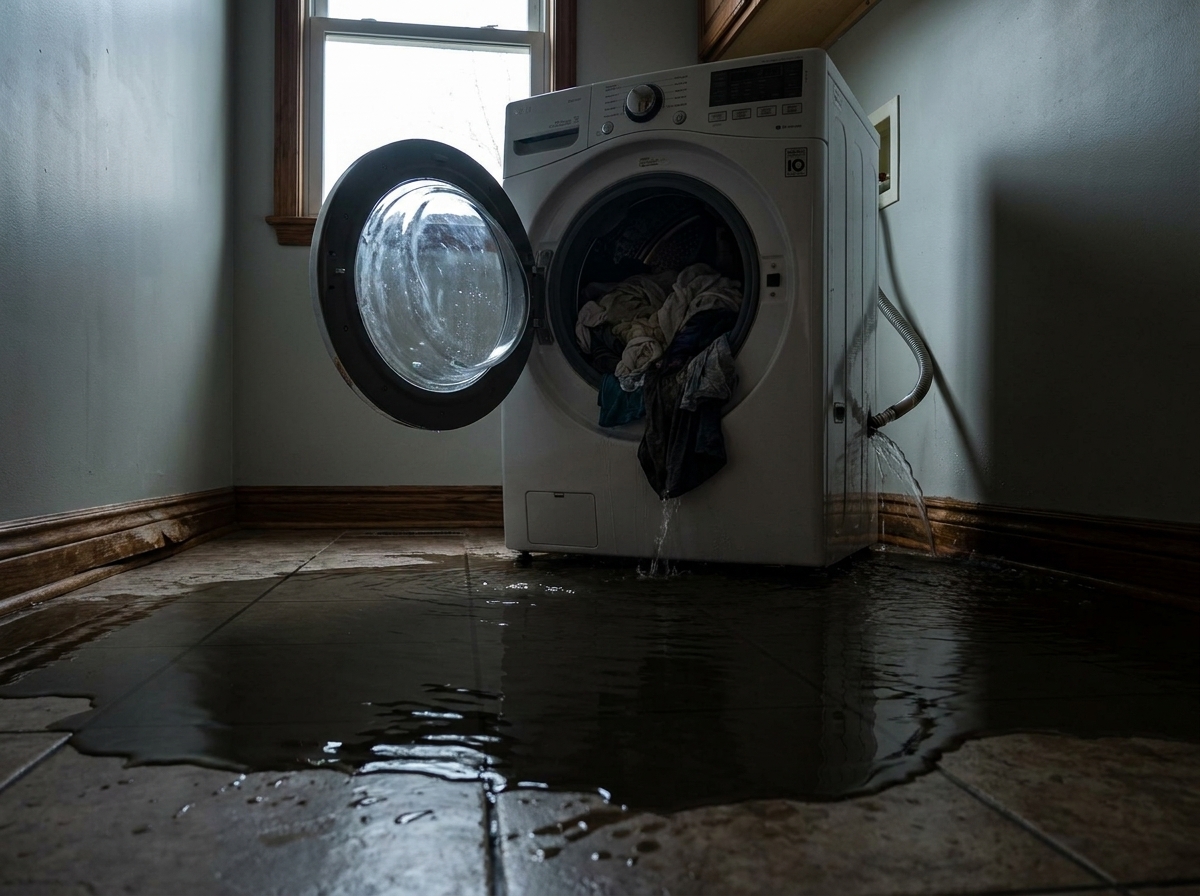
Stacked washer and dryer closets in condos and townhouses put a supply hose on an upper floor with finished space below. When the hose or the pan drain fails, water goes straight down through the units underneath.
Low blocks near Salmon Bay sit close to the water table, so crawlspaces under older bungalows hold moisture.
Older buildings here run flat roofs with interior drains, and one plugged drain sends winter rain through top floors.
Century-old Craftsman homes with upstairs baths added over kitchens, where a failed supply line lands on the main floor.
Ground close to the lake stays saturated through the wet months, so sump pumps and foundation drains earn their keep.
Built partly over old peat and fill, so settled foundations open cracks that winter water finds.
Postwar ramblers from the forties and fifties, where aging water heaters sit in utility rooms beside finished space.
Old foursquares and bungalows sit beside new townhouse infill, so one block mixes century-old plumbing with fresh construction.
Among the lowest ground in the city along the Duwamish, where heavy rain and high tides slow drainage.
Beach-level blocks sit low and wind-exposed, where driven rain works at old window flashing and siding first.
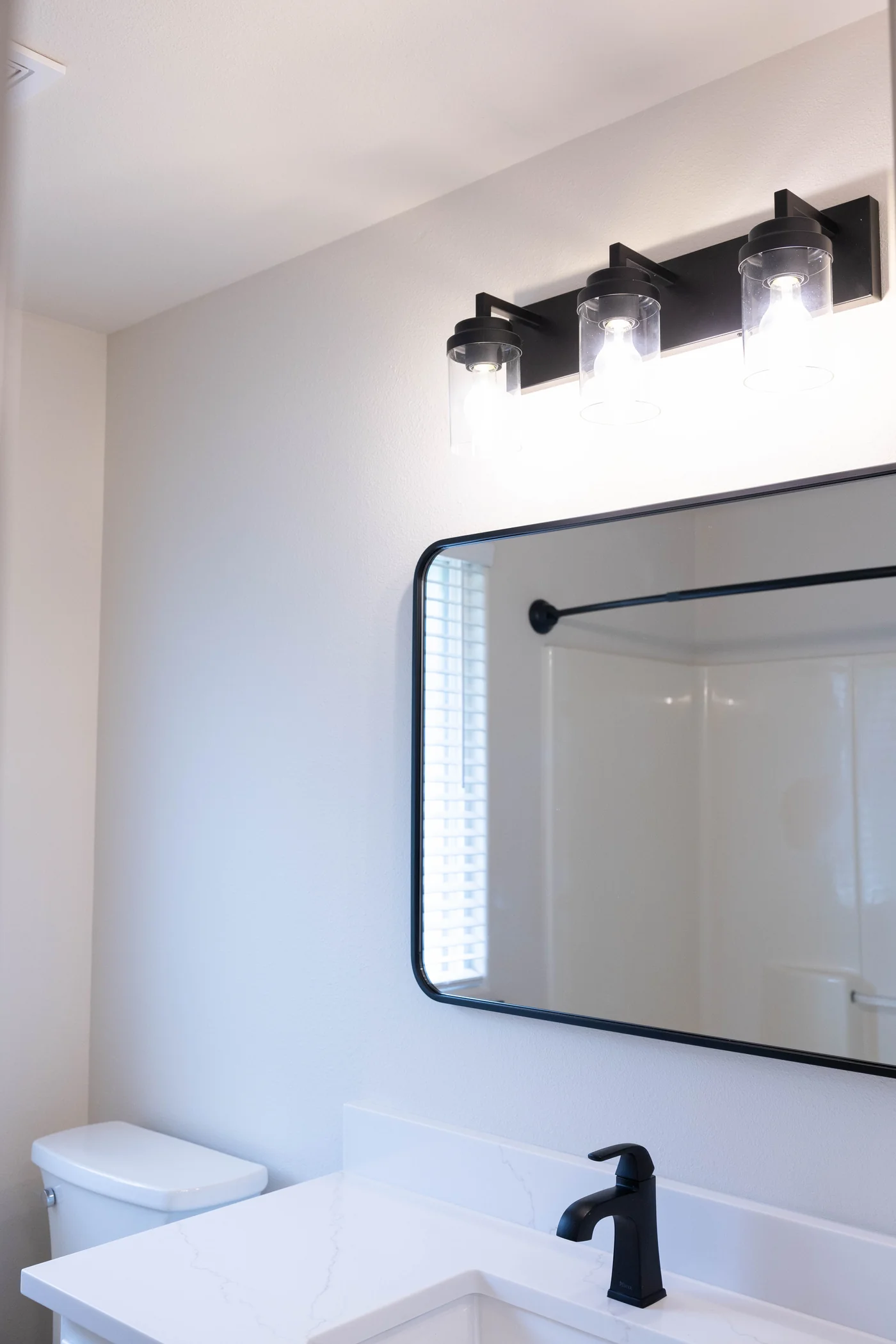
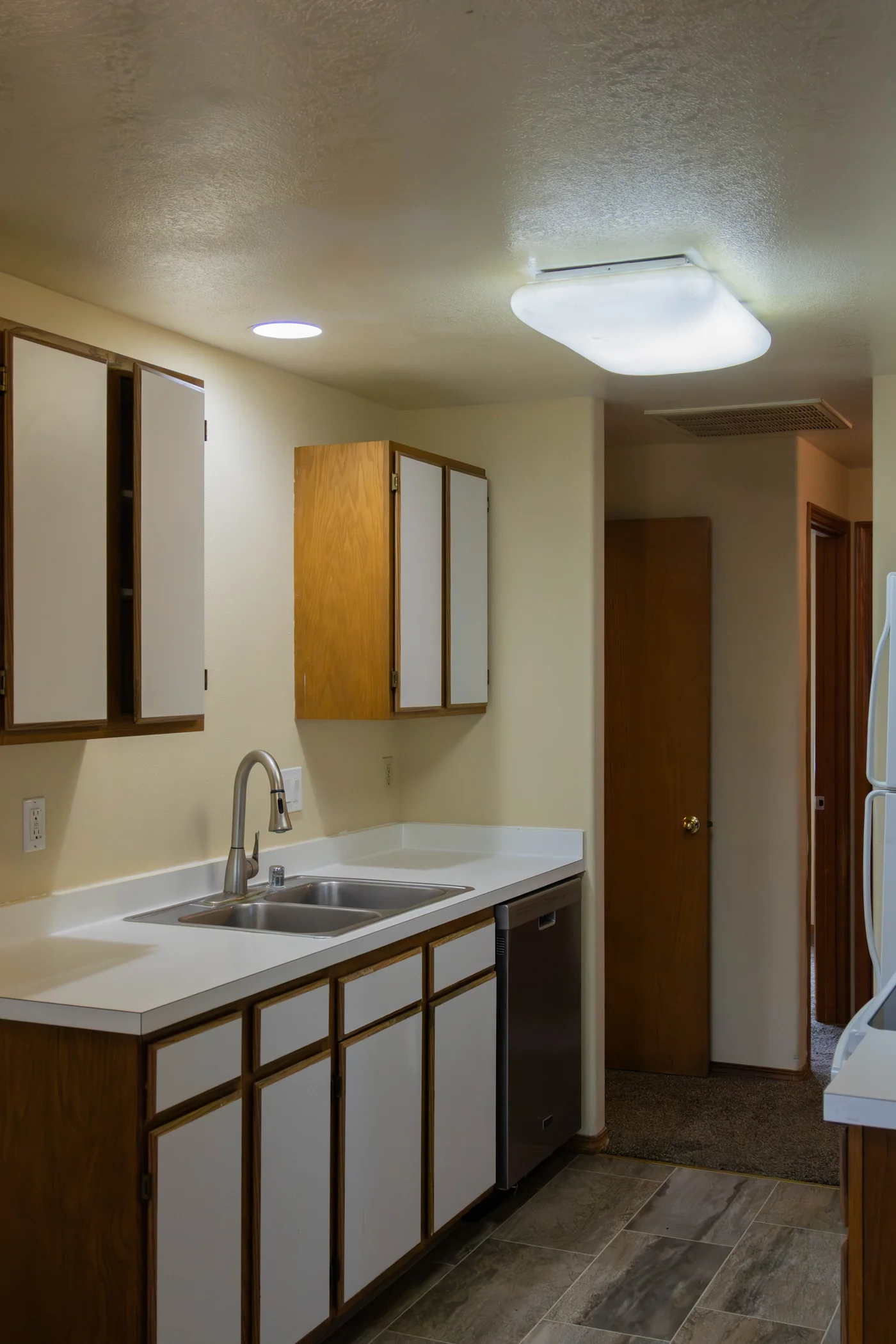
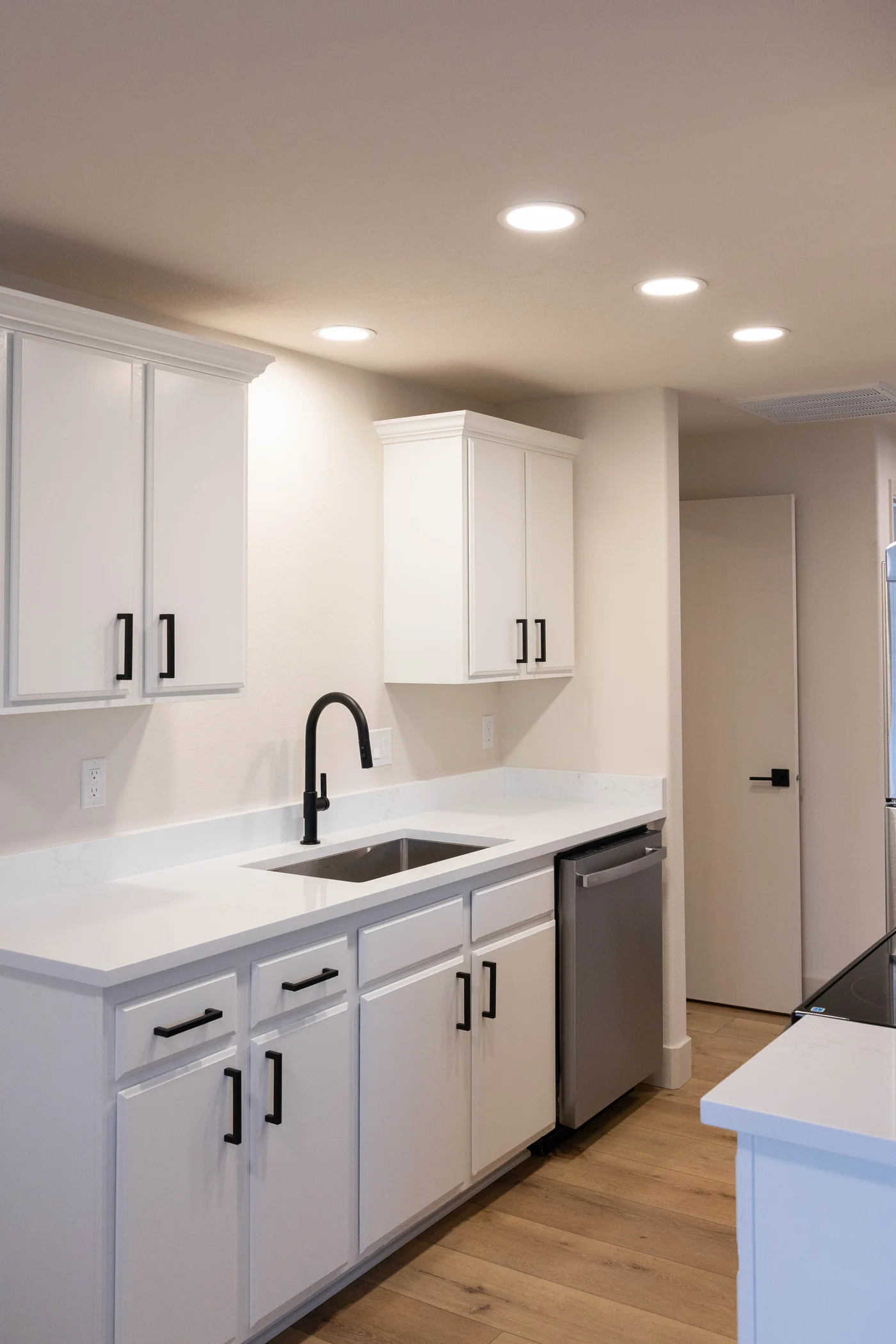
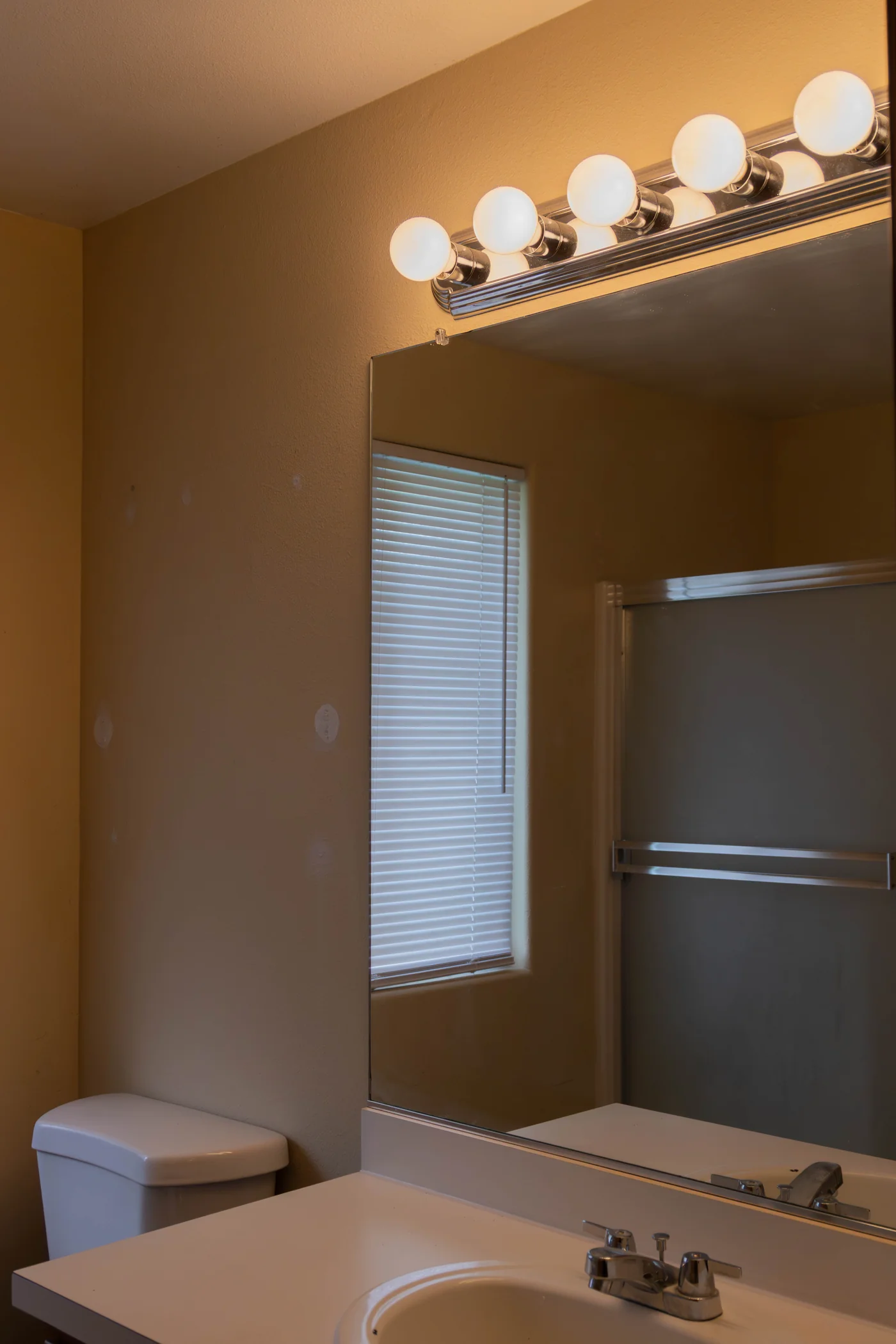
These photos come from real Robinson jobs across the Puget Sound region. We document every loss the same way, start to finish, because the file is what your adjuster reads. Here's what that work looks like.
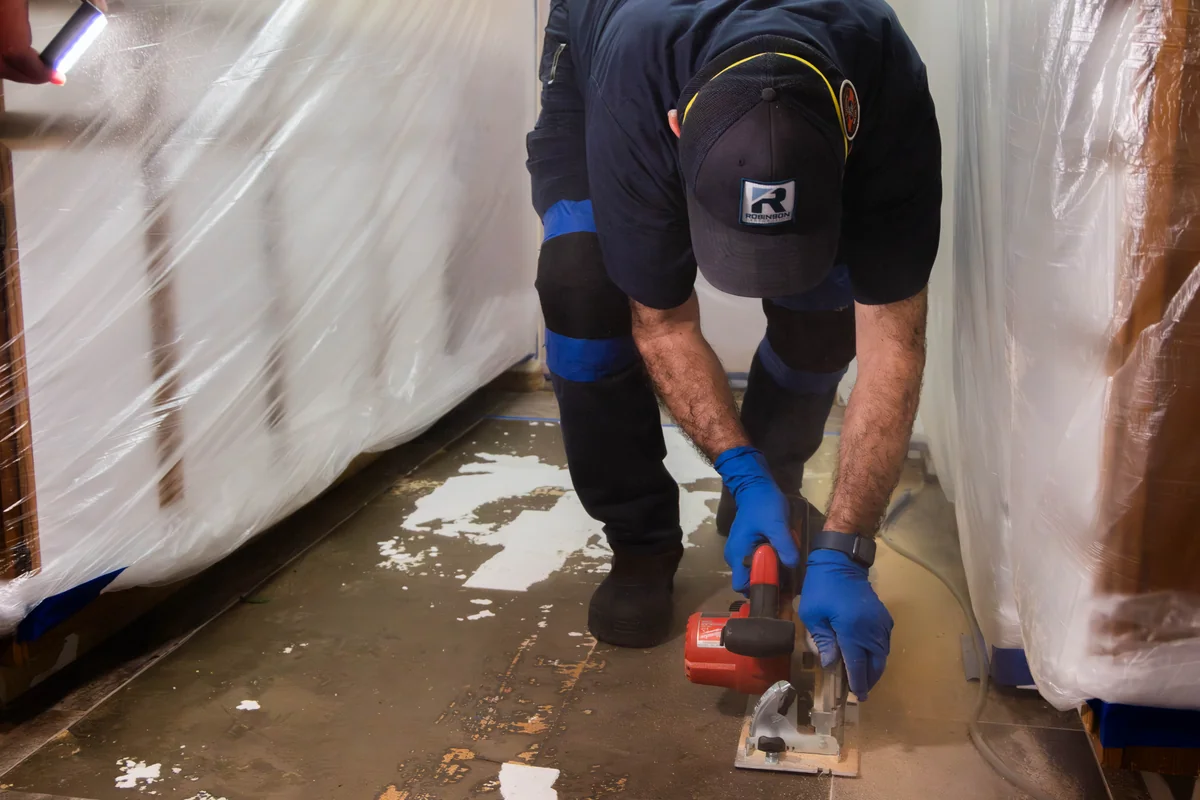
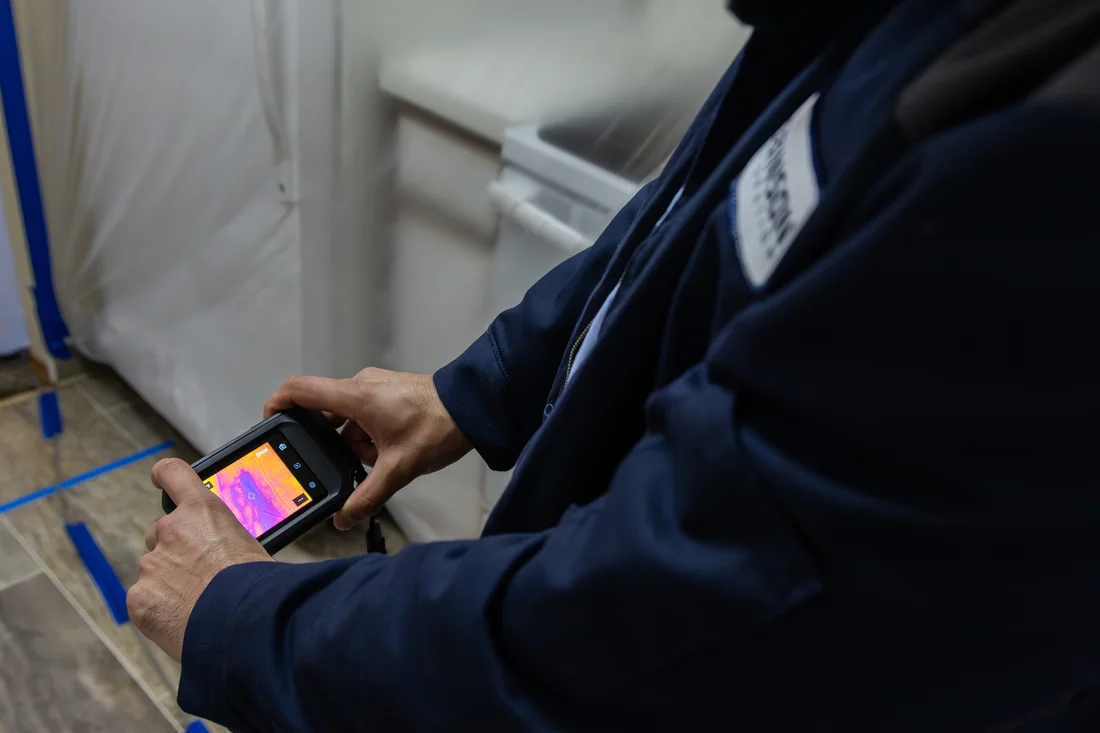
Every job starts with meters and a camera. Our crews trace how far water traveled behind baseboard and under flooring, then mark the wet edge so demolition stays limited to what has to go.
Air movers and dehumidifiers stay in place until the materials themselves hit a dry standard. A technician logs readings at every monitoring point each day, and those numbers go into the claim file your carrier reviews.
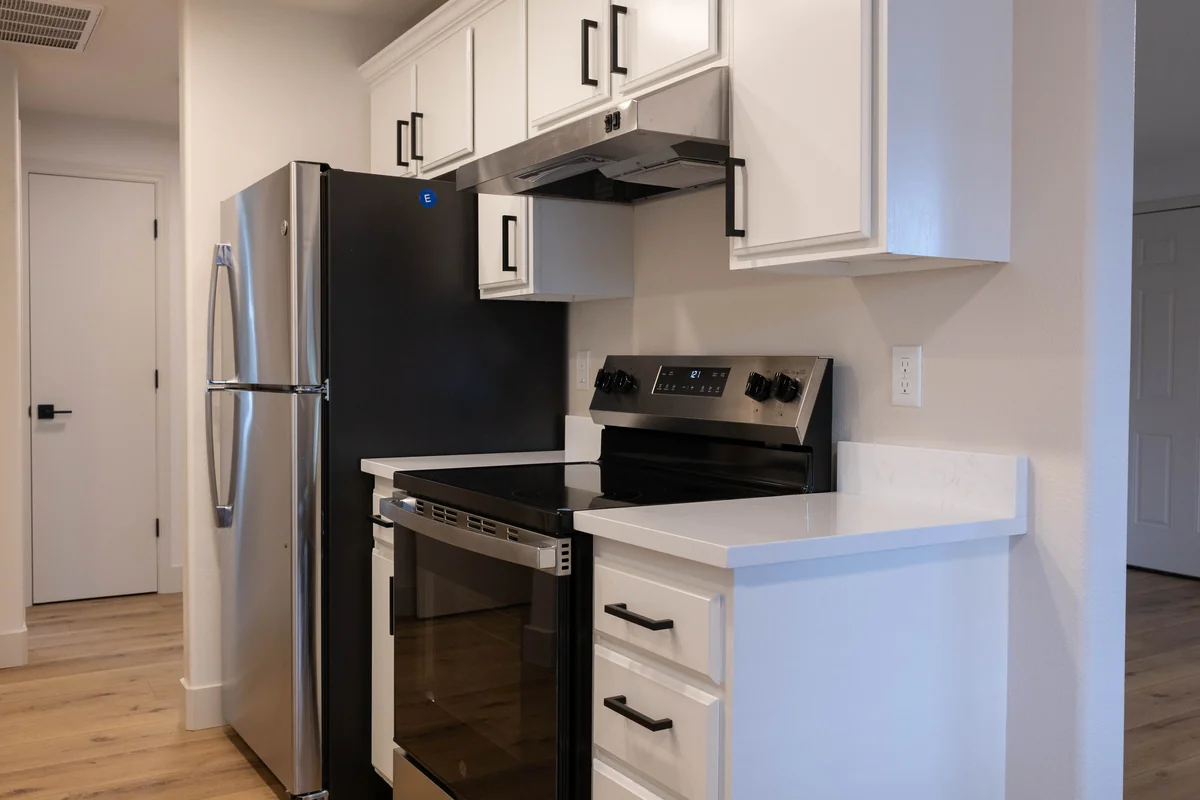
When a loss takes out tile, vanity, and subfloor, the rebuild has to match what was there. Robinson manages that phase through vetted licensed contractors and sister companies, so one project manager carries the same scope into finish work.
Most people hire a restoration company on the worst day of their year, with water still on the floor and no time to research. A few questions sort out the companies worth hiring. Ask them before anyone starts work.
Washington requires contractors to register with Labor and Industries, and that record is public: bond, liability coverage, and license status all show up in a lookup. Ask for the registration number and check it yourself. Then ask which technicians hold IICRC certification, since water restoration runs on the S500 standard.
Some of the numbers that rank for water damage in Seattle route to a call center that sells the lead to whoever buys it first. Ask where the crew dispatches from, whether they're employees, and who your contact will be tomorrow morning. A local company answers all three without hesitating.
Ask to see a sample file before you hire. It should include moisture readings by day, photos of every affected assembly, an equipment log, and a written dry standard. Adjusters approve what they can verify, and a thin file is where covered work turns into an argument over line items.
Get the response commitment in writing. Robinson dispatches around the clock and puts a certified crew on-site in 90 minutes. Then ask what happens after drying: who manages the rebuild, and what warranty covers the workmanship. On an older Seattle home where materials have to be matched, that answer carries weight.
Ask us the same questions. We'll give you the registration number, the certifications, a sample claim file, and the name of the manager running your job. Seattle homeowners should have that much before the first fan goes in.
Water is how most losses start. It’s rarely where they end. The same local crew handles all of it.
Three real projects, photo-documented for the insurance carrier and backed by our 5-year workmanship warranty. Drag each handle to compare.
“One of the pipes in the shower burst and water damage got all over the roof in the kitchen. As new home owners we were very scared and panicked. We contacted Kelly Farmer from Robinson Restoration and believe me when I say I felt like more than half of my problem was solved.”
Nav Basra · Google Review
“Just started a project with Cole and Chuck at Robinson Restoration and had to write a review straight away. These guys have been fantastic. We were away on a week long trip when we had a kitchen leak that destroyed our flooring and subfloor.”
Justin O'Neill · Google Review
“I want to express our sincere gratitude to the Robinson team that quickly moved to identify, rectify, repair, and then clean up the mess left by an itty-bitty hot water leak that went unnoticed because of its location.”
Michael Quinn · Google Review
In Washington, you choose your restoration contractor, and your carrier can’t penalize you for it. We document every Seattle loss with moisture maps, photos, and daily readings, then bill your insurer directly. You pay your deductible. That’s it.
Subject to policy coverage and deductible. We handle the paperwork, photos, and adjuster calls.
That search usually means water is moving right now. Robinson Restoration runs local crews across Seattle and answers dispatch 24/7, so there's no waiting for business hours. In many cases we're on-site in 90 minutes or less with extraction gear, air movers and dehumidifiers already loaded. We bill your insurance company directly and document every reading the adjuster is going to ask about.
Standard Washington homeowners policies exclude sewer and drain backup unless you carry the endorsement, and plenty of Seattle owners learn that during the first big storm of the season. Check your declarations page for water backup coverage and note the sublimit, since it usually sits far below your dwelling limit. We document how the water entered regardless, because the source decides which coverage responds.
Carefully, and with separate paperwork. In a Seattle condo or townhouse the building policy, the HOA's responsibility, and each owner's policy all touch the same loss. We contain and dry each affected unit, keep moisture logs and photos organized per unit, and coordinate access so drying isn't held up by scheduling. That separation is what stops one claim from becoming three arguments.
Plaster over wood lath behaves differently than drywall. It holds together wet, dries slower, and often survives if air gets moving on both sides fast enough. On older Seattle homes we open a controlled access instead of gutting a room, dry the cavity, and monitor the lath and framing. If readings won't come down, the plaster comes out and the file shows exactly why.
Growth can start inside about 48 hours, and the Seattle wet season keeps indoor humidity high enough that it doesn't need much help. Opening windows in January makes it worse, since outdoor air is already saturated. Sealed containment plus dehumidification pulls moisture out of the assembly rather than pushing it around the house, which is why calling on day one costs less than calling on day four.
Yes. On most Seattle losses we bill your carrier directly, so your out-of-pocket is the deductible. The daily file includes moisture readings, equipment logs, and photos of every affected assembly, formatted the way adjusters expect to see it. When a line item gets questioned, that conversation happens between us and the carrier instead of landing on you after a long week.
You get a final moisture report showing the affected materials at a dry standard, and then reconstruction begins. We manage that phase through vetted licensed contractors and our sister companies, so the same scope carries into the rebuild. On a Seattle house with original trim, fir floors, or plaster detail, matching what was there is its own skill and gets treated that way.
Water moves through a house faster than you'd think. Call and a Seattle crew is dispatched tonight.
Licensed · Insured · IICRC Certified · Serving Washington & Oregon