CERTIFIED • LICENSED • INSURED
WA #ROBINRL752MZ · OR CCB# 256698
24/7 Emergency Dispatch | 90-Minute Response
24/7 Tri Cities Dispatch

Water Damage Restoration in Tri Cities, WA

On-site in 90 minutes or less
We bill your insurance directly
IICRC-certified local crews
1,000+ 5-Star Reviews
Free Tri Cities Inspection · 90-Min Response
90 MIN
On-Site Response
24/7
Emergency Dispatch
1,000+
5-Star Reviews
IICRC
Certified Crews
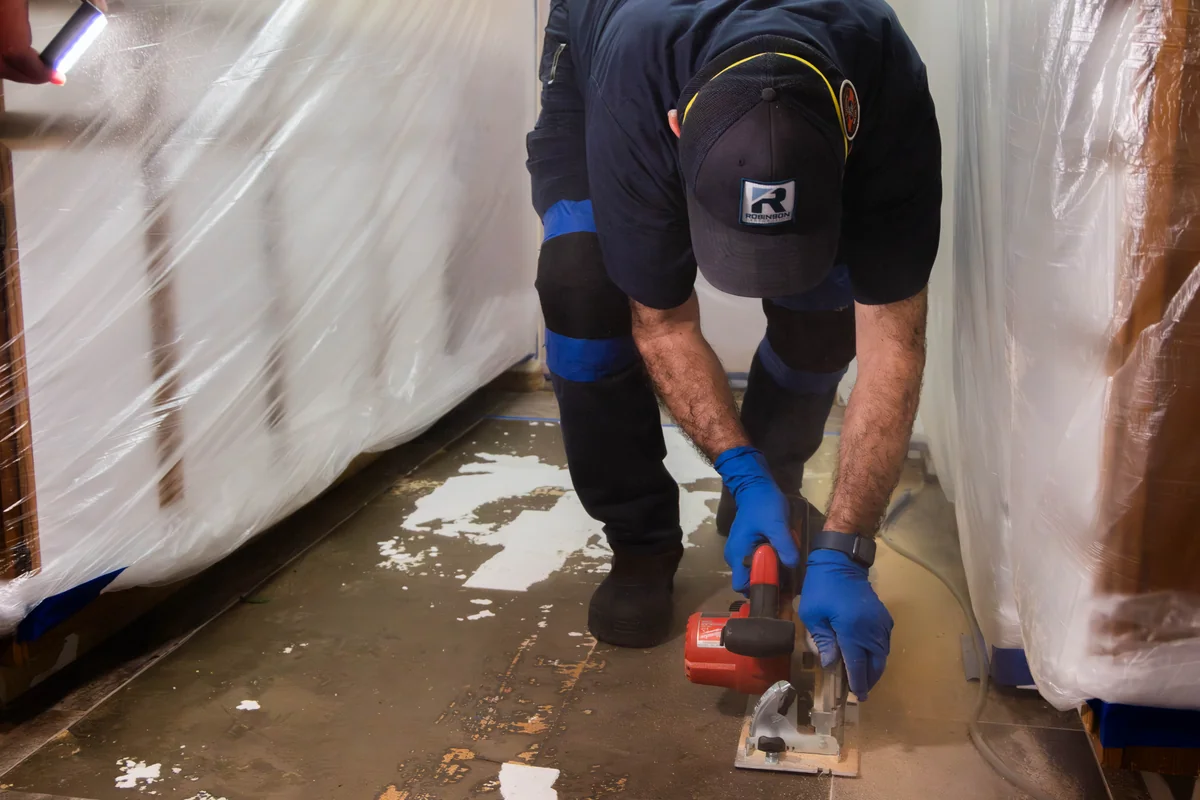
Robinson Restoration technician setting drying equipment on a water loss
90 min
On-Site Response
Certified
IICRC
S500 Standard
Local Experts

Water Damage Restoration Built for Tri Cities

Robinson Restoration is an IICRC-certified water damage restoration company serving Tri Cities, WA. Crews dispatch 24 hours a day, arrive on-site in 90 minutes or less, document the readings and photos your carrier needs, and bill your insurance directly on covered claims.

When a supply line lets go in Kennewick, Pasco, or Richland, water spreads across the slab long before anyone hears it. Robinson Restoration answers Tri Cities calls around the clock, and crews roll with extraction units, moisture meters, and drying equipment already loaded on the truck.

Three rivers meet here, and the ground between them is sand, silt, and caliche that pushes water toward the lowest slab it can find. Most of the housing sits on grade with no basement, so a leak runs sideways under flooring instead of draining down. Add January cold snaps in the teens, irrigation systems that charge up every April, and summer heat that hides a slow drip until the flooring cups.

Our Tri Cities office runs 24/7 dispatch and can be on-site in 90 minutes on emergency calls. Techs work to IICRC S500 standards: moisture mapping before anything comes out, daily readings logged for every affected material, photos and drying records built into a file your adjuster can actually follow. We bill your carrier directly, so most homeowners deal with the deductible and nothing else.

True 24-Hour Service
Direct Insurance Billing
IICRC Certified
How We Respond

Respond. Mitigate. Restore.

Basin weather turns fast, so our Tri Cities crews keep extractors, air movers, and dehumidifiers staged and loaded before the first cold-snap call comes in.

Robinson Restoration crew loading extraction equipment at a water loss
Phase 1

Respond.

24 hours a day, 7 days a week, our crews dispatch the moment you call and start mitigation the same visit. Call dispatch or message us for immediate help.

Robinson Restoration technician setting drying equipment on a water loss
Phase 2

Mitigate.

We stop further damage with commercial extraction, structural drying, and antimicrobial treatment, and we walk you through the entire insurance claim as we work.

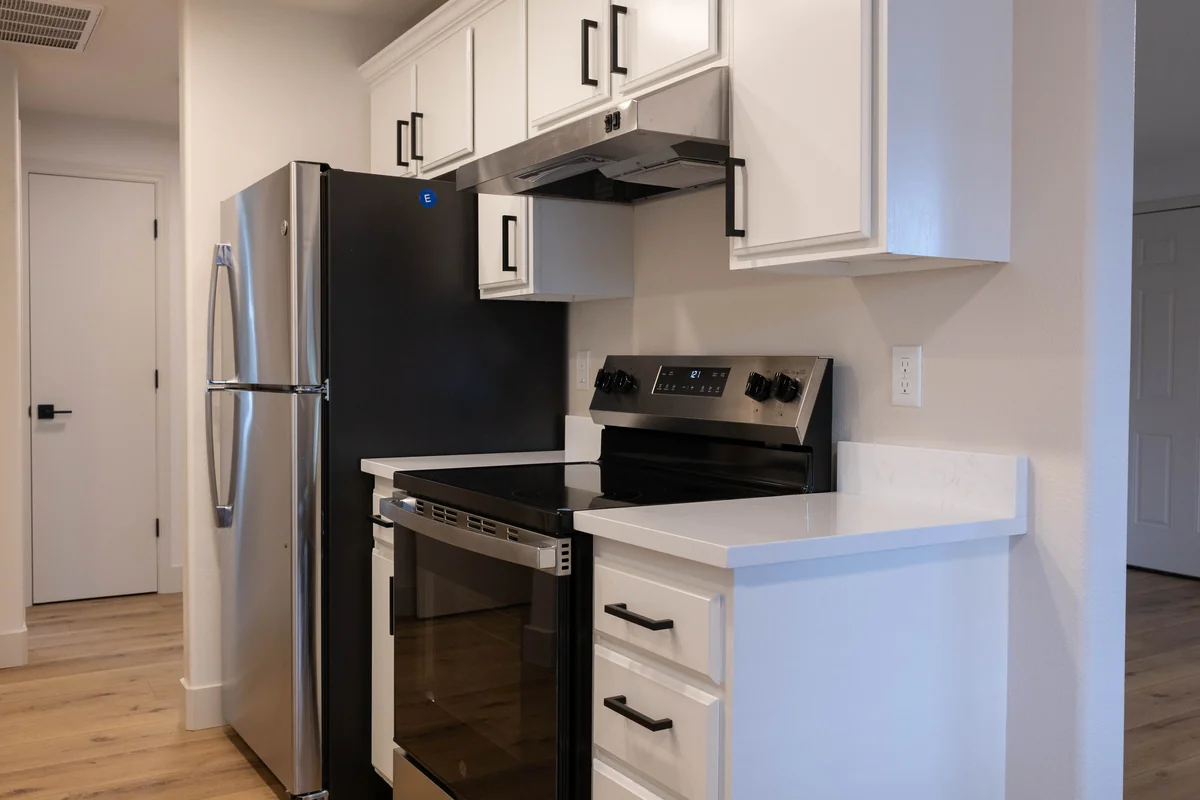
Rebuilt kitchen after a Robinson Restoration managed reconstruction
Phase 3

Restore.

We manage your rebuild to pre-damaged condition through our trusted network of licensed contractors and sister companies. One manager, one timeline.

Local Knowledge

Why Tri Cities Calls Robinson

Slab-on-Grade Housing

Most Tri Cities homes were built on a concrete slab with no crawlspace underneath. That changes everything about a leak. Water has nowhere to fall, so it travels laterally under vinyl plank, tile, and carpet pad, then wicks up into base plates and drywall. We map the wet footprint with meters and thermal imaging first, because the visible stain is almost never the real edge.

Hard Basin Freezes

Winter here does not stay mild. Cold air settles into the basin for days, and pipes in unheated garages, attic runs, and exterior walls give out. The break usually stays quiet while everything is frozen solid, then releases when the house warms back up. That delay is why so many Kennewick and Pasco freeze losses are already inside the walls by the time they are found.

Irrigation Season Failures

Nearly every property here runs irrigation, and spring startup is when winter damage announces itself. Split backflow assemblies, cracked risers, and shallow lateral lines dump volume right against the foundation. On a slab home that water finds its way under the plate line and into the flooring. We handle the interior drying and document the source so the claim is clean.

Ag, Wine, and Commercial Losses

The area runs on agriculture, food processing, wine production, and the technical work that surrounds Hanford. Those buildings hold cold storage, tasting rooms, offices, and product that cannot sit wet. We work after hours, set containment so operations keep running where possible, and log the drying so a business interruption claim has real data behind it instead of guesswork.

What We See in Tri Cities

What Causes Most Water Damage in Tri Cities Homes?

Most of the losses we run in Tri Cities start one of three ways: frozen and split pipes, appliance failures, and water heater failures. Here is why each one happens here, and what it takes to dry it properly.

Burst pipe flooding a basement

Freeze Damage

Basin cold snaps drop into the teens and hold. Pipes in unheated garages, attic runs, and exterior walls split while frozen, then release hours later when the house warms and nobody is watching.

Appliance Failures

Appliance Failures

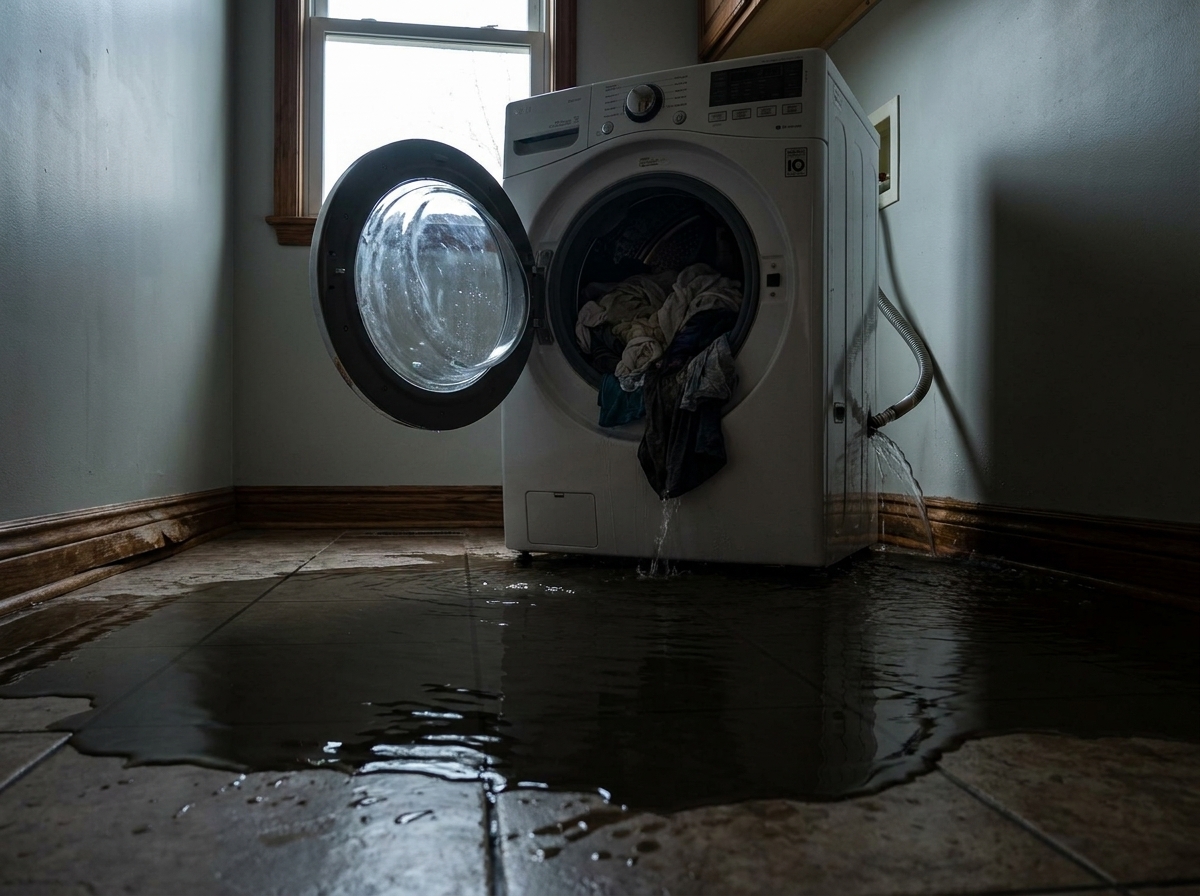
Washer hoses, ice maker lines, and dishwasher supply fittings fail quietly. With no crawlspace to catch the water, it runs under cabinet toe kicks and flooring long before a wet spot shows up.

Water Heater Failures

Water Heater Failures

Hard water scales tanks quickly here. A corroded heater in a garage or interior closet can release its full volume at once, then keep feeding the leak until somebody finds the cold inlet valve.

Local Coverage

Areas of Tri Cities We Cover

Central Richland

Hanford-era alphabet houses from the 1940s, layered with decades of remodels that hide original plumbing runs behind newer finishes.

Meadow Springs

Established south Richland homes with mature landscaping, larger footprints, and aging fixtures behind updated kitchens and baths.

Horn Rapids

Master-planned construction on the shrub-steppe edge, newer homes where blowing sand clogs gutters and roof drainage backs up.

West Pasco

Pasco's fastest-growing side. Dense tract subdivisions where upstairs laundry rooms and second-floor baths sit over finished living space.

Downtown Pasco

The region's oldest housing stock. Railroad-era and mid-century homes still running galvanized supply lines and original cast iron drains.

Downtown Kennewick

Older established blocks near the river, mature trees, and a mix of crawlspaces, additions, and converted porches.

Southridge

Newer hillside neighborhoods above the city. Sloped lots push stormwater and sprinkler overflow straight toward downhill foundations.

Canyon Lakes

Eighties golf-course subdivision in south Kennewick, mostly single-level plans with long horizontal supply runs under the flooring.

Badger Canyon

Rural acreage below Badger Mountain. Shops, outbuildings, and long service lines let a leak run unnoticed for days.

Documented Jobs

Recent Work From Our Tri-Cities Crews

Every loss our crews work gets photographed from the first walkthrough to the last reading. Here's a look at the kind of work Robinson technicians document on water losses across the Columbia Basin.

Robinson Restoration technician documenting damaged contents during the initial assessment

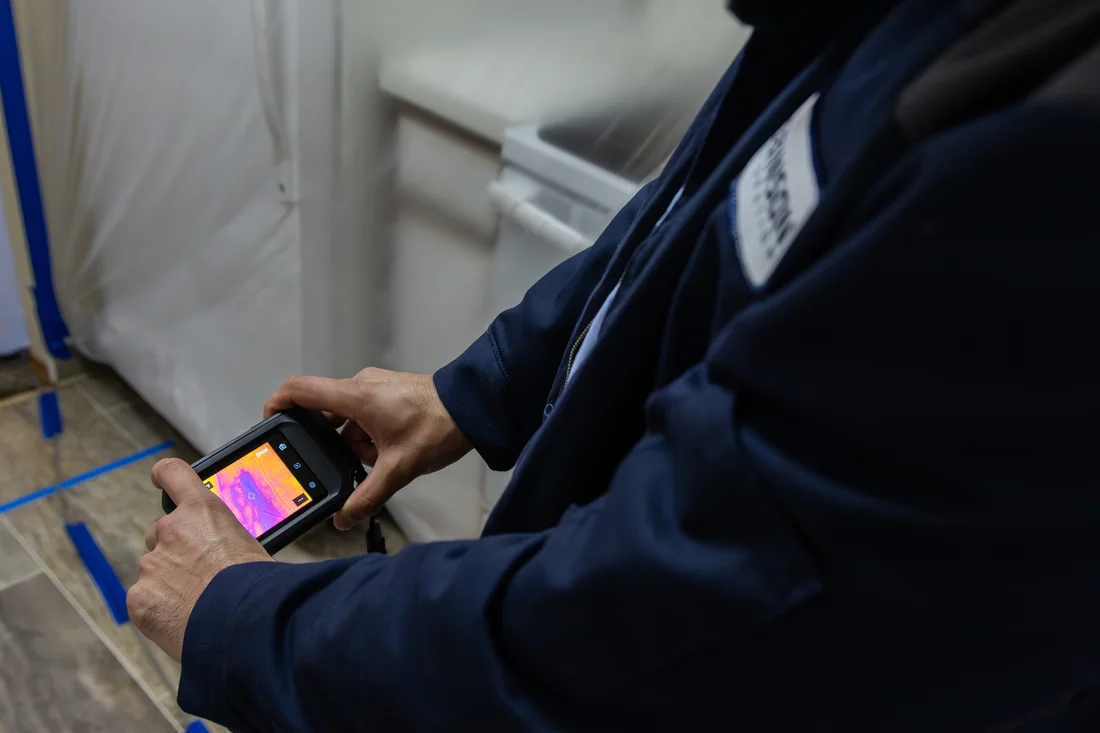
Mapping the Wet Footprint

Before anything comes out, techs pull moisture readings and thermal images to set the drying boundary. Those numbers decide what gets removed and what stays, so they go in the file first.

Robinson Restoration crew running structural drying equipment on a commercial loss

Equipment Set and Logged Daily

Air movers and dehumidifiers get placed for the specific assembly that's wet, then checked on a schedule. Readings come off the same points every visit, so the drying curve is defensible when the adjuster asks.

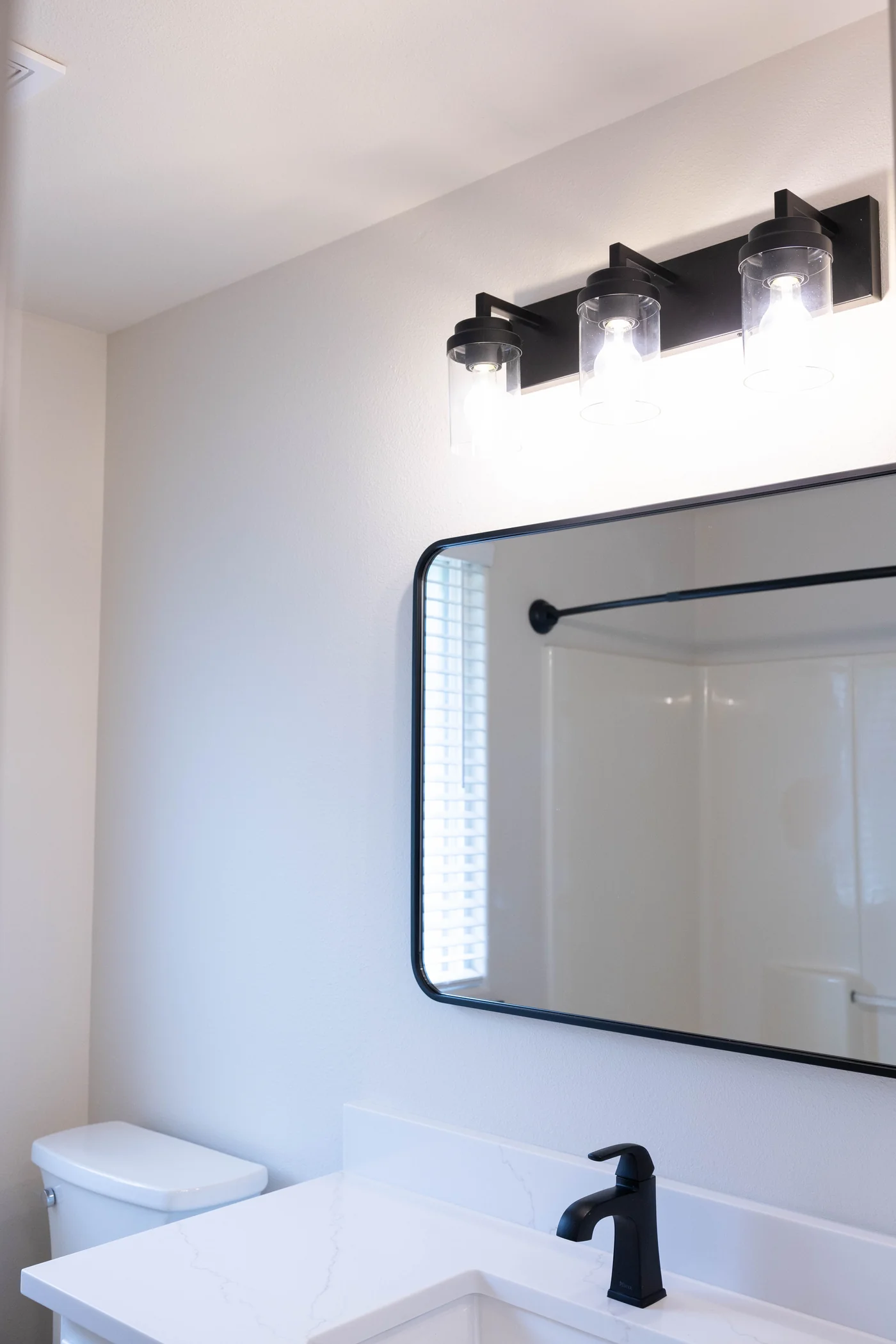
Bathroom Rebuild after restoration

Putting the Bathroom Back Together

Once the structure reads dry, the space goes back to pre-loss condition. Robinson manages that rebuild through vetted licensed contractors and sister companies, with one project manager holding the schedule and the scope.

Do Your Homework

How to Choose a Water Damage Company in Tri Cities

Water damage calls get made under pressure, usually with a wet floor underfoot and a phone in hand. A few minutes of vetting still pays off. Here's what actually separates a legitimate restoration contractor from a company that just answers the phone fast.

01

Verify Washington Contractor Registration

Any company doing restoration or repair work in Washington has to carry an active contractor registration with Labor and Industries, plus a bond and liability coverage. The number is public and takes about a minute to look up. Ask for it before anyone starts cutting drywall, and check that the name on the registration matches the name on the truck.

02

Check Who Holds the IICRC Certification

Certification is a company claim until you check who's actually holding it. Ask whether the technician running your job carries IICRC credentials in water restoration and applied structural drying, and whether the work follows the S500 standard. A certified tech knows when a material can dry in place and when it has to come out.

03

Look at the Documentation

Request a sample file before you sign anything. On a Basin slab home, meter readings are what justify pulling flooring versus drying it in place, and your adjuster will want that data before approving the scope. Daily logs, moisture maps, labeled photos, and itemized line items should already be part of how they work.

04

Local Crews, Written Warranty

Some of the numbers that rank well for Tri Cities searches route to a national call center that brokers your job to whoever is available. Ask where the crew is dispatched from, who your point of contact is, and how rebuild work gets handled after drying. Then get the workmanship warranty terms in writing.

Run those questions past any company you're considering, ours included. The ones doing this work properly in the Tri Cities will answer without hedging, and the answers will be the same in writing.

Every Restoration Service, One Tri Cities Call

Water is how most losses start. It’s rarely where they end. The same local crew handles all of it.

Documented Results

Drag to See a Real Robinson Rebuild

Three real projects, photo-documented for the insurance carrier and backed by our 5-year workmanship warranty. Drag each handle to compare.

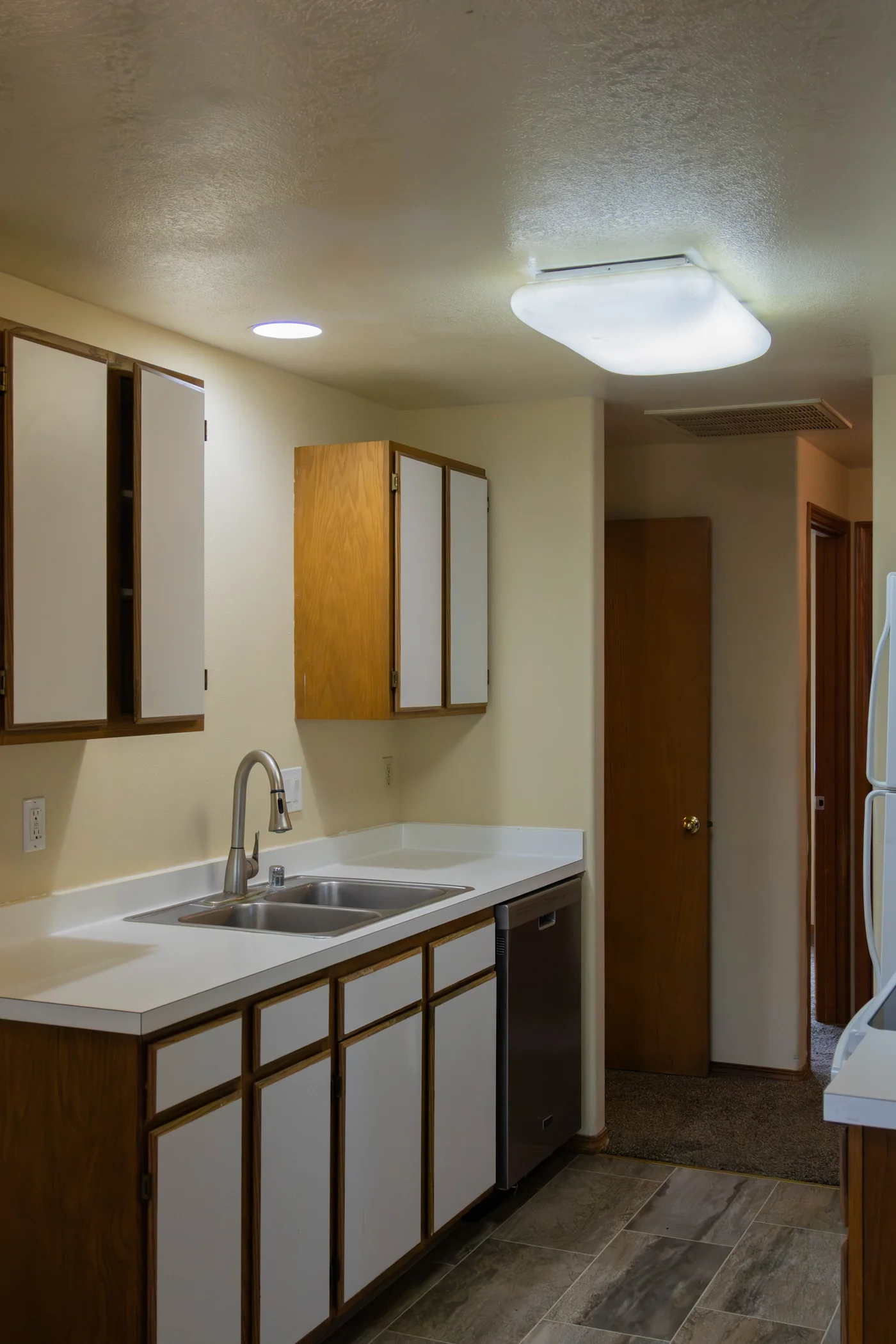
Kitchen before reconstruction
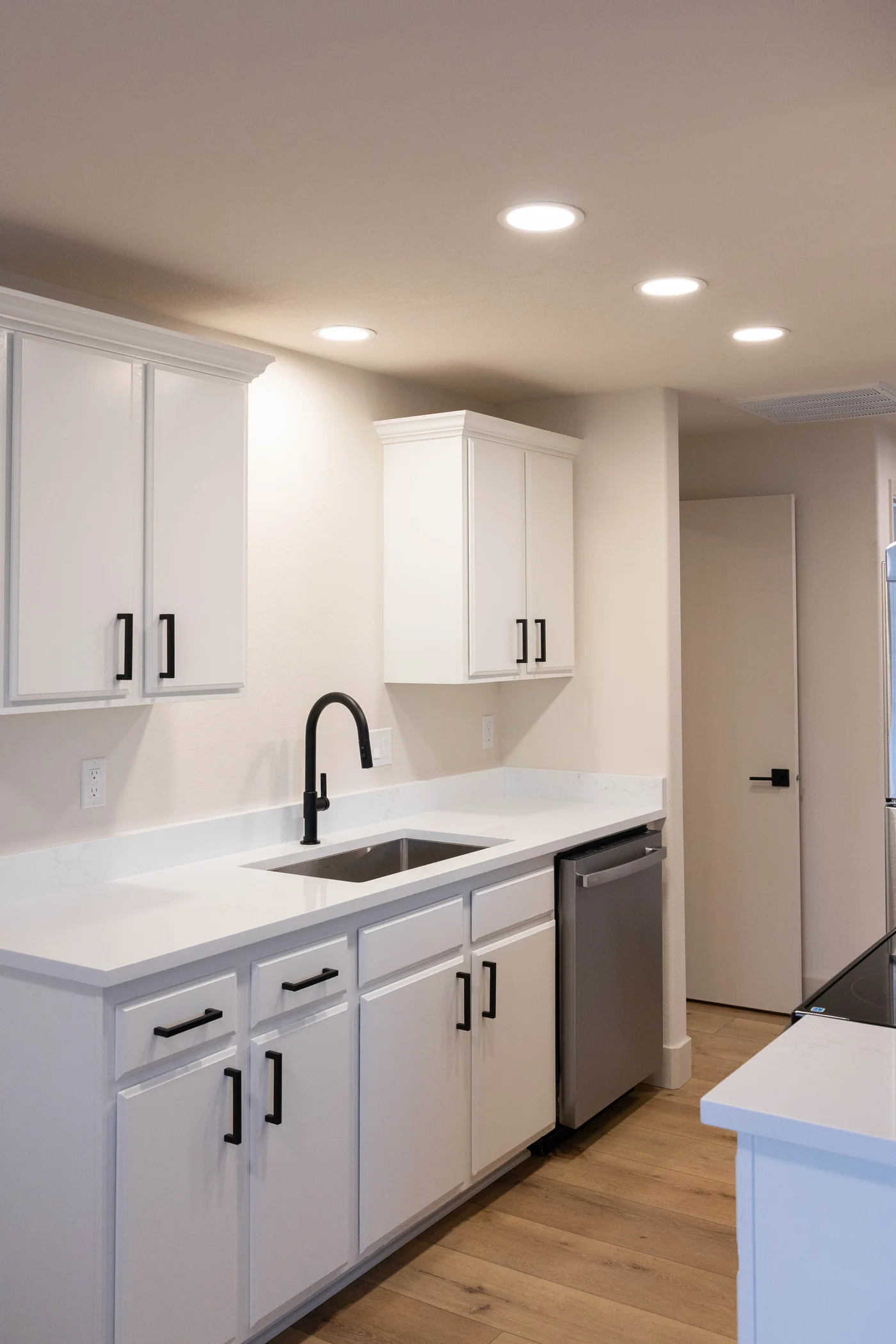
Kitchen after reconstruction
Before
After
Kitchen Rebuild · A Robinson Managed Rebuild
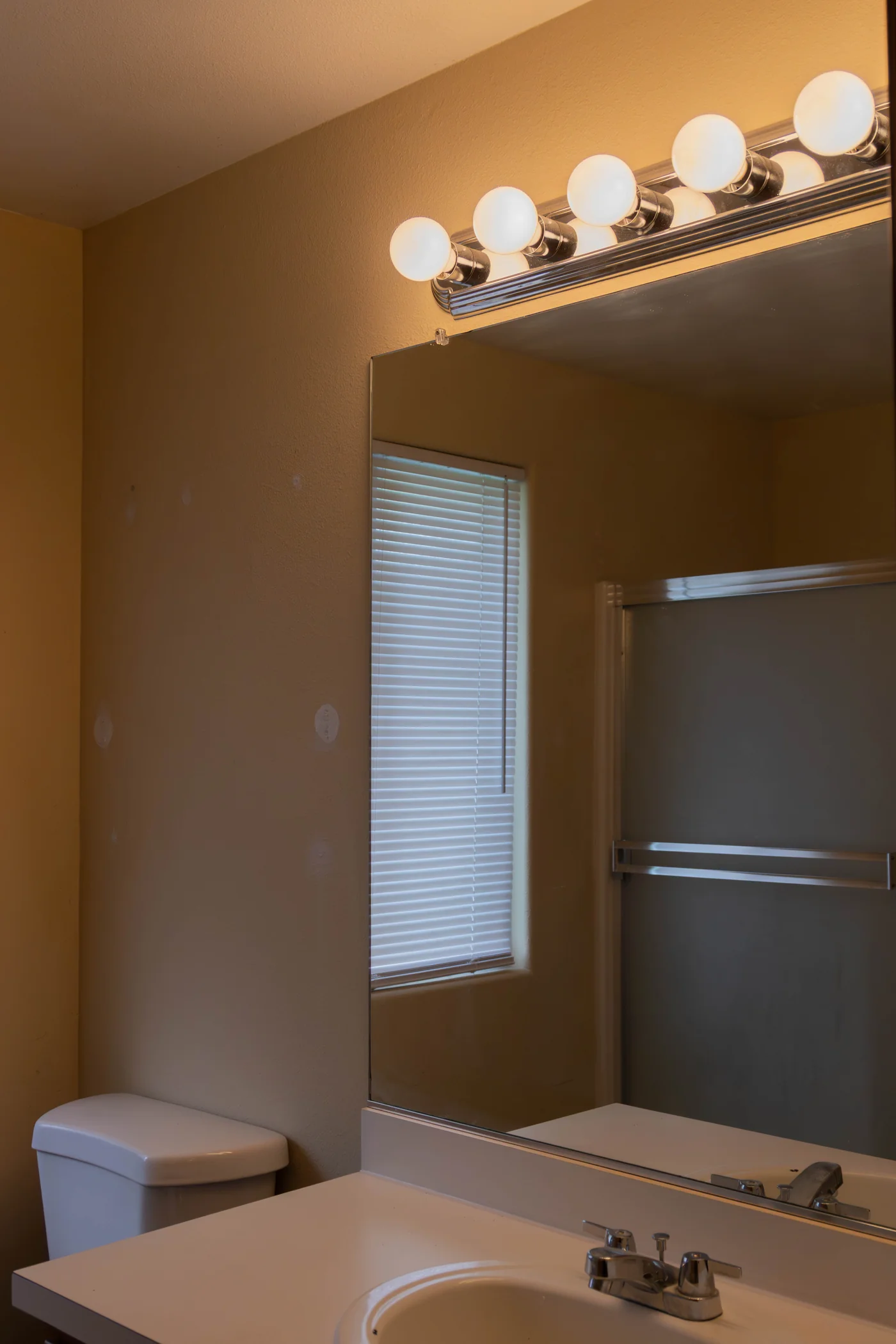
Bathroom Rebuild before restoration
Bathroom Rebuild after restoration
Before
After
Bathroom Rebuild · A Robinson Managed Rebuild
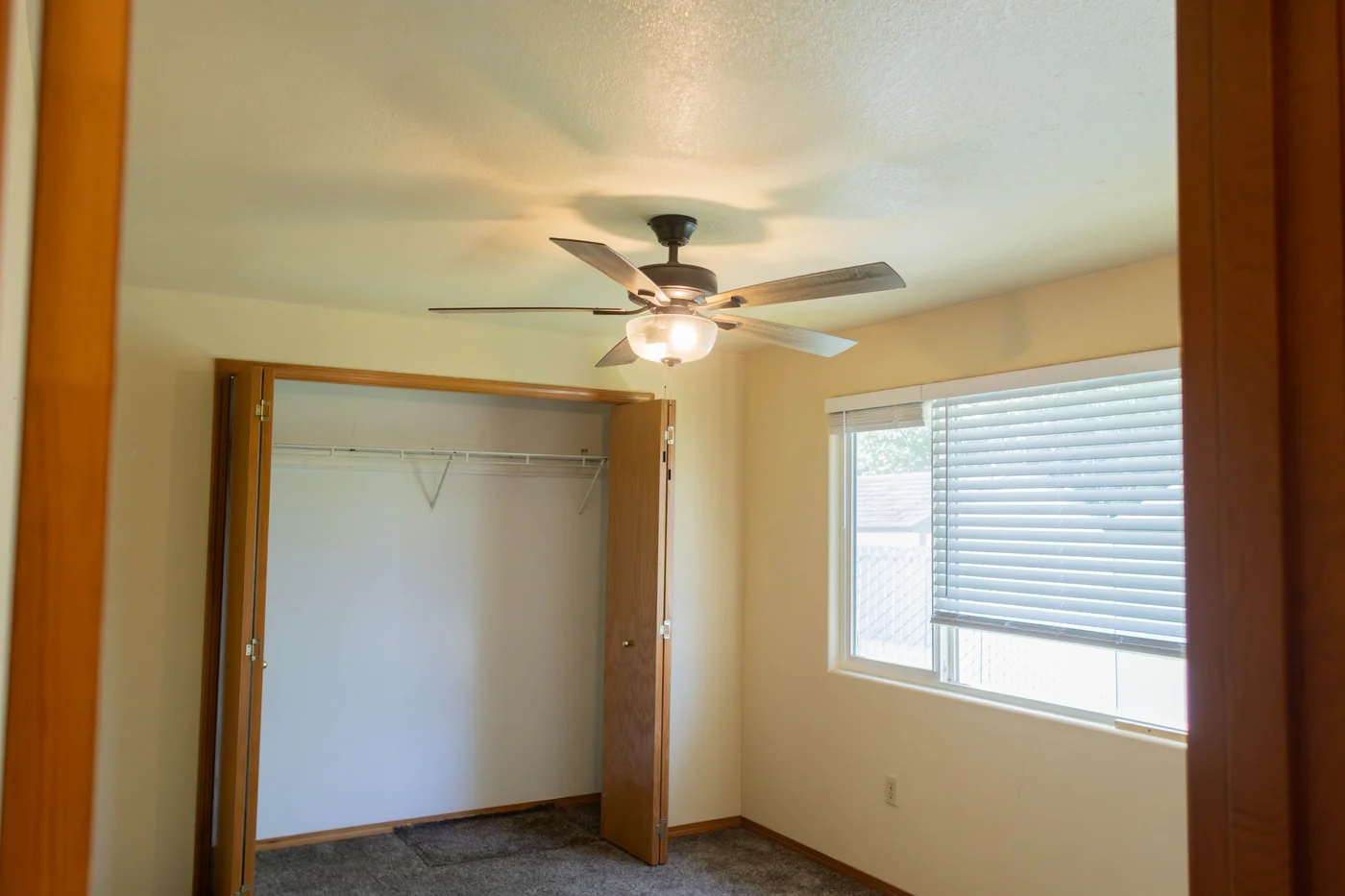
Bedroom Rebuild before restoration
Bedroom Rebuild after restoration
Before
After
Bedroom Rebuild · A Robinson Managed Rebuild
Real Customer Reviews

1,000+ Five-Star Reviews

5.0 on Google

“We hired Robinson Restoration after a boiler joint failed and leaked what we thought was a small amount of water in our laundry room, but turned out to be more serious than it appeared. They did a fantastic job from first contact to insurance claim approval.”

Randi Covin · Google Review

“We had a major sewer back up a couple of weeks ago, into the laundry room and downstairs bathroom. Panic! We were referred to Robinson Restoration and what a blessing. The whole crew has been wonderful.”

Lynn Dee King · Google Review

“One of the pipes in the shower burst and water damage got all over the roof in the kitchen. As new home owners we were very scared and panicked. We contacted Kelly Farmer from Robinson Restoration and believe me when I say I felt like more than half of my problem was solved.”

Nav Basra · Google Review

Insurance, Handled

$0 Out of Pocket on Covered Claims

In Washington, you choose your restoration contractor, and your carrier can’t penalize you for it. We document every Tri Cities loss with moisture maps, photos, and daily readings, then bill your insurer directly. You pay your deductible. That’s it.

Subject to policy coverage and deductible. We handle the paperwork, photos, and adjuster calls.

SAFECO
STATE FARM
ALLSTATE
FARMERS
NATIONWIDE
USAA

Looking for Water Damage Restoration Near Me in Tri Cities?

Robinson keeps crews based in the Tri Cities, and dispatch answers 24/7 with a real person taking the details. The responding team arrives with extraction units, air movers, and dehumidifiers sized for slab homes, finished basements, and pipe breaks after a hard freeze. Insurance billing goes directly to your carrier, backed by photos, meter readings, and daily drying reports.

Frequently Asked

Tri Cities Water Damage Questions

How quickly can a crew reach my house in Kennewick, Pasco, or Richland?

Dispatch is staffed 24/7, and we can be on-site in 90 minutes on emergency calls across the Tri Cities. While you wait, shut off the water at the main if you can reach it safely, kill power to the affected rooms at the breaker, and move anything you care about off wet flooring. Do not run a shop vac on standing water near outlets.

Usually not. Slab homes trap moisture between the flooring and the concrete, so the question is whether that assembly can dry in place. Sheet vinyl and glued-down plank often have to come up because they seal the moisture in. Tile with a sound bond frequently can be saved. We take readings, try controlled in-place drying first, and only remove materials the meters say will not dry.

Most homeowners policies in Washington cover sudden accidental discharge from a frozen pipe, including the water damage that follows. The common exception is a house left unoccupied with the heat shut off or the plumbing not drained, which many carriers exclude. Our documentation matters here: we record interior temperatures, the failure point, and the timeline so the adjuster is not guessing about what happened.

We handle the water damage either way. When a backflow assembly splits at spring startup or a lateral line lets go next to the foundation, the interior damage is what we mitigate: extraction, cavity drying, and any affected flooring or drywall. Your irrigation contractor repairs the line itself. We document the source clearly, which matters because carriers treat outdoor water differently than indoor plumbing.

Yes. We bill the carrier directly on most Tri Cities losses, so you are typically responsible for the deductible only. We send the adjuster moisture maps, daily equipment and readings logs, photo documentation, and an itemized scope in the format carriers expect. If your adjuster wants something specific, tell us early and we will build it into the file rather than chasing it later.

Yes, and commercial work in the Tri Cities is a regular part of what we do. We schedule around production, build containment so unaffected areas stay open, and prioritize drying assemblies that would otherwise force a shutdown. If the loss requires rebuild work beyond mitigation, we manage that through vetted licensed contractors and sister companies rather than handing you a stack of phone numbers.

24/7 Emergency Dispatch · Live Now

Tri Cities Water Emergency?

Water moves fast under a slab. Call now and we will start extraction while the damage is still small.

Licensed · Insured · IICRC Certified · Serving Washington & Oregon