CERTIFIED • LICENSED • INSURED
WA #ROBINRL752MZ · OR CCB# 256698
24/7 Emergency Dispatch | 90-Minute Response
24/7 Water Damage Response

24/7 Water Damage Restoration & Cleanup

On-site in 90 minutes or less
IICRC-certified extraction and structural drying
We bill your insurance directly
1,000+ 5-Star Reviews
Free Inspection · 90-Min Response
90 MIN
On-Site Response
24/7
Emergency Dispatch
1,000+
5-Star Reviews
IICRC
Certified Crews

Robinson Restoration is an IICRC-certified water damage restoration company serving Washington and Oregon. Crews dispatch 24 hours a day, arrive on-site in 90 minutes or less, extract and dry to IICRC S500 standards, document the loss for your carrier, and bill your insurance directly on covered claims.

Why Robinson

A Different Standard of Restoration.

We’ve spent the last decade earning a 5-star reputation from homeowners, adjusters, and plumbers across Washington and Oregon. Here’s what sets our water damage restoration process apart.

$0
Out of Pocket*

In most claims we bill your insurance carrier directly. You pay only your deductible. No surprise invoices. No chasing adjusters.

*Subject to policy coverage & deductible.

100% Free Inspection, Always

Our inspection is genuinely free: no "service call fee," no callback charge, no hidden deposit. We evaluate the loss, classify it to IICRC S500 standards, and give you honest scope before you commit.

Zero Negotiated Contracts

We refuse to sign programs that require us to cut corners for the insurance carrier’s bottom line. Our loyalty is to you and your property, not to the adjuster’s quota.

Strict IICRC Standards

Our technicians hold WRT (Water Damage Restoration), ASD (Applied Structural Drying), and AMRT (Applied Microbial Remediation) certifications. Every job is documented to the institute’s published standards.

Reconstruction, Fully Managed

From demo to final paint, Robinson manages your entire rebuild through our vetted network of licensed contractors and sister companies. You never chase a contractor: one call, one timeline, one point of accountability.

5-Year Workmanship Warranty

Every reconstruction is backed by our 5-year workmanship warranty. If anything we built fails, we come back and make it right, no questions asked.

Licensed, Bonded & Insured

WA #ROBINRL752MZ · OR CCB# 256698. General liability, workers comp, and pollution-liability coverage on file with every office. Certificates available on request.

How We Respond

Respond. Mitigate. Restore.

Three phases. One standard. Every job, every time, documented from the first call to the final punch list.

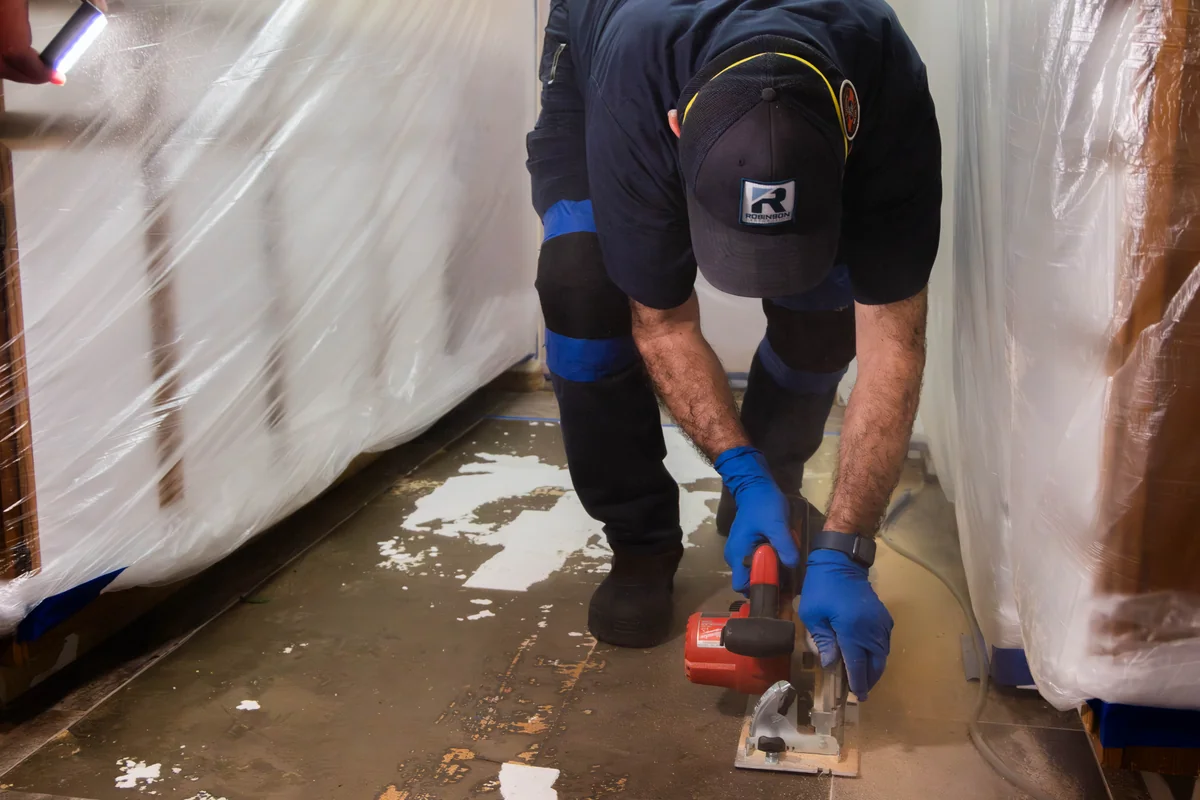
Robinson Restoration crew loading extraction equipment at a water loss
Phase 1

Respond.

24 hours a day, 7 days a week. We’ll be on-site in 90 minutes to start the restoration process. Call dispatch or message us for immediate help.

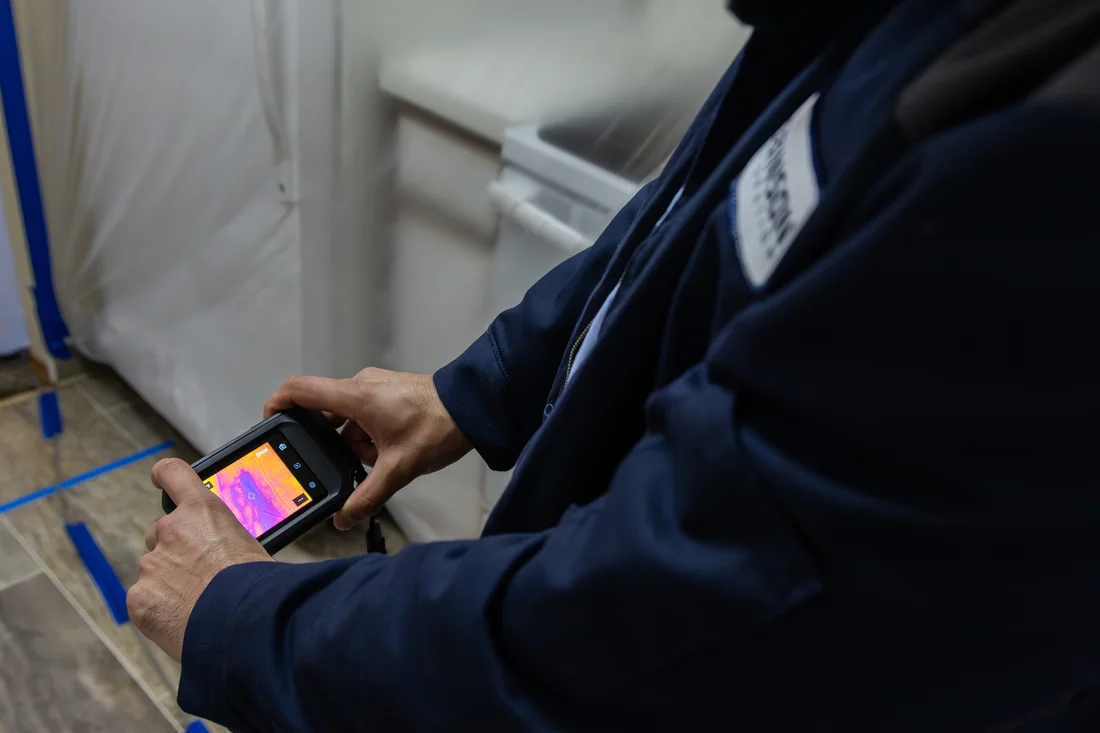
Robinson Restoration technician setting drying equipment on a water loss
Phase 2

Mitigate.

We stop further damage using the latest extraction, drying, and antimicrobial equipment. Our team walks you through the entire insurance claim process.

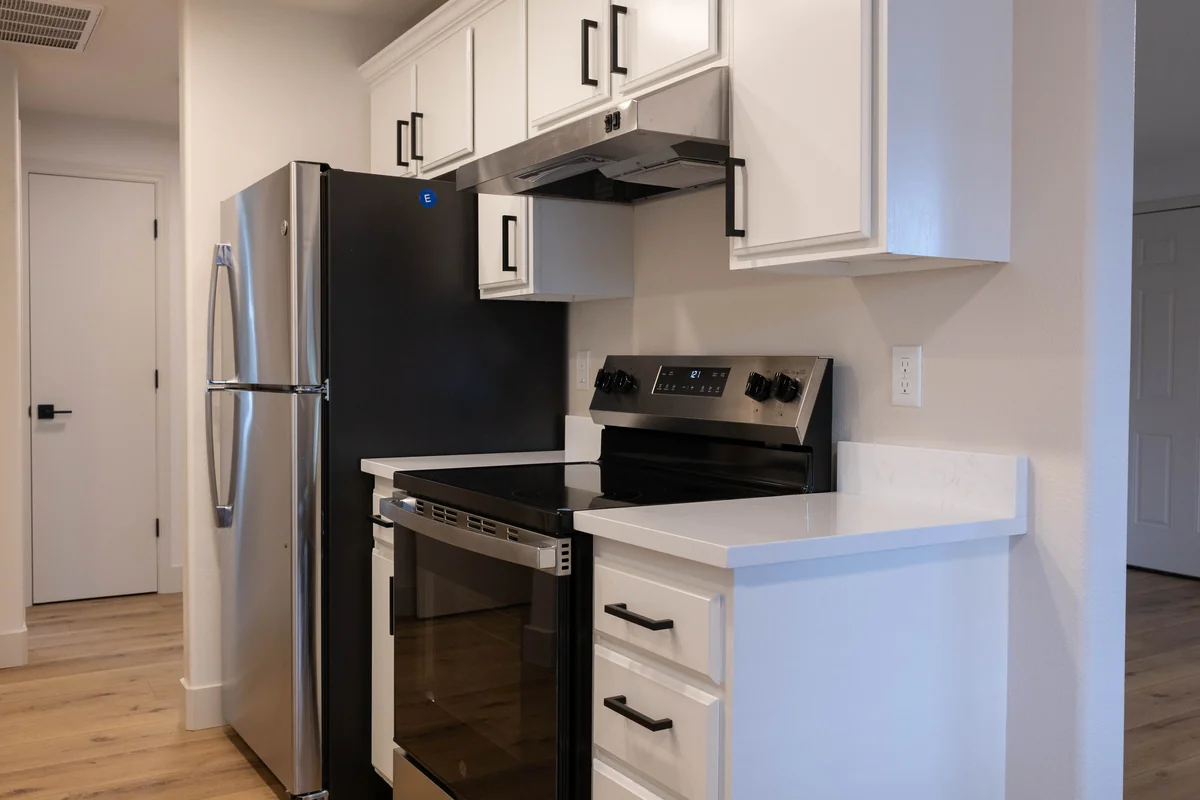
Rebuilt kitchen after a Robinson Restoration managed reconstruction
Phase 3

Restore.

We manage your rebuild to pre-damaged condition (drywall, flooring, trim, paint, finish carpentry) through our trusted network of licensed contractors and sister companies.

Robinson Restoration technician documenting damaged contents during the initial assessment
90 min
On-Site Response
Certified
IICRC
S500 Standard
About This Service

Your Local Water Damage Restoration Experts

Dispatch 24/7 · 90-min response

When you experience a water emergency at your home or business, you need professional water damage restoration services to respond quickly, mitigate any damage, and begin the drying process immediately. At Robinson Restoration, we specialize in water damage restoration, sewage cleanup, and mold removal across Clark County, Portland Metro, Puget Sound, Tri-Cities, and the Willamette Valley. Our certified professionals are standing by and can respond to anywhere in our service area within 90 minutes.

We know water damage from a burst pipe, flood, appliance leak, or sewage backup is an incredibly stressful situation. Our goal is to provide you with peace of mind as we navigate you through the entire restoration process: preventing further damage, extracting standing water, protecting electrical equipment, preventing mold growth, and mitigating structural damage. From the first phone call to the final punch list, we document every step for your insurance carrier.

True 24-Hour Service
Direct Insurance Billing
IICRC Certified
Our Classification System

Three Categories of Water Damage

Our response changes with the water source. Every job is categorized and documented to IICRC S500 standards.

1
CATEGORY

Clean Water

Examples

Broken water supply lines, rainwater, leaky faucets, dishwasher or refrigerator failures.

Our Response

Standard drying + dehumidification. Usually covered by insurance.

2
CATEGORY

Gray Water

Examples

Washing machine overflow, sump pump failure, urine-free toilet overflow, aquarium leaks.

Our Response

Extraction + antimicrobial treatment + selective material removal.

3
CATEGORY

Black Water

Examples

Sewage backup, river or stream flooding, standing water over 48 hours, toilet with feces.

Our Response

Full biohazard protocol. PPE, containment, decontamination, replace porous materials.

06
What We See Most

Common Causes of Water Damage

Across Washington and Oregon we respond to the same six scenarios over and over again. Recognize the symptoms early. The first 24 hours matter most.

Burst pipe flooding a basement
01
Cause

Burst & Leaking Pipes

Freezing winters, aging copper, and corroded supply lines are the number-one cause we respond to. A single burst line can release hundreds of gallons before a homeowner discovers it.

Most common in older homes and crawlspaces

Appliance Failures
02
Cause

Appliance Failures

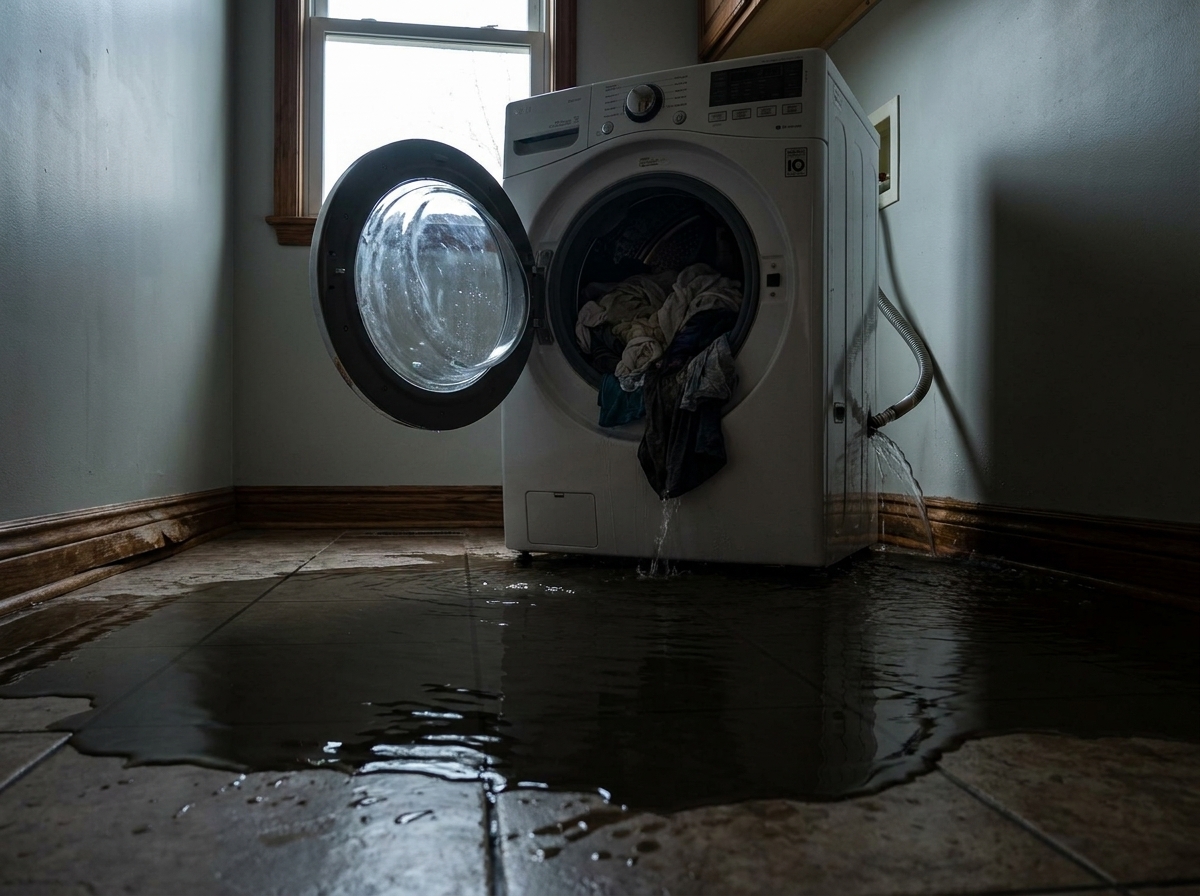
Dishwasher supply lines, washing machine hoses, refrigerator ice-maker lines, and water heater tanks fail without warning, especially after the 10-year mark.

Water heaters & washing machines lead the list

Roof leak staining a ceiling
03
Cause

Roof & Storm Leaks

Wind-driven rain, ice dams, and damaged flashing push water into attics, wall cavities, and ceilings. Damage is often invisible until paint bubbles or stains appear.

Peak season: November through March

Sewage backup in a basement
04
Cause

Sewage Backups

Main-line blockages, root intrusion, and municipal system failures push Category 3 black water into basements and lower-level bathrooms. Requires full biohazard protocol.

Always call. Never attempt DIY cleanup

Flooded basement with standing water
05
Cause

Flooding & Groundwater

Heavy rain, failed sump pumps, and saturated soil drive water through foundations and basement walls. Standard homeowners policies often exclude flood. We help you find out.

Needs separate flood insurance policy

Water Heater Failures
06
Cause

Water Heater Failures

Tank rupture, pressure-relief valve discharges, and drain-pan overflows are among the most expensive single-event losses we document, often 4080 gallons released at once.

Replace tanks after 8–12 years to prevent

Whatever caused the loss, our IICRC-certified technicians respond within 90 minutes, document every finding for your insurance carrier, and manage the entire process (extraction, drying, and reconstruction) from the first call to the final walkthrough. One project manager. One plan. One point of accountability.

Our Mitigation Process

Six Steps to Pre-Loss Condition

A documented, defensible process from the first minute of dispatch to the final punch list.

01

Emergency Response

Certified crew dispatched within minutes. On-site in 90 minutes across our coverage area, 24/7.

02

Inspection & Assessment

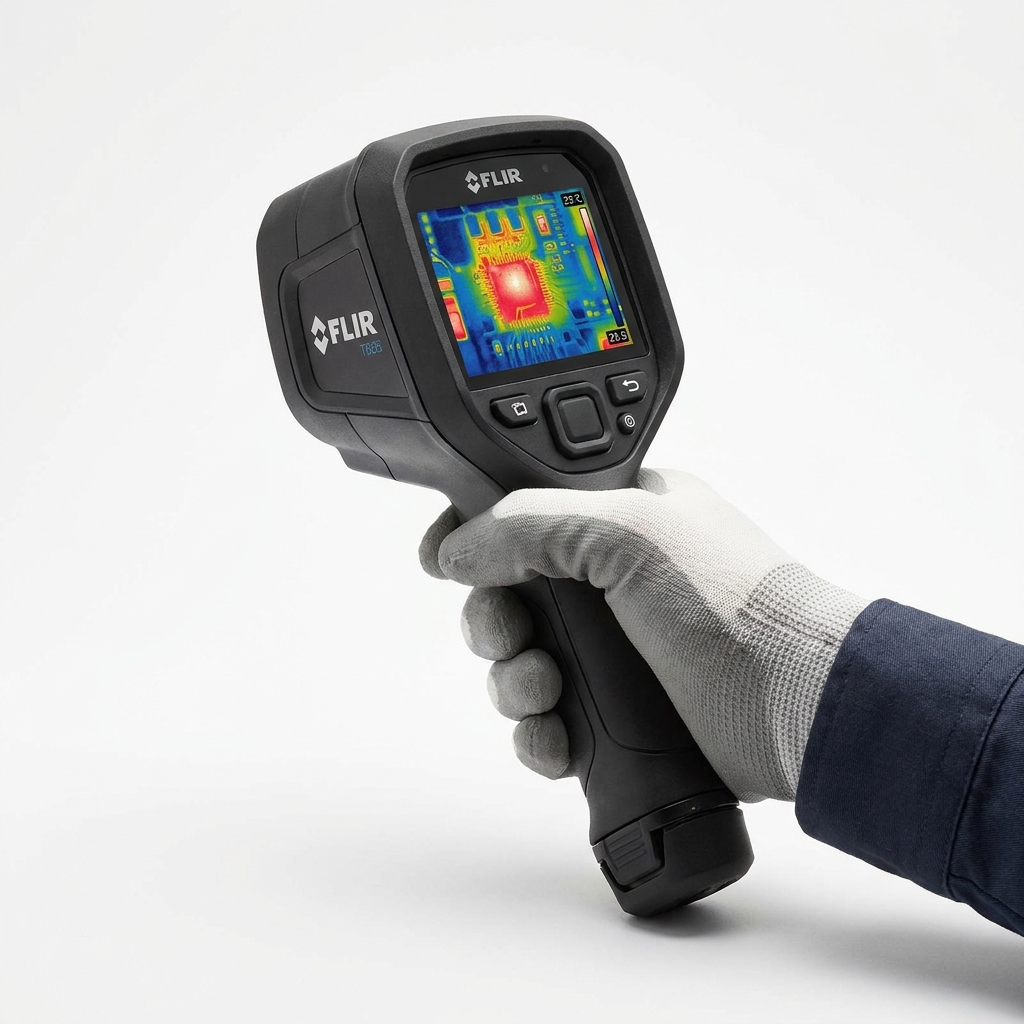
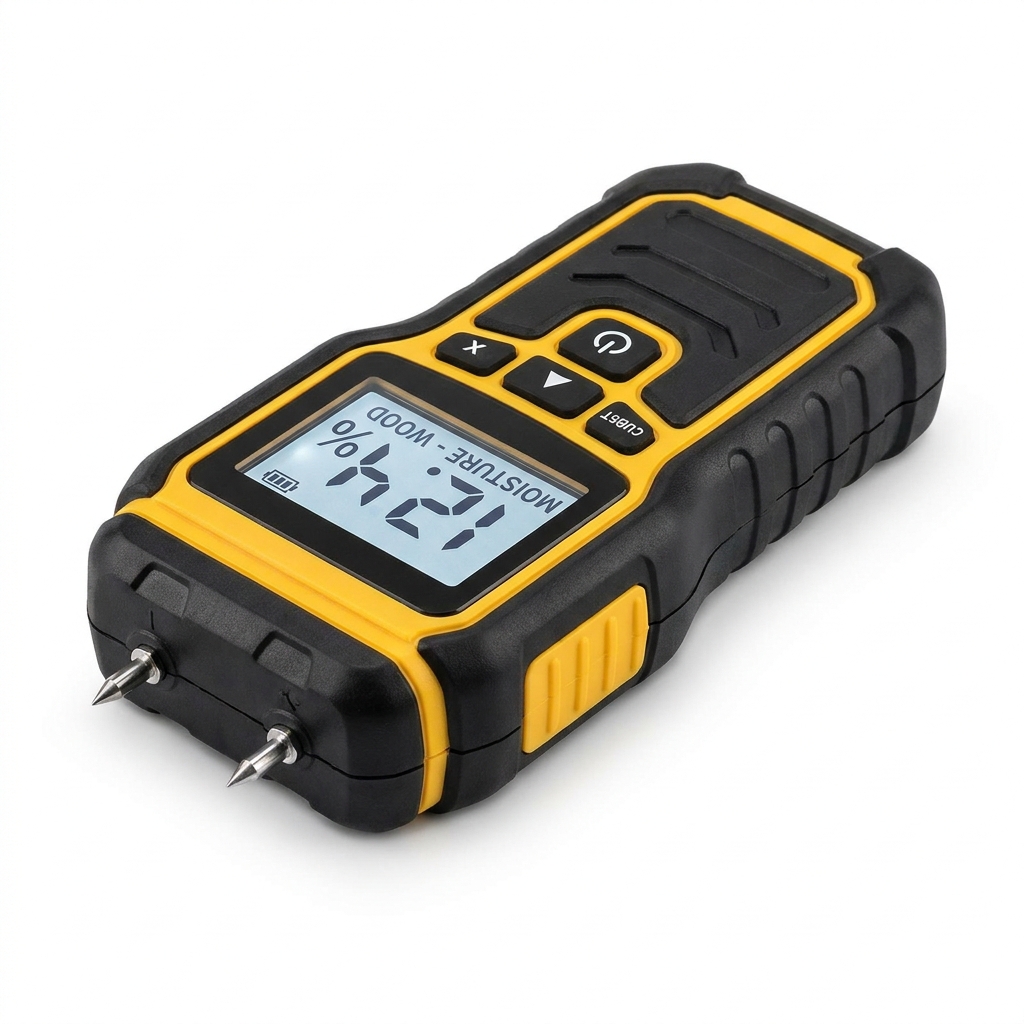
Thermal imaging, moisture meters, and category classification. Every finding documented for your insurance carrier.
03

Water Extraction

Submersible pumps and truck-mounted extractors remove standing water. Saturated carpet pads and porous materials removed.

04

Structural Drying

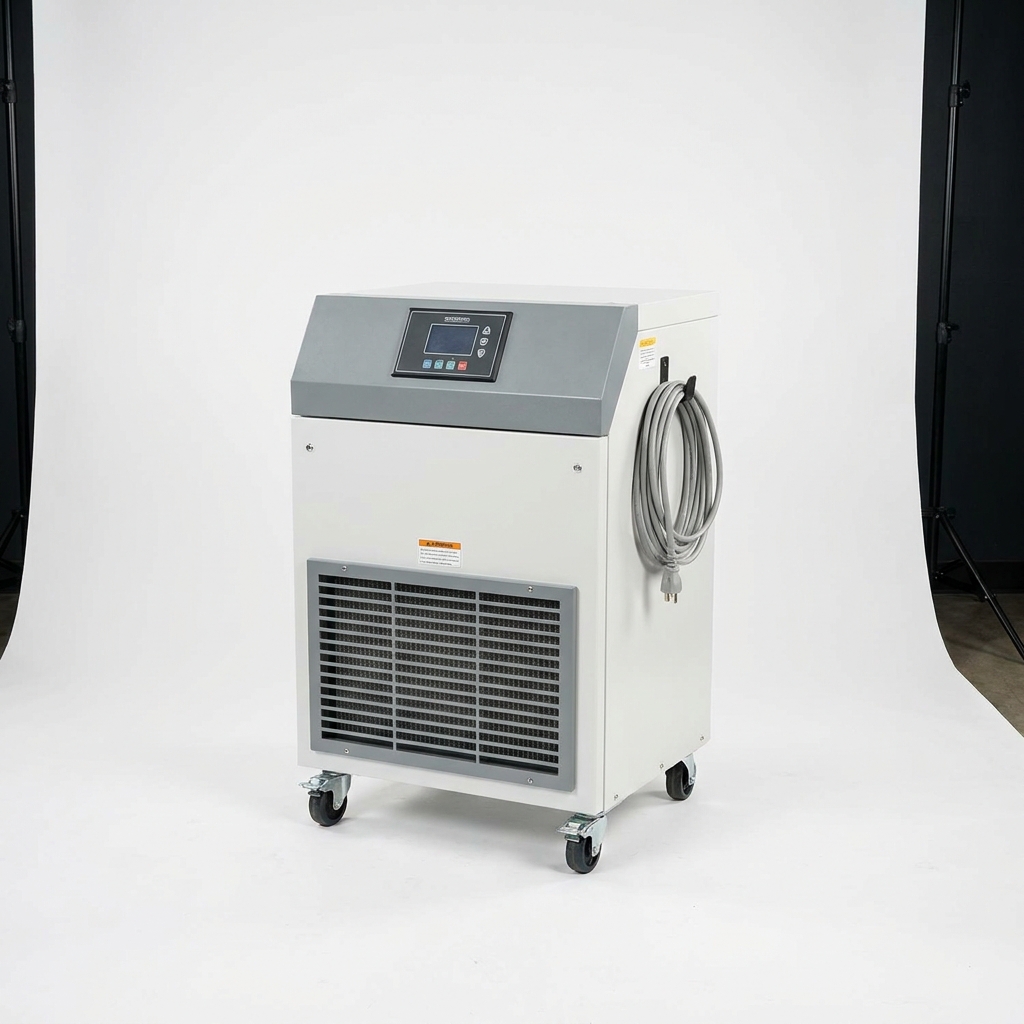
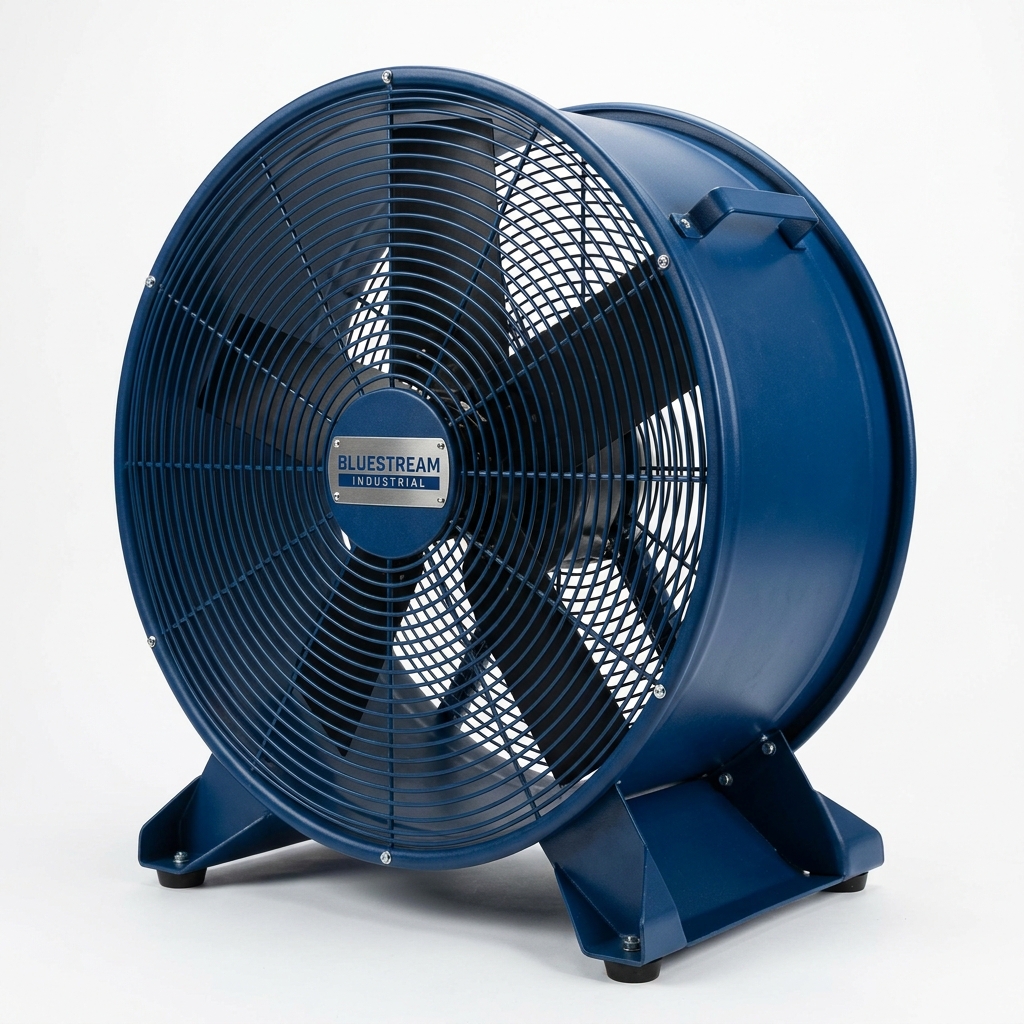
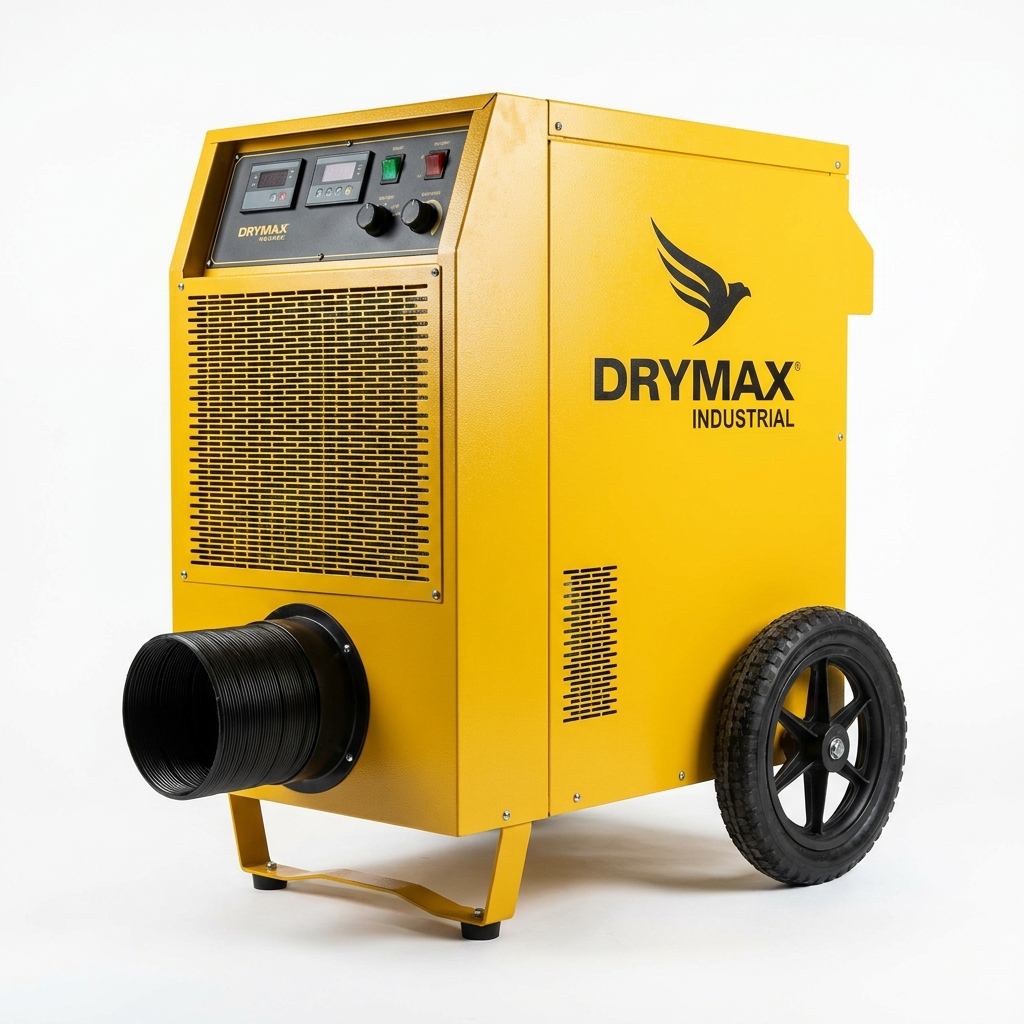
Commercial air movers and dehumidifiers deployed. Moisture levels monitored daily until IICRC S500 standards are met.

05

Antimicrobial Treatment

EPA-registered treatments applied to prevent mold growth and neutralize contaminants before reconstruction begins.

06

Reconstruction

Drywall, flooring, trim, and paint. Restored to pre-loss condition, or better. Backed by our 5-year workmanship warranty.

Insurance Coverage

What Your Policy Typically Covers

Every carrier & every policy is different. Call us first. We’ll review your coverage before you file and bill the insurer directly.

Covered
Typically Covered

Sudden & Accidental Damage

Review
Policy-Specific

Edge Cases We Help Navigate

Free Policy Review

Not sure what your policy covers? We’ll review it, free.

Purpose-Built Gear

Professional-Grade Equipment

Commercial drying, extraction & inspection tools, the same gear used on insurance-grade loss sites.

Air Movers
Air Movers
High-velocity
Dehumidifiers
Dehumidifiers
LGR commercial
Thermal Imaging
Thermal Cameras
FLIR inspection
Moisture Meters
Moisture Meters
Pin & pinless
HEPA Scrubbers
HEPA Scrubbers
Air filtration
Documented Results

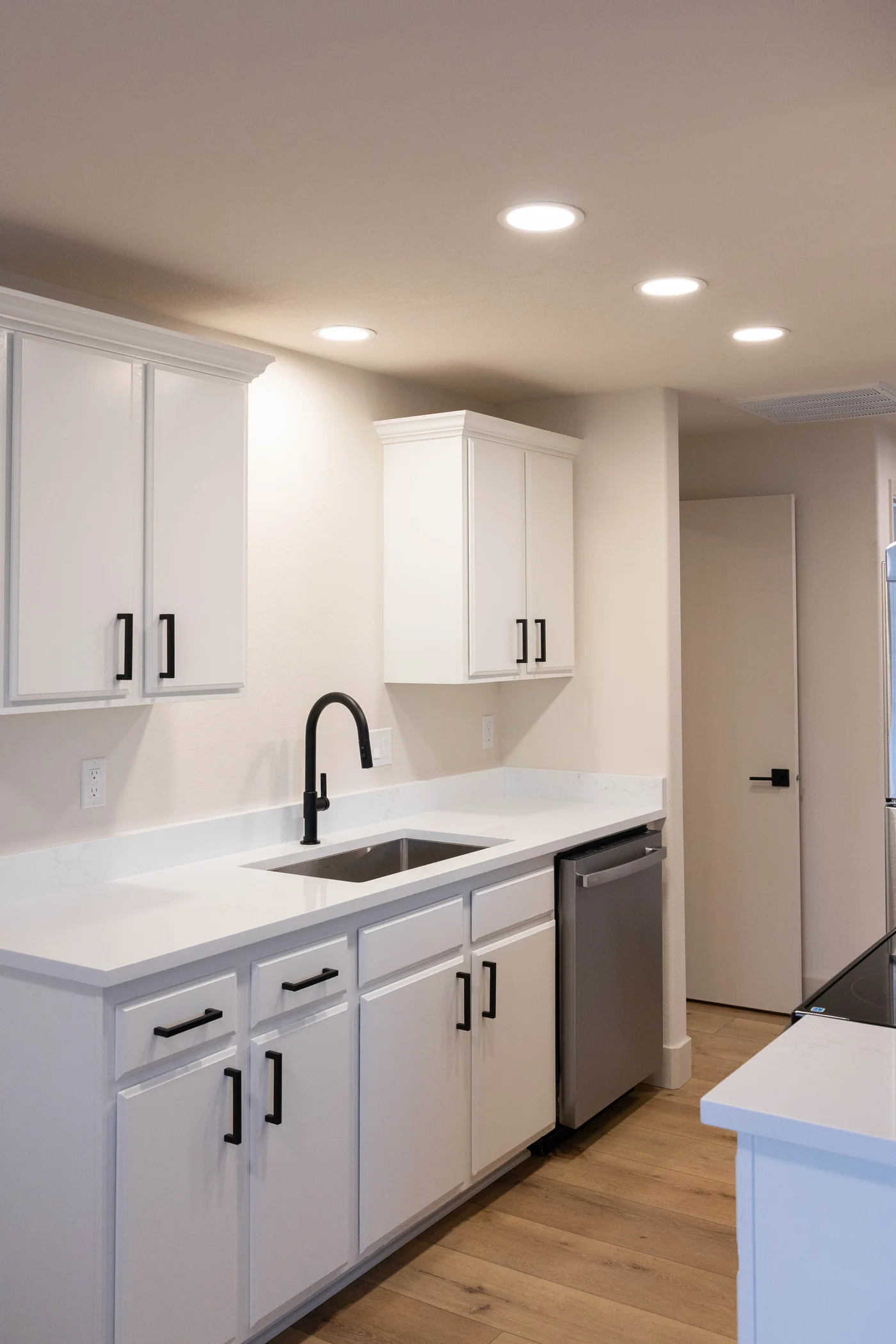
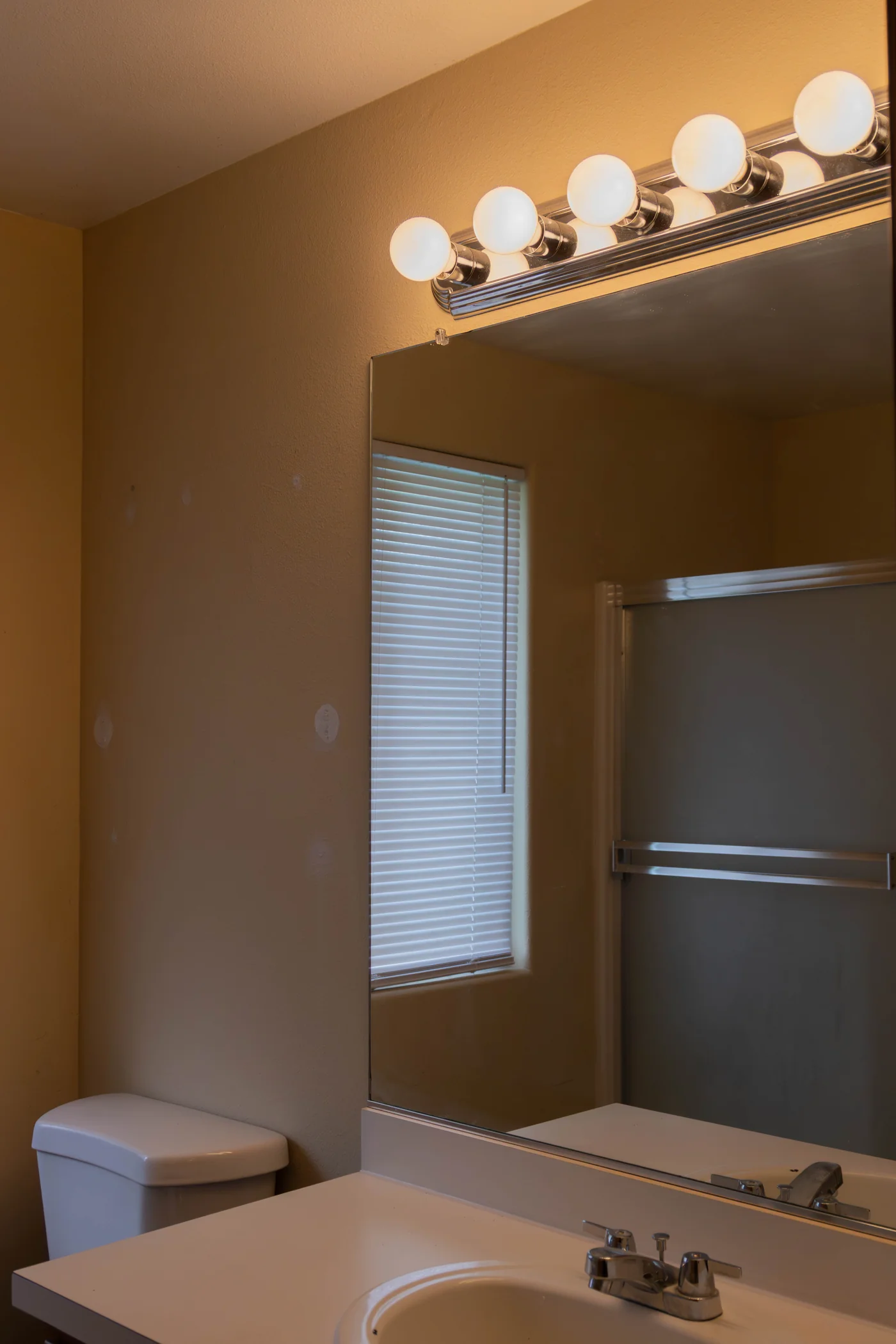
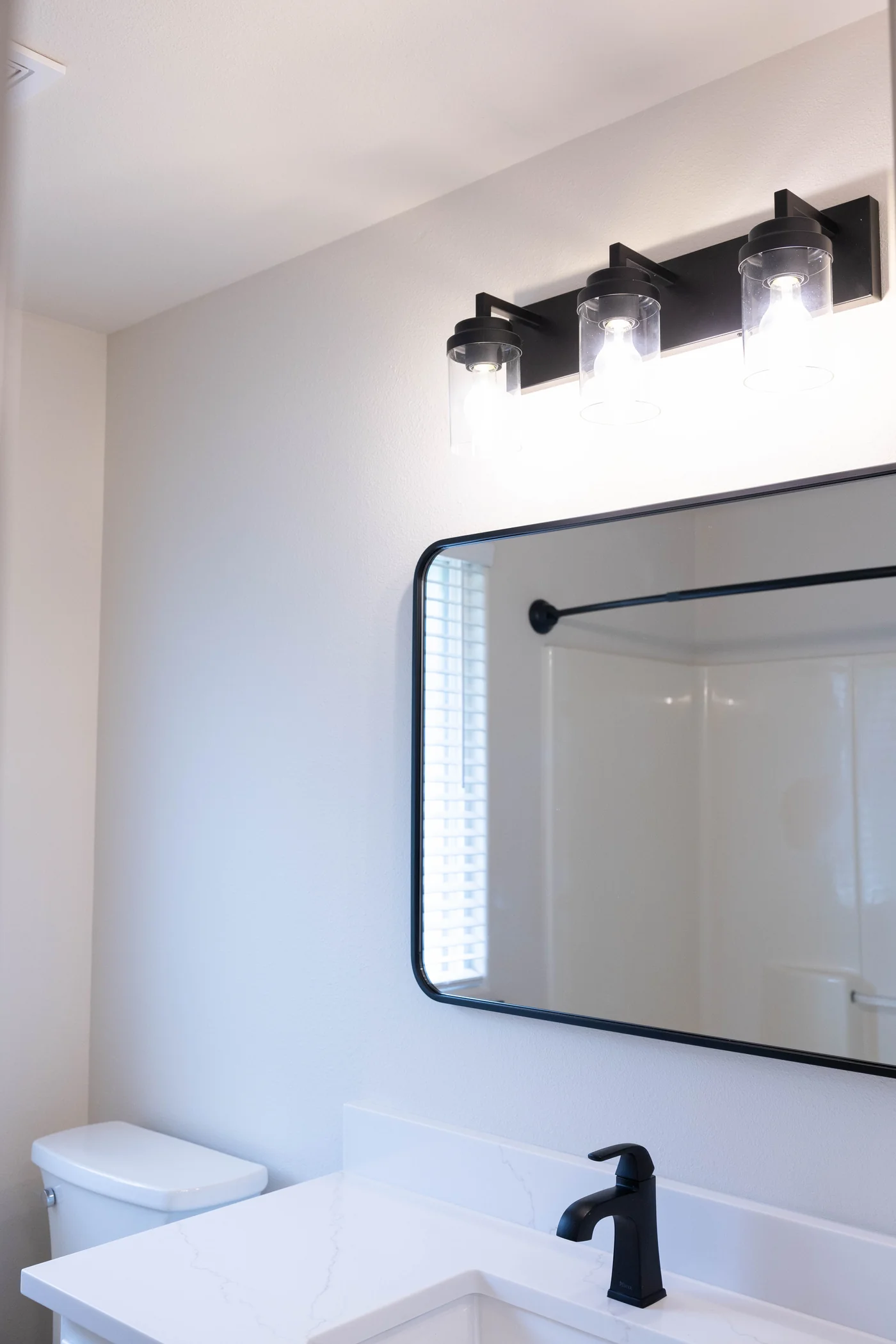
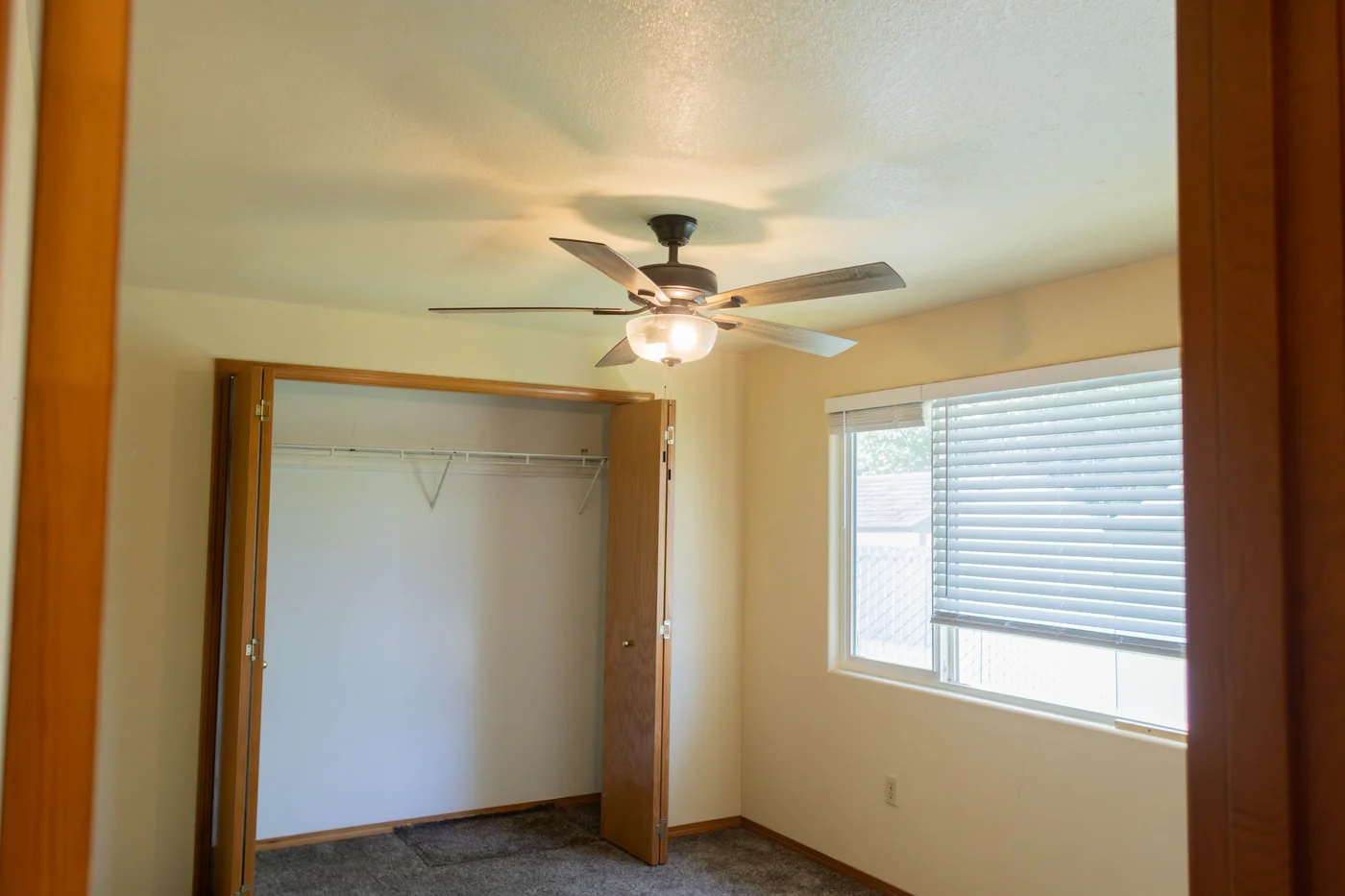
Before & After

Drag the handle to compare. Real Robinson projects, photo-documented for your insurance carrier and our 5-year workmanship warranty.

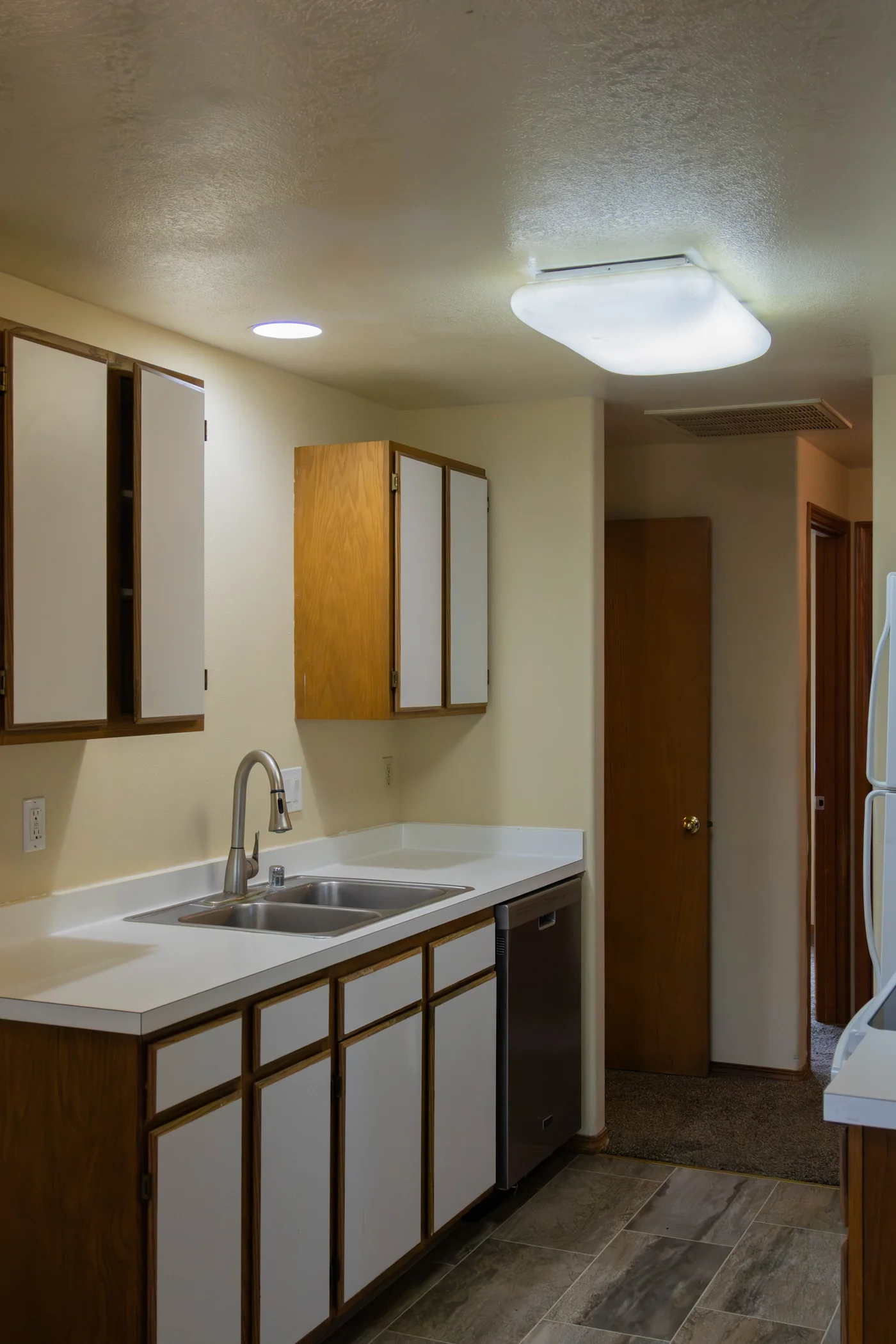
Kitchen before reconstruction
Kitchen after reconstruction
Before
After
Kitchen Rebuild
Bathroom Rebuild before restoration
Bathroom Rebuild after restoration
Before
After
Bathroom Rebuild
Bedroom Rebuild before restoration
Bedroom Rebuild after restoration
Before
After
Bedroom Rebuild
Real Customer Reviews

1,000+ Five-Star Reviews

4.9 / 5.0

A decade of water damage restoration across Vancouver, Portland, Kent, Tri-Cities, and the Willamette Valley. Here’s what homeowners say.

Sewage & Flooring Restoration

“I had sewage come up through my shower. Robinson Restoration was on-site within 90 minutes. They walked me through the insurance claim, handled the extraction and decontamination, and rebuilt the bathroom and hallway floors. Floor looks better than it did before the loss.”

T
Terry Dunfield
Portland, OR
Water Damage · Kitchen & Dining Room

“As an architect I have extremely high standards. Robinson’s team did the water mitigation and the full reconstruction: drywall, trim, hardwood floor repair, paint. Quality of workmanship was genuinely impressive. I’ve referred them to three clients since.”

N
Nick M.
Vancouver, WA
Washing Machine Leak Restoration

“My washing machine supply line let go while I was at work. Robinson had crews and equipment at my house before I even got home. The entire process was documented for my insurance carrier and I paid exactly my deductible, nothing more. Phenomenal communication.”

C
Cynthia Jordan
Portland, OR
Burst Pipe · Ceiling Collapse

“A pipe burst upstairs and the ceiling came down. Robinson’s team was professional from the first phone call to the last coat of paint. Honest scope, honest timeline, no surprises. You can tell these folks care about doing the job right.”

Z
Zack Ivans
Vancouver, WA
Google Verified
IICRC Certified Firm
Licensed, Bonded & Insured
Insurance, Straight

How Water Damage Claims Actually Get Paid

Carriers decide these claims on cause of loss. How bad the damage looks matters less than what started it. A supply line that lets go without warning is sudden and accidental, so the resulting damage is usually payable. Compare that to a fitting weeping behind a wall for months, which reads as a maintenance problem. Here’s what people miss: the failed component itself, the pipe or the water heater, is often excluded even when the damage it caused is covered.

Most water claims get paid in two pieces. The mitigation invoice (extraction, equipment days, antimicrobial) is settled first, then the rebuild is estimated and approved separately. We bill the carrier directly on both, so in a covered claim your out-of-pocket is the deductible. Expect a holdback: many policies pay actual cash value up front and release the remaining depreciation once repairs are finished and documented. Large losses often route the check through your mortgage servicer too.

Usually Payable

A sudden discharge from a supply line, appliance hose, or water heater tank. Mitigation, drying, and the repairs that follow generally fall under dwelling coverage, with contents handled on a separate limit.

Usually Denied

Policies exclude continuous or repeated seepage, the exact language carriers cite for a slow leak found months later. Mold is usually capped by a sublimit, and groundwater through a foundation is a flood-policy question.

What Adjusters Ask For

Date and time of discovery, photos taken before anything moves, the failed component bagged for inspection, daily moisture and psychrometric logs, equipment counts with run days, and a room-by-room scope tied to those readings.

How We Bill

We write the estimate in the same industry software your adjuster works in, so line items reconcile instead of getting kicked back. You approve the scope before work starts, then pay your deductible.

Burst pipe flooding a basement
Worth Knowing

Which Materials Dry Out and Which Come Out

The teardown decision is not guesswork. It comes down to how porous the material is, how long it stayed wet, and which category of water touched it. Here is how we make that call on the three assemblies that drive most water damage scopes.

Carpet, Pad and Subfloor

Carpet pad is a sponge. In anything past clean water it comes out, and it usually comes out on day one. The carpet itself can often be floated and dried in place after a Category 1 loss. Below that, OSB subfloor is the tell: once it swells and the edges delaminate, drying won’t bring the surface back flat.

Hardwood and Engineered Flooring

Solid hardwood cups when the bottom of the board is wetter than the top. Caught early, it can be dried with mats and panels that pull moisture up through the face, and much of the cupping relaxes as the board equalizes. Engineered plank is less forgiving because the glue lines separate. Expect a week or more of monitored drying before anyone sands or refinishes.

Drywall, Insulation and Cabinets

Drywall wicks upward, so we map how high the moisture climbed and cut above it rather than guessing. Fiberglass batts that got soaked lose their loft and get replaced. Closed-cell foam usually stays. Cabinet boxes are the expensive surprise: particleboard and MDF swell from the bottom edge and never recover, even when the doors and face frames look perfect.

Robinson Restoration technician setting drying equipment on a water loss
Worth Knowing

Water Losses in Commercial and Multi-Family Buildings

A water loss in an apartment building, office suite or retail space is a different job than a single-family house. More parties, more coverage questions, and a tenant or a customer waiting on every decision. Three things shape how we scope commercial work.

Losses That Cross Units

Water from a fourth-floor unit ends up in three others and the ceiling of the lobby. Each affected space gets its own moisture map, its own photo set, and its own scope, because the building’s master policy and the individual owner’s policy pay for different parts of the same loss. We schedule access with residents so drying doesn’t stall.

Staying Open During Drying

Most businesses can’t close for a week. We build containment around the wet zone, run negative air with HEPA filtration so nothing migrates into occupied space, and phase the loud work into off hours. Inventory, servers and electrical get protected or relocated first. The goal is a work area your staff and customers can walk past.

Sprinkler and Roof Drain Failures

A discharged fire sprinkler dumps a large volume fast and spreads across an entire floor plate. The water starts clean, but pipe scale and stagnant loop water can push it toward Category 2, so we test rather than assume. Roof drain and parapet failures are quieter: they saturate ceiling tile, deck insulation and light fixtures before anyone notices a stain.

Straight Answer

How Much Does Water Damage Restoration Cost?

Water damage restoration cost depends on the category of water, how far it spread, which materials absorbed it, how many days the drying equipment runs, and how much rebuild follows demo. No two losses price the same. Robinson’s free inspection measures moisture with meters and thermal imaging, classifies the loss to IICRC S500, and turns those readings into a documented scope and a written estimate before work begins.

Water Category and Class

Category decides how much of the job is labor in PPE behind containment, and how much material gets hauled out instead of dried. Class decides the equipment load, since a soaked plaster wall holds moisture far more stubbornly than damp carpet.

Affected Square Footage and Access

Water follows gravity and framing, so one failed supply line can wet rooms and floors the leak never touched. Price tracks the affected square footage and how hard the wet cavity is to reach behind tile, cabinets, or a finished ceiling.

Days on Drying Equipment

Air movers and dehumidifiers bill per unit per day, so both the count and the number of days matter. Dense assemblies like hardwood, plaster, and concrete give up moisture slowly, and daily readings decide when equipment comes out.

Rebuild Scope and Permits

Drying is one scope. Putting it back is another: matching existing finishes, replacing a swollen cabinet run, and bringing an opened wall up to current code, with permits where structural or electrical work is involved. Robinson manages that rebuild through vetted licensed contractors.

What Insurance Changes

On a covered loss, your carrier pays the approved scope and you pay the deductible, which is why coverage matters more than the total. Excluded causes like a slow seep or groundwater fall to you. We bill approved claims directly.

Getting a Real Number

Call dispatch for a free inspection. Photos of the damage, the date you found it, and your carrier and claim number help us scope it faster.

24/7 Emergency Dispatch · Live Now

Every Hour,
Damage Spreads.

Call dispatch now. Certified crew on-site in 90 minutes.

Licensed · Insured · IICRC Certified · Serving Washington & Oregon

Local Crews

Where Our Crews Work

Water losses don’t wait for business hours, and neither do our crews. Pick your city below for local water damage restoration details: the housing stock we work on, the failures we see most, and how to reach dispatch.

Frequently Asked

Water Damage Restoration FAQs

Straight answers to the questions we hear most from homeowners dealing with a water loss.

How quickly can you respond to a water damage emergency?

We dispatch certified crews 24 hours a day, 7 days a week, and we guarantee on-site response within 90 minutes anywhere across our Washington and Oregon service area: Clark County, Portland Metro, Puget Sound, Tri-Cities, and the Willamette Valley. When water is spreading inside your home, every minute matters. Call dispatch first, then worry about everything else.

In most cases, yes. Sudden & accidental water damage (burst pipes, appliance failures, storm-driven roof leaks, and accidental overflow from fixtures) is typically covered by standard homeowners policies. Gradual leaks, external flooding (requires a separate flood policy), and damage from long-term neglect are often excluded. We’ll review your policy with you before you file and we bill the insurance carrier directly so you only pay your deductible.

Yes. We document every finding on-site with moisture readings, thermal imaging, and photo evidence: the exact documentation your adjuster needs to process the claim quickly. We coordinate directly with your carrier from the first estimate through final reconstruction, bill them directly, and keep you copied on every communication. You pay your deductible and nothing more.

Drying typically takes 35 days depending on the category of water, the materials affected, and how much standing water was removed in the first 24 hours. Full reconstruction (drywall, flooring, trim, paint) usually adds another 13 weeks depending on scope. Every project gets a written timeline after inspection, and we update you daily until the moisture readings hit IICRC S500 targets.

Category 1 is clean water (broken supply lines, rainwater) and needs standard drying. Category 2 is gray water (washing machine overflow, sump pump failure) and requires antimicrobial treatment plus selective material removal. Category 3 is black water (sewage backup, flooding). It contains biohazards and requires full PPE, containment, decontamination, and replacement of porous materials. Every job is classified to IICRC S500 standards before work begins.

The earliest indicators are visual: peeling paint, bubbling wallpaper, or discoloration on walls and ceilings, warped or buckling flooring, visible mold growth (black, green, or white spots), condensation on windows where there wasn’t before, and a persistent musty odor that doesn’t go away. You may also notice stained baseboards, soft spots on walls, or an unexplained spike in your water bill. If you spot any of these, call us for a free inspection. Catching damage in the first 48 hours prevents mold and structural rot.

Act fast. First, shut off the water supply at the main valve if you can identify the source, and kill the power to the affected area if water is near outlets or fixtures. Document everything with photos and video for your insurance carrier. Then call us. We’ll be on-site in 90 minutes to locate hidden moisture with thermal imaging, extract standing water, and start the drying process before mold has a chance to establish. The longer water sits, the more expensive and invasive the repair becomes.
No. Under Washington and Oregon law, you have the right to choose any qualified restoration contractor. Your insurance carrier cannot force you to use their “preferred vendor” and cannot penalize you for choosing someone else. On covered claims, your out-of-pocket cost is your deductible, regardless of which licensed contractor you use. We bill carriers directly every day and we refuse the kinds of negotiated programs that cut corners on your scope. You get your full policy benefit.

Safety first: if water has reached outlets or the electrical panel, turn off power at the breaker. Shut off the water main if the source is an active leak. Move valuables, electronics, and family photos out of the affected area if you can do so safely. Don’t run fans pointed at standing water, don’t enter a sewage-contaminated area, and don’t attempt DIY extraction of Category 2 or 3 water. We’ll handle everything else.

Usually yes, for a Category 1 or 2 loss confined to part of the house. Be ready for it to be loud and warm. Air movers and dehumidifiers run around the clock, room temperature climbs, and the equipment stays plugged in for several days. If the loss is Category 3, or if the kitchen or the only bathroom is out of service, most policies include loss of use coverage that pays for somewhere else to sleep. Ask your adjuster before you book anything.

The source repair and the restoration are two different scopes. A licensed plumber stops the leak, replaces the failed valve, hose or section of pipe, and that repair is usually the one part of the job your policy won’t pay for. We can dry around an active source in an emergency, but nothing gets rebuilt until the water is off for good. If you don’t have a plumber, we’ll coordinate one from the trades we already work with.

Then the job changes standards. Drying follows IICRC S500. Mold remediation follows S520, which means containment barriers, negative air with HEPA filtration, and controlled removal of affected porous material by technicians in the right PPE. Contents get inventoried and cleaned or discarded. When the work is done we recommend post-remediation verification by an independent hygienist, so the clearance result comes from someone who is not being paid to pass their own work.

Still have a question?

Call dispatch or message us. No sales pressure, ever.