Robinson Restoration is an IICRC-certified water damage restoration company serving Portland, OR. Crews dispatch 24 hours a day, arrive on-site in 90 minutes or less, document the readings and photos your carrier needs, and bill your insurance directly on covered claims.
Basements take on water fast in Portland's older neighborhoods, where pre-war plumbing and shallow foundations meet a rainy season that runs October into May. Call any hour and a certified crew rolls out with extraction gear, moisture meters, and a plan for your carrier. We answer around the clock and can be on-site in 90 minutes.
Whole neighborhoods here went up before 1940. Foursquares, Craftsman bungalows, later ranches, and backyard ADUs, nearly all of them over a full basement or a shallow crawlspace. Ground water drains toward the Willamette, and the flatter east side sheds slowly once soil saturates. Add cast iron laterals, galvanized supply lines, and a winter that keeps everything damp, and quiet leaks soak framing long before a stain shows.
Dispatch runs 24/7, and our Vancouver crews cover Portland with trucks already loaded, so nobody waits on a supply run. Techs follow IICRC S500: moisture mapping before any demo, daily readings logged, photos of every affected assembly. We bill your carrier directly and hand adjusters documentation they can actually use. If the job needs rebuild work, we manage that through vetted licensed contractors and our sister companies.

Portland calls come in at every hour, and we keep crews staffed and drying equipment staged so extraction can start on the first visit.
24 hours a day, 7 days a week, our crews dispatch the moment you call and start mitigation the same visit. Call dispatch or message us for immediate help.
We stop further damage with commercial extraction, structural drying, and antimicrobial treatment, and we walk you through the entire insurance claim as we work.
We manage your rebuild to pre-damaged condition through our trusted network of licensed contractors and sister companies. One manager, one timeline.
Homes on the east side commonly still carry cast iron waste stacks and original supply piping buried in plaster walls. Neither material gives much warning. A pinhole behind lath can wet a stud bay for weeks, and the first sign is usually a smell in the hall closet or a floorboard that flexes underfoot.
Johnson Creek jumps its banks most winters in the Lents and Sellwood area, and stormwater across much of the older city still shares pipe with sewage. When the system surcharges, the lowest fixture in the house becomes the relief valve. That means floor drains, basement toilets, and laundry standpipes push water back into finished space.
The Columbia River Gorge funnels east wind into town a few times each winter, and freezing rain follows. Pipes in vented crawlspaces, unheated garages, and exterior walls of unrenovated houses are the first to split. Damage usually shows up on the thaw, hours after the ice is gone, when pressure returns and water starts moving through a cracked line.
A lot of Portland lives stacked: converted foursquares split into units, mid-century apartment blocks, and newer mixed-use buildings along the transit corridors. One supply line upstairs can wet three units and a commercial space downstairs. We contain the affected units, coordinate access with the property manager, and keep the damage record separate for each policy involved.
Most of the losses we run in Portland start one of three ways: burst and leaking pipes, sewage backups, and roof and storm leaks. Here is why each one happens here, and what it takes to dry it properly.
Galvanized supply from the twenties and thirties corrodes shut from the inside until a threaded joint gives out, often behind a wall or under a basement stair where it runs for hours unheard.
Root intrusion in clay laterals and surcharged combined sewers push contaminated water up through basement floor drains. It's a Category 3 loss, so everything porous it touched comes out before drying starts.
Eight months of steady rain, moss on north-facing slopes, and fir needles packing the valleys keep Portland roofs wet. Water tracks down rafters and shows up as a ceiling stain two rooms from the actual hole.
Warehouse conversions with concrete decks and exposed brick, plus underground parking that collects whatever drains down through the building.
Victorians and 1920s courtyard apartments packed onto narrow lots, many with garden-level units sitting partly below grade.
Bungalows from the 1910s, remodeled hard, with baths and laundry added upstairs over framing never meant to get wet.
Grand pre-1920 Tudors and Craftsmans over deep full basements, most of them finished into living space decades later.
Turn-of-the-century houses mixed with postwar infill below Mount Tabor, where the slope pushes runoff toward foundations downhill.
Modest 1920s bungalows and postwar ranches, low and flat, where standing yard water finds its way to foundation walls.
North Portland's peninsula, full of small early-1900s cottages on bluff lots where runoff picks up speed heading downhill.
Southwest hillside pockets of 1920s and 1940s cottages, many on daylight basements that take groundwater pressure each winter.
Southwest ridge neighborhood of postwar ranches and split-levels on graded lots that shed water toward the low corner.
Every loss we work gets photographed from the first walkthrough to the last dry reading. The images below come from real Robinson jobs across the Portland metro and Southwest Washington, shot on site by the crews doing the work.
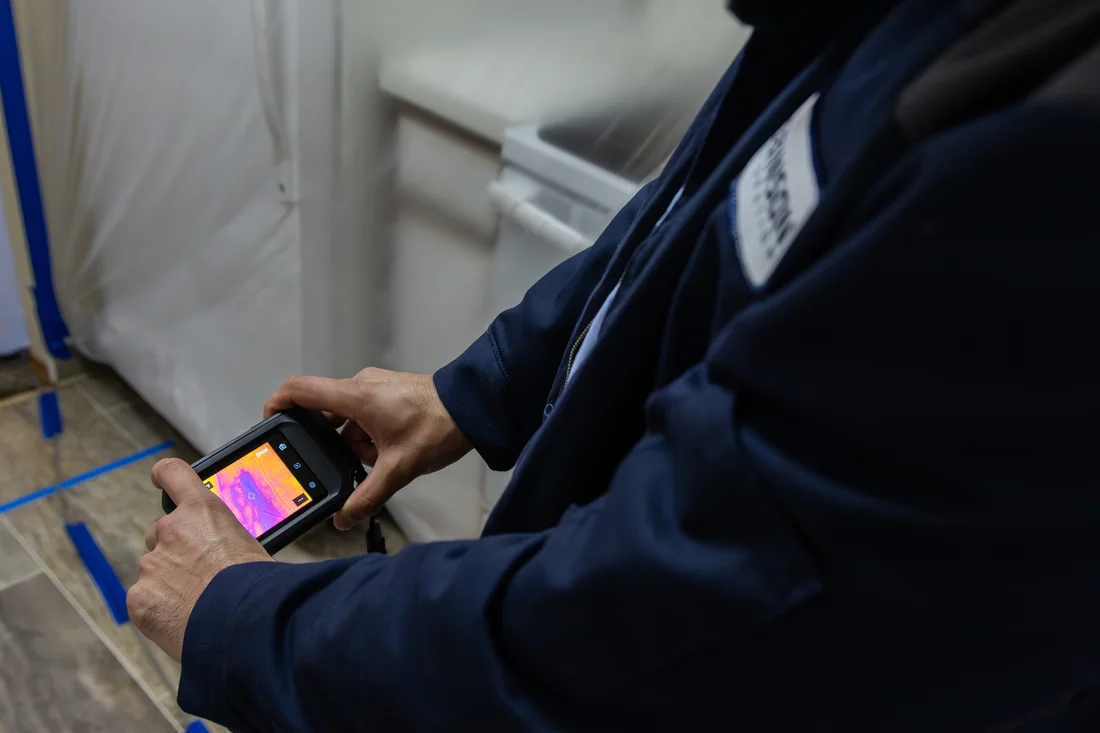
A tech reads walls, subfloor, and framing with meters and thermal imaging to find how far the water traveled. That map decides what comes out and what can dry in place, and it goes straight into the claim file.
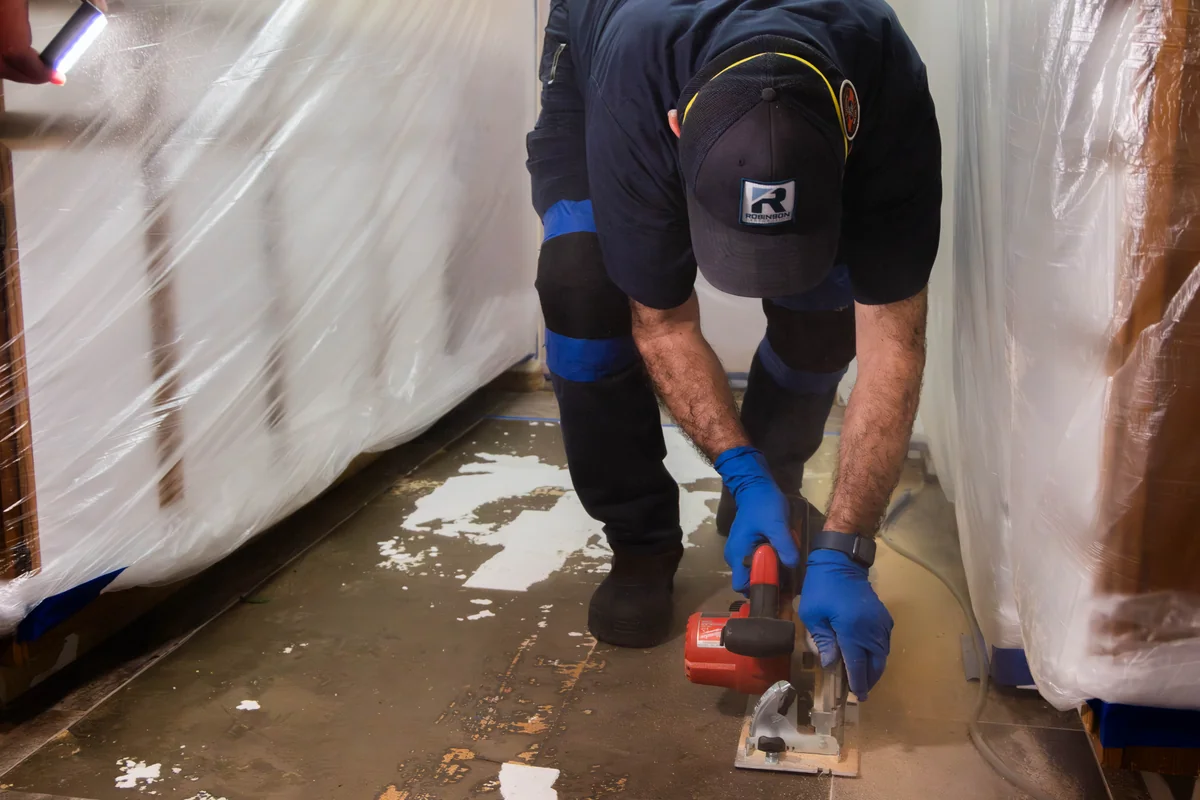
Plastic barriers and negative air keep dust, spores, and odor out of the rest of the house. Our crews build containment on category three losses and anywhere demo opens wet material in a home people are still living in.
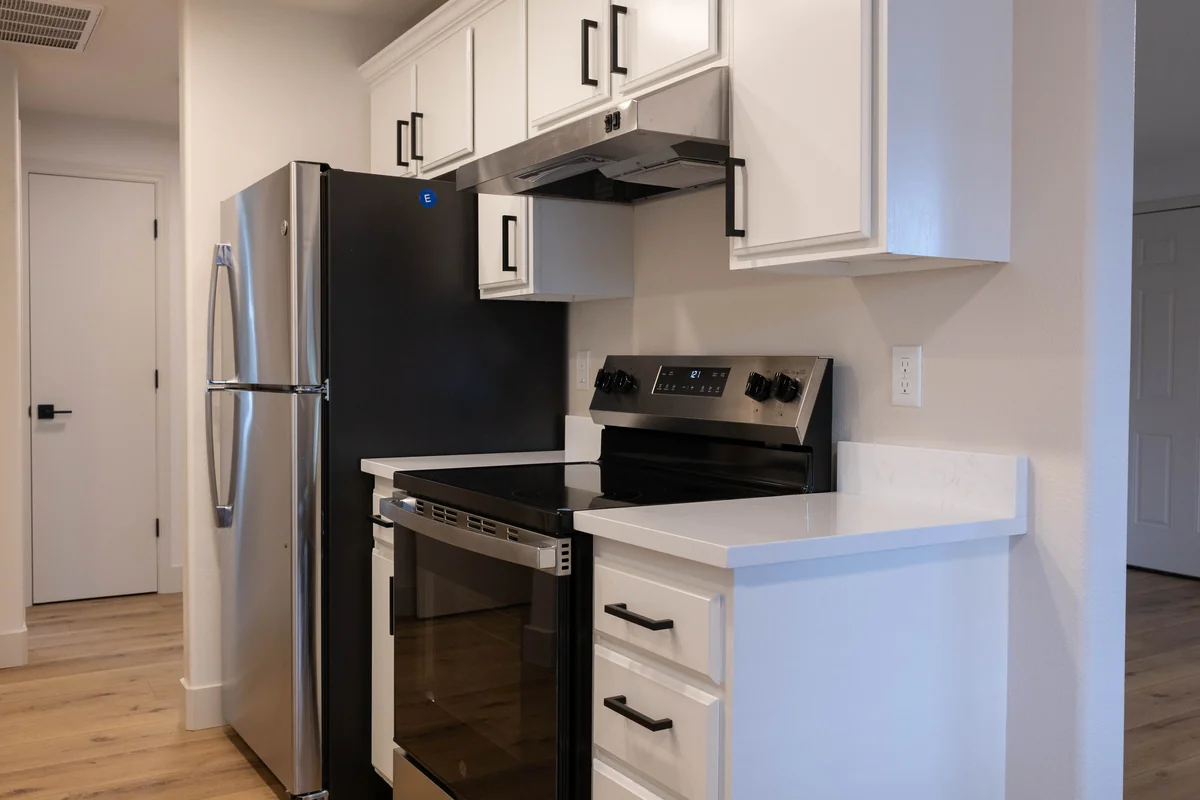
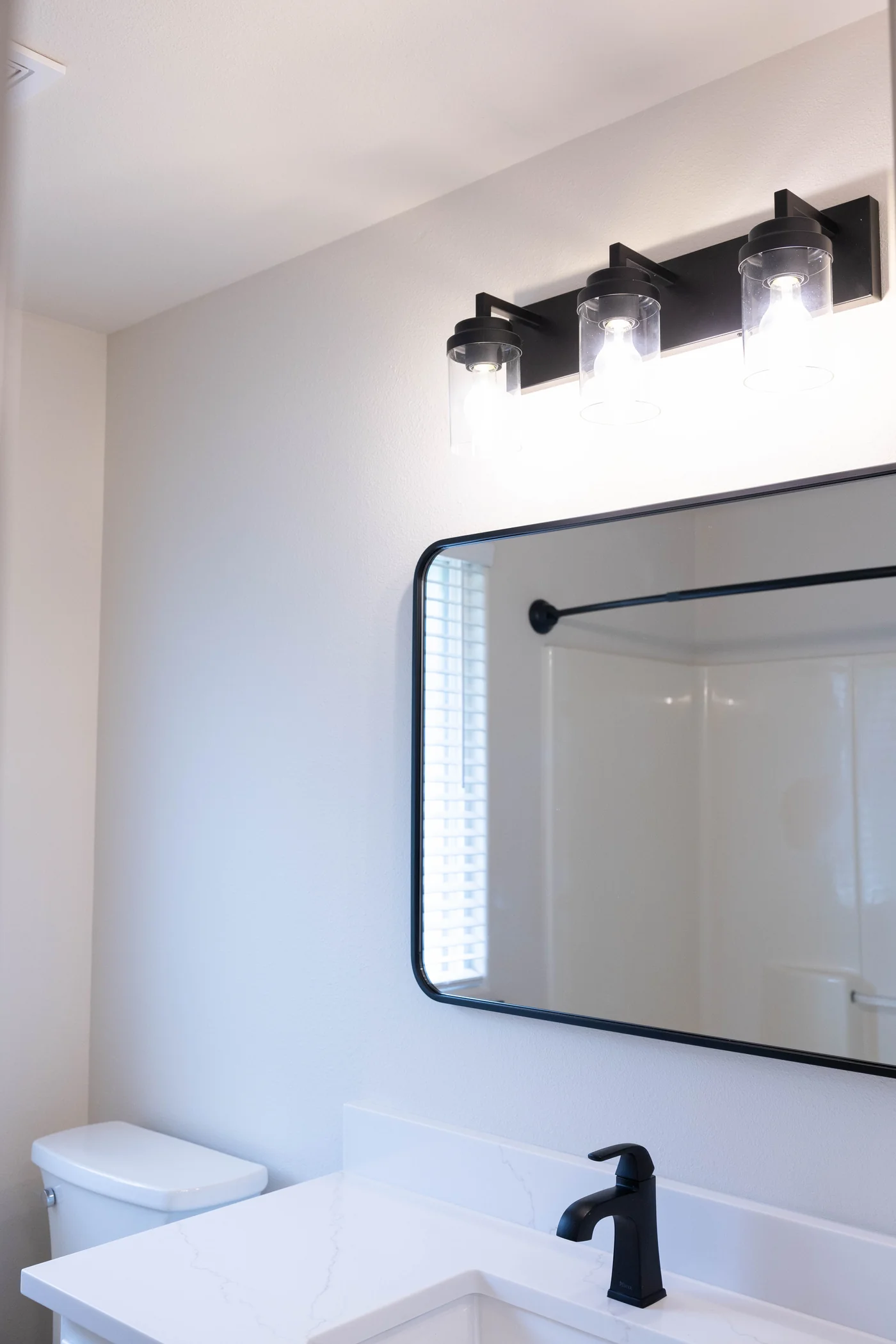
Once readings hit dry standard, the rebuild starts. Robinson manages that phase through vetted licensed contractors and our sister companies, so tile, vanity, and paint match what the drying file already scoped for your carrier.
Most people hire a restoration company on the worst day of their year, with water still moving and a phone full of missed calls. A few questions up front separate the crews who document a job properly from the ones who won't.
Anyone doing restoration or repair work in Portland needs an active license with the Oregon Construction Contractors Board. The board's site lets you search a business name and see the bond, the insurance, and any complaints on file. Ask for the number before work starts, then look it up yourself. A company that hesitates on that question is telling you something.
A logo on the truck means nothing by itself. Ask whether the technicians on your job hold IICRC credentials in water restoration, and whether anyone on the crew is trained for category three losses. The S500 standard covers moisture mapping, drying targets, and when material has to come out instead of drying in place. A company following it can explain every call it made.
Request a sample file from a past loss. Daily moisture readings, equipment logs, photos of every affected assembly, and a written drying plan are what an adjuster needs to approve a scope. Portland losses often involve older assemblies with layered flooring and plaster, and a thin file gives the carrier room to argue the material could have been saved.
Find out who actually answers the phone overnight and who owns the crew that shows up. Some larger brands route Portland calls through a shared center that shops the job out to whichever subcontractor picks up. Ask for a response commitment in writing, ask whether the technicians are employees, and get the workmanship warranty on paper before you sign.
Ask us the same questions. We'll hand over the CCB number, the certifications behind the crew that shows up, and a straight answer on who handles the rebuild, before you commit to anyone in Portland.
Water is how most losses start. It’s rarely where they end. The same local crew handles all of it.
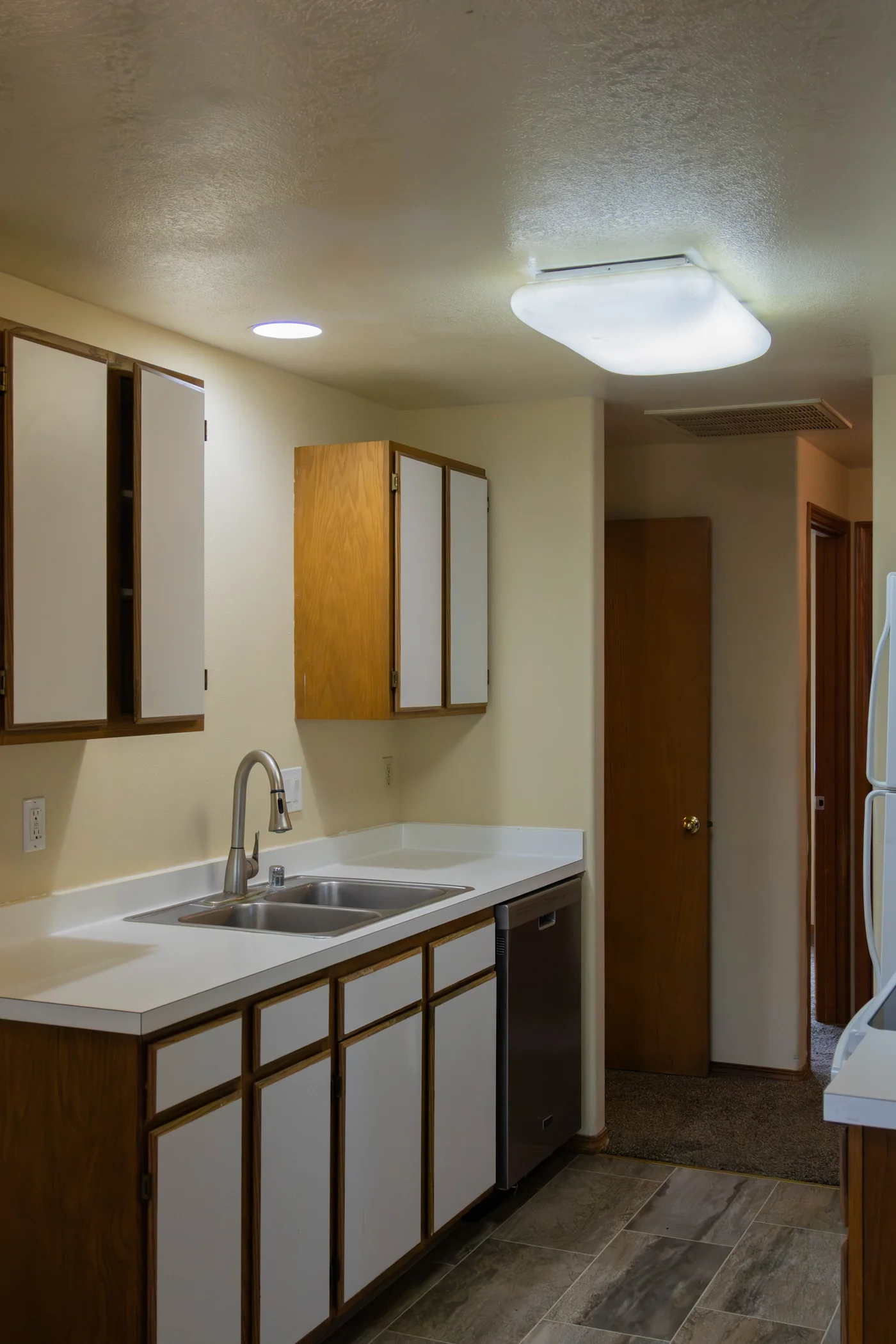
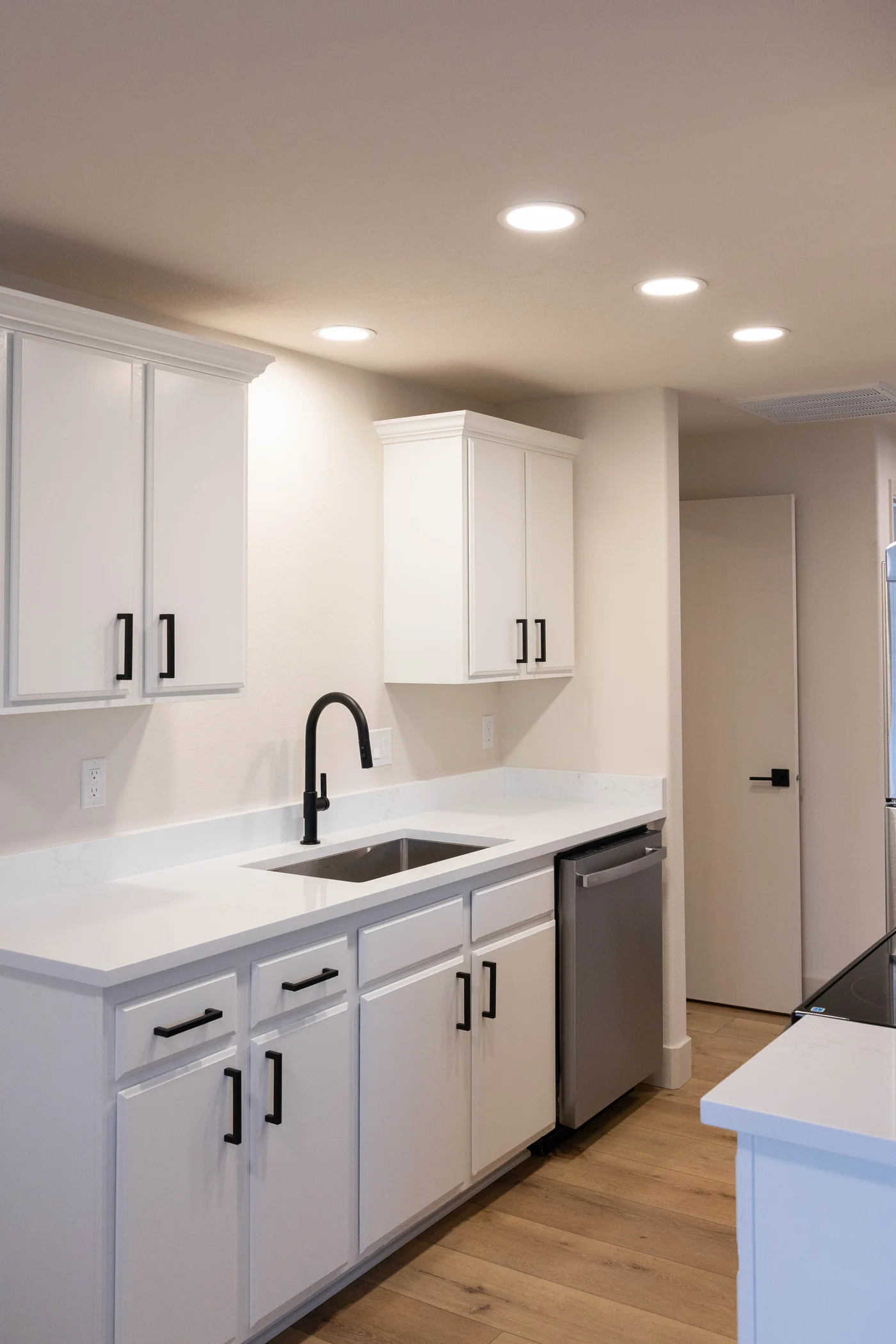
Three real projects, photo-documented for the insurance carrier and backed by our 5-year workmanship warranty. Drag each handle to compare.
“We had a major sewer back up a couple of weeks ago, into the laundry room and downstairs bathroom. Panic! We were referred to Robinson Restoration and what a blessing. The whole crew has been wonderful.”
Lynn Dee King · Google Review
“One of the pipes in the shower burst and water damage got all over the roof in the kitchen. As new home owners we were very scared and panicked. We contacted Kelly Farmer from Robinson Restoration and believe me when I say I felt like more than half of my problem was solved.”
Nav Basra · Google Review
“Just started a project with Cole and Chuck at Robinson Restoration and had to write a review straight away. These guys have been fantastic. We were away on a week long trip when we had a kitchen leak that destroyed our flooring and subfloor.”
Justin O'Neill · Google Review
In Oregon, you choose your restoration contractor, and your carrier can’t penalize you for it. We document every Portland loss with moisture maps, photos, and daily readings, then bill your insurer directly. You pay your deductible. That’s it.
Subject to policy coverage and deductible. We handle the paperwork, photos, and adjuster calls.
Portland homeowners reach a live dispatcher any time of day or night, weekends and holidays included. A crew covers the metro on both sides of the Columbia River, and the truck arrives stocked with extraction equipment, air movers, and dehumidifiers sized for older homes with basements and crawlspaces. Insurance gets billed directly, so you deal with the water and we handle the paperwork.
Dispatch is staffed 24/7, and for Portland calls we target on-site in 90 minutes. While you wait, shut the main off (it's usually in the basement or at the meter box near the sidewalk), kill power to any wet outlets, and start photographing. Those first pictures matter later, because they show the adjuster what the loss looked like before anyone touched it.
Standard homeowners policies in Oregon usually exclude sewer and drain backup unless you carry the endorsement, and a lot of Portland owners find that out the hard way. Check your declarations page for water backup coverage and note the sublimit, since it's often capped well below your dwelling limit. We document the source either way, because how the water entered decides which coverage applies.
Portland sits on soil that holds water, and a vented crawlspace under a bungalow gets almost no air movement in winter. Once the vapor barrier is soaked and the joists take on moisture, evaporation alone won't fix it. We pull and replace saturated insulation, set containment, and run low-grain dehumidifiers under the floor until wood readings match a dry standard from an unaffected part of the house.
We bill your carrier directly on most Portland jobs, so you handle your deductible and we handle the rest. Every day on site produces moisture readings, equipment logs, and photos, and that file goes to your adjuster in the format carriers expect. If an adjuster questions a line item, we'll talk to them about it instead of leaving you in the middle.
Mitigation and reconstruction are two different jobs. On a Portland loss we handle the emergency side, extraction, demo, and drying to IICRC standards, then manage the rebuild through vetted licensed contractors and our sister companies. You keep one point of contact the whole way, and the scope carries over so the rebuild estimate matches what the drying file already documented.
Growth can start inside about 48 hours, and Portland's humid stretch from November through March keeps indoor conditions on the wrong side of that line. Opening windows doesn't help much when outdoor air is already saturated. Sealed containment, air movers, and dehumidifiers get the assembly dry from the inside out, which is why calling on day one costs less than calling on day four.
Every hour of standing water costs more to fix. Call now and a Portland crew is dispatched, insurance billed directly.
Licensed · Insured · IICRC Certified · Serving Washington & Oregon