Robinson Restoration is an IICRC-certified water damage restoration company serving Irrigon, OR. Crews dispatch 24 hours a day, arrive on-site in 90 minutes or less, document the readings and photos your carrier needs, and bill your insurance directly on covered claims.
Irrigon sits right on the Columbia with sand under most of it, which means a broken line drains out of sight and into the structure at the same time. We answer nights, weekends, and holidays, and we bring the extraction and drying equipment on the first trip.
The town took its name from irrigation, and that tells you most of what you need to know about the ground here. Sandy soil, river bottom on one side, dryland shrub-steppe on the other. Housing runs to modest single-story homes and manufactured homes, plenty of them set on crawlspaces or piers, with well and septic service once you get past the town limits. Wind comes hard off the river and the winters bite.
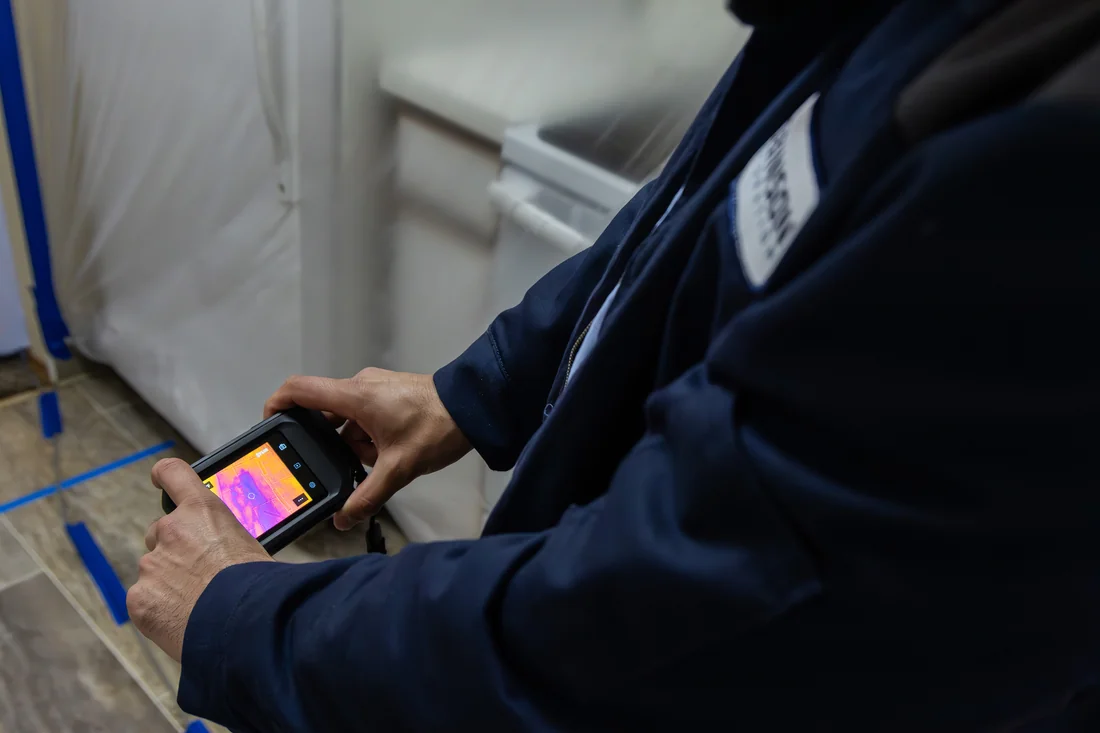
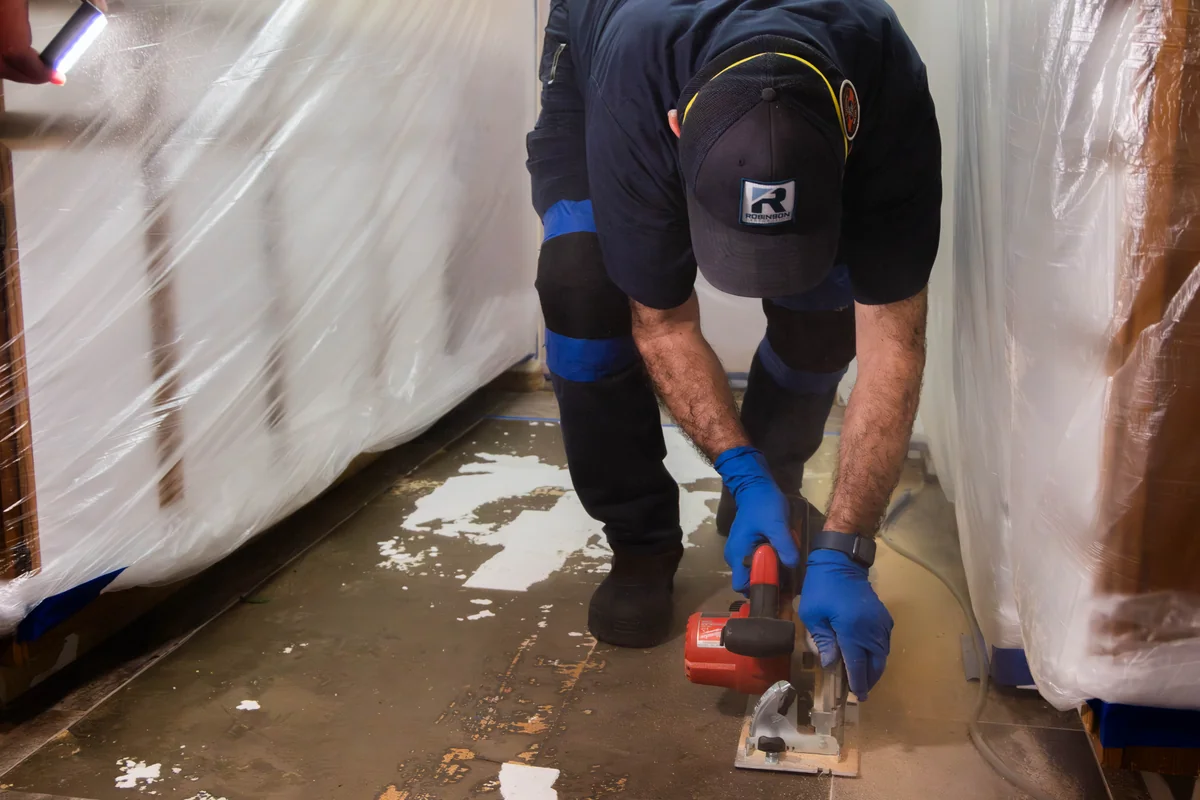
A small town can be a hard place to get real restoration help at midnight. Our dispatch runs 24/7 and Irrigon is on the standing route for our Tri-Cities crews, so a call gets a truck, not a callback on Monday. We meter and photograph before anything moves, dry to IICRC S500 standards, and bill your carrier directly. If you're on a well and septic, we'll factor that into the containment and the disposal plan.

Rural addresses don't get put at the back of the line here; Irrigon calls go out on the same dispatch as any job in the Basin.
24 hours a day, 7 days a week, our crews dispatch the moment you call and start mitigation the same visit. Call dispatch or message us for immediate help.
We stop further damage with commercial extraction, structural drying, and antimicrobial treatment, and we walk you through the entire insurance claim as we work.
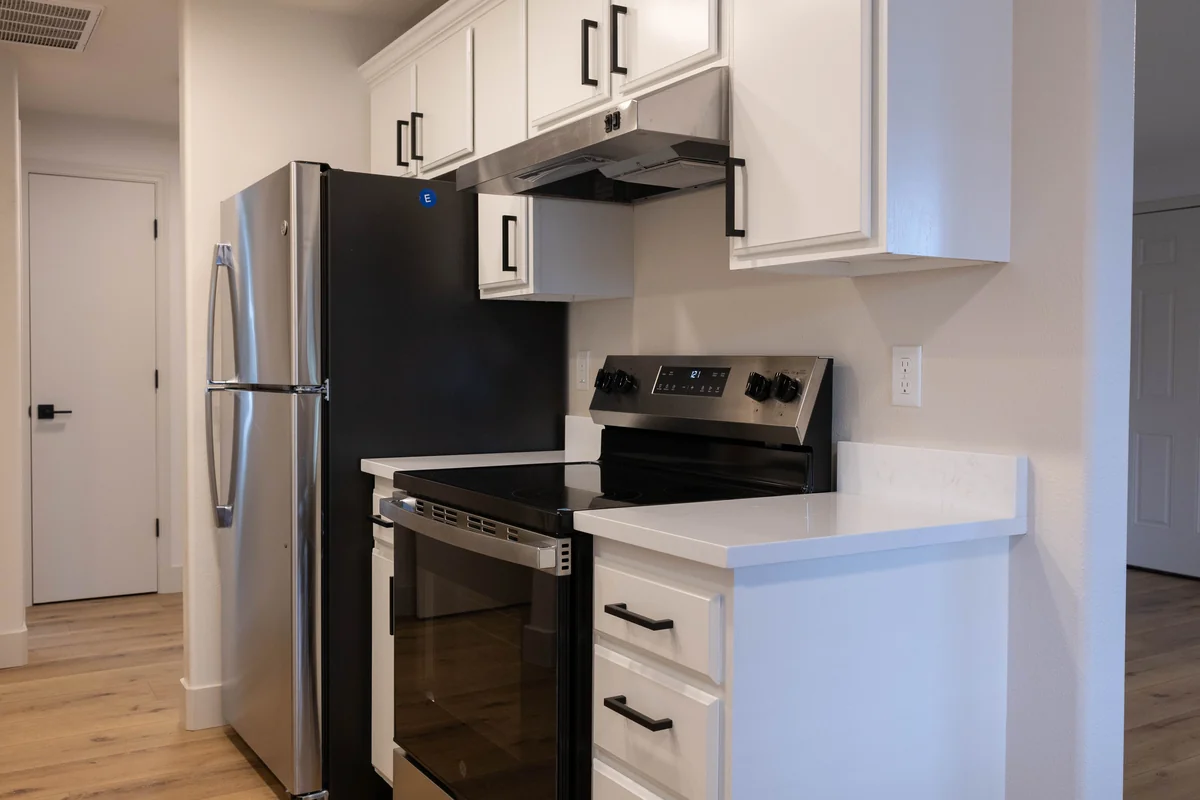
We manage your rebuild to pre-damaged condition through our trusted network of licensed contractors and sister companies. One manager, one timeline.
Manufactured and modular homes are common around Irrigon, and they don't behave like stick-built houses when they get wet. The belly wrap under the floor holds water against the insulation instead of letting it drain, and particleboard decking swells and never comes back. We open and drain the underbelly, dry the cavity, and replace what's structurally gone rather than sealing wet material back up.
The river keeps the water table higher here than the dry landscape suggests. Crawlspaces near the bottomland stay damp on their own, so a plumbing leak lands on ground that was already holding moisture and the space never dries out by itself. Standing water under a house turns into mold and rotten joists over a season, quietly, with no sign upstairs until the floor feels soft.
Outside the town limits, most properties run their own water. A pressure tank that fails, a pitless adapter that lets go, or a pump house line that freezes will keep pumping until somebody kills the breaker. Because the system doesn't shut itself off, well losses are usually larger than city-water losses. We'll help you isolate the source before the truck gets there.
East wind through the river corridor is relentless, and it works on roofs. Lifted shingles, loose ridge caps, and torn flashing let the next rain into the attic, where blown dust has already packed the insulation. The leak looks small at the ceiling and much bigger once the drywall comes down. We check the attic side before we decide how far the water traveled.
Most of the losses we run in Irrigon start one of three ways: frozen and split pipes, sewage backups, and roof and storm leaks. Here is why each one happens here, and what it takes to dry it properly.
Wind chill off the river strips heat out of skirted crawlspaces and pump houses. Lines under a manufactured home freeze before the ones inside the walls do, and they usually break where nobody can see them.
Septic systems in sandy ground get pushed hard by a full house and heavy laundry days. When the drainfield saturates or the tank backs up, waste comes back through the lowest fixture, and that's a category three cleanup.
Sustained wind lifts and cracks shingles on exposed roofs, and low-slope additions are the first to go. The rain that follows runs down a truss chord and drops into a ceiling far from the actual opening.
Water is how most losses start. It’s rarely where they end. The same local crew handles all of it.
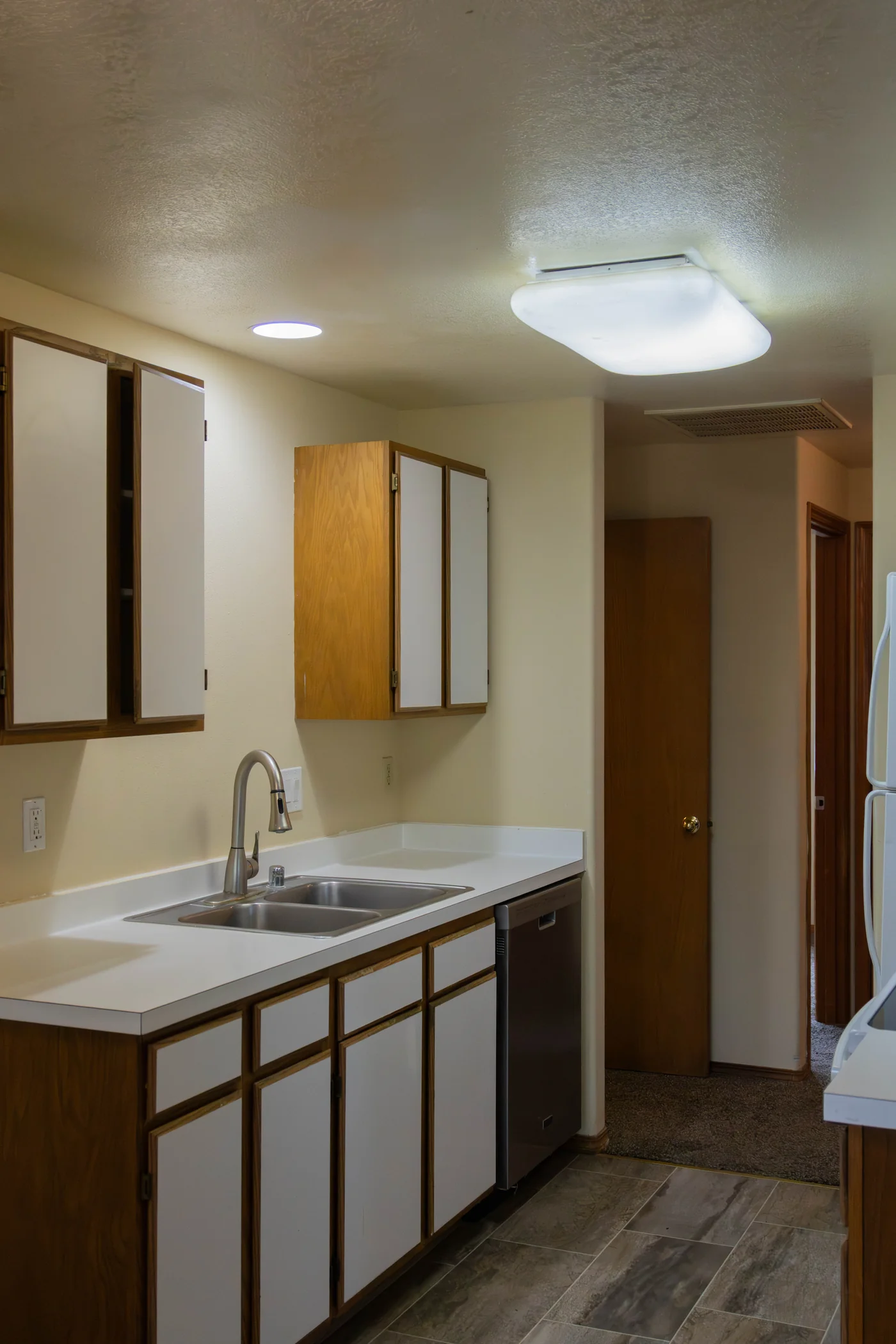
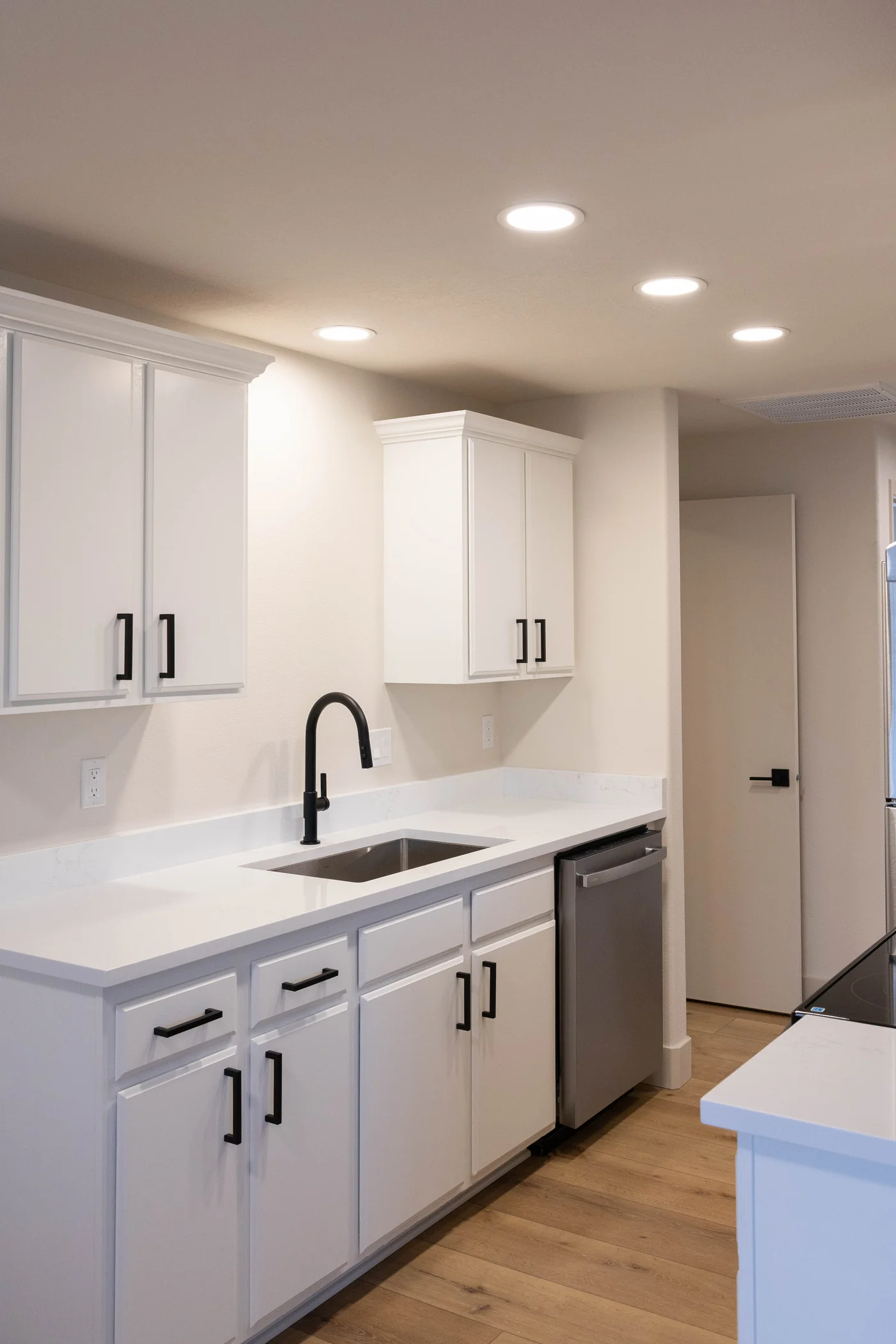
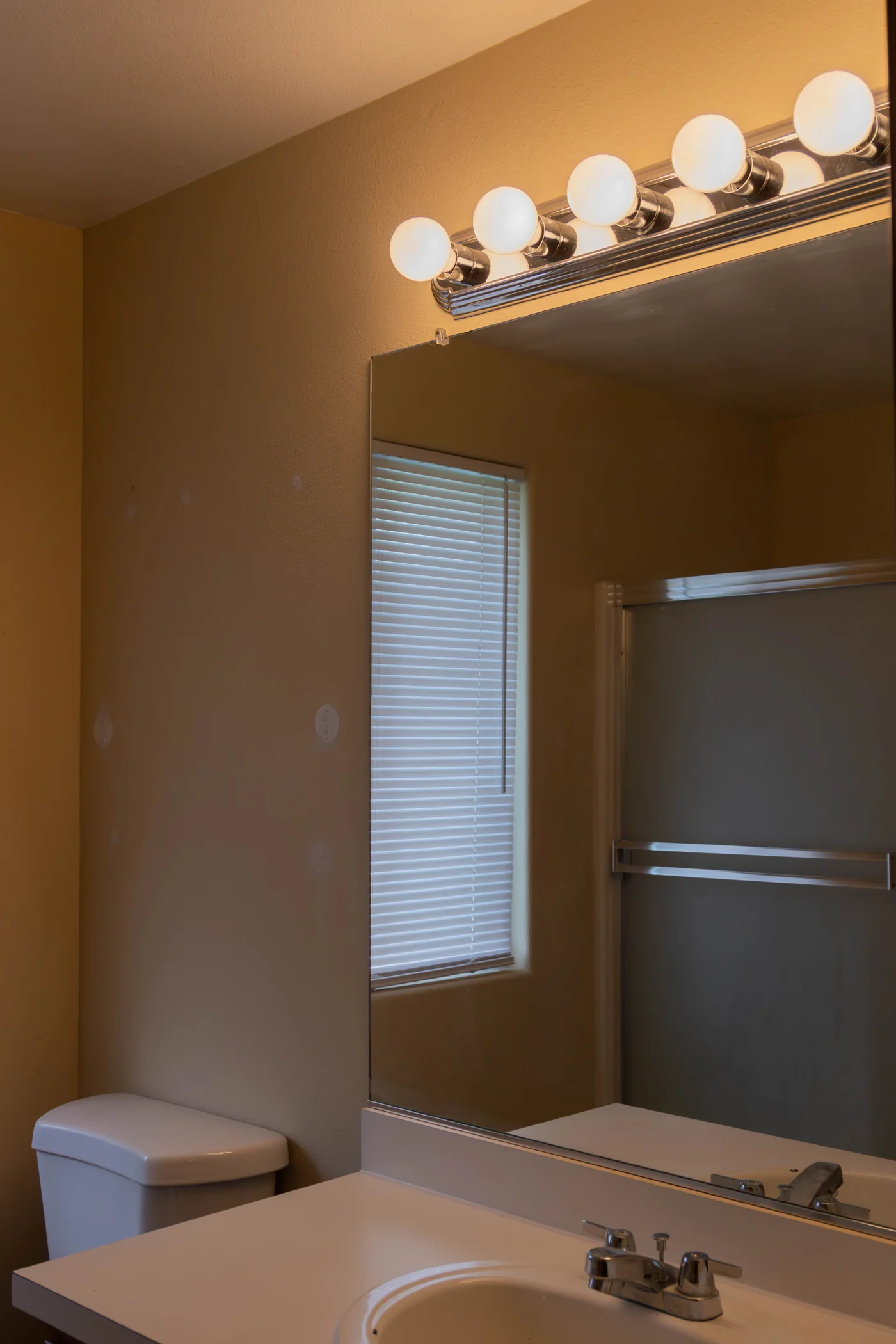
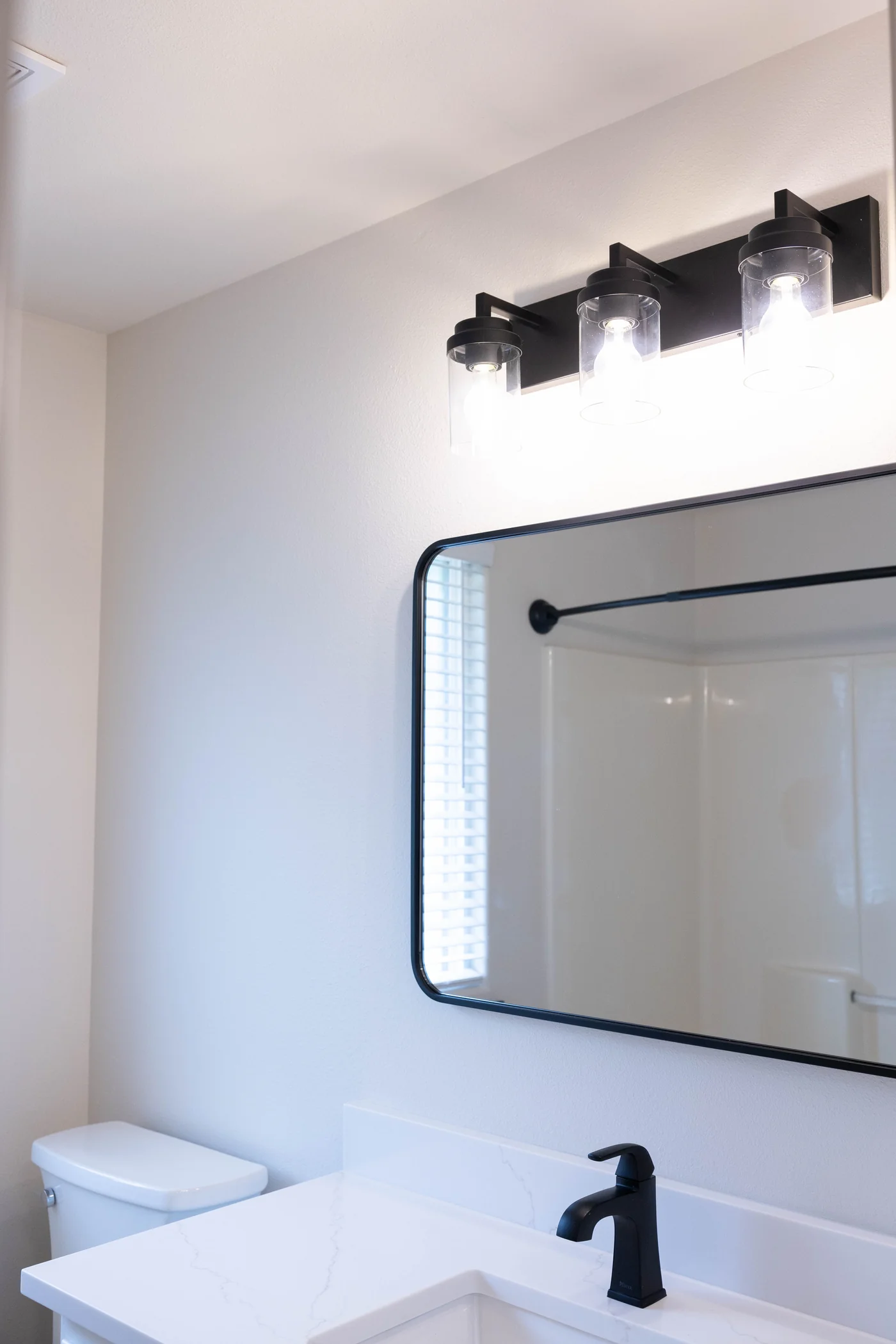
Three real projects, photo-documented for the insurance carrier. Drag each handle to compare.
“I want to express our sincere gratitude to the Robinson team that quickly moved to identify, rectify, repair, and then clean up the mess left by an itty-bitty hot water leak that went unnoticed because of its location.”
Michael Quinn · Google Review
“Kyla and Jake were super friendly and knowledgeable. Jake was at my house 90 minutes after I called and did a free inspection. I won't need their services this time, but I will definitely call them if I ever have to deal with water damage.”
Carmen Otten · Google Review
“Had a leak in our wall and our plumber recommended Robinson Restoration to handle remediation of the water damage. Christian and Adolfo were awesome. Great communication throughout the setup of the containment area and installation of the equipment to start the drying process.”
Won Lee · Google Review
In Oregon, you choose your restoration contractor, and your carrier can’t penalize you for it. We document every Irrigon loss with moisture maps, photos, and daily readings, then bill your insurer directly. You pay your deductible. That’s it.
Subject to policy coverage and deductible. We handle the paperwork, photos, and adjuster calls.
Short answer: yes. Robinson runs a Tri-Cities crew that covers Irrigon, and the emergency line rings through to a live dispatcher around the clock, weekends and holidays included. Techs show up with extraction units, air movers, and moisture meters, so drying starts the same visit. Billing goes straight to your insurance carrier, so you're not fronting the cost.
Yes. Irrigon is part of the standing service area for our Tri-Cities operation, and small-town calls get the same dispatch treatment as anything in the metro. We stock trucks with extraction units, air movers, and dehumidifiers so the first visit is the working visit. Nobody is going to look at your address and tell you to wait for a scheduling window next week.
Most can be dried, but it depends on how long the water sat and what it touched. Vinyl-backed drywall traps moisture behind the paper, and the floor decking is the part that decides it. If the decking has swollen and lost strength, that section gets cut out and replaced. We open the underbelly, dry the cavity properly, and give you an honest read early rather than running fans on material that's already gone.
Keep everyone and every pet out of the affected rooms, stop running water so you don't add to it, and call us. Septic backups are category three, which means the water carries pathogens and porous material has to come out rather than get dried. We set containment, remove contaminated flooring and drywall, apply antimicrobial, and document the whole thing for your carrier. Then we can coordinate the pumping and drainfield side with you.
The resulting damage is usually covered even when the failed component isn't. A carrier will typically pay to dry the structure and repair what the water ruined, then decline the pump or tank itself as equipment. That distinction catches a lot of Irrigon property owners off guard. We write the scope so the mitigation and the damaged materials are clearly separated from the mechanical repair.
Both, usually. Standing water gets extracted, the wet vapor barrier comes out because it holds moisture against the soil, and we dry the joists and subfloor with directed airflow and a dehumidifier sized for the space. Near the river bottom the ground stays damp on its own, so we set a new barrier once the wood hits dry standard. Skipping that step is how crawlspaces end up with mold.
We bill most carriers directly for the mitigation, so you're responsible for the deductible and not for fronting the whole job. Before any equipment goes in, we document the loss with photos, moisture readings, and a room-by-room scope, which is what an adjuster needs to approve payment. Irrigon owners who aren't filing a claim get a written quote up front, and we stick to it.
One call gets an Irrigon crew rolling with extraction gear tonight, not a callback tomorrow.
Licensed · Insured · IICRC Certified · Serving Washington & Oregon