Robinson Restoration is an IICRC-certified water damage restoration company serving Happy Valley, OR. Crews dispatch 24 hours a day, arrive on-site in 90 minutes or less, document the readings and photos your carrier needs, and bill your insurance directly on covered claims.
Water damage moves fast in a hillside house. Happy Valley sits on the slopes below Mount Scott and Scouters Mountain, where finished lower levels sit into the grade and a second-floor supply line can soak three floors before anyone hears it. We answer around the clock and start drying on the first visit.
Most of the housing here went up after the mid-1990s, which means PEX and copper runs, upstairs laundry rooms, and bathrooms stacked directly over living space. The lots are the other half of the story. Homes step down steep grades on clay soil that stops absorbing by January, so winter rain slides toward daylight basements and garage slabs instead of soaking in. Failed sump pumps and window-well backups show up every wet season.
Call any hour and a live dispatcher takes the details, then assigns an IICRC-certified crew out of our Vancouver headquarters coverage area. We map moisture before we touch anything, photograph every affected room, log daily readings, and hand your adjuster a file that reads clean. Robinson bills most carriers directly, so you cover your deductible and skip the reimbursement paperwork. If the repair phase needs licensed trades, we manage those contractors for you.

Our dispatch board keeps trucks staged for the Clackamas County side of the metro, so Happy Valley calls get equipment moving while we're still on the phone.
24 hours a day, 7 days a week, our crews dispatch the moment you call and start mitigation the same visit. Call dispatch or message us for immediate help.
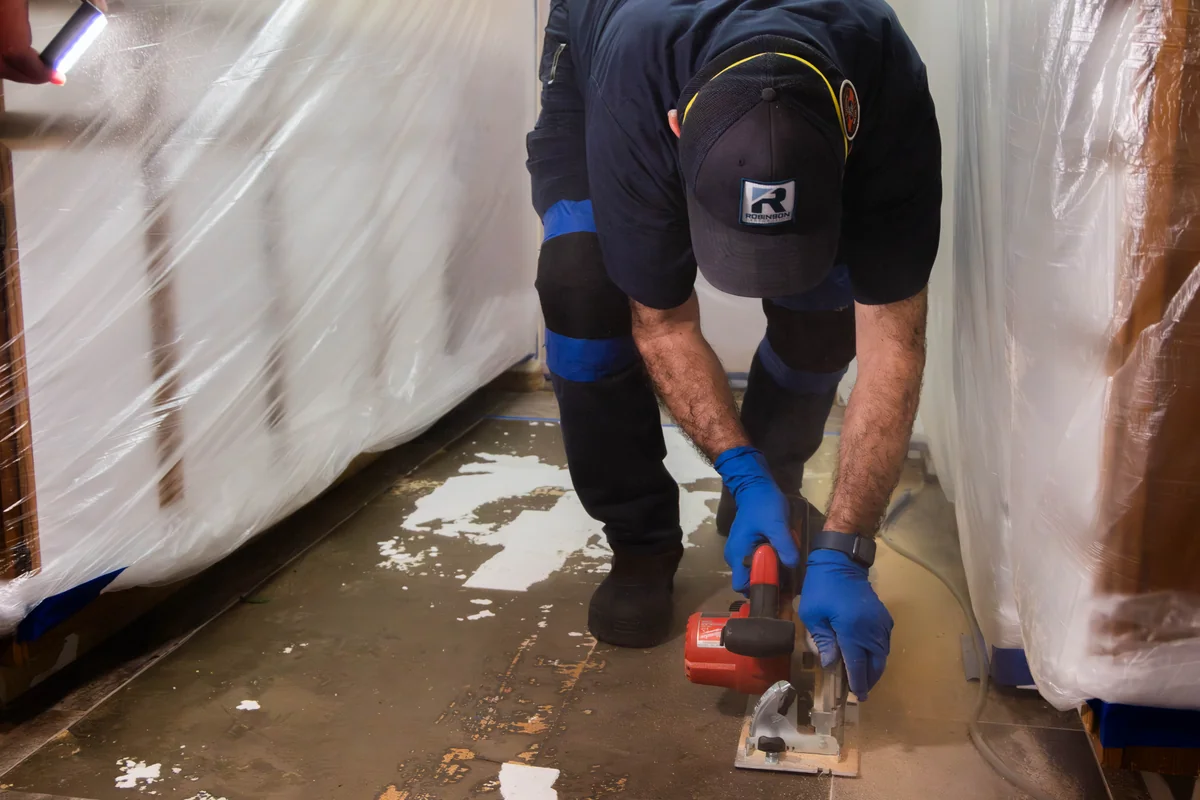
We stop further damage with commercial extraction, structural drying, and antimicrobial treatment, and we walk you through the entire insurance claim as we work.
We manage your rebuild to pre-damaged condition through our trusted network of licensed contractors and sister companies. One manager, one timeline.
Happy Valley's boom-era homes put laundry rooms, primary baths, and water heaters on upper floors. That layout is convenient until a braided supply hose or a washer valve lets go over a finished great room. Water finds the stair chase and the HVAC penetrations, then travels sideways through joist bays. We open ceilings only where the meter says we have to.
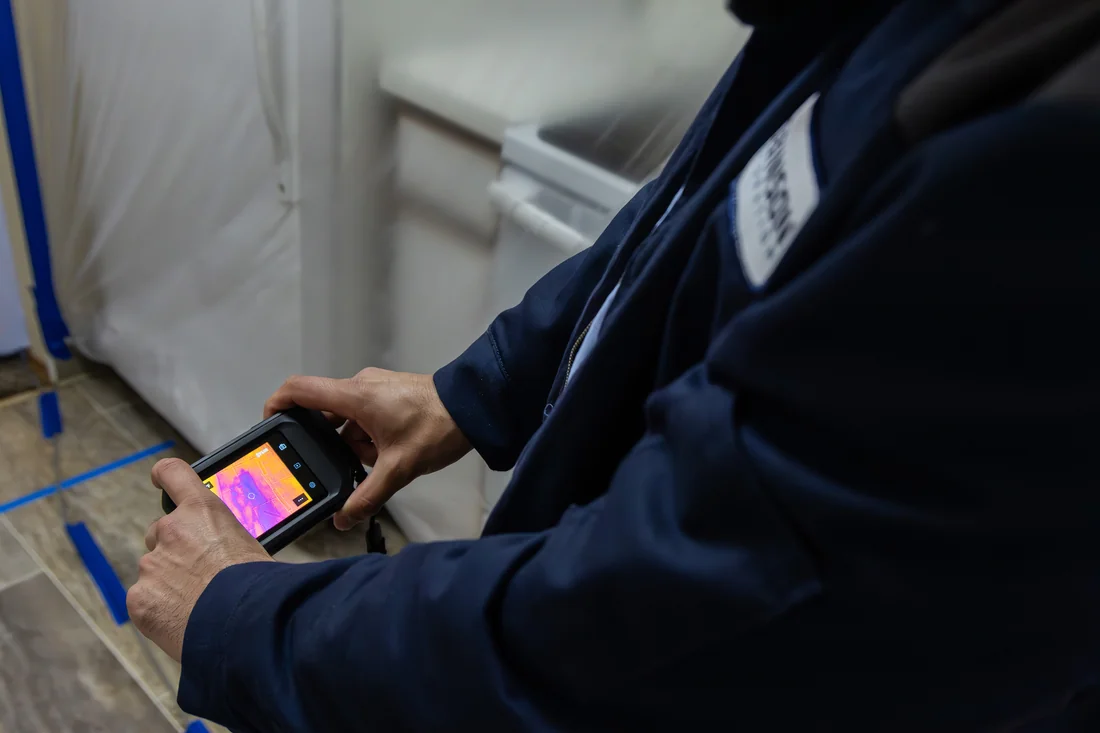
Building into a slope means one wall of the lower level is holding back saturated ground. When a footing drain clogs with silt or a downspout tightline cracks, the first sign is usually a damp corner of carpet, not a puddle. We use thermal imaging and probe meters to find how far the moisture has wicked up the drywall before it blooms.
The valley takes several multi-day soakings each winter, and the east side of the metro catches the runoff that rolls off the buttes. Gutters loaded with fir needles overflow behind the fascia, roof valleys back up, and crawlspace vents take on standing water. Most of the calls we get during those stretches started days earlier as a slow leak nobody could see.
A lot of the newer Happy Valley neighborhoods are governed by an association, and plenty of the attached homes share a wall with a neighbor. That splits responsibility between your policy, theirs, and the HOA master policy. We document the origin point and the path the water took so the carriers can sort coverage without stalling your drying.
Most of the losses we run in Happy Valley start one of three ways: appliance failures, frozen and split pipes, and roof and storm leaks. Here is why each one happens here, and what it takes to dry it properly.
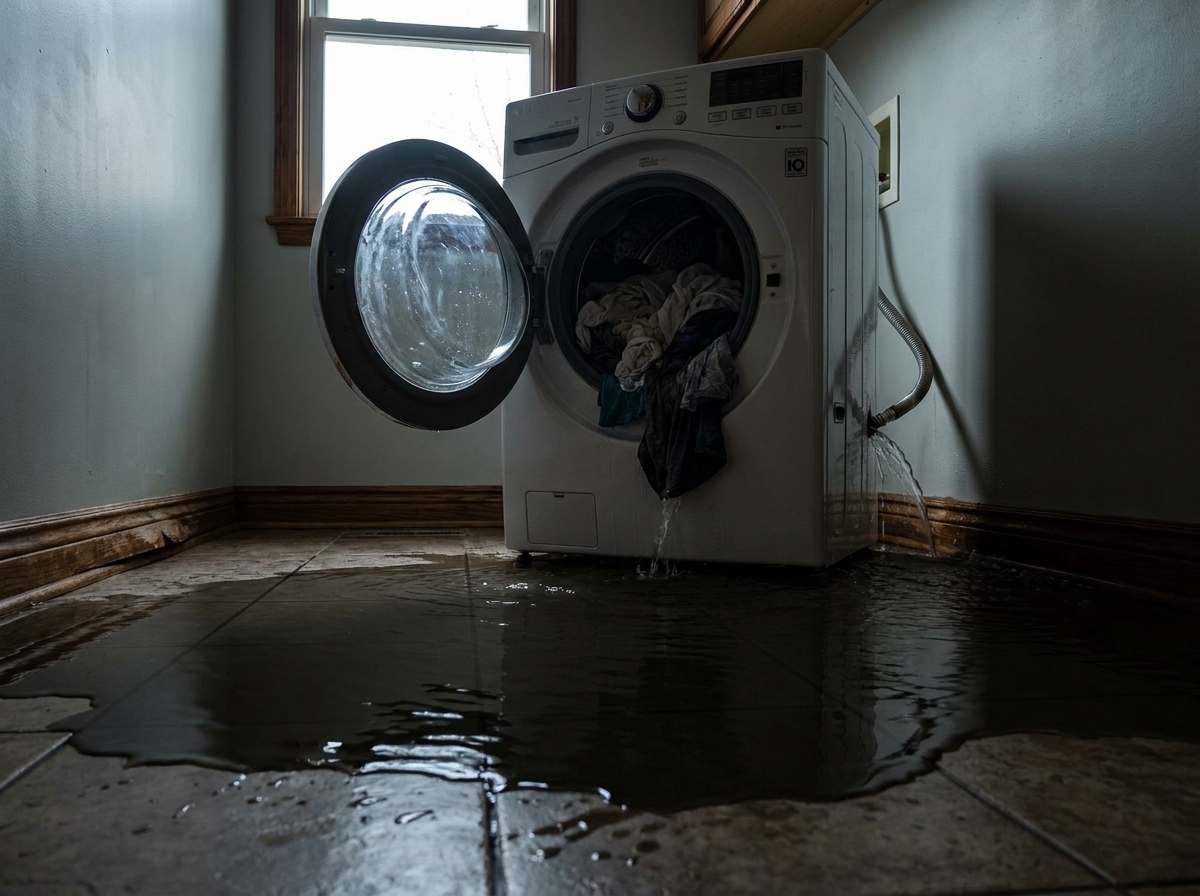
Second-floor laundry pairs and refrigerator ice lines fail quietly in these homes. A supply hose can weep for a week behind a machine before the ceiling below shows a stain the size of a dinner plate.
Elevation matters here. The upper neighborhoods hold ice and snow days after the valley floor has thawed, and hose bibs, garage lines, and unheated bonus rooms over garages are what let go first.
Tall firs drop needles into valleys and gutters all fall. Once a valley dams up during a long rain, water backs under the shingles and shows up in an upstairs closet ceiling or along an exterior wall.
Water is how most losses start. It’s rarely where they end. The same local crew handles all of it.
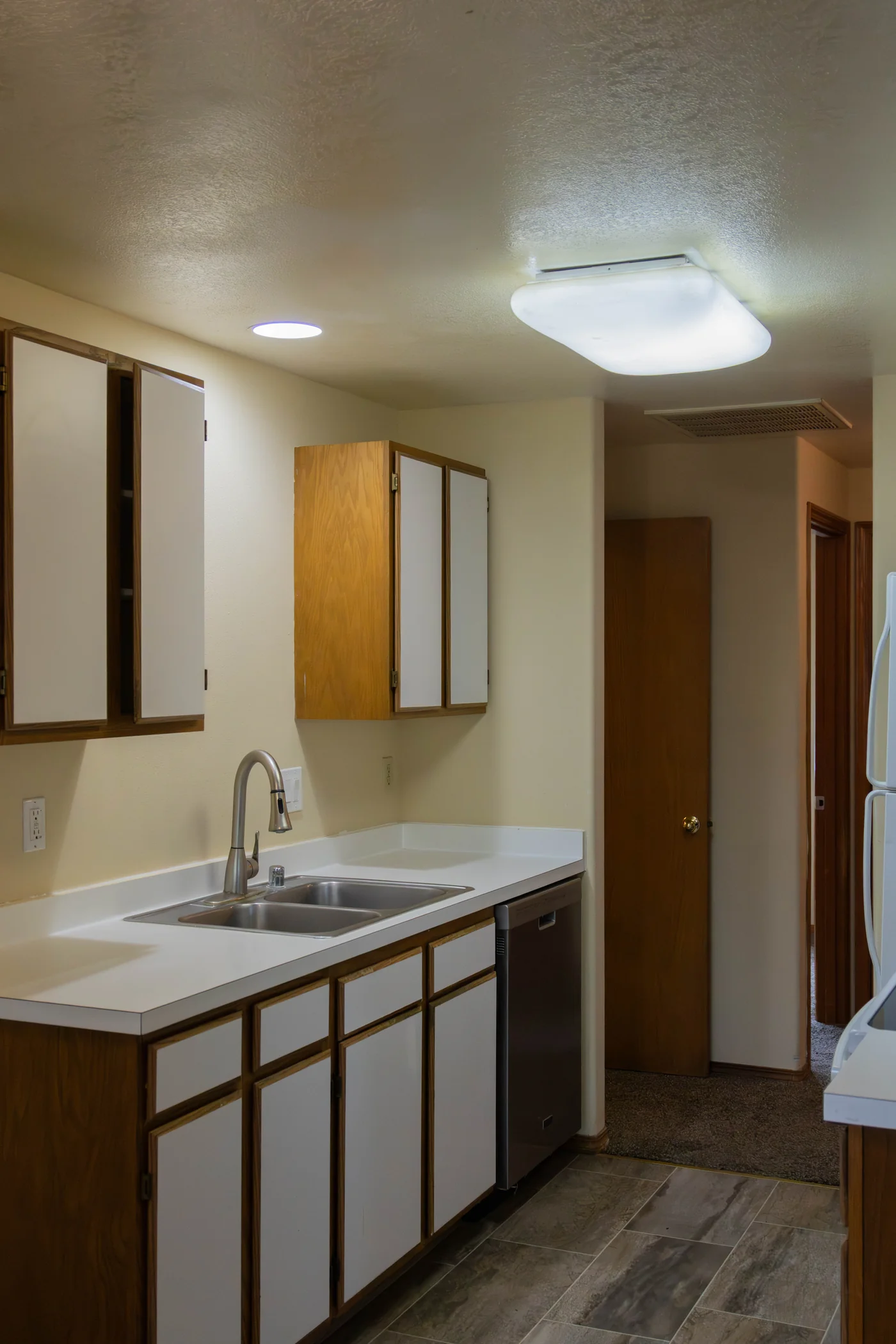
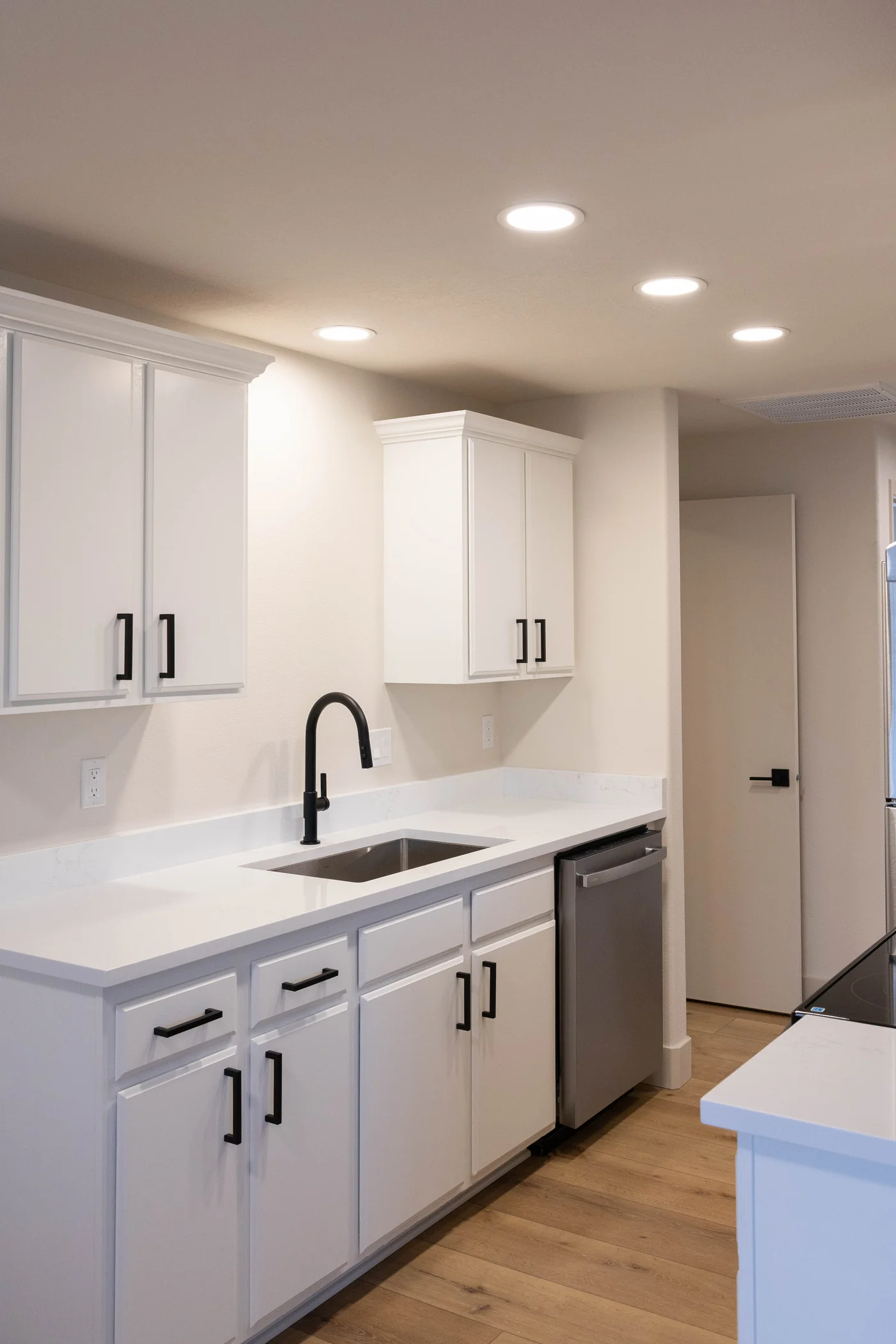
Three real projects, photo-documented for the insurance carrier. Drag each handle to compare.
“We've had the bittersweet opportunity to have Robinson in our lives twice now. First, for a major 3,000 sq ft mold remediation of our crawl space. Then last week, we had an unfortunate flood. I don't know what we would have done without them.”
T Marie C · Google Review
“Chuck and Cole were very professional, courteous and knowledgeable about their restoration skills including close out processes. I'm really happy they were the two employees assigned to our home.”
Joanna Gamble · Google Review
“We hired Robinson Restoration after a boiler joint failed and leaked what we thought was a small amount of water in our laundry room, but turned out to be more serious than it appeared. They did a fantastic job from first contact to insurance claim approval.”
Randi Covin · Google Review
In Oregon, you choose your restoration contractor, and your carrier can’t penalize you for it. We document every Happy Valley loss with moisture maps, photos, and daily readings, then bill your insurer directly. You pay your deductible. That’s it.
Subject to policy coverage and deductible. We handle the paperwork, photos, and adjuster calls.
Newer hillside homes hide water well. A failed supply line on an upper floor can run down through framing into a finished basement before anyone notices. Robinson keeps a team assigned to Happy Valley, dispatch answers at every hour, and technicians show up with extraction and drying equipment already loaded. Insurance gets billed directly, with photos and moisture readings attached to the file.
Dispatch is staffed 24 hours, holidays included. Once we have your address and a description of the loss, we target on-site in 90 minutes and tell you what to do while you wait: kill the water at the main, cut power to the affected rooms at the panel if it is safe to reach, and move anything wood or upholstered off wet flooring.
We answer that with instruments instead of guesses. Groundwater intrusion in a Happy Valley daylight basement usually enters low, along the cold joint where the slab meets the foundation wall, and it tracks the weather. A supply or drain leak reads warmer, stays wet between storms, and often shows a vertical wick pattern behind a wall. The distinction matters because most policies treat the two very differently.
Sudden and accidental water losses are covered by most standard policies, and that covers the majority of what we see in Happy Valley: burst supply lines, appliance failures, water heater ruptures. Slow seepage a carrier decides you should have caught is a harder claim, and surface flooding needs separate flood coverage. We photograph the source and the timeline either way, because good documentation is what turns a maybe into an approval.
Regularly. Association rules in Happy Valley often dictate who owns the wall cavity, who owns the shared plumbing stack, and which policy pays for common-area damage. We provide the moisture maps, drying logs, and photos the HOA manager needs, and we coordinate with the neighbor's carrier when water crossed a party wall. That paperwork keeps the two claims from arguing while your floor sits wet.
Three to five days covers most Happy Valley jobs. Clean-water losses on hard surfaces dry fastest. Hardwood over a crawlspace, engineered floors, and multi-layer subfloor assemblies take longer because the moisture is trapped between materials. We set air movers and dehumidifiers, then take readings every day and adjust. Equipment comes out when the materials hit dry standard, not when the calendar says so.
Yes, and we're straight about how. Robinson handles the emergency response, the water removal, the structural drying, and the antimicrobial work with our own certified technicians. For the rebuild, we manage licensed contractors and sister companies we have vetted ourselves, and we stay on the job as your single point of contact so the Happy Valley repair schedule and the claim stay in sync.
Wet floor in Happy Valley? Call now and we'll have a certified crew assigned before you hang up.
Licensed · Insured · IICRC Certified · Serving Washington & Oregon