Robinson Restoration is an IICRC-certified water damage restoration company serving Dunes City, OR. Crews dispatch 24 hours a day, arrive on-site in 90 minutes or less, document the readings and photos your carrier needs, and bill your insurance directly on covered claims.
Between Woahink and Siltcoos, the ground stays wet and the wind pushes rain sideways for months. Dunes City homes take moisture from every direction, and a plumbing failure on top of that gets ugly fast. We roll with extraction and dehumidification loaded and a dispatcher on the line at any hour.
Houses here sit on sand and lake frontage, which changes everything about how water behaves. The table is high, crawl spaces stay damp through the wet season, and septic systems work hard in soil that drains one way and holds another. Salt air corrodes fittings and fasteners faster than inland. Wind-driven rain finds siding joints, window flashing, and roof penetrations that would never leak in the valley, and indoor humidity rarely drops enough to dry anything on its own.
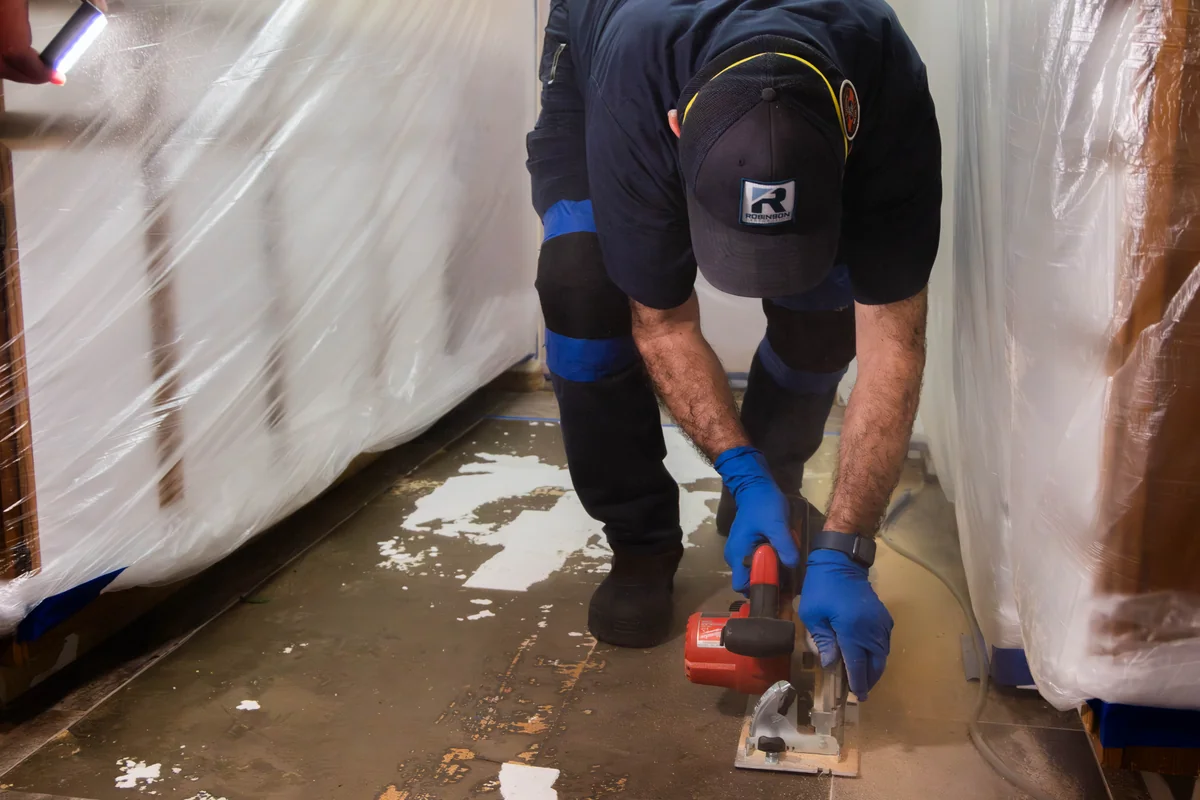
Our dispatch runs 24/7 and coastal calls get equipment sized for the humidity out here, which usually means low-grain refrigerant or desiccant units rather than standard dehumidifiers. Crews work the coast range and 101 corridor out of our southern Willamette operation. Every job follows IICRC S500: moisture mapping, containment, logged daily readings, and photo documentation from arrival to dry standard. We bill your carrier directly and manage any rebuild through licensed contractors we have vetted.

Dunes City sits on our coastal run, so a call turns into a loaded truck and a target of on-site in 90 minutes.
24 hours a day, 7 days a week, our crews dispatch the moment you call and start mitigation the same visit. Call dispatch or message us for immediate help.
We stop further damage with commercial extraction, structural drying, and antimicrobial treatment, and we walk you through the entire insurance claim as we work.
We manage your rebuild to pre-damaged condition through our trusted network of licensed contractors and sister companies. One manager, one timeline.
A winter storm off the Pacific does not fall on a roof, it hits the walls. Water gets behind lap siding, around window returns, and under flashing that a builder installed for vertical rain. The stain shows up on an interior wall weeks later, and by then the sheathing is soft. We use thermal imaging and meters to find how far it got before opening anything up.
Woahink and Siltcoos sit right there, and the water under a lot of these properties is closer to the surface than owners realize. Crawl spaces take groundwater in winter without a single pipe failing. Sump systems run constantly, sand shifts under footings, and vapor barriers float. Drying a space like that means controlling humidity, not simply pumping out what you can see.
Most properties around the lakes run on septic, and those systems get scrutiny here because of what ends up in the water. A saturated drainfield backs up into the lowest fixture in the house, and that is a category three loss the moment it crosses the threshold. It gets handled with containment, removal of porous material, and antimicrobial treatment, not a wet vac and a fan.
Coastal claims get split hairs. Wind-driven rain entering through a storm-damaged roof is usually covered. The same water entering through siding that was already failing often is not, and rising groundwater sits outside a standard policy entirely. We photograph the entry point, document the mechanism, and write it plainly, which is what keeps a legitimate claim from getting denied on a technicality.
Most of the losses we run in Dunes City start one of three ways: roof and storm leaks, sewage backups, and flooding and groundwater. Here is why each one happens here, and what it takes to dry it properly.
Storm wind lifts shingles and drives rain under them, and the constant damp keeps a small breach from ever drying out. Coastal roofs also lose fasteners to corrosion, which is how a slow leak sits above a ceiling for a season.
Septic drainfields sitting in saturated sand cannot take any more during a wet stretch. The system backs up through the lowest drain, and what comes into the house has to be treated as contaminated from the start.
A high water table under sandy ground means winter groundwater comes up into crawl spaces on its own. Lakefront lots see it worst, and the damage shows as rot, odor, and failing insulation rather than a visible flood.
Water is how most losses start. It’s rarely where they end. The same local crew handles all of it.
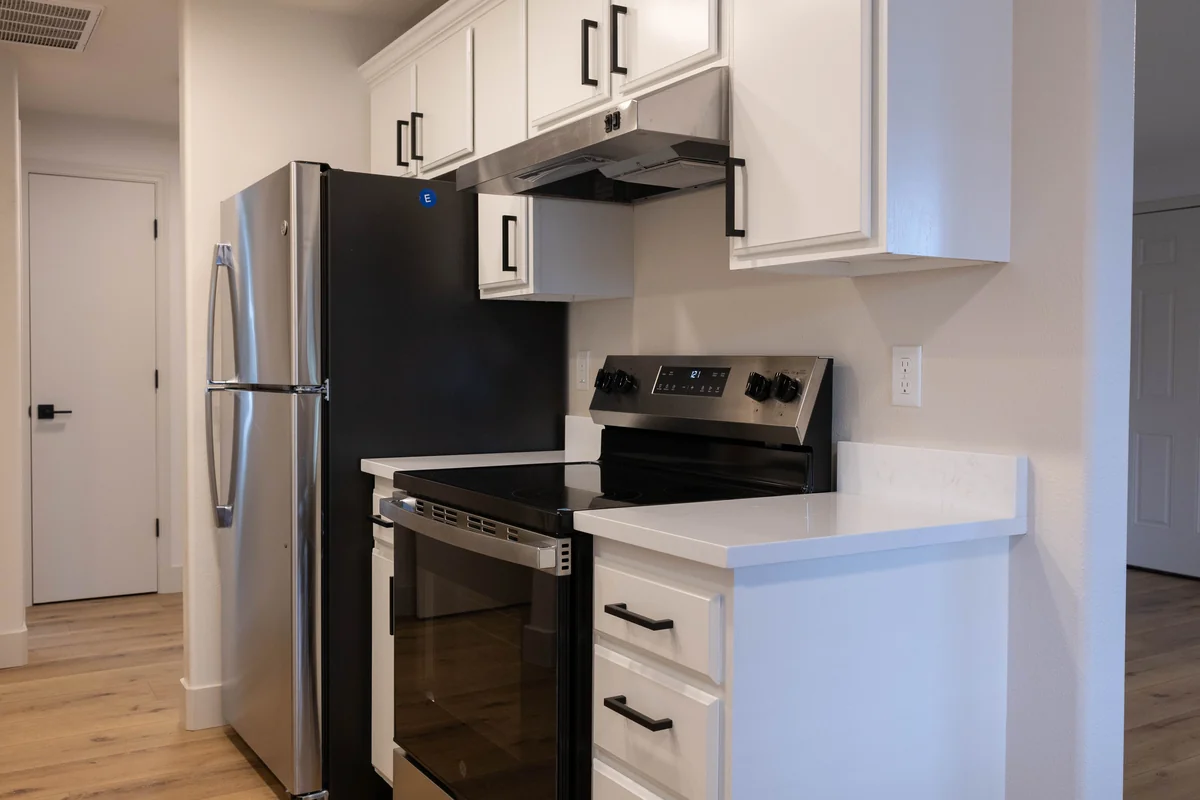
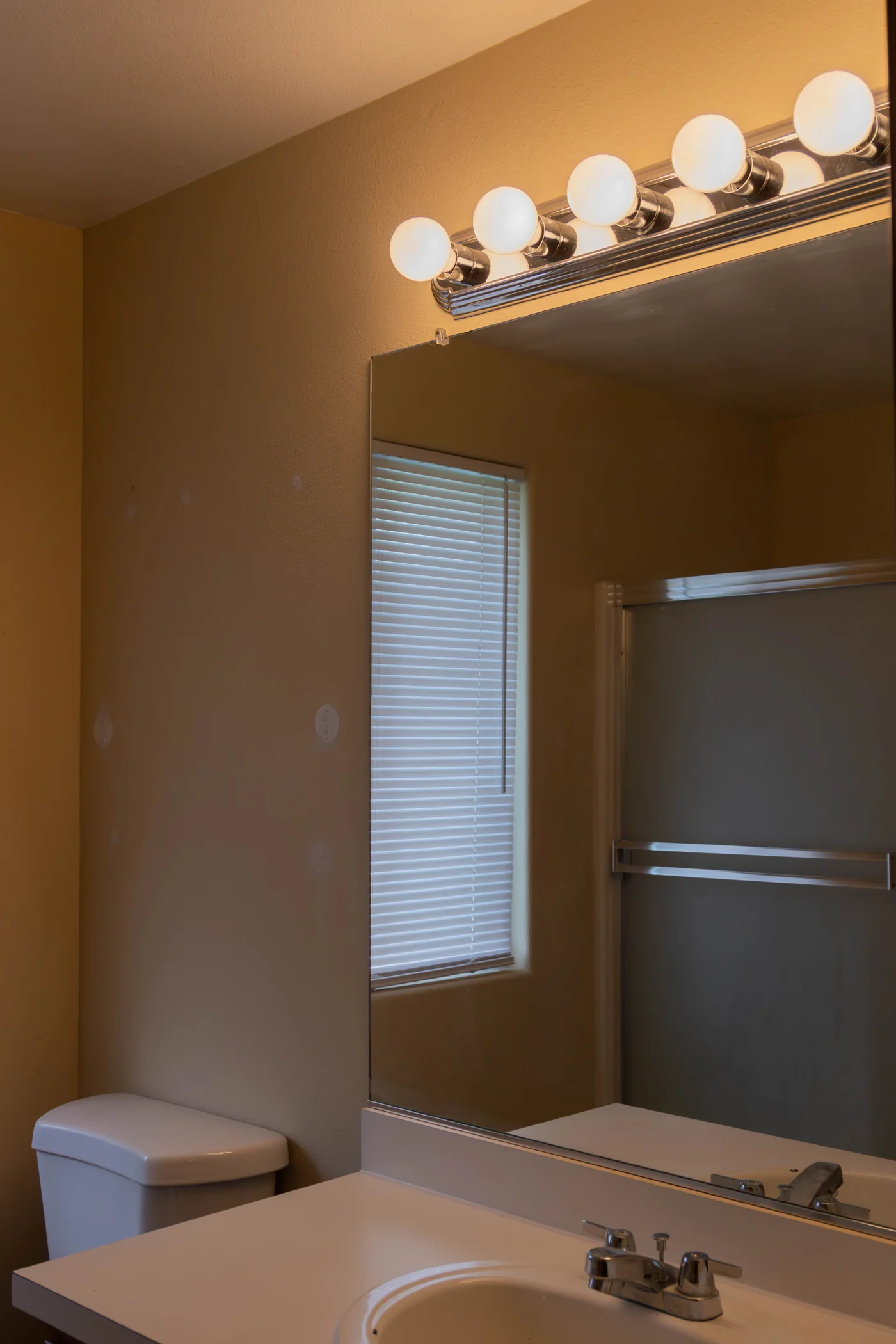
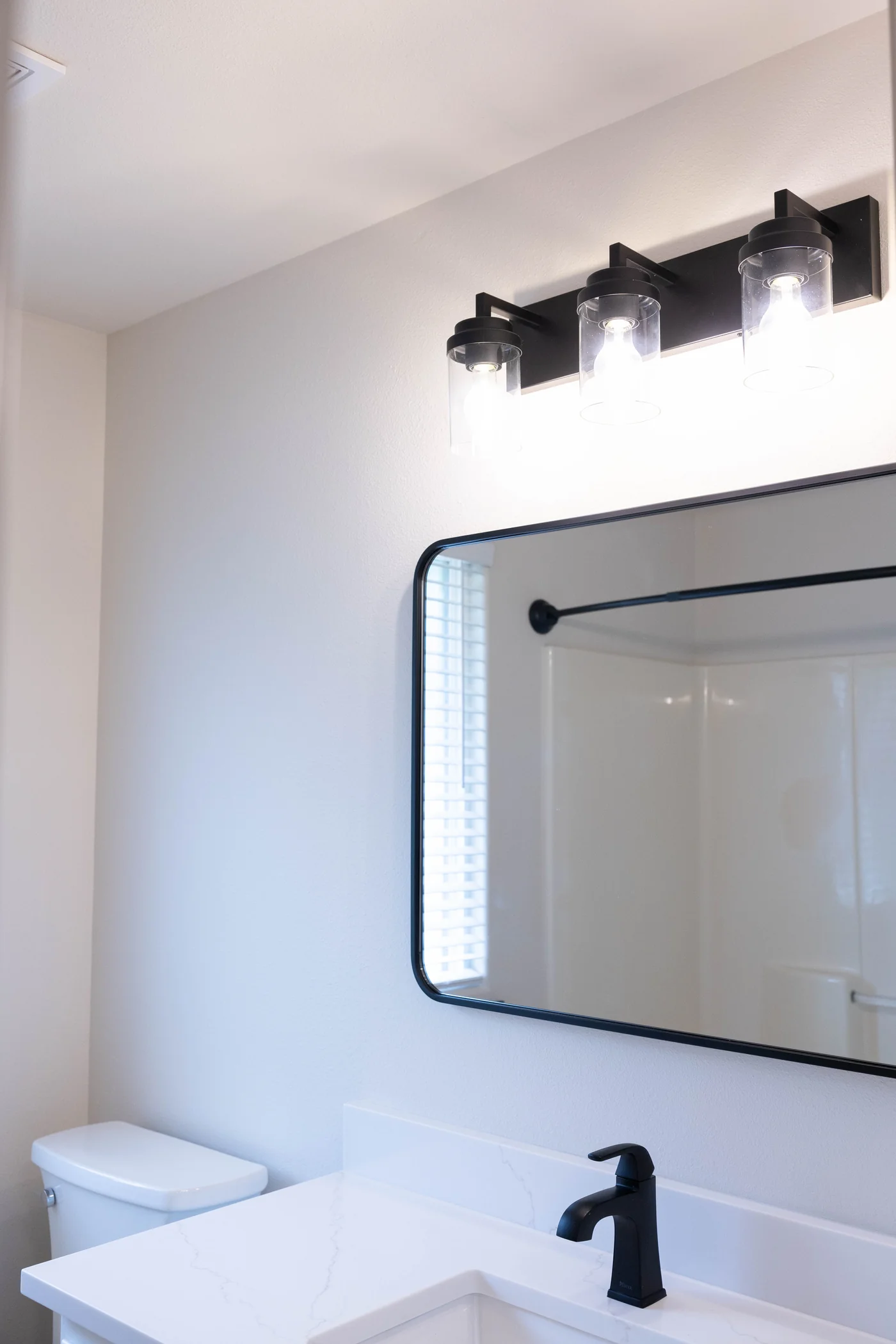
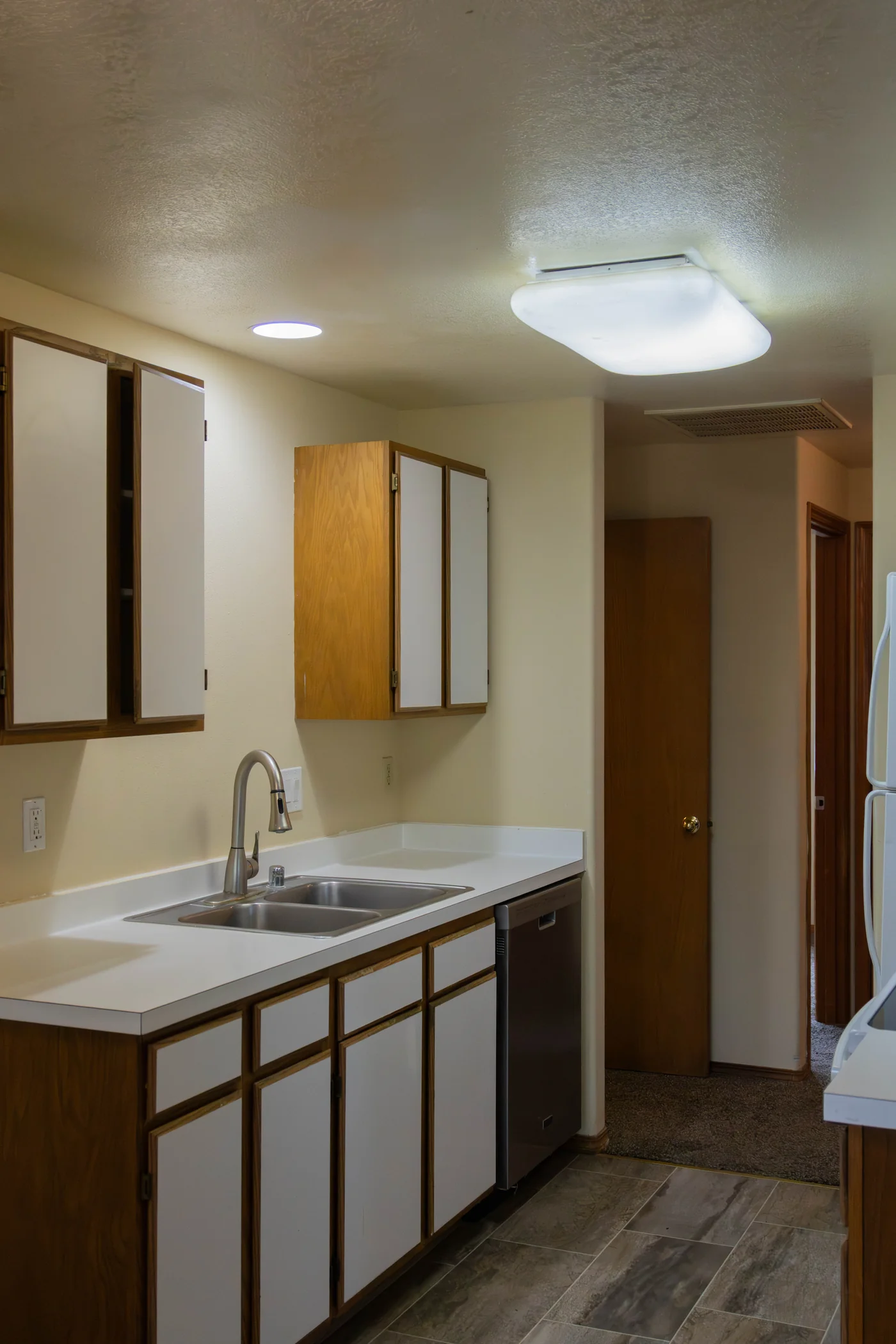
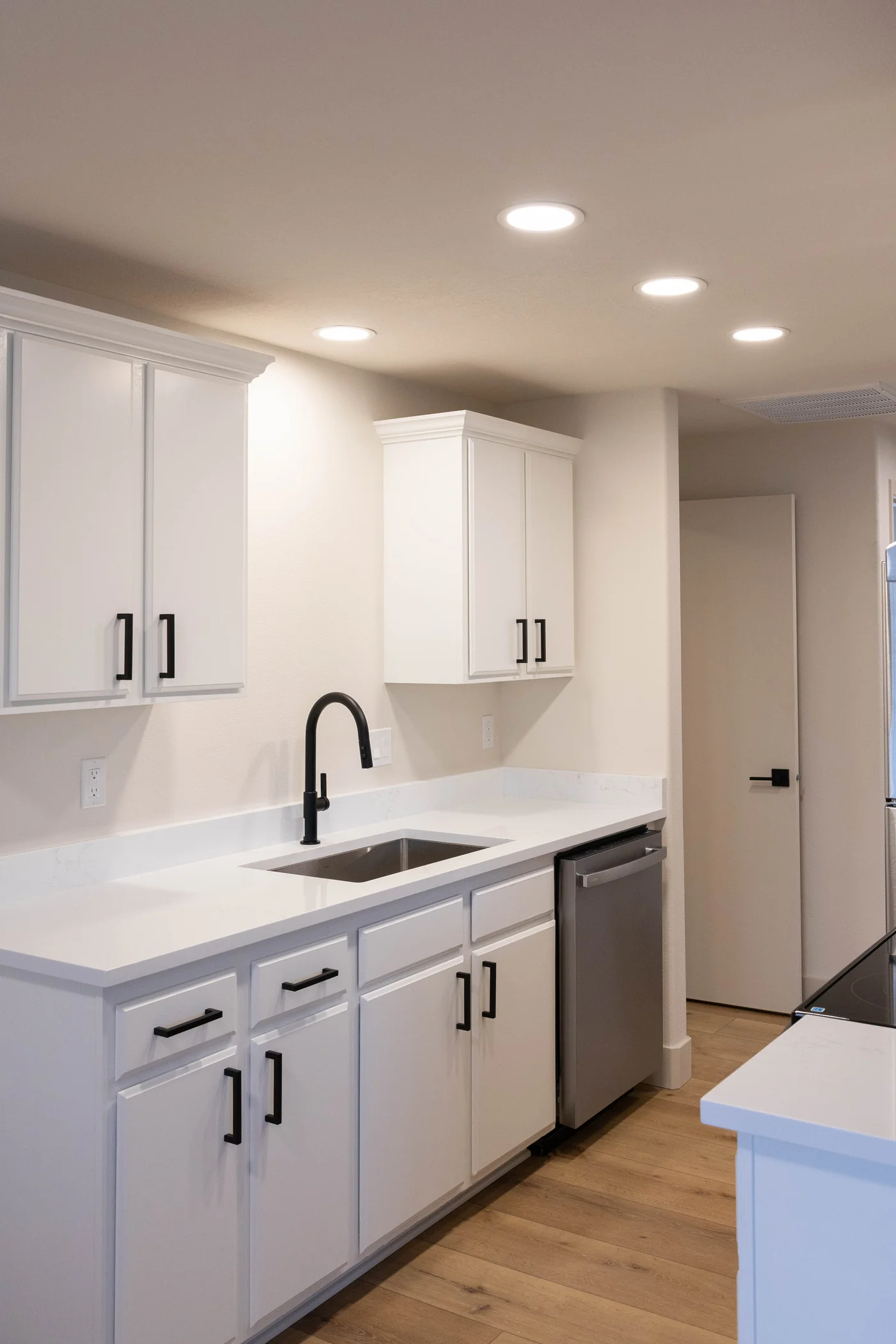
Three real projects, photo-documented for the insurance carrier. Drag each handle to compare.
“We had a major sewer back up a couple of weeks ago, into the laundry room and downstairs bathroom. Panic! We were referred to Robinson Restoration and what a blessing. The whole crew has been wonderful.”
Lynn Dee King · Google Review
“One of the pipes in the shower burst and water damage got all over the roof in the kitchen. As new home owners we were very scared and panicked. We contacted Kelly Farmer from Robinson Restoration and believe me when I say I felt like more than half of my problem was solved.”
Nav Basra · Google Review
“Just started a project with Cole and Chuck at Robinson Restoration and had to write a review straight away. These guys have been fantastic. We were away on a week long trip when we had a kitchen leak that destroyed our flooring and subfloor.”
Justin O'Neill · Google Review
In Oregon, you choose your restoration contractor, and your carrier can’t penalize you for it. We document every Dunes City loss with moisture maps, photos, and daily readings, then bill your insurer directly. You pay your deductible. That’s it.
Subject to policy coverage and deductible. We handle the paperwork, photos, and adjuster calls.
Coastal towns get thin coverage, so the honest answer matters. Robinson serves Dunes City with crews that work this stretch of the coast and a dispatch line answered at any hour. Trucks arrive with extraction equipment, air movers, and dehumidifiers rated for coastal humidity, plus meters to find hidden moisture. We document the loss and bill your insurance carrier directly.
Because coastal air holds moisture and the ground under Dunes City stays wet for months. Relative humidity indoors can sit high enough all winter that materials never fully dry. That is why we measure rather than guess, and why coastal drying often needs low-grain refrigerant or desiccant equipment. A standard rental dehumidifier from a hardware store will run all day and barely move the number.
Yes, and it needs to be handled as a category three loss. Anything porous that contacted it comes out: carpet, pad, affected drywall, and insulation. We contain the area, extract, clean and treat hard surfaces, then dry to a documented standard and verify before rebuilding. Getting the septic system itself working again is separate work, and we will coordinate with whoever handles that.
We cover Dunes City and the communities around the lakes the same as anywhere else in our territory. Dispatch is answered live, day or night, and the crew that gets assigned brings coastal-appropriate drying equipment rather than whatever was on the truck. Being a small city does not change the standard of work or the documentation your carrier receives.
Standard homeowners policies exclude both surface water and subsurface seepage, and a separate flood policy has its own definitions that groundwater usually does not meet. We are straight with people about that. What we can do is dry the space, treat any growth, and write up the cause so you can address it, whether that means drainage work, a sealed barrier, or a properly sized sump.
Sooner than inland, because the ambient humidity around Dunes City gives it a head start. Growth can begin in a day or two on wet drywall and insulation, and coastal indoor air rarely gets dry enough to slow it down. That is the argument for calling immediately rather than waiting to see if it dries on its own. It generally will not, and the remediation costs more than the drying would have.
We take it through to finished. Robinson manages the reconstruction and the licensed contractors and sister companies who perform it, so you deal with one company and one file. On the coast that matters, since scheduling trades out here can be its own project. Scope, carrier approvals, and the work itself all stay coordinated on our end.
Damp coastal air will not dry this out for you. Call Robinson Restoration and we'll get started.
Licensed · Insured · IICRC Certified · Serving Washington & Oregon