Robinson Restoration is an IICRC-certified water damage restoration company serving Toppenish, WA. Crews dispatch 24 hours a day, arrive on-site in 90 minutes or less, document the readings and photos your carrier needs, and bill your insurance directly on covered claims.
Old bungalows downtown, farmhouses out among the hop fields, and manufactured homes on acreage all fail differently once water gets loose. Toppenish gets crews from our Columbia Basin operation with extraction and drying equipment already on the truck, targeting on-site in 90 minutes or less. Call any hour.
A lot of the housing predates the second world war, with plaster over lath, cast-iron drains, and galvanized supply lines that have been patched more than once. Out in the valley, farmhouses and labor housing sit near canals and laterals that run full from spring through harvest, which lifts the shallow water table under crawl spaces. Winter cold snaps split exposed plumbing, and summer heat cooks aging supply braids until they fail.
Dispatch runs twenty-four hours from our Columbia Basin office, and Lower Valley calls get a truck instead of a callback window. Everything is done to IICRC S500: moisture mapping before demolition, containment when water is contaminated, readings logged every day, and photos organized the way an adjuster needs them. We bill carriers directly, and if the structure needs rebuilding, Robinson manages that through licensed contractors and sister companies.

Lower Valley calls reach our Basin dispatcher directly, so a Toppenish job gets a loaded truck rather than a place in a queue.
24 hours a day, 7 days a week, our crews dispatch the moment you call and start mitigation the same visit. Call dispatch or message us for immediate help.
We stop further damage with commercial extraction, structural drying, and antimicrobial treatment, and we walk you through the entire insurance claim as we work.
We manage your rebuild to pre-damaged condition through our trusted network of licensed contractors and sister companies. One manager, one timeline.
Downtown blocks still hold houses built when the valley was first planted, and plenty keep their original galvanized supply lines, cast-iron waste, and plaster walls. Galvanized scales shut and splits at the threads. Plaster hides a loss longer than drywall does, soaking water up and holding it against lath and framing until the ceiling sags or the paint lets go.
Irrigation water moves through this valley from spring into fall, and shallow groundwater under nearby ground rises along with it. Crawl spaces that were dry in February hold standing water by May, and vapor barriers turn into ponds. A cracked lateral or a failed valve puts serious water against a foundation quickly, and sandy loam carries it straight down.
Hops, mint, orchards, and cold storage keep this area working, and the buildings behind that work are full of water risk: wash lines, cooling systems, pump houses, and slab floors with drains that back up. A break in a shop or storage building soaks equipment and product long before anyone drives out to check. We dry those spaces with containment and portable desiccant units.
Policies out here draw a hard line between sudden discharge and gradual damage, and older homes lose claims on that line every year. A pipe that lets go is covered. Months of slow weeping behind a wall usually isn't. First-day moisture readings, photographs of the failure point, and a clear cause statement are what keep an adjuster on your side.
Most of the losses we run in Toppenish start one of three ways: frozen and split pipes, flooding and groundwater, and sewage backups. Here is why each one happens here, and what it takes to dry it properly.
Cold snaps drop into the teens under clear skies, and old houses with plumbing in exterior walls or open crawl spaces split under it. The damage usually surfaces during the thaw rather than during the freeze itself.
Canal and lateral water runs high from spring through harvest, lifting the shallow table under crawl spaces near the fields. A break in a delivery line saturates ground against a foundation faster than sandy soil can carry it away.
Older clay laterals under mature shade trees fill with roots and crack. During heavy irrigation or a hard rain, the line surcharges and comes back up at the lowest fixture in the house.
Water is how most losses start. It’s rarely where they end. The same local crew handles all of it.
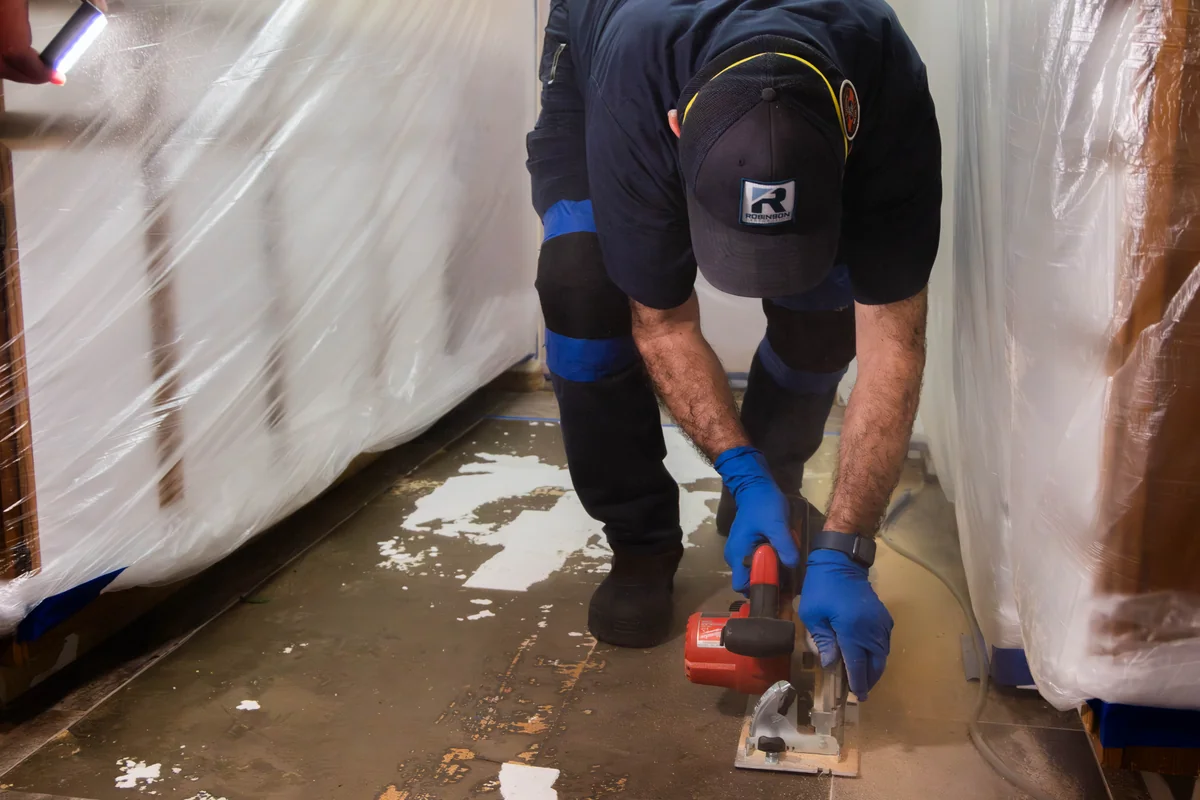
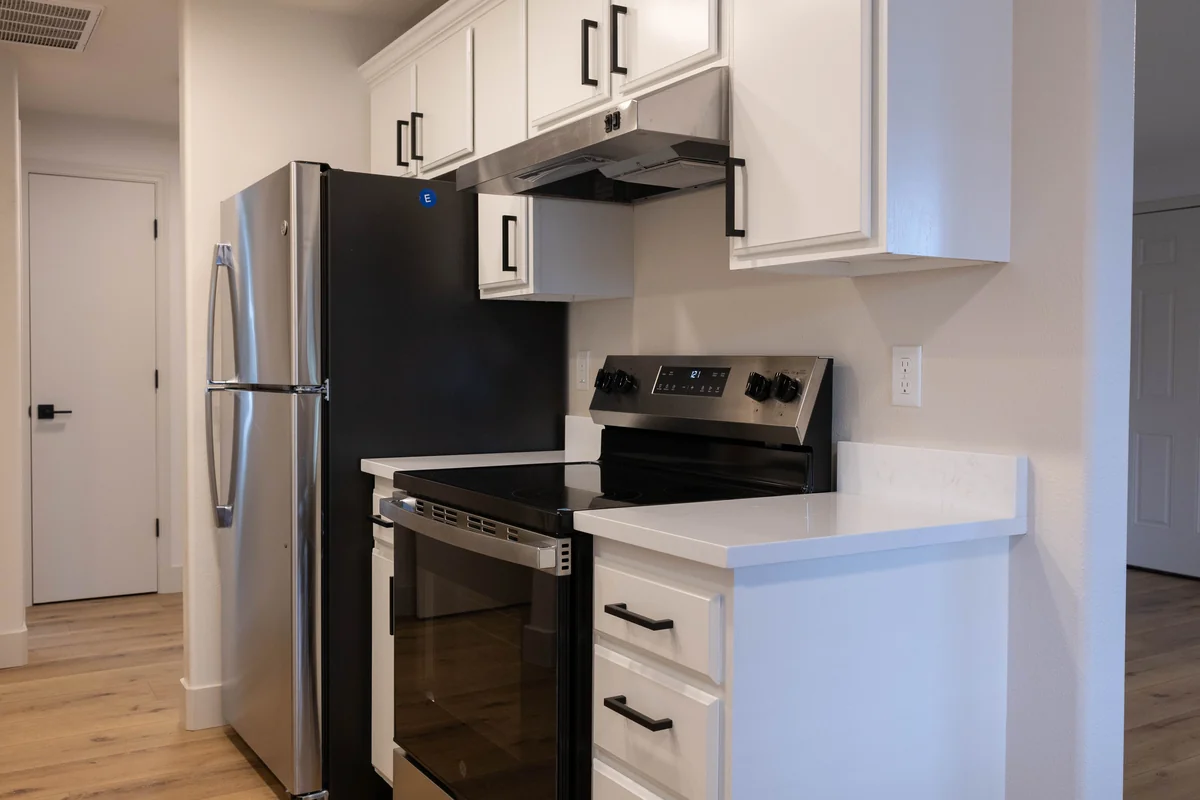
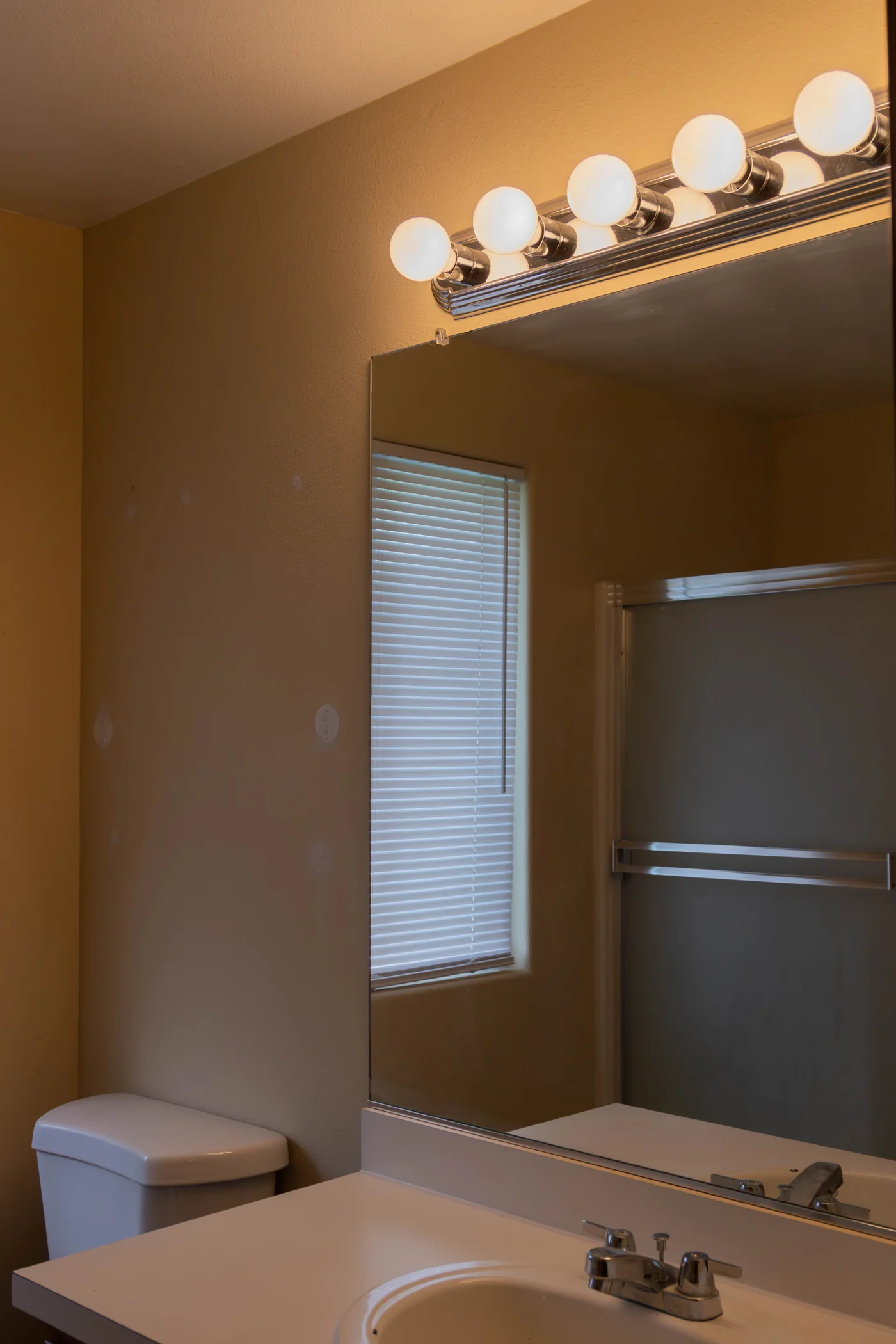
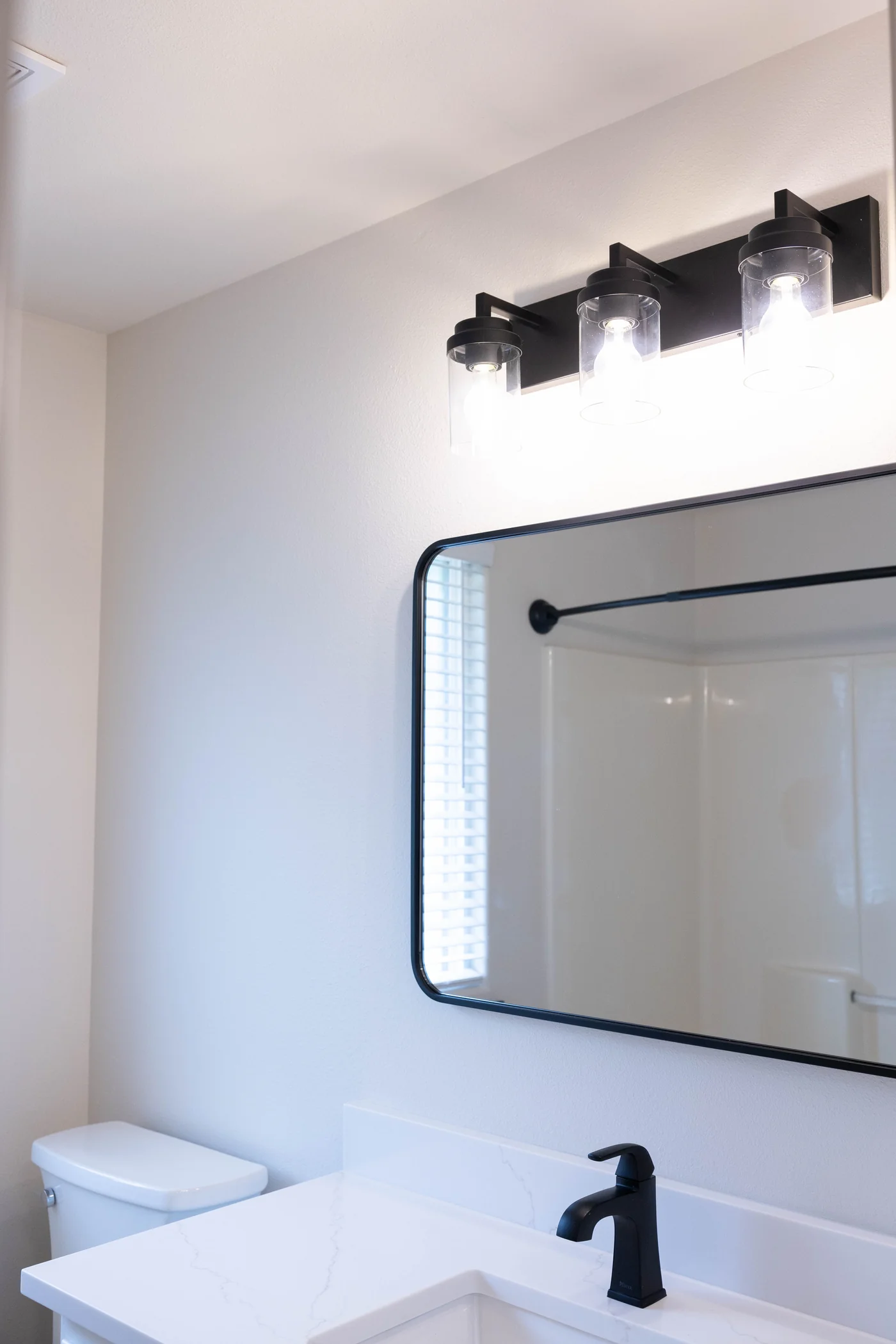
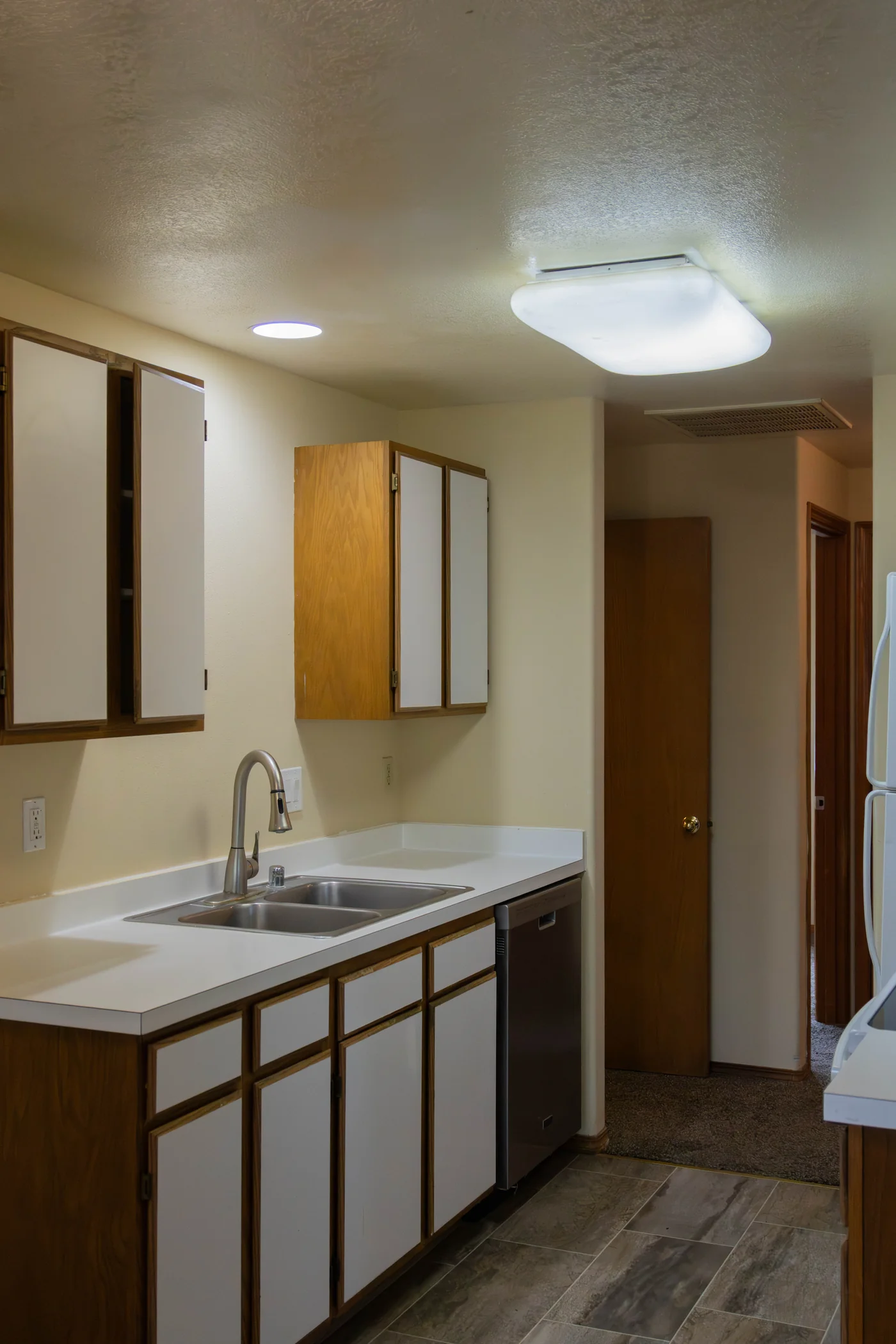
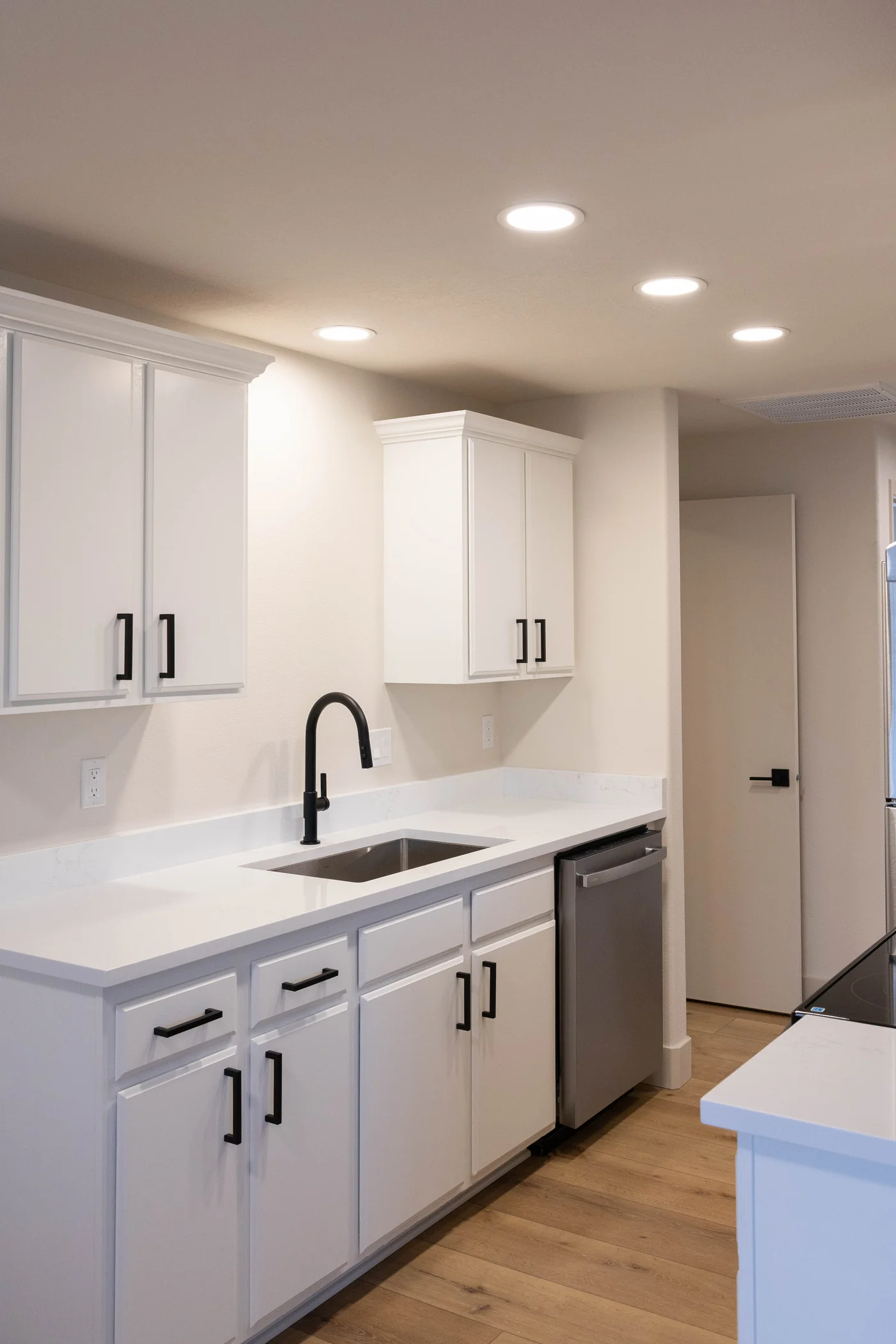
Three real projects, photo-documented for the insurance carrier. Drag each handle to compare.
“We had a major sewer back up a couple of weeks ago, into the laundry room and downstairs bathroom. Panic! We were referred to Robinson Restoration and what a blessing. The whole crew has been wonderful.”
Lynn Dee King · Google Review
“One of the pipes in the shower burst and water damage got all over the roof in the kitchen. As new home owners we were very scared and panicked. We contacted Kelly Farmer from Robinson Restoration and believe me when I say I felt like more than half of my problem was solved.”
Nav Basra · Google Review
“Just started a project with Cole and Chuck at Robinson Restoration and had to write a review straight away. These guys have been fantastic. We were away on a week long trip when we had a kitchen leak that destroyed our flooring and subfloor.”
Justin O'Neill · Google Review
In Washington, you choose your restoration contractor, and your carrier can’t penalize you for it. We document every Toppenish loss with moisture maps, photos, and daily readings, then bill your insurer directly. You pay your deductible. That’s it.
Subject to policy coverage and deductible. We handle the paperwork, photos, and adjuster calls.
A flooded floor doesn't wait for business hours, which is why our dispatcher picks up at any time of night. Toppenish sits inside the area our Columbia Basin crews cover daily, and the truck rolls with extraction units, air movers, dehumidifiers, and moisture meters aboard. Drying starts on the first visit, everything gets documented, and we bill your carrier directly.
Our Basin dispatcher answers at any hour and we target on-site in 90 minutes or less. Lower Valley addresses are part of the daily run, so the truck heading your way is already stocked with extraction units, air movers, and dehumidifiers. While you wait, shut the main and pull power to wet rooms if it's safe to reach the panel.
Usually the irrigation season. When canals and laterals run full, shallow groundwater rises under homes around Toppenish and out near the fields, then comes up through a crawl space floor or a failing vapor barrier. It isn't a plumbing failure, and most policies exclude it, so the work is drying, treating any growth, and improving drainage or the barrier so next season doesn't repeat itself.
Often, and it's worth trying in these older houses. Plaster holds water far longer than drywall, so it needs slower monitored drying with dehumidification rather than a wall of air movers. We read moisture at the lath and framing instead of the surface alone, and hold equipment until the structure meets dry standard. Catching it early is most of the battle.
Yes. We work throughout the Lower Valley, including homes and businesses within the Yakama Nation, and the process is the same everywhere: emergency extraction, structural drying to IICRC standards, documentation, and direct billing to the carrier. Where a housing authority or property manager is involved, we coordinate approvals and share readings and photos so everyone works from one file.
It depends on how much material got wet, what class of water it was, and how many days of equipment the structure needs. On a covered claim you generally pay the deductible and we bill your carrier for the rest. We put the scope in writing before work starts, price it in the estimating software adjusters already use, and flag anything that looks likely to fall outside coverage.
Robinson manages the rebuild rather than performing it directly. Licensed contractors and sister companies we've worked with handle flooring, drywall, cabinets, and paint on our schedule, while we hold the scope and stay your single contact. On a Toppenish house that has stood a hundred years that matters, since matching original trim and plaster texture takes trades who have done it before.
Every hour of standing water costs more material. Call Robinson Restoration and we'll get a Toppenish crew out.
Licensed · Insured · IICRC Certified · Serving Washington & Oregon