Robinson Restoration is an IICRC-certified water damage restoration company serving Boardman, OR. Crews dispatch 24 hours a day, arrive on-site in 90 minutes or less, document the readings and photos your carrier needs, and bill your insurance directly on covered claims.
The Columbia runs wide and flat past the Port of Morrow, and the wind that comes with it drives grit into every seal on a house. When a line lets go in Boardman, our crews roll with extraction gear, meters, and dryers already loaded, on-site in 90 minutes or less.
Most of town went up after the John Day pool filled and the original townsite had to move, so the housing skews slab-on-grade ranch, manufactured homes on gravel pads, and newer subdivisions built for plant and port workers. Under a slab, a failed supply line can run for days before anyone notices a warm patch on the floor. Add single-digit January nights and hose bibs, well houses, and shop lines split without warning.
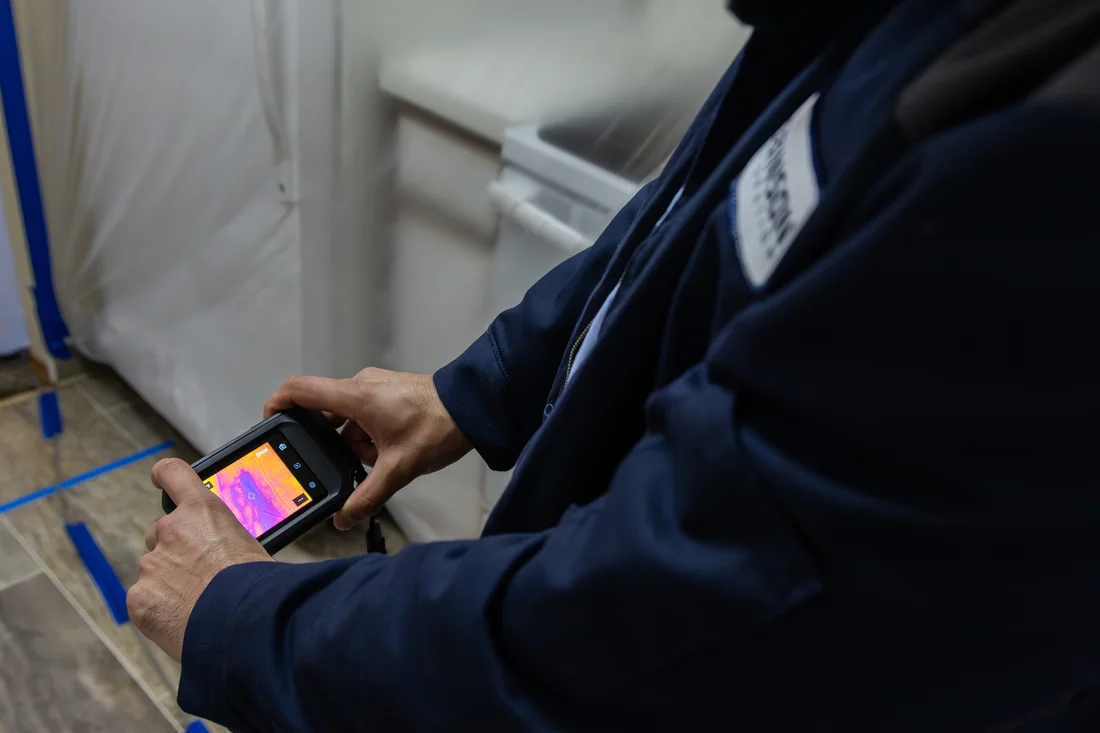
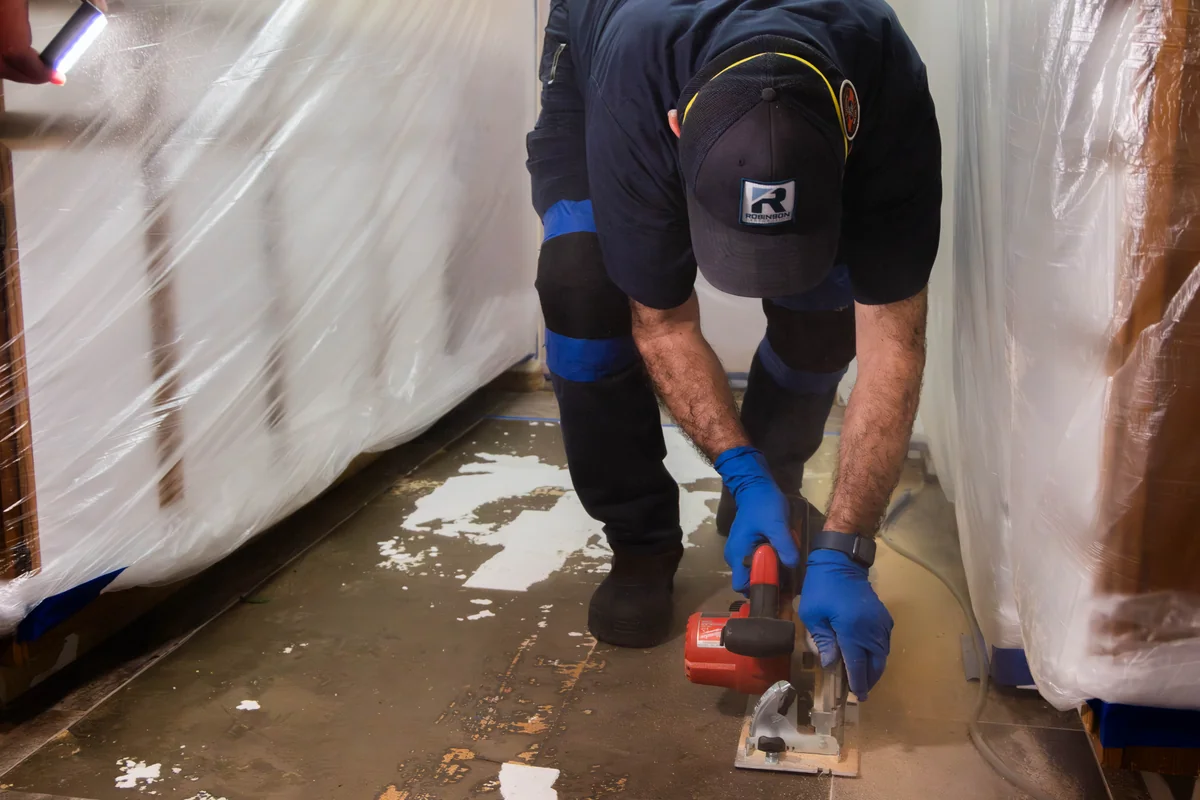
Dispatch answers live at any hour, and this work is staged out of our Tri-Cities operation in the Columbia Basin. Crews follow IICRC S500: moisture map first, scope what is actually wet, then set containment and equipment sized to the load. Readings get logged daily, photos go into the file from the first walkthrough, and we bill your carrier directly so the adjuster receives a package they can approve without a second trip out.

A Boardman call goes to a crew running trucks stocked for hard-water country, with a target of on-site in 90 minutes or less.
24 hours a day, 7 days a week, our crews dispatch the moment you call and start mitigation the same visit. Call dispatch or message us for immediate help.
We stop further damage with commercial extraction, structural drying, and antimicrobial treatment, and we walk you through the entire insurance claim as we work.
We manage your rebuild to pre-damaged condition through our trusted network of licensed contractors and sister companies. One manager, one timeline.
Boardman works because of the Port of Morrow, the food processing side, and the data centers out on the bench. That adds up to a lot of slab-on-grade square footage with fire suppression overhead, cold storage, and product sitting on the floor. A cracked sprinkler head or a failed hydronic line on a night shift can flood a bay before anybody finds the valve.
Winter arrives here on the east wind and settles in. Nights in the teens are routine, and the pipes that break are almost never the ones inside heated space. Well houses, shop bathrooms, hose bibs, and lines run through unheated garages are the usual suspects. The split often holds until the thaw, which is why so many calls come in on a warm afternoon.
Irrigated ground surrounds town, and the water that grows potatoes, corn, and alfalfa moves through mainlines, pump houses, and buried laterals. Spring startup is when weak joints announce themselves. On a working property the house tends to be the last thing anyone checks, so a leak under a pump shed or into a crawl space can soak framing for a week.
The Gorge funnels wind straight through this stretch of the river, and it carries fine sand that wears down sealant, flashing, and roof jacks over time. When rain finally shows up sideways, it finds those gaps. Evaporative coolers mounted on roofs add another failure point: a stuck float or a cracked feed line drips quietly into the ceiling cavity.
Most of the losses we run in Boardman start one of three ways: burst and leaking pipes, appliance failures, and water heater failures. Here is why each one happens here, and what it takes to dry it properly.
Winters here bring hard, dry freezes with wind behind them. Uninsulated runs in garages, well houses, and crawl spaces split, and the break usually goes unnoticed until the temperature climbs back above freezing.
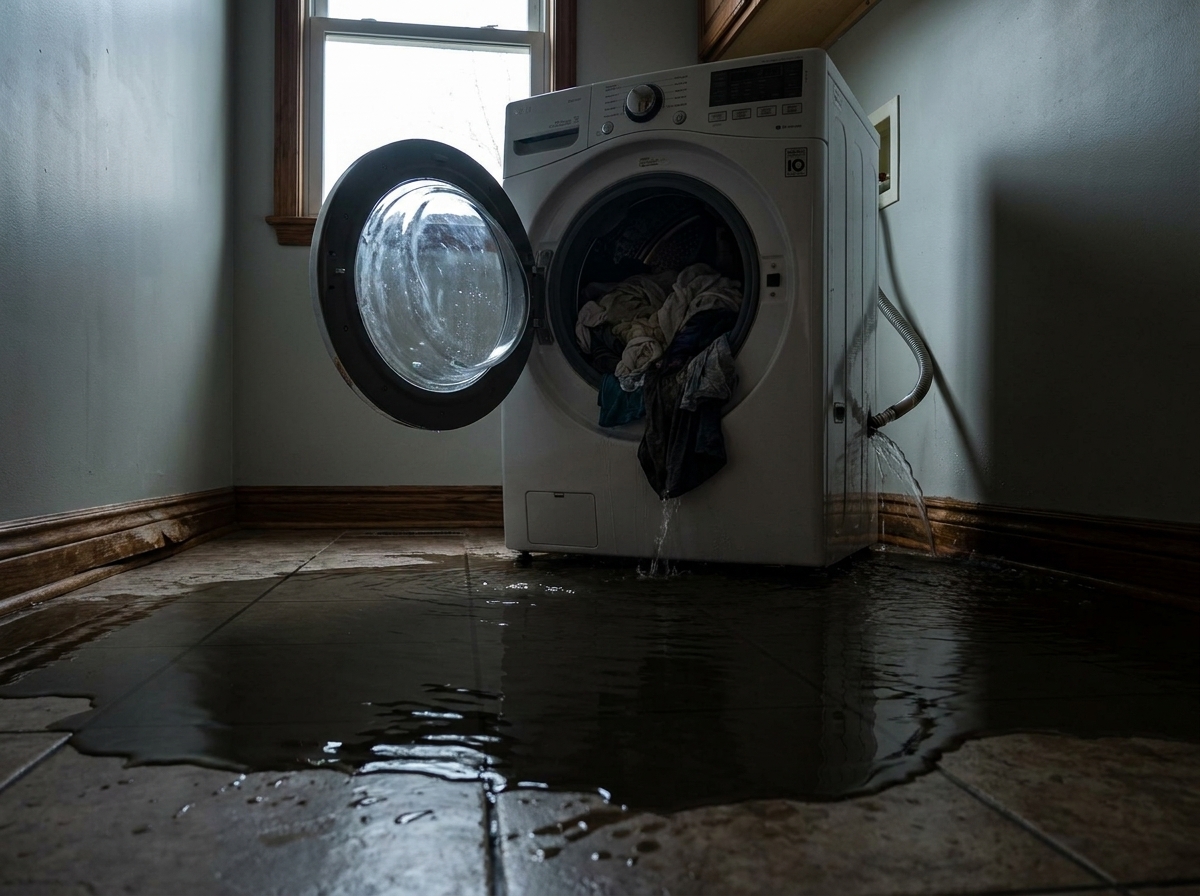
Hard water scales up supply valves, ice maker tubing, and washer hoses fast. Braided hoses fail at the crimp, and a laundry room on a slab can push water into three rooms overnight.
Mineral content shortens tank life, and plenty of local heaters sit in a garage or utility closet right on the slab. When the tank opens up, water runs flat and wide across the floor instead of finding a drain.
Water is how most losses start. It’s rarely where they end. The same local crew handles all of it.
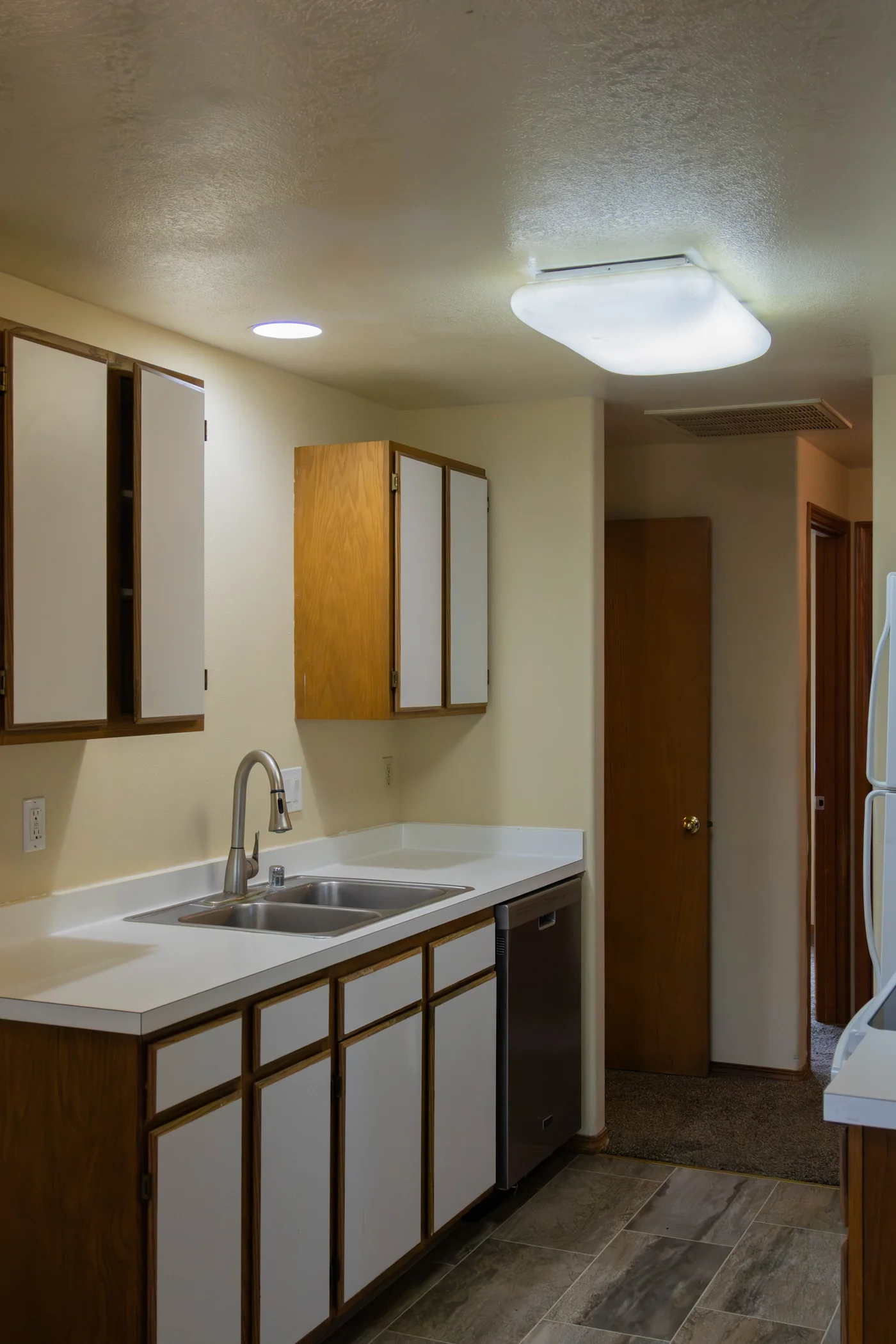
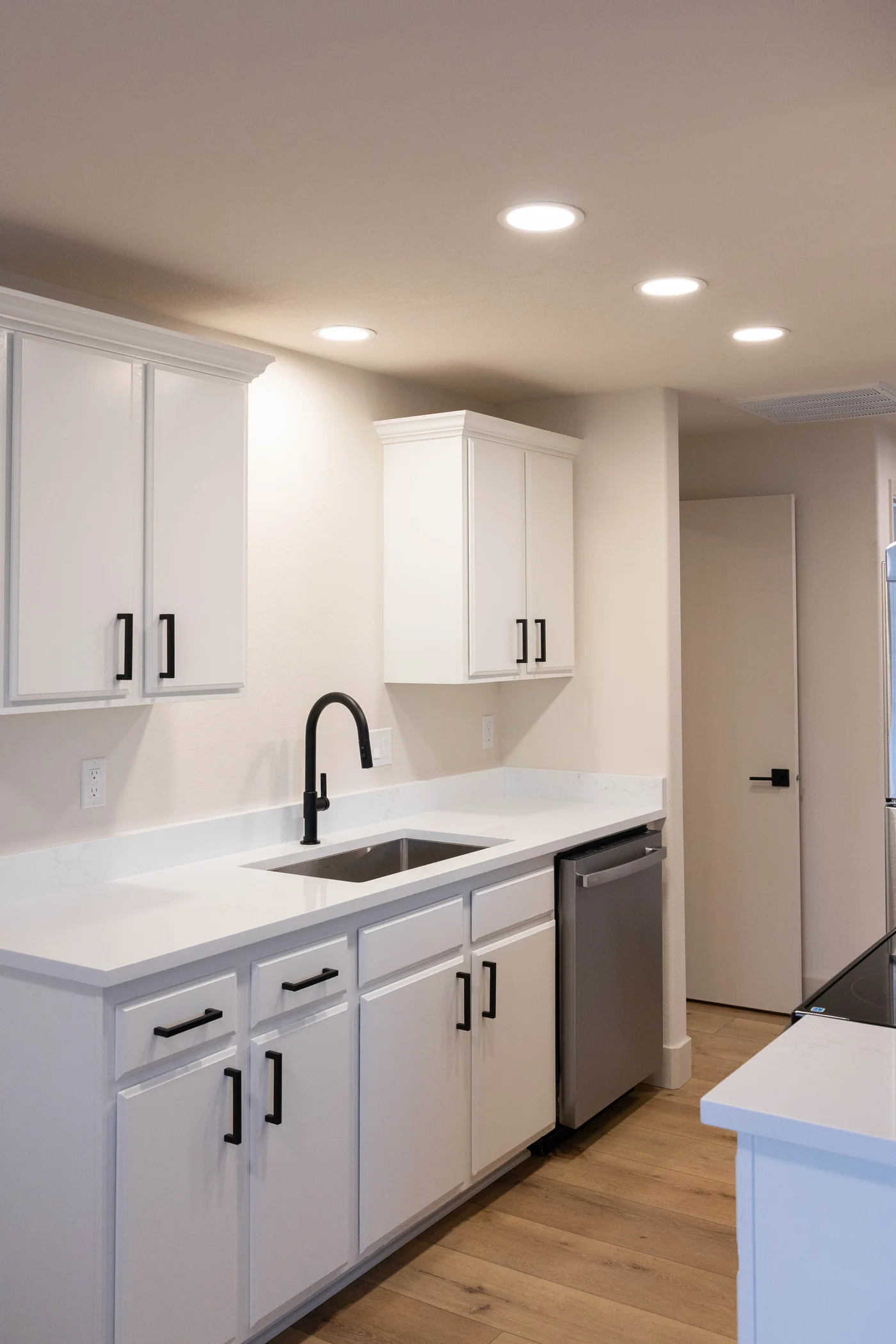
Three real projects, photo-documented for the insurance carrier and backed by our 5-year workmanship warranty. Drag each handle to compare.
“Kyla and Jake were super friendly and knowledgeable. Jake was at my house 90 minutes after I called and did a free inspection. I won't need their services this time, but I will definitely call them if I ever have to deal with water damage.”
Carmen Otten · Google Review
“Had a leak in our wall and our plumber recommended Robinson Restoration to handle remediation of the water damage. Christian and Adolfo were awesome. Great communication throughout the setup of the containment area and installation of the equipment to start the drying process.”
Won Lee · Google Review
“We recently had an unfortunate plumbing issue that led to some significant flooding issues. On the recommendation of our plumber we reached out to Robinson Restoration to help us with drying out our house and getting it ready to be put back together.”
Don Warner · Google Review
In Oregon, you choose your restoration contractor, and your carrier can’t penalize you for it. We document every Boardman loss with moisture maps, photos, and daily readings, then bill your insurer directly. You pay your deductible. That’s it.
Subject to policy coverage and deductible. We handle the paperwork, photos, and adjuster calls.
Searching for help nearby usually means you want a truck, not a call center. Boardman calls reach our Columbia Basin dispatch directly, and the crew that answers works this stretch of the river every week. Extractors, air movers, dehumidifiers, and moisture meters ride on the truck, so mitigation starts on the first visit. We bill your insurance carrier directly and keep the documentation the adjuster will ask for.
Dispatch is staffed around the clock, and our goal is on-site in 90 minutes or less from the time you call. Water travels while you wait, so the first hour changes the size of the job more than most people expect. If you can safely shut the main and cut power to any wet room before we arrive, do that. Everything else can wait for the truck.
Indirectly, yes, and we see it constantly in the basin. Mineral scale builds inside valves, angle stops, and flexible connectors until the fitting will not seat properly or the crimp lets go. Water heaters sediment up and fail early. None of that is dramatic on its own, and it explains why so many losses here start at a supply connection rather than a burst main line.
Usually, if the building was heated and the loss was sudden. Most policies carve out an exception for freeze damage in a structure that was left unheated or vacant without the water shut off and the system drained. That distinction matters on rural and seasonal buildings around here. We document the conditions we find, including thermostat settings and heat sources, so the file reflects what actually happened.
Often we can. Slab-on-grade construction traps moisture under vinyl plank and laminate, so the approach depends on what the floor is and how long water sat. We use mats and negative pressure to pull moisture through and out where the assembly allows it. When the material has already delaminated or cupped, removal is faster and cheaper than trying to save it, and we will tell you which one you are looking at.
We do. Warehouse space, processing floors, offices, shops, and equipment barns are all regular work for us, and we bring desiccant dehumidification for the big open volumes that portable units cannot handle. Containment goes up so one wet bay does not shut down the whole operation. If production has to keep running, tell the crew lead and we will phase the drying around your schedule.
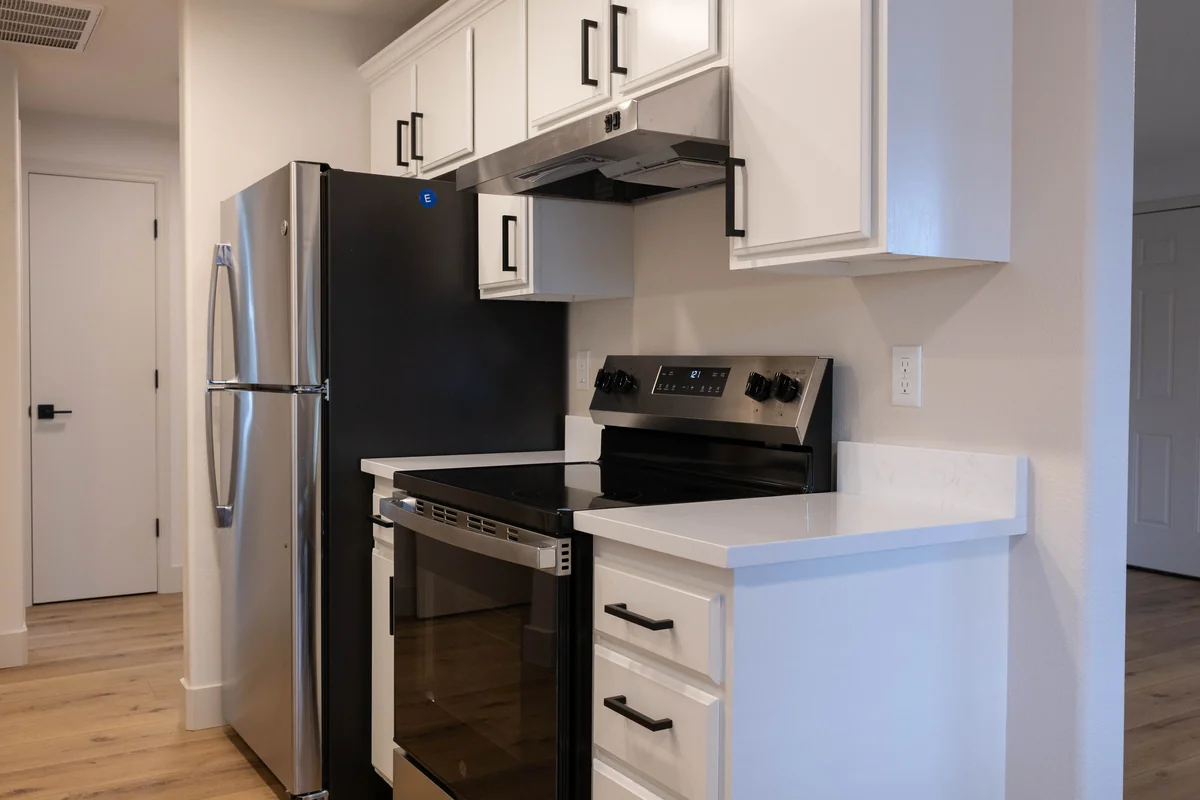
Robinson manages the rebuild rather than self-performing it. We coordinate licensed contractors and sister companies we have worked with for years, hold the schedule, and stay your single point of contact so you are not chasing four different trades. Cabinets, drywall, paint, flooring, and trim all come back through the same file the mitigation started in, which keeps the insurance side clean.
Water spreads fast on a slab. Call now and get a certified crew moving toward your property.
Licensed · Insured · IICRC Certified · Serving Washington & Oregon