Robinson Restoration is an IICRC-certified water damage restoration company serving Bainbridge Island, WA. Crews dispatch 24 hours a day, arrive on-site in 90 minutes or less, document the readings and photos your carrier needs, and bill your insurance directly on covered claims.
Winter storms come across the Sound sideways here, and wind-driven rain finds the weak point in a roof or a window flashing. Bainbridge Island homeowners get crews that arrive with extraction gear on the truck and meters out before anything is torn open, on-site in 90 minutes or less.
The island's housing is a wide mix: shingled cottages near Eagle Harbor, mid-century ramblers under big second-growth fir, newer custom homes tucked on wooded acreage with their own wells and drain fields. Bluff lots shed runoff toward the water while the flatter interior holds it. Salt air corrodes fittings faster than people expect, and a fir limb through a roof during a southerly is a routine November event.
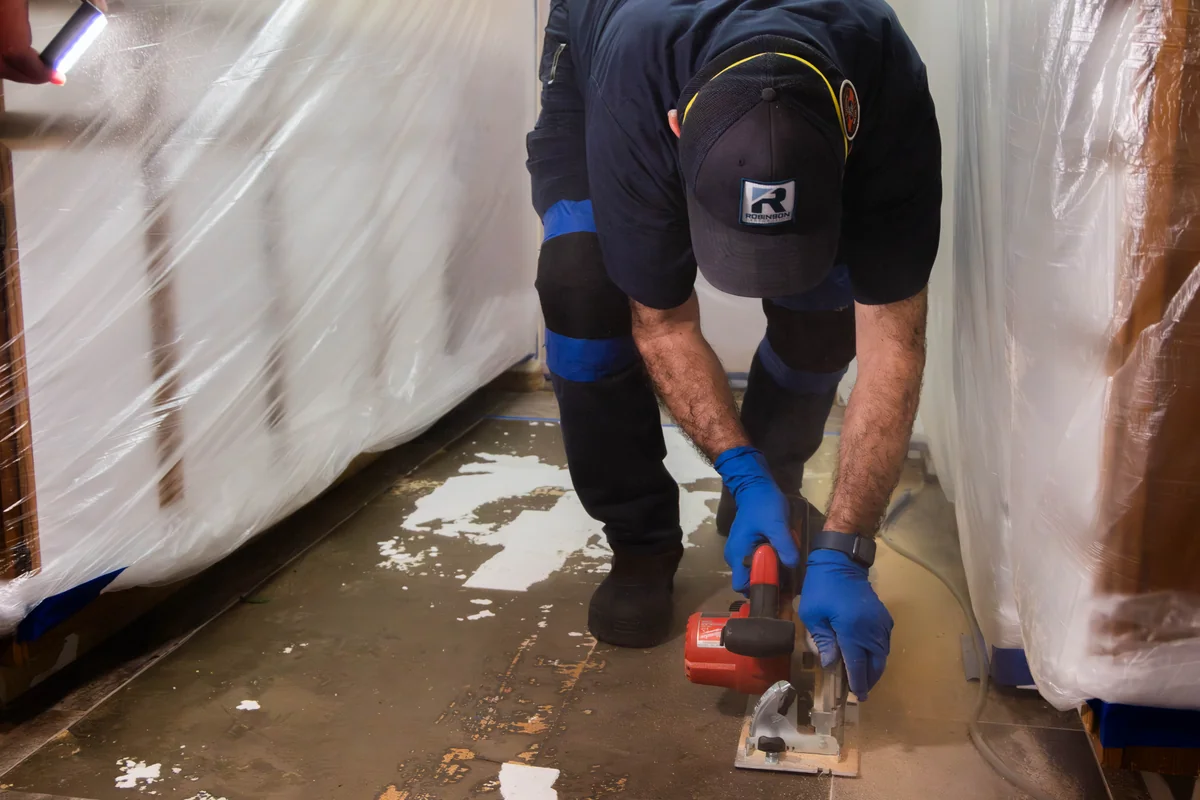
Crews stage out of our Kent operations center and work the Kitsap side daily, so ferry timing and island road access get planned around instead of discovered mid-call. Everything runs to IICRC S500: moisture mapping first, containment where it's needed, daily readings logged, photos from the first walkthrough through final dry standard. Billing goes straight to your carrier, and any rebuild is managed through licensed contractors we've vetted.

Island calls get a truck that's already loaded, a live dispatcher at any hour, and a crew that plans the water crossing before it rolls.
24 hours a day, 7 days a week, our crews dispatch the moment you call and start mitigation the same visit. Call dispatch or message us for immediate help.
We stop further damage with commercial extraction, structural drying, and antimicrobial treatment, and we walk you through the entire insurance claim as we work.
We manage your rebuild to pre-damaged condition through our trusted network of licensed contractors and sister companies. One manager, one timeline.
A strong southerly pushes rain horizontally into siding, window heads, and roof penetrations that shed fine in an ordinary downpour. Water gets behind the weather barrier and travels along framing before it ever stains a ceiling, sometimes a full room away from where it entered. Thermal imaging and meter readings trace that path faster than opening walls at random.
Second-growth fir and cedar drop needles into gutters year round, and a plugged downspout on a wooded lot backs water into a soffit or over the fascia and down the wall. On sloped island lots that overflow collects against the foundation and finds a crawl-space vent. Owners usually catch it as a musty smell long before they see a stain.
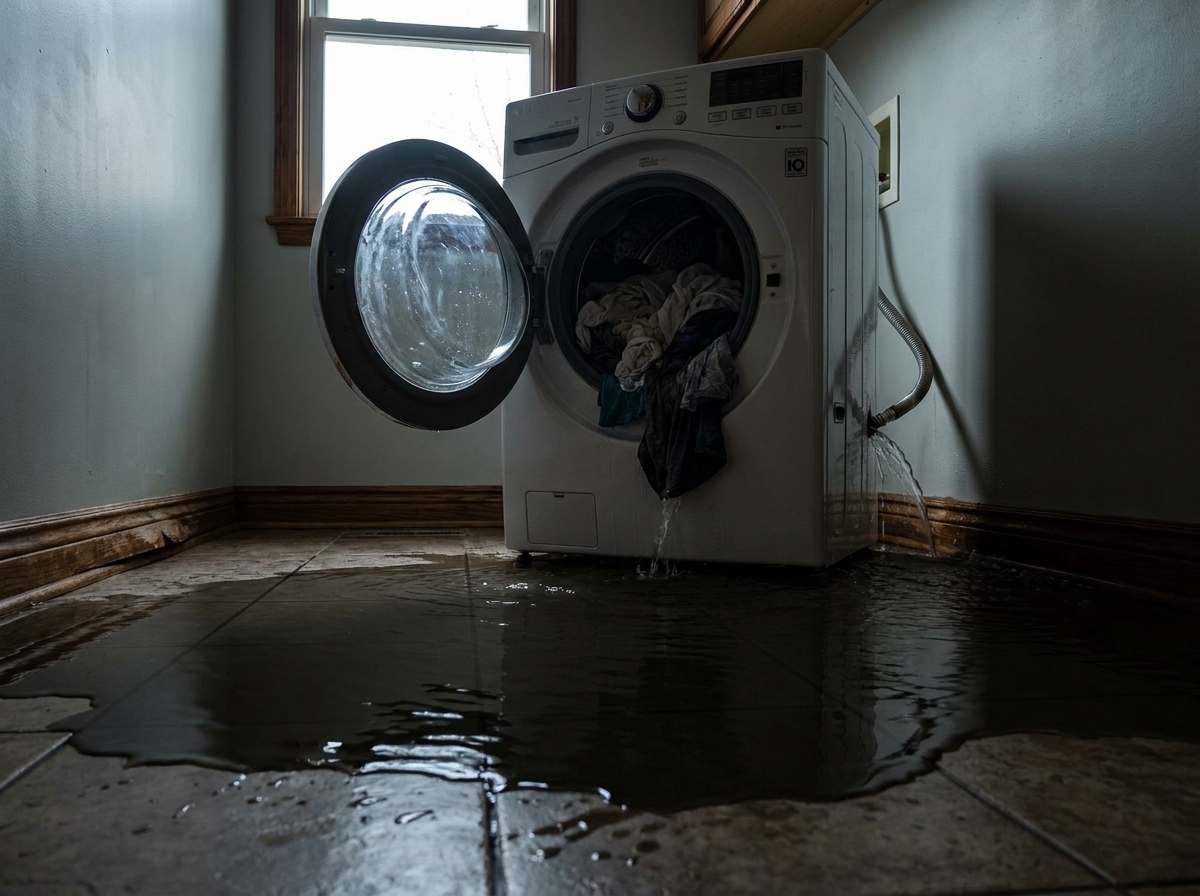
Waterfront and bluff-top homes take a constant salt load. Copper fittings, hose bibs, dishwasher braids, and the connections behind a washing machine corrode faster in that air than they do inland. Failures tend to come suddenly rather than slowly, and a braided line letting go on a second floor while nobody is home is one of the costliest losses we see.
Plenty of island properties sit empty for stretches, some as weekend places, others while owners travel for work. Nothing costs more than water running unnoticed for days. Shutting the main during long absences, putting a leak sensor under each sink, and leaving a key with a neighbor are the cheapest protection available on a house like that.
Most of the losses we run in Bainbridge Island start one of three ways: roof and storm leaks, appliance failures, and burst and leaking pipes. Here is why each one happens here, and what it takes to dry it properly.
Wind-driven rain during a fall southerly gets under flashing and around skylights on lots that stay sheltered the rest of the year. Limbs come down in the same storms and open a hole that soaks insulation before morning.
Braided supply lines behind washing machines and under sinks corrode in salt air, and refrigerator ice-maker lines fail quietly. A second-floor laundry that lets go in an empty house puts water through two floors before anyone opens the door.
Cold snaps arrive with clear skies after a wet week. Island homes with crawl-space plumbing, or a bonus room over an unheated garage, are the ones that split when the temperature drops overnight.
Water is how most losses start. It’s rarely where they end. The same local crew handles all of it.
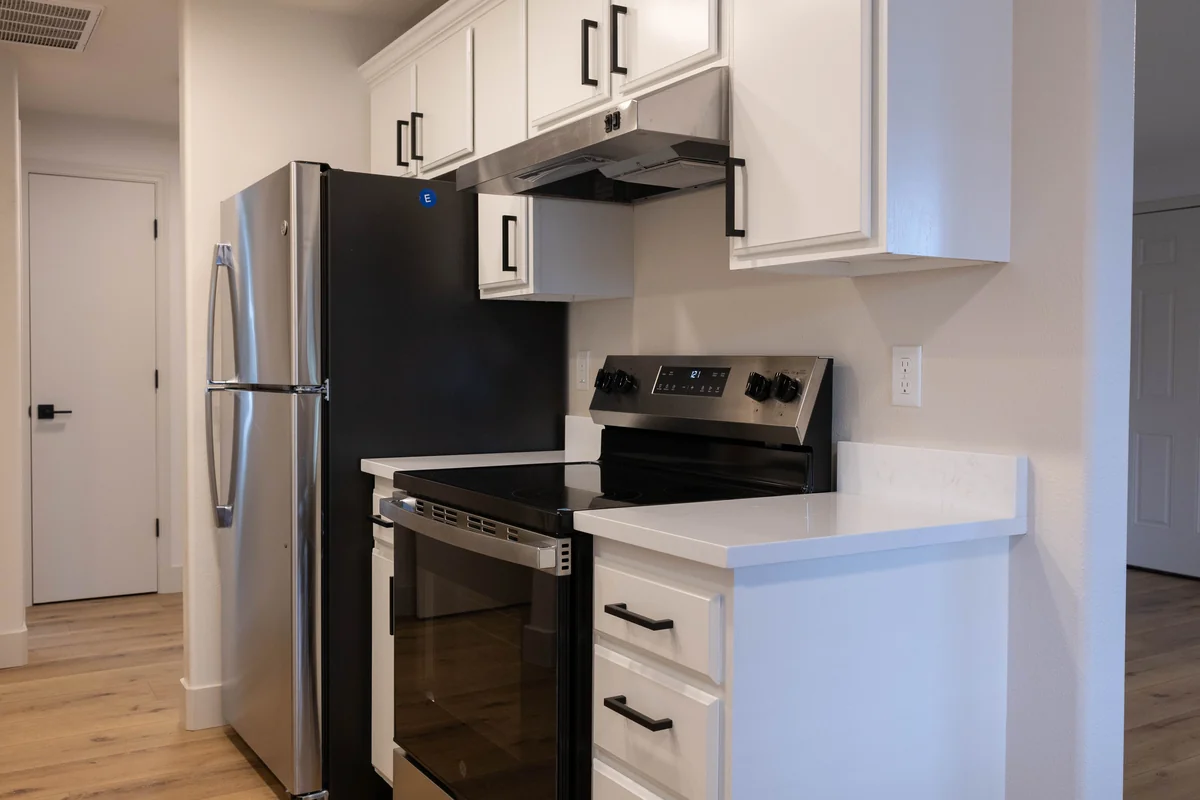
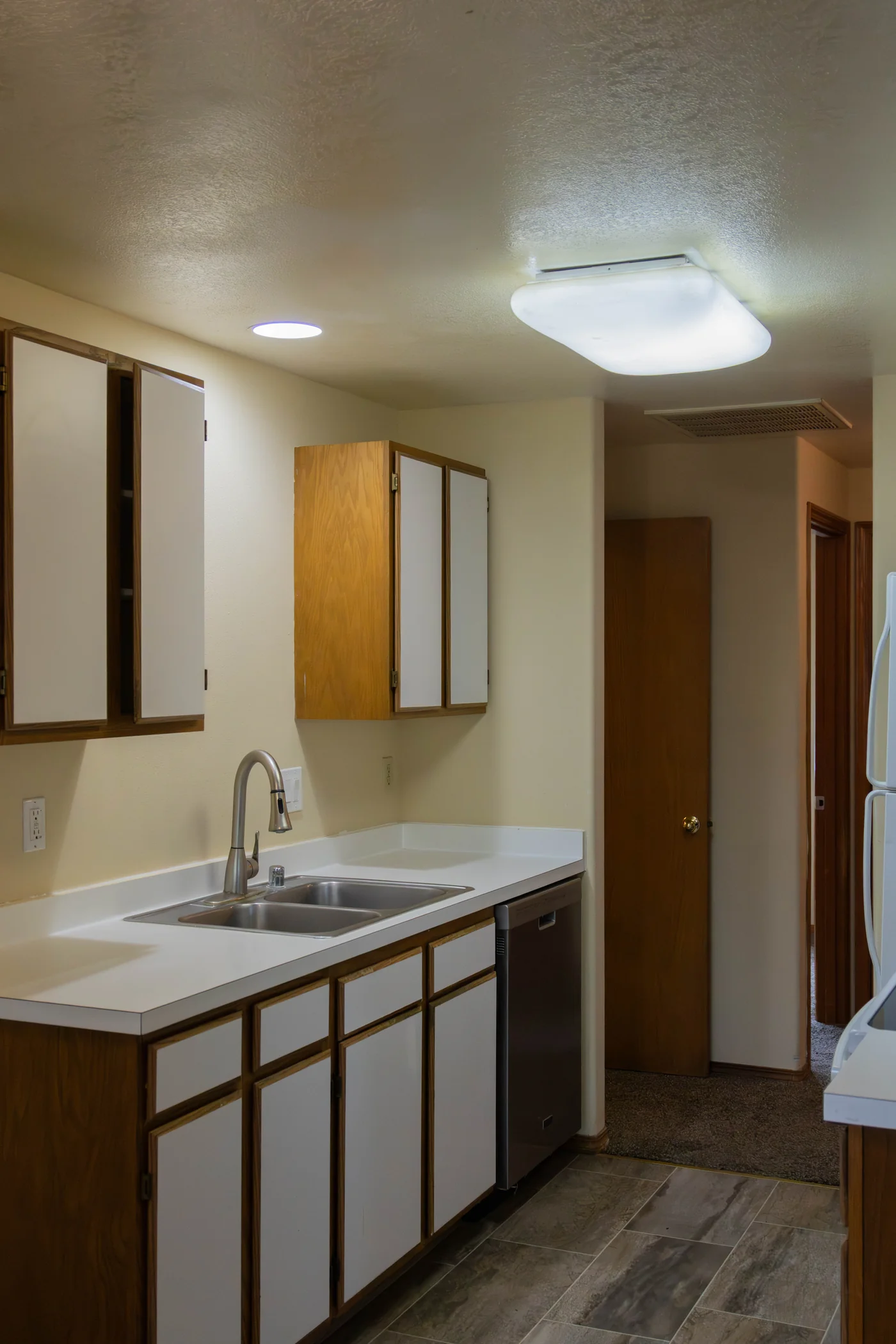
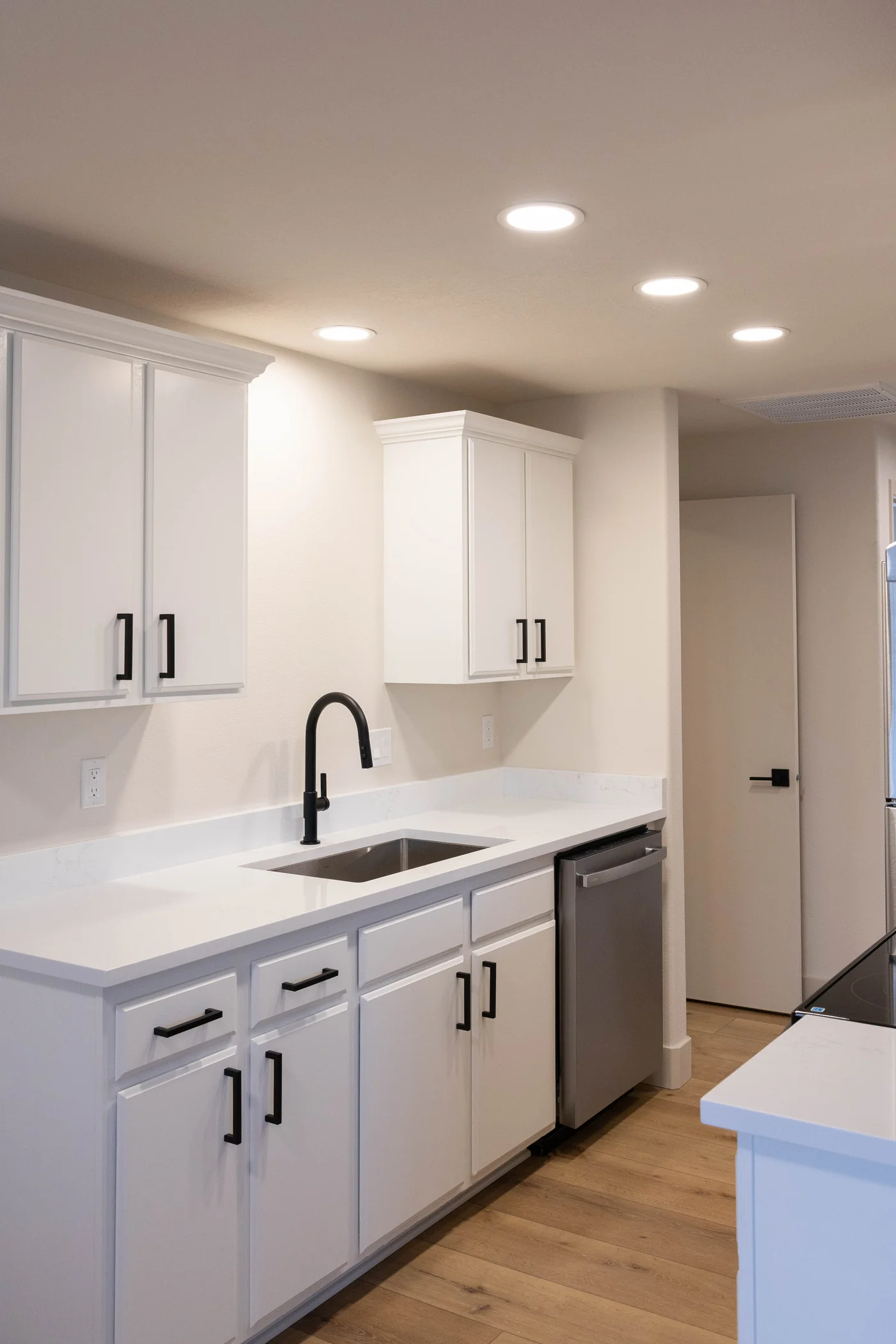
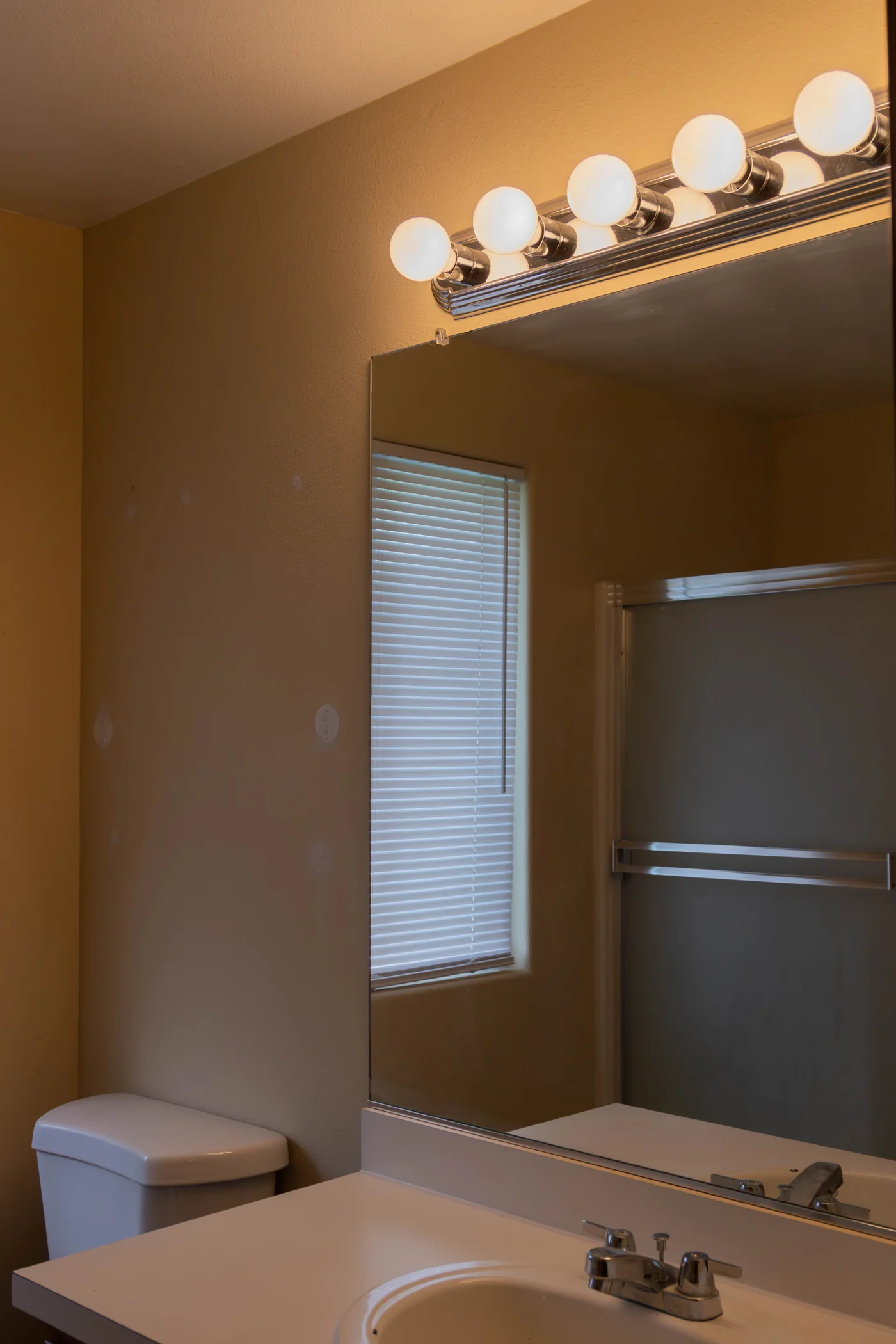
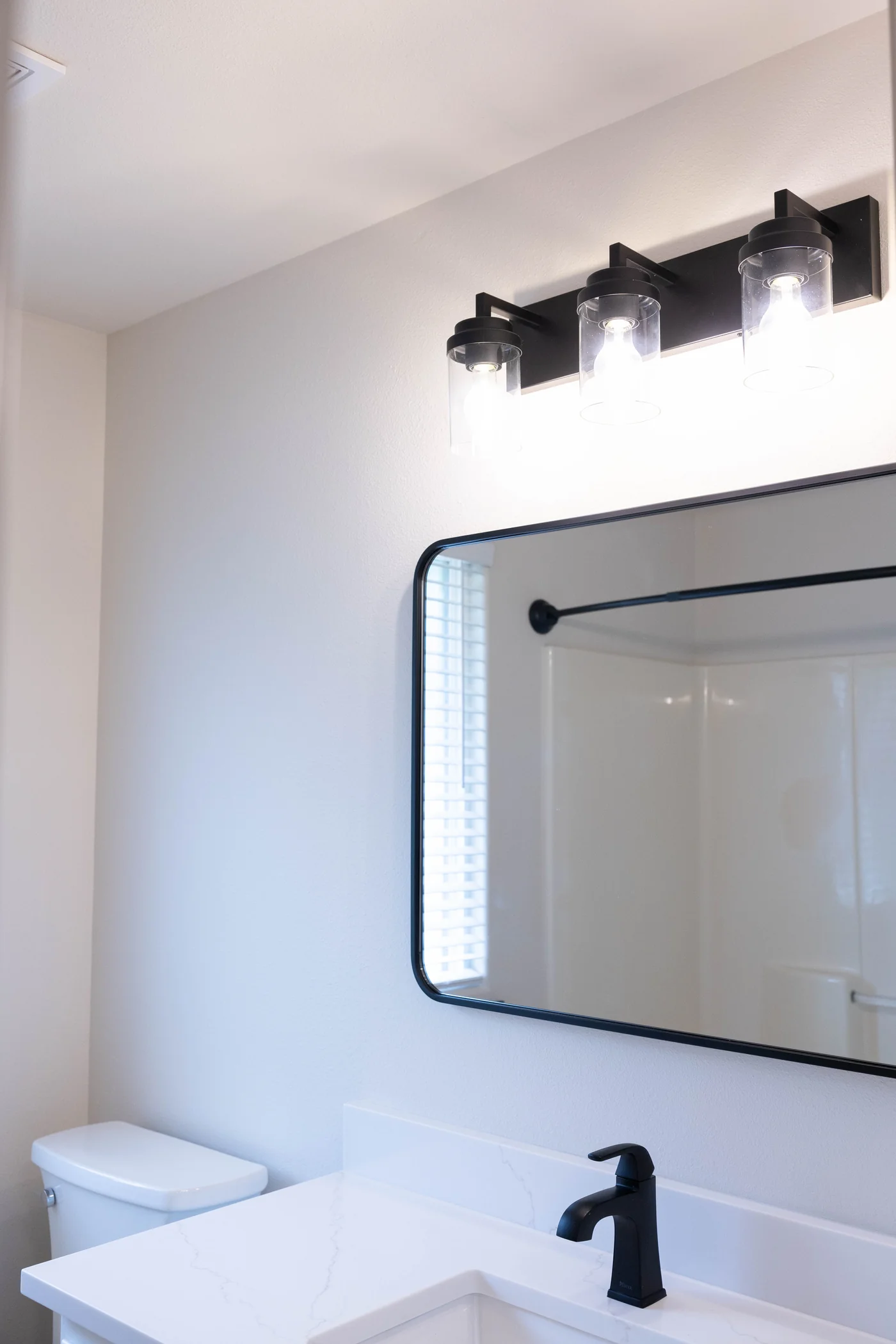
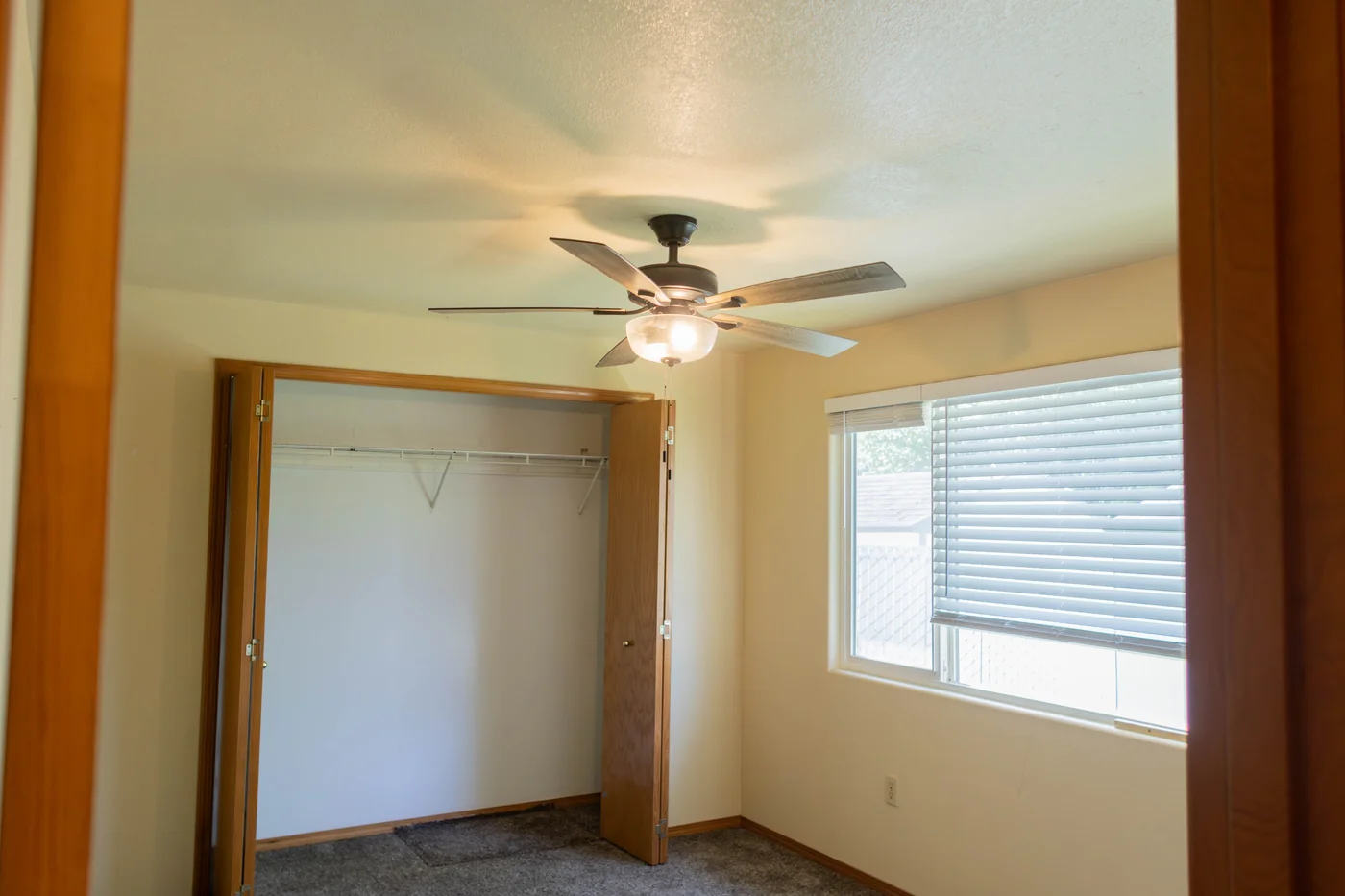
Three real projects, photo-documented for the insurance carrier. Drag each handle to compare.
“Just started a project with Cole and Chuck at Robinson Restoration and had to write a review straight away. These guys have been fantastic. We were away on a week long trip when we had a kitchen leak that destroyed our flooring and subfloor.”
Justin O'Neill · Google Review
“I want to express our sincere gratitude to the Robinson team that quickly moved to identify, rectify, repair, and then clean up the mess left by an itty-bitty hot water leak that went unnoticed because of its location.”
Michael Quinn · Google Review
“Kyla and Jake were super friendly and knowledgeable. Jake was at my house 90 minutes after I called and did a free inspection. I won't need their services this time, but I will definitely call them if I ever have to deal with water damage.”
Carmen Otten · Google Review
In Washington, you choose your restoration contractor, and your carrier can’t penalize you for it. We document every Bainbridge Island loss with moisture maps, photos, and daily readings, then bill your insurer directly. You pay your deductible. That’s it.
Subject to policy coverage and deductible. We handle the paperwork, photos, and adjuster calls.
Searching at midnight while water spreads across a floor is no time to compare websites. Bainbridge Island calls reach a live dispatcher, and the crew that shows up carries extraction units, air movers, dehumidifiers, and thermal imaging on the truck. Mitigation starts on that first visit, every reading gets documented, and we bill your carrier directly.
Yes. Dispatch is staffed around the clock, and island calls get handled like any other: a live person on the phone, a loaded truck, and a target of on-site in 90 minutes or less. Sailing times and route options are part of how we plan the run. While you wait, shutting off the main and killing power to wet rooms limits how far the water travels.
Sudden storm damage to the roof, and the interior water that follows, is covered on most policies. Long-term leaks that were visible and left alone are not. That distinction gets decided by what's documented on day one, which is why we photograph the entry point, take readings in every affected room, and tie the loss to the weather event that caused it.
Often, yes. Controlled drying with injection systems, floor mats, and negative-pressure cavity drying saves a lot of material that used to come out by default. It takes more equipment days and closer monitoring. On an older island home with cedar paneling, fir floors, or original plaster, keeping the material is almost always worth the extra time.
Crawl spaces on Bainbridge Island stay humid most of the year, so growth is common and not always tied to one event. We test, contain the area under negative pressure, remove affected material, and correct the moisture source instead of spraying and leaving. If the crawl needs a new vapor barrier or better drainage, that goes in the report with the readings behind it.
We bill carriers directly in most cases, so you typically cover your deductible and nothing else. The adjuster receives a complete file: scope photos, moisture maps, daily drying logs, equipment counts, and line-item pricing in the estimating software they already use. When an adjuster wants an inspection before demolition, we document, hold, and coordinate the timing with you.
Robinson manages the rebuild through licensed contractors and sister companies rather than self-performing it. You keep one point of accountability for scheduling, scope changes, and the carrier conversation. That structure works well on Bainbridge Island, where matching existing cedar, custom cabinetry, or an older addition takes trades who have worked on homes like yours before.
Every hour of soak widens the damage. Call Robinson Restoration and a Bainbridge Island crew gets moving.
Licensed · Insured · IICRC Certified · Serving Washington & Oregon