Robinson Restoration is an IICRC-certified water damage restoration company serving Centralia, WA. Crews dispatch 24 hours a day, arrive on-site in 90 minutes or less, document the readings and photos your carrier needs, and bill your insurance directly on covered claims.
Centralia sits where the Skookumchuck meets the Chehalis, which is a fine place to live and a demanding one to insure. Between historic downtown buildings and century-old neighborhoods, we spend a lot of winters here pulling water out of floors that were never built to get wet.
Housing runs from brick commercial blocks and Victorian and Craftsman homes near downtown to postwar ranches and newer subdivisions on higher ground. The older stock carries plaster over lath, tight crawlspaces, and plumbing patched across four generations. Two rivers, flat ground, and a winter that delivers rain in multi-day stretches mean water arrives from below about as often as it comes from a broken supply line.
Our Kent operations center runs dispatch 24/7 and treats Lewis County as regular service area, not an exception. A lead tech documents the source, the class and category of water, and the affected footprint before any equipment gets placed. Drying follows IICRC S500 with readings logged daily. We bill carriers directly and keep the file organized enough that an adjuster reviewing a Centralia claim from another state can follow it.

Two rivers and a flat downtown mean losses here can get large fast, so we scope the whole building rather than the one wet room.
24 hours a day, 7 days a week, our crews dispatch the moment you call and start mitigation the same visit. Call dispatch or message us for immediate help.
We stop further damage with commercial extraction, structural drying, and antimicrobial treatment, and we walk you through the entire insurance claim as we work.
We manage your rebuild to pre-damaged condition through our trusted network of licensed contractors and sister companies. One manager, one timeline.
The Skookumchuck feeds the Chehalis right at town, and when both run high the low ground between them takes water. That history is why so many Centralia buildings have raised utilities, and why groundwater intrusion is a routine winter call. We handle the flood-category work properly: removal, cleaning, treatment, and documented drying instead of pump-and-hope.
Neighborhoods near downtown carry Victorian and Craftsman homes with plaster over lath, tight crawlspaces, and supply lines that have been patched for a century. Plaster holds water without showing it, and a leak inside a wall soaks lath, framing, and the ceiling below. Thermal imaging and moisture meters find the wet edge a visual inspection misses.
Brick and masonry buildings downtown share walls, share floors, and share problems. A supply failure in a second-story apartment runs into the retail space below, and suddenly there are two claims and two carriers. We isolate the affected area, dry both sides of the assembly, and document who was damaged by what so nobody's adjuster has to guess.
Lewis County winters swing hard. A week of steady rain gets followed by a freeze, and pipes in crawlspaces, garages, and unheated back porches split while the ground is already saturated. The break itself is usually quiet. What people notice is the water bill, or a hardwood floor that has started to cup along one wall.
Most of the losses we run in Centralia start one of three ways: flooding and groundwater, frozen and split pipes, and sewage backups. Here is why each one happens here, and what it takes to dry it properly.
River water and saturated ground are a known winter pattern where the Skookumchuck joins the Chehalis. Low-lying homes and ground-floor commercial space take water through crawlspaces, slabs, and door thresholds.
A hard freeze on the back end of a wet stretch splits supply lines in crawlspaces, garages, and unheated porches. Older homes with uninsulated runs under the floor tend to fail first.
Heavy inflow into aging mains can push sewage back through basement floor drains and low fixtures. It is a category three loss from the first minute, and porous material has to come out.
Water is how most losses start. It’s rarely where they end. The same local crew handles all of it.
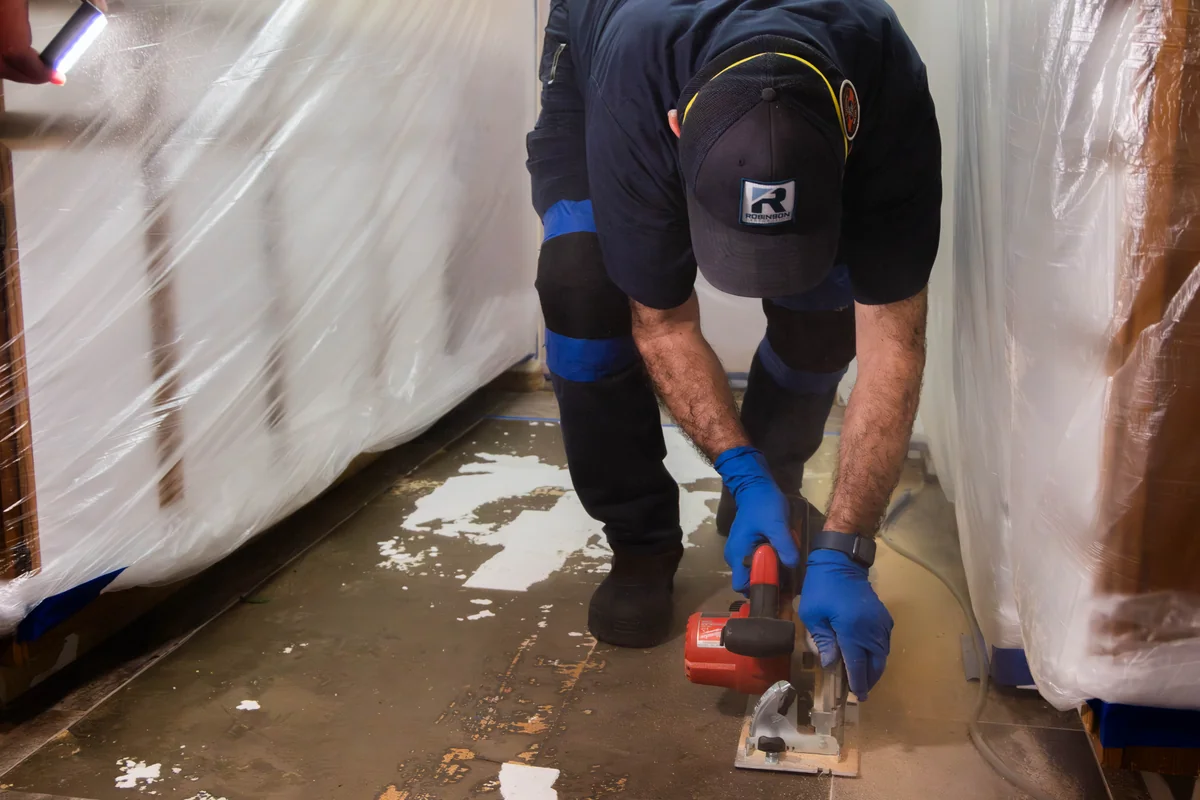
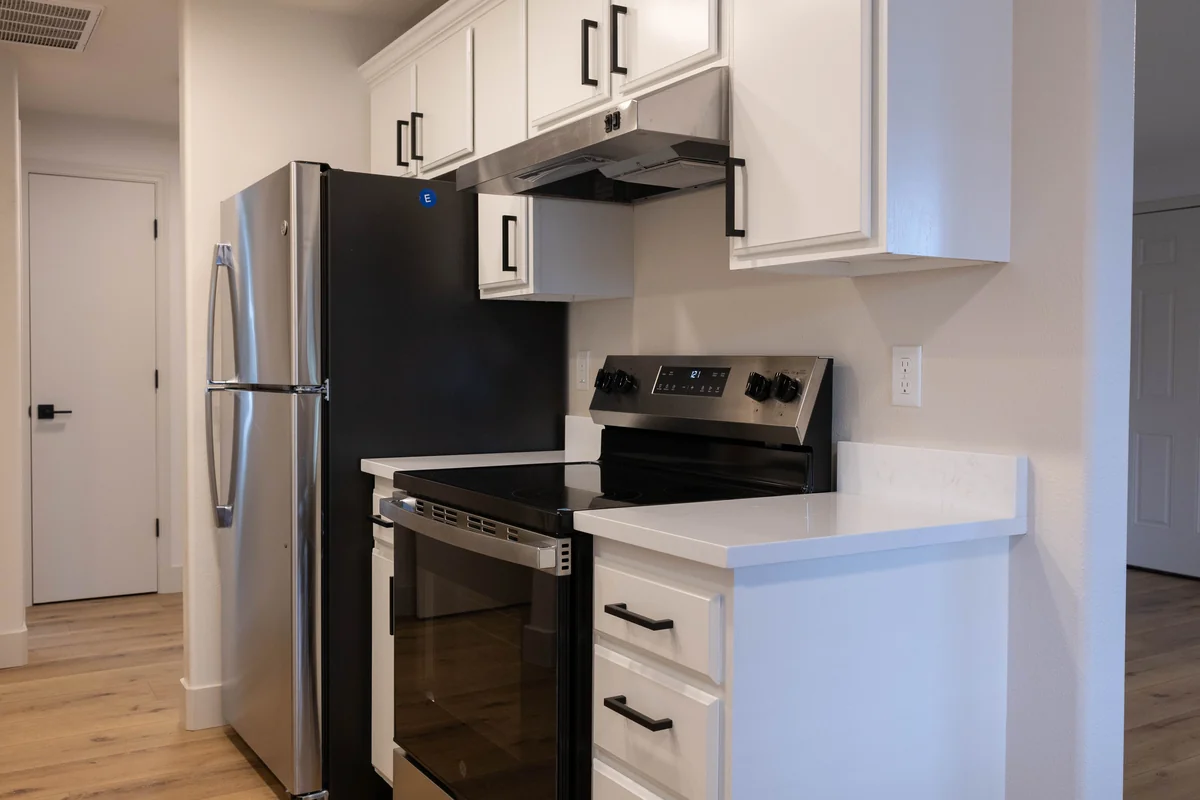
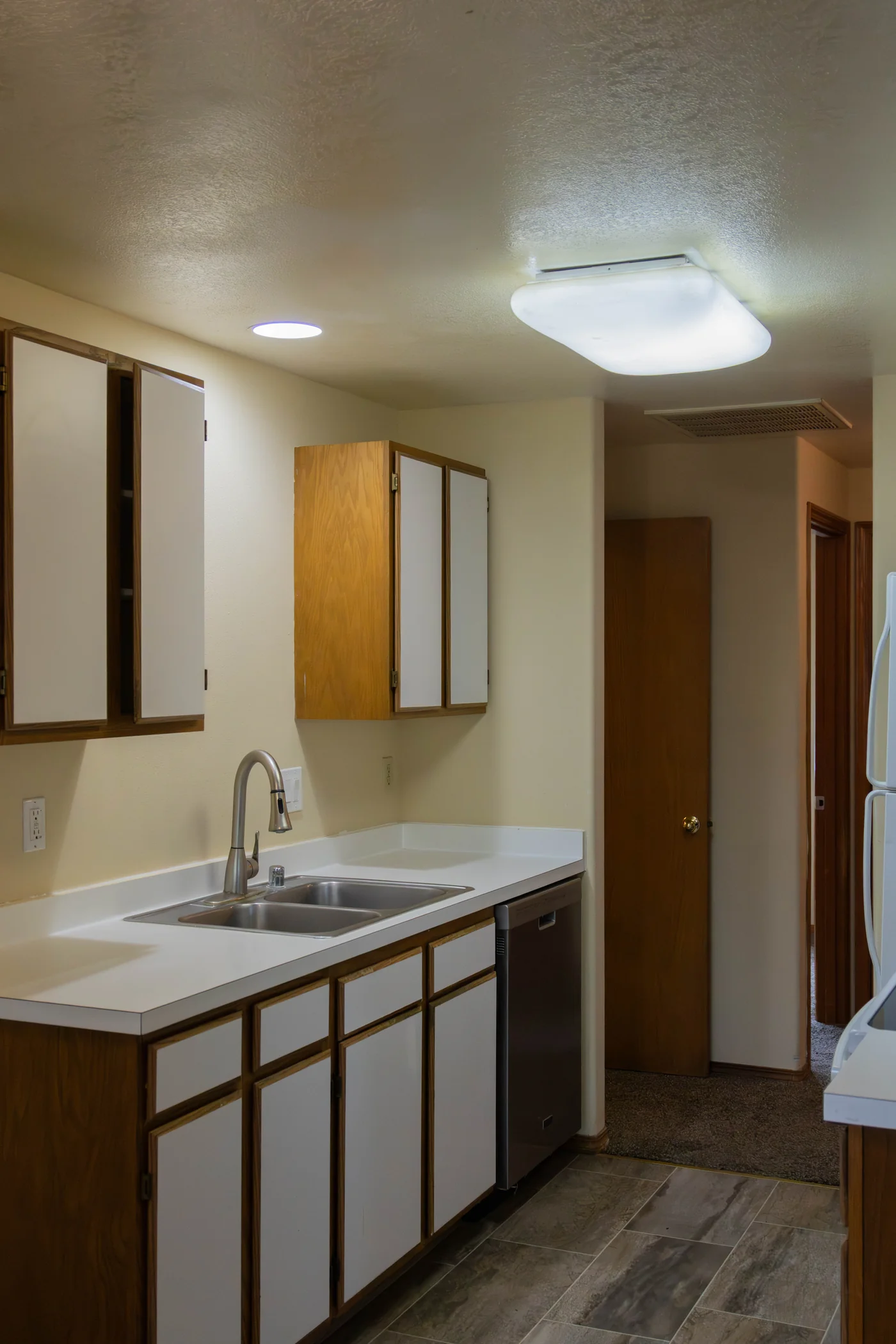
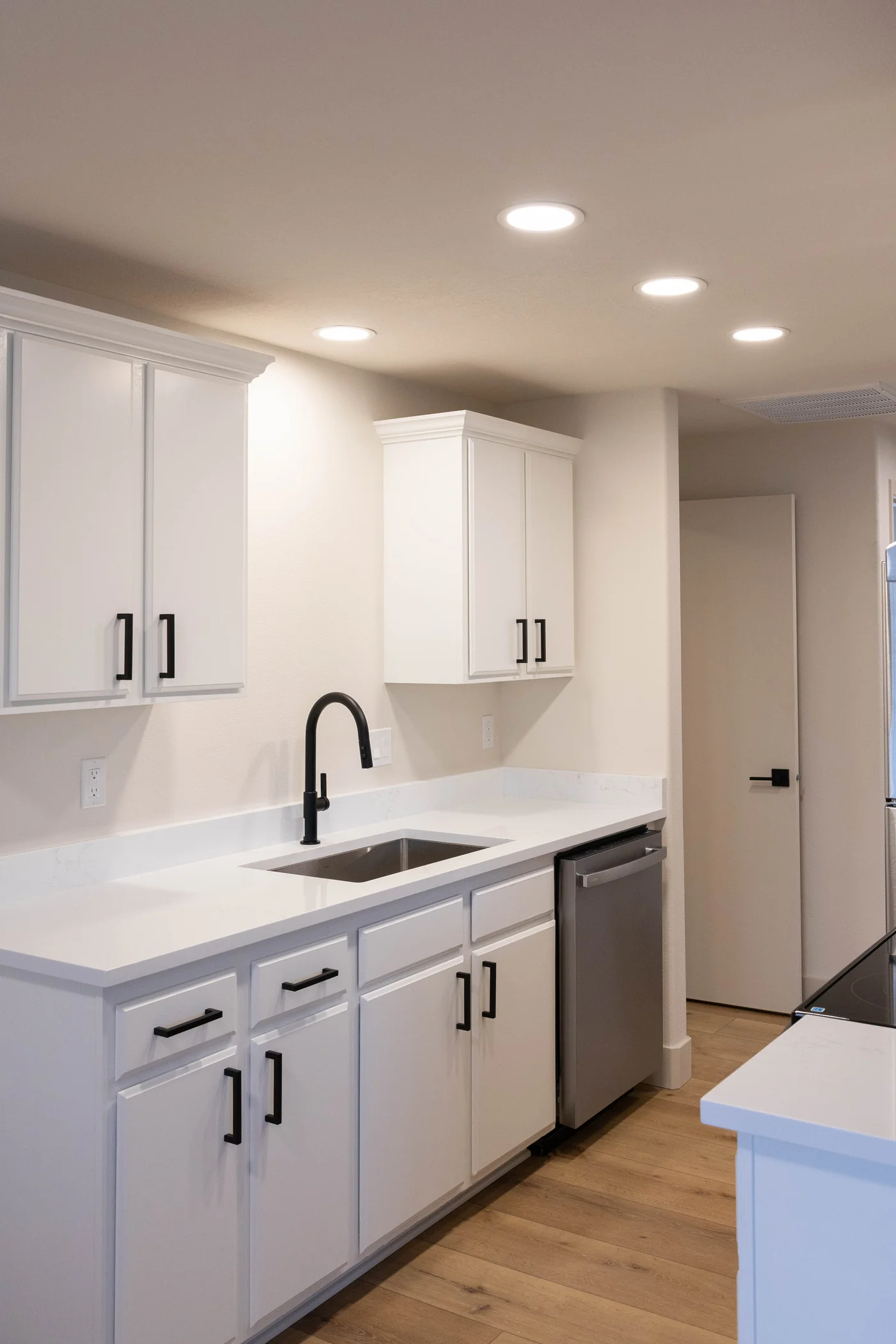
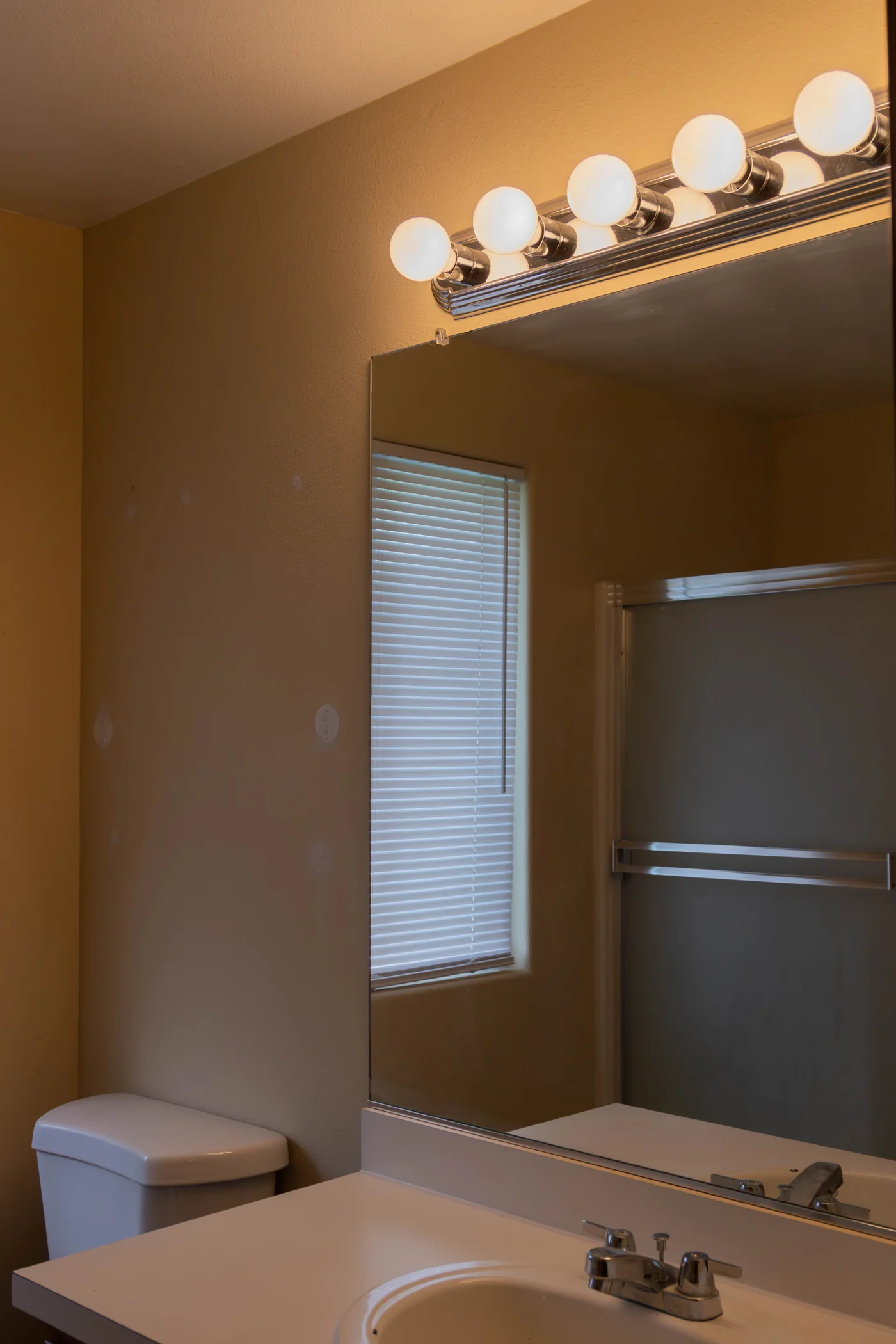
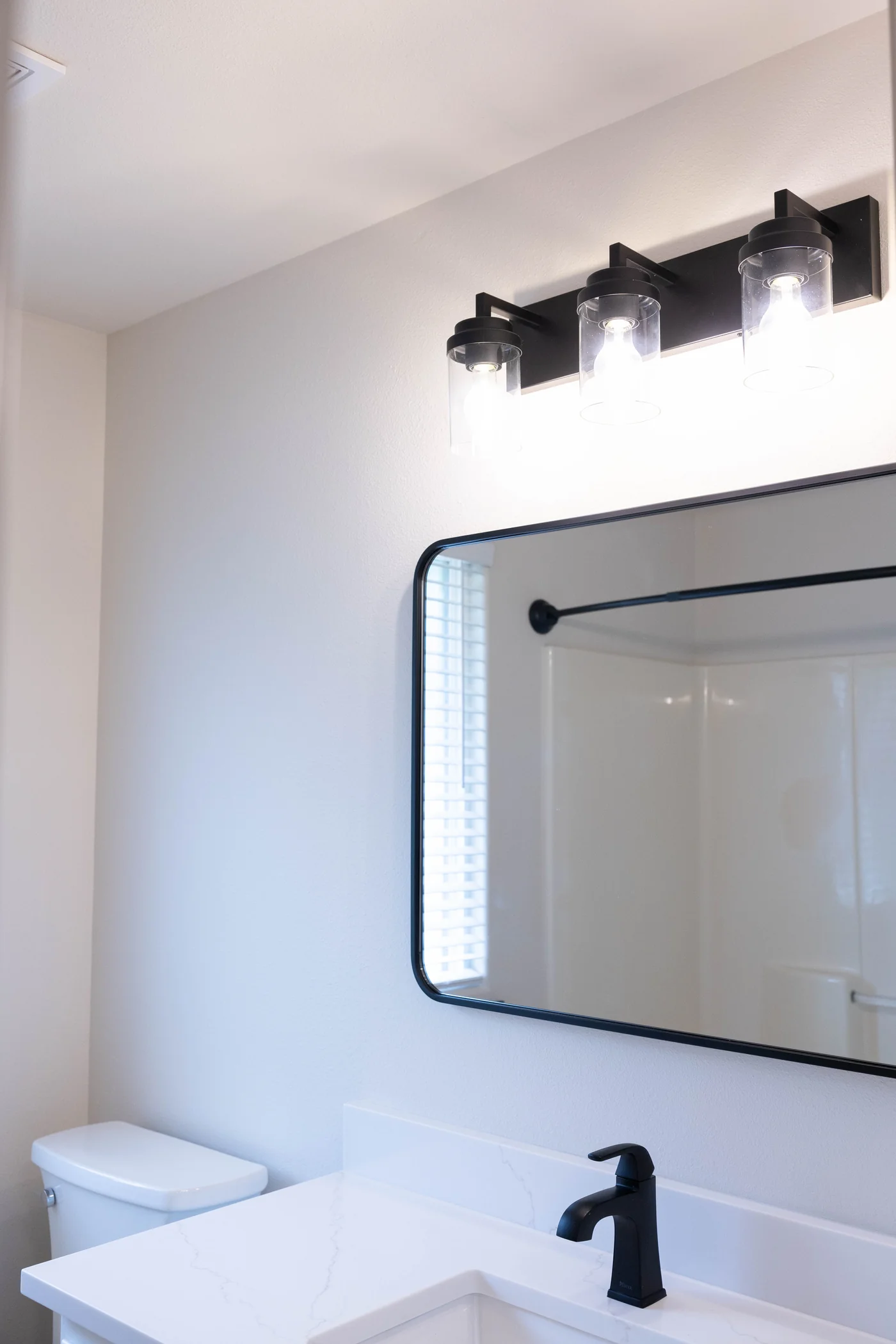
Three real projects, photo-documented for the insurance carrier. Drag each handle to compare.
“One of the pipes in the shower burst and water damage got all over the roof in the kitchen. As new home owners we were very scared and panicked. We contacted Kelly Farmer from Robinson Restoration and believe me when I say I felt like more than half of my problem was solved.”
Nav Basra · Google Review
“Just started a project with Cole and Chuck at Robinson Restoration and had to write a review straight away. These guys have been fantastic. We were away on a week long trip when we had a kitchen leak that destroyed our flooring and subfloor.”
Justin O'Neill · Google Review
“I want to express our sincere gratitude to the Robinson team that quickly moved to identify, rectify, repair, and then clean up the mess left by an itty-bitty hot water leak that went unnoticed because of its location.”
Michael Quinn · Google Review
In Washington, you choose your restoration contractor, and your carrier can’t penalize you for it. We document every Centralia loss with moisture maps, photos, and daily readings, then bill your insurer directly. You pay your deductible. That’s it.
Subject to policy coverage and deductible. We handle the paperwork, photos, and adjuster calls.
Lewis County gets its share of saturated ground and backed-up drains, and Robinson staffs for it. A Centralia call reaches dispatch at any hour, day or night. Techs bring extraction equipment, air movers, and dehumidifiers, then map out where the water traveled before setting drying targets. We bill the insurance company directly and share our documentation with the adjuster.
Not by a standard homeowners policy. Rising water from the Chehalis or the Skookumchuck, or groundwater pushing up through a slab, falls under flood insurance. A burst supply line, an overflowing appliance, or a roof leak is a homeowners claim. Since one storm can cause both, we separate the causes in the documentation so each carrier receives the evidence it actually needs.
Yes, more than most people think. Repeated low-level wetting in a Centralia basement keeps framing, subfloor, and stored contents above the moisture content where mold grows, even when nothing looks flooded. We measure what is actually wet, dry it properly, and tell you what is driving it, whether that is grading, a failed footing drain, or hydrostatic pressure that needs a sump.
That is most of our commercial work. We contain the affected area, place drying equipment to keep disruption where it belongs, and schedule the loud phases outside business hours when the space allows. Older Centralia masonry buildings share assemblies between units, so we check adjacent spaces before signing off, and each affected party gets documentation for its own carrier.
It is the classification for grossly contaminated water: sewage, river flood water, or clean water that sat long enough to go bad. Category three means porous material gets removed rather than dried, the area gets contained and treated, and crews work in protective equipment. We assign the category in writing on day one so a Centralia claim doesn't get re-scoped halfway through the job.
Usually three to five days, sometimes longer for plaster walls and old floor assemblies, which describes a lot of Centralia's older neighborhoods. We take moisture readings daily and share the log with you. Equipment comes out when material reaches a dry standard, not when the calendar says so. Running fans an extra day is cheap. Skipping one causes mold claims.
We manage reconstruction through vetted licensed contractors and sister companies once drying is verified. Rebuilding over wet material is the most expensive mistake in this business, so the readings come first. Because mitigation and rebuild run out of one file, the Centralia scope your adjuster approved is the scope that gets built, without a second round of negotiation.
Standing water doesn't wait for business hours. Call now and a crew gets dispatched to Centralia tonight.
Licensed · Insured · IICRC Certified · Serving Washington & Oregon