Robinson Restoration is an IICRC-certified water damage restoration company serving Dayton, WA. Crews dispatch 24 hours a day, arrive on-site in 90 minutes or less, document the readings and photos your carrier needs, and bill your insurance directly on covered claims.
Snowmelt off the Blue Mountains feeds the Touchet River right through town, and spring runoff is only one of the ways water gets into a house here. Dayton calls reach our Columbia Basin crews, who arrive with extraction and drying gear loaded, on-site in 90 minutes or less.
This is one of the older towns in the state, and it shows in the housing: Victorian-era homes with full basements, wood-frame farmhouses on wheat ground, outbuildings that have been converted a few times over. Original plumbing runs through unheated basements and open crawl spaces. Winter nights in the teens split those lines, and a rain-on-snow event out of the Blues can raise the river and saturate low ground within a day.
Our Columbia Basin office keeps dispatch staffed at all hours and runs crews through Columbia and Walla Walla counties, so a rural address is normal work rather than an exception. Everything follows IICRC S500: mapping the moisture before demolition, drying with monitored equipment, logging readings daily, and photographing the loss for the adjuster's file. We bill your carrier directly. Rebuild work is managed through licensed contractors and sister companies we've vetted.

Dayton is regular territory for our Basin crews, so a call here gets a live dispatcher and a truck that's already stocked and staged.
24 hours a day, 7 days a week, our crews dispatch the moment you call and start mitigation the same visit. Call dispatch or message us for immediate help.
We stop further damage with commercial extraction, structural drying, and antimicrobial treatment, and we walk you through the entire insurance claim as we work.
We manage your rebuild to pre-damaged condition through our trusted network of licensed contractors and sister companies. One manager, one timeline.
Snowpack in the Blue Mountains feeds the Touchet and the Patit through spring, and a warm rain landing on that snow raises both quickly. Low ground and old basements near the water take groundwater first, usually through a foundation crack or a floor drain that reverses. One house stays perfectly dry while the place two lots over pumps all night.
Much of the old housing here has a real basement under it, with plaster walls, wood stairs, and decades of stored belongings. Water in that space soaks framing and subfloor from below while the main floor looks untouched. Drying it takes dehumidification sized for the volume, plus enough time to pull moisture back out of the joists and the sill plate.
Farms out on the ridges run on wells, pressure tanks, and septic, and the house may sit well back from the county road. A pump that sticks on, a ruptured pressure tank, or a supply line cracked under a shop slab moves a lot of water before anybody is home to hear it. Our trucks carry generators and enough hose to work where hydrants and shore power aren't options.
Nights in the teens are ordinary from December into February, and the buildings that split are the ones nobody heats: a spare farmhouse, a shop, a rental sitting between tenants. Ice plugs a line, pressure builds, and the break opens on the first warm afternoon. By then water can run for days in an empty structure with nothing to stop it.
Most of the losses we run in Dayton start one of three ways: frozen and split pipes, flooding and groundwater, and water heater failures. Here is why each one happens here, and what it takes to dry it properly.
Cold nights in the teens are routine through midwinter, and plumbing in unheated basements, shops, and vacant farmhouses splits first. The failure almost always shows during the thaw, when pressure returns to a cracked line.
Rain landing on snowpack out of the Blue Mountains raises the Touchet and saturates low ground fast. Old basements near the water take groundwater through cracks and floor drains long before any bank is threatened.
Hard water and long service lives are the pattern out here, so tanks in basements and utility rooms open along a seam with no warning. In a basement that water rises against framing and stored belongings before anyone goes downstairs.
Water is how most losses start. It’s rarely where they end. The same local crew handles all of it.
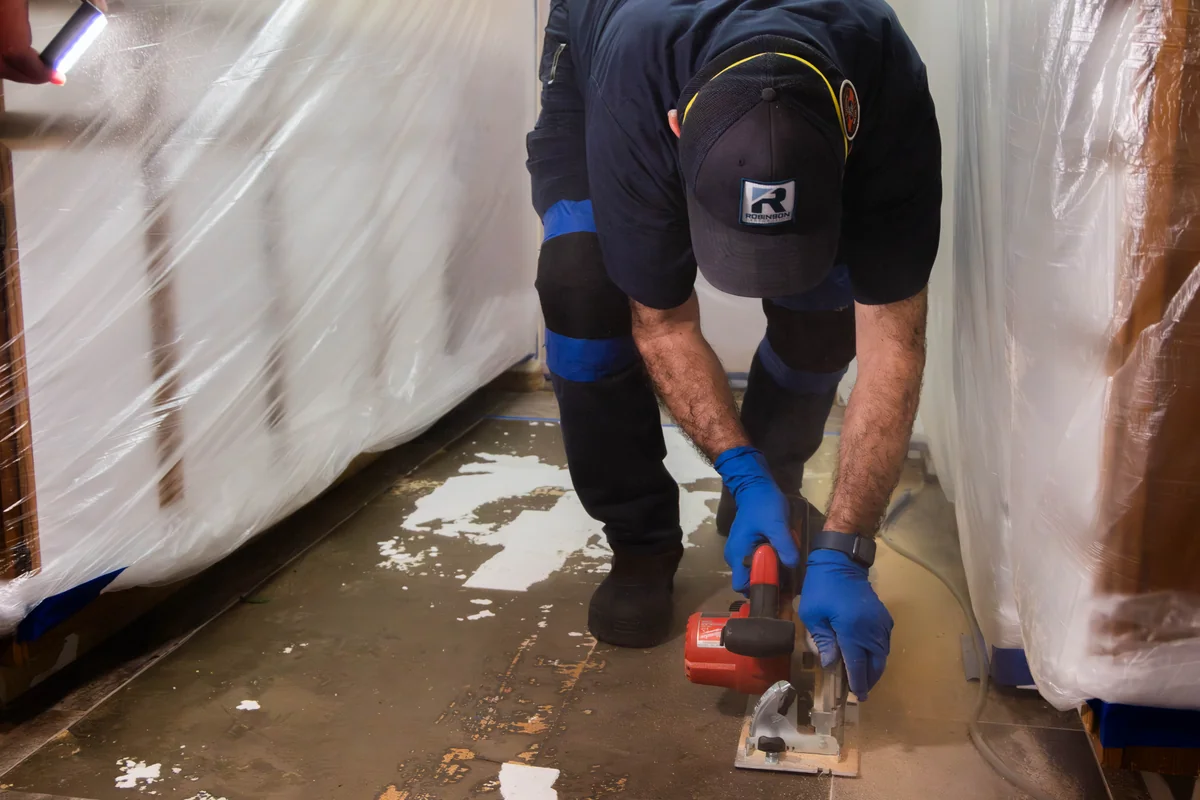
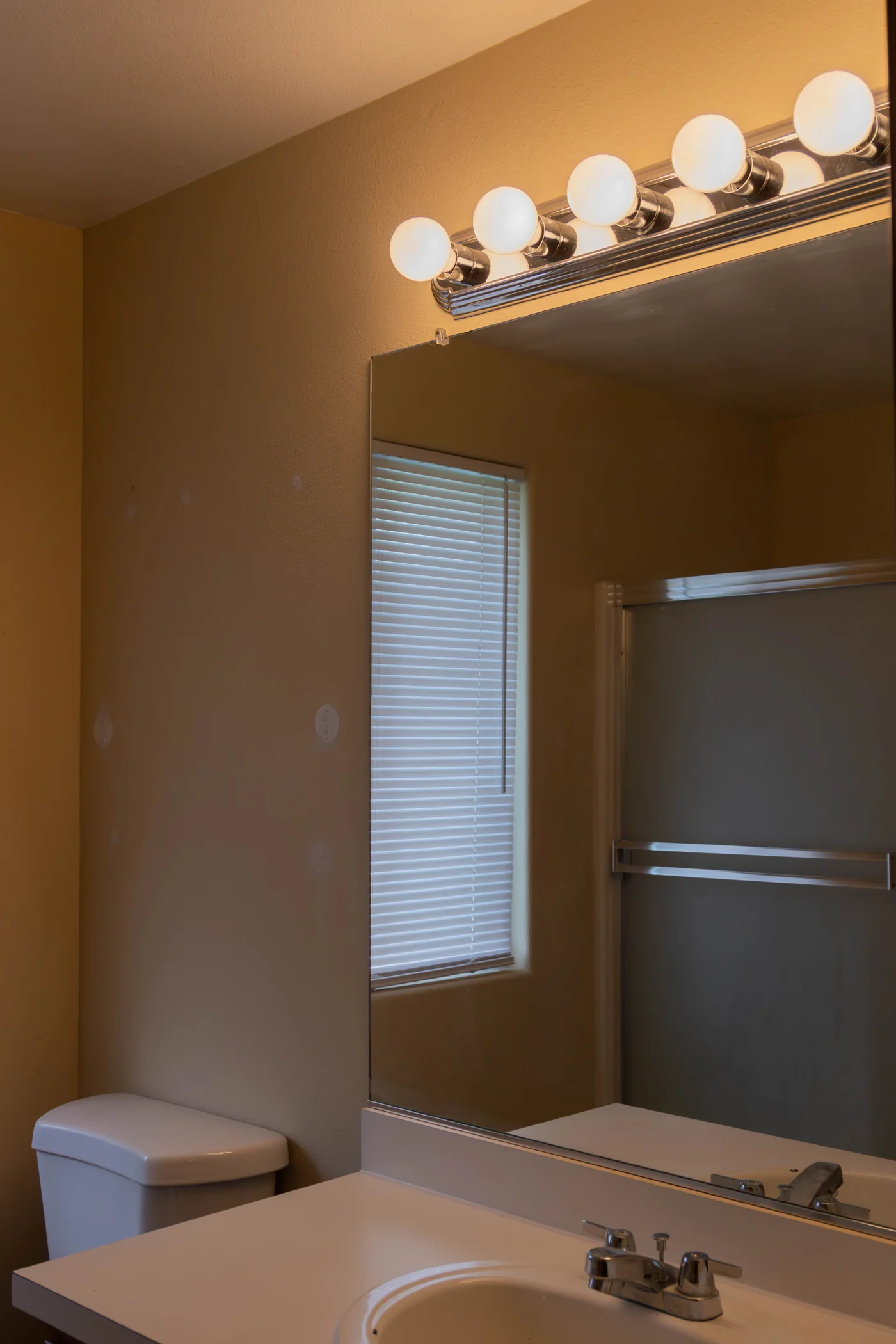
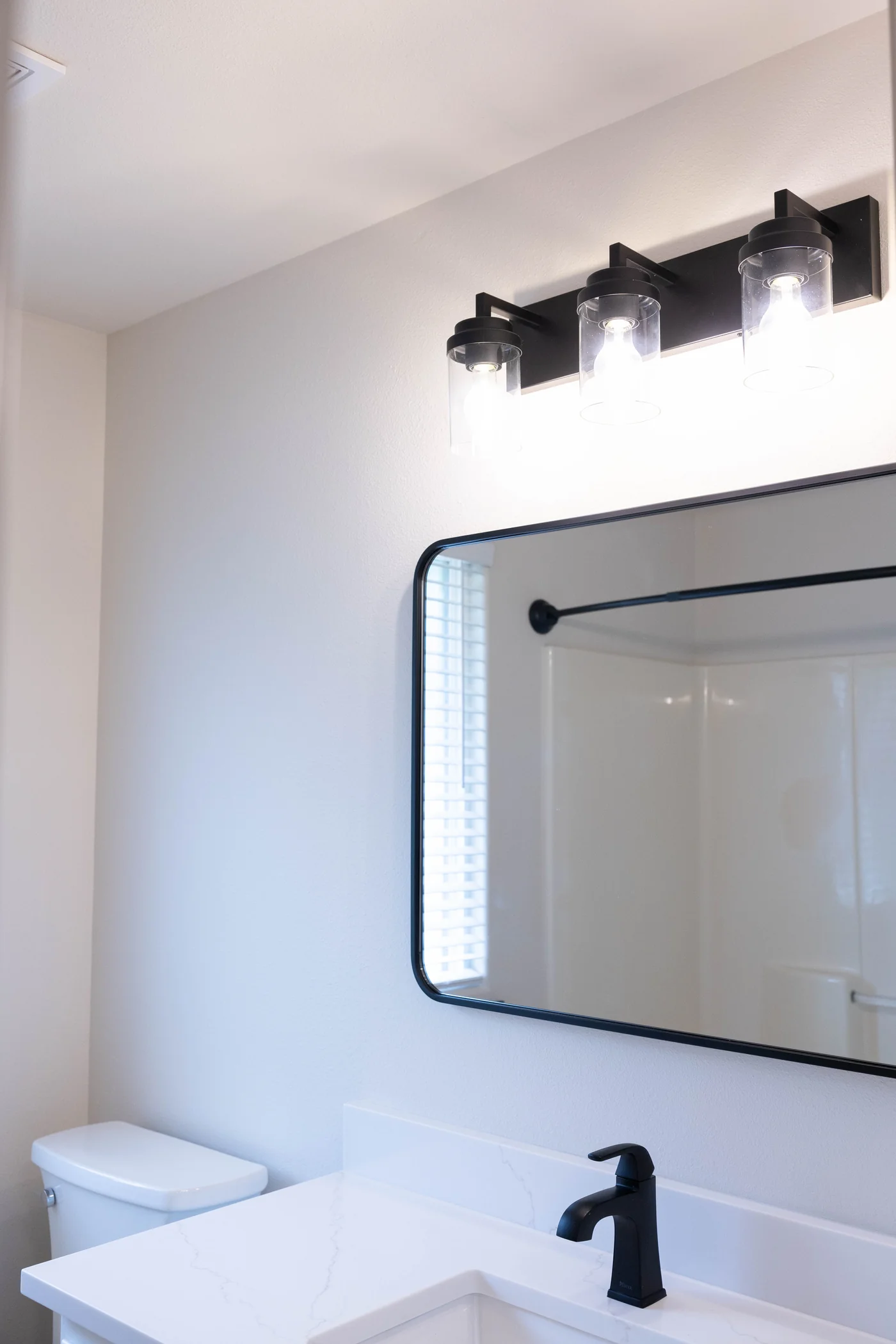
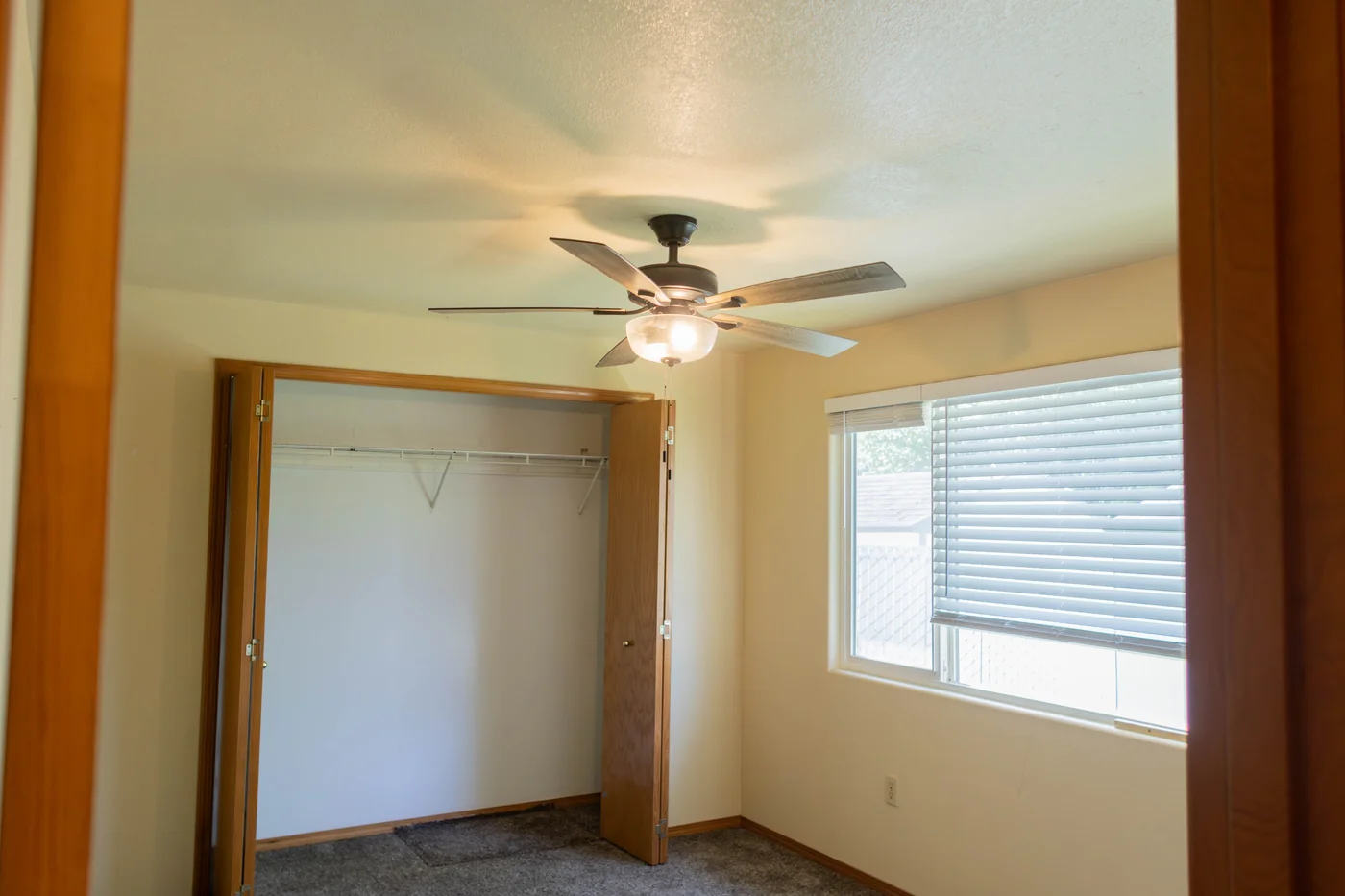
Three real projects, photo-documented for the insurance carrier. Drag each handle to compare.
“Kyla and Jake were super friendly and knowledgeable. Jake was at my house 90 minutes after I called and did a free inspection. I won't need their services this time, but I will definitely call them if I ever have to deal with water damage.”
Carmen Otten · Google Review
“Had a leak in our wall and our plumber recommended Robinson Restoration to handle remediation of the water damage. Christian and Adolfo were awesome. Great communication throughout the setup of the containment area and installation of the equipment to start the drying process.”
Won Lee · Google Review
“We recently had an unfortunate plumbing issue that led to some significant flooding issues. On the recommendation of our plumber we reached out to Robinson Restoration to help us with drying out our house and getting it ready to be put back together.”
Don Warner · Google Review
In Washington, you choose your restoration contractor, and your carrier can’t penalize you for it. We document every Dayton loss with moisture maps, photos, and daily readings, then bill your insurer directly. You pay your deductible. That’s it.
Subject to policy coverage and deductible. We handle the paperwork, photos, and adjuster calls.
Rural addresses tend to get quoted a day out by other companies, which is exactly the wrong answer with water on the floor. Dayton calls reach a live dispatcher at any hour, and the truck comes stocked with extraction units, air movers, dehumidifiers, generators, and meters. Mitigation starts on that first visit, readings get logged, and we bill your carrier directly.
Yes. Columbia County is regular territory for our Basin crews, and a rural address doesn't change the plan: dispatch answers at any hour, we target on-site in 90 minutes or less, and the truck arrives with extraction units, air movers, and dehumidifiers already aboard. We work plenty of properties with no hydrant, no close neighbor, and a long gravel drive.
Probably not under a standard homeowner policy. Groundwater and surface flooding are excluded on most of them, though separate flood coverage or a sump failure endorsement can change the answer. We extract and dry it either way, then document the intrusion path in writing so you know whether the real fix is drainage, a sump upgrade, or foundation work. Spring runoff losses in Dayton are common enough that the cause report matters as much as the drying.
Not for the drying. It does change the shutoff, since killing the pump breaker stops the flow where a town home would simply close a valve. Well systems also fail in their own ways, with ruptured pressure tanks and cracked lines below grade that run for days with no bill to warn you. We coordinate with your pump contractor and document the source.
Yes. Winter storms take lines down out here, and our trucks carry generators sized to run extraction and drying equipment on site. Getting standing water out immediately matters more than waiting on the utility, because every day it sits pushes the loss further into subfloor and framing. Once power returns we transition the setup and keep the readings continuous.
As little as the readings allow. Fir floors, stair parts, and original trim in these houses can often be dried in place with mats and controlled dehumidification instead of demolition, provided we reach them before the boards cup. Baseboard sometimes comes off to vent a wall cavity and goes right back. Anything removed gets photographed and documented for the claim.
The rebuild is managed by Robinson and performed by licensed contractors and sister companies we've vetted. That gives you one schedule, one scope, and one person accountable from the emergency call through the last coat of paint. In a town the size of Dayton that coordination matters, because getting the right trade out to a rural property is half the work of finishing a job.
Water spreads through a basement fast. Call Robinson Restoration and we'll get a Dayton crew moving now.
Licensed · Insured · IICRC Certified · Serving Washington & Oregon