Robinson Restoration is an IICRC-certified water damage restoration company serving Mount Vernon, WA. Crews dispatch 24 hours a day, arrive on-site in 90 minutes or less, document the readings and photos your carrier needs, and bill your insurance directly on covered claims.
Mount Vernon grew up on both banks of the Skagit, and the river still sets the terms here. Downtown sits behind a floodwall, the neighborhoods on the hill sit above it, and everything in between drains slowly. When water gets into your building, our crews respond around the clock, on-site in 90 minutes or less.
The older neighborhoods hold Craftsman bungalows and early wood-frame houses with unfinished basements, cast-iron waste lines, and supply piping that has been patched by several generations of owners. South and east of there, ranches and newer subdivisions sit on ground that was farm field within living memory, with drainage that depends on ditches and tile lines nobody maintains. Winter rain here does not soak in, it collects.
Calls route through our Kent operations center to a live dispatcher at any hour, and Skagit County jobs get a crew assigned before the details are sorted out. Work follows IICRC S500: moisture mapped, materials classified, readings logged daily, photographs from the first walkthrough to the final dry standard. Insurance billing goes direct to your carrier. When repairs are needed, Robinson manages the rebuild through licensed contractors and sister companies rather than handing you a list of numbers to call.

Skagit County work is routine for our crews, so a Mount Vernon call gets equipment assigned for basements, crawl spaces, and finished interiors at the same time.
24 hours a day, 7 days a week, our crews dispatch the moment you call and start mitigation the same visit. Call dispatch or message us for immediate help.
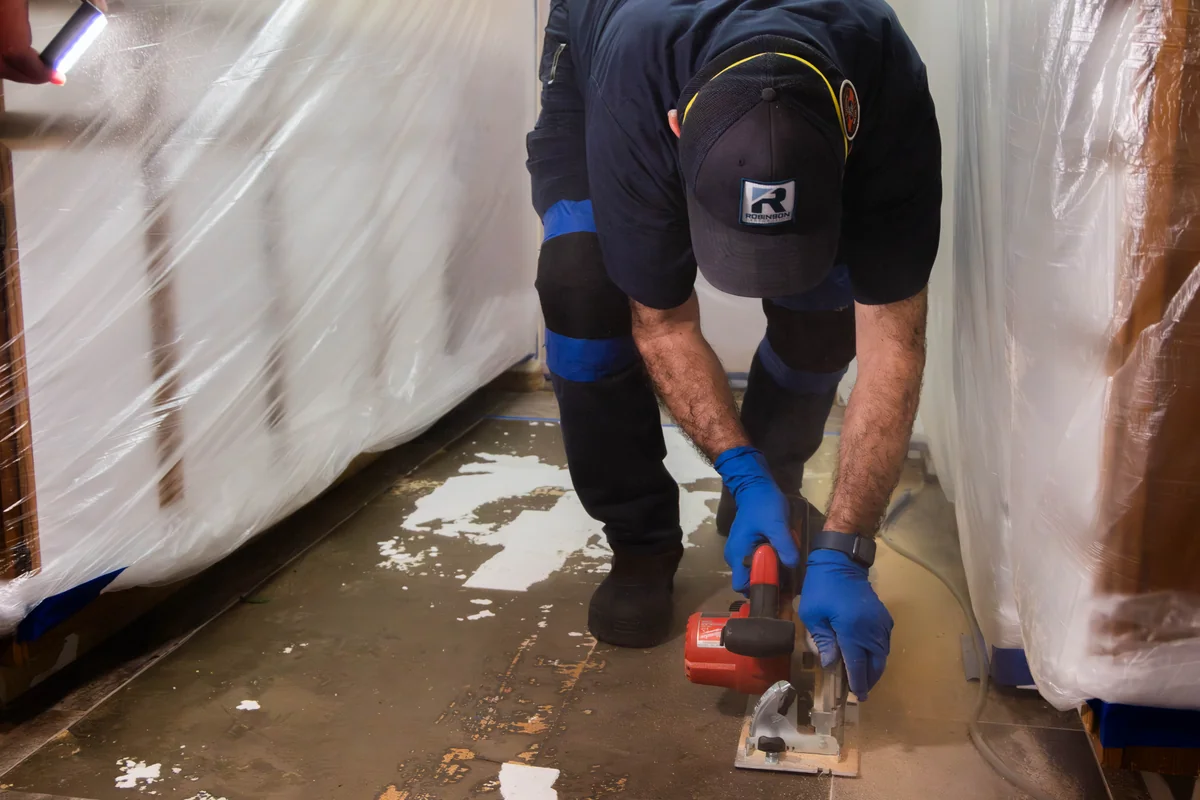
We stop further damage with commercial extraction, structural drying, and antimicrobial treatment, and we walk you through the entire insurance claim as we work.
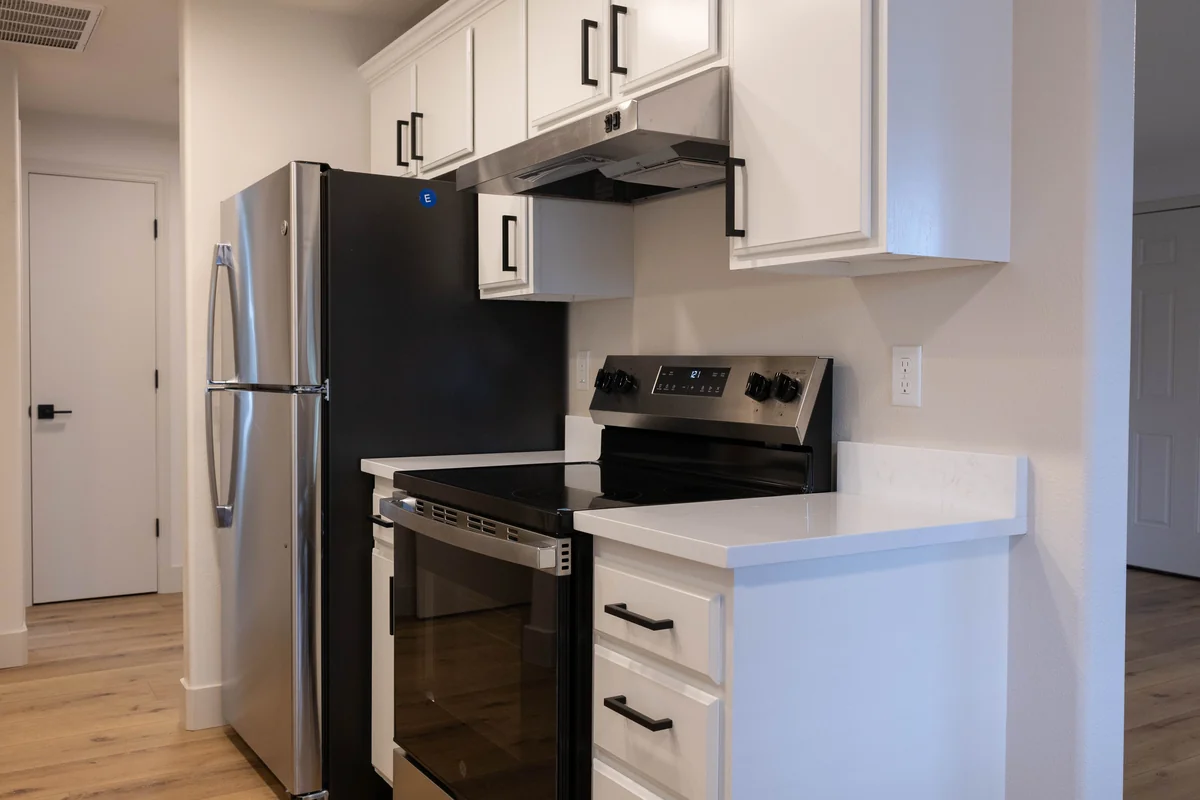
We manage your rebuild to pre-damaged condition through our trusted network of licensed contractors and sister companies. One manager, one timeline.
Craftsman-era homes around the older part of town sit over basements that were dug for a furnace and coal bin, not for finished living space. Foundation walls are unsealed, floor drains connect to old lines, and the laundry usually lives down there. A supply failure on the main floor drains straight into that basement and soaks everything stored on the slab.
The farmland around town runs on ditches, tile drains, and sloughs that carry a lot of water in a normal winter. Subdivisions built on former field ground inherit that system, and it silts up. When a tile line plugs or a ditch runs full, the water backs onto lawns first and into crawl spaces second, with no plumbing failure involved at all.
The riverfront blocks are protected now, and that changed the risk picture without erasing it. Older masonry and mixed-use buildings downtown still have basements below river level, aging roof drains routed through interior walls, and shared plumbing stacks between tenants. A failure on an upper floor runs down through several occupancies before anyone locates the source.
As the county seat, this town carries the hospital, the college, courts, clinics, and county offices, all of which have to keep operating through a water loss. Those jobs need containment, negative air, after-hours scheduling, and documentation that satisfies both a risk manager and a carrier. We isolate the wet area, protect records and equipment, and keep the rest of the building in service.
Most of the losses we run in Mount Vernon start one of three ways: burst and leaking pipes, sewage backups, and flooding and groundwater. Here is why each one happens here, and what it takes to dry it properly.
Older homes near downtown still carry galvanized supply lines and copper thinned by decades of water. A cold snap on an uninsulated basement wall or an unheated porch is usually what finishes them off, and the discharge runs until someone finds the shutoff.
Old combined lines and root-blocked laterals under the established neighborhoods back up when the system takes on heavy winter flow. Sewage in a basement is category three water, so porous materials come out rather than getting dried in place.
Saturated farm ground and a full drainage system push groundwater into basements and crawl spaces from below every wet season. It happens without a storm event, which is why owners often mistake it for a plumbing leak.
Water is how most losses start. It’s rarely where they end. The same local crew handles all of it.
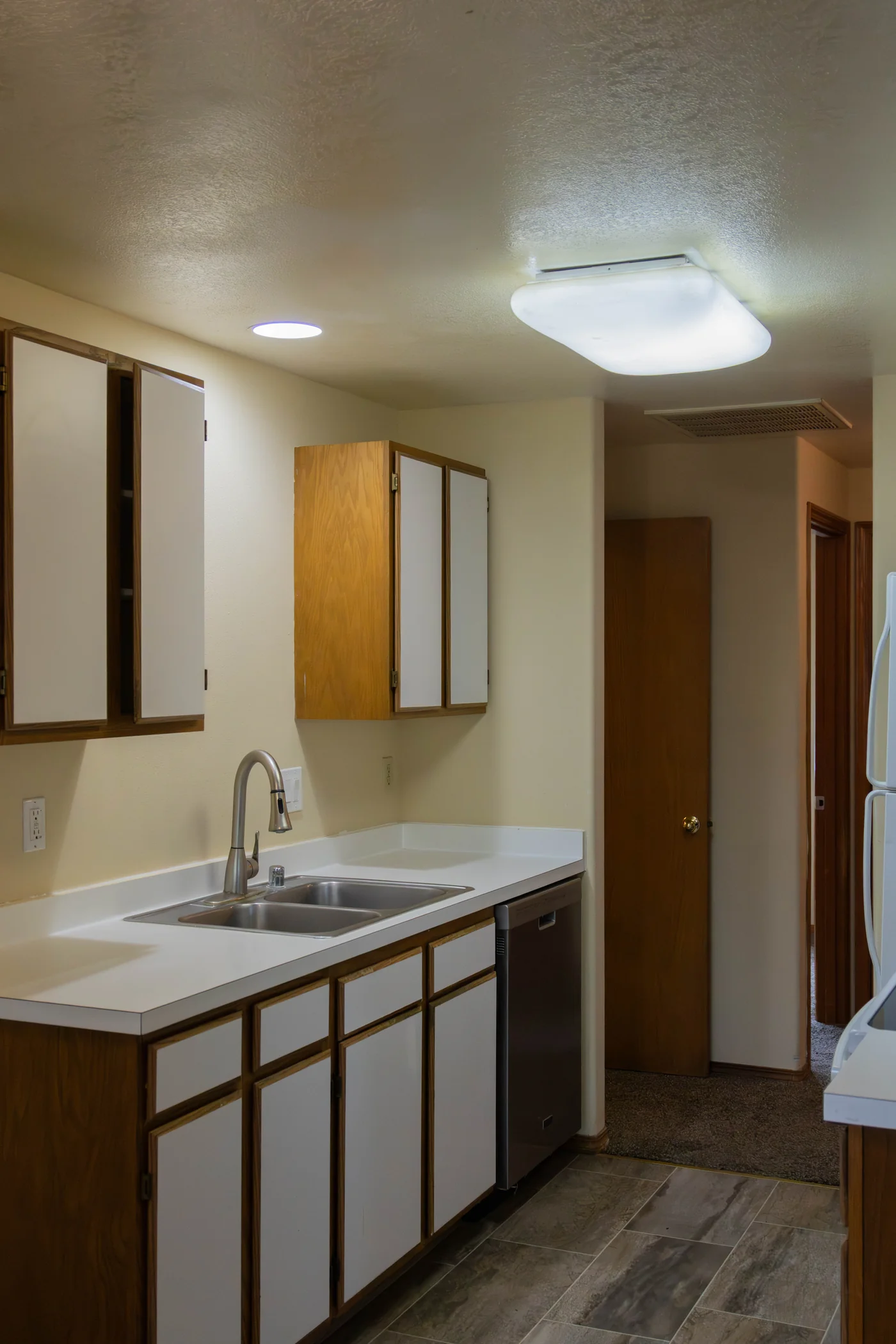
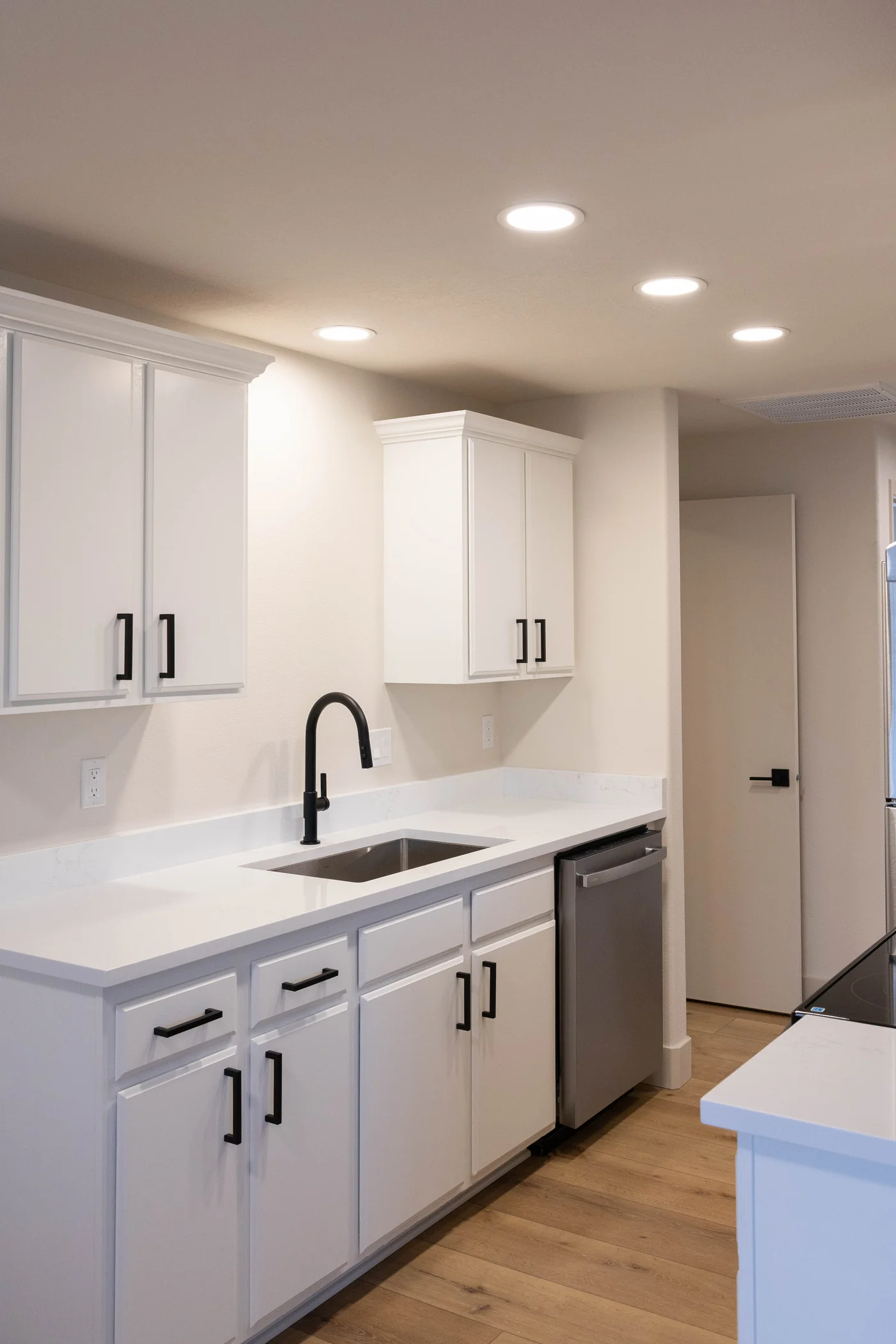
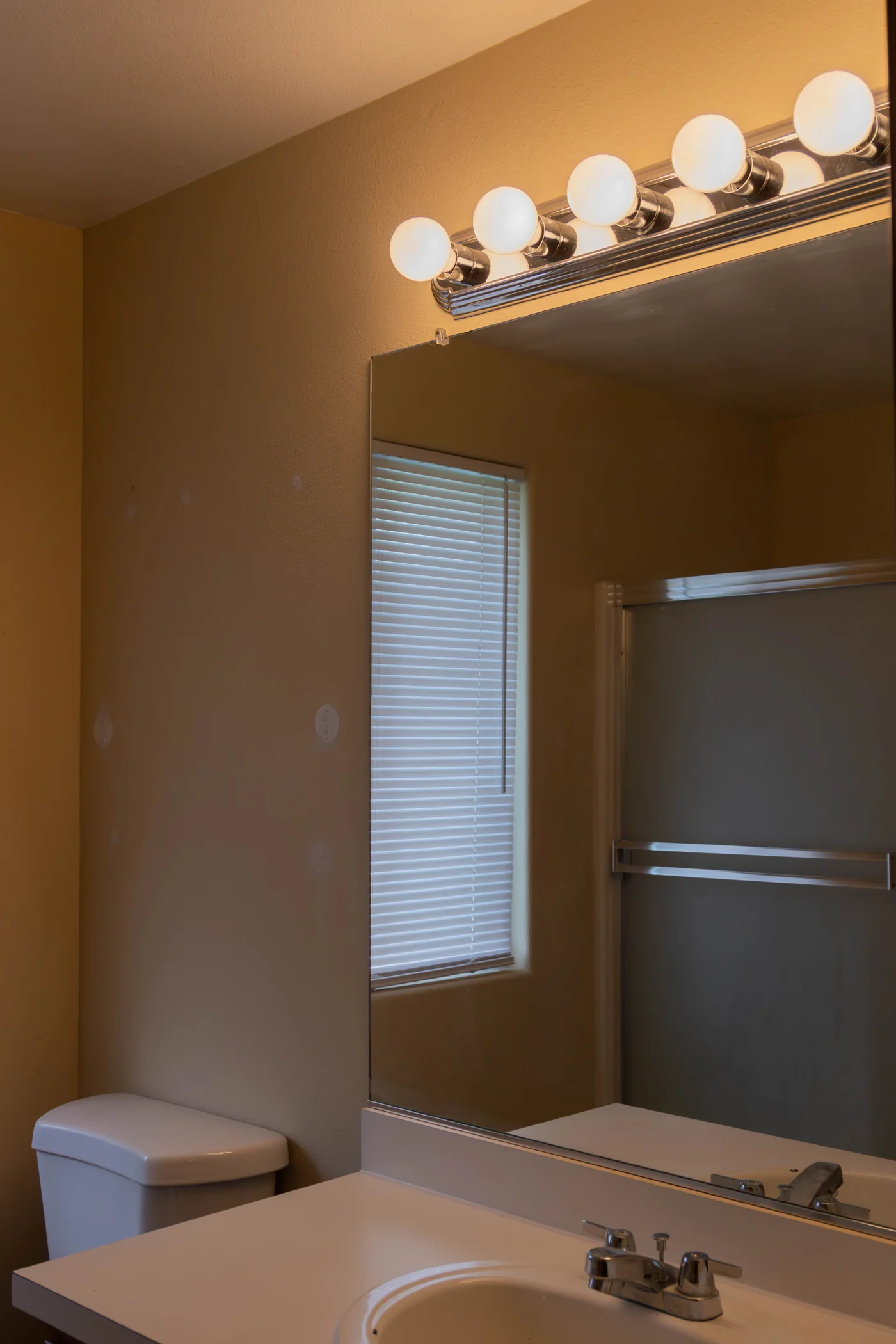
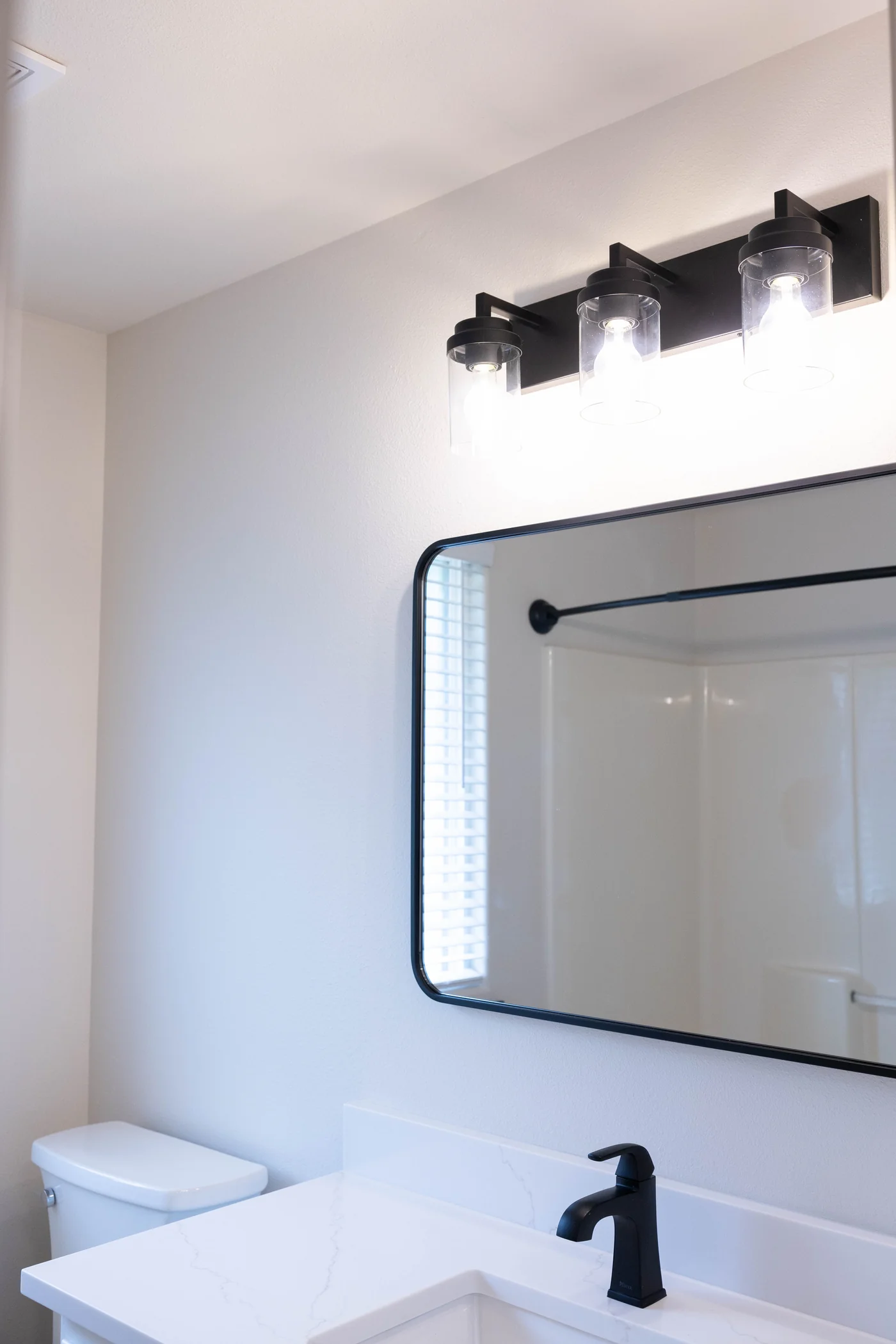
Three real projects, photo-documented for the insurance carrier. Drag each handle to compare.
“Chuck and Cole were very professional, courteous and knowledgeable about their restoration skills including close out processes. I'm really happy they were the two employees assigned to our home.”
Joanna Gamble · Google Review
“We hired Robinson Restoration after a boiler joint failed and leaked what we thought was a small amount of water in our laundry room, but turned out to be more serious than it appeared. They did a fantastic job from first contact to insurance claim approval.”
Randi Covin · Google Review
“We had a major sewer back up a couple of weeks ago, into the laundry room and downstairs bathroom. Panic! We were referred to Robinson Restoration and what a blessing. The whole crew has been wonderful.”
Lynn Dee King · Google Review
In Washington, you choose your restoration contractor, and your carrier can’t penalize you for it. We document every Mount Vernon loss with moisture maps, photos, and daily readings, then bill your insurer directly. You pay your deductible. That’s it.
Subject to policy coverage and deductible. We handle the paperwork, photos, and adjuster calls.
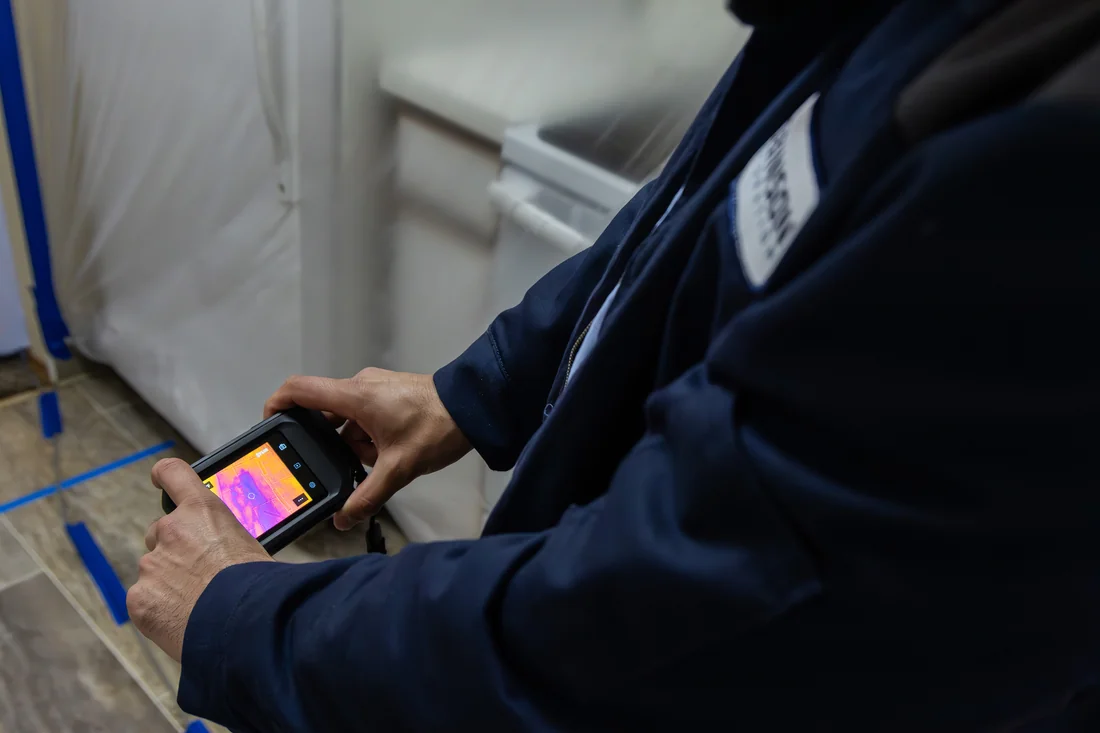
Nobody plans this search. When it happens in Mount Vernon, the call goes to a live dispatcher at any hour, and the crew that arrives brings truck-mounted extraction, air movers, dehumidifiers, and thermal imaging on the first trip rather than coming back for equipment. Documentation starts on arrival, and we bill your insurance carrier directly.
Start by noting where it appears and when. Groundwater usually shows at the base of a wall or through the floor slab after a long wet stretch, while a plumbing failure produces a wetter, more localized pattern and often a running sound. We bring meters and thermal imaging to answer it definitively, because the source determines both the repair and how your policy responds.
It does not change our dispatch. Festival traffic on the valley roads is a known factor every spring, and crews route around it the same way local trades do. Emergencies get assigned immediately regardless of the calendar, and if a road is genuinely backed up we say so rather than letting you sit and wonder. Our target stays on-site in 90 minutes or less.
For a covered claim we bill your carrier directly, so what you pay is generally the deductible. Mitigation gets authorized before the full claim is adjusted, since carriers want the damage stopped quickly. If you are paying out of pocket, we give you a written scope and price before the work starts. No job begins on a verbal guess about what it might run.
The insurance answer usually depends on cause and lease language, and we stay out of that argument. What we provide is a clean record: origin of the water, the path it took, the affected materials in each unit, moisture readings, and photographs organized by space. Owners, tenants, and adjusters all work from the same documentation, which tends to shorten the disagreement considerably.
We handle it. Category three water requires containment under negative pressure, removal of porous materials that absorbed contamination, cleaning and antimicrobial treatment of structural surfaces, then drying and verification. Crews use appropriate protection and dispose of waste properly. Backup claims also get scrutinized more heavily by carriers, so the photo record and the material inventory matter as much as the cleanup itself.
That is part of what reconstruction management is for. Robinson coordinates licensed contractors and sister companies who can source or mill matching profiles, blend into existing fir or oak flooring, and match plaster and texture rather than leaving an obvious patch. We keep the repair scope tied to the same file that documented the loss, so the adjuster sees why the restoration costs what it does.
Drywall and subfloor keep absorbing until someone stops it. Call now and we'll get started.
Licensed · Insured · IICRC Certified · Serving Washington & Oregon