Robinson Restoration is an IICRC-certified water damage restoration company serving Parker, WA. Crews dispatch 24 hours a day, arrive on-site in 90 minutes or less, document the readings and photos your carrier needs, and bill your insurance directly on covered claims.
Parker sits on the river bottom just below Union Gap, where the Yakima River comes through the gap and spreads into the lower valley. Low ground is where water collects. A break inside the house or a rise outside it ends the same way. Our crews take emergency calls at any hour and bring the drying equipment with them.
Two kinds of property sit close together here. On the bottomland you have older farmhouses and manufactured homes on irrigated ground with a high water table and a river that has flooded before. Up on the benches above, orchards and vineyards run along the slopes where the homes are drier but the wind and the runoff are worse. Winters bring hard freezes and valley fog, and summer irrigation keeps the ground wet from April on.
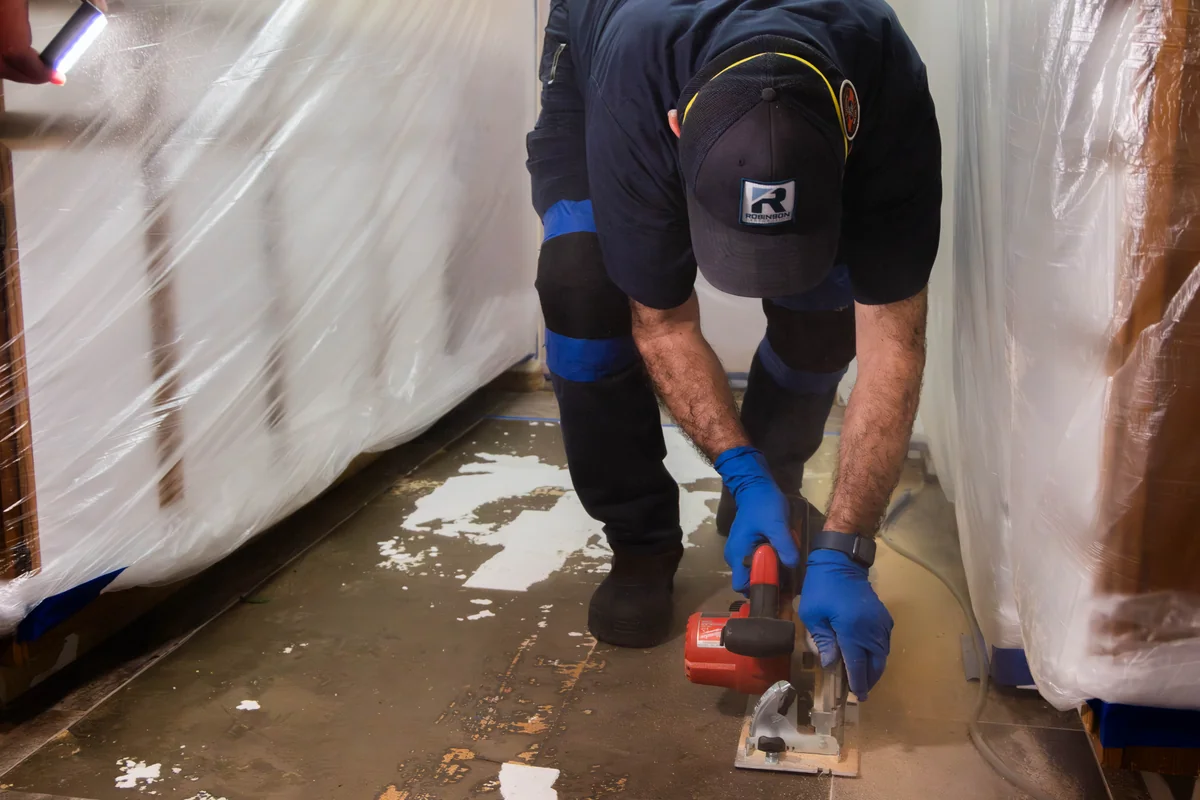
Robinson takes Parker calls through the same 24/7 dispatch that covers the rest of the Yakima Valley. The crew documents before it demolishes: thermal imaging, moisture readings room by room, photographs of the source and the spread. Drying is done to IICRC S500 standards and confirmed with meters rather than a calendar. We bill most carriers directly. If the property is tribal trust land or in a leased arrangement, we'll work with whoever holds the policy.

Parker is covered by the same Yakima Valley dispatch that runs day and night, so a river-bottom address gets a truck like anywhere else.
24 hours a day, 7 days a week, our crews dispatch the moment you call and start mitigation the same visit. Call dispatch or message us for immediate help.
We stop further damage with commercial extraction, structural drying, and antimicrobial treatment, and we walk you through the entire insurance claim as we work.
We manage your rebuild to pre-damaged condition through our trusted network of licensed contractors and sister companies. One manager, one timeline.
Ground near the Yakima River holds moisture the rest of the valley sheds. Crawlspaces on the bottomland run damp through spring runoff and again through irrigation season, and a plumbing leak on top of that has nowhere to go. Wet soil under a house pushes vapor upward all summer. Drying that kind of space means sealing it and controlling the air, not opening the vents and hoping.
Above the valley floor, homes sit on the benchland among orchards and vineyards, and their water problems run the other direction. Runoff from a cloudburst comes downhill fast over thin soil and rock. Long private water lines, buried irrigation mains, and pressure systems serving both a house and a block of trees all give out eventually. Those breaks flow toward the lowest structure on the property.
Fruit ground around Parker runs on pressurized irrigation, frost-protection lines, and wind machines, and those systems share the property with the house. A mainline that ruptures under pressure moves an enormous volume before anyone reaches a valve, and frost lines charged on a cold March night can split at a fitting. Losses that start outdoors reach the house through a crawlspace vent or a garage slab.
The Yakima has come out of its banks in this stretch of the valley before, and the mapped floodplain covers a good share of the bottomland. Standard homeowners policies exclude rising water, so the coverage question and the cleanup question are separate conversations. We document the high-water line, the source, and the category on arrival, which is the record a flood carrier and a homeowners carrier will both want.
Most of the losses we run in Parker start one of three ways: flooding and groundwater, burst and leaking pipes, and frozen and split pipes. Here is why each one happens here, and what it takes to dry it properly.
Parker sits on the Yakima River bottom, where spring runoff and a charged irrigation system can both put water on flat ground. Once it reaches a crawlspace vent or a low doorway, it stays until it's pumped.
Farmhouse plumbing here has been patched across several decades, and pressurized orchard mains run right past the buildings. Either one can let go without warning and push water for hours before a valve gets closed.
Cold settles into the river bottom and holds. Frost-protection lines charged for the orchards, hose bibs, and plumbing under low crawlspaces all split during a hard stretch, usually at the first thaw.
Water is how most losses start. It’s rarely where they end. The same local crew handles all of it.
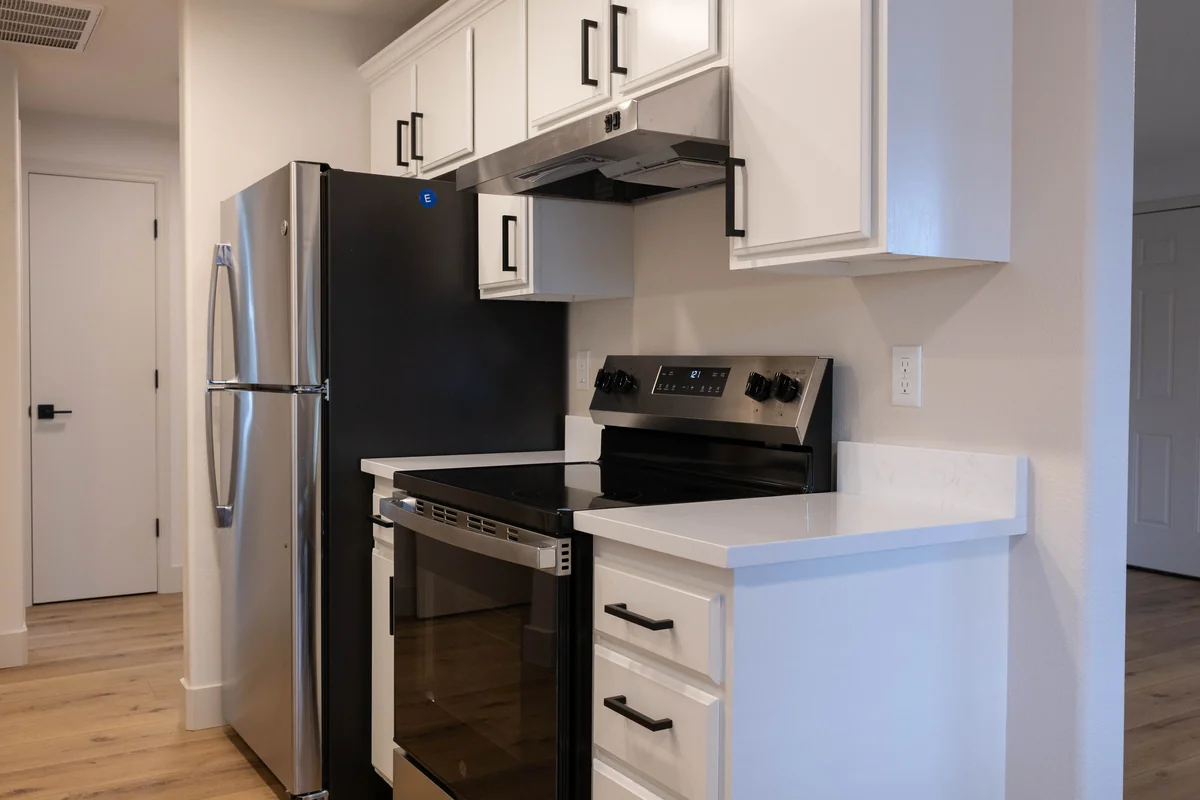
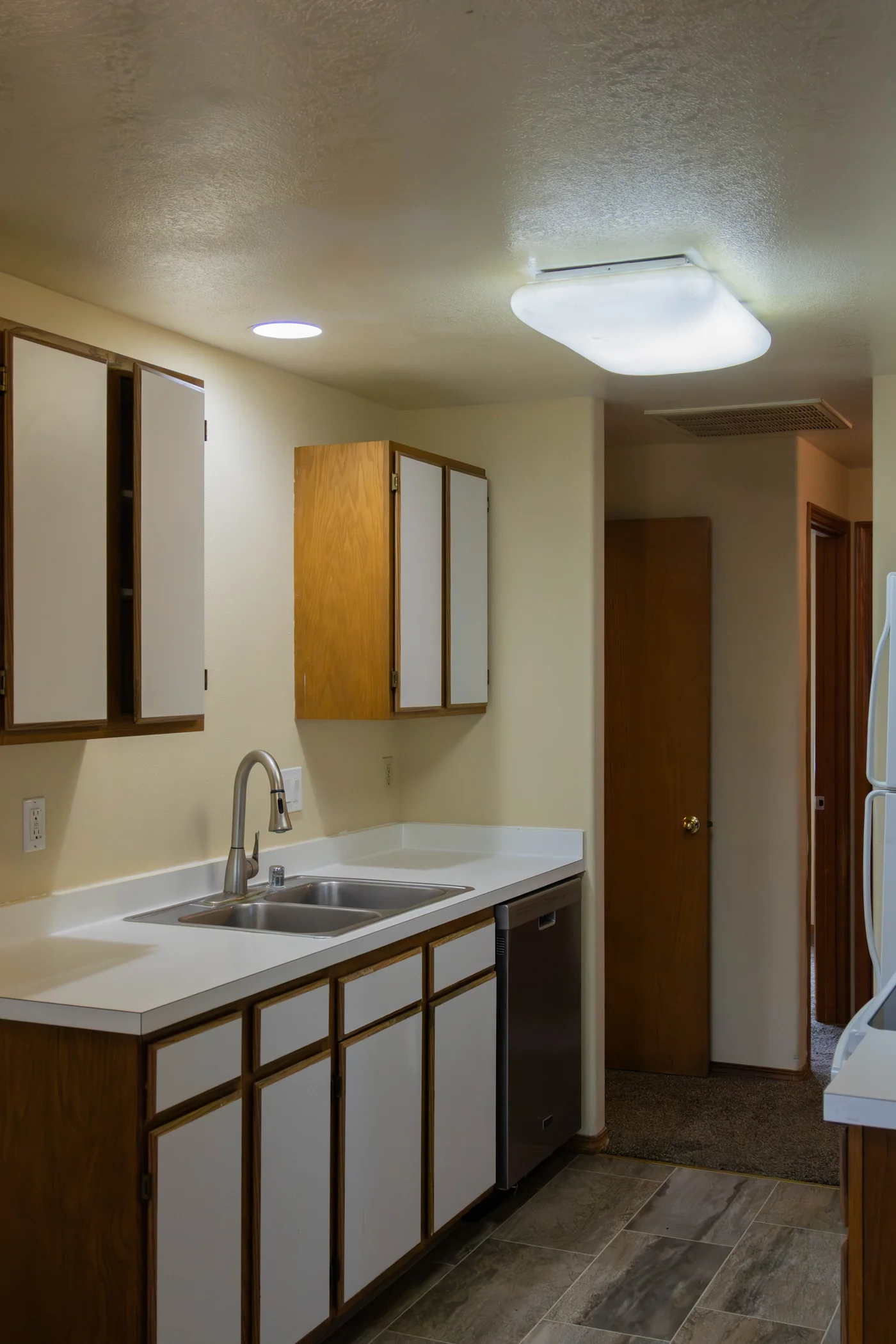
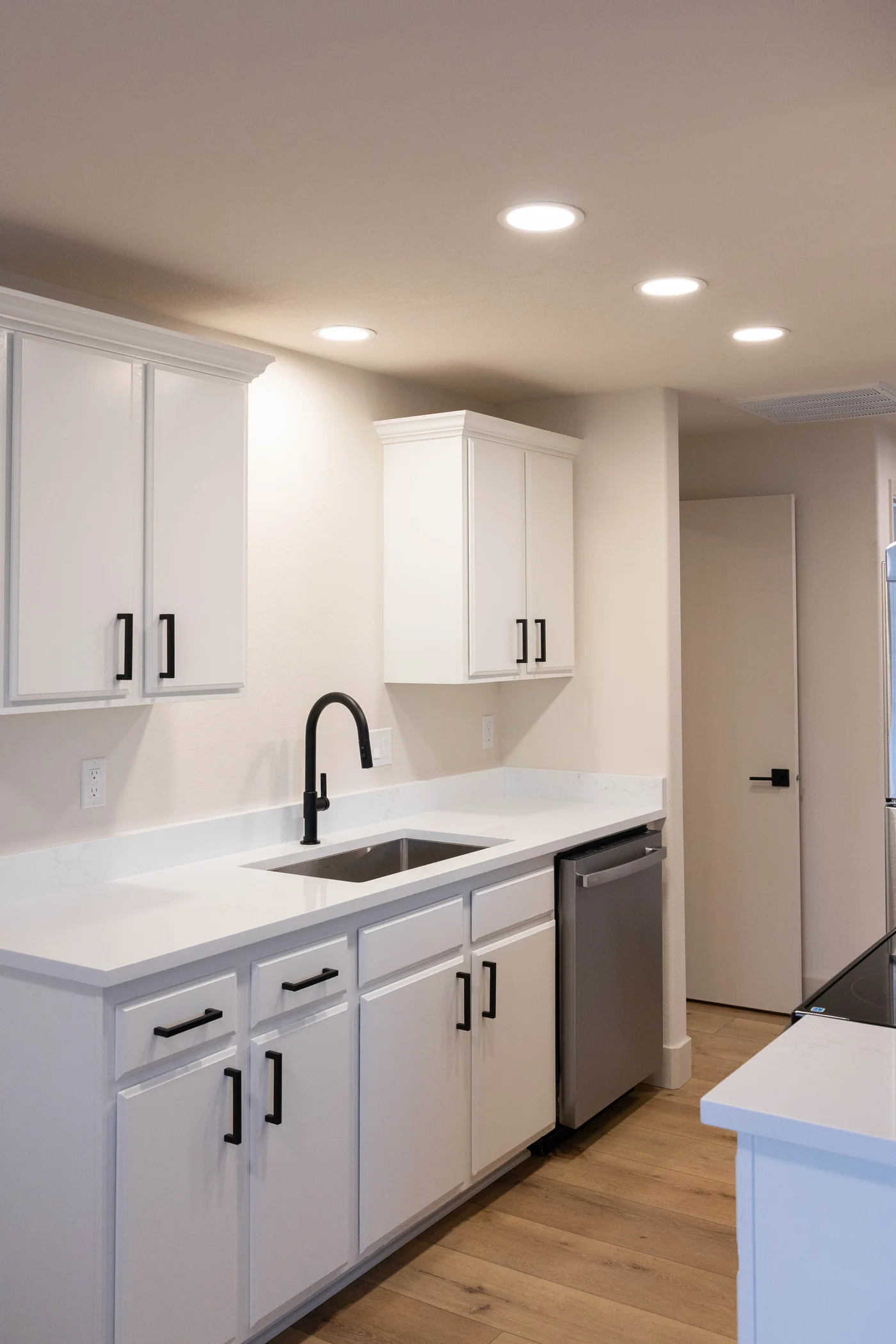
Three real projects, photo-documented for the insurance carrier and backed by our 5-year workmanship warranty. Drag each handle to compare.
“I want to express our sincere gratitude to the Robinson team that quickly moved to identify, rectify, repair, and then clean up the mess left by an itty-bitty hot water leak that went unnoticed because of its location.”
Michael Quinn · Google Review
“Kyla and Jake were super friendly and knowledgeable. Jake was at my house 90 minutes after I called and did a free inspection. I won't need their services this time, but I will definitely call them if I ever have to deal with water damage.”
Carmen Otten · Google Review
“Had a leak in our wall and our plumber recommended Robinson Restoration to handle remediation of the water damage. Christian and Adolfo were awesome. Great communication throughout the setup of the containment area and installation of the equipment to start the drying process.”
Won Lee · Google Review
In Washington, you choose your restoration contractor, and your carrier can’t penalize you for it. We document every Parker loss with moisture maps, photos, and daily readings, then bill your insurer directly. You pay your deductible. That’s it.
Subject to policy coverage and deductible. We handle the paperwork, photos, and adjuster calls.
One call gets a Robinson technician headed to Parker, and the dispatch line is answered 24/7 by someone who can actually send a truck. Crews bring extraction units, air movers, dehumidifiers, and meters for reading subfloors and framing. Homes along the Yakima River sit on ground that holds moisture longer than people expect. We bill the insurance carrier direct and keep your paperwork straight.
Yes. Parker falls under the Yakima Valley coverage our crews run daily, along with Wapato, Union Gap, and the rest of the corridor. Emergency dispatch is staffed around the clock, and our target on an emergency call is on-site in 90 minutes. The truck arrives loaded with extraction and drying equipment so the first visit does real work.
Rising water is excluded from a standard homeowners policy, and that includes river flooding on the Parker bottomland. Coverage for that comes from a separate flood policy. What does often stay covered is a plumbing failure that happened at the same time, which is why we document the source carefully. Either way, the water has to come out and the structure has to be dried before rot and mold set in.
It depends on where the line sits and what the policy calls it. Buried irrigation on an orchard or vineyard is often written as farm equipment rather than household plumbing, and the resulting damage to the structure may be covered while the line itself is not. Around Parker that comes up every season. We photograph the break, the flow path, and the affected structures separately so the adjuster has what the distinction requires.
Growth can begin within about two days on wet organic material at normal room temperature. Parker's summer heat speeds that up, and a damp crawlspace over river-bottom soil gives it a head start. The way to prevent it is speed plus verification: get the water out, remove what can't be dried, and confirm with meters that the framing and subfloor reached dry standard before the equipment leaves.
Regularly. Both are common around Parker and both need a different approach than a modern stick-built house. Manufactured homes hold water in the belly wrap under the floor, which has to be opened and drained. Old farmhouses hide moisture in balloon-framed walls and shallow crawlspaces. Neither dries properly with fans pointed at the carpet, so we open the assemblies and meter the framing itself.
Robinson runs the mitigation and manages the reconstruction through vetted licensed contractors and sister companies. That keeps one team accountable for a Parker project from the first extraction through the last coat of paint, and it keeps the repair scope tied to the moisture documentation instead of starting over. You approve the scope at each stage, and we handle the carrier conversation on both halves.
Standing water only gets more expensive. Call and a Parker crew starts pulling it out.
Licensed · Insured · IICRC Certified · Serving Washington & Oregon