Robinson Restoration is an IICRC-certified water damage restoration company serving Sandy, OR. Crews dispatch 24 hours a day, arrive on-site in 90 minutes or less, document the readings and photos your carrier needs, and bill your insurance directly on covered claims.
Sandy sits where the valley starts climbing toward Mount Hood, which means colder nights, more snow and homes spread across acreage. Robinson Restoration takes calls at any hour, brings extraction and drying equipment on the first trip, and gets water out of the structure before it works into framing and insulation.
Housing here runs from downtown bungalows and postwar cottages to newer subdivisions and, out past the city limits, farmhouses, nurseries and manufactured homes on wells and septic. The Sandy River canyon cuts below town and the ground above it drains steeply. Winter brings the same wet stretches the valley gets, plus enough freezing nights to split an exposed line in an unheated pump house or shop.
Calls route through our staffed dispatch at any hour, and Sandy is on the regular run for crews working the Mount Hood corridor out of Clark County and east Multnomah. Every job starts with documentation: source photos, moisture mapping, a material inventory and daily readings tracked to IICRC S500 drying targets. We bill most carriers directly. Reconstruction is managed through vetted licensed contractors and our sister companies.

Crews already run the Highway 26 corridor daily, so a Sandy emergency gets an assigned technician and an on-site in 90 minutes target.
24 hours a day, 7 days a week, our crews dispatch the moment you call and start mitigation the same visit. Call dispatch or message us for immediate help.
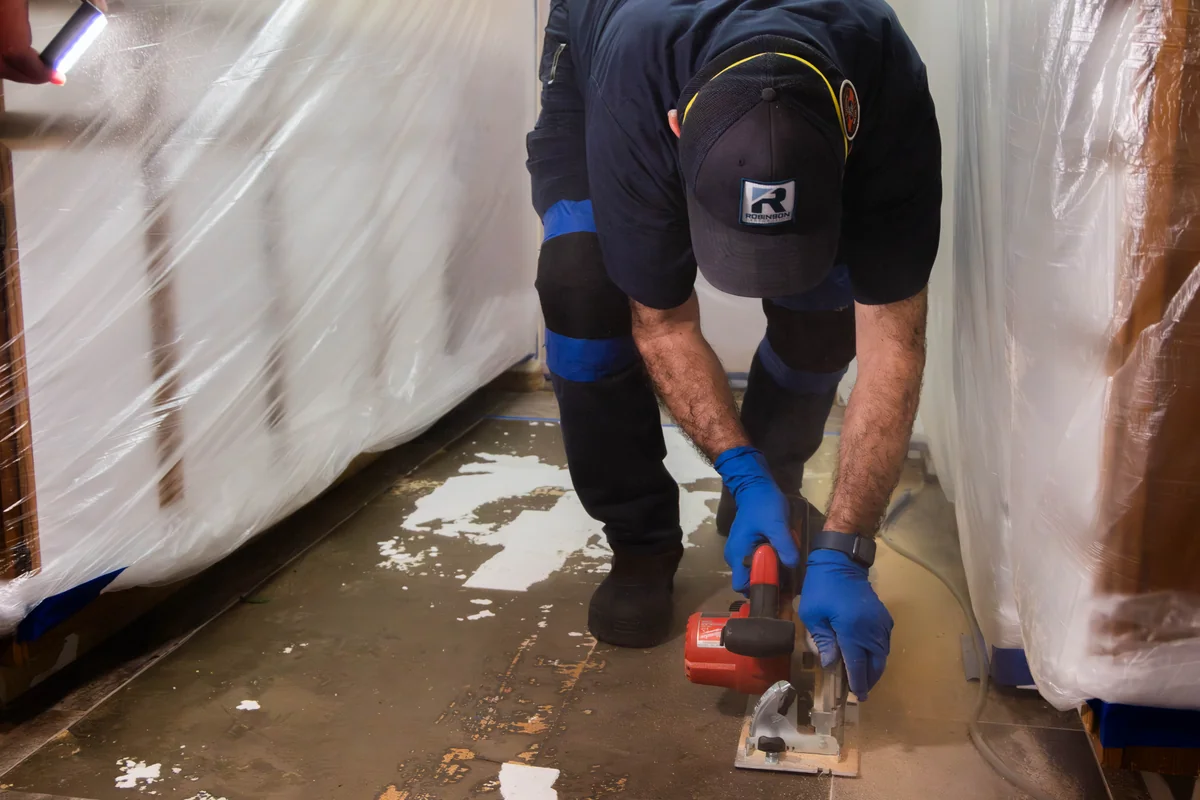
We stop further damage with commercial extraction, structural drying, and antimicrobial treatment, and we walk you through the entire insurance claim as we work.
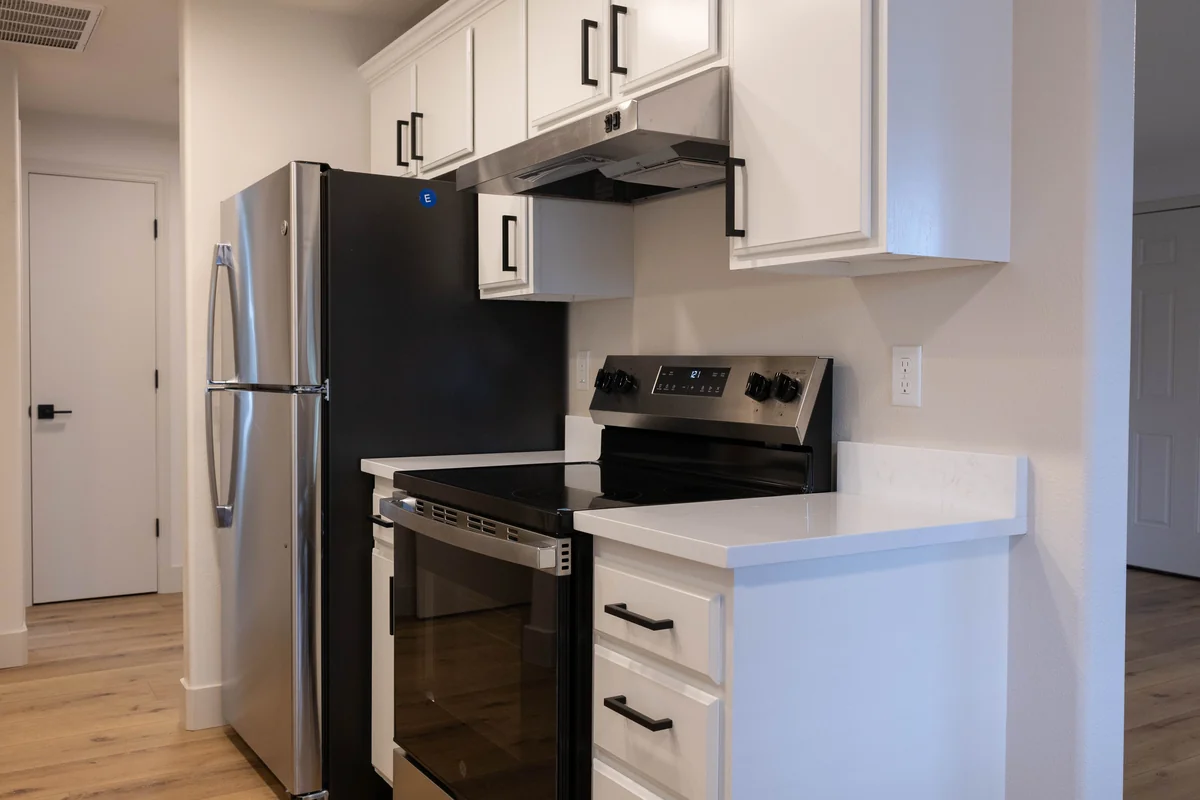
We manage your rebuild to pre-damaged condition through our trusted network of licensed contractors and sister companies. One manager, one timeline.
Plenty of Sandy property sits on a few acres with a well house, a shop and a barn or two. Pressure tanks, hydrants and shop plumbing sit in unheated spaces, and a failure out there can run for days before anyone walks over. We treat outbuilding losses with the same documentation as the house, since carriers ask about both.
Sandy catches snow the valley floor misses, and the freeze-thaw cycle that follows is hard on plumbing and roofs alike. Ice builds at the eaves, meltwater backs up under shingles, and water finds its way into the attic insulation. We check attics after every winter roof event because that is where the damage hides longest.
The blocks near downtown hold bungalows and mid-century cottages with basements, tight crawlspaces and plumbing that has been patched more than once. Old cast iron drains crack at the hub, and the leak shows up as a musty crawlspace long before a ceiling stains. Thermal imaging and probe readings tell us where to open and where to leave alone.
Rural addresses around Sandy come with gravel drives, gates and steep approaches that turn slick in winter. That affects how we stage equipment and where the truck parks, and it is worth mentioning on the call so we bring the right setup. Power is another one. If the loss knocked out a circuit, we plan generator capacity before we roll.
Most of the losses we run in Sandy start one of three ways: frozen and split pipes, roof and storm leaks, and sewage backups. Here is why each one happens here, and what it takes to dry it properly.
Well houses, unheated shops and crawlspace lines above the snow line split when a cold front settles in. Most of these run unnoticed until a pressure drop or a soaked floor gives it away.
Snow load and ice at the eaves force meltwater backward under shingles. Older roofs with shallow pitch and heavy fir needle buildup in the valleys are the ones that give up first.
Septic systems on saturated ground back up into the lowest fixture in the house. Winter groundwater keeps drainfields from accepting flow, and the result is contaminated water on a finished floor.
Water is how most losses start. It’s rarely where they end. The same local crew handles all of it.
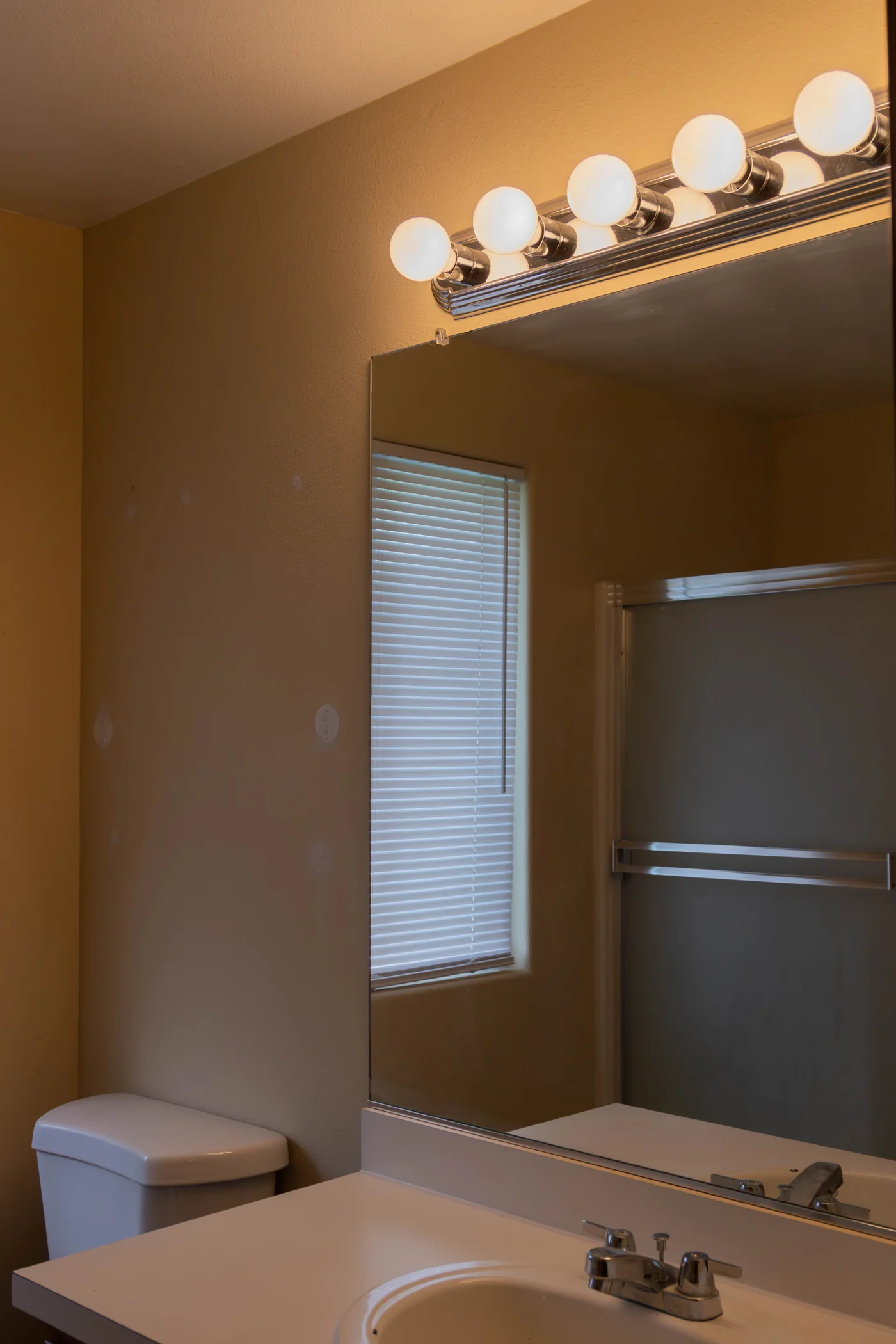
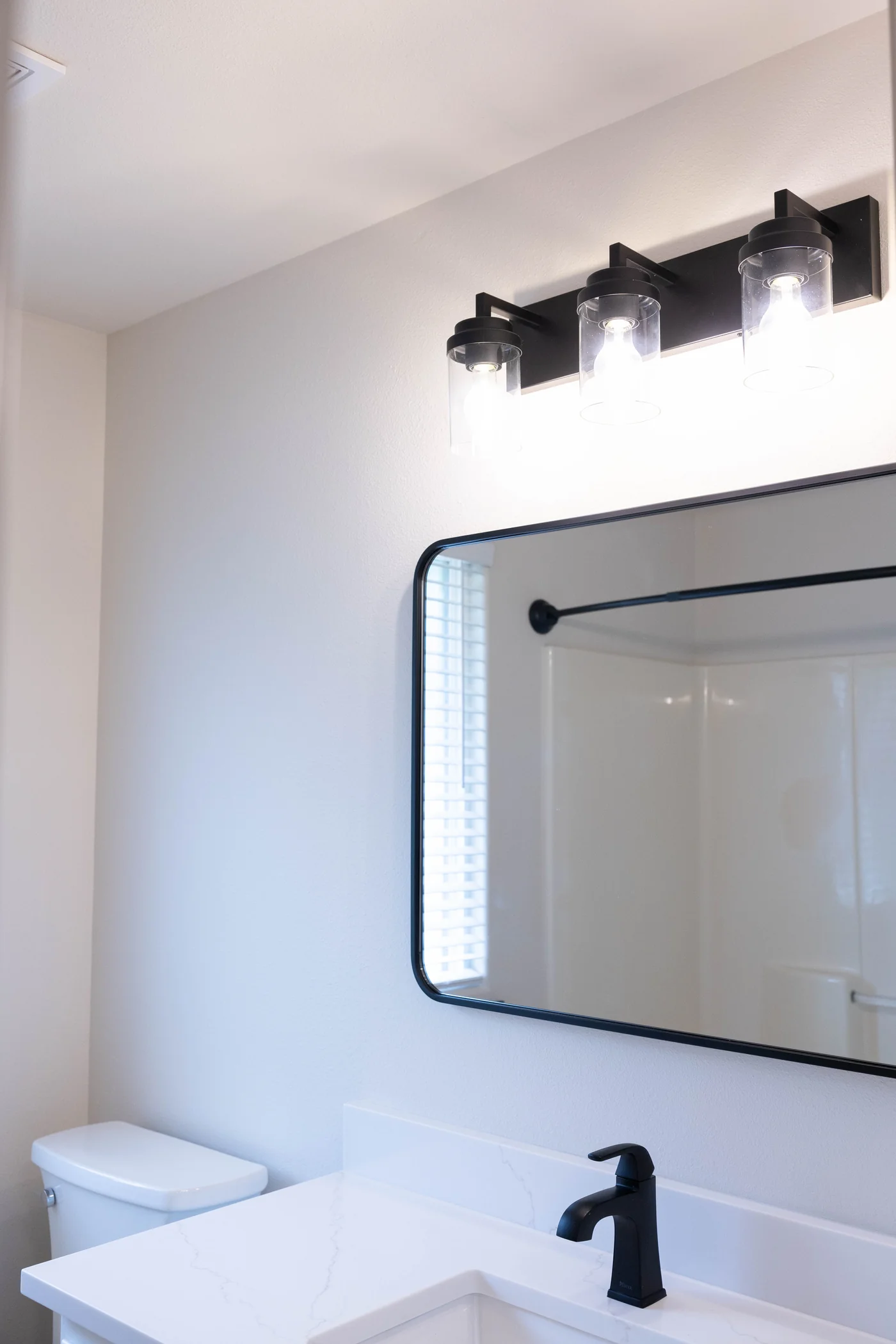
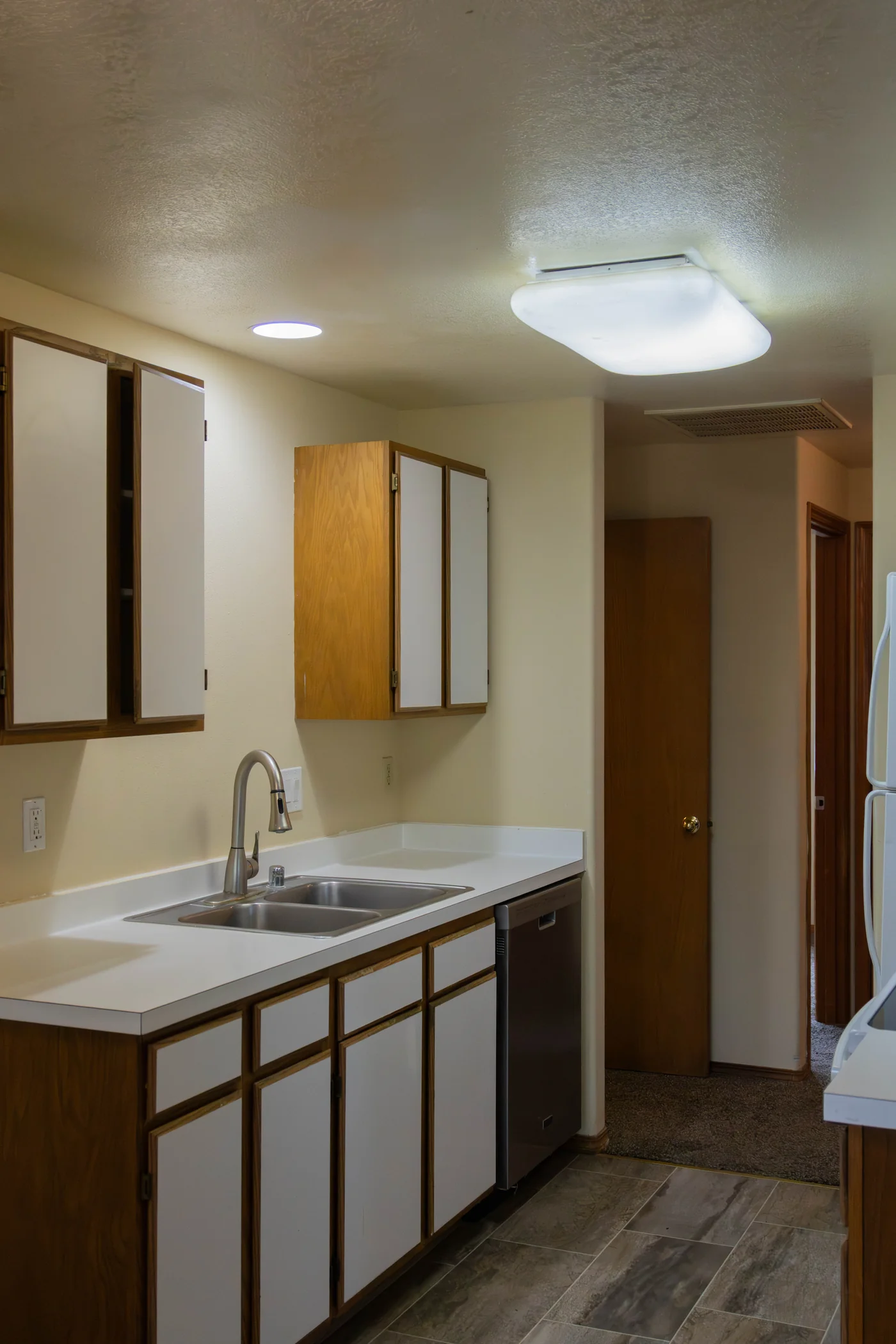
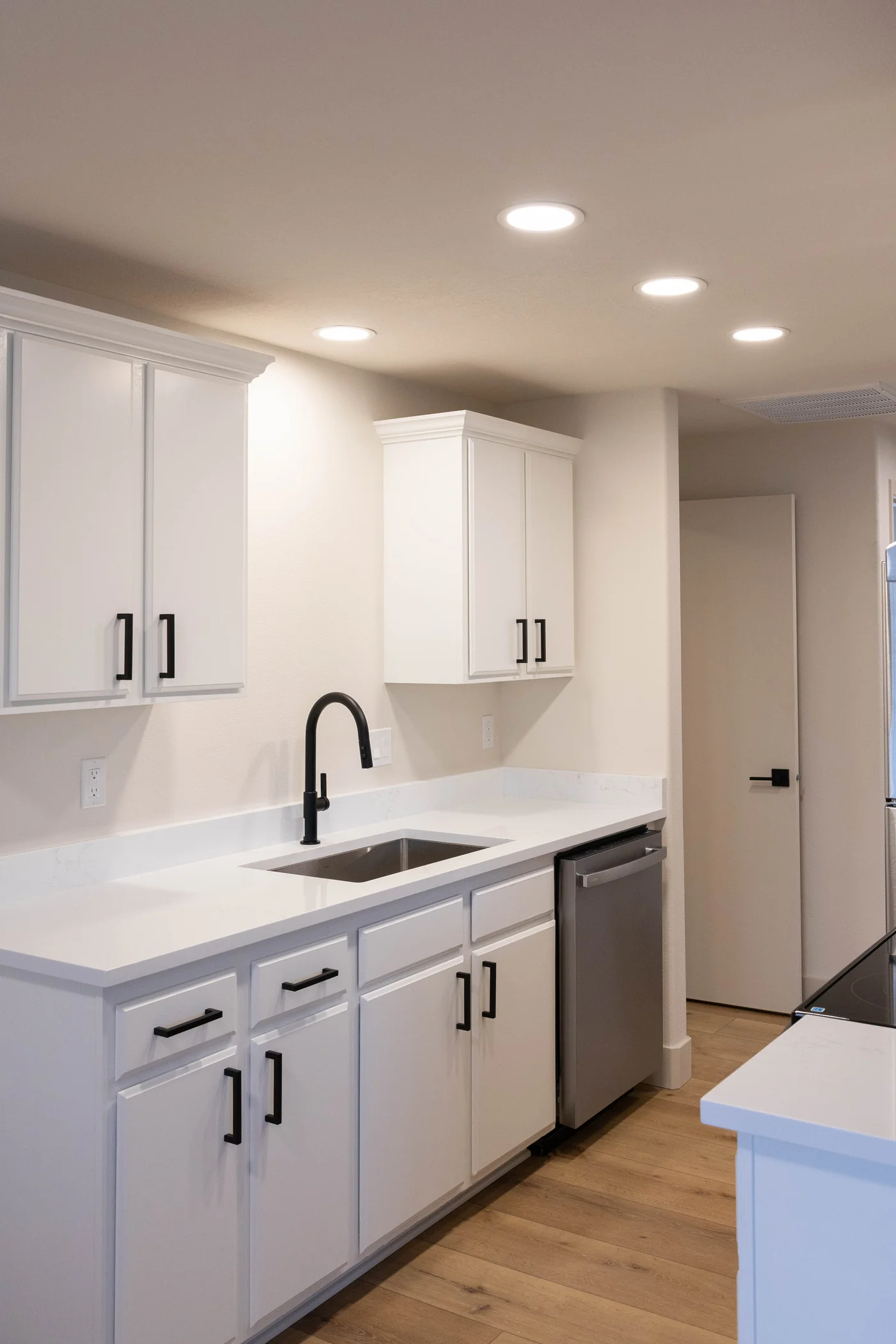
Three real projects, photo-documented for the insurance carrier. Drag each handle to compare.
“We've had the bittersweet opportunity to have Robinson in our lives twice now. First, for a major 3,000 sq ft mold remediation of our crawl space. Then last week, we had an unfortunate flood. I don't know what we would have done without them.”
T Marie C · Google Review
“Chuck and Cole were very professional, courteous and knowledgeable about their restoration skills including close out processes. I'm really happy they were the two employees assigned to our home.”
Joanna Gamble · Google Review
“We hired Robinson Restoration after a boiler joint failed and leaked what we thought was a small amount of water in our laundry room, but turned out to be more serious than it appeared. They did a fantastic job from first contact to insurance claim approval.”
Randi Covin · Google Review
In Oregon, you choose your restoration contractor, and your carrier can’t penalize you for it. We document every Sandy loss with moisture maps, photos, and daily readings, then bill your insurer directly. You pay your deductible. That’s it.
Subject to policy coverage and deductible. We handle the paperwork, photos, and adjuster calls.
What matters at 2 a.m. is whether anyone picks up the phone. Ours is staffed around the clock, a technician gets assigned to your Sandy address on that call, and the truck rolls with extraction units, air movers, dehumidifiers and moisture meters already loaded. We bill most carriers directly, so work starts before the claim is resolved.
It changes several things. With no municipal shutoff, we isolate at the pressure tank or the well head. Septic backups are treated as category three from the start, which means containment, removal of porous materials, antimicrobial treatment and proper disposal. We also look at whether the drainfield is the underlying problem, because drying the house does nothing if the system keeps backing up.
Sudden roof leaks from ice damming are commonly covered, while long-term deterioration usually is not. Carriers look closely at that distinction. We photograph the entry point, take moisture readings in the attic and ceiling assembly, and describe the failure in terms an adjuster can evaluate. If the roof itself needs work, we coordinate that repair through licensed contractors after the structure is dry.
Yes. Much of our work in this area is on rural addresses toward Boring, Cottrell, Dover and up the Highway 26 corridor. Long driveways, gates and gravel approaches are normal for us. Mention access conditions when you call, especially in winter, and we will bring the right equipment and plan the staging before the truck leaves.
A technician confirms the source is stopped, checks for electrical hazards, maps the moisture with meters and thermal imaging, and photographs everything. Then extraction starts and drying equipment goes in, sized to the affected area. You get a scope, an explanation of what stays and what goes, and a realistic timeline. Nothing gets demolished before you understand why it needs to come out.
We manage it. Robinson performs the mitigation work and then coordinates reconstruction through vetted licensed contractors and our sister companies, covering drywall, flooring, trim, cabinets and paint. Handling both sides means the repair estimate matches the mitigation documentation, which usually keeps the claim moving. You deal with one project contact rather than lining up trades yourself.
Somewhat. Manufactured homes have thinner wall cavities, belly wrap under the floor and different insulation systems, so water behaves differently and standard drying setups need adjusting. Water trapped in the belly board will not dry on its own. We open and dry that assembly properly rather than treating it like stick framing, and we document the construction type for the carrier.
Water moves through a house fast. Call now and we will start extraction today.
Licensed · Insured · IICRC Certified · Serving Washington & Oregon