Robinson Restoration is an IICRC-certified water damage restoration company serving Snohomish, WA. Crews dispatch 24 hours a day, arrive on-site in 90 minutes or less, document the readings and photos your carrier needs, and bill your insurance directly on covered claims.
The valley floor holds water long after the rain quits, and the hill above downtown is stacked with Victorians that have been re-plumbed piece by piece for a century. Snohomish gets both problems. Call at any hour and a certified crew is dispatched with extraction equipment and a documented plan for your carrier.
Two rivers meet here, and the farmland north and west of town sits on floodplain that has been going under every few winters for as long as anyone has kept records. Up the hill, the old residential streets carry 1890s and early 1900s houses over dirt or shallow basements, with additions from every decade since. Newer subdivisions ring the edges. Valley fog keeps humidity high well into spring, which slows anything trying to dry on its own.
Dispatch answers 24/7, and our Kent crews cover the Snohomish River valley with trucks loaded before they leave the yard. Documentation is the part most people don't think about until a claim gets questioned: we map moisture before demo, log readings daily, and photograph every affected assembly to IICRC S500. Your carrier is billed directly. Reconstruction, when a loss goes that far, is managed through vetted licensed contractors and our sister companies.

High water and hard freezes both bring a wave of Snohomish calls at once, so we staff and stage equipment for those nights.
24 hours a day, 7 days a week, our crews dispatch the moment you call and start mitigation the same visit. Call dispatch or message us for immediate help.
We stop further damage with commercial extraction, structural drying, and antimicrobial treatment, and we walk you through the entire insurance claim as we work.
We manage your rebuild to pre-damaged condition through our trusted network of licensed contractors and sister companies. One manager, one timeline.
The flats along the river carry farms, shops, and houses built with high water in mind, though the water doesn't always respect the plan. Fields hold standing water for days after a storm, and the shallow water table pushes into crawlspaces and slab-on-grade outbuildings. Drying a structure on the valley floor means dealing with the ground under it as much as the finishes inside.
The old residential blocks were built when plumbing ran wherever it fit, and a century of remodels layered copper over galvanized over whatever came before. Water inside a balloon-framed wall drops straight to the sill without hitting a fire block, so a second-floor bathroom leak can wet framing all the way to the foundation before a single stain appears.
Dairy and hay ground still works this valley, and those operations run on buildings a homeowners policy never contemplated. Milk house plumbing, frost-free hydrants, shop slabs, and equipment storage all fail in their own ways. We document each structure separately, because farm policies split coverage by building and a lumped-together estimate slows the whole claim down.
First Street's brick and timber buildings sit on basements dug when the river ran differently and the drainage was simpler. Those spaces stay damp by default, and a supply failure upstairs or a plugged storm line puts water into stock, storage, and mechanical equipment. Business losses need documentation for the structure and the contents, plus a drying plan that keeps the doors open.
Most of the losses we run in Snohomish start one of three ways: flooding and groundwater, burst and leaking pipes, and water heater failures. Here is why each one happens here, and what it takes to dry it properly.
The valley floor takes high water most winters, and the shallow water table under it rises before the river ever crosses a road. Crawlspaces, shop floors, and lower levels fill from below rather than from the door.
Century-old houses on the hill still hide galvanized runs and unprotected pipe inside exterior walls. A cold week splits them, and balloon framing gives the water an open path all the way down to the sill plate.
Older homes here often keep the water heater in a basement corner or an unheated utility room with no pan under it. When the tank finally rusts through, it empties across finished floor without any warning.
Water is how most losses start. It’s rarely where they end. The same local crew handles all of it.
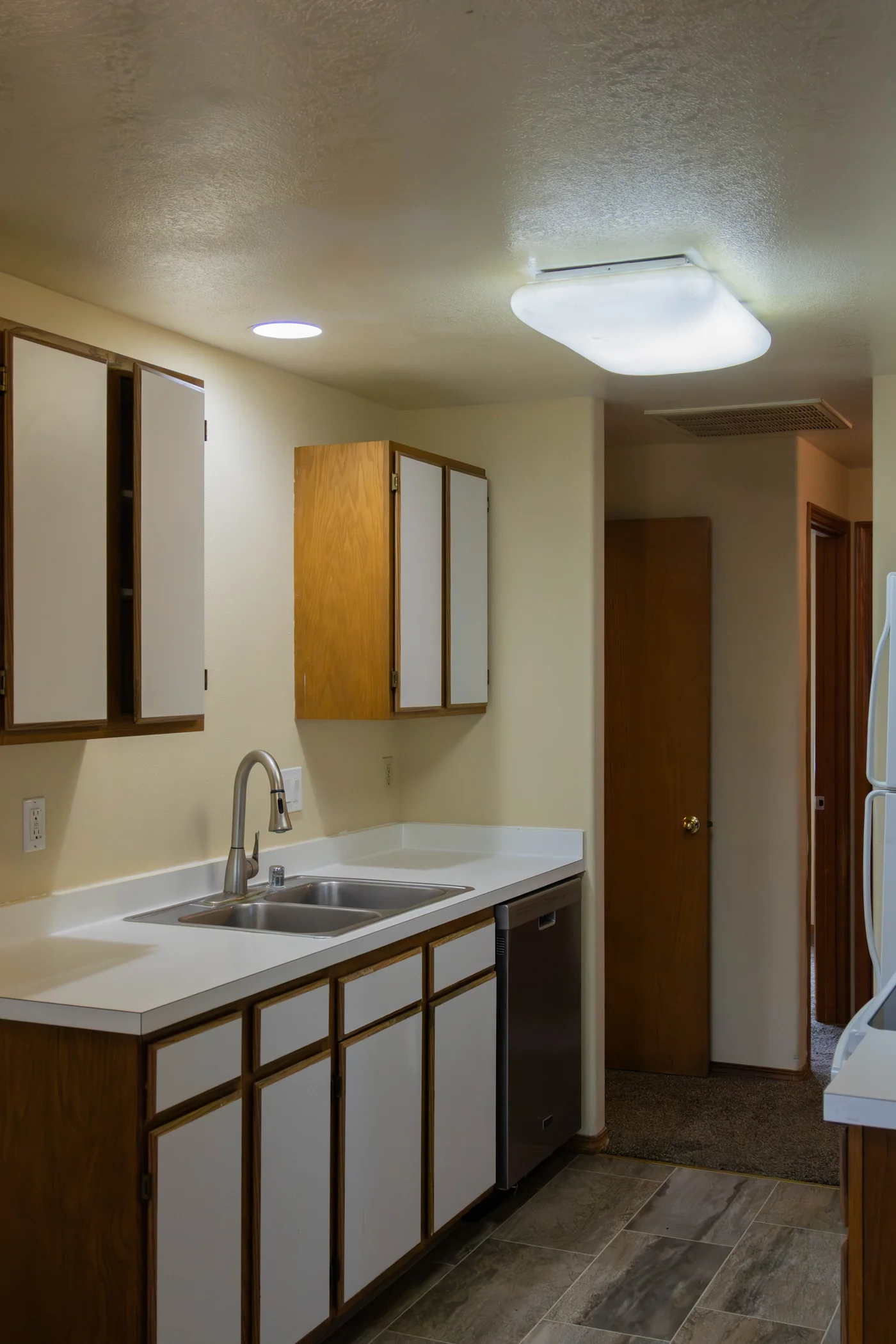
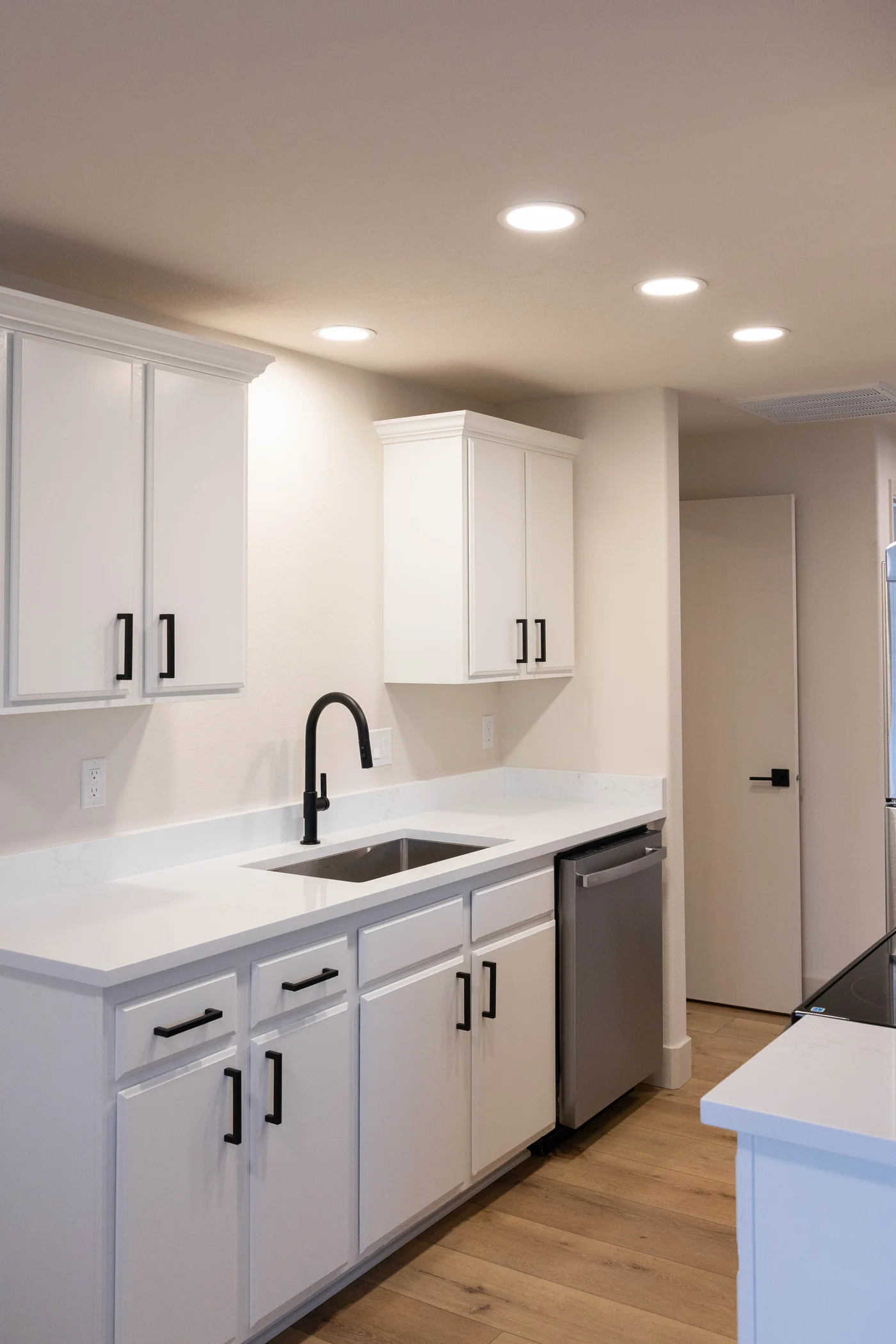
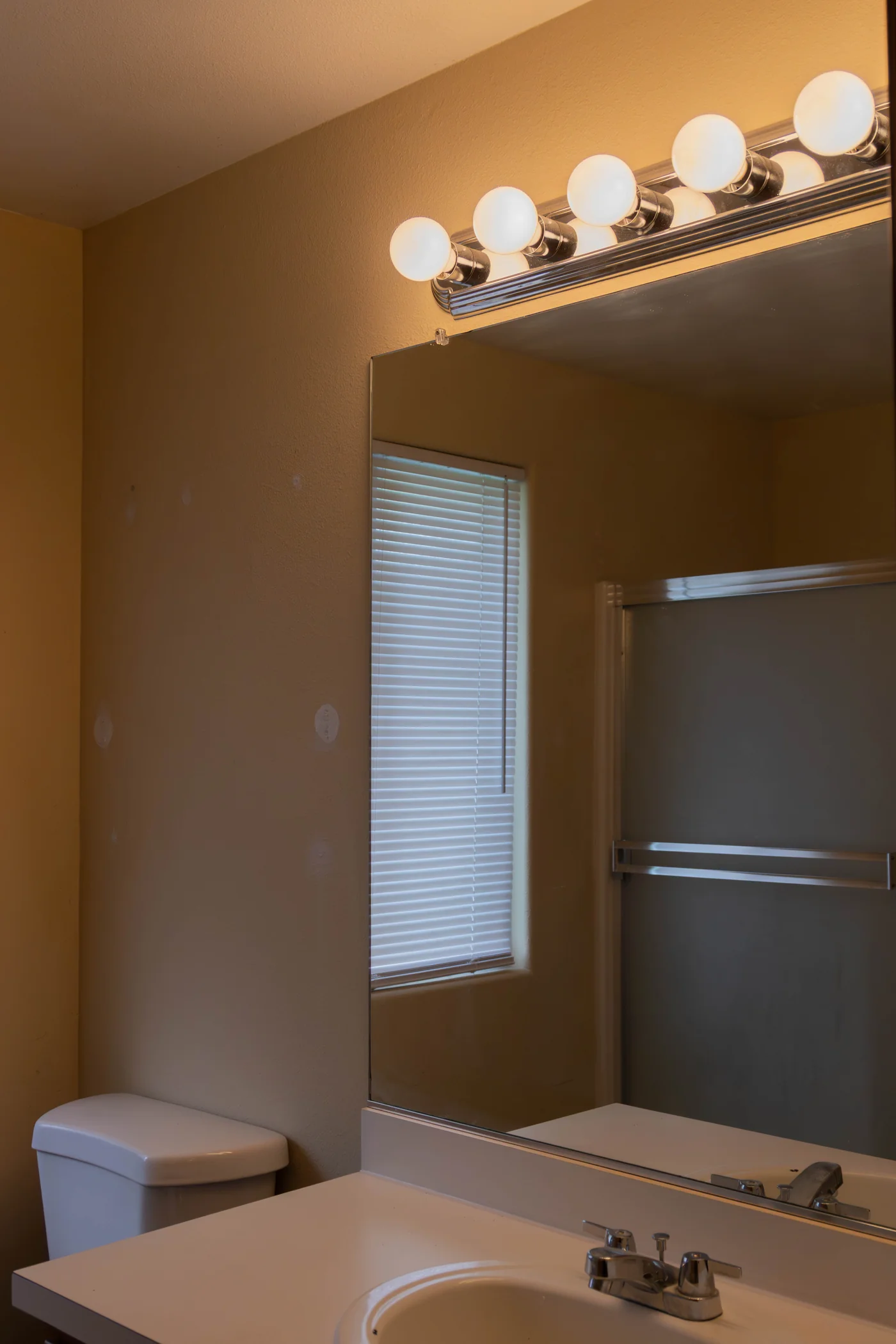
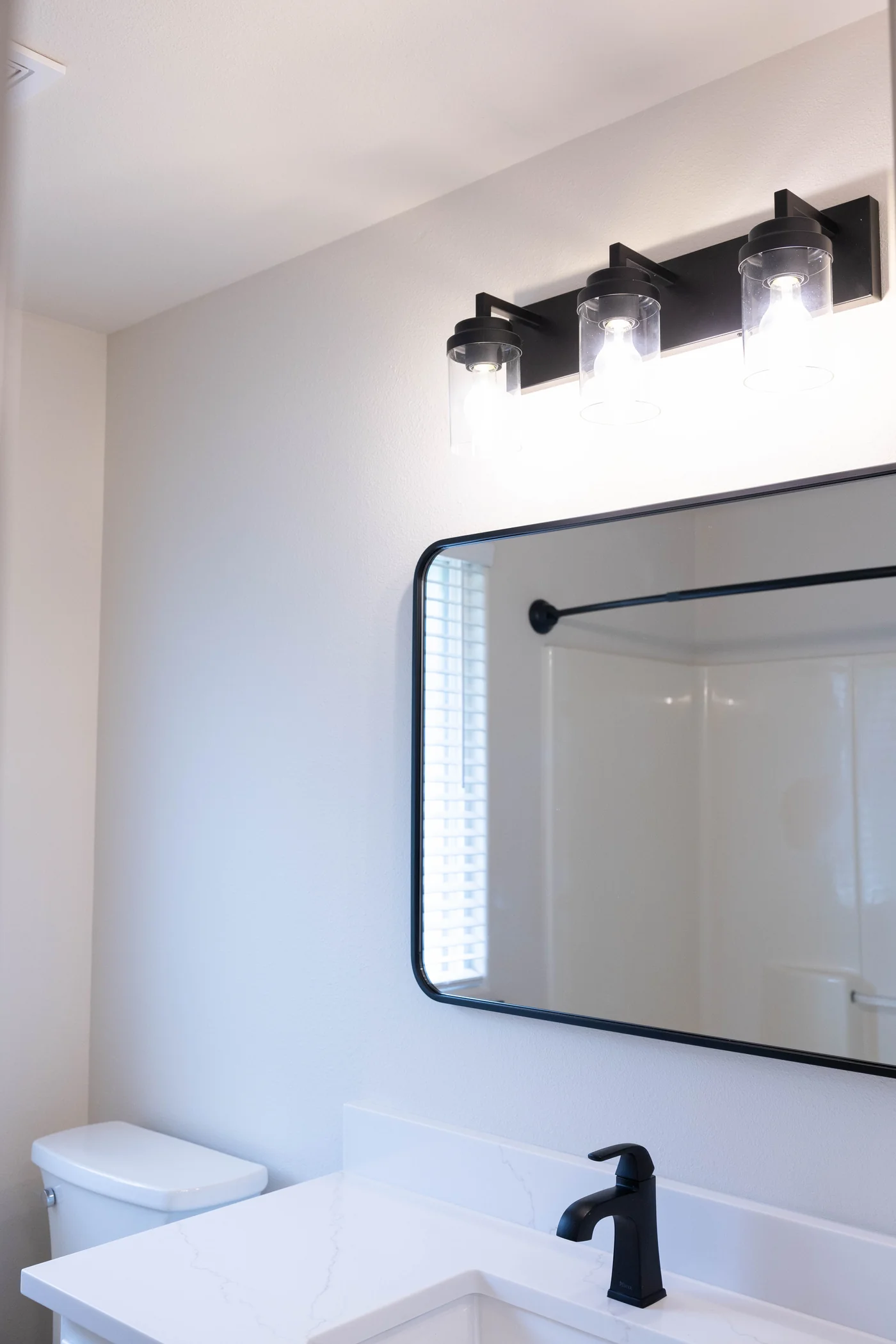
Three real projects, photo-documented for the insurance carrier and backed by our 5-year workmanship warranty. Drag each handle to compare.
“Kyla and Jake were super friendly and knowledgeable. Jake was at my house 90 minutes after I called and did a free inspection. I won't need their services this time, but I will definitely call them if I ever have to deal with water damage.”
Carmen Otten · Google Review
“Had a leak in our wall and our plumber recommended Robinson Restoration to handle remediation of the water damage. Christian and Adolfo were awesome. Great communication throughout the setup of the containment area and installation of the equipment to start the drying process.”
Won Lee · Google Review
“We recently had an unfortunate plumbing issue that led to some significant flooding issues. On the recommendation of our plumber we reached out to Robinson Restoration to help us with drying out our house and getting it ready to be put back together.”
Don Warner · Google Review
In Washington, you choose your restoration contractor, and your carrier can’t penalize you for it. We document every Snohomish loss with moisture maps, photos, and daily readings, then bill your insurer directly. You pay your deductible. That’s it.
Subject to policy coverage and deductible. We handle the paperwork, photos, and adjuster calls.
Older homes along the river valley come with basements, and basements are where water ends up. Robinson Restoration has crews covering Snohomish and answers emergency calls at all hours. Techs arrive with truck-mounted extraction, air movers, dehumidifiers and meters to check how far moisture has traveled. Insurance gets billed directly, so the conversation stays about drying the house instead of paperwork.
Usually not. Damage from a river or from surface water is excluded on standard policies, and separate flood coverage is what responds. That's worth knowing before the season starts if you're anywhere on the Snohomish valley floor. A plumbing failure during the same storm is a different story, so we identify and document the actual source instead of assuming the river did it.
Slowly, and with more monitoring. Old-growth fir trim, plaster, and single-plank subfloor can often be saved when the drying is controlled instead of aggressive. We set containment, dry the cavity behind the finish where access allows, and take readings at multiple depths. On Snohomish Victorians we'd rather run equipment two extra days than pull trim nobody can replace.
Yes. Outbuilding losses are a regular part of the work in this valley, and they need different equipment than a living room. Slab floors, open framing, stored hay, and no interior finish change the approach entirely. We separate structure damage from contents damage in the file, which matters because farm coverage on Snohomish properties is often written building by building.
Same day, and preferably the same hour. Microbial growth can start within about 48 hours, and valley humidity keeps indoor air on the wrong side of that line for much of the year. Extraction that happens immediately usually saves flooring and drywall that would otherwise be removed. Dispatch runs 24/7, so waiting for morning buys you nothing.
We bill your carrier directly on most Snohomish jobs, so the deductible is your part of it. The file goes over with daily moisture readings, equipment logs, and photos of every affected assembly in the format adjusters work in. If a line item gets pushed back on, we handle that conversation. Homeowners shouldn't have to defend drying standards they never had a reason to learn.
Reconstruction is managed through vetted licensed contractors and our sister companies, and on older Snohomish homes we look for people who have worked with period material before. Mitigation comes first: extraction, controlled demo, and drying to IICRC standards with a documented file. That same scope carries into the rebuild, so what gets replaced matches what the drying record shows was damaged.
Damp valley air keeps a wet house wet. Call now and a Snohomish crew starts extraction today.
Licensed · Insured · IICRC Certified · Serving Washington & Oregon