Robinson Restoration is an IICRC-certified water damage restoration company serving Wallula, WA. Crews dispatch 24 hours a day, arrive on-site in 90 minutes or less, document the readings and photos your carrier needs, and bill your insurance directly on covered claims.
Out at the confluence, an emergency can feel isolating. Robinson Restoration takes Wallula calls at any hour, and a crew arrives with extraction units, generators, and drying equipment on the truck, ready to work a property that may sit on a well with the nearest hydrant nowhere in sight.
The Walla Walla River meets the Columbia here, and the wind funnels through the gap almost daily. Homes are scattered rather than clustered: farmsteads, manufactured homes on acreage, and older frame houses on long gravel driveways. Most run on wells and septic. Rainfall barely registers most of the year, so the water that damages a house here comes from a pipe, an irrigation line, or high water sitting against a foundation.
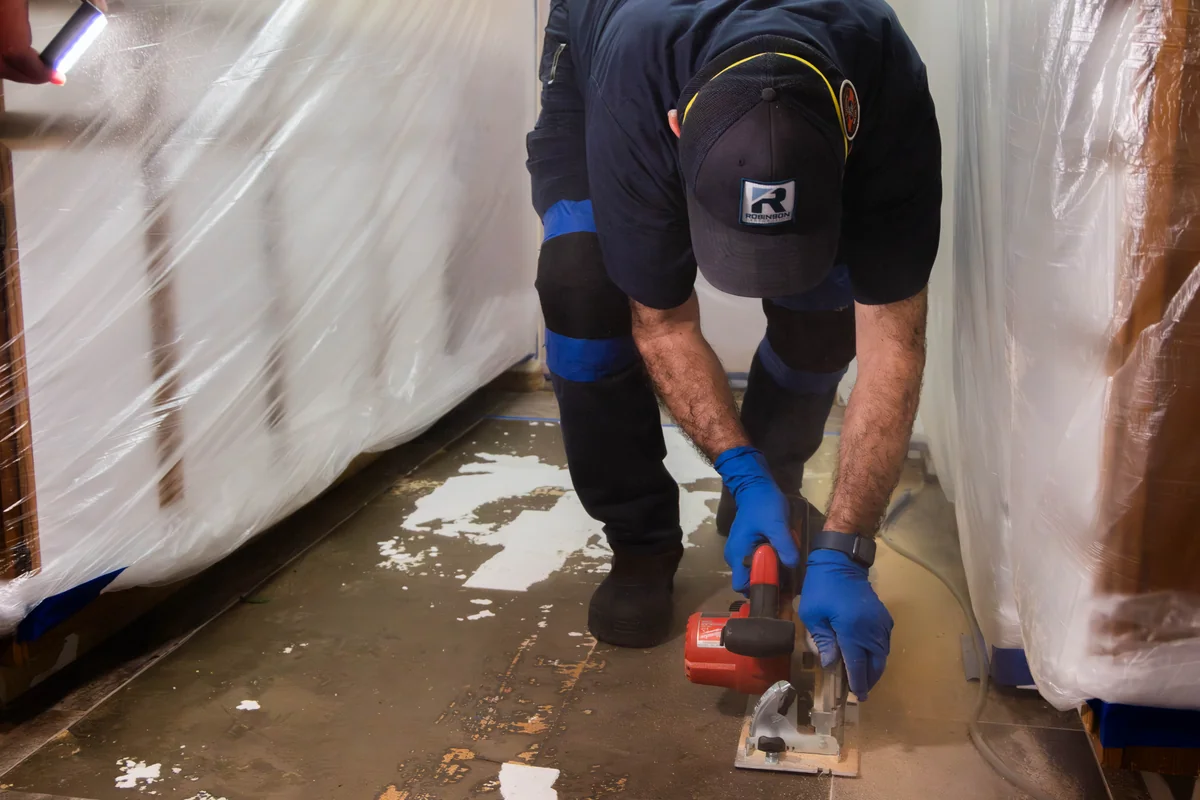
Our Tri Cities crews cover Wallula around the clock and can be on-site in 90 minutes on emergency calls. We show up self-sufficient, which matters on rural property where power may be out and the water source is a pump. Work follows IICRC S500 standards, with moisture mapping, daily readings, and photo documentation, and we bill your insurance carrier directly.

Rural property needs crews that arrive self-contained, so ours carry power, extraction, and drying equipment rather than counting on what is already on-site.
24 hours a day, 7 days a week, our crews dispatch the moment you call and start mitigation the same visit. Call dispatch or message us for immediate help.
We stop further damage with commercial extraction, structural drying, and antimicrobial treatment, and we walk you through the entire insurance claim as we work.
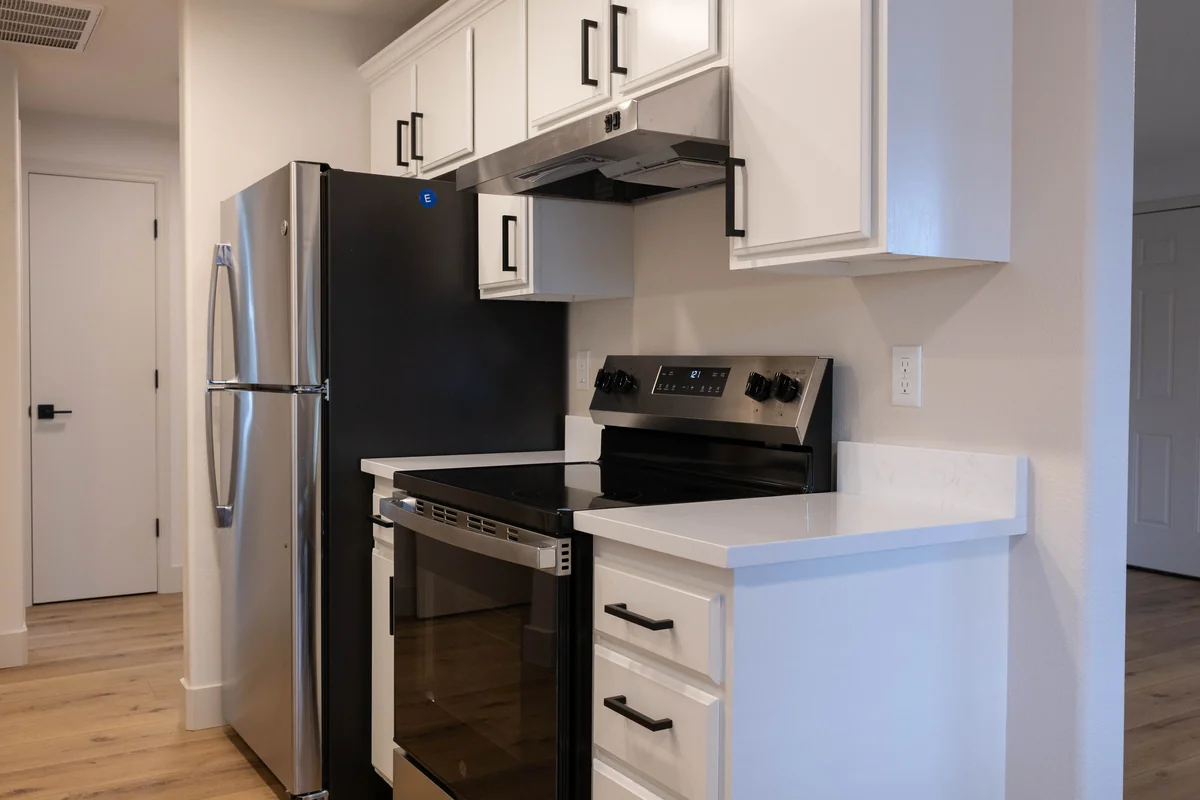
We manage your rebuild to pre-damaged condition through our trusted network of licensed contractors and sister companies. One manager, one timeline.
Few places in the state get worked over by wind the way this stretch of river does. Constant pressure loosens roof flashing, lifts shingle edges, and drives grit into every sealed joint on a building. Metal roofs on shops and outbuildings back out fasteners over time. When rain finally does arrive, it goes sideways into openings that opened up months earlier.
Property near the river sits on ground where the water table is closer than most owners realize. High water on the Columbia and heavy irrigation on neighboring fields both push groundwater up. Slab edges and crawlspace vents that stay dry for years can take on water in a single wet stretch, and a crawlspace holding standing water will feed moisture into the floor system for months.
Shops, wellhouses, pump sheds, and equipment barns sit unheated all winter on most properties out here. They freeze first and they fail unnoticed, sometimes running for days before anyone opens the door. A wellhouse break can also take the home's water supply down with it, so shutting off the pump breaker is often the fastest way to stop the flow.
The mill and processing plants along the river run continuously, and the workforce lives across a wide stretch of the basin. Commercial and light industrial losses out here need crews that can work around shift schedules and set containment without shutting a line down. We document to commercial carrier standards and prioritize the assemblies that would otherwise stop production.
Most of the losses we run in Wallula start one of three ways: burst and leaking pipes, flooding and groundwater, and appliance failures. Here is why each one happens here, and what it takes to dry it properly.
Unheated wellhouses, pump sheds, and shop bathrooms carry exposed supply lines through hard winter cold. A split fitting can run for days on a property where nobody checks the outbuildings until spring.
High water at the confluence and heavy field irrigation both raise the water table. Crawlspaces take on standing water, and a wet crawl feeds moisture up into the floor system long after the surface dries.
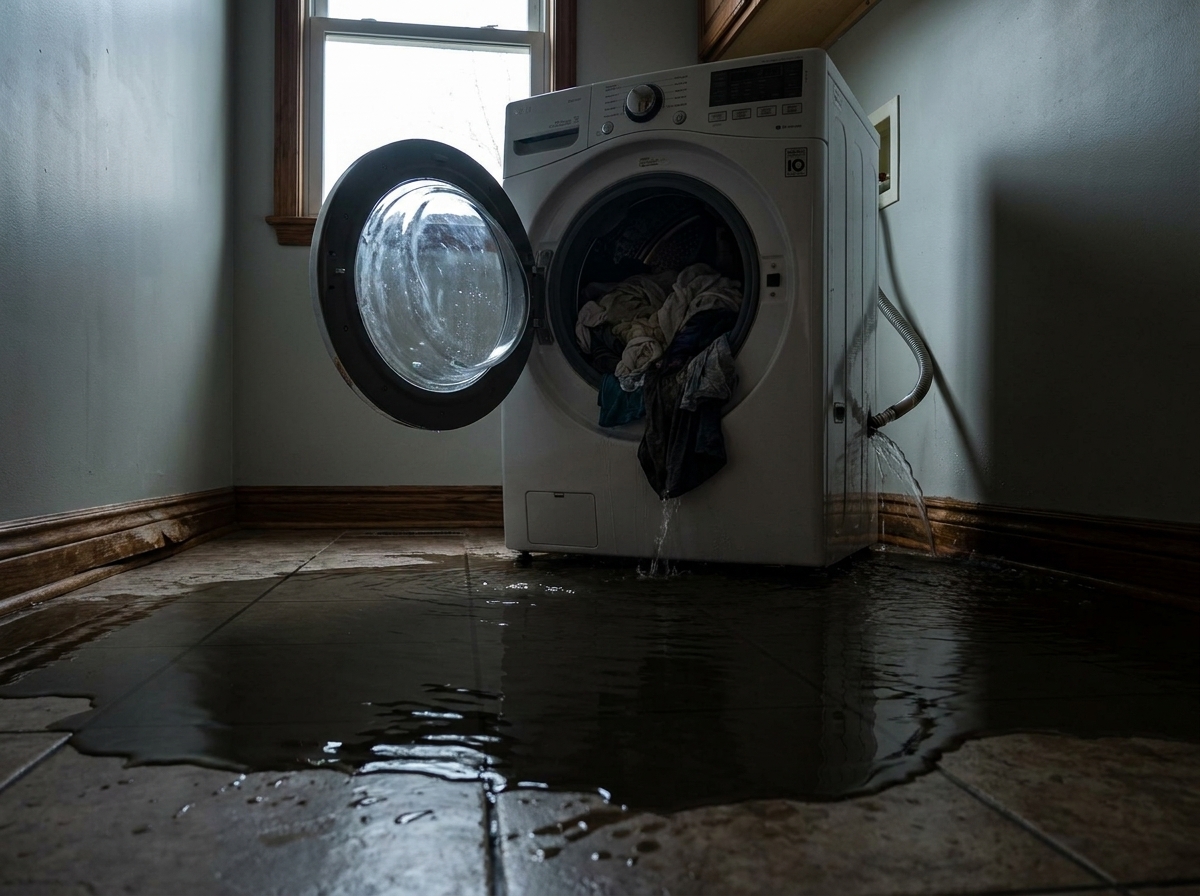
On acreage the house is often empty during working hours, so a failed washer hose or water heater fitting runs unattended. What would be a small loss in town becomes a whole-floor loss out here.
Water is how most losses start. It’s rarely where they end. The same local crew handles all of it.
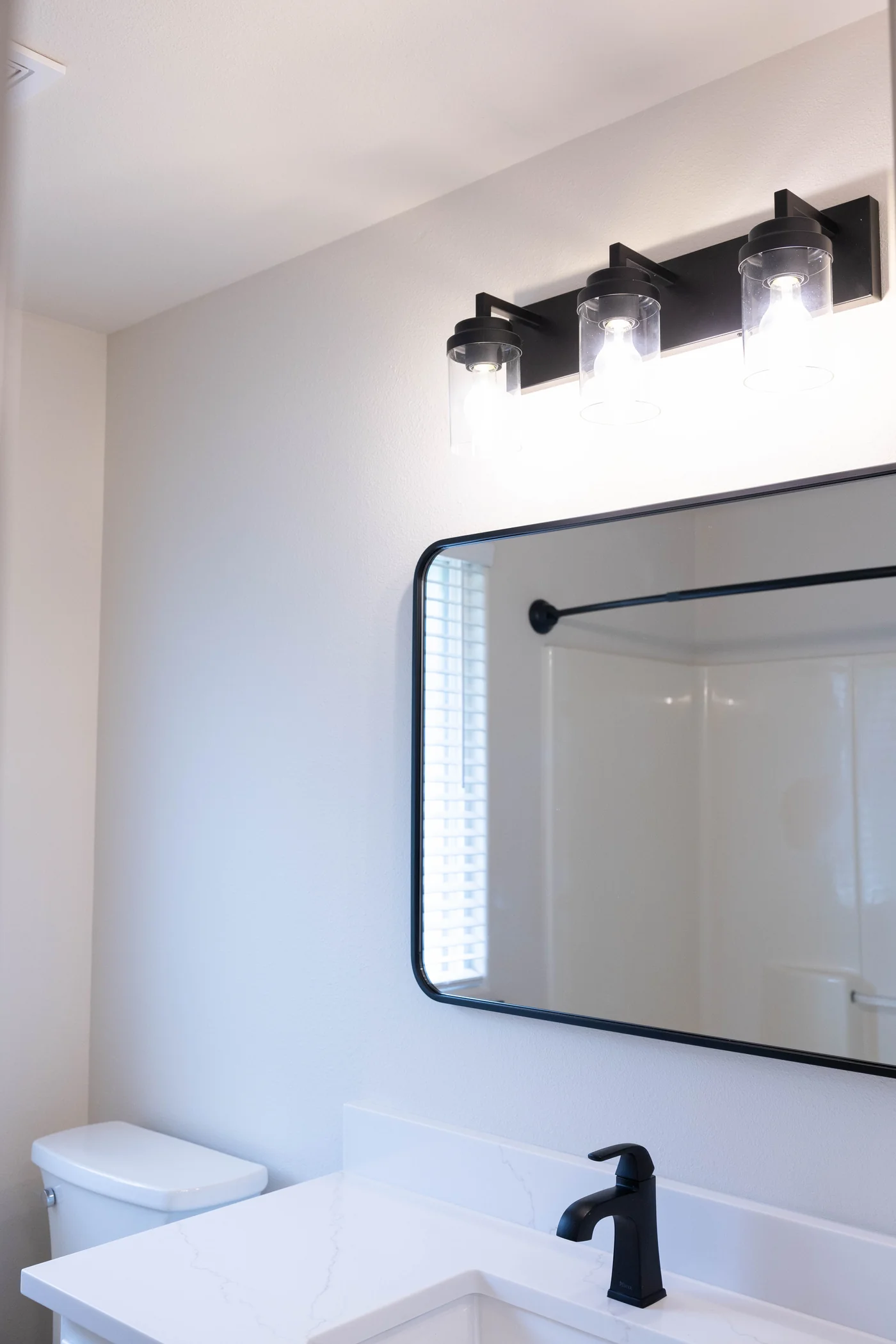
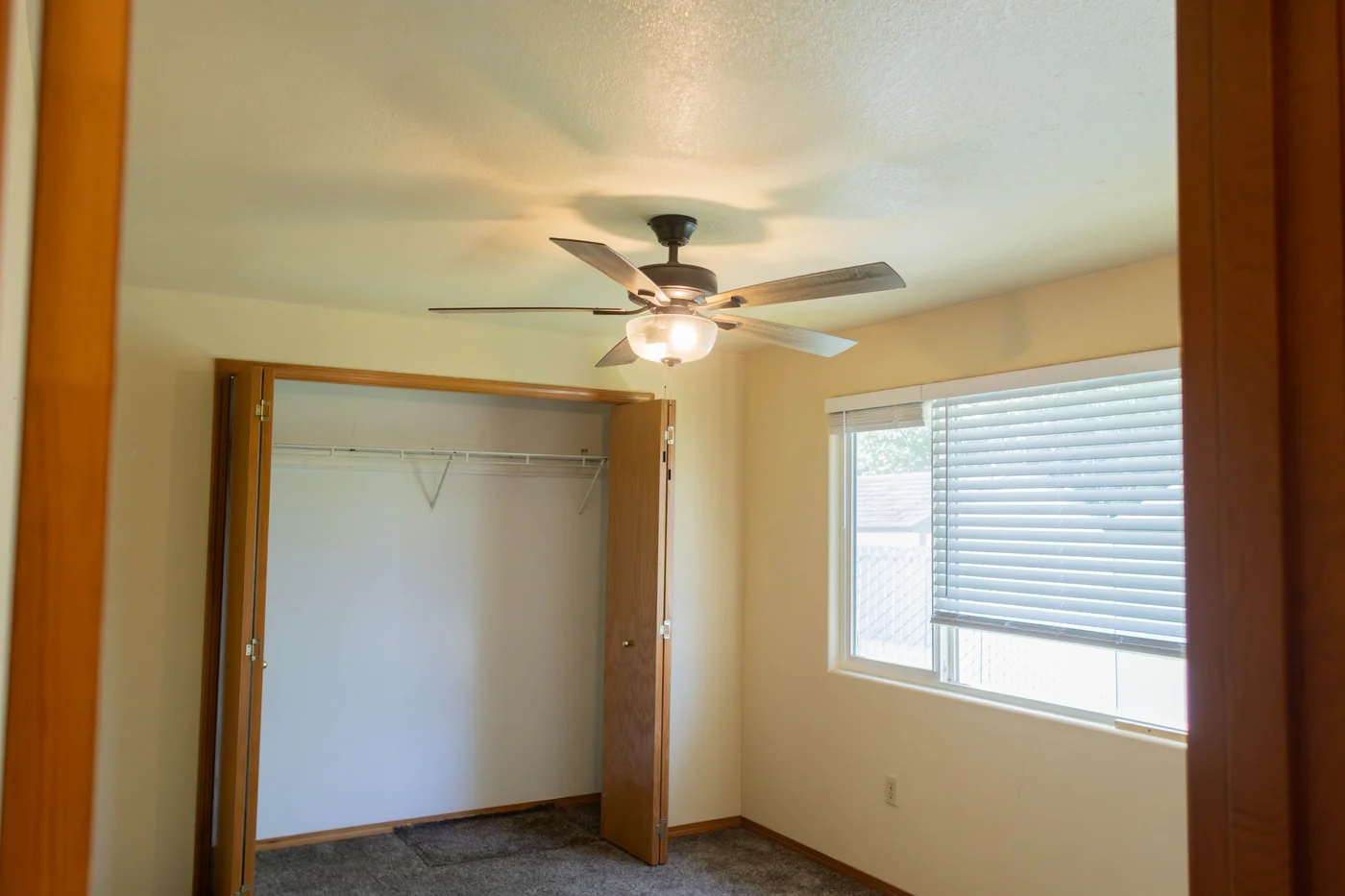
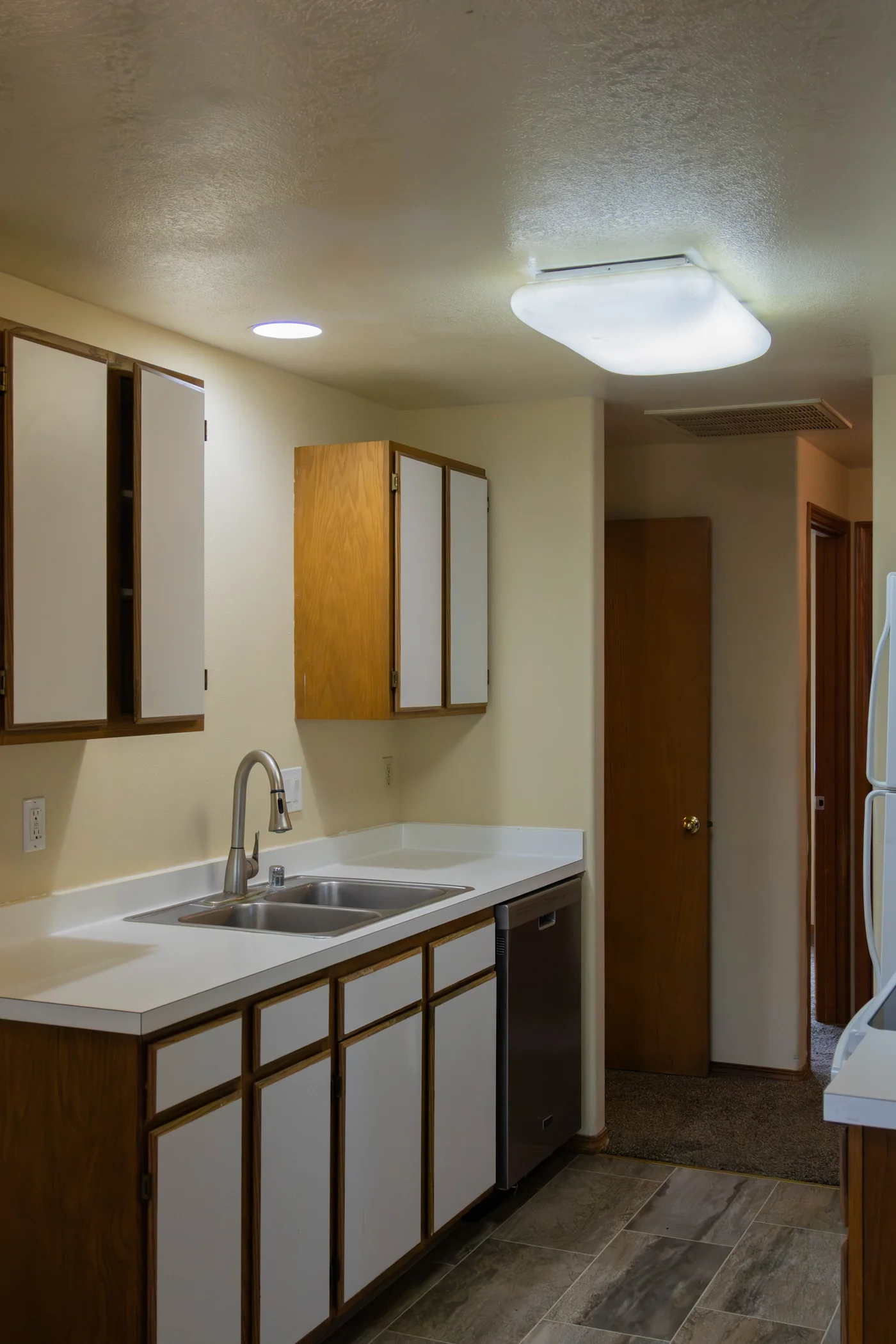
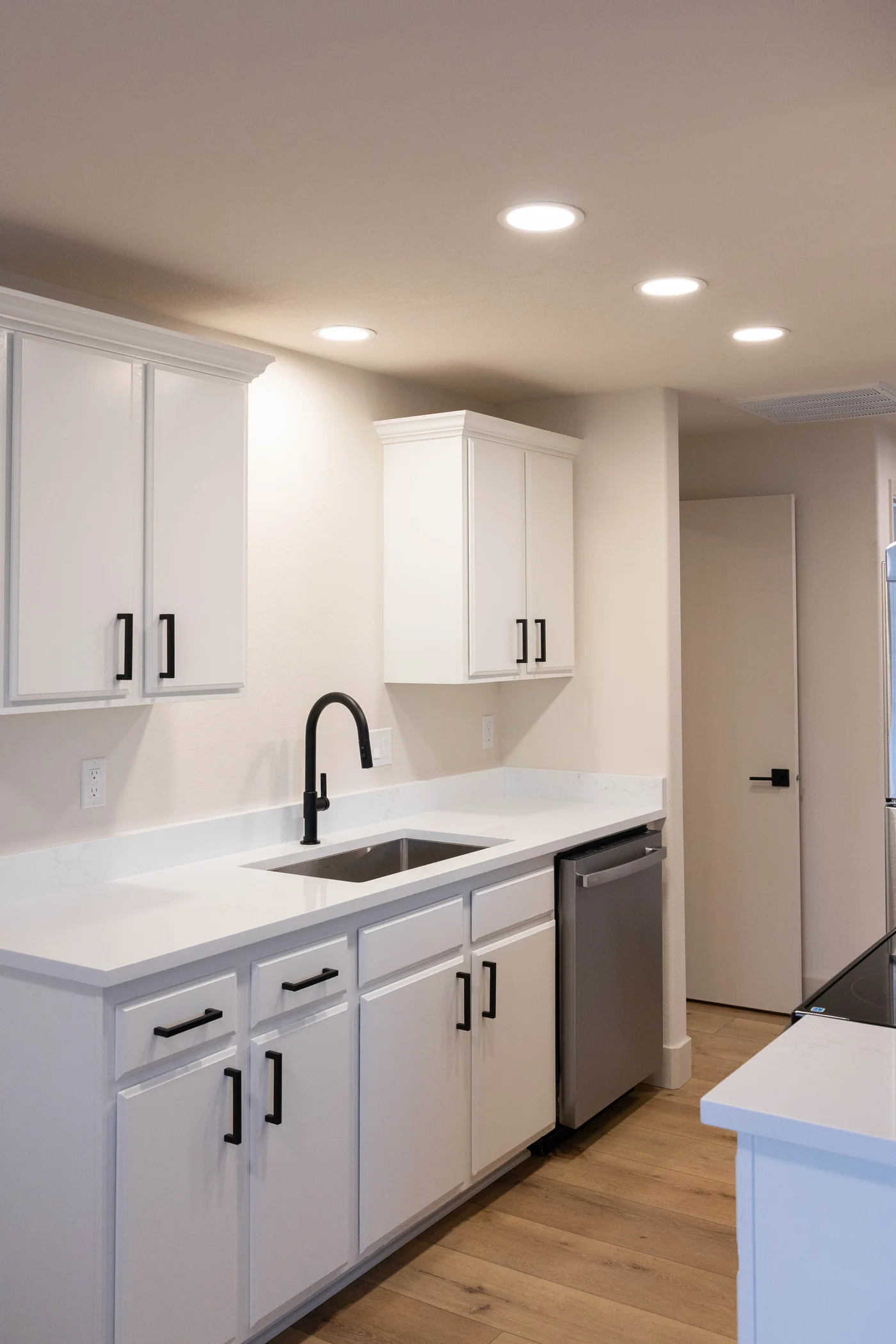
Three real projects, photo-documented for the insurance carrier and backed by our 5-year workmanship warranty. Drag each handle to compare.
“Kyla and Jake were super friendly and knowledgeable. Jake was at my house 90 minutes after I called and did a free inspection. I won't need their services this time, but I will definitely call them if I ever have to deal with water damage.”
Carmen Otten · Google Review
“Had a leak in our wall and our plumber recommended Robinson Restoration to handle remediation of the water damage. Christian and Adolfo were awesome. Great communication throughout the setup of the containment area and installation of the equipment to start the drying process.”
Won Lee · Google Review
“We recently had an unfortunate plumbing issue that led to some significant flooding issues. On the recommendation of our plumber we reached out to Robinson Restoration to help us with drying out our house and getting it ready to be put back together.”
Don Warner · Google Review
In Washington, you choose your restoration contractor, and your carrier can’t penalize you for it. We document every Wallula loss with moisture maps, photos, and daily readings, then bill your insurer directly. You pay your deductible. That’s it.
Subject to policy coverage and deductible. We handle the paperwork, photos, and adjuster calls.
Call the dispatch line at any hour, day or night, and you'll reach a person who can send help toward Wallula. Our crews cover Walla Walla County and the surrounding mid-Columbia area, arriving with extraction pumps, air movers, and dehumidifiers loaded on the truck. Damage gets photographed and moisture-mapped for the claim, and billing goes straight to your insurance company.
Shut off the pump at the breaker. On well systems that stops production immediately, and it is usually faster than hunting for a shutoff valve in a crawlspace or wellhouse. If the pressure tank is still charged, open a low fixture to bleed it down. Then call us. Tell dispatch you are on a well and if you still have power, because it changes what we bring.
Yes. A crawlspace holding water keeps the humidity under the house near saturation, and that moisture moves straight up into joists, subfloor, and insulation. Left alone it leads to sagging batts, microbial growth, and eventually soft flooring. We extract the standing water, remove ruined vapor barrier and insulation, dry the framing to target, and confirm with readings rather than a look under the hatch.
Wallula is inside our Tri Cities coverage and dispatch is staffed 24/7, so we can be on-site in 90 minutes on emergency calls. Give us gate codes, driveway conditions, and whether trucks can reach the structure. On rural calls that information saves real time. We arrive with our own power and water handling so a property without utilities is still workable.
It can be. When groundwater rises near the confluence, drain fields lose their ability to absorb, and the system backs toward the house. That water is category three, so affected carpet, pad, drywall, and cabinetry come out rather than getting cleaned. We handle containment, removal, disinfection, and drying, and a septic contractor addresses the field itself. Both need to happen or the problem repeats.
Often yes, if the structure is a covered outbuilding and the discharge was sudden. Carriers scrutinize freeze losses in unheated buildings closely, and some policies limit coverage on detached structures. We document interior conditions, the failure point, and how long the water ran so the adjuster has facts. Tell us about the property layout early and we will build the file accordingly.
Robinson manages the rebuild through vetted licensed contractors and sister companies, which keeps one point of contact on the job. On rural property that coordination matters, because scheduling trades to drive out for small scopes is where projects usually stall. We hand over the drying documentation so the repair scope lines up with what actually came out.
Out here a leak runs unnoticed for days. Call the moment you find it and we will roll.
Licensed · Insured · IICRC Certified · Serving Washington & Oregon