Robinson Restoration is an IICRC-certified water damage restoration company serving Bellevue, WA. Crews dispatch 24 hours a day, arrive on-site in 90 minutes or less, document the readings and photos your carrier needs, and bill your insurance directly on covered claims.
A supply line lets go on the twelfth floor and three units get wet. Down the hill, a rambler's crawlspace fills while the family is at work. Bellevue produces both, and our dispatch line is answered every hour. Certified crews can be on-site in 90 minutes with extraction and drying gear loaded.
Bellevue's housing runs in layers. Mid-century ramblers fill Lake Hills, Eastgate, and Newport, many still on original copper with crawlspaces underneath. Eighties and nineties townhomes and condos brought polybutylene and shared wall assemblies. Downtown added high-rise towers where one failure travels straight down. Between them sit steep slopes above Coal Creek and the low ground near Mercer Slough, both of which move winter water in ways a flat lot never does.
Dispatch runs 24/7 and our Kent operations center covers Bellevue with trucks staged so extraction starts on arrival. Work follows IICRC S500: moisture mapping before demo, daily readings logged, photographs of every affected assembly. High-end finishes get dried in place where the readings support it rather than torn out by default. We bill carriers directly, handle HOA and master-policy coordination on multi-unit losses, and manage rebuilds through vetted licensed contractors and sister companies.

Bellevue jobs range from a single condo stack to a hillside house, so we size crew and equipment on the call rather than after we arrive.
24 hours a day, 7 days a week, our crews dispatch the moment you call and start mitigation the same visit. Call dispatch or message us for immediate help.
We stop further damage with commercial extraction, structural drying, and antimicrobial treatment, and we walk you through the entire insurance claim as we work.
We manage your rebuild to pre-damaged condition through our trusted network of licensed contractors and sister companies. One manager, one timeline.
Downtown Bellevue lives vertically. A failed angle stop or a burst riser on an upper floor can wet the unit below it, the corridor, and a parking level, all under different policies. We contain each affected unit, coordinate access with building management, and keep separate damage records so the master policy and each owner's coverage can be sorted out cleanly.
Large parts of the city's east side went up in the fifties and sixties: single-level houses over vented crawlspaces, original copper supply, cast iron waste. Copper develops pinholes with age and water chemistry, and a slow one under the floor can wet joists for months. The first clue is usually a musty return-air smell or a soft spot near a bathroom.
Houses built into the slopes above Coal Creek and along the Somerset side deal with water that arrives horizontally. Glacial till sheds a November storm instead of absorbing it, and the runoff stacks up against the uphill foundation wall. Failed footing drains, blocked window wells, and a downspout tied into nothing are the usual causes of a wet lower level.
A lot of Bellevue's condo and townhome stock dates to the boom years, and gray polybutylene supply piping went into plenty of it. The material degrades from the inside and fails without warning, often at a crimped fitting inside a wall. One line in a shared building can put water into two or three homes before anyone finds the shutoff.
Most of the losses we run in Bellevue start one of three ways: burst and leaking pipes, appliance failures, and roof and storm leaks. Here is why each one happens here, and what it takes to dry it properly.
Aging copper in mid-century houses and polybutylene in eighties condos fail for different reasons, and both do it inside walls. A line above a finished ceiling can run for hours before the drywall gives way.
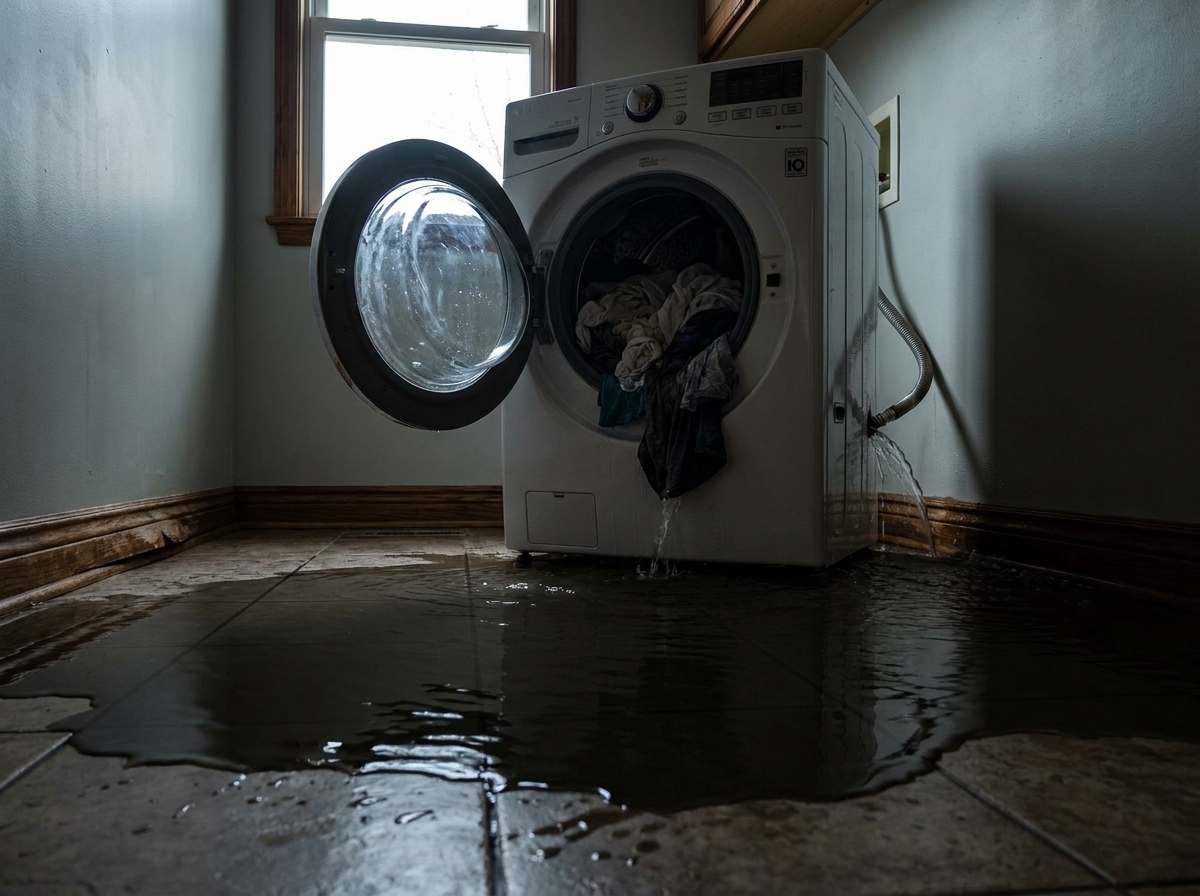
Refrigerator ice-maker lines, dishwasher supply hoses, and upstairs laundry are the quiet ones. In a Bellevue home with hardwood and cabinetry, a slow appliance leak can wet a floor system and a run of base cabinets before anything looks wrong.
Low-slope sections, roof decks, and complicated valleys are common on newer Bellevue construction, and eight months of rain finds every failed flashing. Water travels along framing and shows itself far from the actual breach.
Large wooded lots and 1960s-70s split-levels. Heavy fir cover means clogged gutters and overflow along foundation walls.
A dense mix of seventies apartments, condos, and modest single-family blocks, much of it still on original plumbing.
Eighties wood-frame condos and townhomes terraced into the hill, many with tuck-under garages that flood before anyone notices.
Fifties houses sit beside new infill and mid-rise construction, and older sewer laterals under mature yards still back up.
A former light-industrial corridor filling with new mid-rise housing, where podium construction puts residential floors directly over parking.
Mid-century homes on the ridge west of the freeway, most with daylight basements cut into the slope.
Canal-front homes at low elevation near Lake Washington, where crawlspaces sit close to a high winter water table.
Steep lots dropping toward the lake, older houses, and retaining walls that redirect runoff straight at downhill foundations.
Nineties subdivisions high on Cougar Mountain, larger homes with finished basements and long supply runs through unconditioned space.
Most people hire a restoration company on the worst day of their year, with water still on the floor. A few minutes of vetting is still worth it. Here is what to confirm before anyone starts pulling out flooring in your Bellevue home.
Washington requires contractors to register with Labor and Industries, carry a bond, and hold liability coverage. The number is public and takes a minute to look up, along with any lapses or claims against the bond. Ask for it before work starts. Anyone reluctant to give it is telling you something.
IICRC certification sits with individual technicians rather than with a company logo. Ask whether the people on your job hold water restoration and applied structural drying credentials, and whether the work follows the S500 standard. Then ask to see daily moisture logs. A crew drying by feel will not have any.
Some numbers you find online route into a national dispatch center that hands the job to whichever affiliate is free that night. Ask where the crew and equipment stage, who your project manager will be, and whether that person stays through the rebuild. On Bellevue condo and hillside work, continuity matters more than people expect.
A carrier pays on evidence: moisture maps, photographs of each affected assembly, daily readings, and a scope written in estimating software the adjuster already uses. Ask to see a sample file. Find out what the response commitment is when Eastside storms have every crew running, and get it in writing.
Run those questions past us and past anyone else you call. We would rather earn a Bellevue job on straight answers than on being the first company to pick up.
Water is how most losses start. It’s rarely where they end. The same local crew handles all of it.
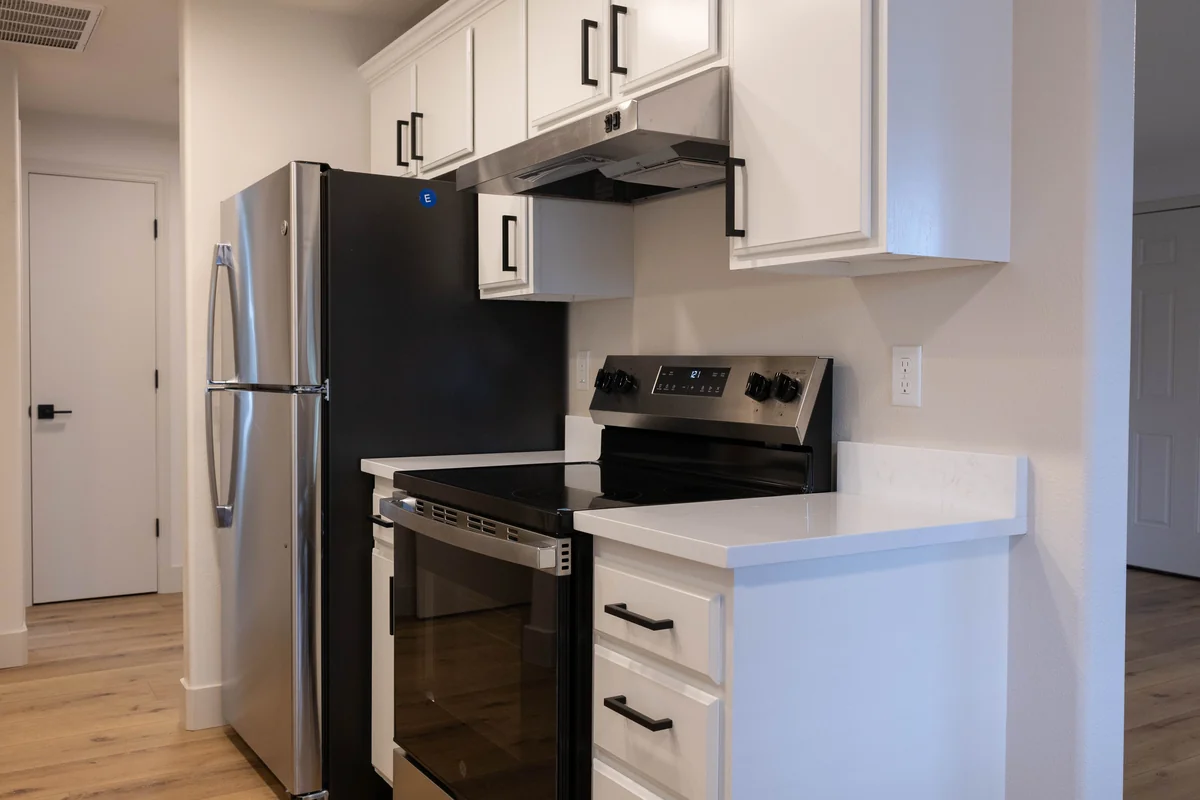
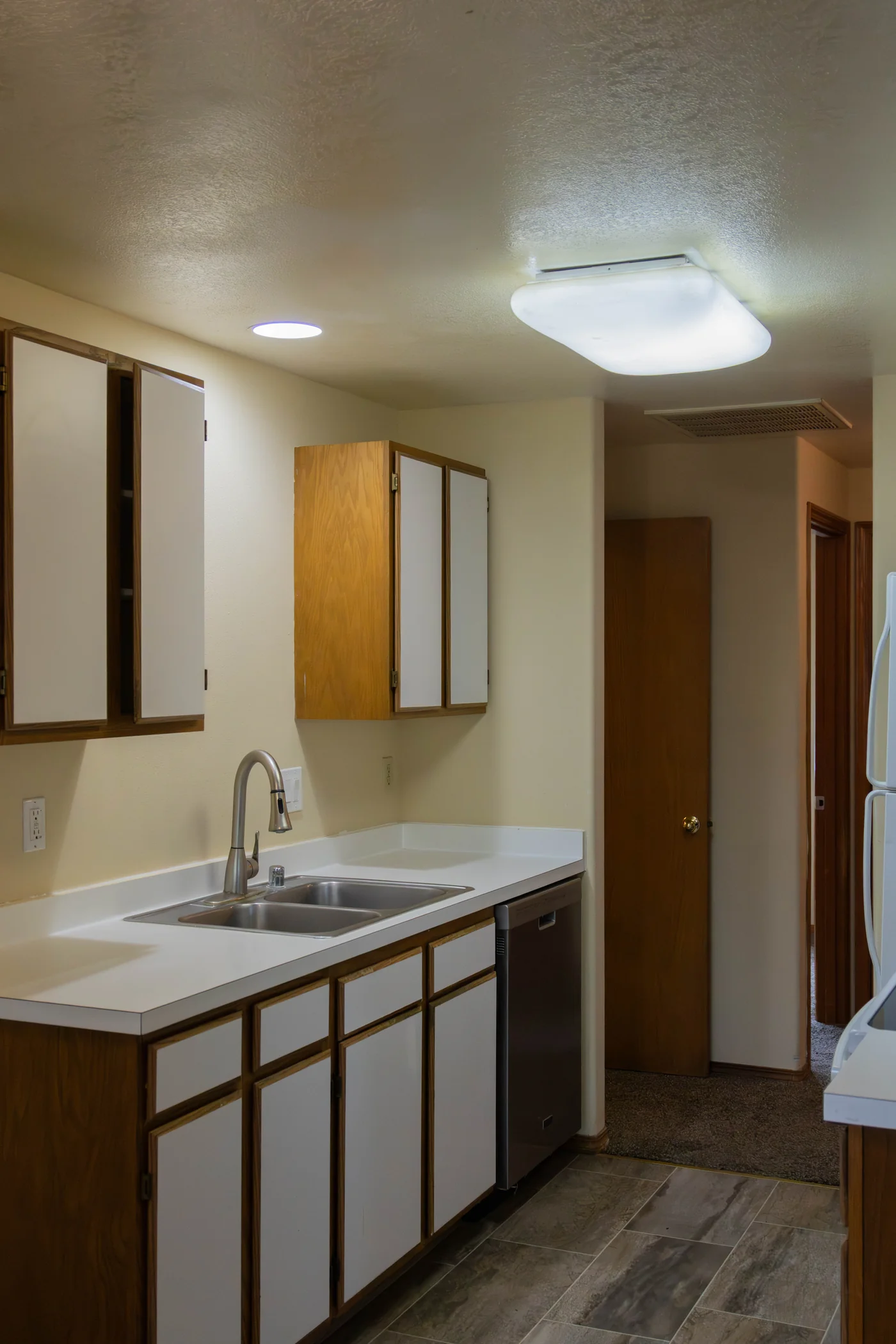
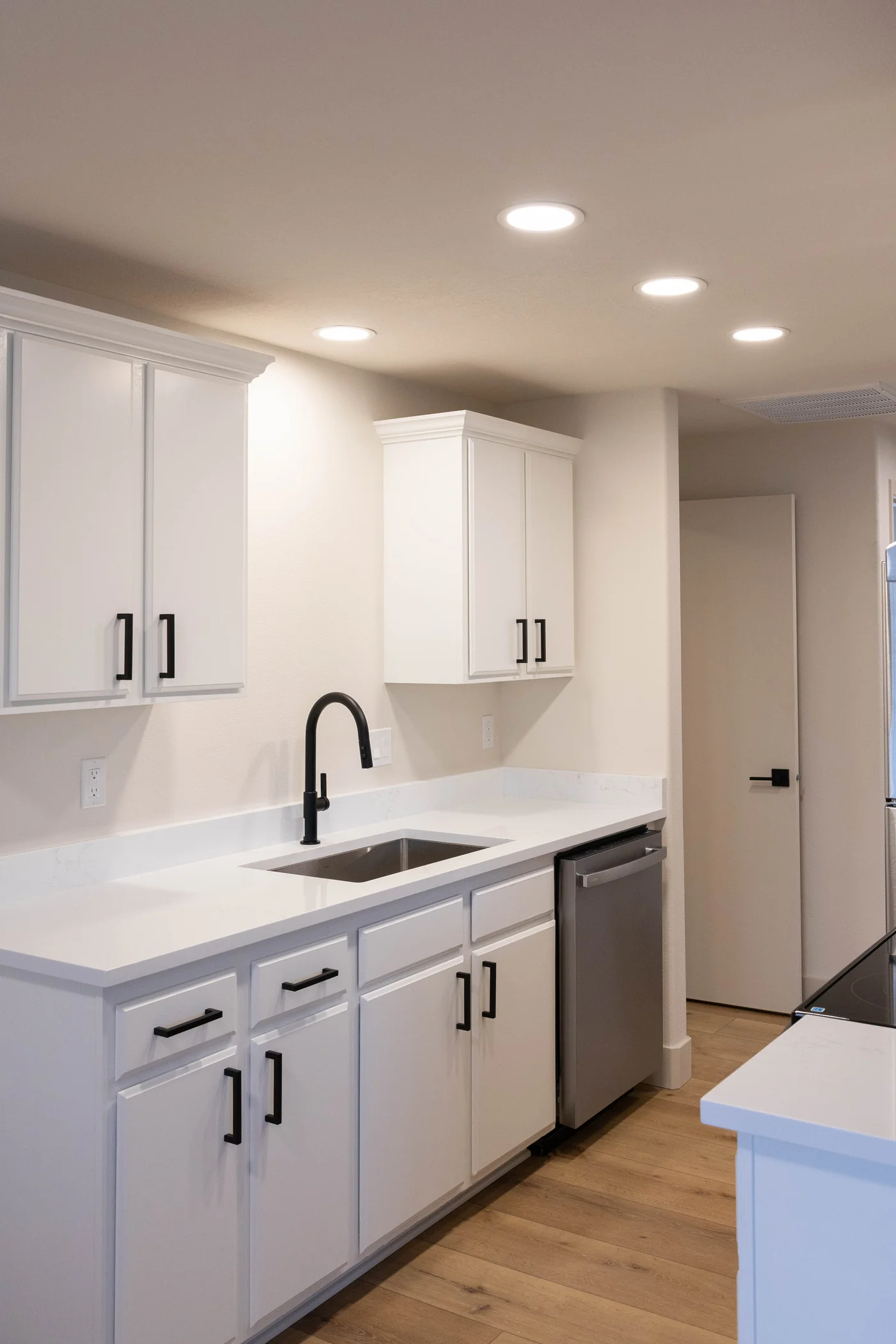
Three real projects, photo-documented for the insurance carrier. Drag each handle to compare.
“Chuck and Cole were very professional, courteous and knowledgeable about their restoration skills including close out processes. I'm really happy they were the two employees assigned to our home.”
Joanna Gamble · Google Review
“We hired Robinson Restoration after a boiler joint failed and leaked what we thought was a small amount of water in our laundry room, but turned out to be more serious than it appeared. They did a fantastic job from first contact to insurance claim approval.”
Randi Covin · Google Review
“We had a major sewer back up a couple of weeks ago, into the laundry room and downstairs bathroom. Panic! We were referred to Robinson Restoration and what a blessing. The whole crew has been wonderful.”
Lynn Dee King · Google Review
In Washington, you choose your restoration contractor, and your carrier can’t penalize you for it. We document every Bellevue loss with moisture maps, photos, and daily readings, then bill your insurer directly. You pay your deductible. That’s it.
Subject to policy coverage and deductible. We handle the paperwork, photos, and adjuster calls.
Eastside losses land with our King County team. Bellevue calls reach techs who know the housing stock here, from mid-century ramblers to high-rise condos, and dispatch is staffed 24/7. Trucks arrive with extraction equipment, air movers, and dehumidifiers, often on-site in 90 minutes or less. We invoice your insurance company directly and hand adjusters the documentation they want.
In a Bellevue condo it usually splits. The association's master policy typically covers the building structure to a defined point, and your HO-6 picks up interior finishes, betterments, and personal property. Liability coverage on the upstairs owner's policy may come into play if negligence is involved. We document each unit separately from the start, which is what lets the carriers sort responsibility without a fight.
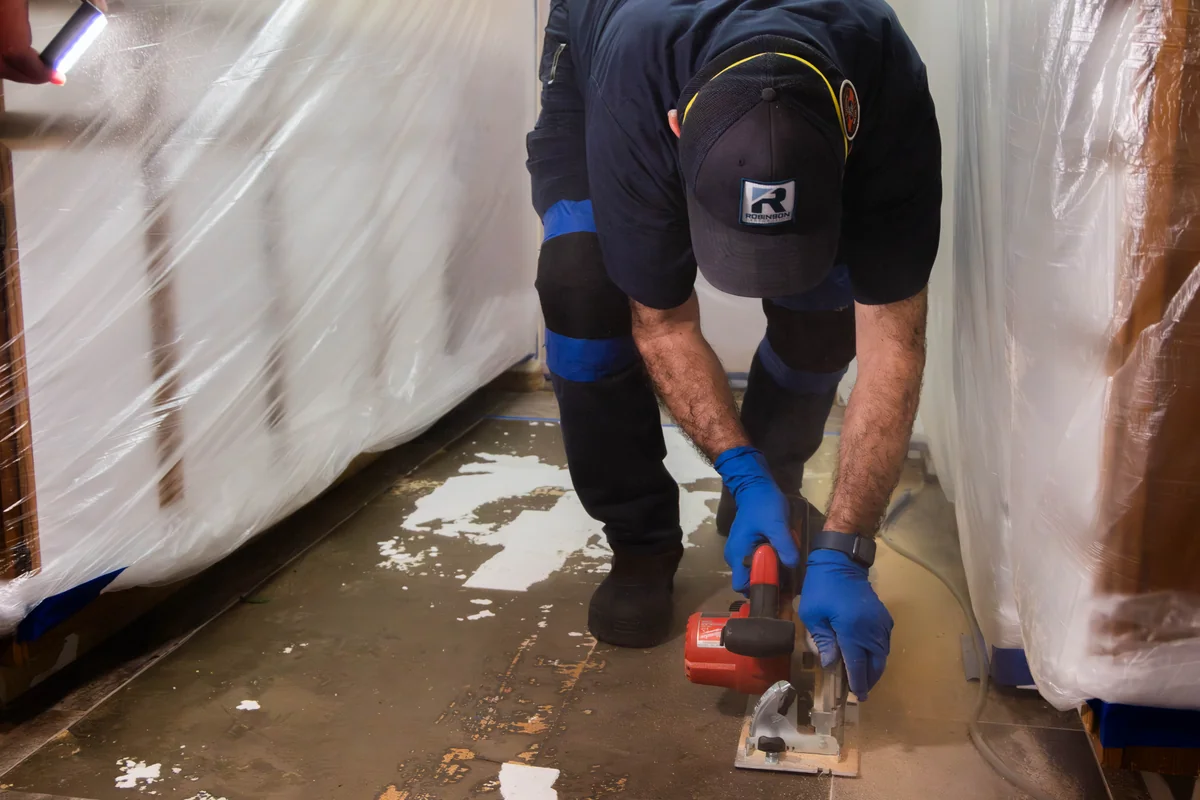
Often, yes. Solid hardwood over a dry subfloor responds well to floor drying mats, and cabinet toe kicks can be drilled and dried from underneath with the boxes left in place. The decision comes from moisture readings, not from a guess about what looks salvageable. On Bellevue jobs with high-end finishes we push hard to dry in place, and we document the readings that justify it.
Groundwater and surface runoff entering below grade are usually excluded from homeowners coverage, which surprises a lot of owners on Bellevue's hillsides. Sudden internal water is a different story and generally is covered. We dry the space either way and document the entry point, and we flag the drainage problem so it gets addressed during repairs rather than repeating next November.
Roughly forty-eight hours is the window people cite, and it holds up in practice. Bellevue's wet season keeps indoor humidity high from late fall into spring, so a wet wall cavity has everything it needs. Airing the place out accomplishes little when the outside air is saturated too. Sealed containment with dehumidification is what actually pulls moisture out of the assembly.
Yes, and on Bellevue multi-unit buildings it's usually required. We coordinate building access, elevator protection, work hours, and common-area containment with management before equipment goes in. Scope and daily reporting go to whoever the association designates, and to each owner for their own unit. Keeping those records separate matters when the master policy and individual policies both end up involved.
Mitigation and reconstruction are separate scopes. We do the emergency work in Bellevue: extraction, controlled demo, and drying documented to IICRC standards. The rebuild gets managed through vetted licensed contractors and our sister companies, with us holding one point of accountability. Because the drying file already establishes what was wet, the repair estimate lines up with the loss instead of restarting the argument.
Water spreads through walls and floors while you wait. Call now and a Bellevue crew gets dispatched immediately.
Licensed · Insured · IICRC Certified · Serving Washington & Oregon