Robinson Restoration is an IICRC-certified water damage restoration company serving Black Diamond, WA. Crews dispatch 24 hours a day, arrive on-site in 90 minutes or less, document the readings and photos your carrier needs, and bill your insurance directly on covered claims.
Coal-town cottages and brand-new subdivisions share the same ridge in Black Diamond, and both flood for their own reasons. One has no footing drains; the other has a manifold full of PEX and a slab. Call any hour and an IICRC-certified crew comes out with extraction and drying equipment ready.
The town sits in the foothills southeast of the Green River valley, on ground that was mined for coal for decades. Old workings and disturbed soil change how water moves underground, and the surface above them holds surprises. Housing ranges from small early-1900s miner's homes to hundreds of houses finished in the last ten years. Lakefront property along Lake Sawyer adds another pattern: high water table, daylight basements, and shoreline seepage after a long rain.
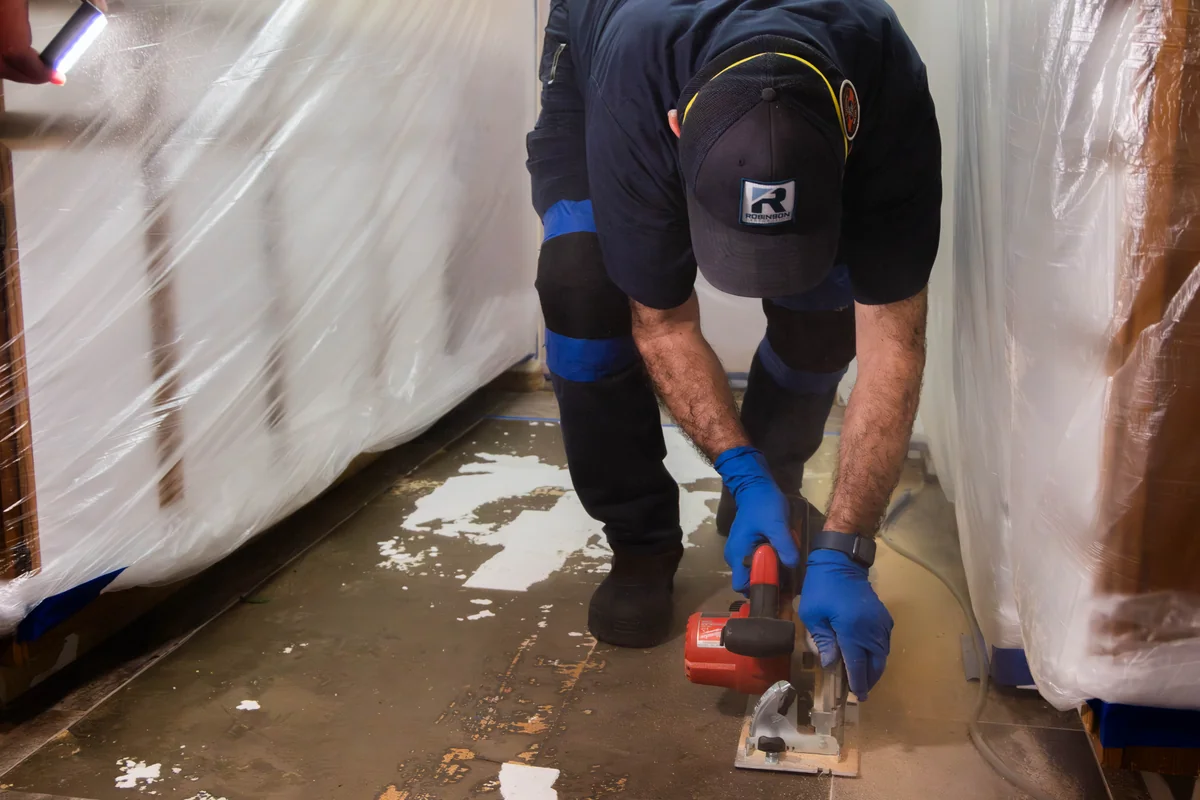
Our Kent operations center answers dispatch 24/7 and covers Black Diamond with trucks loaded before they leave the yard. Crews follow IICRC S500: moisture mapping first, controlled demo only where readings call for it, daily logs and photos throughout. Carriers get billed directly, including builder warranty situations where a new home's plumbing failed. Reconstruction is managed through vetted licensed contractors and sister companies, so one team stays accountable.

Foothill communities get overnight staffing the same as the valley, with pumps, dehumidifiers, and air movers already on the truck when the call comes in.
24 hours a day, 7 days a week, our crews dispatch the moment you call and start mitigation the same visit. Call dispatch or message us for immediate help.
We stop further damage with commercial extraction, structural drying, and antimicrobial treatment, and we walk you through the entire insurance claim as we work.
We manage your rebuild to pre-damaged condition through our trusted network of licensed contractors and sister companies. One manager, one timeline.
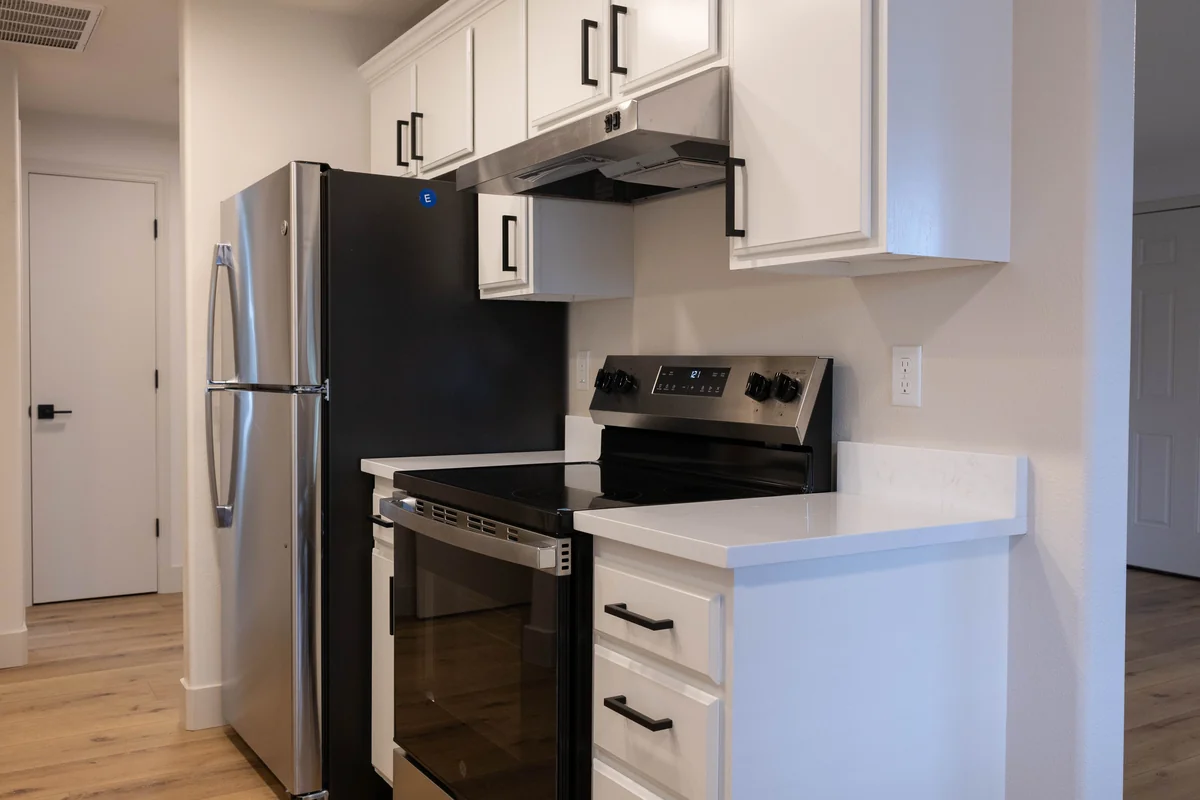
A house finished last year fails differently than one finished in 1915. Builder-grade angle stops, push-fit connections, water heater pans with no drain line, and toilet supply hoses account for most of the losses in newer Black Diamond neighborhoods. The damage tends to be worse, too, because open floor plans and engineered flooring let water travel before anyone sees it.
The original town homes were built small, fast, and cheap for coal families, and many are still lived in. Post-and-pier foundations, shallow crawlspaces, no perimeter drainage, and a century of piecemeal plumbing repairs add up. Water under those floors sits against old-growth framing that holds moisture stubbornly, so drying takes longer and needs closer monitoring.
Property near Lake Sawyer sits on ground that stays wet through the winter. Daylight basements and lower-level rec rooms take on seepage when the lake and the water table come up together after a week of rain. Sump systems here work hard, and when a pump quits during a storm the finished space downstairs is what pays for it.
Black Diamond sees more rain than the valley floor does, and second-growth timber surrounds most of the older parts of town. Fir needles and moss pack gutters and roof valleys through the fall, then the first real storm backs water under the shingles. Downspouts that discharge next to the foundation finish the job.
Most of the losses we run in Black Diamond start one of three ways: water heater failures, frozen and split pipes, and appliance failures. Here is why each one happens here, and what it takes to dry it properly.
Whole neighborhoods here were built within a few years of each other, which means the original water heaters reach end of life at the same time. A tank that lets go in a garage or utility closet puts forty to fifty gallons across the floor.
Foothill elevation holds cold longer than the valley below. Hose bibs left connected, garage lines, and plumbing in uninsulated crawlspaces under the older homes are what split first during a January cold snap.
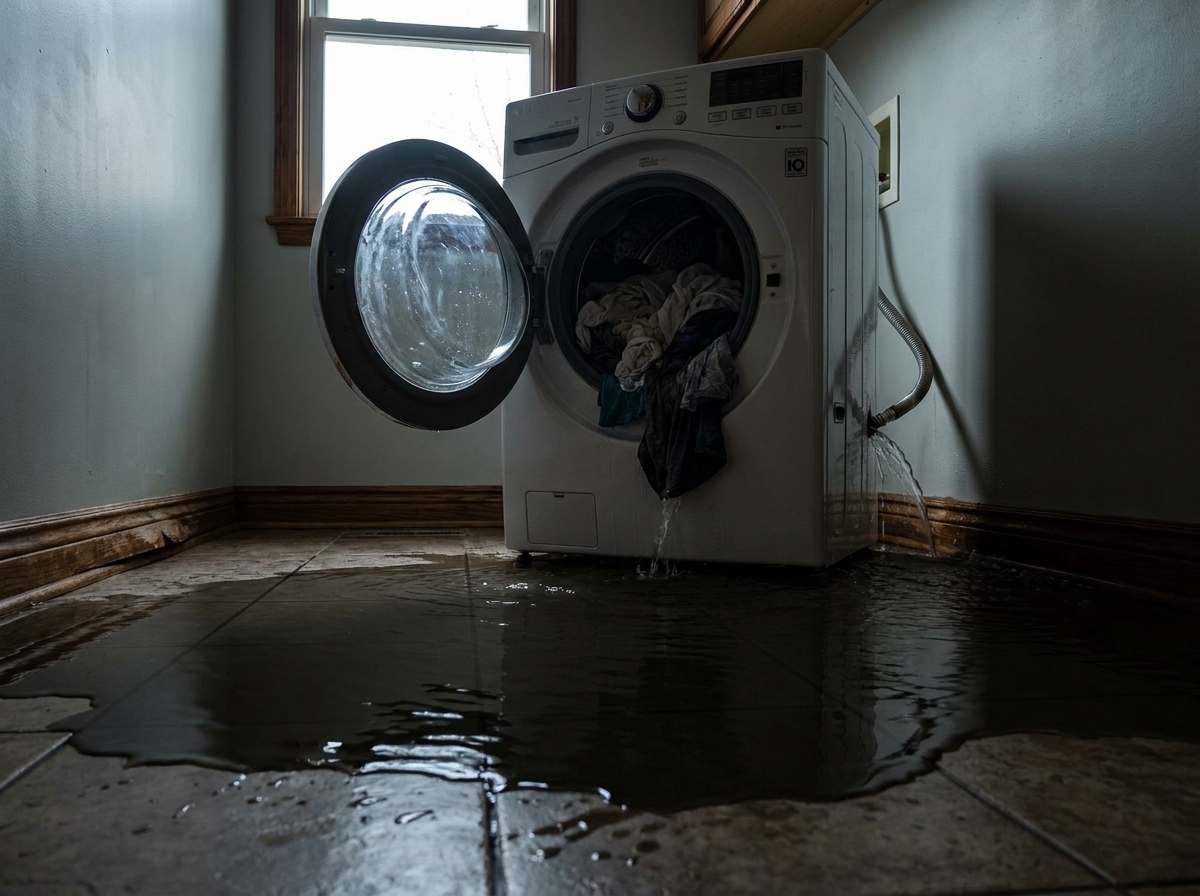
Second-floor laundry rooms are standard in the newer plans, and a burst washer hose upstairs drains through the ceiling into the main level. Dishwasher and ice-maker lines cause slower versions of the same loss.
Water is how most losses start. It’s rarely where they end. The same local crew handles all of it.
Three real projects, photo-documented for the insurance carrier. Drag each handle to compare.
“We recently had an unfortunate plumbing issue that led to some significant flooding issues. On the recommendation of our plumber we reached out to Robinson Restoration to help us with drying out our house and getting it ready to be put back together.”
Don Warner · Google Review
“We've had the bittersweet opportunity to have Robinson in our lives twice now. First, for a major 3,000 sq ft mold remediation of our crawl space. Then last week, we had an unfortunate flood. I don't know what we would have done without them.”
T Marie C · Google Review
“Chuck and Cole were very professional, courteous and knowledgeable about their restoration skills including close out processes. I'm really happy they were the two employees assigned to our home.”
Joanna Gamble · Google Review
In Washington, you choose your restoration contractor, and your carrier can’t penalize you for it. We document every Black Diamond loss with moisture maps, photos, and daily readings, then bill your insurer directly. You pay your deductible. That’s it.
Subject to policy coverage and deductible. We handle the paperwork, photos, and adjuster calls.
Plateau homes around Black Diamond sit on ground that sheds runoff into basements and crawlspaces every wet season, and Robinson has a King County crew assigned to that stretch. Call any time; dispatch runs 24/7. The truck arrives stocked with water extractors, high-velocity air movers, and low-grain dehumidifiers. Claims documentation is part of the job, and we bill your insurer directly.
New construction fails at connections rather than at the pipe. Push-fit fittings, plastic toilet supply lines, washing machine hoses, and refrigerator lines are the usual suspects, and none of them care how new the house is. In Black Diamond's newer neighborhoods we see the same handful of failures over and over. If your home is still under builder warranty, keep every photo and every invoice.
It can. Ground that was dug, backfilled, and settled over the last century drains unevenly, and older parts of Black Diamond sit on exactly that. Some lots shed water fine and the one next door holds it. We don't diagnose subsidence, though we do document where water entered and how it moved, which helps whoever evaluates the drainage fix afterward.
Seepage and groundwater intrusion are generally excluded on a homeowners policy, and lakefront lots in Black Diamond run into that regularly. Coverage usually turns on whether the water came from a sudden internal failure. We dry and clean either way, document the source honestly, and note the drainage or sump issue so the repair addresses the cause instead of the symptom.
Shut the water off at the main, kill power to any circuit feeding a wet area, and start taking pictures before you move anything. Pull rugs and small furniture off wet flooring if it's safe. Then call us. Those first photos are what an adjuster uses to understand the loss, and they're impossible to recreate once cleanup starts.
Three to five days covers most Black Diamond jobs, with older homes on the long end because old-growth framing releases moisture slowly. Equipment stays until daily readings hit a documented dry standard measured against unaffected material in the same house. We'd rather leave a dehumidifier an extra day than sign off on a wall cavity that's still holding water.
Yes. We bill your carrier directly on most Black Diamond jobs, so your out-of-pocket is the deductible. Daily moisture logs, equipment records, and photos build a file in the format adjusters expect, which cuts down on back-and-forth. If someone questions a line item, we take that call. You shouldn't have to argue drying science with an adjuster.
New house or century-old cottage, wet framing gets worse daily. Call now for a Black Diamond crew.
Licensed · Insured · IICRC Certified · Serving Washington & Oregon