Robinson Restoration is an IICRC-certified water damage restoration company serving Auburn, WA. Crews dispatch 24 hours a day, arrive on-site in 90 minutes or less, document the readings and photos your carrier needs, and bill your insurance directly on covered claims.
Auburn splits between valley floor and hillside, and water finds a different way into each. Groundwater sits high near the river; the slopes above shed rain toward finished basements. Call any hour, day or night, and a certified crew can be on-site in 90 minutes with extraction gear ready.
The Green River valley floor holds water. Soils are alluvial, the water table sits close to the surface, and homes built between the 1940s and 1970s down there rely on sump pumps and crawlspace drainage that were sized for a drier era. Up on Lea Hill and the West Hill, glacial till sheds winter rain downslope into daylight basements and window wells. Two very different failure patterns inside one city.
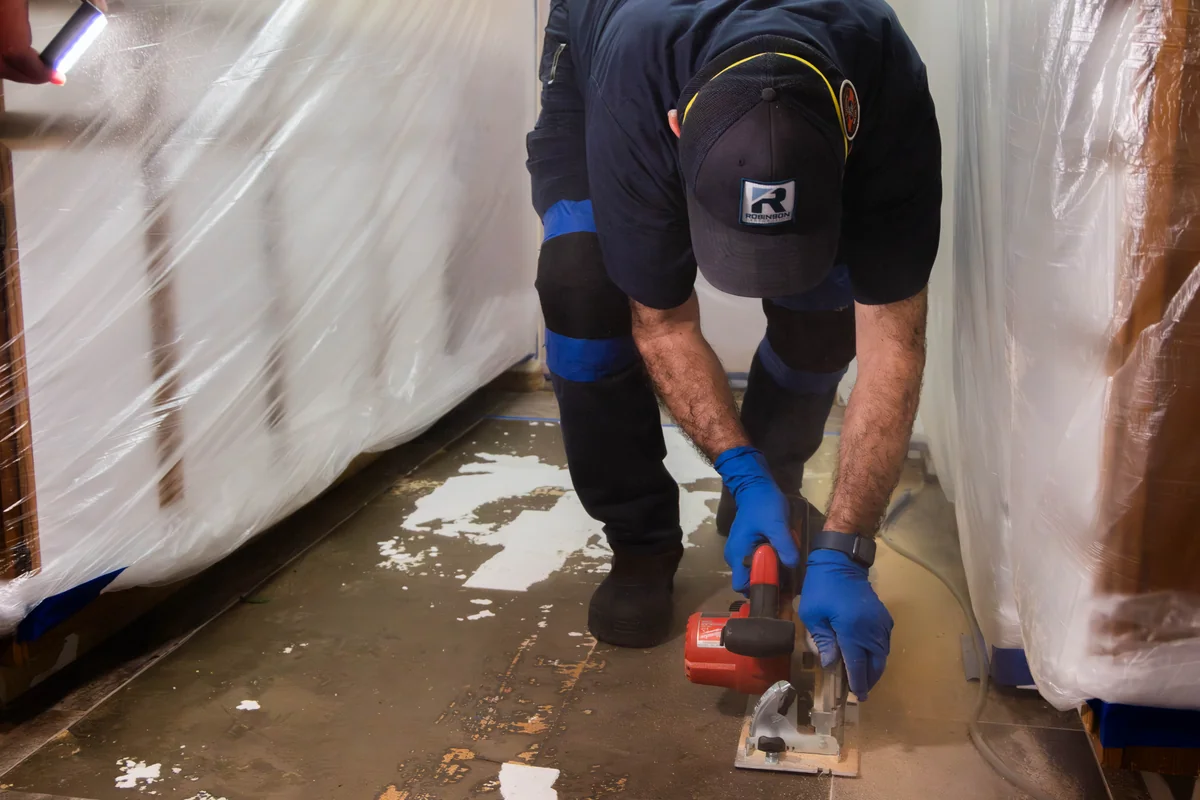
Dispatch is answered 24/7, and our Kent operations center covers Auburn with trucks already loaded, so extraction begins on the first visit. Crews work to IICRC S500: moisture mapping before any demo, daily readings, photos of every affected assembly. We bill carriers directly and give adjusters documentation in the format they expect. Rebuild work gets managed through vetted licensed contractors and sister companies, with one point of accountability throughout.

Auburn sits inside our core Kent coverage, so crews stay staffed overnight and drying equipment is staged for both valley and hillside jobs.
24 hours a day, 7 days a week, our crews dispatch the moment you call and start mitigation the same visit. Call dispatch or message us for immediate help.
We stop further damage with commercial extraction, structural drying, and antimicrobial treatment, and we walk you through the entire insurance claim as we work.
We manage your rebuild to pre-damaged condition through our trusted network of licensed contractors and sister companies. One manager, one timeline.
Down near the river the water table can sit within a few feet of a crawlspace floor through the wet months. Sump pumps run constantly, and when one fails at 2 a.m. during a February storm, the crawl fills quietly. Homeowners usually find it by smell weeks later, after the subfloor has already taken on moisture.
The valley floor in Auburn is packed with distribution buildings, manufacturing space, and light industrial tenants. A frozen sprinkler line or a failed rooftop drain can put water across thousands of square feet of racked product overnight. Commercial jobs need containment, fast extraction, and a damage record clean enough for a business interruption claim.
Homes on the slopes above the valley sit on glacial till, which sheds water rather than absorbing it. After a long November rain, that runoff arrives at the uphill wall of the house. Footing drains clogged with silt or root mass stop working, hydrostatic pressure builds, and water pushes through a cold joint into a finished basement.
Parts of Auburn's valley floor carry federal flood designations tied to the Green River, and lenders enforce them. Owners in those zones often hold a flood policy alongside homeowners coverage, and the two pay for different things. We document how water entered the building on every job, because that determines which policy responds and how the file is written.
Most of the losses we run in Auburn start one of three ways: flooding and groundwater, appliance failures, and sewage backups. Here is why each one happens here, and what it takes to dry it properly.
The Green River shapes Auburn's flood risk, and storm runoff off the hills compounds it. Valley-floor crawlspaces and garages take water from the ground up, often while the roof and plumbing are perfectly sound.
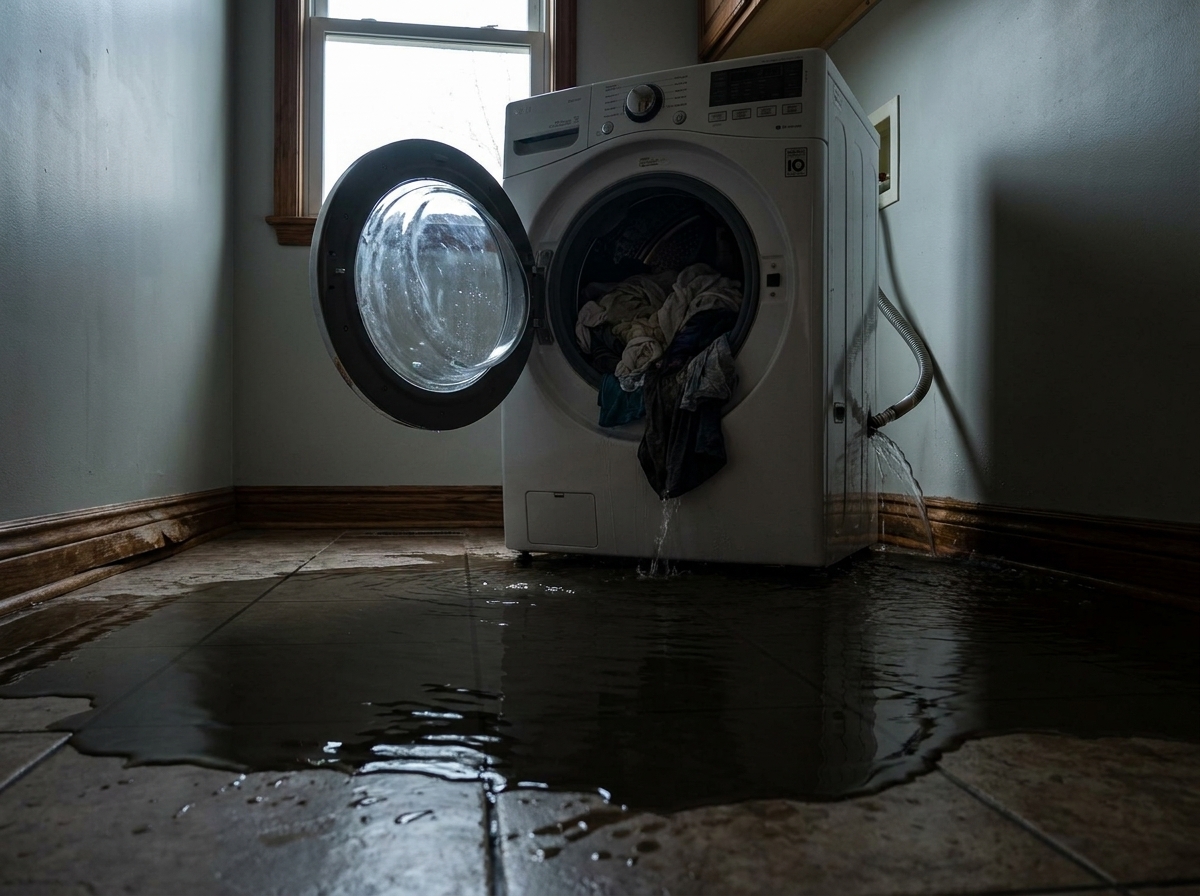
Hillside subdivisions built in the nineties and two-thousands put laundry on the second floor. A cracked supply hose or a stuck washer valve sends water down through the ceiling, the wall cavities, and into the room below.
Older laterals near downtown Auburn take on groundwater and root intrusion, and heavy winter flow can surcharge the system. Backups come up through basement floor drains and first-floor fixtures as a Category 3 loss.
Water is how most losses start. It’s rarely where they end. The same local crew handles all of it.
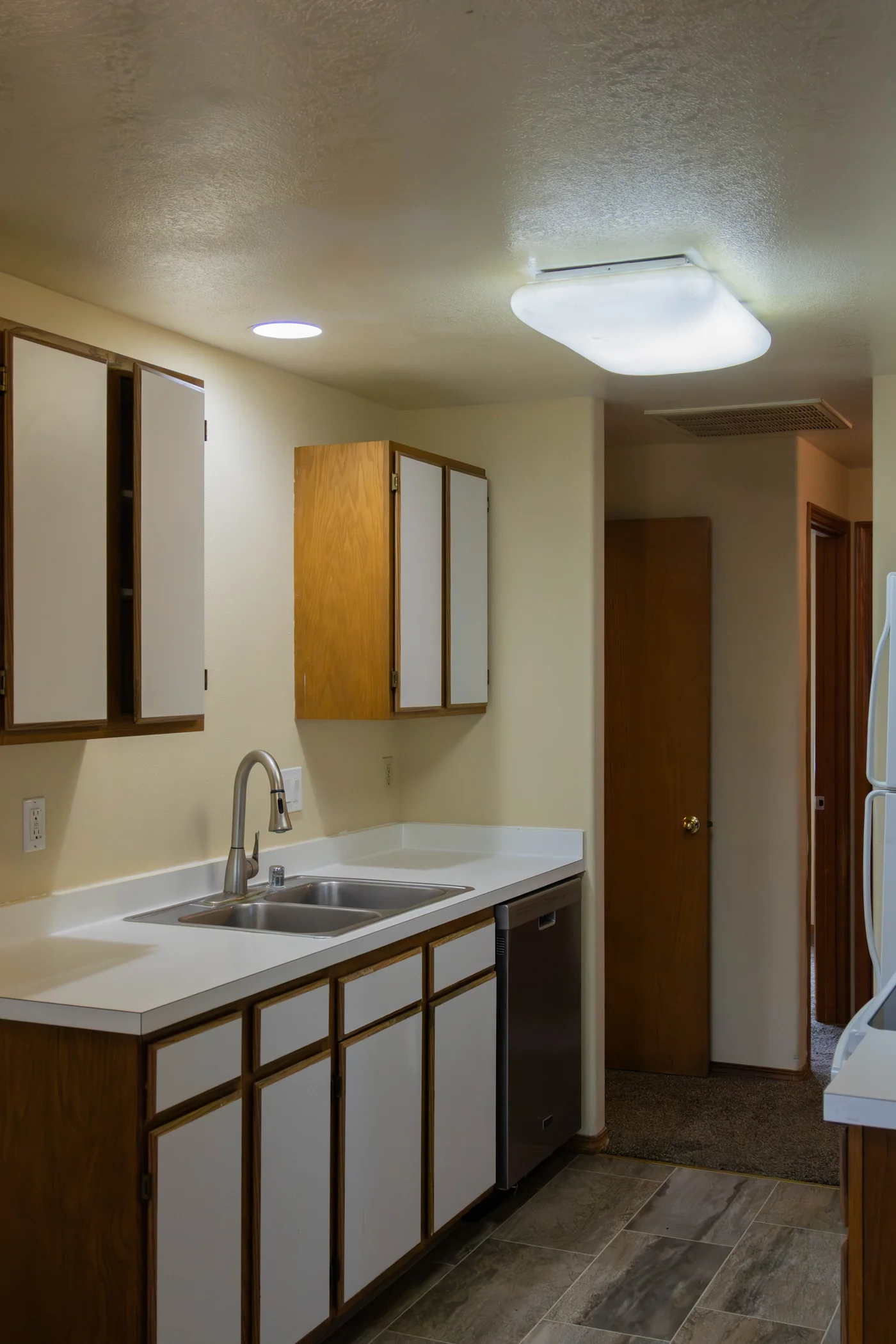
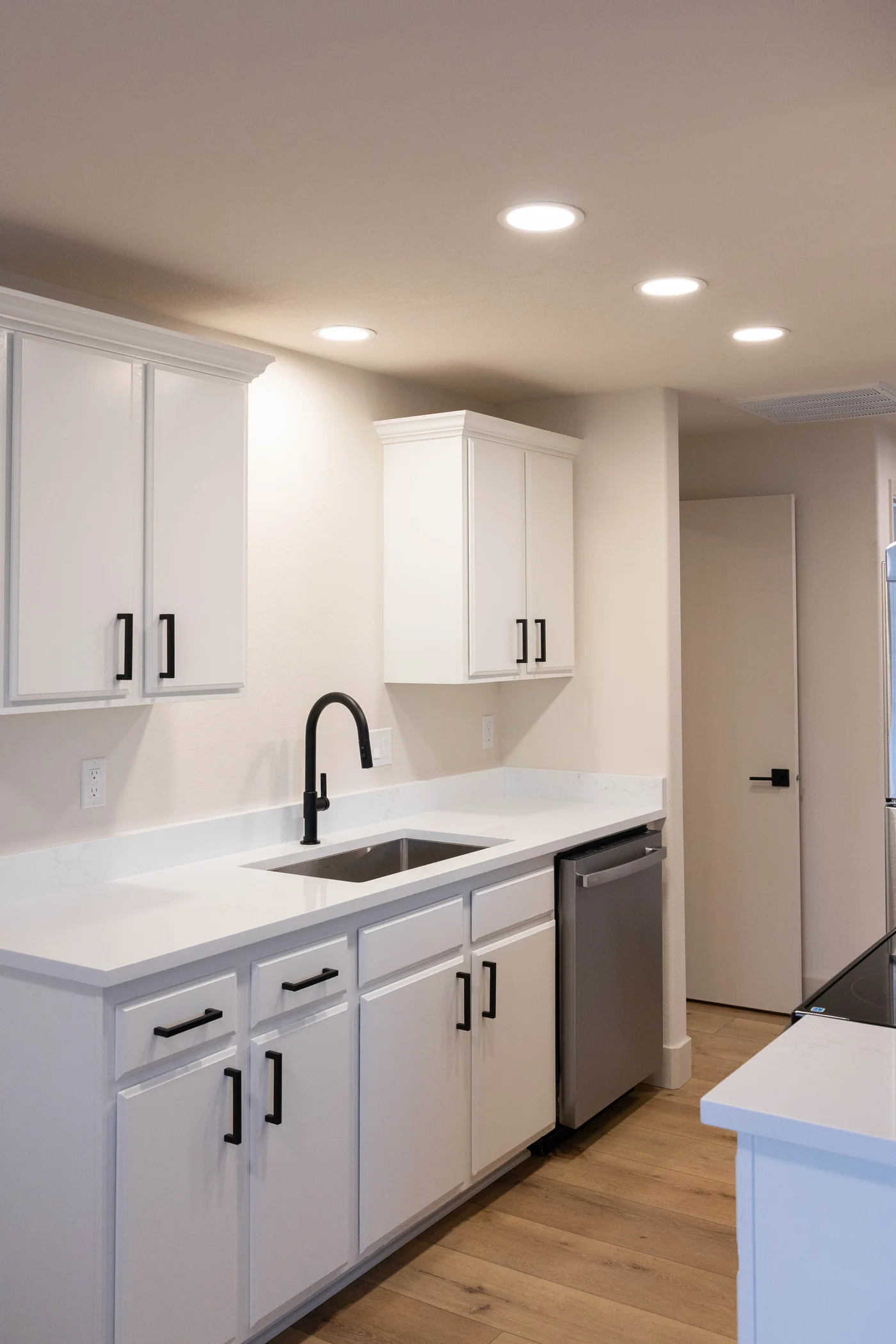
Three real projects, photo-documented for the insurance carrier and backed by our 5-year workmanship warranty. Drag each handle to compare.
“One of the pipes in the shower burst and water damage got all over the roof in the kitchen. As new home owners we were very scared and panicked. We contacted Kelly Farmer from Robinson Restoration and believe me when I say I felt like more than half of my problem was solved.”
Nav Basra · Google Review
“Just started a project with Cole and Chuck at Robinson Restoration and had to write a review straight away. These guys have been fantastic. We were away on a week long trip when we had a kitchen leak that destroyed our flooring and subfloor.”
Justin O'Neill · Google Review
“I want to express our sincere gratitude to the Robinson team that quickly moved to identify, rectify, repair, and then clean up the mess left by an itty-bitty hot water leak that went unnoticed because of its location.”
Michael Quinn · Google Review
In Washington, you choose your restoration contractor, and your carrier can’t penalize you for it. We document every Auburn loss with moisture maps, photos, and daily readings, then bill your insurer directly. You pay your deductible. That’s it.
Subject to policy coverage and deductible. We handle the paperwork, photos, and adjuster calls.
Green River valley calls go to a crew that works this area every day, which means Auburn homes and businesses get local techs rather than an out-of-area subcontractor. Dispatch answers at any hour, holidays included. Trucks leave loaded with extraction gear, air movers, and dehumidifiers, and moisture readings start as soon as we walk in. Your adjuster gets the documentation, and the insurance company gets the invoice.
Dispatch runs around the clock, and for Auburn we target on-site in 90 minutes. Before we arrive, shut off the water at the main, cut power to any circuit feeding a wet area, and take photos of everything. Those first pictures carry weight with an adjuster later, because they show the loss before anyone moved a piece of furniture.
Sump pump failure and water backup are commonly excluded unless you carry the endorsement, and a lot of Auburn valley-floor owners assume they have it. Look at your declarations page for sump overflow or water backup coverage, and note the sublimit, which is often far below your dwelling limit. We document the source either way so the claim gets evaluated on facts.
Glacial till on the hill above holds very little water, so a long rain arrives at your foundation as runoff rather than soaking in. Perimeter drains silt up over twenty or thirty years and lose capacity, and hydrostatic pressure does the rest. Summer stays dry enough to hide the problem. We dry the assembly and note the drainage issue so it gets corrected during repairs.
Both. Auburn's valley floor carries a lot of warehouse, manufacturing, and multi-tenant space, and those jobs run differently: containment to keep operations going, extraction sized for open floor area, and documentation split by tenant when more than one policy is involved. We work off-hours when that keeps a business running and coordinate directly with property managers.
It depends on how long it sat and what's under it. Solid hardwood over a dry subfloor can often be saved with floor drying mats that pull moisture through the boards, and cupping frequently relaxes as the assembly dries. Engineered flooring with a wet core usually delaminates. We take readings before deciding, and the readings go in the file for your adjuster.
Yes, on most Auburn jobs. You handle your deductible and we invoice the carrier for the rest. Every day on site produces moisture readings, equipment logs, and photos, and that file goes to your adjuster in the format carriers work with. If a line item gets questioned, we take that conversation instead of putting you in the middle of it.
Standing water gets more expensive every hour. Call now and an Auburn crew is dispatched, insurance billed directly.
Licensed · Insured · IICRC Certified · Serving Washington & Oregon