Robinson Restoration is an IICRC-certified water damage restoration company serving Chehalis, WA. Crews dispatch 24 hours a day, arrive on-site in 90 minutes or less, document the readings and photos your carrier needs, and bill your insurance directly on covered claims.
Chehalis splits between hill and valley. Up near the courthouse the homes are old and sit high; down toward the river bottom, every wet winter becomes a question of how far the water comes up. We work both halves of town, at any hour, in any weather.
The valley here collects the Newaukum before the Chehalis River carries it north, and the flat farm ground between them holds water long after a storm has moved on. Housing ranges from turn-of-the-century homes with plaster walls and shallow foundations to 1970s ranches and newer builds on the ridges. Barns, shops, and small commercial buildings on slab are as much of the local building stock as the houses.
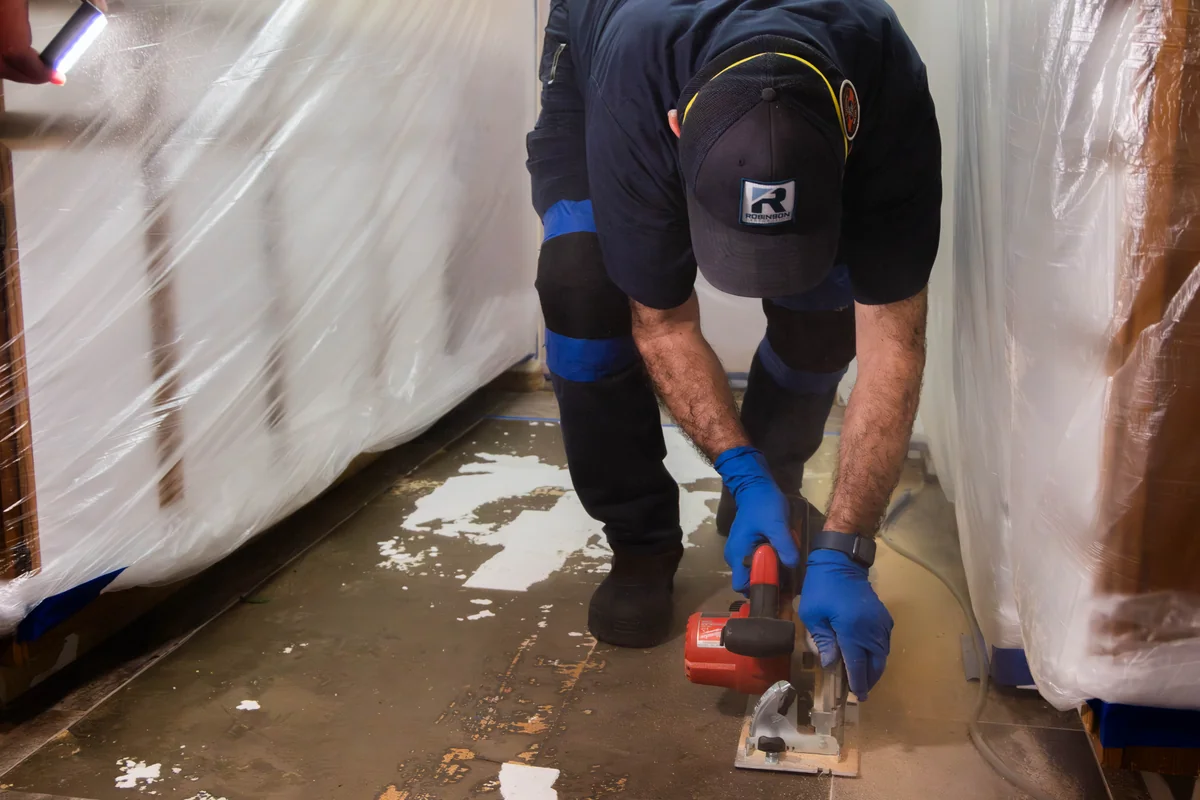
Every call reaches a live dispatcher, 24 hours a day, and routes through our Kent operations center. Before a single fan goes down we photograph the loss, meter the affected assemblies, and write a scope you can hand to an adjuster. Drying is performed to IICRC S500 with logged daily readings. We bill carriers directly, and when a loss needs reconstruction we manage it through vetted licensed contractors and sister companies.

River water and broken supply lines both punish delay, so we keep crews and drying equipment ready for Chehalis around the clock.
24 hours a day, 7 days a week, our crews dispatch the moment you call and start mitigation the same visit. Call dispatch or message us for immediate help.
We stop further damage with commercial extraction, structural drying, and antimicrobial treatment, and we walk you through the entire insurance claim as we work.
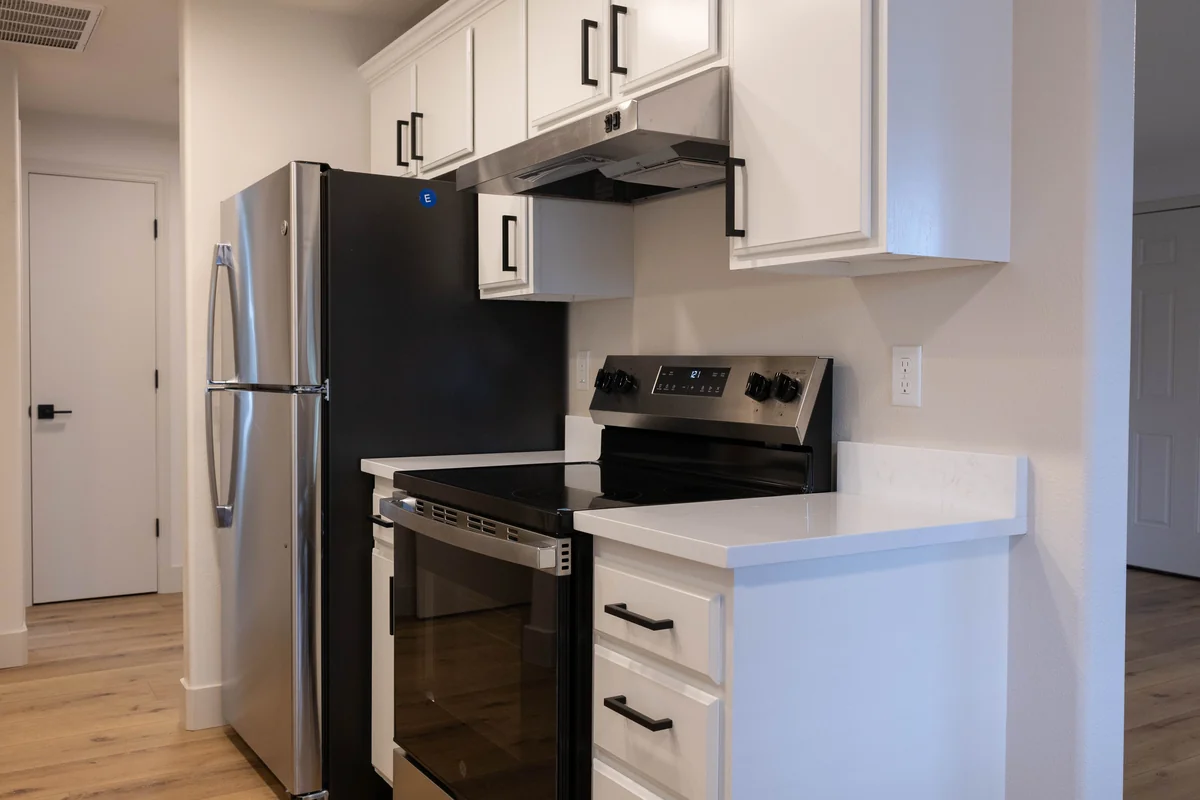
We manage your rebuild to pre-damaged condition through our trusted network of licensed contractors and sister companies. One manager, one timeline.
Between the Newaukum and the Chehalis the ground is flat, and pasture soil that has been saturated for weeks has nowhere to put a new storm. Water finds crawlspace vents, shop slabs, and barn floors first. Drying those spaces takes containment and dehumidification, because the outdoor air in January will not do that work for you.
Up on the ridges the risk flips. Runoff comes down the slope and stacks against foundations, daylight basements take water at the uphill wall, and one plugged downspout does more damage in an hour than a slow drip does in a month. We chase the entry point instead of treating the stain on the drywall.
Lewis County runs on timber, agriculture, and the businesses supporting them, which means plenty of metal buildings and slab-on-grade shops. Water under a slab wicks into wall track, batt insulation, and anything stored on pallets. We dry structures like these with desiccant equipment and document the loss so a commercial policy processes it cleanly.
Homes around the historic core were built with shallow crawls, masonry foundations, and plaster interiors that conceal moisture. A supply leak inside a wall travels down the lath and pools on the mud sill, where wood stays wet long enough to rot without ever marking the paint. That is a meter-and-camera find, not a look-and-see one.
Most of the losses we run in Chehalis start one of three ways: flooding and groundwater, roof and storm leaks, and burst and leaking pipes. Here is why each one happens here, and what it takes to dry it properly.
Flat ground where the Newaukum joins the Chehalis backs up during a long winter storm, and the valley floor holds it. Ground-level floors, shops, and crawlspaces take water before anyone watches a crest forecast.
Months of steady rain expose every failed flashing, worn valley, and packed gutter. Water tracks along rafters and appears on a ceiling well away from the actual opening in the roof.
Older Chehalis homes still run supply lines through unheated crawlspaces and additions. A joint lets go behind plaster, and the leak soaks framing for days before the wall finally darkens.
Water is how most losses start. It’s rarely where they end. The same local crew handles all of it.
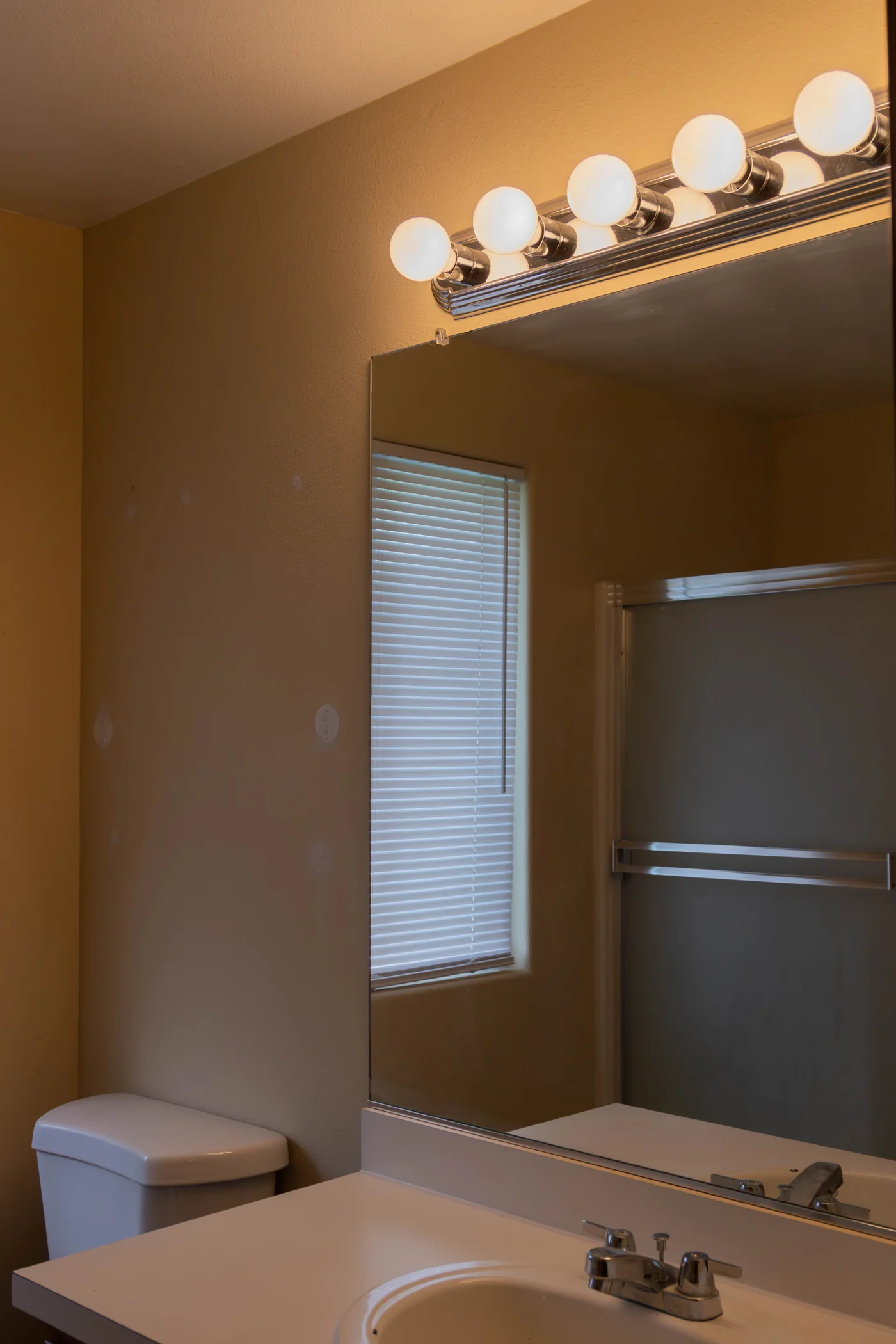
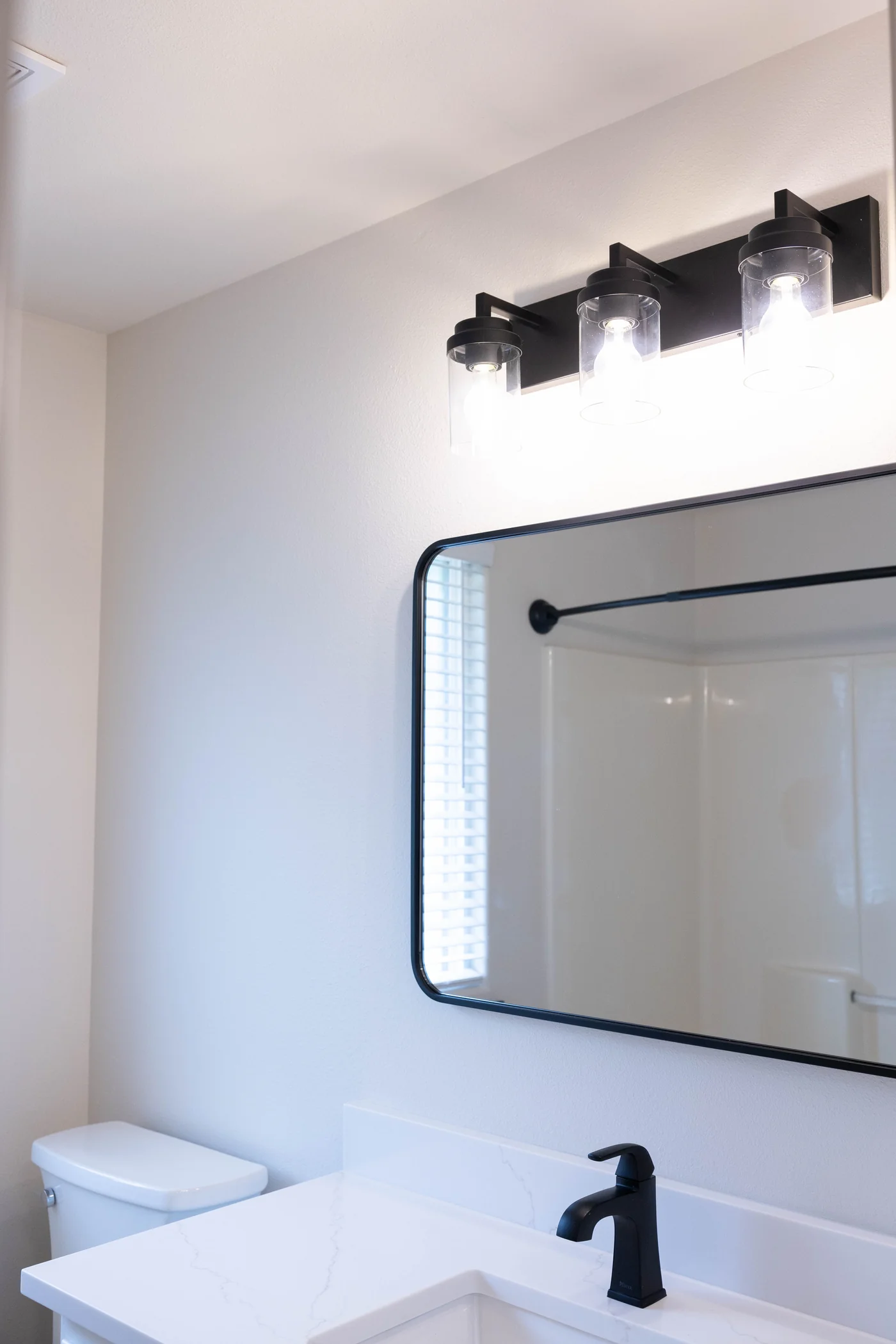
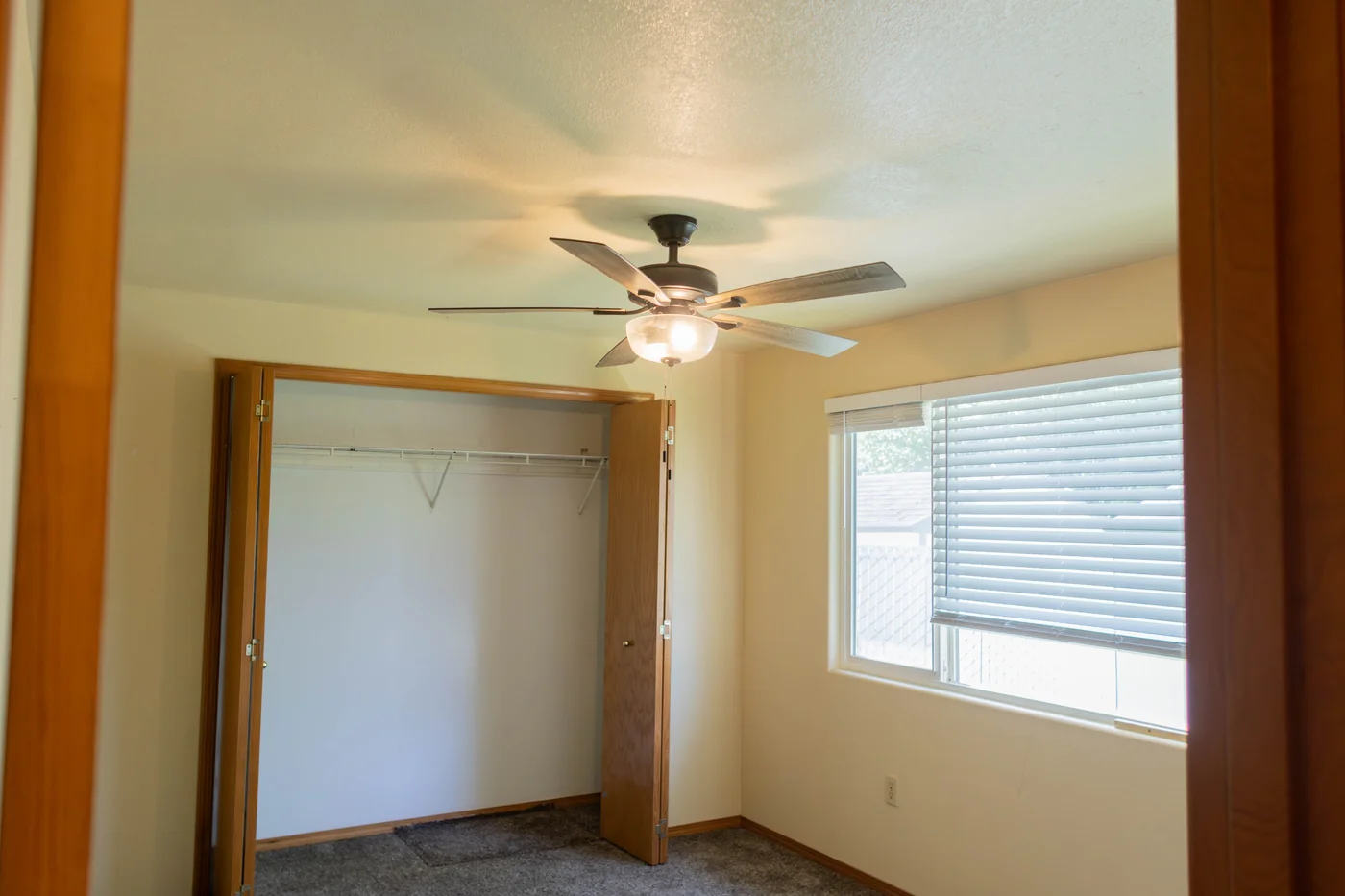
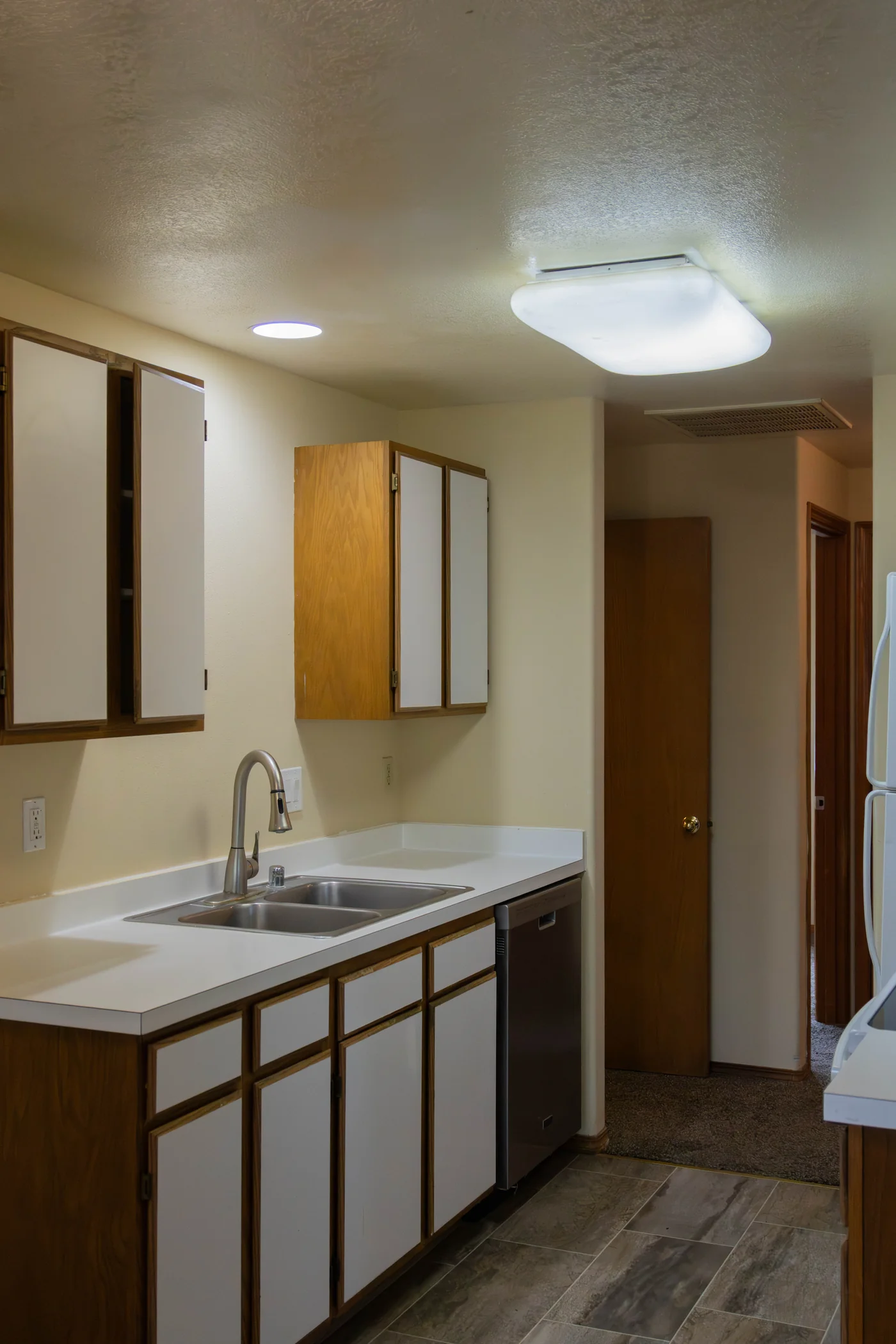
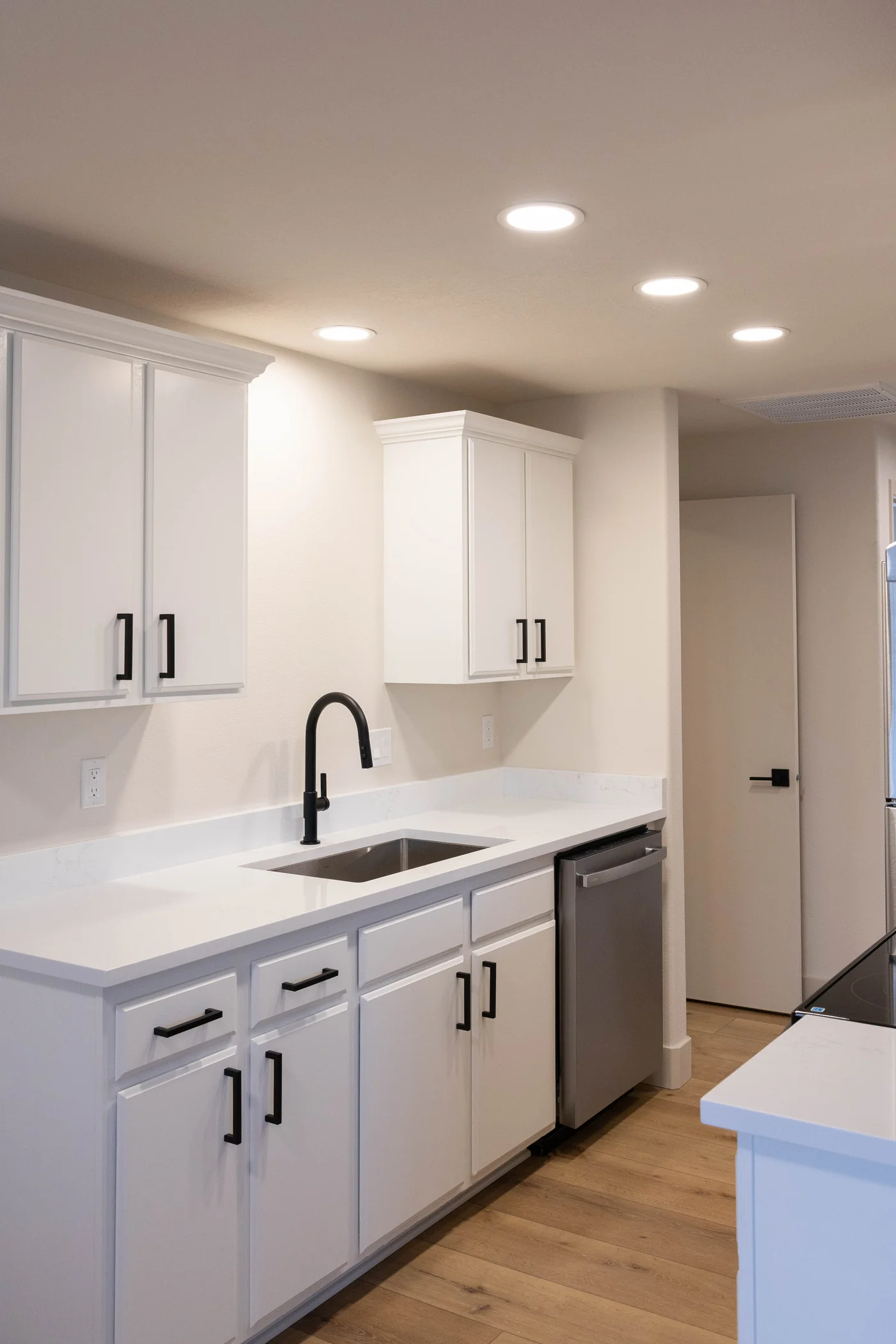
Three real projects, photo-documented for the insurance carrier. Drag each handle to compare.
“One of the pipes in the shower burst and water damage got all over the roof in the kitchen. As new home owners we were very scared and panicked. We contacted Kelly Farmer from Robinson Restoration and believe me when I say I felt like more than half of my problem was solved.”
Nav Basra · Google Review
“Just started a project with Cole and Chuck at Robinson Restoration and had to write a review straight away. These guys have been fantastic. We were away on a week long trip when we had a kitchen leak that destroyed our flooring and subfloor.”
Justin O'Neill · Google Review
“I want to express our sincere gratitude to the Robinson team that quickly moved to identify, rectify, repair, and then clean up the mess left by an itty-bitty hot water leak that went unnoticed because of its location.”
Michael Quinn · Google Review
In Washington, you choose your restoration contractor, and your carrier can’t penalize you for it. We document every Chehalis loss with moisture maps, photos, and daily readings, then bill your insurer directly. You pay your deductible. That’s it.
Subject to policy coverage and deductible. We handle the paperwork, photos, and adjuster calls.
Homes here range from century-old farmhouses to newer builds, and each one dries differently. Robinson has technicians covering Chehalis and the surrounding I-5 corridor, with dispatch answered 24/7 by someone who can actually send a truck. Crews carry extraction units, air movers, dehumidifiers, and moisture meters. Insurance gets billed directly, and we document the loss thoroughly so the claim moves.
Elevation, mostly. Chehalis has more hillside housing sitting above the flood zone, so those calls tend to be runoff, roof, and plumbing losses, while valley-floor properties near the rivers see the same river-driven flooding Centralia gets. Housing stock is older on average around the historic core, which means plaster, lath, and foundations that hold moisture far longer than modern framing does.
Yes. Around Chehalis those are often the most valuable structures on the property after the house. Slab floors wick, metal buildings sweat, and inventory sits directly on the wet surface. We extract, elevate and inventory contents, run desiccant drying, and document the whole loss so a farm or commercial policy sees one organized claim instead of scattered phone photos.
The distinction matters and carriers enforce it. Water entering through a compromised roof or window is generally a homeowners claim. Water that rose from the ground or the river is flood, and that needs separate coverage. A single Chehalis storm can produce both at the same address, so we document the entry point, the direction of travel, and the timeline in writing.
You can dry a small spill that way. You cannot dry a wall cavity, a floor assembly, or plaster over lath, which is what most Chehalis losses actually involve. Air movement without dehumidification relocates moisture into the rest of the house. Insurers also expect documented readings from a certified firm, and a rental receipt does not provide that.
We assess it before touching anything, because disturbing growth pushes spores through the rest of the house. Contained removal, negative air, HEPA filtration, treatment of what stays, then drying. If the area is large or the source ran for months, we say so and recommend independent testing. Plenty of older Chehalis homes have small crawlspace growth that predates the current loss.
We bill your carrier directly in most cases, so you cover the deductible and we wait on the insurer. Mitigation starts before the adjuster finishes, since policies require you to prevent additional damage. Our Chehalis file includes the scope, the category assignment, daily readings, and photographs, which is what shortens the approval conversation instead of dragging it out.
Wet subfloor gets worse every hour it sits. Call now and a Chehalis crew heads your way.
Licensed · Insured · IICRC Certified · Serving Washington & Oregon