Robinson Restoration is an IICRC-certified water damage restoration company serving Galvin, WA. Crews dispatch 24 hours a day, arrive on-site in 90 minutes or less, document the readings and photos your carrier needs, and bill your insurance directly on covered claims.
Galvin sits on the Chehalis River bottom west of Centralia, where farm ground, gravel roads, and river bends all send water the same direction. We work water losses out here the same way we work them in town: fast extraction, real drying equipment, and a documented file for the claim.
This is river-bottom country, and everyone who lives here knows what the Chehalis does in a wet December. Houses run to old farmhouses, post-war frame homes, and manufactured homes set on pier blocks, most of them on well water and septic. Rain saturates pasture that has nowhere to drain, crawlspaces fill from below, and a pump that quits on a Sunday night can put an inch of water under the floor by morning.
Our Kent operations center dispatches Lewis County calls at any hour, and the trucks carry extraction units, air movers, and dehumidifiers sized for outbuildings and shops as well as houses. Technicians document moisture readings room by room, follow IICRC S500 for structural drying, and photograph everything before demolition starts. Direct billing with most carriers means the paperwork moves without you chasing it, and we will tell you plainly what a well or septic issue changes about the cleanup.

Rural addresses and long driveways do not slow us down, and our dispatch line is answered by a person at three in the morning.
24 hours a day, 7 days a week, our crews dispatch the moment you call and start mitigation the same visit. Call dispatch or message us for immediate help.
We stop further damage with commercial extraction, structural drying, and antimicrobial treatment, and we walk you through the entire insurance claim as we work.
We manage your rebuild to pre-damaged condition through our trusted network of licensed contractors and sister companies. One manager, one timeline.
Galvin sits on flat ground the river has used before, and the valley has a long memory of water over the road and over the fields. When the Chehalis and the Skookumchuck come up together, low crawlspaces and shop floors take on water before anything reaches a doorstep. Extraction, antimicrobial treatment, and controlled drying keep that from becoming rot and mold.
Working property out here means more than a house. Pump houses, hay barns, equipment shops, and detached garages all hold water damage that gets ignored until framing softens. We dry outbuildings with the same equipment and standards we use indoors, and we document them separately so the loss shows up correctly on your policy schedule.
Almost every home in the area runs on a private well, so a burst pressure tank or a cracked line under the house keeps pumping until somebody kills the breaker. That is a lot of clean water into a crawlspace in a short time. We shut it down, extract, and check whether the well head took any surface contamination during the event.
Pier-block foundations, vented skirting, and batt insulation under the floor are common here, and they trap water instead of shedding it. Wet fiberglass hangs in the joists for weeks and rusts out ductwork below the belly board. Pulling that insulation early and drying the framing costs far less than replacing a floor system a year later.
Most of the losses we run in Galvin start one of three ways: flooding and groundwater, frozen and split pipes, and roof and storm leaks. Here is why each one happens here, and what it takes to dry it properly.
The Chehalis has come out of its banks more than once in living memory, and the ground here holds water long after the river drops. Crawlspaces and low floors take it first.
Cold air pools on the valley floor on clear January nights. Uninsulated lines in pump houses, skirted crawlspaces, and unheated additions split first, then thaw and run while nobody is home.
Old farmhouse roofs, moss growth, and metal shop panels take a beating through a Lewis County winter. Weeks of steady rain find nail holes and flashing gaps that a summer shower never would.
Water is how most losses start. It’s rarely where they end. The same local crew handles all of it.
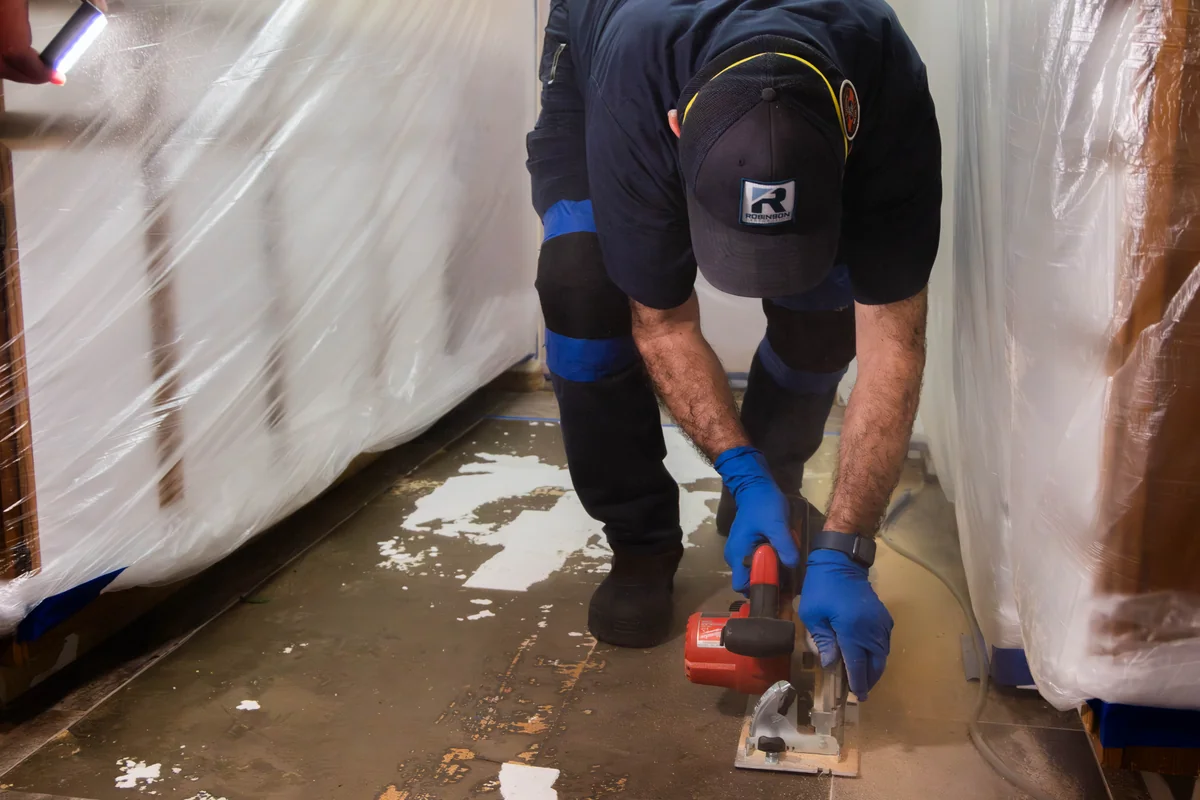
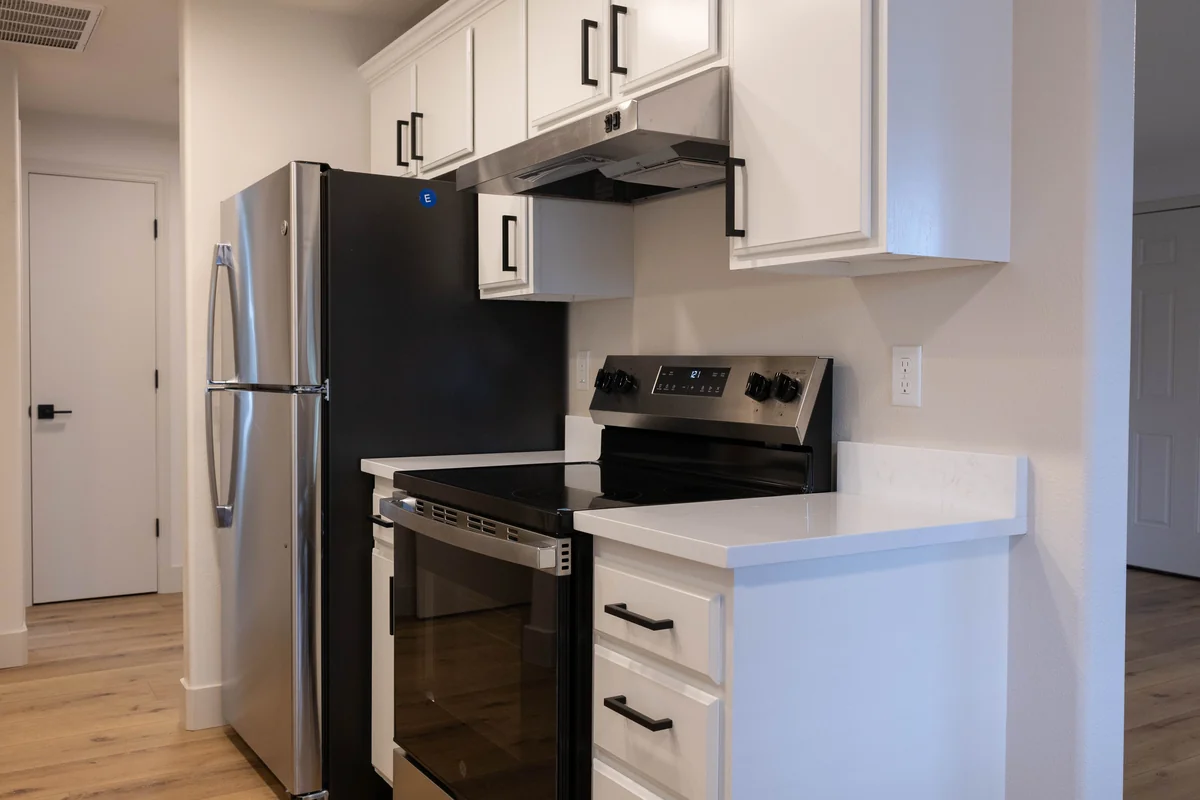
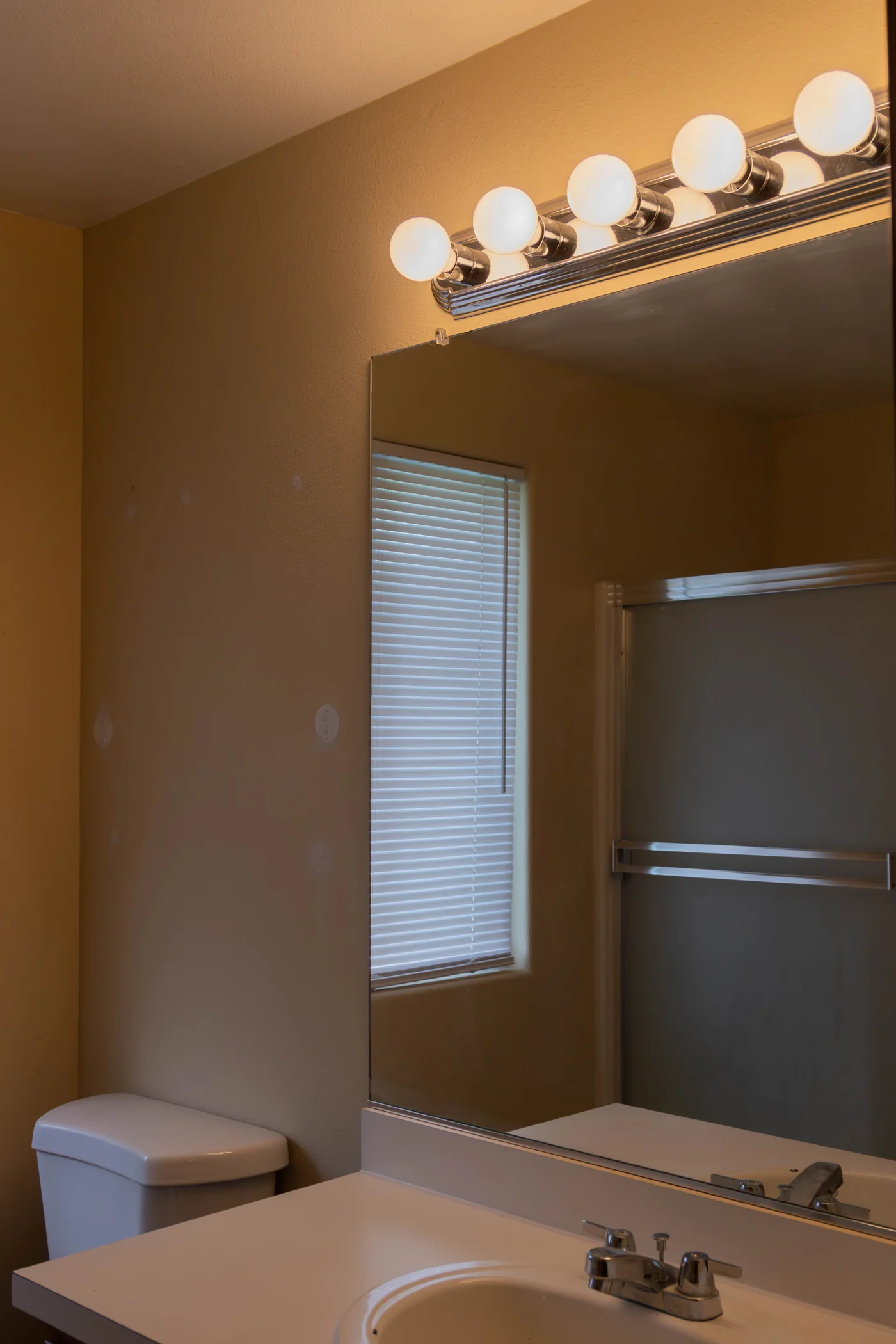
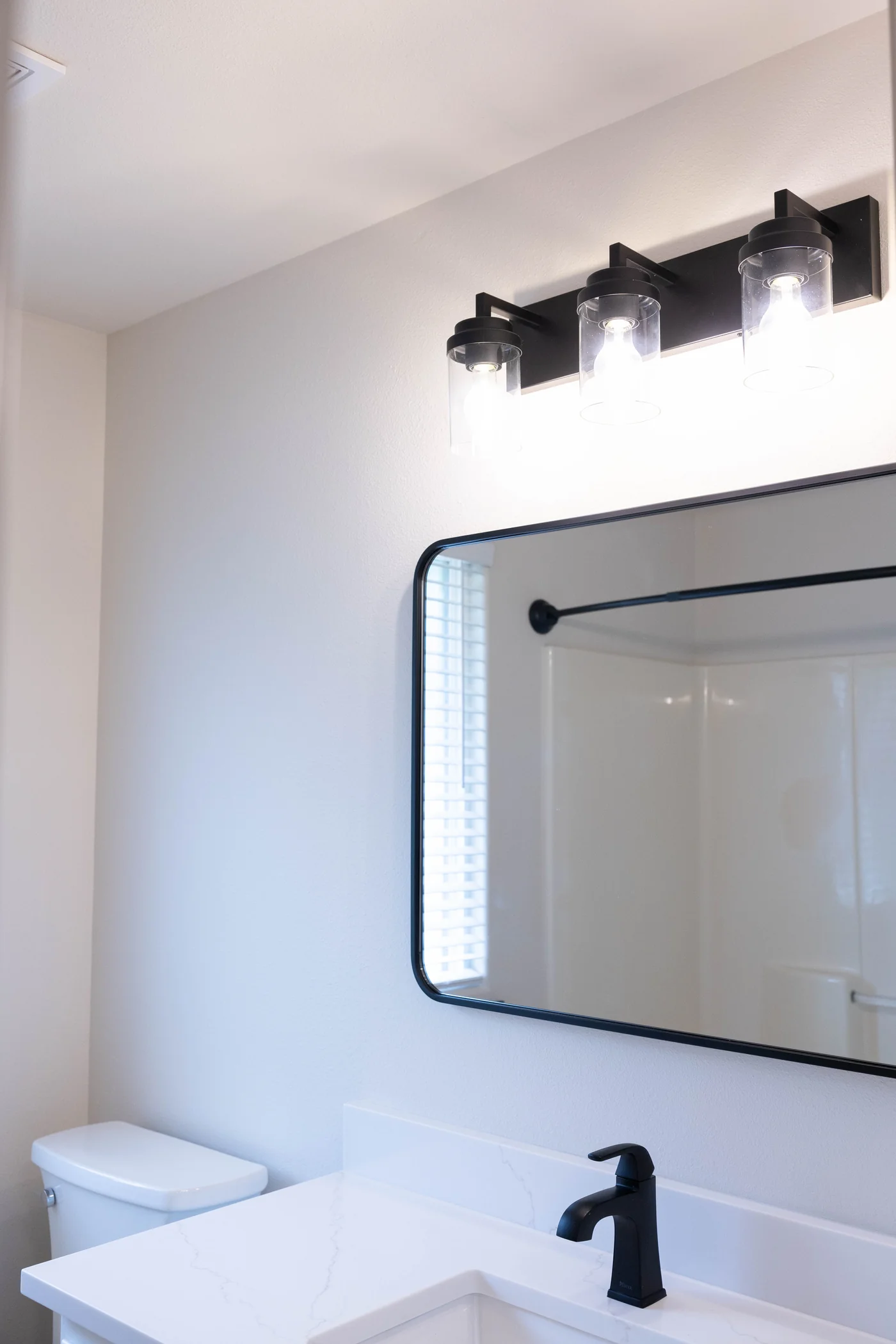
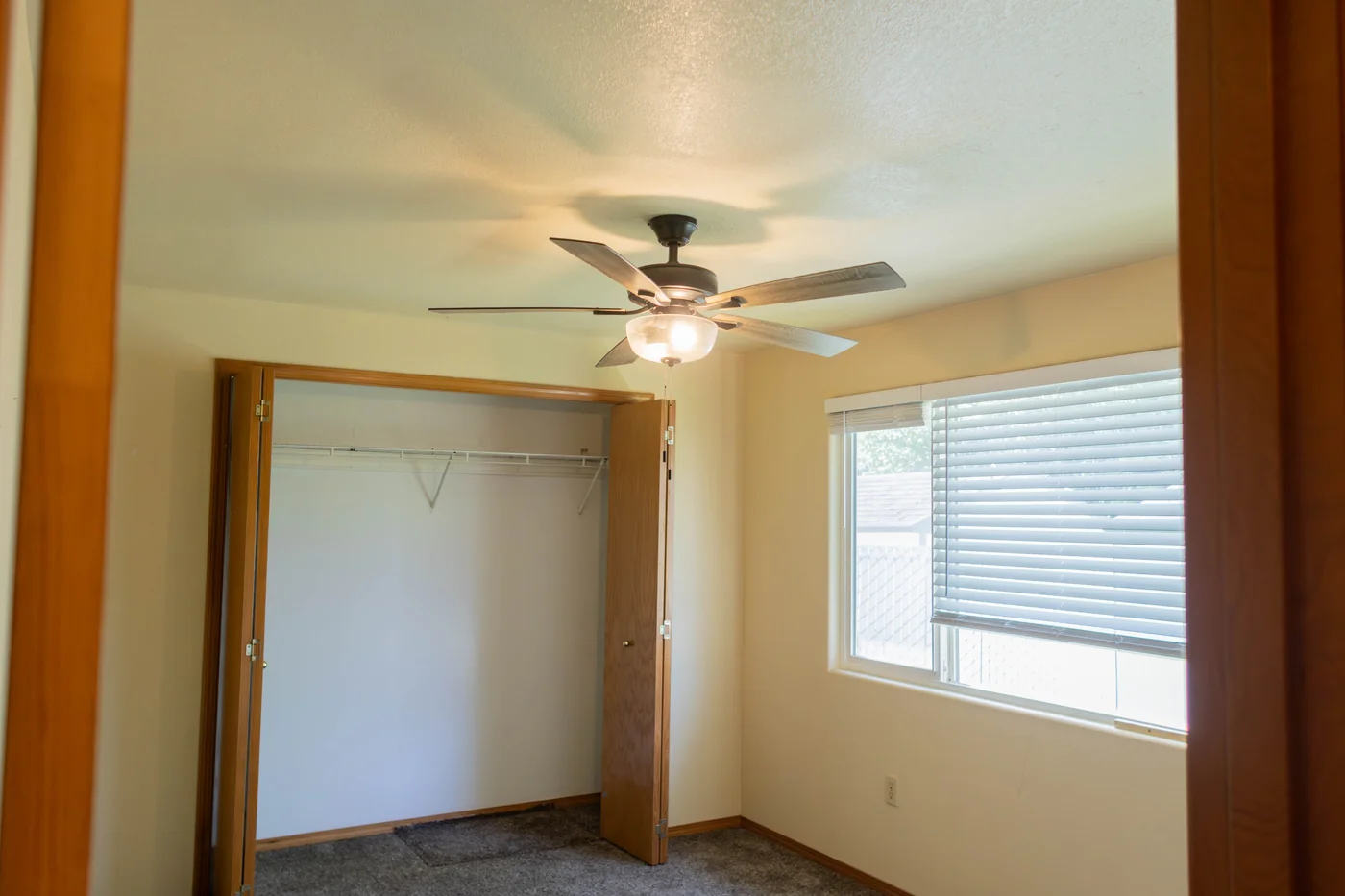
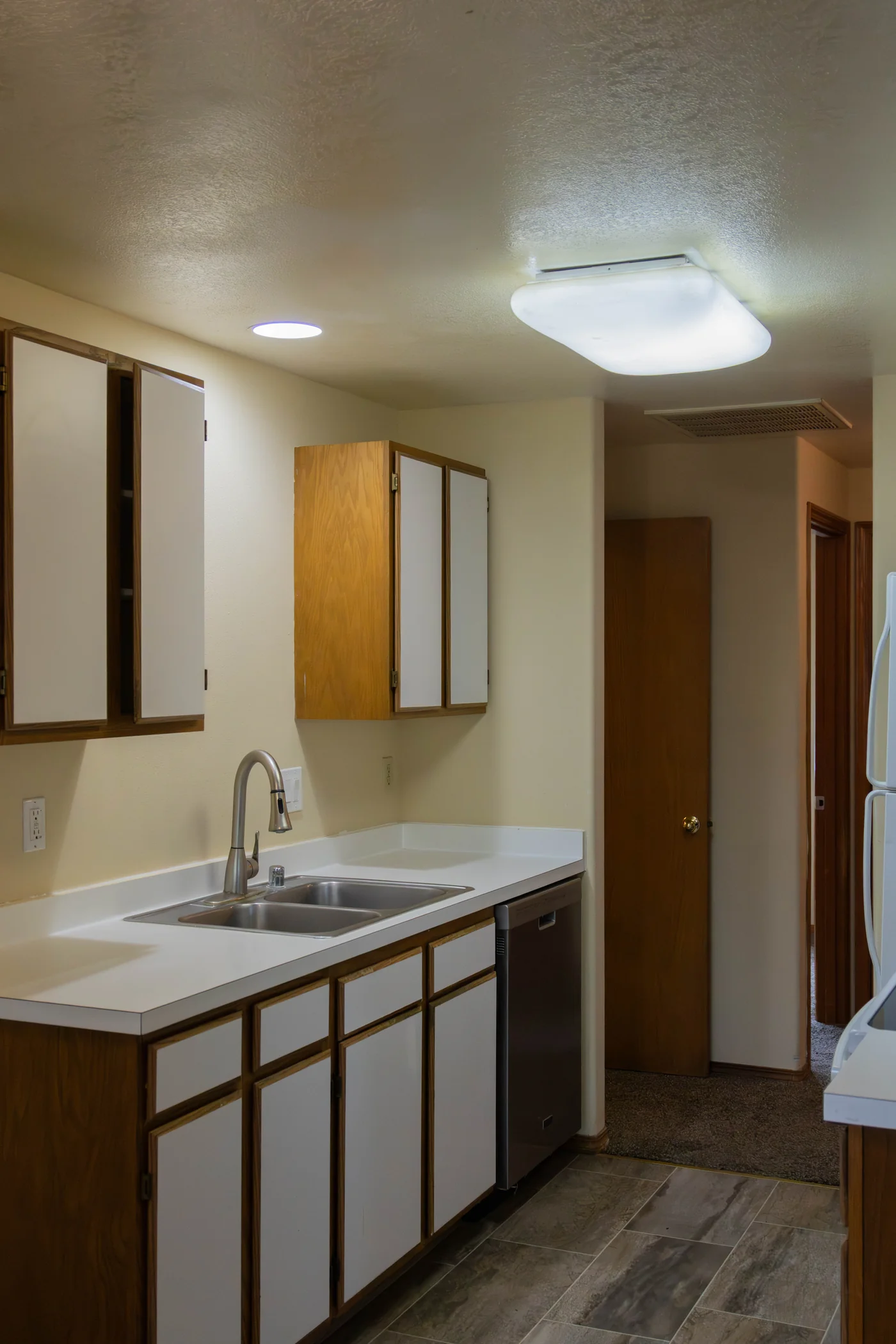
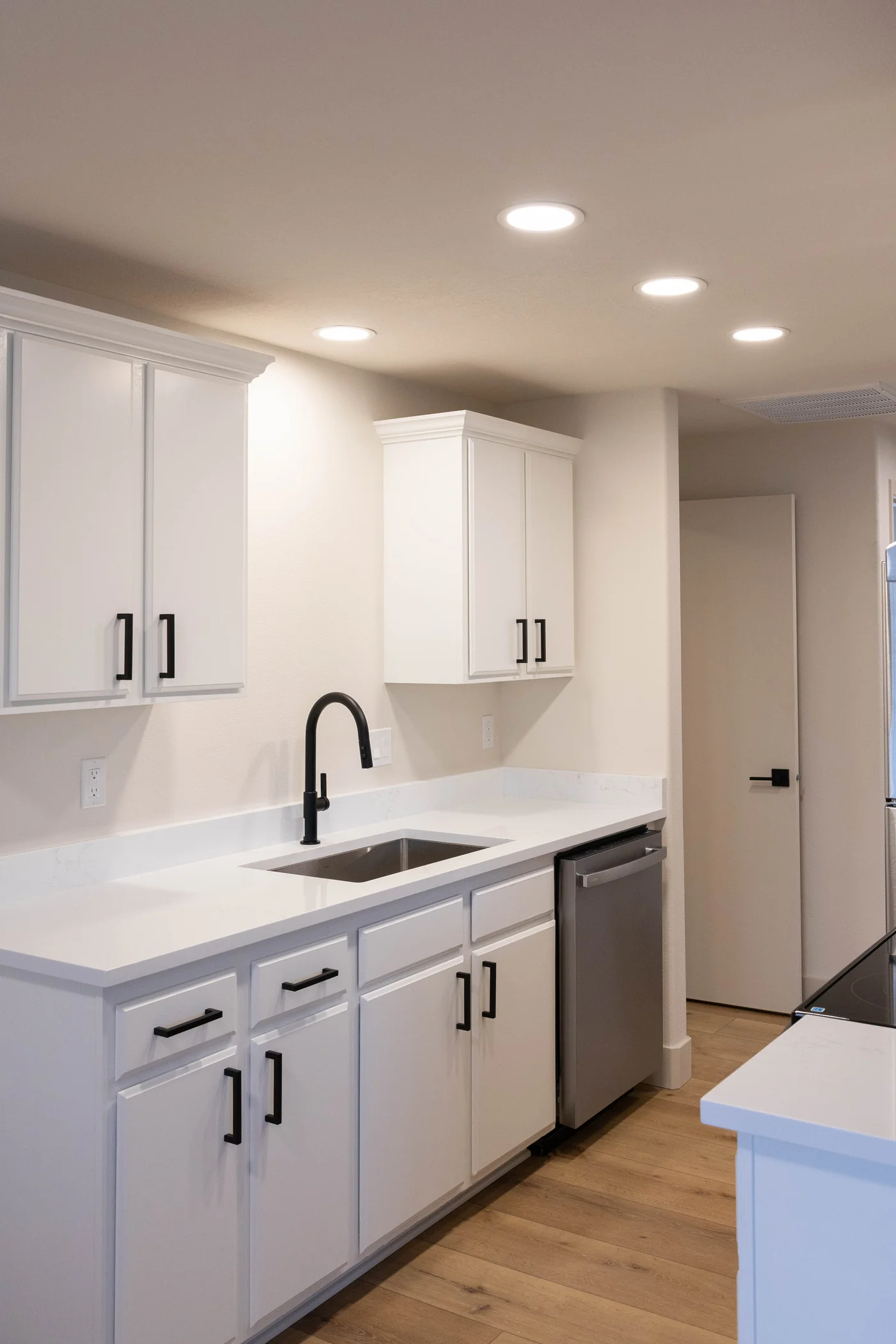
Three real projects, photo-documented for the insurance carrier. Drag each handle to compare.
“One of the pipes in the shower burst and water damage got all over the roof in the kitchen. As new home owners we were very scared and panicked. We contacted Kelly Farmer from Robinson Restoration and believe me when I say I felt like more than half of my problem was solved.”
Nav Basra · Google Review
“Just started a project with Cole and Chuck at Robinson Restoration and had to write a review straight away. These guys have been fantastic. We were away on a week long trip when we had a kitchen leak that destroyed our flooring and subfloor.”
Justin O'Neill · Google Review
“I want to express our sincere gratitude to the Robinson team that quickly moved to identify, rectify, repair, and then clean up the mess left by an itty-bitty hot water leak that went unnoticed because of its location.”
Michael Quinn · Google Review
In Washington, you choose your restoration contractor, and your carrier can’t penalize you for it. We document every Galvin loss with moisture maps, photos, and daily readings, then bill your insurer directly. You pay your deductible. That’s it.
Subject to policy coverage and deductible. We handle the paperwork, photos, and adjuster calls.
Rural properties slow some restoration companies down. Robinson runs Galvin calls through the same 24/7 dispatch as everywhere else, and the truck shows up loaded: extraction units, air movers, dehumidifiers, and moisture meters that find water hiding inside wall cavities and under flooring. Technicians log every reading, and the paperwork goes straight to your insurance carrier for direct billing.
We cover the rural addresses too. Dispatch runs 24 hours and crews work the whole Chehalis valley, including places where the mailbox is at the road and the house is a long way back. Give the dispatcher gate codes, dog situations, and any washed-out driveway conditions when you call, and the crew will show up ready for it.
It starts clean, and category matters for what can be saved. Well water off a broken supply line is treated as clean water if we get to it early, which means carpet pad, some insulation, and most framing can be dried in place. Left sitting for two or three days in a warm crawlspace, it degrades and the scope changes. Speed is what protects materials.
Rising river water is a flood claim, and that takes a separate flood policy rather than your homeowners coverage. Plenty of Galvin properties carry both for exactly that reason. We document water lines, timing, and entry points on arrival so the correct policy gets billed. If neither applies, we will give you a straight mitigation price before any equipment goes in.
Very different. Sewage is category three, so porous materials that soaked it up get removed rather than dried: carpet, pad, and usually the bottom section of drywall. Crews work in containment with protective gear, extract, clean hard surfaces, and apply an antimicrobial before drying starts. Once the structure is dry, we can coordinate the rebuild through licensed contractors we work with.
It depends on square footage, how long the water sat, and whether insulation and vapor barrier have to come out. Most Galvin crawlspace jobs land in a predictable range once we see it, and we give you the number before we start. If insurance is involved, the estimate goes to your adjuster in the format carriers expect, with photos and moisture logs attached.
Yes. Winter storms take out rural power for days at a time, and we bring generators when the grid is down so extraction and dehumidification can start anyway. We will also check your panel and any wet outlets before energizing anything. Waiting on a utility crew before mitigation begins is how a two-day dry-out turns into a mold remediation.
Water in a Galvin crawlspace only gets more expensive the longer it sits. Call us and get drying started.
Licensed · Insured · IICRC Certified · Serving Washington & Oregon