Robinson Restoration is an IICRC-certified water damage restoration company serving Glenoma, WA. Crews dispatch 24 hours a day, arrive on-site in 90 minutes or less, document the readings and photos your carrier needs, and bill your insurance directly on covered claims.
Glenoma sits along Highway 12 in the upper Cowlitz valley, where mountain weather arrives early and stays late. Homes out here take on water from more directions than a city house does, and our crews come loaded for the ones that matter: extraction, structural drying, and full documentation for the claim.
Timber country runs on a different set of buildings: older farmhouses, log and cedar cabins, manufactured homes on acreage, and second homes that sit empty between visits. Elevation here means real snow some winters and rain-on-snow the next week, which loads roofs and then soaks them. Wells, septic systems, and long unheated water runs add failure points a city lot never has. An empty house can run water for days before anyone notices.
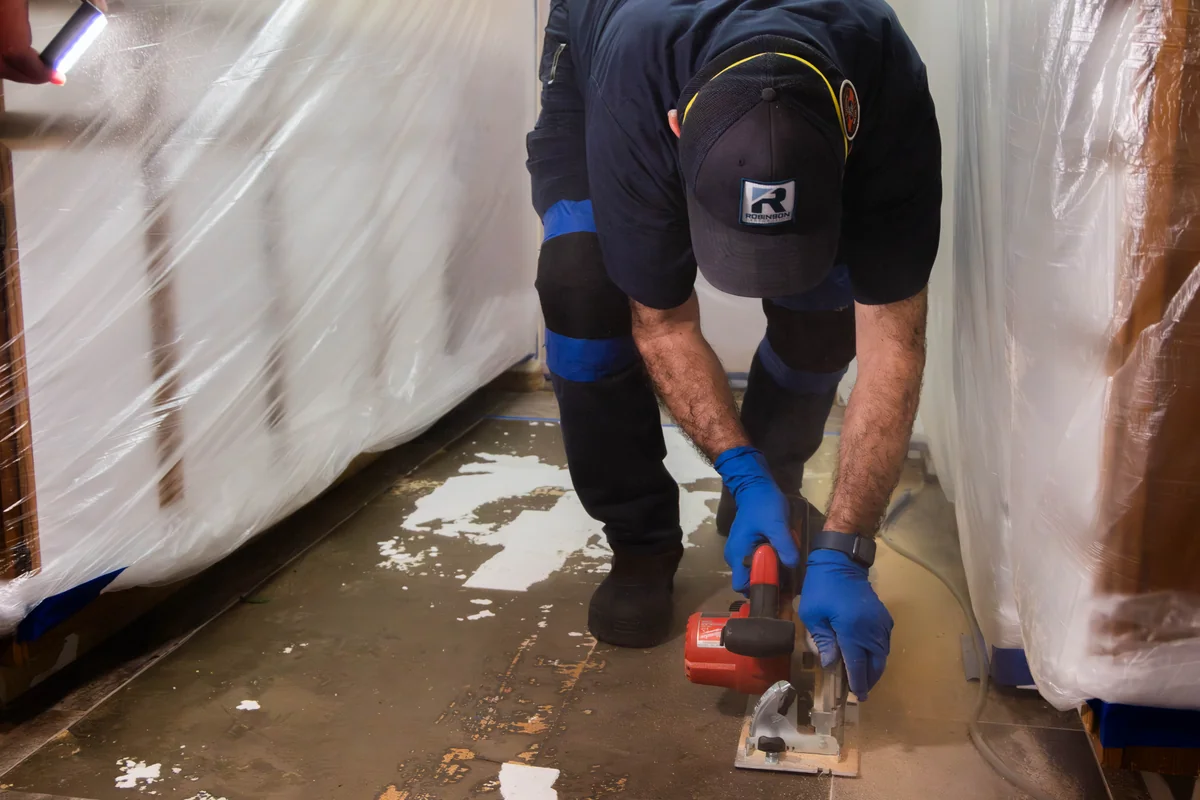
Dispatch is staffed around the clock out of our Kent operations center, and crews headed east on Highway 12 bring generators, extra hose, and dehumidifiers rated for cold structures. Every job follows IICRC S500: moisture mapping before demolition, daily readings, and photos of every affected area. Direct billing with most carriers keeps the file moving while you deal with the rest of it. If the repair goes past mitigation, we manage the rebuild through licensed contractors.

Mountain highway weather, snow, and downed trees are part of the job here, and our dispatch line stays open through all of it.
24 hours a day, 7 days a week, our crews dispatch the moment you call and start mitigation the same visit. Call dispatch or message us for immediate help.
We stop further damage with commercial extraction, structural drying, and antimicrobial treatment, and we walk you through the entire insurance claim as we work.
We manage your rebuild to pre-damaged condition through our trusted network of licensed contractors and sister companies. One manager, one timeline.
Glenoma runs colder than the lowland towns down the valley, and hard freezes reach lines that never see trouble in Centralia. Vacant cabins, unheated pump houses, and pipes run through vented crawlspaces are the usual casualties. The break happens in the cold and the flooding happens on the thaw, often while nobody is at the property.
Big conifers shade roofs year round, so moss holds moisture and needles pack gutters and valleys. Add a heavy snow load and the water finds every gap in flashing at once. Attic leaks in this kind of house often show up first as a stained ceiling in a back bedroom, long after the insulation above it has been wet.
Property tucked against a slope collects everything that comes off it. Winter rain saturates thin mountain soil, sheets down to the flat, and pushes under foundations and through daylight basement walls. Culverts plug with debris, driveways channel water toward the house, and the fix starts with extraction before anyone talks about grading.
Cabins near Riffe Lake and Mayfield Lake sit closed up for weeks at a stretch. A supply line lets go in February and the owner finds out in April, by which point the subfloor is gone and mold has taken the lower walls. We handle those jobs regularly, including full documentation for owners who cannot be on site during the work.
Most of the losses we run in Glenoma start one of three ways: frozen and split pipes, roof and storm leaks, and water heater failures. Here is why each one happens here, and what it takes to dry it properly.
Cold snaps run harder at this elevation than down in the Chehalis valley. Lines in vented crawlspaces, garages, and unheated additions split, then release everything they have when the weather turns.
Moss, needle litter, and snow load work on older roofs all winter. Water gets past flashing and skylights, soaks attic insulation, and shows up on a ceiling weeks after the leak started.
Tanks in unconditioned garages and utility rooms corrode faster in damp mountain air. When the bottom goes, forty gallons hits the floor and runs toward the lowest point in the house.
Water is how most losses start. It’s rarely where they end. The same local crew handles all of it.
Three real projects, photo-documented for the insurance carrier. Drag each handle to compare.
“We recently had an unfortunate plumbing issue that led to some significant flooding issues. On the recommendation of our plumber we reached out to Robinson Restoration to help us with drying out our house and getting it ready to be put back together.”
Don Warner · Google Review
“We've had the bittersweet opportunity to have Robinson in our lives twice now. First, for a major 3,000 sq ft mold remediation of our crawl space. Then last week, we had an unfortunate flood. I don't know what we would have done without them.”
T Marie C · Google Review
“Chuck and Cole were very professional, courteous and knowledgeable about their restoration skills including close out processes. I'm really happy they were the two employees assigned to our home.”
Joanna Gamble · Google Review
In Washington, you choose your restoration contractor, and your carrier can’t penalize you for it. We document every Glenoma loss with moisture maps, photos, and daily readings, then bill your insurer directly. You pay your deductible. That’s it.
Subject to policy coverage and deductible. We handle the paperwork, photos, and adjuster calls.
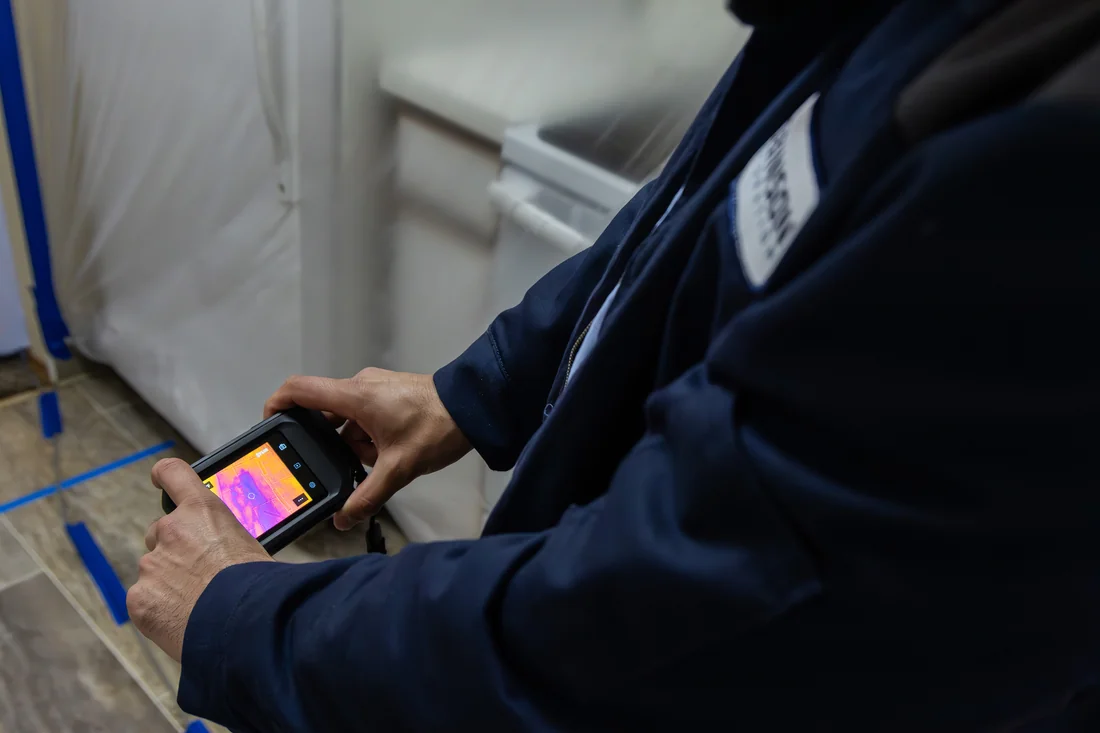
Small communities in east Lewis County often get told to wait. Glenoma is inside our service area, dispatch answers around the clock, and the crew that rolls out carries truck-mounted extraction, air movers, dehumidifiers, and thermal imaging for water that soaked into framing. We handle the insurance side too, billing your carrier directly and documenting moisture readings from the first day through the final dry check.
A leak detector at the water heater and under sinks helps, but the strongest protection is shutting the main off when you leave and draining the lines before a cold stretch. If a neighbor checks the place, ask them to look at the crawlspace vents and the ceiling in the lowest room. Most catastrophic cabin losses we see ran for weeks unnoticed.
Yes. Winter is when most of these calls happen, so crews plan for it. Snow, ice, and downed timber can change the route, and the dispatcher will tell you honestly what the road situation looks like when you call. In the meantime we will walk you through shutting off the water and moving anything valuable off wet flooring.
It can. Crews bring generators for exactly this situation, since outages in east Lewis County can run several days after a wind event. Generator power runs extraction equipment and dehumidifiers while the utility works the lines. We also check whether the well and pressure tank took on any contamination, because that changes how we treat the affected materials.
It becomes a remediation job with a containment plan on top of the drying. We seal the affected area, run negative air with HEPA filtration, remove materials that cannot be cleaned, and treat what stays. Then we find and fix the moisture source, because remediation without correcting the leak just resets the clock. Coverage for mold varies by policy, so we document the original cause carefully.
We manage it. Mitigation, drying, and cleanup are ours, and the rebuild goes through vetted licensed contractors and sister companies we have worked with for years. That matters in Glenoma, where finding a contractor willing to drive out for a small scope can take weeks on your own. One file, one point of contact, both phases.
Get the water out first and decide after, since a documented mitigation file works either way. We can give you a repair scope and a price so you can compare it against your deductible before you call the carrier. If you do file, we bill most insurers directly and send the readings, photos, and equipment logs adjusters ask for.
A wet floor in Glenoma will not wait for better weather. Reach us any hour and we will get moving.
Licensed · Insured · IICRC Certified · Serving Washington & Oregon