Robinson Restoration is an IICRC-certified water damage restoration company serving Mossyrock, WA. Crews dispatch 24 hours a day, arrive on-site in 90 minutes or less, document the readings and photos your carrier needs, and bill your insurance directly on covered claims.
Mossyrock sits in the Cowlitz valley between two reservoirs, on ground that stays wet from October to May. Farmhouses, manufactured homes, and shop buildings out on well and septic all share the same problem when a line lets go: help is not next door. Robinson Restoration answers 24/7.
Riffe Lake and Mayfield Lake bracket the town, and the valley floor below them holds water the way farm ground does. Housing runs from century-old farmhouses with post-and-pier foundations to double-wides set on acreage, most of them on private wells with pressure tanks in unheated pump houses. Winter here is colder than the coast and wetter than the Cascades' east side. Freezing rain, a hard clear night, and a low crawlspace add up to split lines.
Rural addresses are exactly where restoration companies get slow, so we plan for it. Dispatch runs around the clock, crews load extraction and drying gear for a full property rather than a single room, and we work to IICRC S500 standards on every job regardless of how far out the driveway runs. Moisture readings, photos, and equipment logs go straight to your carrier, and we bill the insurer directly so Mossyrock families aren't fronting the cost.

Lewis County calls get dispatched the same as any other, with crews and truck-mounted extraction ready for Mossyrock properties at any hour.
24 hours a day, 7 days a week, our crews dispatch the moment you call and start mitigation the same visit. Call dispatch or message us for immediate help.
We stop further damage with commercial extraction, structural drying, and antimicrobial treatment, and we walk you through the entire insurance claim as we work.
We manage your rebuild to pre-damaged condition through our trusted network of licensed contractors and sister companies. One manager, one timeline.
Cold air settles into the Cowlitz valley floor and sits there, so overnight lows in town run below what the forecast for Chehalis suggests. Pump houses, well lines, and hose bibs on the north side of a barn are the first casualties. A split at the pressure tank can run for hours before anyone notices, and it usually runs straight into a crawlspace.
Water losses out here aren't limited to the house. Milk rooms, shops, tack rooms, and finished bonus space over a garage all take on water, and most of them have no floor drain and no easy way to get a truck close. We bring portable extraction and enough air movers to dry an outbuilding properly instead of leaving it to air out through spring.
Lewis County takes long stretches of warm rain on top of saturated ground, and the low spots hold it. Crawlspaces that stayed dry for years start showing standing water after a week of it, and septic drainfields lose the ability to take anything more. Neither situation fixes itself, and both put moisture under the living space where it does real damage.
The original farmhouses around Mossyrock were built long before vapor barriers, and many still sit on post-and-pier with dirt underneath. Add a roof that's carried moss through a few too many winters and plumbing that has been patched by four generations, and the failure points stack up. Drying these homes takes containment and patience, not a couple of fans left in a hallway.
Most of the losses we run in Mossyrock start one of three ways: frozen and split pipes, flooding and groundwater, and roof and storm leaks. Here is why each one happens here, and what it takes to dry it properly.
Valley bottom cold pools overnight. Well lines, pump houses, and pipes running through open crawlspaces freeze first, then split when things thaw and pressure comes back up mid-morning.
Long warm rains on saturated valley ground push water into low crawlspaces and daylight rooms. Once a drainfield gives up, the yard stops absorbing anything and the house takes it instead.
Metal and composition roofs out here collect fir needles and moss under heavy tree cover. Valleys and flashings back up during a windy rain, and the leak shows up two rooms from the entry point.
Water is how most losses start. It’s rarely where they end. The same local crew handles all of it.
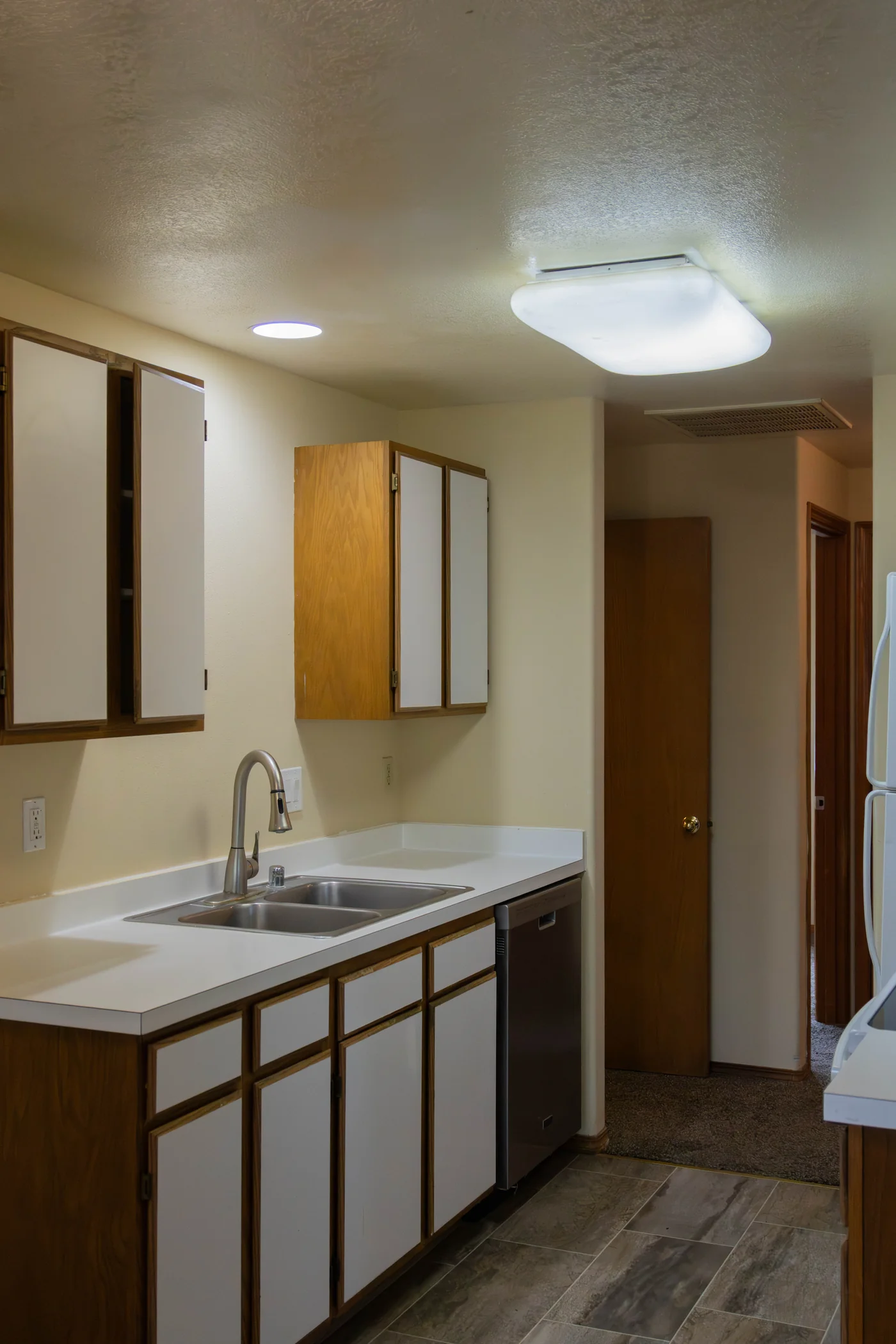
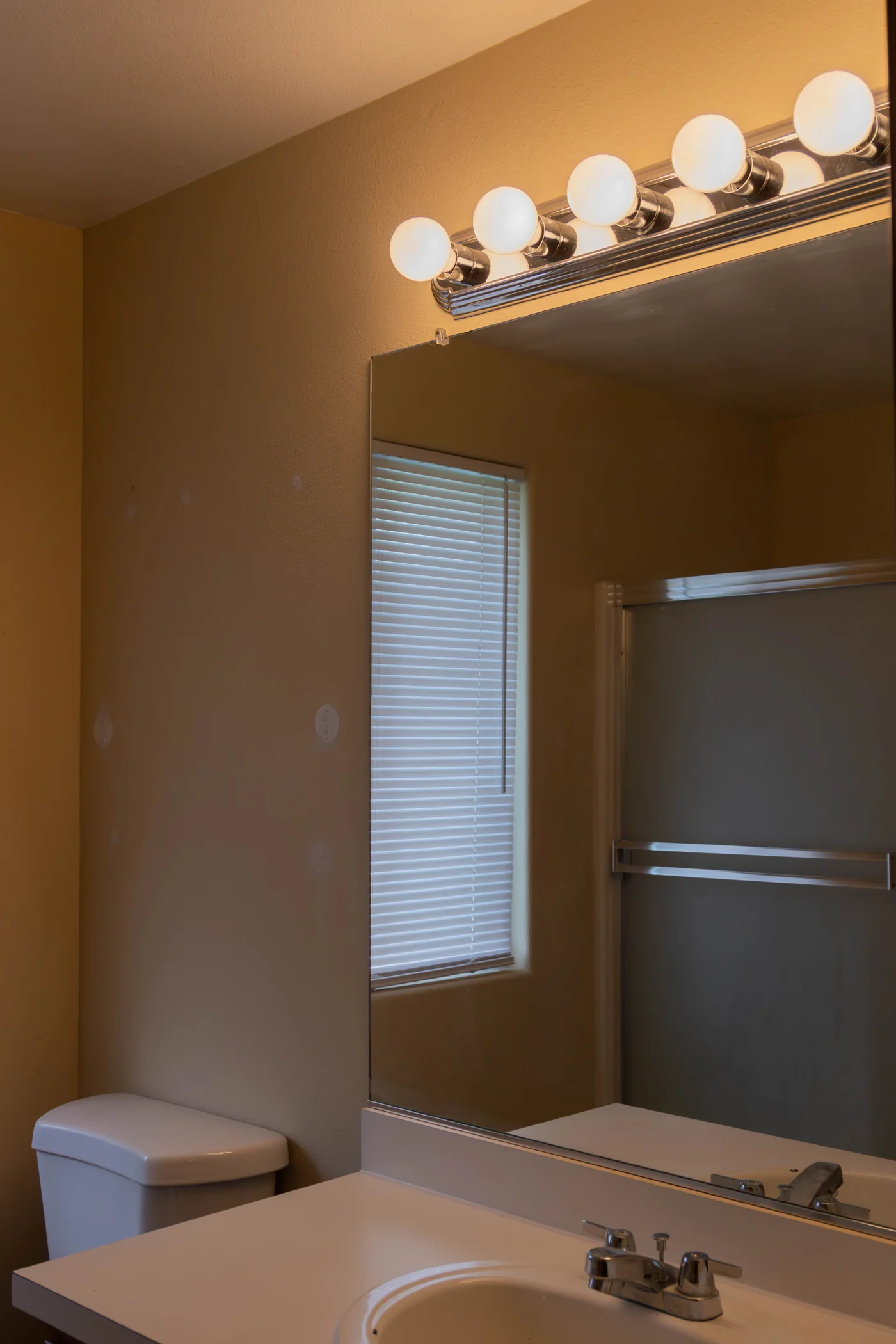
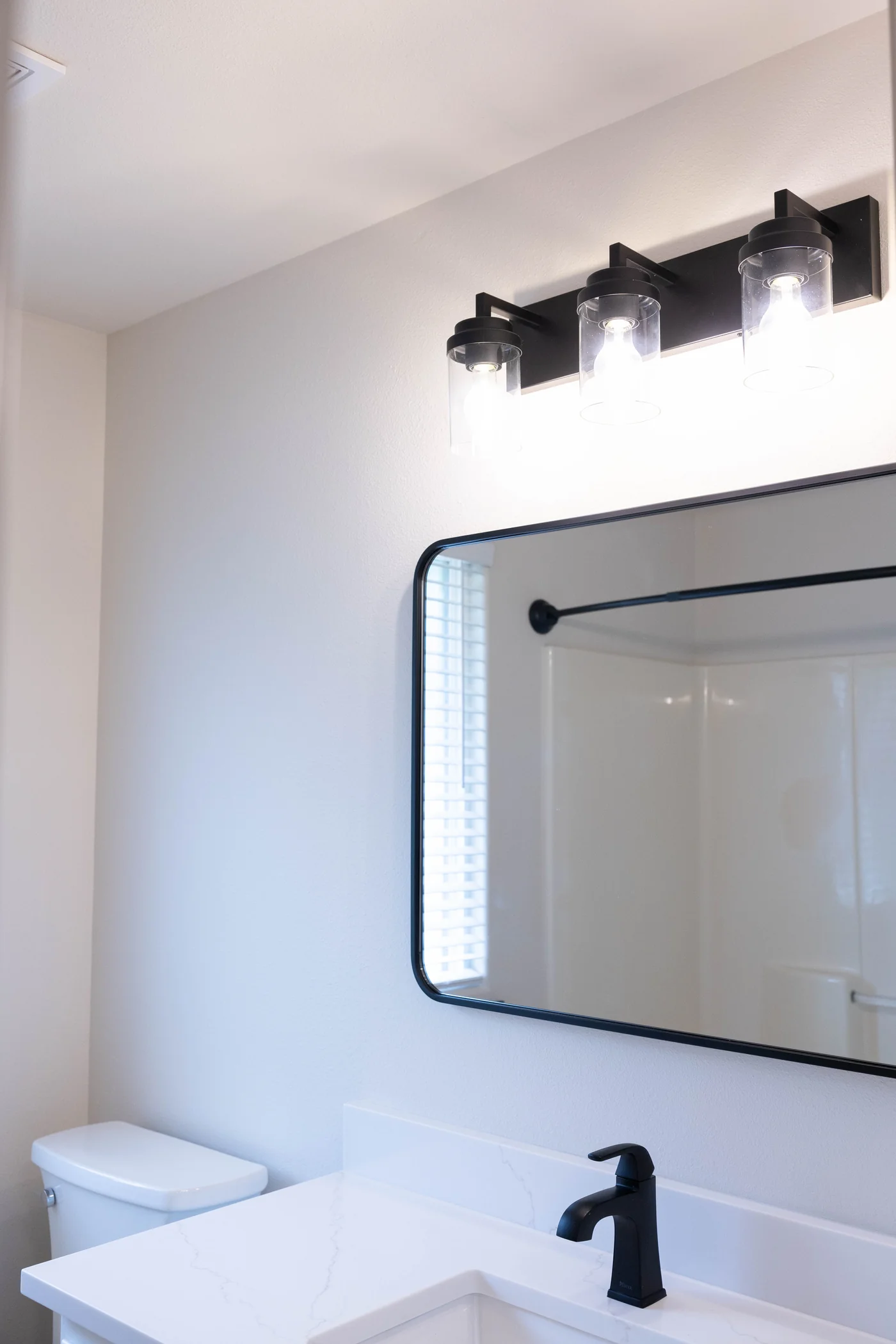
Three real projects, photo-documented for the insurance carrier. Drag each handle to compare.
“We recently had an unfortunate plumbing issue that led to some significant flooding issues. On the recommendation of our plumber we reached out to Robinson Restoration to help us with drying out our house and getting it ready to be put back together.”
Don Warner · Google Review
“We've had the bittersweet opportunity to have Robinson in our lives twice now. First, for a major 3,000 sq ft mold remediation of our crawl space. Then last week, we had an unfortunate flood. I don't know what we would have done without them.”
T Marie C · Google Review
“Chuck and Cole were very professional, courteous and knowledgeable about their restoration skills including close out processes. I'm really happy they were the two employees assigned to our home.”
Joanna Gamble · Google Review
In Washington, you choose your restoration contractor, and your carrier can’t penalize you for it. We document every Mossyrock loss with moisture maps, photos, and daily readings, then bill your insurer directly. You pay your deductible. That’s it.
Subject to policy coverage and deductible. We handle the paperwork, photos, and adjuster calls.
Yes, there's a Robinson crew covering Mossyrock and the rest of east Lewis County. Our dispatch line is answered by a person at any hour, and the truck that rolls out carries truck-mount extraction, air movers, dehumidifiers, and moisture meters. Long wet winters around Riffe Lake put steady pressure on crawlspaces. We bill your insurance carrier directly, so you're not fronting the cost.
We come out. Rural Lewis County is part of the area we cover, and long driveways, gravel access, and no city water don't change how we run a job. Crews carry portable extraction for spots a truck can't reach and generators when power is out. The one thing we ask is a gate code or a clear description of the turn-in, so nobody wastes time hunting for the property in the dark.
It changes a few things. Well water isn't chlorinated, so a supply-line break is still treated as clean water, but standing water picks up contamination from whatever it crosses within a day or two. We also have to plan around water volume, since drawing hundreds of gallons for cleaning off a private well and a pressure tank is different from a city hydrant. Your pump also needs checking if it ran dry.
First we get standing water out and pull any soaked insulation, because wet batts hold moisture against the floor system and never dry in place. Then we set containment, run dehumidifiers sized for the volume, and direct air movers along the joists rather than into open dirt. Readings get taken daily at set points. When the framing and subfloor hit dry standard, the equipment comes out and we document the finish.
Same hour if you can. Drywall wicks moisture upward within minutes, and by roughly 48 hours you're dealing with microbial growth instead of just water. We dispatch 24/7 and get a certified technician on-site in 90 minutes. Even if you've already shut the water off and mopped what you could see, an early moisture scan tells you whether anything is trapped in the wall cavity behind you.
Yes. We bill carriers directly and write our estimates in the software adjusters use, so there's no translation step. You'll get the moisture logs, photos, and equipment records as part of the file. Rural properties sometimes raise questions about outbuilding coverage or whether a structure is scheduled on the policy, and we'll flag that early so you're not surprised when the settlement comes back.
We manage that part for you. Mitigation and drying are handled by our own certified crews, and the rebuild goes through licensed contractors and sister companies we work with regularly. For a Mossyrock property that can mean coordinating around well and septic work too. You get one number to call rather than a stack of bids to sort through while your kitchen sits open.
Standing water in a farmhouse crawlspace won't wait for morning. Call Robinson Restoration and we'll get moving now.
Licensed · Insured · IICRC Certified · Serving Washington & Oregon