Robinson Restoration is an IICRC-certified water damage restoration company serving Monroe, WA. Crews dispatch 24 hours a day, arrive on-site in 90 minutes or less, document the readings and photos your carrier needs, and bill your insurance directly on covered claims.
When water gets into a home in Monroe, the clock starts immediately. Sky Valley houses sit on ground that stays wet from November through February, so drying is slower here than most contractors plan for. Our crews answer 24/7, arrive with meters and equipment, and start extraction on the first visit.
The Skykomish River defines this town's water risk. Valley-floor properties near the fairgrounds sit low enough that a hard atmospheric river pushes groundwater up through slabs and crawlspaces before the river ever tops its banks. Up on the north-side hillsides, the problem flips: rain runs off glacial till and stacks against foundations. Add older farmhouses with galvanized supply lines and 1990s subdivisions with original water heaters, and you get losses year-round.
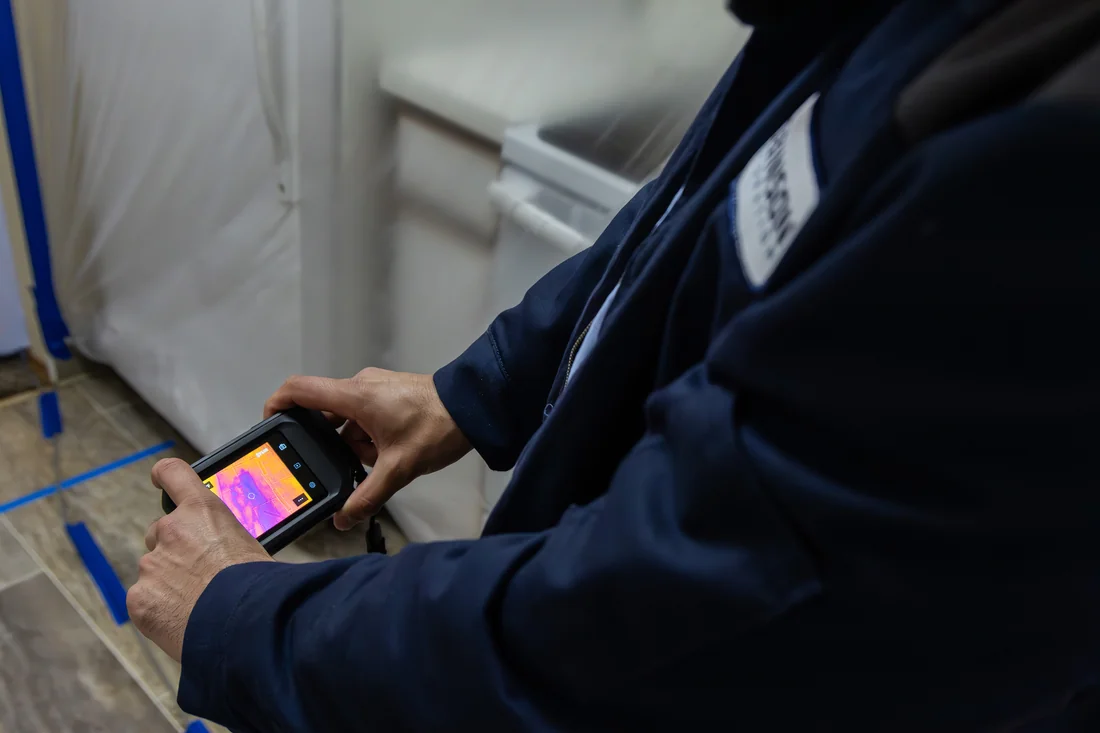
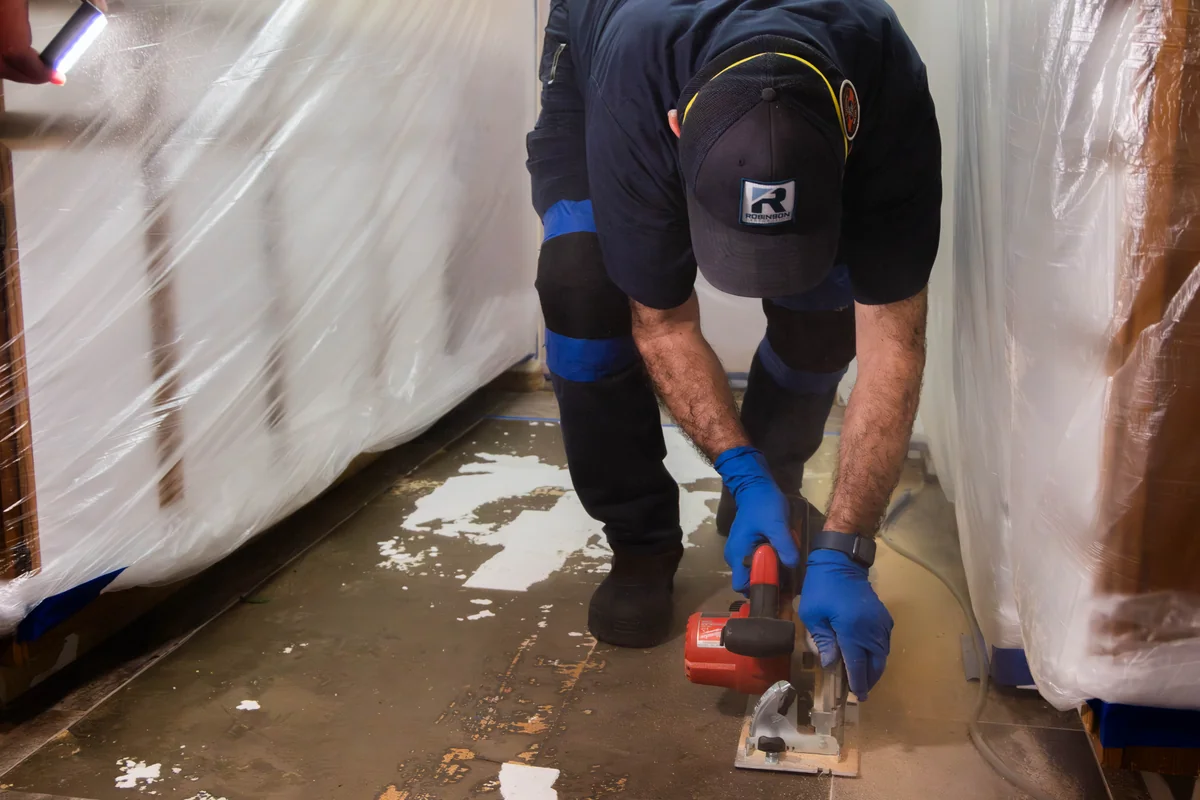
Robinson runs 24/7 dispatch, and our crews out of the Kent operations center cover the Sky Valley on the same schedule as the rest of King and Snohomish County. Every job gets photographed and moisture-mapped before a single fan goes down, then logged daily until readings hit dry standard. We follow IICRC S500 protocols and bill your carrier directly, so you handle the deductible and nothing else.

Monroe calls route straight to a live dispatcher, and a truck is staged for the US 2 corridor around the clock, on-site in 90 minutes.
24 hours a day, 7 days a week, our crews dispatch the moment you call and start mitigation the same visit. Call dispatch or message us for immediate help.
We stop further damage with commercial extraction, structural drying, and antimicrobial treatment, and we walk you through the entire insurance claim as we work.
We manage your rebuild to pre-damaged condition through our trusted network of licensed contractors and sister companies. One manager, one timeline.
The Sky comes up fast when warm rain lands on Cascade snow. Low properties along the valley floor take groundwater through crawlspace vents and foundation cracks well before any road closes. We pump, extract, pull saturated insulation, and treat the cavity, because flood water in a Monroe crawlspace is category three and cannot simply be dried in place.
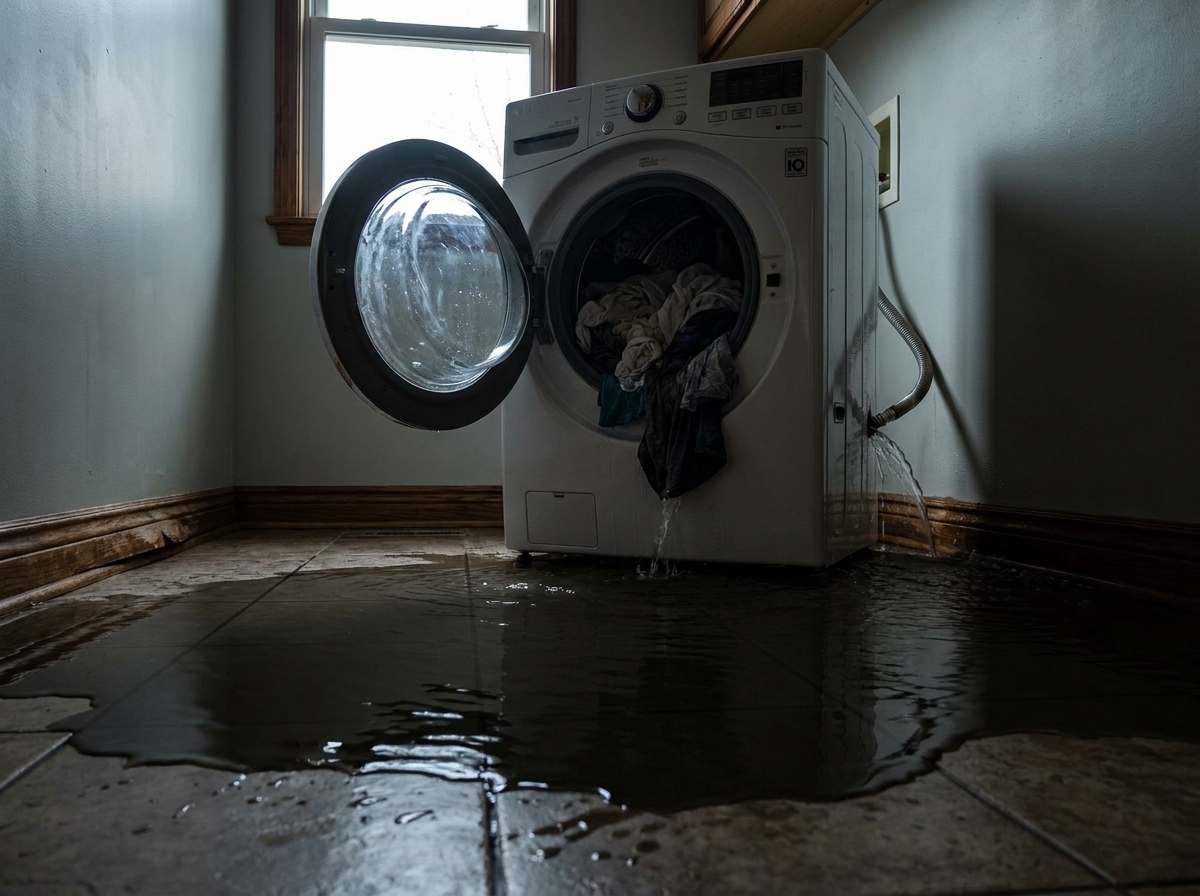
Monroe's housing splits into two eras. Downtown and the older farm parcels still run galvanized steel or early copper that pinholes at the joints. The subdivisions built during the 1990s growth wave are now hitting the age where original water heaters, angle stops, and washing machine hoses give out. Both failure types tend to run for hours before anybody notices.
East Snohomish County catches more rain than the Sound-side cities, and the ground here stops absorbing sometime in December. After that, every storm sends sheet flow downhill into daylight basements and garage slabs. Clogged footing drains and downspouts that dump beside the foundation do the rest. We find the entry point before we start drying, because otherwise the next storm undoes the work.
Plenty of Monroe property is not a tract house. Pole barns, tack rooms, equipment shops, and the small commercial buildings along the highway all take water differently, usually through slab edges and roll-up door thresholds. Concrete holds moisture long after the surface looks dry. We meter the slab, use desiccant drying when the space is large or cold, and document the whole run for the carrier.
Most of the losses we run in Monroe start one of three ways: flooding and groundwater, frozen and split pipes, and appliance failures. Here is why each one happens here, and what it takes to dry it properly.
The Skykomish and its side channels rise on rain-on-snow events, and valley-floor crawlspaces take groundwater first. Flood water carries soil bacteria, so the insulation and vapor barrier come out rather than getting dried.
Cold air drains out of the Cascade valleys and settles over Monroe on clear January nights. Uninsulated hose bibs, garage lines, and crawlspace runs freeze, then split when they thaw the next afternoon.
Refrigerator ice lines and washing machine hoses installed with the 1990s and 2000s subdivisions are past their service life. A failure on a second-floor laundry sends water through two ceilings before anyone hears it.
Water is how most losses start. It’s rarely where they end. The same local crew handles all of it.
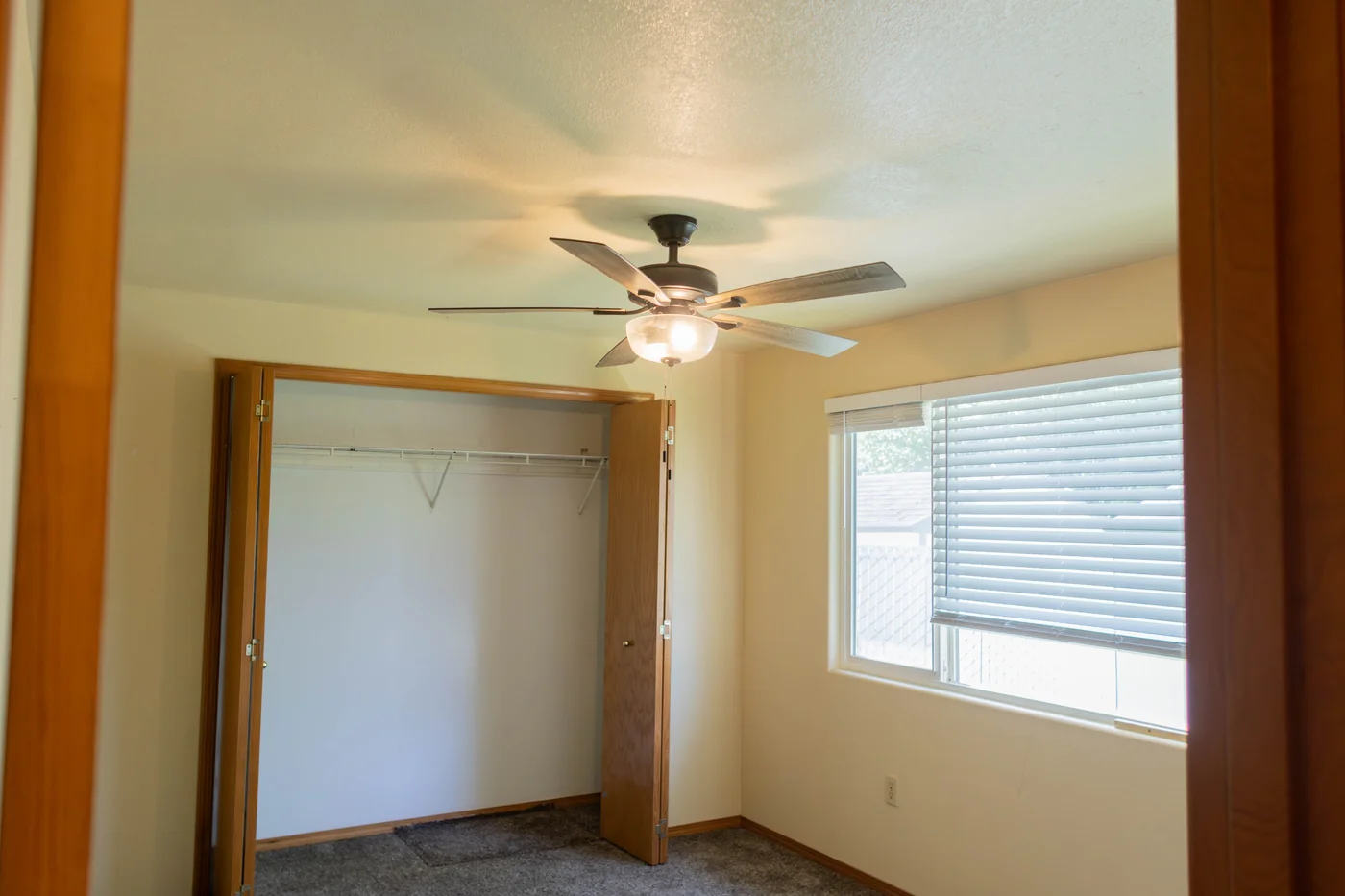
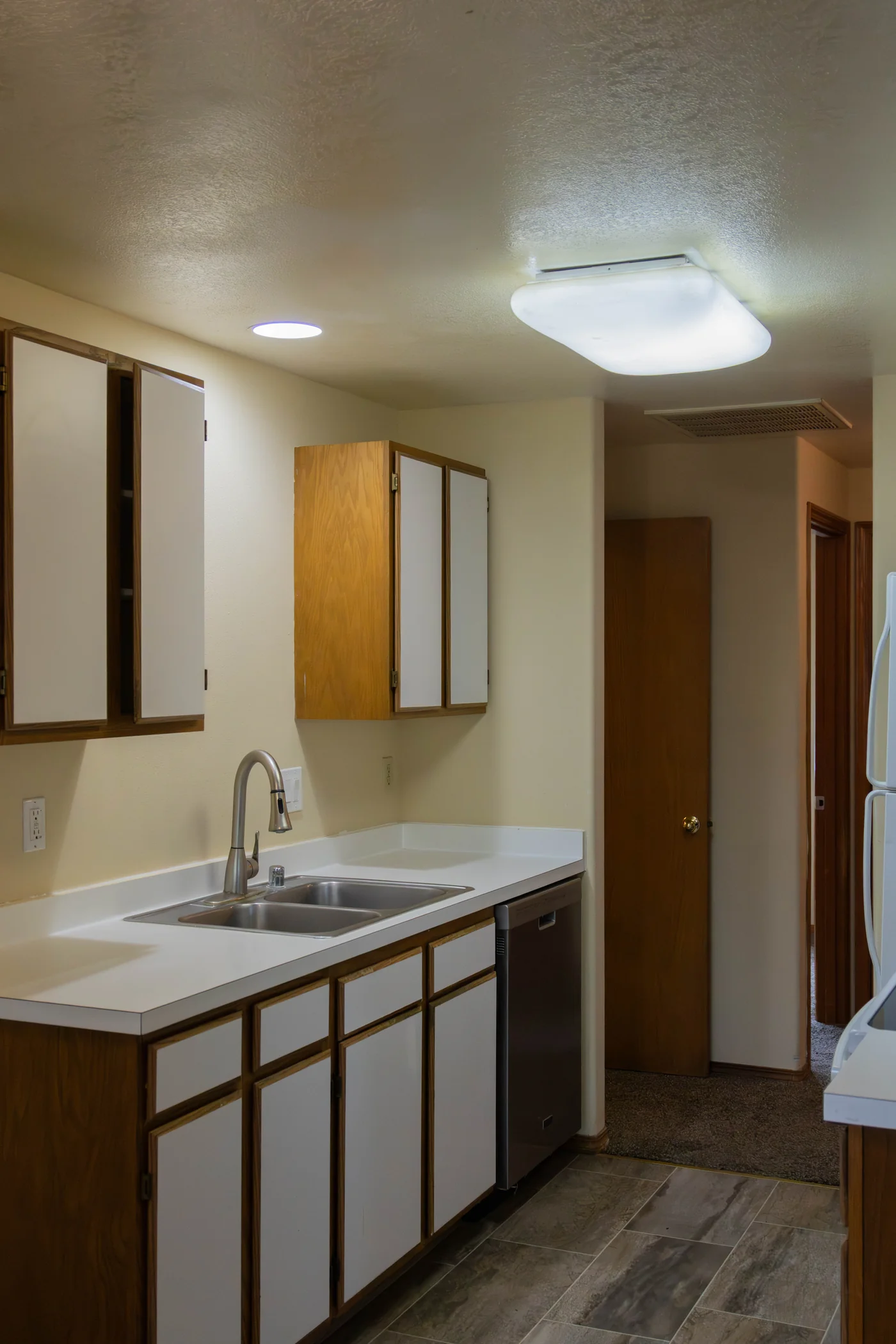
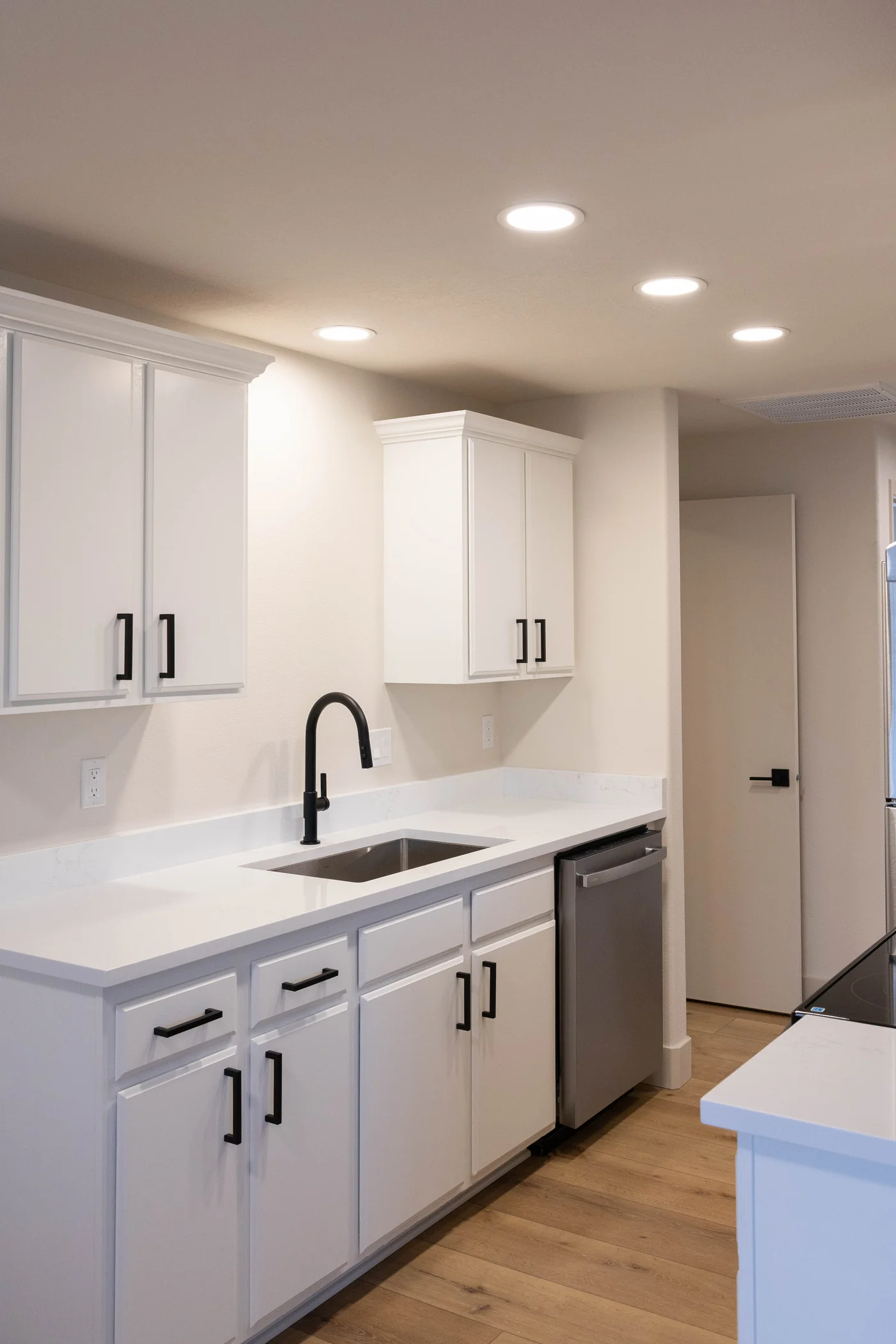
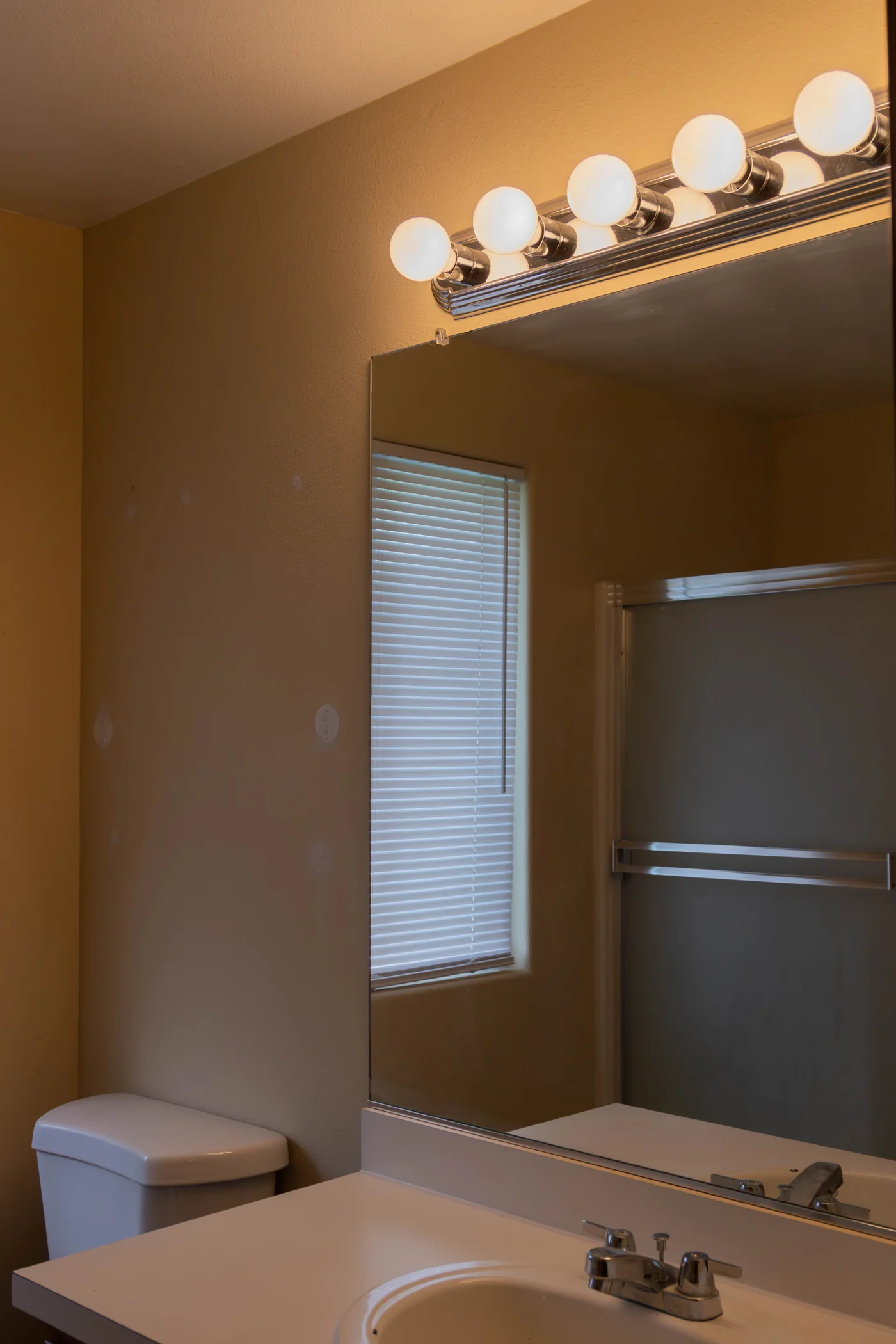
Three real projects, photo-documented for the insurance carrier. Drag each handle to compare.
“I want to express our sincere gratitude to the Robinson team that quickly moved to identify, rectify, repair, and then clean up the mess left by an itty-bitty hot water leak that went unnoticed because of its location.”
Michael Quinn · Google Review
“Kyla and Jake were super friendly and knowledgeable. Jake was at my house 90 minutes after I called and did a free inspection. I won't need their services this time, but I will definitely call them if I ever have to deal with water damage.”
Carmen Otten · Google Review
“Had a leak in our wall and our plumber recommended Robinson Restoration to handle remediation of the water damage. Christian and Adolfo were awesome. Great communication throughout the setup of the containment area and installation of the equipment to start the drying process.”
Won Lee · Google Review
In Washington, you choose your restoration contractor, and your carrier can’t penalize you for it. We document every Monroe loss with moisture maps, photos, and daily readings, then bill your insurer directly. You pay your deductible. That’s it.
Subject to policy coverage and deductible. We handle the paperwork, photos, and adjuster calls.
Snohomish County storms and failed water heaters keep our north-end crew busy, and Monroe is on their regular run. A dispatcher is on duty 24/7, and the call goes straight to the on-call team. The responding truck is loaded with extraction equipment, air movers, and dehumidifiers. Claims get billed directly to your insurance carrier, with readings logged as we go.
Standard policies exclude rising surface water, so a Skykomish overflow into your crawlspace is usually a flood policy claim rather than a homeowners claim. Sudden internal failures like a burst supply line are a different story and are typically covered. We document the water source carefully either way, because the source determines which policy responds and how the adjuster classifies the loss.
Longer than a finished interior. Crawlspaces here sit over damp valley soil with poor air exchange, so three to six days is common and heavily saturated ones run longer. We set containment, pull wet insulation, run dehumidification under the floor, and take readings every day. The job ends when the framing and subfloor hit dry standard, not on a fixed schedule.
Elevation helps with river flooding and does nothing for runoff. Monroe's hillside lots sit on glacial till that sheds water instead of absorbing it, so storm flow arrives at foundations from uphill. Daylight basements and garages built into a slope are the usual victims. If you have seen a damp corner after big storms, that is a drainage problem that gets worse, not better.
We manage it. Robinson coordinates reconstruction through vetted licensed contractors and sister companies, so you get one point of contact from the first extraction through the last piece of trim. That matters on a Monroe job where a crawlspace loss turns into subfloor replacement and new flooring. The mitigation documentation carries straight into the repair scope for your adjuster.
Shut the water off at the main if the source is internal, and kill power to the affected area at the breaker if water is anywhere near outlets or the panel. Move what you can lift onto dry ground. Take photos of everything before you move it. Then stop. Walking on saturated carpet pushes water deeper into the pad and subfloor.
It can be, and the window is short. Growth starts within roughly 24 to 48 hours in the humidity this valley holds through winter. Fast extraction and controlled drying prevent most of it. If we find existing growth behind a wall or under flooring, we contain the area, remove the affected material, and document the remediation so the file holds up with your carrier.
Water in a Monroe home spreads while you decide. Call now and we start the same day.
Licensed · Insured · IICRC Certified · Serving Washington & Oregon