Robinson Restoration is an IICRC-certified water damage restoration company serving Napavine, WA. Crews dispatch 24 hours a day, arrive on-site in 90 minutes or less, document the readings and photos your carrier needs, and bill your insurance directly on covered claims.
Napavine sits up on the ridge, which is why the town stayed open the years the Chehalis valley went under. High ground protects you from the river and does nothing about a failed water heater at midnight. Robinson answers 24/7 and gets a crew moving on the first call.
Property out here runs from small-town homes near the school to farmhouses, manufactured homes, and newer builds on five and ten acre parcels. Most of the rural addresses are on a private well and a septic drainfield. Winter rain in this part of Lewis County saturates heavy clay soil that will not take another drop by January, so water sits against foundations and ponds in pastures instead of soaking away.
Robinson dispatches 24/7, and our Kent operations center runs the I-5 corridor through Lewis County on the same schedule as everything north of here. Crews document conditions with photos and moisture readings before any equipment goes down, then log daily against IICRC S500 dry standards. We bill your carrier directly. If your Napavine property is on a well and septic, tell the dispatcher, because it changes how we plan extraction and cleanup water.

Napavine sits on our I-5 corridor route, so calls from town or the outlying acreage reach a live dispatcher any hour, day or night.
24 hours a day, 7 days a week, our crews dispatch the moment you call and start mitigation the same visit. Call dispatch or message us for immediate help.
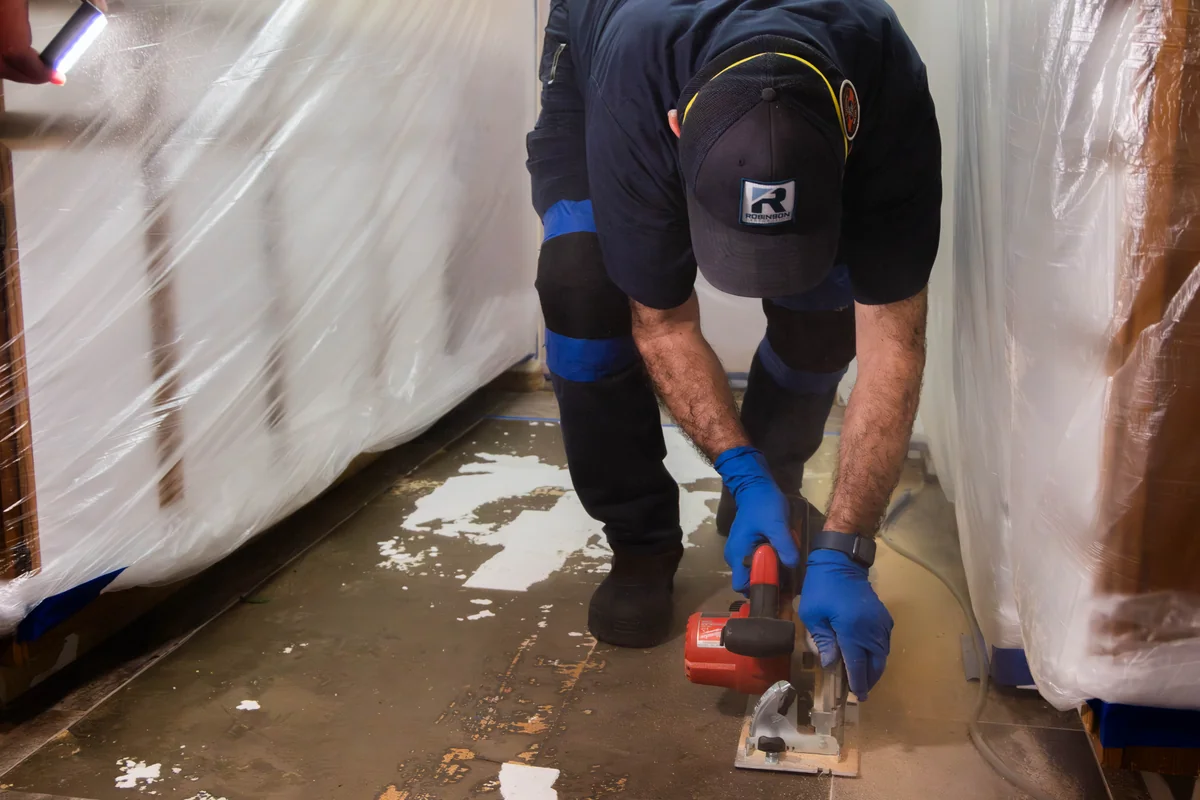
We stop further damage with commercial extraction, structural drying, and antimicrobial treatment, and we walk you through the entire insurance claim as we work.
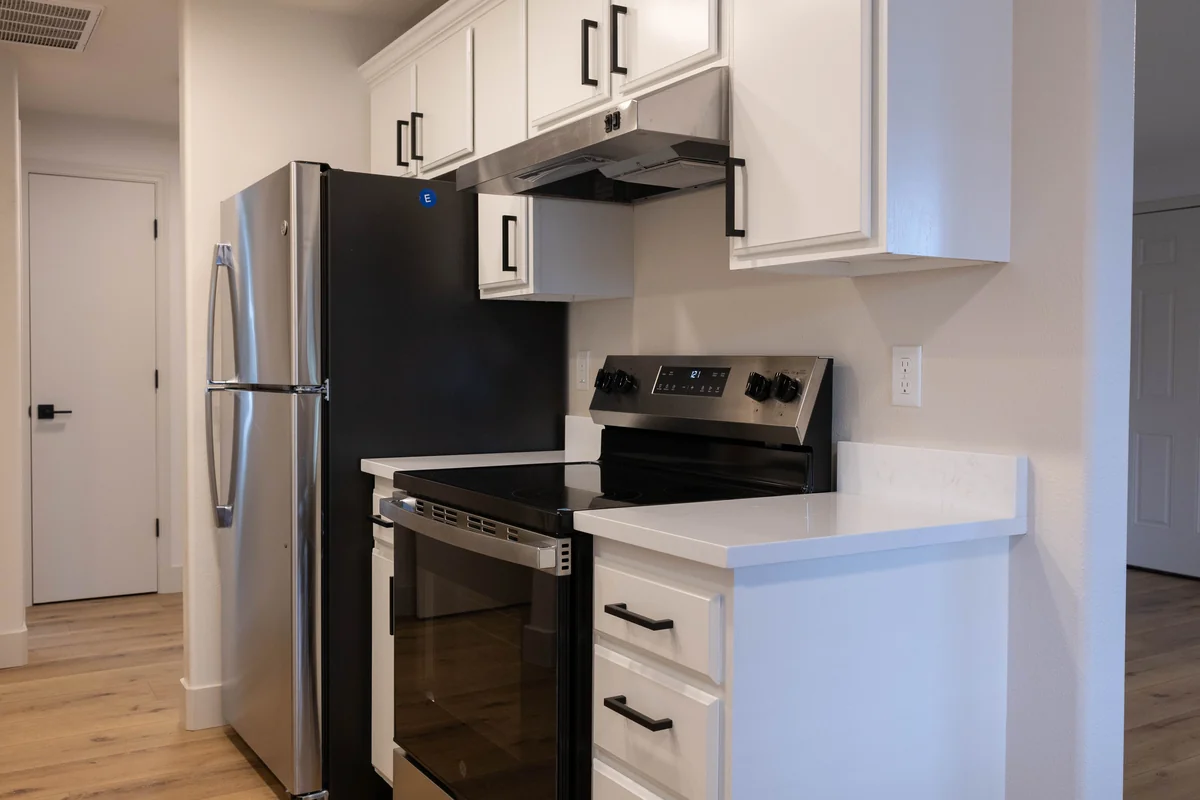
We manage your rebuild to pre-damaged condition through our trusted network of licensed contractors and sister companies. One manager, one timeline.
Most Napavine property outside the town core runs its own water and its own waste. A failed pressure tank or a stuck pump will fill a crawlspace for days with no meter reading to warn you. On the other end, a saturated drainfield in February backs sewage into the lowest fixture in the house. Both get handled differently than a city hookup.
Working acreage means outbuildings, and outbuildings take water in ways houses do not. Frost-free hydrants split, stock tank floats stick, and shop slabs wick moisture up into stored equipment and drywall. Nobody is standing there when it starts. We extract, meter the slab, and run drying that actually accounts for an uninsulated metal building instead of treating it like a bedroom.
Napavine gets colder than the coast and holds it longer, and the wind on open ridge ground strips whatever heat a crawlspace had. Uninsulated lines under manufactured homes are the first casualties, followed by hose bibs and pump houses. The split usually shows up on the thaw, not during the freeze, so the discovery comes a day or two late with plenty of water already down.
The soil across this ridge is heavy and slow-draining. By midwinter it stops absorbing, and everything that falls runs across the surface until it finds a foundation vent or a low spot in the crawlspace. Standing water under a Napavine house does not evaporate on its own out here, it just feeds mold in the joists. We pump it, dry the substructure, and identify why the grade sent it there.
Most of the losses we run in Napavine start one of three ways: sewage backups, frozen and split pipes, and water heater failures. Here is why each one happens here, and what it takes to dry it properly.
Rural Napavine runs on septic. When winter rain saturates a drainfield, the system cannot accept flow and waste backs up through the lowest drain in the house. That is category three water and requires removal, not just drying.
Wind across open ridge ground pulls heat out of crawlspaces and skirted manufactured homes. Supply lines split during the cold snap and let go on the thaw, often while nobody is home to hear the water running.
Tanks in unheated garages and utility rooms corrode faster on well water with high mineral content, which is common on Napavine acreage. A tank that lets go overnight empties into the lowest floor in the house.
Water is how most losses start. It’s rarely where they end. The same local crew handles all of it.
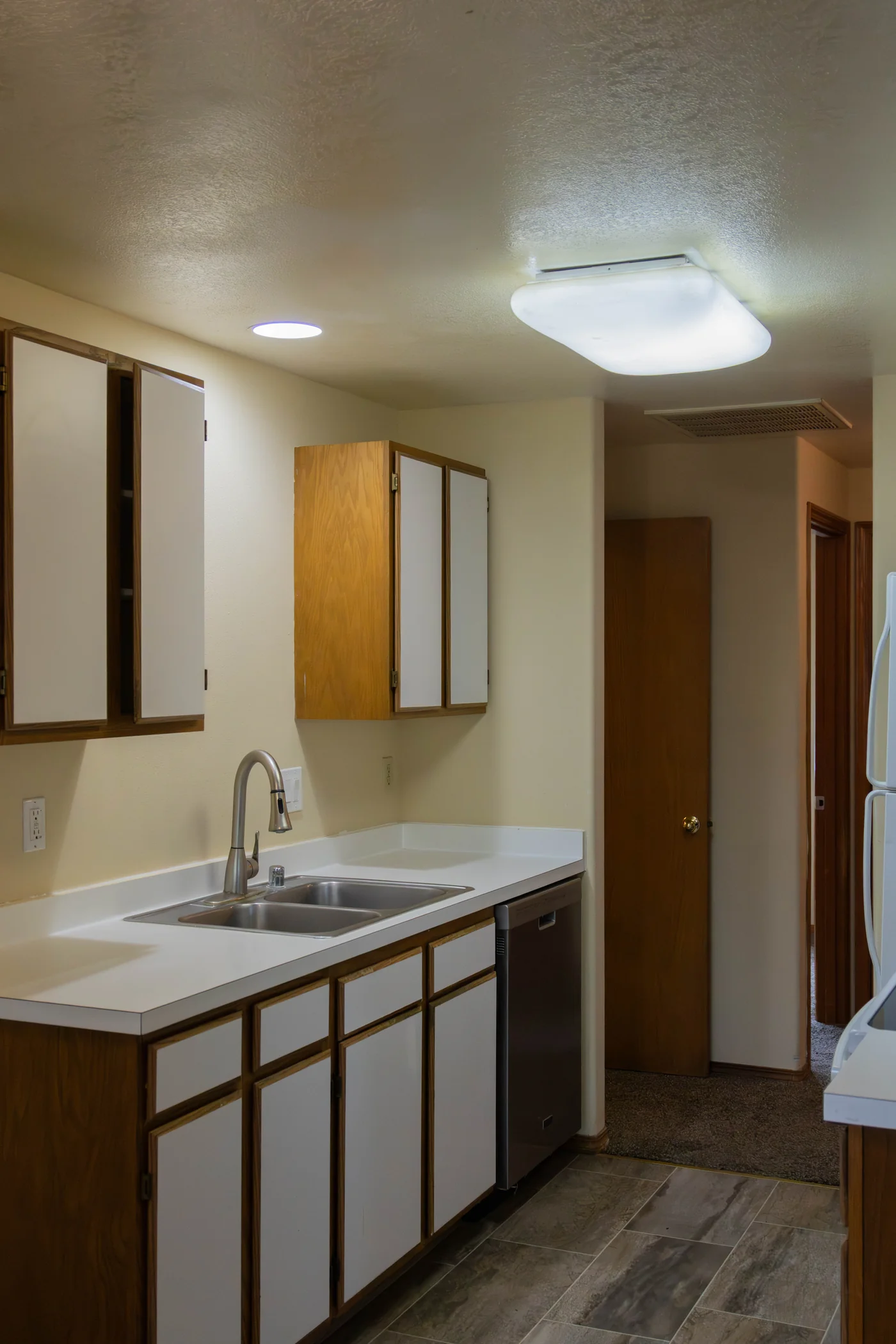
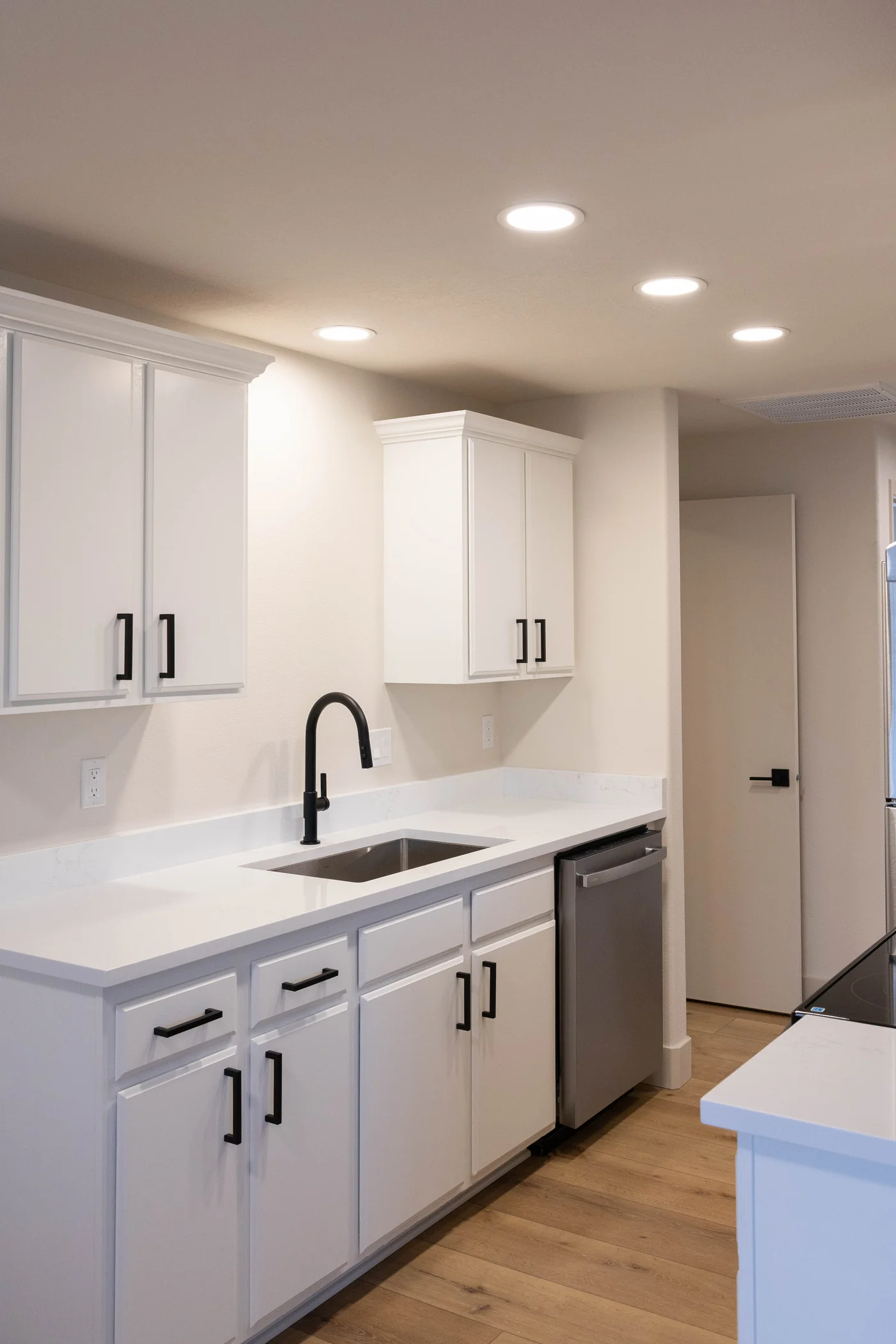
Three real projects, photo-documented for the insurance carrier. Drag each handle to compare.
“Had a leak in our wall and our plumber recommended Robinson Restoration to handle remediation of the water damage. Christian and Adolfo were awesome. Great communication throughout the setup of the containment area and installation of the equipment to start the drying process.”
Won Lee · Google Review
“We recently had an unfortunate plumbing issue that led to some significant flooding issues. On the recommendation of our plumber we reached out to Robinson Restoration to help us with drying out our house and getting it ready to be put back together.”
Don Warner · Google Review
“We've had the bittersweet opportunity to have Robinson in our lives twice now. First, for a major 3,000 sq ft mold remediation of our crawl space. Then last week, we had an unfortunate flood. I don't know what we would have done without them.”
T Marie C · Google Review
In Washington, you choose your restoration contractor, and your carrier can’t penalize you for it. We document every Napavine loss with moisture maps, photos, and daily readings, then bill your insurer directly. You pay your deductible. That’s it.
Subject to policy coverage and deductible. We handle the paperwork, photos, and adjuster calls.
Small towns get skipped by a lot of restoration outfits. Napavine isn't one of them for us. Our dispatch line runs 24/7, and the crew that responds carries extraction gear, air movers, and dehumidifiers on the truck. Older farmhouses and manufactured homes along the I-5 corridor take on water through crawlspaces every wet season. We invoice your insurance carrier directly.
The ridge keeps river water off your property, and it does not keep water out of your house. Almost every Napavine loss we see comes from inside: a split line, a failed water heater, a septic backup, or surface runoff that the clay soil will not absorb. High ground is a real advantage on your flood exposure. It has no effect on the failures that actually cause most claims here.
Sometimes, and it usually depends on an endorsement. Many of the standard policies written on Napavine homes exclude sewer and drain backup unless you added that coverage, which is worth checking now rather than during a loss. Regardless of coverage, the cleanup is the same: containment, removal of porous materials at the wet line, antimicrobial treatment, and verified drying. We document the whole thing so your carrier has what it needs.
Yes. Long gravel driveways, shared access easements, and mailboxes clustered out at the county road are normal in Napavine, and our crews work rural addresses every week. Give the dispatcher a cross road, a gate code, and anything visible from the road. If you are not on-site, tell us where the water main or well pressure switch is so we can shut it down on arrival.
Carefully, because the ground itself is a moisture source. We pump standing water, remove saturated insulation and vapor barrier, then run containment and dehumidification under the floor rather than just blowing air around. Napavine crawlspaces sit on soil that stays wet all winter, so we verify joist and subfloor readings before pulling equipment and reinstall a proper vapor barrier when we close it up.
That happens more often than not, because the visible water is rarely the whole picture. We meter behind walls and under flooring on the first visit, so the scope reflects the actual wet area from day one. If it grows during drying, we document the change and communicate it to your adjuster before doing the work. No Napavine homeowner gets a surprise invoice from us.
Robinson manages reconstruction through vetted licensed contractors and sister companies, so the flooring, drywall, and cabinetry get rebuilt off the documentation we already produced. On a Napavine property that often includes crawlspace insulation, subfloor sections, and a new vapor barrier along with the finished rooms. You deal with one contact and one file instead of lining up separate trades yourself.
Every hour water sits under a Napavine house costs more later. Call and we dispatch now.
Licensed · Insured · IICRC Certified · Serving Washington & Oregon