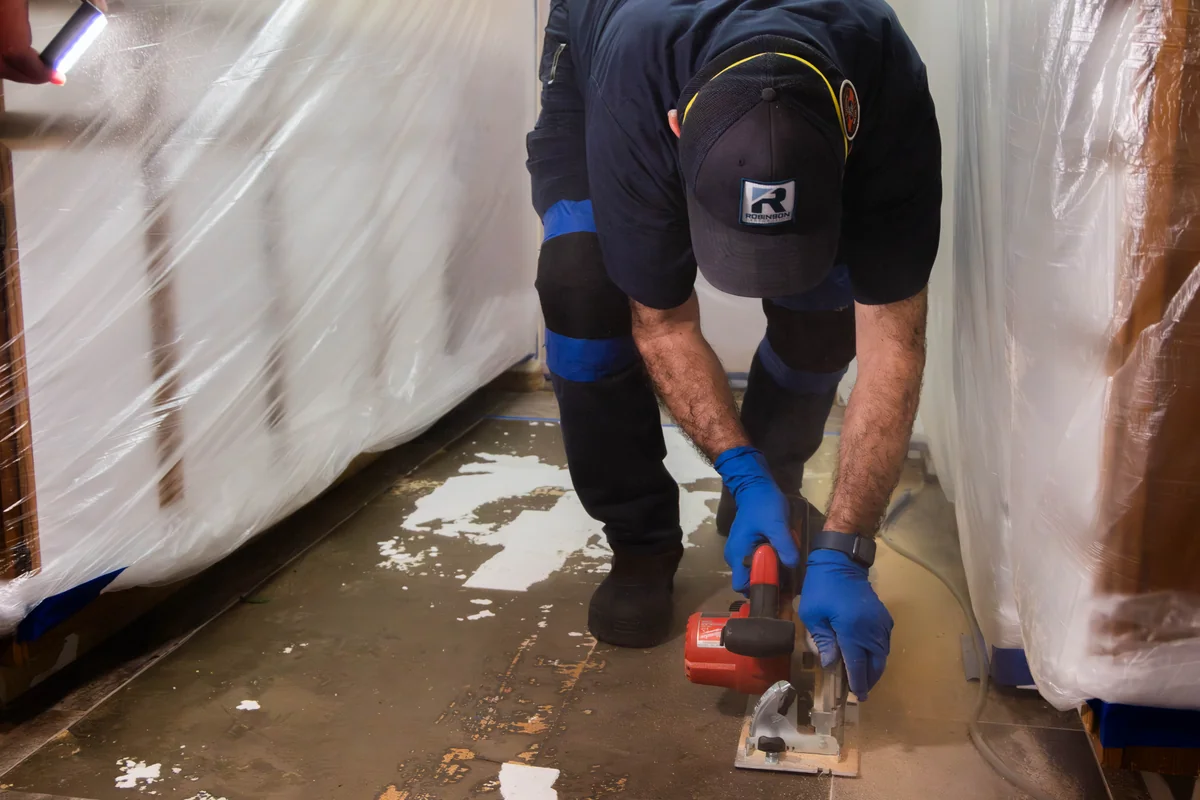
Robinson Restoration is an IICRC-certified water damage restoration company serving Dixie, WA. Crews dispatch 24 hours a day, arrive on-site in 90 minutes or less, document the readings and photos your carrier needs, and bill your insurance directly on covered claims.
Dixie is a small place in big wheat country, and help usually has to come from somewhere else. That's fine. Our crews are used to long county roads and farm properties, and we bring everything needed to extract water and start drying on the first trip out.
The community sits in the foothills below the Blue Mountains, surrounded by dryland wheat ground that rolls right up to the yards. Houses are older here: farmhouses with additions, a few century-old homes, and manufactured homes on acreage. Most are on wells and septic. Winter brings hard freezes and drifting snow, and spring runoff off the hills puts water where the ground can't take it fast enough.
Dispatch answers 24 hours a day and sends the nearest available crew, with our Tri-Cities team covering this corner of Walla Walla County. We bring generators and portable extraction for properties where power or access is limited, dry to IICRC S500 standards, and keep a daily moisture log with photos. Insurance gets billed directly. If your loss involves a well, a pressure tank, or a septic system, tell us up front so the crew arrives ready.

Dixie gets the same 24-hour dispatch as any town we serve, with crews that expect gravel roads, well systems, and older farmhouses.
24 hours a day, 7 days a week, our crews dispatch the moment you call and start mitigation the same visit. Call dispatch or message us for immediate help.
We stop further damage with commercial extraction, structural drying, and antimicrobial treatment, and we walk you through the entire insurance claim as we work.
We manage your rebuild to pre-damaged condition through our trusted network of licensed contractors and sister companies. One manager, one timeline.
Bare wheat ground sheds water fast. A quick spring melt or a heavy rain on frozen soil sends sheet flow downhill toward whatever sits at the bottom, and that's often a house, a shop, or a barn. Water comes in at the door threshold or through a crawl space vent, carrying silt with it. Cleaning has to happen alongside drying.
Out here a house can sit well back off the highway with a shop and a barn further out. Nobody hears a line let go in an outbuilding, so losses get found by the puddle in the driveway or the water bill. We check outbuildings and well houses on arrival, because the source is frequently outside the home itself.
Foothill weather runs colder than town. Wind pushes snow into drifts against north walls and buries hose bibs, and hard freezes hold for days. Lines in unheated additions, well houses, and stock tank supply runs are the ones that split. Because water often runs while the ground is still frozen, it pools and refreezes instead of soaking away.
There's no municipal system to shut off at the curb here. On a well, a break keeps pulling from the pump until somebody kills the breaker, and a household with a large pressure tank can lose a lot of water fast. Knowing where your well disconnect and your main shutoff are is worth a walk around the property before you ever need them.
Most of the losses we run in Dixie start one of three ways: frozen and split pipes, flooding and groundwater, and sewage backups. Here is why each one happens here, and what it takes to dry it properly.
Foothill nights run colder than in Walla Walla proper, and drifted snow buries exterior plumbing. Lines in well houses, unheated additions, and outbuildings split during long cold spells and run until someone finds them.
Rain falling on frozen wheat ground has nowhere to go, so it runs downhill in sheets. Homes and shops sitting at the bottom of a slope take muddy water under doors and through crawl space vents.
Farmhouse drain lines here are old, often clay or cast iron, with tree roots working into the joints. A blocked line backs up into the lowest fixture, and the water is contaminated the moment it comes back through the drain.
Water is how most losses start. It’s rarely where they end. The same local crew handles all of it.
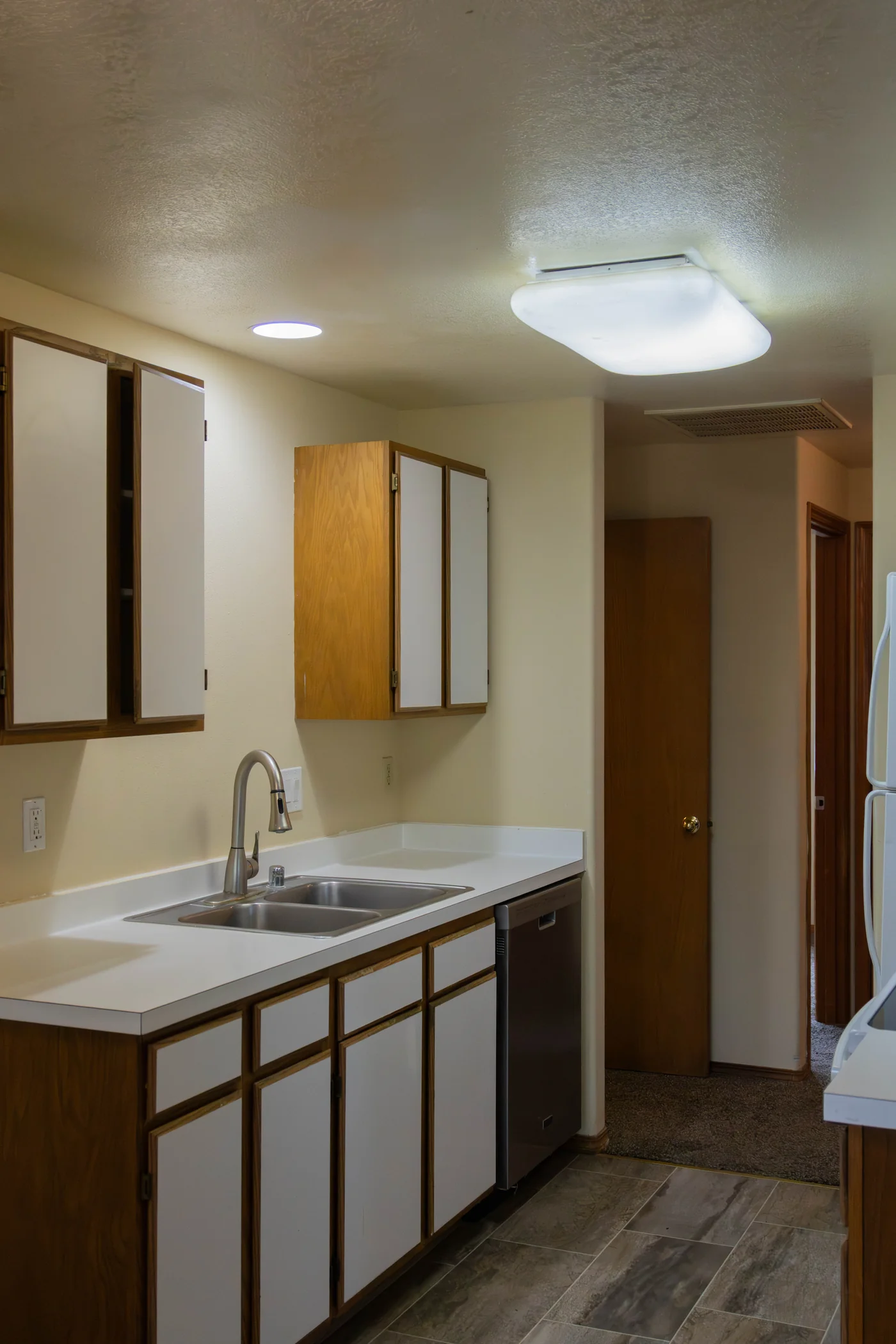
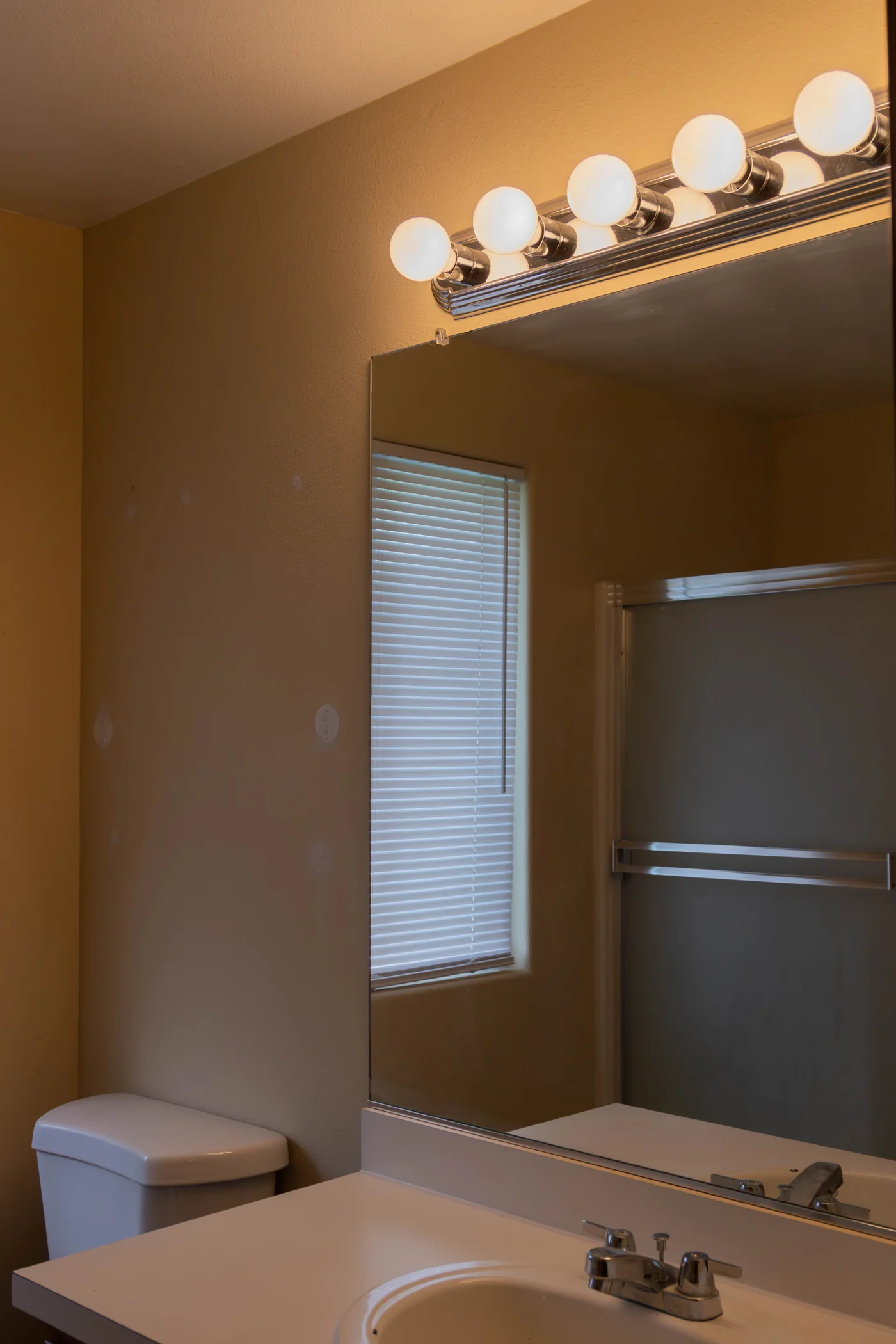
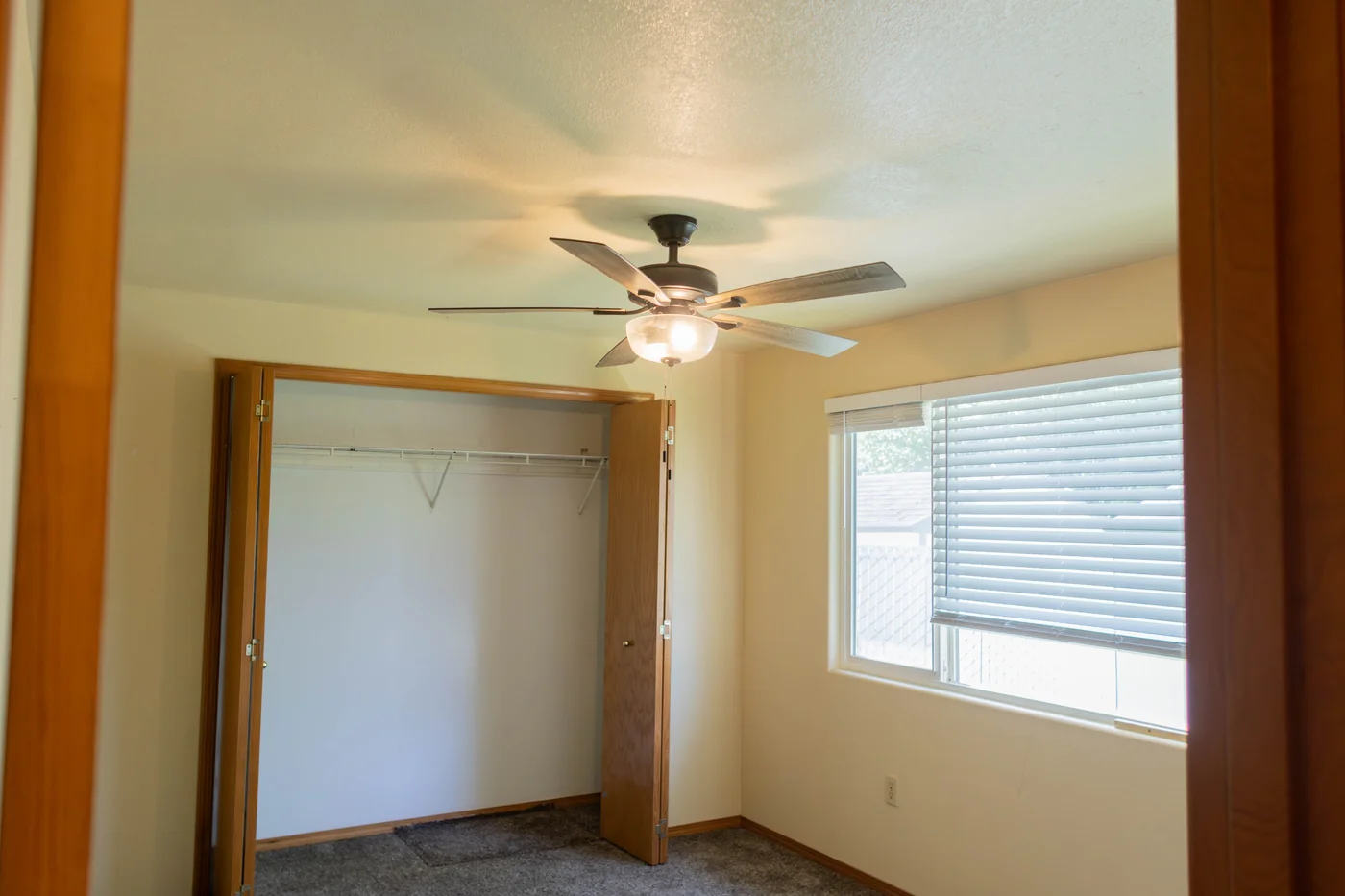
Three real projects, photo-documented for the insurance carrier. Drag each handle to compare.
“We recently had an unfortunate plumbing issue that led to some significant flooding issues. On the recommendation of our plumber we reached out to Robinson Restoration to help us with drying out our house and getting it ready to be put back together.”
Don Warner · Google Review
“We've had the bittersweet opportunity to have Robinson in our lives twice now. First, for a major 3,000 sq ft mold remediation of our crawl space. Then last week, we had an unfortunate flood. I don't know what we would have done without them.”
T Marie C · Google Review
“Chuck and Cole were very professional, courteous and knowledgeable about their restoration skills including close out processes. I'm really happy they were the two employees assigned to our home.”
Joanna Gamble · Google Review
In Washington, you choose your restoration contractor, and your carrier can’t penalize you for it. We document every Dixie loss with moisture maps, photos, and daily readings, then bill your insurer directly. You pay your deductible. That’s it.
Subject to policy coverage and deductible. We handle the paperwork, photos, and adjuster calls.
Our dispatch line is answered day and night, and the crew covering Dixie knows what Walla Walla County winters do to unprotected plumbing. Frozen supply lines split, thaw, then soak insulation and framing before anyone notices. Techs show up carrying extraction equipment, air movers, and dehumidifiers. Billing goes straight to your insurance carrier, so the paperwork isn't your problem.
We do. Dixie is inside our Walla Walla County coverage, dispatched through the same 24-hour line as any city we serve, and we work to be on-site in 90 minutes or less. Crews come stocked for rural work: portable extraction, generators, and enough hose to reach a house set well back from the road. When a volunteer fire crew is already on scene, we coordinate with them.
Extraction first, then cleaning, then drying. Water off farm ground carries silt, fertilizer residue, and whatever else it picked up, so it gets treated as contaminated. Carpet and pad come out, hard surfaces get cleaned and treated, and we dry the structure after. Standard homeowner policies usually exclude surface water, so photograph the event and check whether you carry flood coverage.
Yes. We bring our own water when we need it, and our extraction equipment doesn't depend on your plumbing. If the well or the pressure tank caused the loss, we isolate it and tell you what a plumber needs to look at. On septic properties we also avoid dumping extracted water into the system, since a saturated drain field creates a second problem.
Equipment does the work, and we bring the power to run it. Older Dixie farmhouses often have wood heat or a furnace that can't reach an addition, so we set containment around the wet area and condition that space directly with dehumidifiers and air movers. If the panel can't carry the load, we run a generator. Readings tell us when the framing is genuinely dry.
Right away, even if it looks small. Materials start absorbing immediately, and the difference between a same-day call and a two-day wait is usually the difference between drying a wall and replacing it. Winter losses in Dixie can also freeze in place, which complicates extraction. Call, describe what you're seeing, and we'll tell you what to shut off before we arrive.
Outbuildings count. Shops, equipment barns, and well houses come through the same emergency line, and losses there matter because of what's stored inside. Concrete floors and metal walls dry on a different schedule than a house, and tools, feed, and chemicals usually have to be moved and inventoried first. We document contents for the claim as we go.
Water in a farmhouse spreads while you sleep. Call and we'll get equipment on the ground.
Licensed · Insured · IICRC Certified · Serving Washington & Oregon