Robinson Restoration is an IICRC-certified water damage restoration company serving Grandview, WA. Crews dispatch 24 hours a day, arrive on-site in 90 minutes or less, document the readings and photos your carrier needs, and bill your insurance directly on covered claims.
A burst line in Grandview can soak a kitchen, a hallway, and the wall behind both before the water even shows on the floor. Speed is most of the job. We take emergency calls day and night, and the crew comes with everything needed to stop the spread.
Grandview grew up around vineyards, hop yards, dairies, and food processing, and the housing reflects that history. Downtown blocks hold homes from the 1910s through the 1940s with lath-and-plaster walls and original drain lines. Out toward the edges you get mid-century ranches and newer subdivisions on slab. The valley runs hot and dry most of the year, then drops into extended freezes that find every uninsulated pipe.
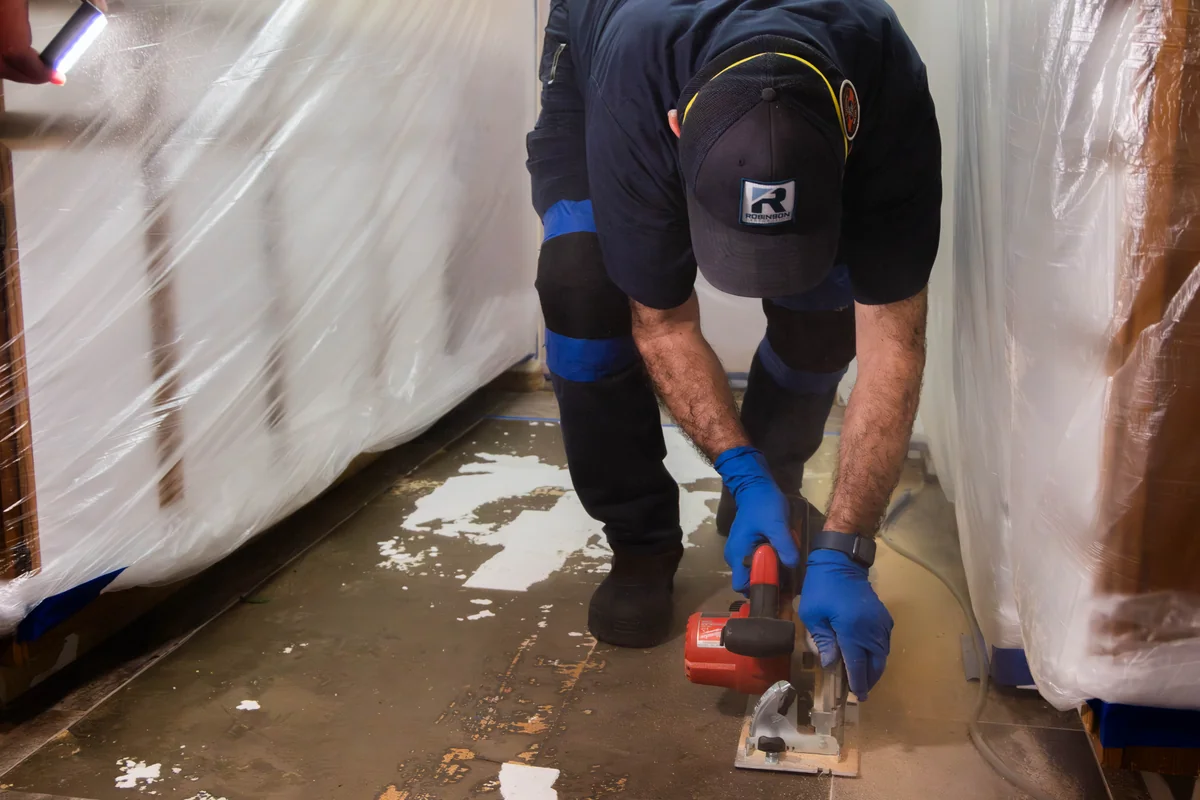
Grandview calls reach a live dispatcher at any hour, and our crews arrive with truck-mounted extraction, air movers, and dehumidifiers matched to the size of the loss. We scope the wet area with moisture meters and thermal imaging, then log readings and photos every day the equipment runs. That record goes to your adjuster, and we bill your carrier directly. Structural drying follows IICRC S500, and we tell you plainly what has to come out.

Grandview sits in our regular Yakima Valley coverage, so emergency calls move to a crew immediately instead of waiting for morning.
24 hours a day, 7 days a week, our crews dispatch the moment you call and start mitigation the same visit. Call dispatch or message us for immediate help.
We stop further damage with commercial extraction, structural drying, and antimicrobial treatment, and we walk you through the entire insurance claim as we work.
We manage your rebuild to pre-damaged condition through our trusted network of licensed contractors and sister companies. One manager, one timeline.
The older residential blocks near downtown were built when cast iron and clay drain lines were standard, and a lot of them still are. Roots find the joints, grease narrows the pipe, and eventually a main backs up into a tub or a floor drain. That water is contaminated, so the work involves removal and cleaning before any drying starts.
Grandview's economy includes real food processing and cold storage, and those buildings carry water risk a house never sees: overhead lines, washdown systems, refrigeration condensate, and insulated panel walls that hold moisture inside the panel. Downtime costs more than the repair. We scope quickly, stage drying so production can resume in phases, and document conditions for the carrier and any inspection that follows.
Newer Grandview subdivisions sit on slab, and a slab leak announces itself quietly: a warm spot on the floor, a water bill that jumped, a section of carpet that stays damp. By the time it's obvious, the pad and the wall base have been wet for weeks. We locate it with thermal imaging and moisture mapping before anyone starts cutting concrete.
Valley winters here settle in rather than snap. A week below freezing pulls cold deep into crawl spaces and unheated utility rooms, and lines closest to an exterior wall give out first. Grandview homes with a wall furnace or a single heat source have rooms the heat never really reaches, and those are the rooms where a pipe splits.
Most of the losses we run in Grandview start one of three ways: sewage backups, frozen and split pipes, and burst and leaking pipes. Here is why each one happens here, and what it takes to dry it properly.
Older Grandview neighborhoods still run clay and cast iron laterals under mature trees. Roots and grease narrow the line until a backup pushes wastewater into the lowest fixture in the house.
Extended cold spells rather than quick snaps are the pattern here. Pipes in crawl spaces, exterior walls, and unheated back rooms freeze through, and the break usually surfaces once the weather turns and pressure returns.
Pre-war houses downtown still carry galvanized supply lines that corrode from the inside. They fail at threaded joints inside plaster walls, and water travels along framing well past the room where it started.
Water is how most losses start. It’s rarely where they end. The same local crew handles all of it.
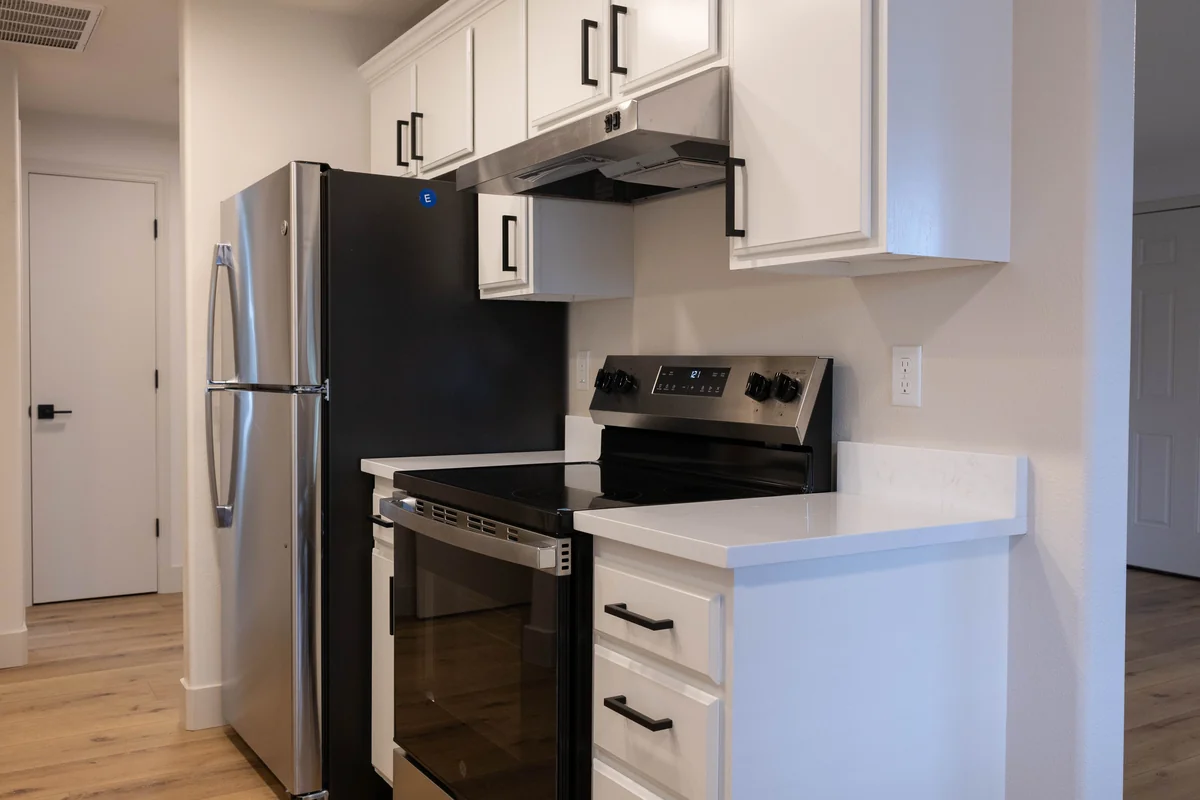
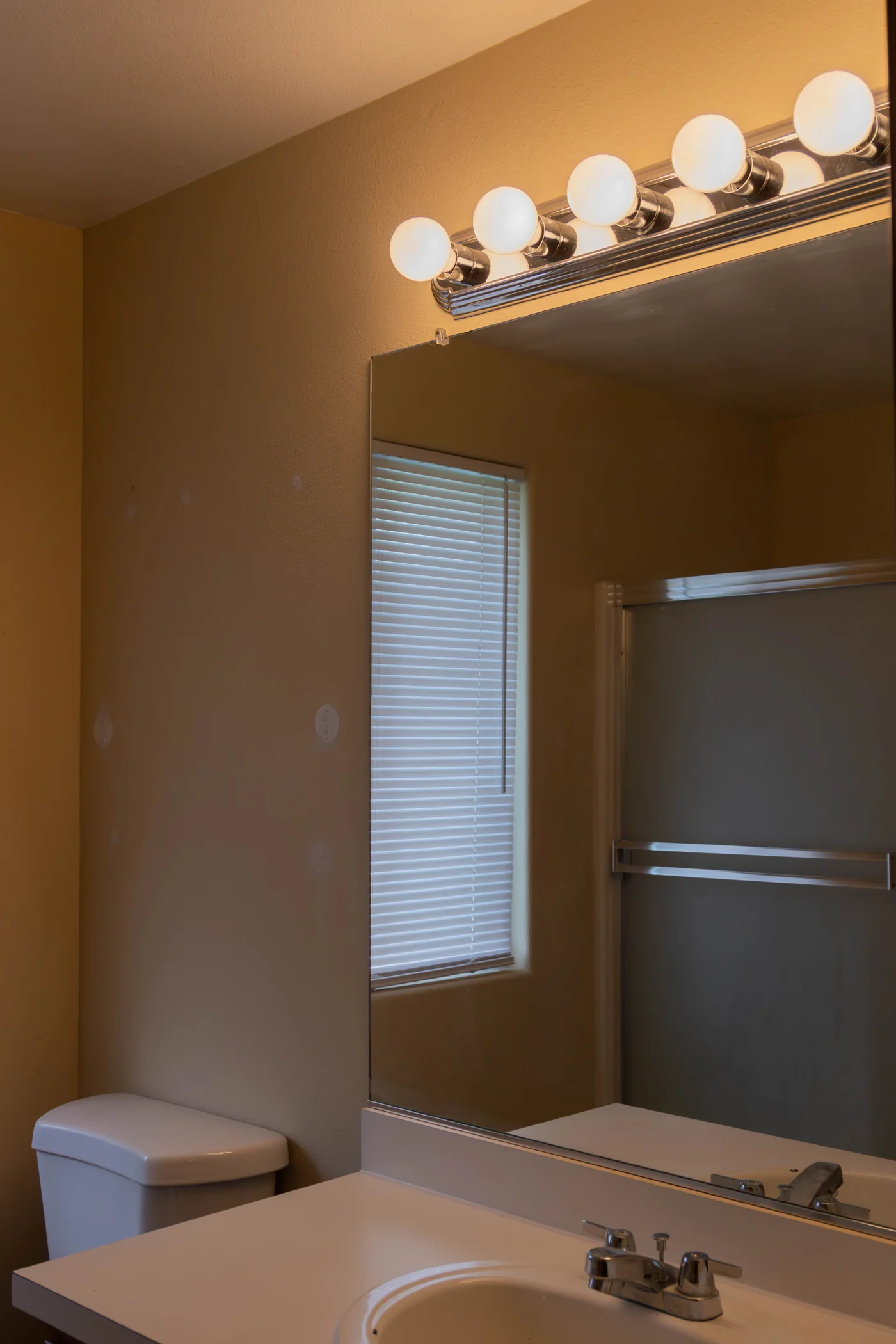
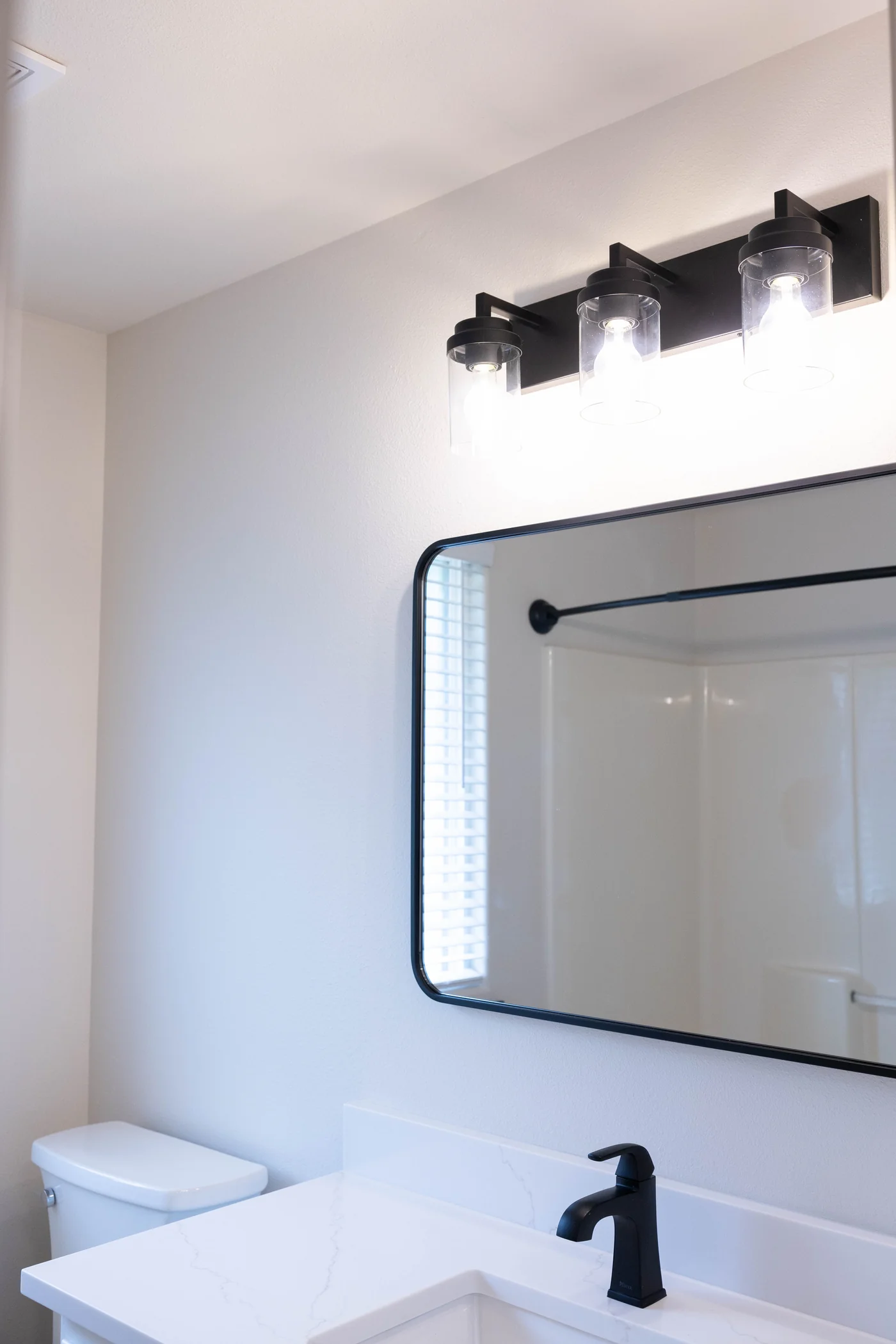
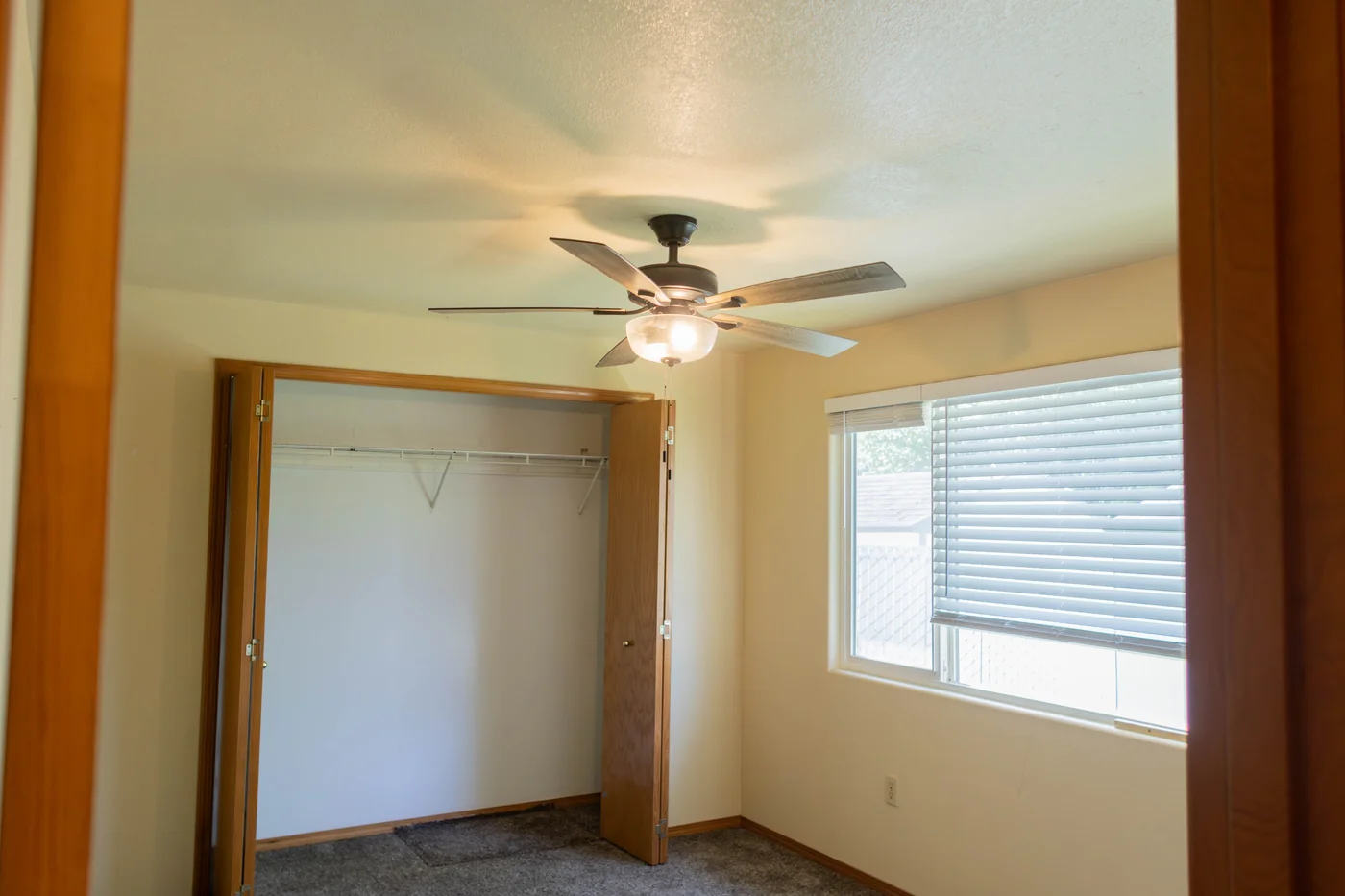
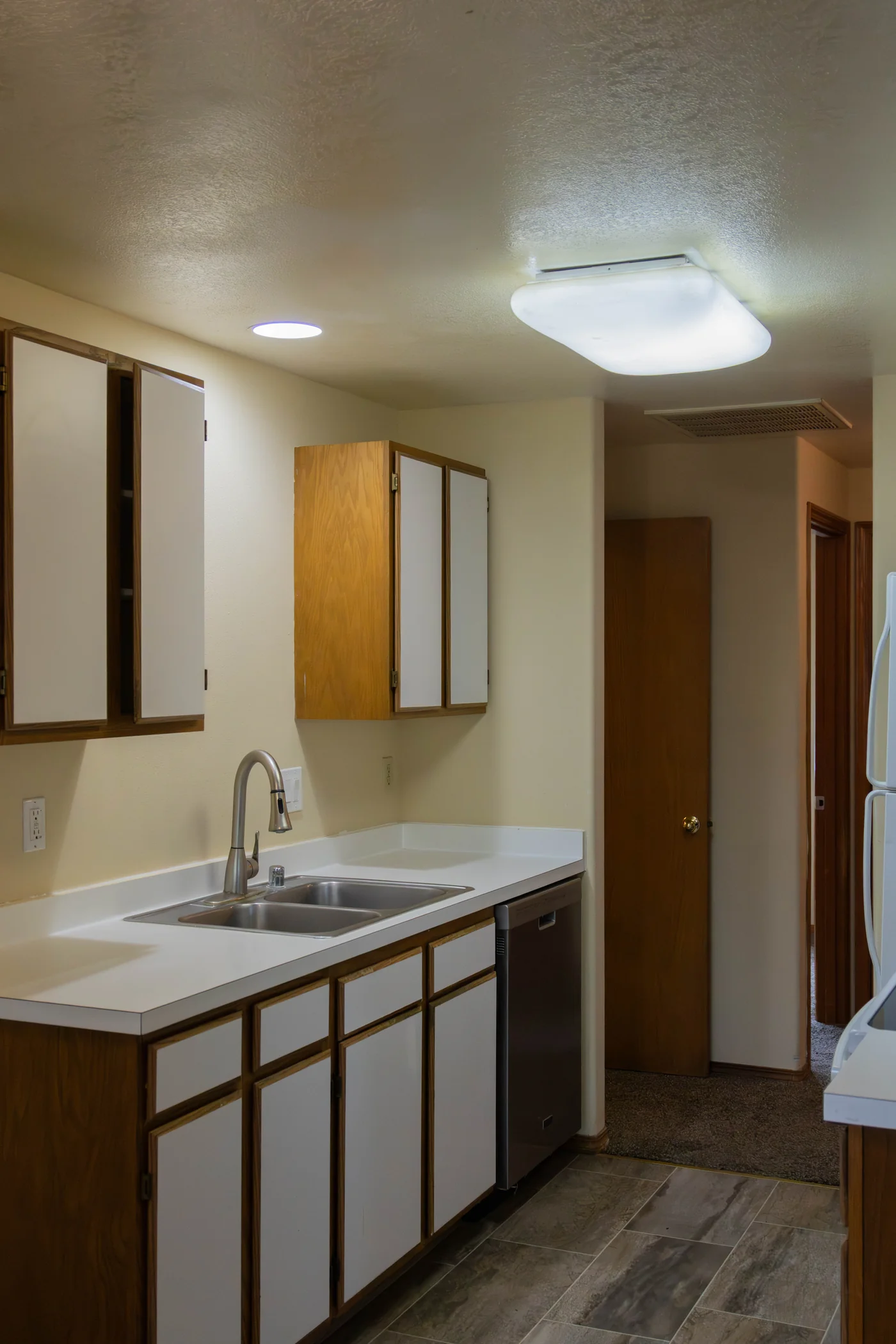
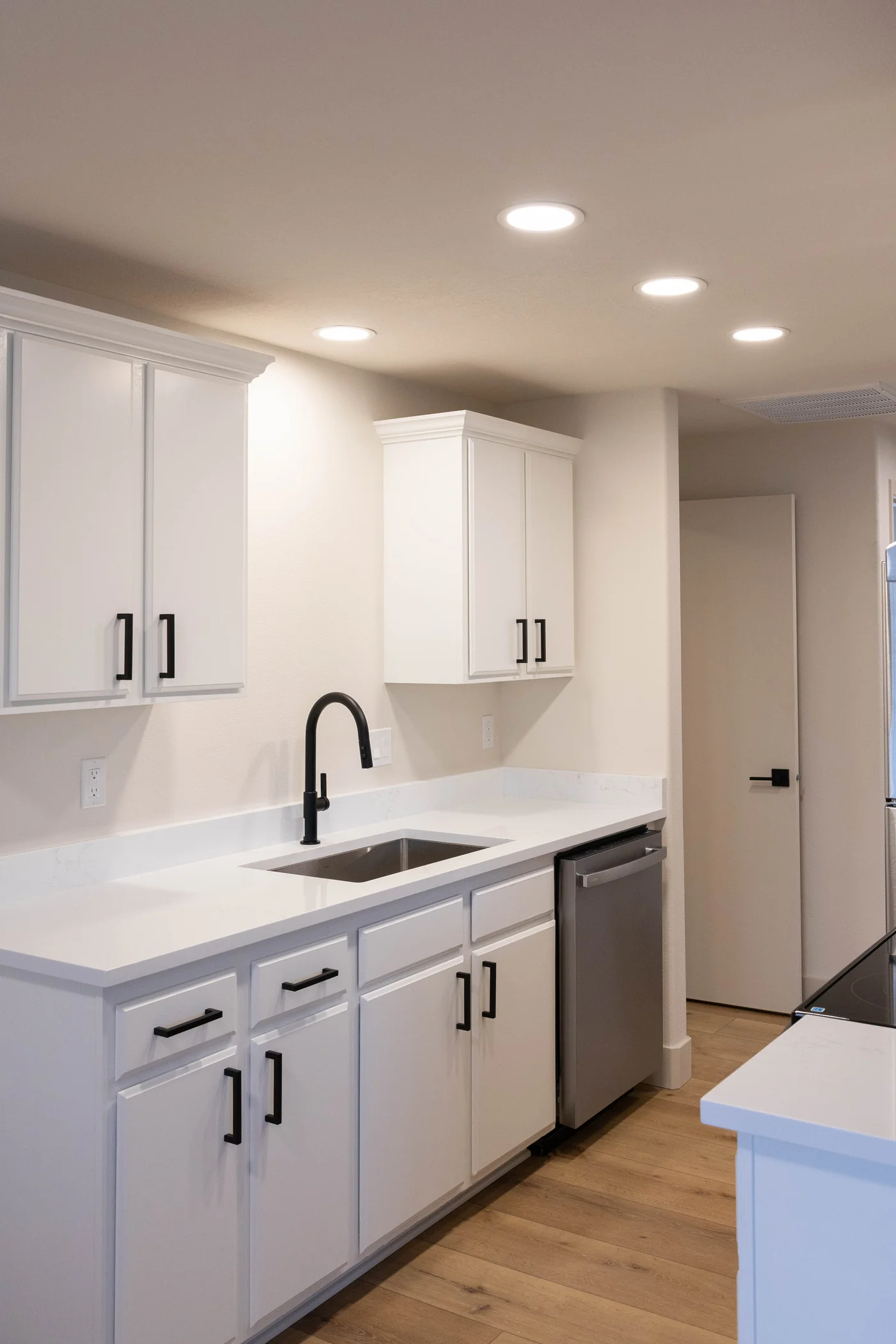
Three real projects, photo-documented for the insurance carrier. Drag each handle to compare.
“Kyla and Jake were super friendly and knowledgeable. Jake was at my house 90 minutes after I called and did a free inspection. I won't need their services this time, but I will definitely call them if I ever have to deal with water damage.”
Carmen Otten · Google Review
“Had a leak in our wall and our plumber recommended Robinson Restoration to handle remediation of the water damage. Christian and Adolfo were awesome. Great communication throughout the setup of the containment area and installation of the equipment to start the drying process.”
Won Lee · Google Review
“We recently had an unfortunate plumbing issue that led to some significant flooding issues. On the recommendation of our plumber we reached out to Robinson Restoration to help us with drying out our house and getting it ready to be put back together.”
Don Warner · Google Review
In Washington, you choose your restoration contractor, and your carrier can’t penalize you for it. We document every Grandview loss with moisture maps, photos, and daily readings, then bill your insurer directly. You pay your deductible. That’s it.
Subject to policy coverage and deductible. We handle the paperwork, photos, and adjuster calls.
Frozen supply lines are a real winter problem in the Lower Yakima Valley, and a line that lets go while nobody is home can soak a whole floor. Robinson serves Grandview with 24/7 dispatch and crews carrying extraction, air movers, and dehumidifiers sized for the square footage. Claims are billed straight to your carrier, with moisture readings logged daily until the structure is dry.
Yes. Emergency dispatch runs 24 hours a day, every day, and Grandview is inside our regular Yakima Valley coverage. We work to be on-site in 90 minutes or less on emergency calls. Residential, commercial, and agricultural properties all come through the same line, so you don't have to figure out which department to ask for before you call.
Porous materials that contacted the water: carpet and pad, particleboard, insulation, and usually the lower section of drywall. Sealed hard surfaces can be cleaned and treated. In older Grandview homes we also look at the lateral itself, since a one-time backup and a chronic root problem lead to different repairs. Everything removed gets photographed and listed for your claim.
The resulting water damage is usually covered, while the plumbing repair itself often isn't, which surprises people. Access work to reach a pipe under a Grandview slab may fall either way depending on your policy language. We document the leak location, the moisture spread, and the affected materials so your adjuster has what they need to apply the policy correctly.
Carefully, and slowly. Plaster over wood lath holds water in the keys behind the surface, so we take readings at multiple depths and use controlled airflow rather than blasting the wall. Small inspection openings in inconspicuous places often let us dry a cavity without removing the wall. Older Grandview homes are worth that patience, since matching original plaster later is expensive.
Most of the time, yes. We contain the affected area, run equipment where it does the most good, and keep pathways clear. Drying equipment is loud, and a full-house loss sometimes means a few nights elsewhere. If your policy includes additional living expense coverage, we help document what's needed so that conversation with your adjuster goes smoothly.
A moisture map of the affected areas, initial and daily readings for each material, thermal images where they help, photos of everything removed, equipment counts and run times, and the atmospheric conditions inside the containment. It's the record that proves the structure reached a dry standard. Adjusters handling Grandview claims get it in the format their software expects.
Water spreads by the hour, and drying starts the moment we arrive. Call us now.
Licensed · Insured · IICRC Certified · Serving Washington & Oregon