Robinson Restoration is an IICRC-certified water damage restoration company serving Outlook, WA. Crews dispatch 24 hours a day, arrive on-site in 90 minutes or less, document the readings and photos your carrier needs, and bill your insurance directly on covered claims.
Farm country in the Lower Yakima Valley runs on water from April through October, and the same lines that feed the fields run past every house. Outlook sits in the middle of it. When something lets go, our crews answer at any hour and go to work on arrival.
This is dairy and orchard ground between Sunnyside and Granger, flat, irrigated, and worked hard. Homes range from early farmhouses with generations of remodeling to manufactured homes set on rural lots, plus seasonal housing that sits empty half the year. Winter brings a dense valley fog that can hold for a week and freezes that follow it. Ground here is heavy with silt and slow to drain once irrigation season saturates it.
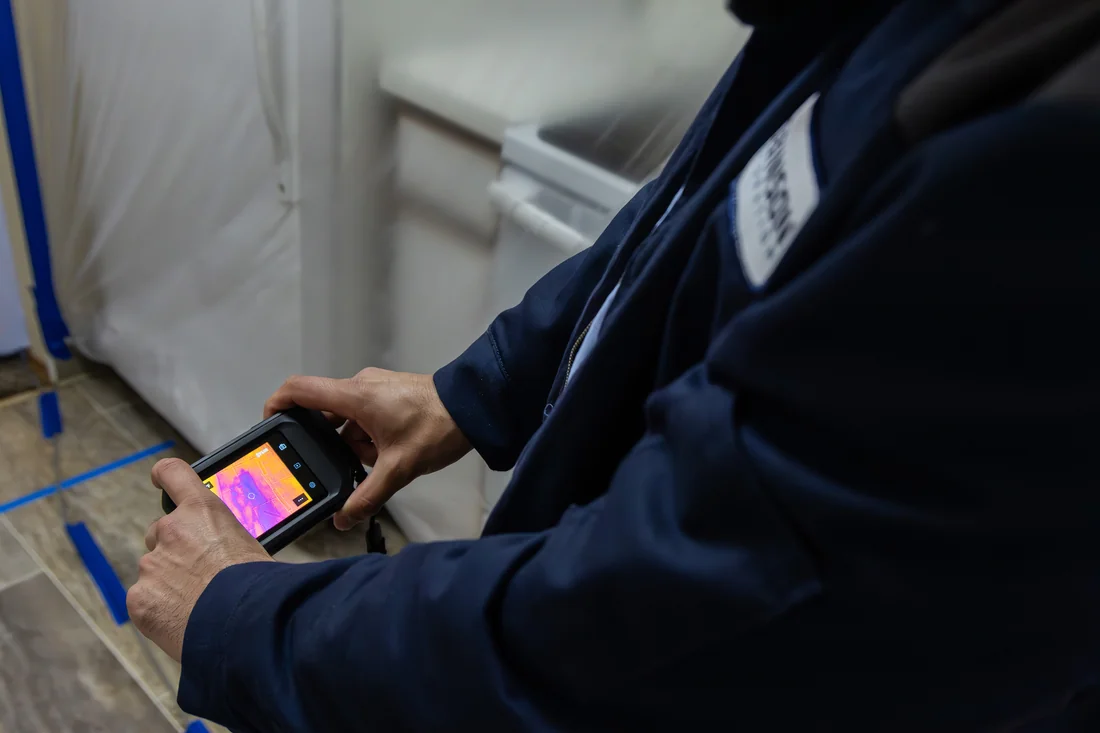
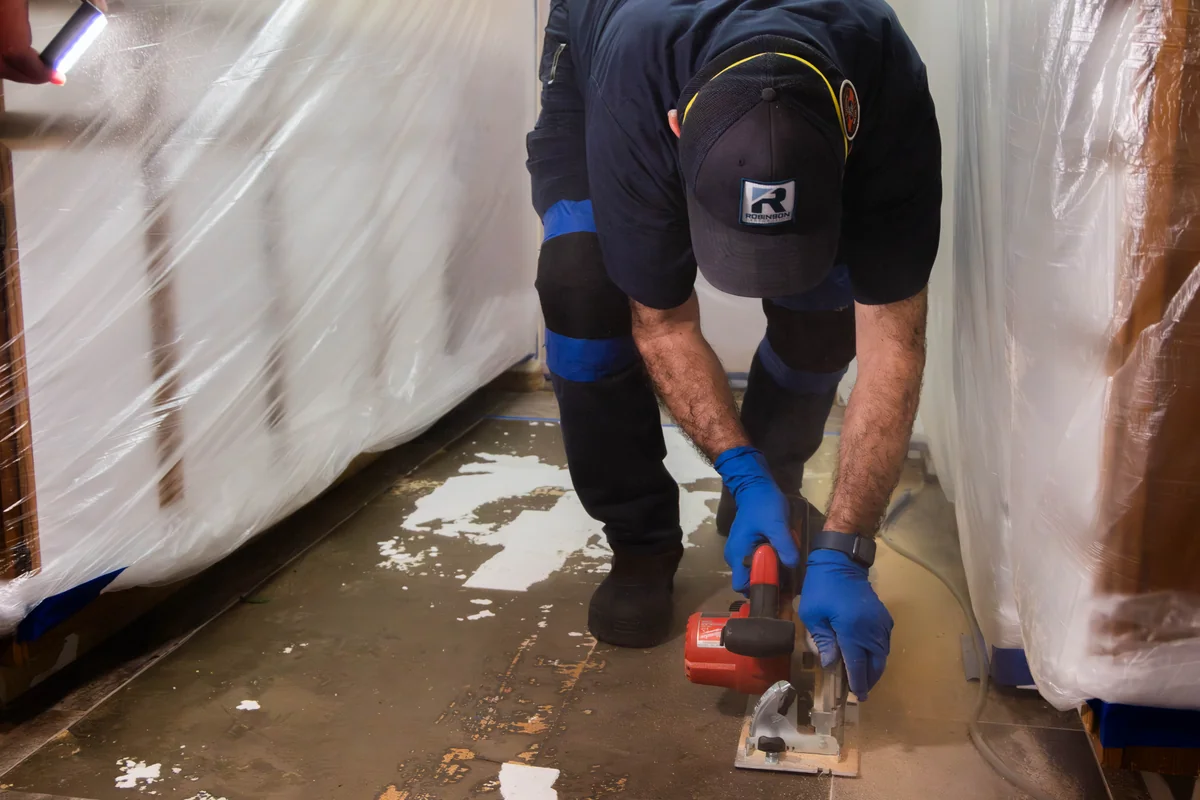
Our Yakima Valley dispatch covers Outlook the same way it covers the incorporated towns around it. A live person answers, a crew rolls, and the truck carries extraction, air movers, and dehumidifiers. Documentation starts before demolition: photos, moisture readings, a scope written the way an adjuster expects to read it. We dry to IICRC S500 standards and bill your carrier directly. For a property on a well or septic, that gets built into the plan.

An unincorporated address doesn't change anything on our end; Outlook calls run through the same round-the-clock dispatch as any Valley job.
24 hours a day, 7 days a week, our crews dispatch the moment you call and start mitigation the same visit. Call dispatch or message us for immediate help.
We stop further damage with commercial extraction, structural drying, and antimicrobial treatment, and we walk you through the entire insurance claim as we work.
We manage your rebuild to pre-damaged condition through our trusted network of licensed contractors and sister companies. One manager, one timeline.
Lateral ditches and district canals carry water past Outlook properties from spring through harvest, and a failure on that side of the fence moves fast. A collapsed lateral bank, a stuck headgate, or a blown riser sends turbid field water toward a house on flat ground with nowhere to shed. Water that came out of a ditch is contaminated, so the cleanup goes past drying into removal and disinfection.
Seasonal and rental housing is part of how the Valley works, and empty buildings are where water damage gets expensive. A supply line that fails in a house nobody has entered for two weeks soaks the floor system, the walls, and the contents before discovery. Owners and property managers around Outlook benefit from a low-temperature alarm and a scheduled walkthrough more than any other prevention step.
Decades of irrigation have raised the shallow water table here, and the silt loam holds water instead of shedding it. A crawlspace that stayed dry in March can have standing water in July with no plumbing failure involved. Sump systems fail quietly, and the space stays wet long enough to rot a sill plate. We check the crawlspace on every call, even when the loss started upstairs.
Much of the housing around Outlook serves the farms directly: duplexes, bunk-style units, and small clusters of homes under a single owner. A loss in one unit crosses shared walls and shared plumbing into the next. We contain each unit, dry them as separate spaces, and keep occupancy in mind so tenants who can stay put are not displaced by equipment they don't need.
Most of the losses we run in Outlook start one of three ways: flooding and groundwater, sewage backups, and frozen and split pipes. Here is why each one happens here, and what it takes to dry it properly.
Irrigation season puts moving water on all sides of Outlook properties. A failed lateral or an overtopped ditch spreads across flat, saturated ground and pushes into crawlspaces and low doorways carrying field silt with it.
Rural septic systems here sit in ground that stays wet through the irrigation season, which starves the drainfield of the dry soil it needs. Backups come up through tubs and floor drains and require full category three handling.
Valley fog and a hard frost usually arrive together, and the cold sits for days. Seasonal housing with the heat turned down is where lines let go, often unnoticed until the next person opens the door.
Water is how most losses start. It’s rarely where they end. The same local crew handles all of it.
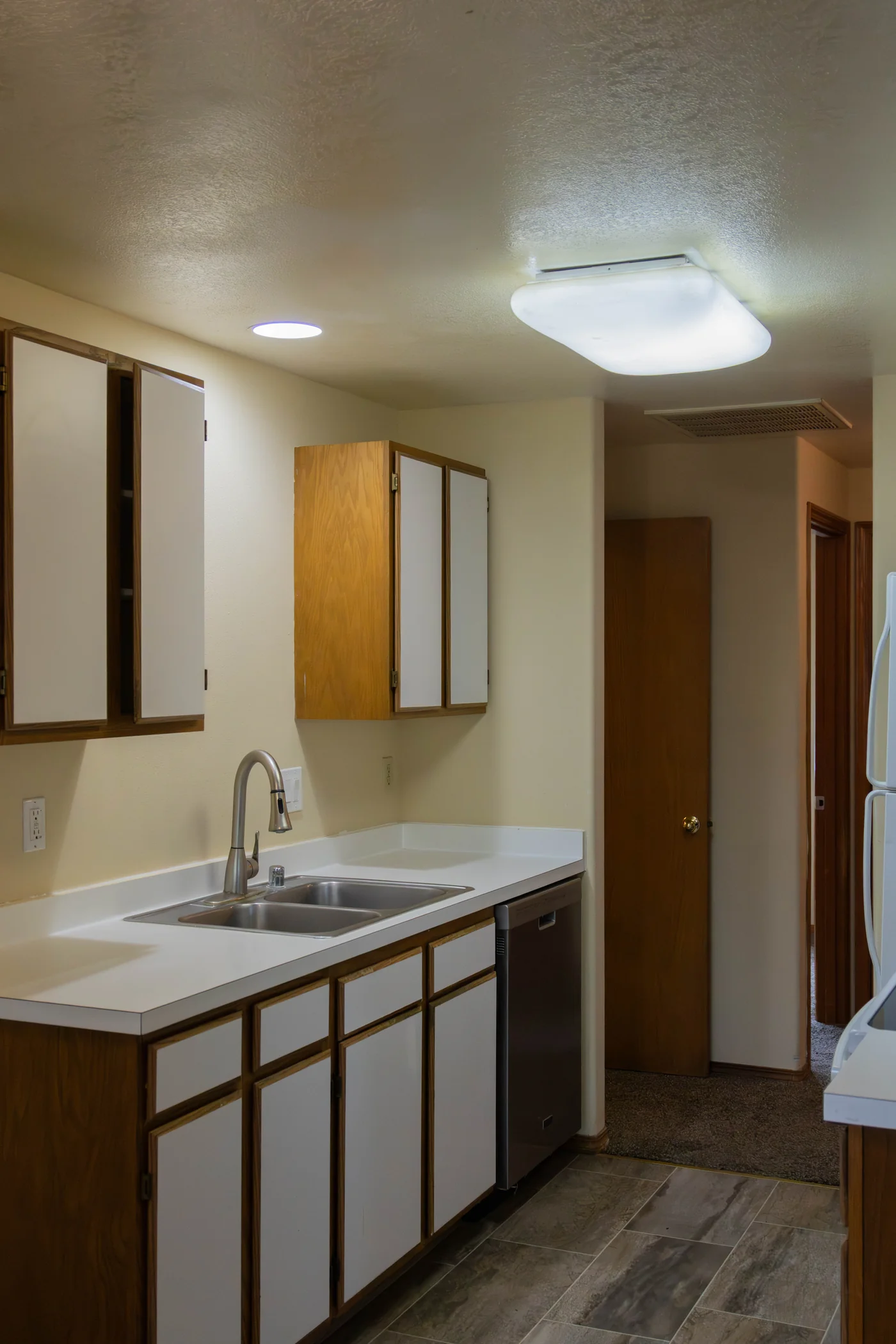
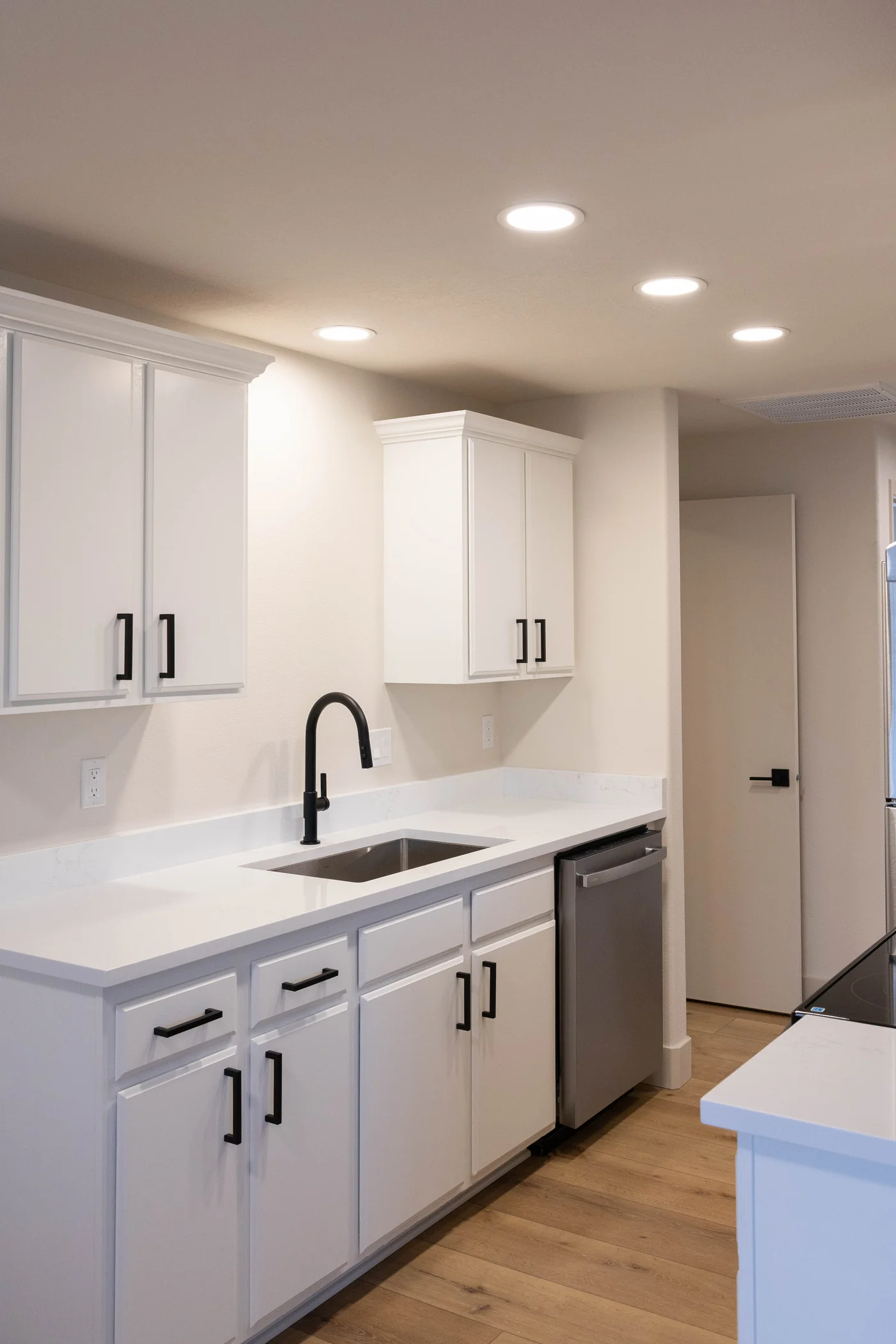
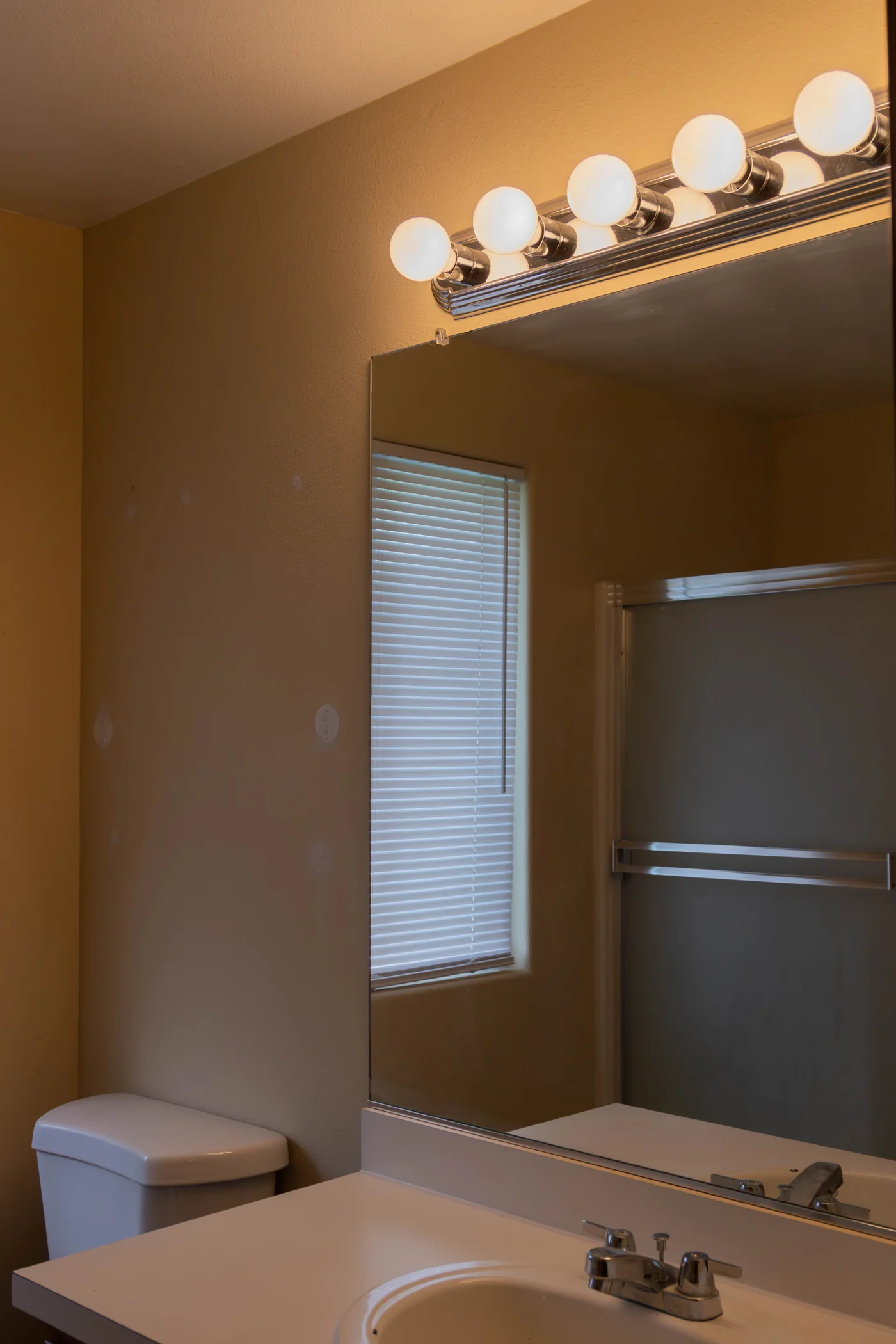
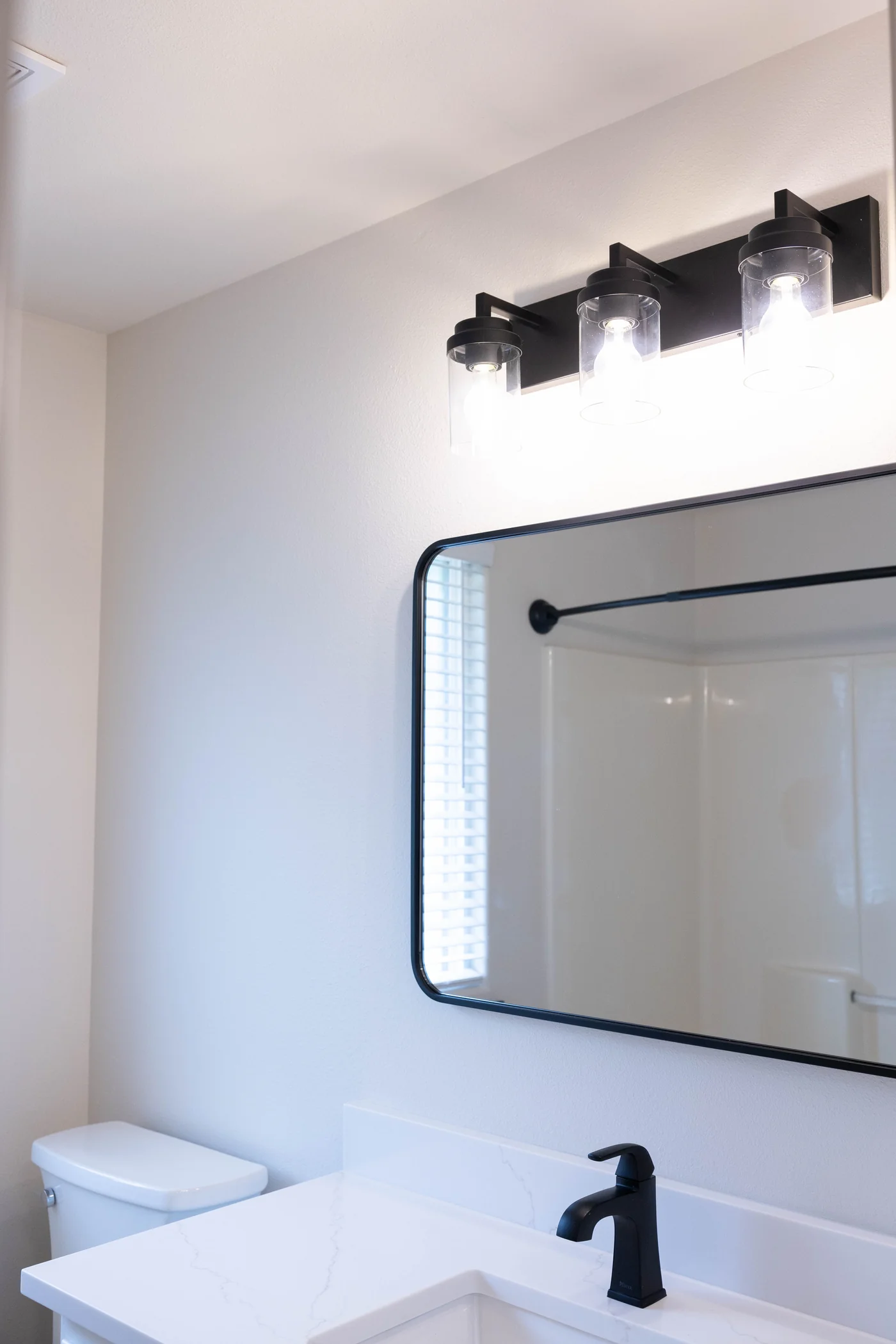
Three real projects, photo-documented for the insurance carrier. Drag each handle to compare.
“Chuck and Cole were very professional, courteous and knowledgeable about their restoration skills including close out processes. I'm really happy they were the two employees assigned to our home.”
Joanna Gamble · Google Review
“We hired Robinson Restoration after a boiler joint failed and leaked what we thought was a small amount of water in our laundry room, but turned out to be more serious than it appeared. They did a fantastic job from first contact to insurance claim approval.”
Randi Covin · Google Review
“We had a major sewer back up a couple of weeks ago, into the laundry room and downstairs bathroom. Panic! We were referred to Robinson Restoration and what a blessing. The whole crew has been wonderful.”
Lynn Dee King · Google Review
In Washington, you choose your restoration contractor, and your carrier can’t penalize you for it. We document every Outlook loss with moisture maps, photos, and daily readings, then bill your insurer directly. You pay your deductible. That’s it.
Subject to policy coverage and deductible. We handle the paperwork, photos, and adjuster calls.
Ag country has its own water problems: irrigation lines, well systems, and slab-on-grade construction that wicks moisture sideways. Outlook is inside our lower Yakima Valley coverage, and dispatch answers 24/7. The responding crew brings extraction equipment, air movers, and dehumidifiers, plus meters to confirm the drying is finished. We file the documentation your adjuster wants and bill the insurance carrier direct.
We do. Our Yakima Valley coverage takes in the whole Lower Valley, including the rural addresses between the towns, and those calls are normal work for our crews. Dispatch answers around the clock, and the emergency target is on-site in 90 minutes. If your driveway is long or hard to find at night, tell dispatch and we'll note it on the ticket.
No, and the difference matters. Water from an irrigation lateral is category three: it carries soil bacteria, fertilizer, and animal waste from the fields it ran through. Drying alone is not enough. Saturated insulation and the vapor barrier come out, the wood gets cleaned and treated with an antimicrobial, and the space is dried and verified. We also document the source, because irrigation losses raise different coverage questions than plumbing does.
Yes, and we do it often around Outlook. Containment lets us dry one unit while the neighbors stay in place, and we schedule the noisy work around people who are on a field shift. Each unit gets its own scope, its own photo set, and its own moisture log, which keeps the billing clean when a carrier is looking at a multi-unit claim. Tenant contents are handled separately from the structure.
By controlling the space instead of fighting the site. In the Lower Valley the soil can hold moisture all season, so we seal the crawlspace with a new vapor barrier after the wood reaches dry standard and run dehumidification that pulls from the enclosed volume. Open venting in a wet season adds moisture rather than removing it. The readings tell us when the assembly is genuinely dry.
We give you a written scope before any equipment goes in, so the cost is known up front. On an insured loss we bill your carrier directly for the mitigation, which leaves you responsible for the deductible instead of the whole invoice. Outlook owners paying out of pocket get a firm number rather than an open-ended hourly rate. Nothing gets torn out without your sign-off on what and why.
Robinson manages that phase through vetted licensed contractors and sister companies, with our project team holding the scope and the schedule. The advantage on an Outlook property is continuity: the same documentation that justified the demolition carries into the repair estimate, so the carrier is not being asked to approve a second, unrelated scope written by someone who never saw the loss.
Field water or a broken line, the answer is the same: call before it soaks in further.
Licensed · Insured · IICRC Certified · Serving Washington & Oregon