Robinson Restoration is an IICRC-certified water damage restoration company serving Umatilla, OR. Crews dispatch 24 hours a day, arrive on-site in 90 minutes or less, document the readings and photos your carrier needs, and bill your insurance directly on covered claims.
The Columbia is right outside the door, but most water damage in Umatilla starts inside the house: a split supply line, a failed heater, a hose behind the washer. Robinson Restoration takes those calls day and night, with extraction and drying equipment already on the truck.
This town sits where the Umatilla River meets the Columbia behind McNary Dam, in country that sees under ten inches of rain a year and still freezes hard every winter. Housing runs to older frame homes, 1970s ranches, and a large share of manufactured homes on skirted crawlspaces. Those underbellies trap water and hold onto it, and the insulation batting behaves like a sponge once it gets wet.
Umatilla calls run through our Tri Cities operation, staffed 24/7. We document before we demo: moisture maps, material readings, chamber logs, and photos that stay with the file all the way to your adjuster. Drying follows IICRC S500 protocol, and we bill your carrier directly. When a loss needs rebuild work, we manage that through vetted licensed contractors and sister companies so you are not coordinating trades yourself.

Umatilla calls route straight to Basin dispatch, and a crew can be on-site in 90 minutes with extraction and drying equipment already loaded.
24 hours a day, 7 days a week, our crews dispatch the moment you call and start mitigation the same visit. Call dispatch or message us for immediate help.
We stop further damage with commercial extraction, structural drying, and antimicrobial treatment, and we walk you through the entire insurance claim as we work.
We manage your rebuild to pre-damaged condition through our trusted network of licensed contractors and sister companies. One manager, one timeline.
A lot of homes here are manufactured, and they fail differently than stick-built houses. Supply and drain lines run under the floor inside the belly wrap, so a break fills that cavity and sits. Water saturates the insulation, sags the underbelly, and pushes moisture into the subfloor. Drying it right means opening the belly, pulling wet batting, and confirming the deck is dry before it closes back up.
The east wind through this stretch of the Columbia is relentless, and it works on roofs year after year. Shingle tabs lift, flashing loosens, and blowing dust grinds away sealant at the penetrations. The failure stays invisible through a dry summer, then the first real rain drives water sideways into a wall cavity. By then the attic insulation is already soaked.
Outside town it is circles, shops, wellhouses, and pump sheds on long driveways. Those outbuildings are usually unheated, which makes them the first thing to freeze and split during a cold snap. Homes on wells and septic add another wrinkle, since a power outage takes the pump offline and a saturated drain field can push water back toward the house.
The industrial corridor along the river holds food processing, cold storage, warehousing, and data facilities, and none of those tolerate downtime. We work off hours, build containment so the rest of the operation keeps moving, and log every reading so a business claim is backed by data. Equipment rooms and raised floors get special attention because moisture there spreads through cable chases.
Most of the losses we run in Umatilla start one of three ways: frozen and split pipes, burst and leaking pipes, and sewage backups. Here is why each one happens here, and what it takes to dry it properly.
Wind chill off the river pushes cold into places it does not usually reach. Exposed lines under manufactured homes, wellhouses, and unheated shops split first, often with nobody there to hear it.
Older Umatilla homes still carry galvanized and early plastic supply lines that have spent decades under pressure. When a fitting finally fails behind a wall, the leak can run all night before anyone notices.
Small-town mains and rural septic systems both back up here, and shallow groundwater near the river makes drain fields sluggish in wet stretches. Any sewage intrusion becomes a containment and disinfection job, not a mop-up.
Water is how most losses start. It’s rarely where they end. The same local crew handles all of it.
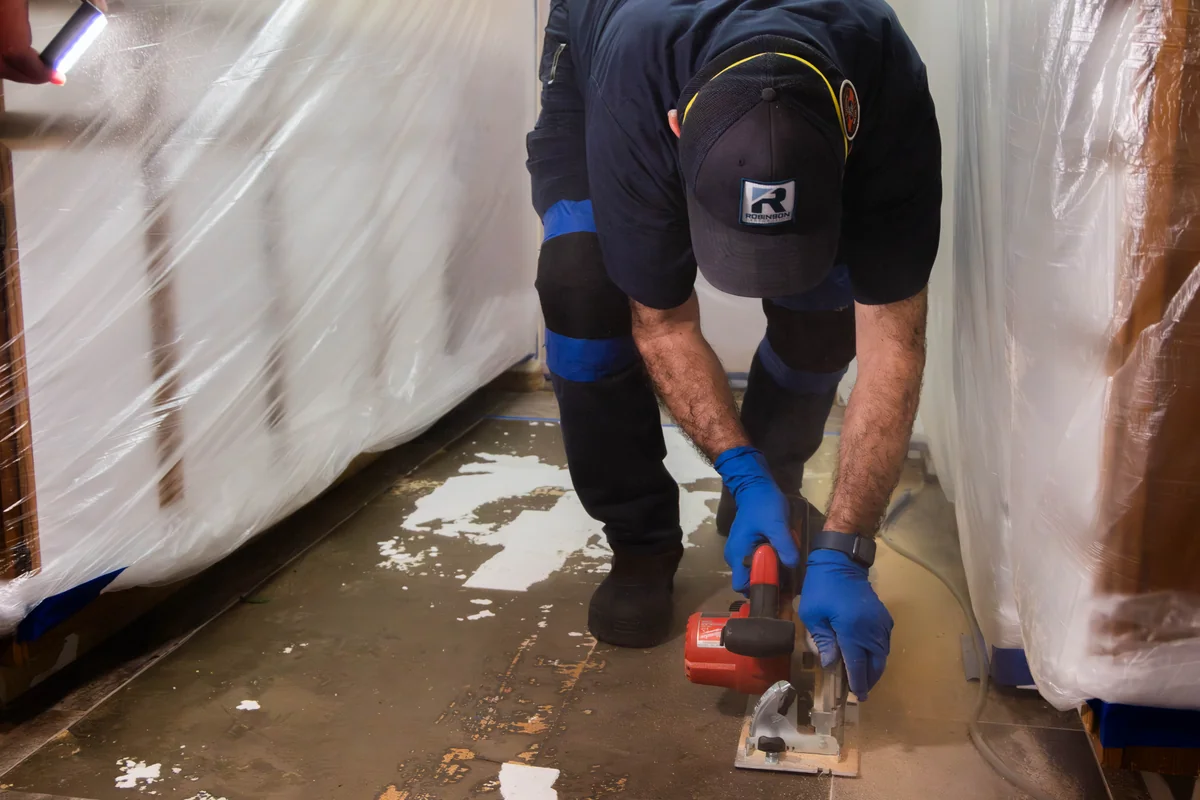
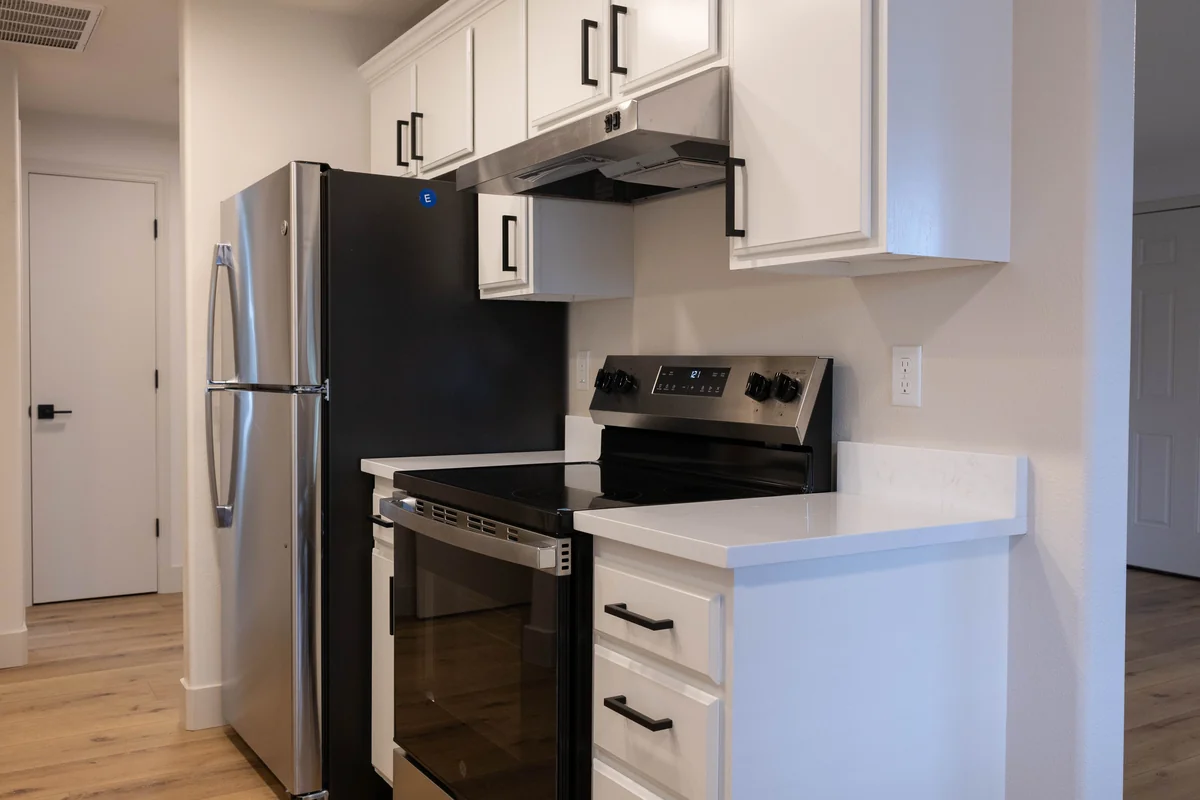
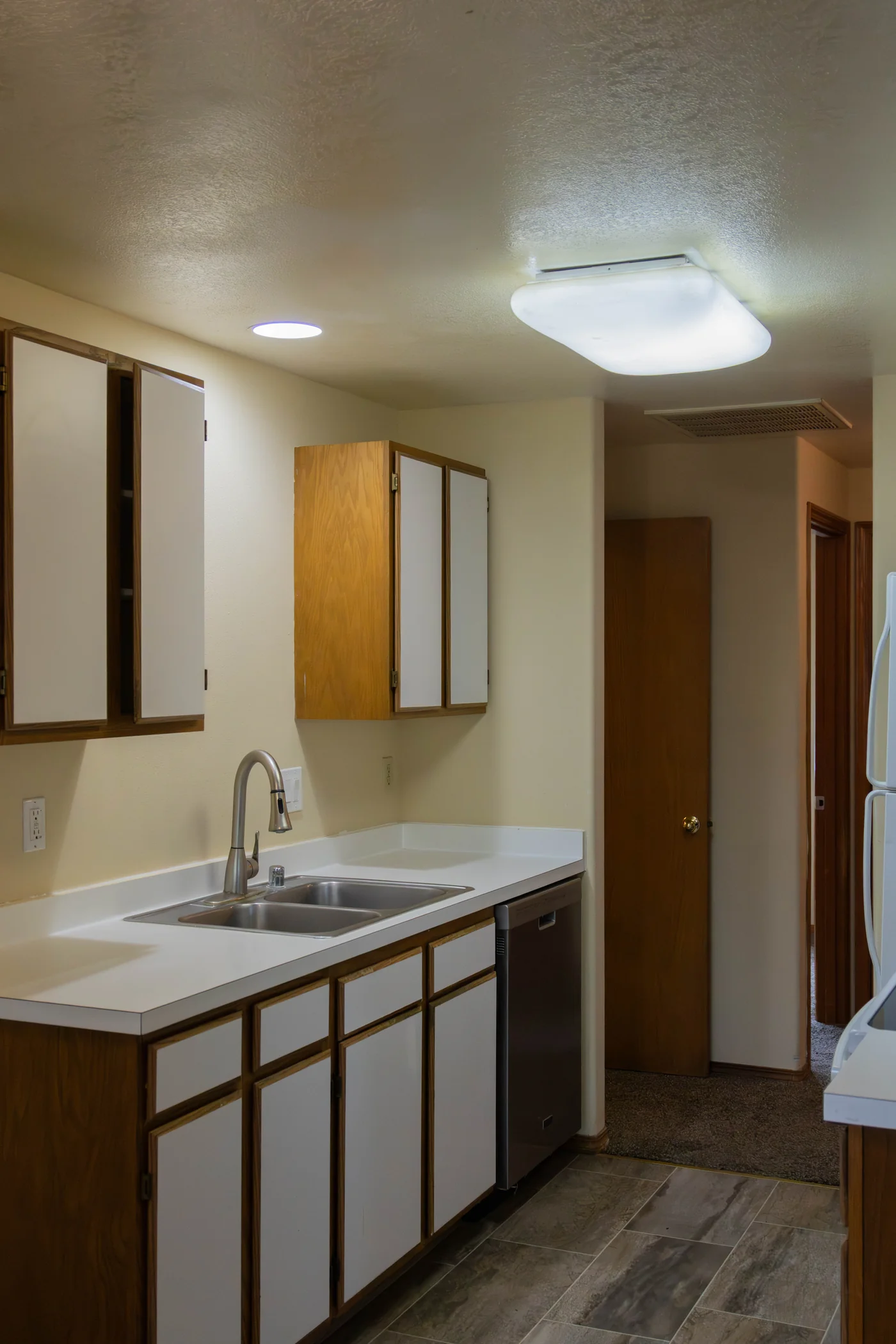
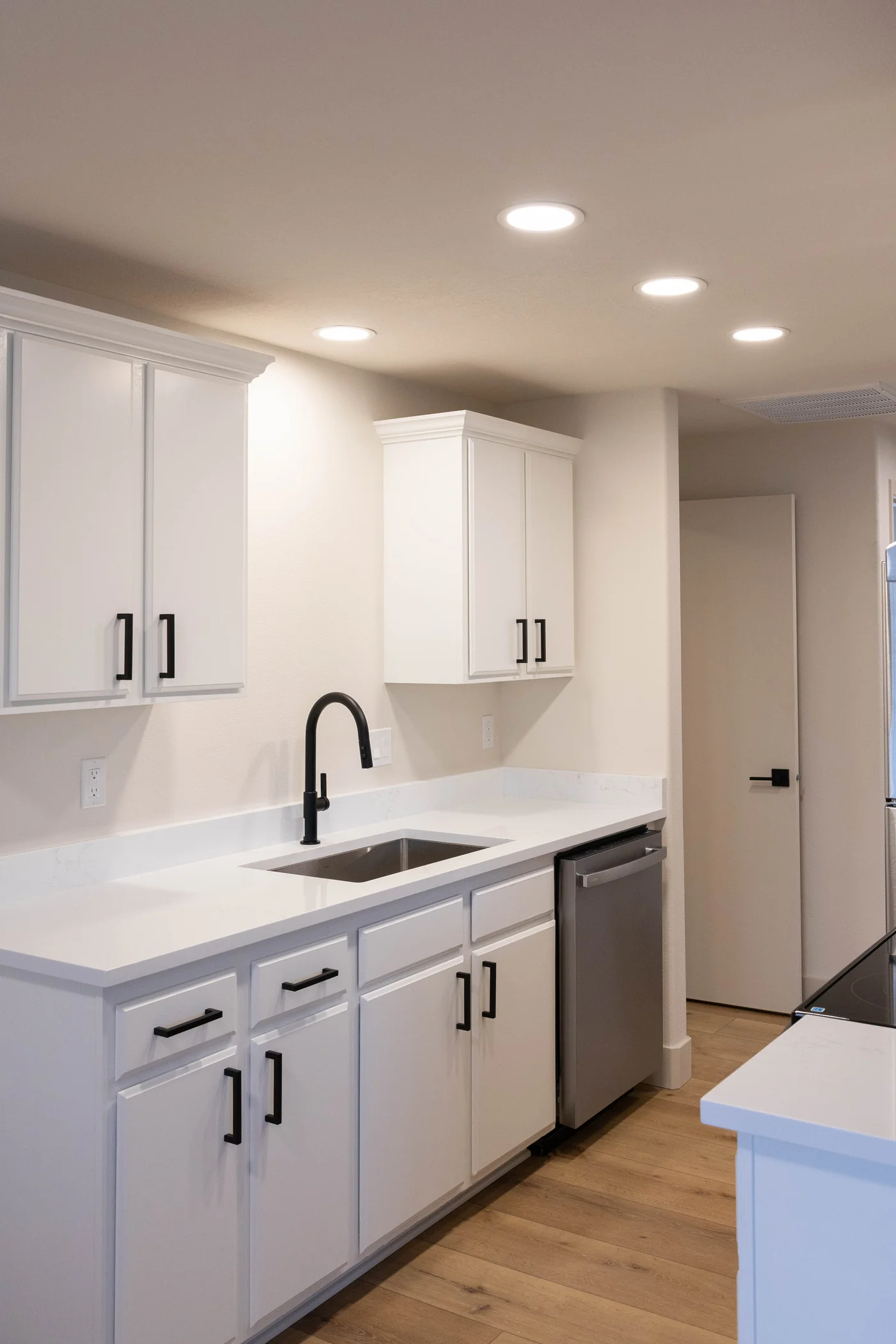
Three real projects, photo-documented for the insurance carrier. Drag each handle to compare.
“Had a leak in our wall and our plumber recommended Robinson Restoration to handle remediation of the water damage. Christian and Adolfo were awesome. Great communication throughout the setup of the containment area and installation of the equipment to start the drying process.”
Won Lee · Google Review
“We recently had an unfortunate plumbing issue that led to some significant flooding issues. On the recommendation of our plumber we reached out to Robinson Restoration to help us with drying out our house and getting it ready to be put back together.”
Don Warner · Google Review
“We've had the bittersweet opportunity to have Robinson in our lives twice now. First, for a major 3,000 sq ft mold remediation of our crawl space. Then last week, we had an unfortunate flood. I don't know what we would have done without them.”
T Marie C · Google Review
In Oregon, you choose your restoration contractor, and your carrier can’t penalize you for it. We document every Umatilla loss with moisture maps, photos, and daily readings, then bill your insurer directly. You pay your deductible. That’s it.
Subject to policy coverage and deductible. We handle the paperwork, photos, and adjuster calls.
Along the Columbia River, hot summers and hard winter freezes are rough on plumbing, and failures rarely happen at a convenient hour. Umatilla is on our regular route, with dispatch picking up any time of day or night and crews arriving with extraction units, air movers, and dehumidifiers. Everything runs through your insurance carrier on direct billing, and we log the loss room by room.
Yes, but not by pointing fans at the room. Water inside a manufactured home belly sits in the insulation and against the underside of the deck, where surface air does nothing. We open the underbelly, pull the saturated batting, dry the cavity with directed airflow, and take readings from the subfloor rather than the finish flooring. Then it gets sealed back up properly, not stapled shut wet.
It changes the shutoff and the sanitation picture. With a well, killing the pump breaker stops the supply, which is faster than hunting for a main valve. With septic, a backup is treated as category three water, so affected porous materials come out rather than getting cleaned. We also check whether a saturated drain field is the real cause, because that determines who fixes what.
Typically yes, when the discharge is sudden and accidental and the home was being heated. Carriers commonly exclude losses where a vacant house had the heat off or the system was not drained, which matters for seasonal and rental property around Umatilla. We record the failure point, interior conditions, and the timeline in the first visit so your adjuster has facts instead of assumptions to work from.
It depends on how the water got in, which is exactly why documentation matters. If wind lifted shingles or flashing and rain followed the opening, most policies treat it as wind-created opening damage. If the roof simply wore out, carriers usually call that maintenance. We photograph the entry path, map the wet cavity, and hand the adjuster something concrete to make that call on.
We bill your carrier directly on most Umatilla losses, so your out-of-pocket is usually the deductible. Our file includes moisture maps, daily readings, equipment logs, and photographs in the format adjusters expect. You are welcome to a copy of everything we send. If your carrier assigns a preferred vendor and you would rather use us, that is your choice to make.
Mitigation and drying are our crews. For reconstruction, flooring, cabinetry, and finish work, Robinson manages the rebuild through vetted licensed contractors and sister companies, which keeps one point of contact on the project instead of leaving you to line up trades. We hand off the drying documentation so the rebuild scope matches what actually came out during mitigation.
Standing water does not wait until morning. Call now and we will get a crew rolling tonight.
Licensed · Insured · IICRC Certified · Serving Washington & Oregon