Robinson Restoration is an IICRC-certified water damage restoration company serving Cornelius, OR. Crews dispatch 24 hours a day, arrive on-site in 90 minutes or less, document the readings and photos your carrier needs, and bill your insurance directly on covered claims.
Cornelius sits on the flat floor of the Tualatin Valley, where winter rain has nowhere to run and the water table comes up to meet you. A saturated crawlspace or a failed supply line turns into a whole-house problem quickly. Our certified crews respond around the clock.
The older core near the highway is full of modest 1920s through 1950s houses on shallow crawlspaces, with cast iron drains and supply lines that have been patched more than once. Newer subdivisions on the edges sit on graded valley clay that sheds almost nothing. Add a winter that dumps rain for weeks and you get standing water under floors, slow drain backups, and siding that stays wet long enough to rot the sheathing behind it.
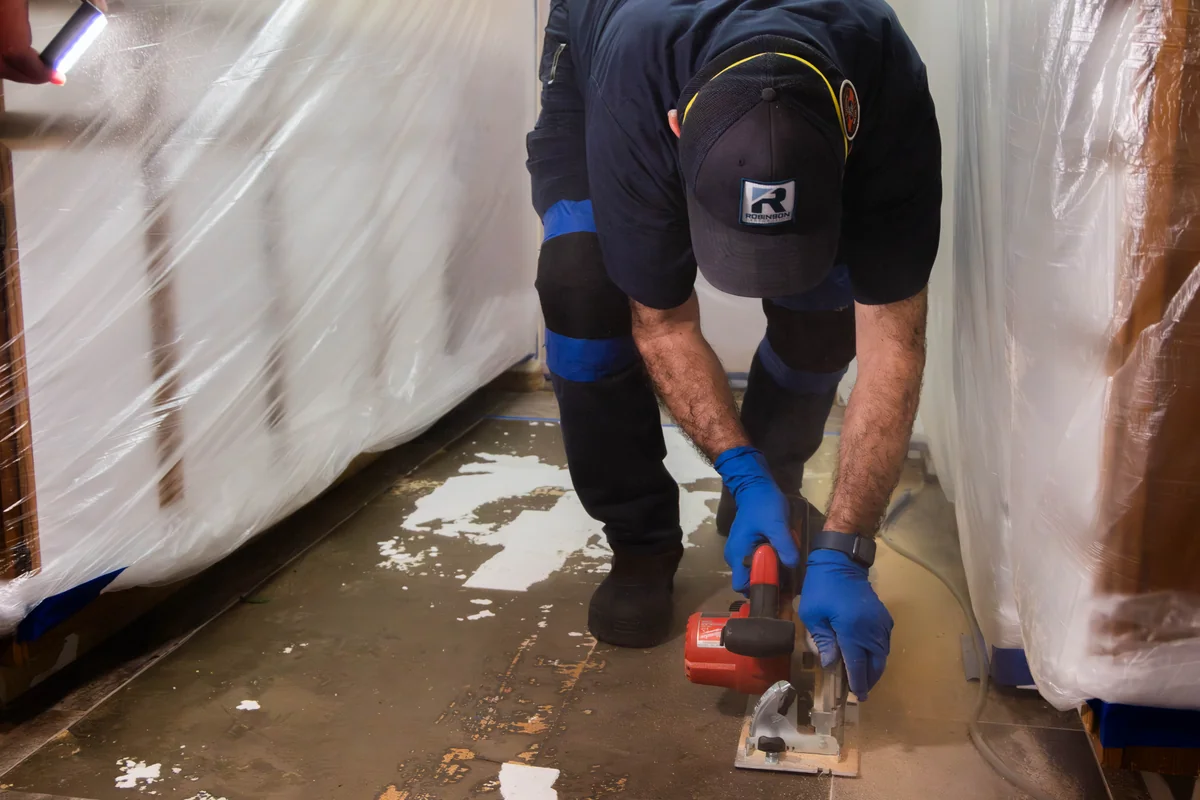
Calls from western Washington County reach a live dispatcher at any hour, and a lead tech gives you the plan before the truck is unloaded. Everything follows IICRC S500: mapped moisture, contained demo, logged readings, and photos of every affected assembly. We bill your insurer directly and keep the file organized so the adjuster is not asking for the same document twice.

Cornelius calls get a live person at any hour and a crew that arrives with extraction and drying equipment already loaded.
24 hours a day, 7 days a week, our crews dispatch the moment you call and start mitigation the same visit. Call dispatch or message us for immediate help.
We stop further damage with commercial extraction, structural drying, and antimicrobial treatment, and we walk you through the entire insurance claim as we work.
We manage your rebuild to pre-damaged condition through our trusted network of licensed contractors and sister companies. One manager, one timeline.
Working property around Cornelius comes with more than a house: shops, cold storage, bunk housing, and pump rooms that nobody visits in January. A cracked line in an unheated outbuilding can run for days. We dry structures and contents, and we can handle equipment rooms and concrete slabs where the water wicked into block walls.
The Tualatin basin is flat, and in a wet winter the groundwater sits close to the surface. Yards pond, crawlspaces take on standing water through vents, and sump pumps run continuously until one of them quits. Pulling that water out early is the difference between a dry-out and a full framing and insulation replacement.
Plenty of homes in the older neighborhoods have new fixtures bolted onto original rough plumbing. Braided supply hoses under sinks and toilets are the usual culprit: they fail at the crimp, often while the house is empty. A five dollar hose can run for hours across a kitchen floor before anybody gets home.
Western Washington County can go a week or more without a dry afternoon. Roof valleys, flashing, and older skylights start leaking under that kind of sustained load, and the water tracks along rafters before it shows on a ceiling. By the time a stain appears, insulation above it has usually been wet for a while.
Most of the losses we run in Cornelius start one of three ways: flooding and groundwater, roof and storm leaks, and appliance failures. Here is why each one happens here, and what it takes to dry it properly.
The valley floor drains slowly. After a long wet stretch, groundwater comes up through crawlspace vents and slab edges in the low parts of Cornelius, and sump pumps fail right when they are needed.
Weeks of continuous rain find every worn flashing and cracked boot. Water runs along the rafters and drops into insulation, so the ceiling stain usually shows up well after the leak started.
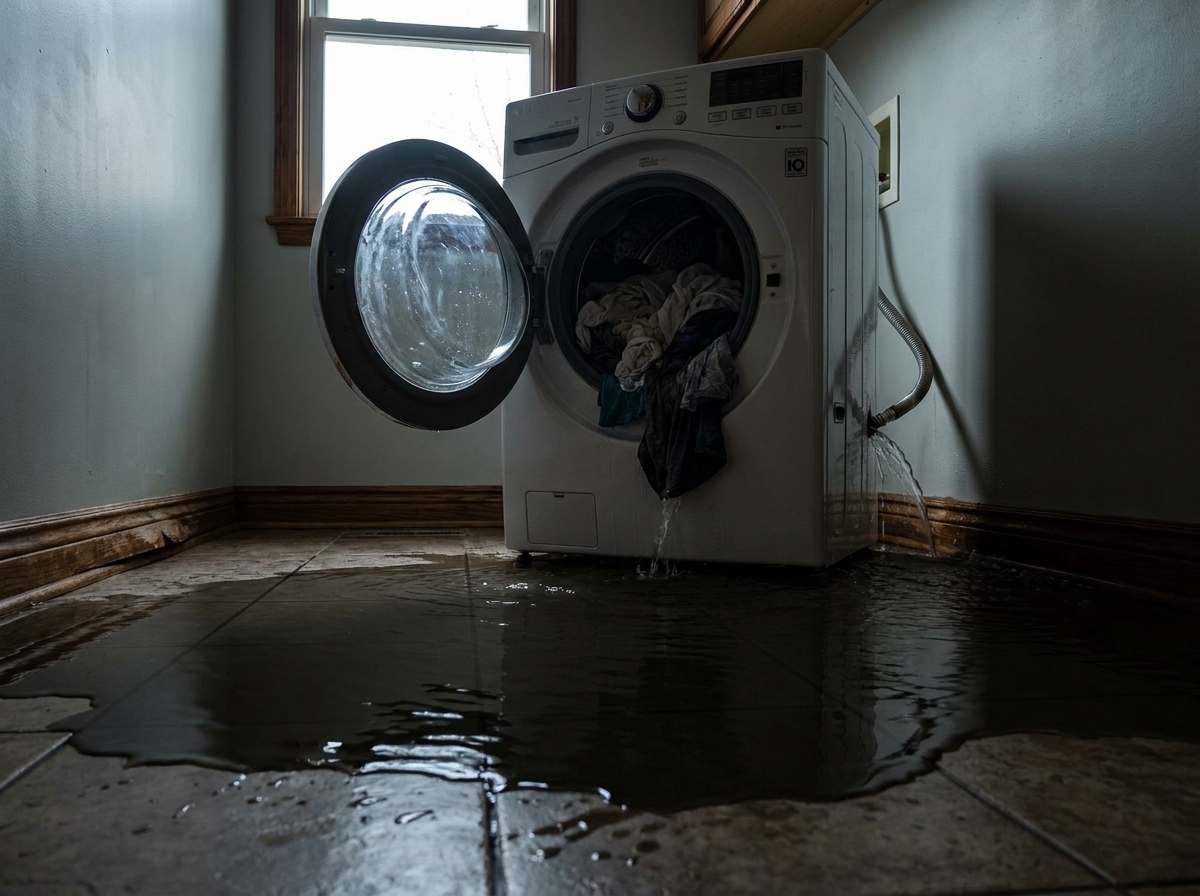
Washer hoses, dishwasher lines, and refrigerator ice makers cause a lot of the calls here. Second-floor laundry rooms are the worst of them, because the water goes straight into the ceiling below.
Water is how most losses start. It’s rarely where they end. The same local crew handles all of it.
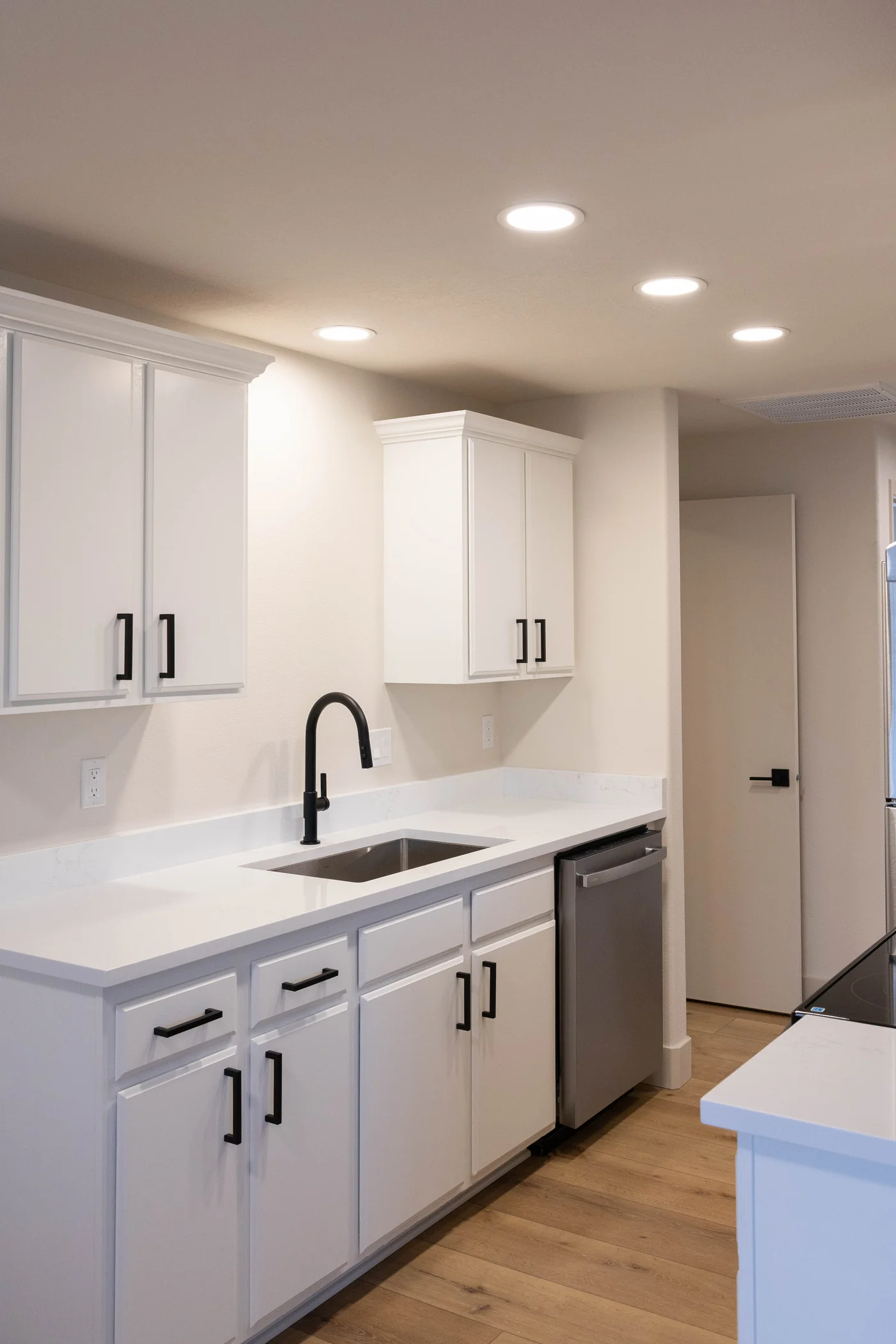
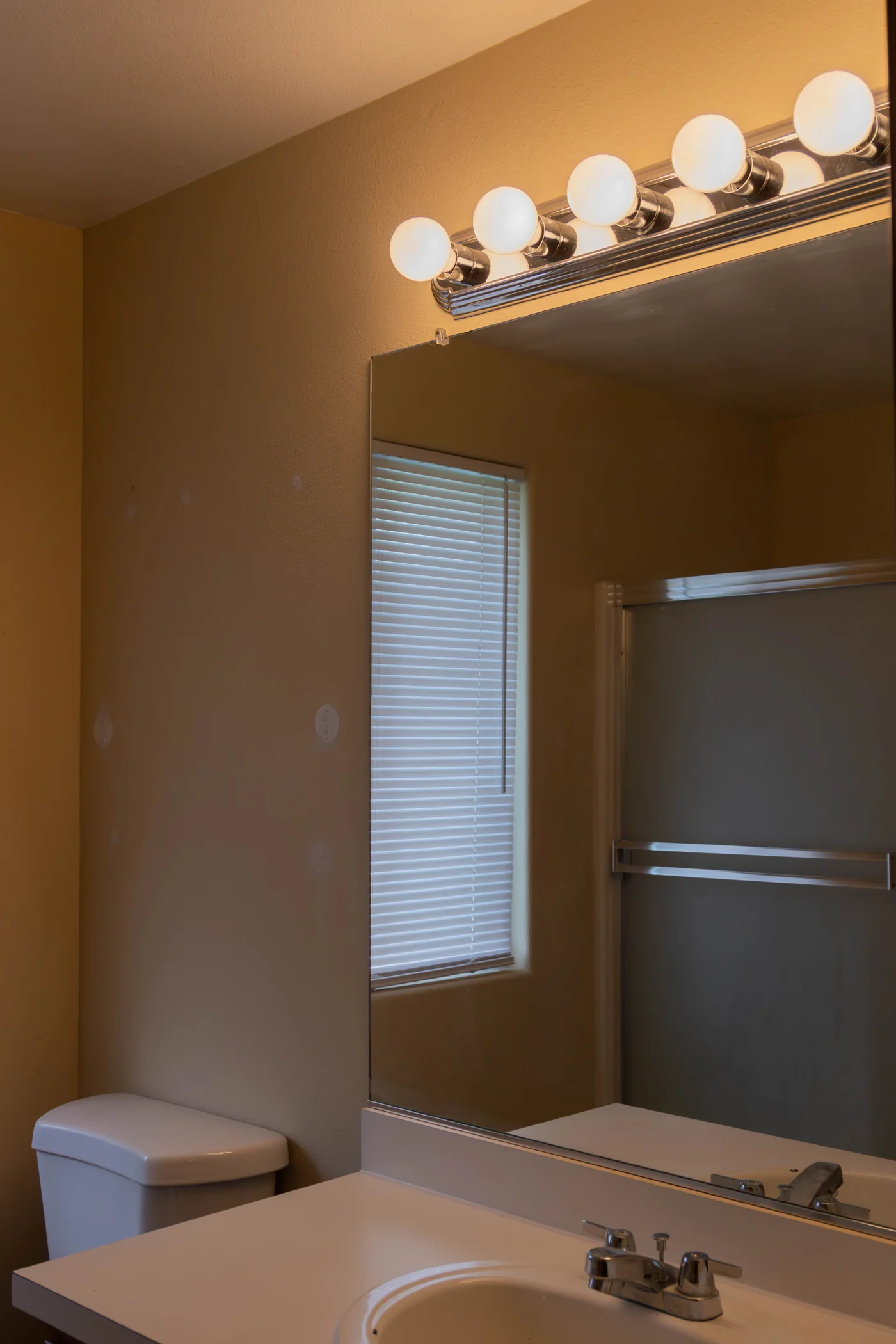
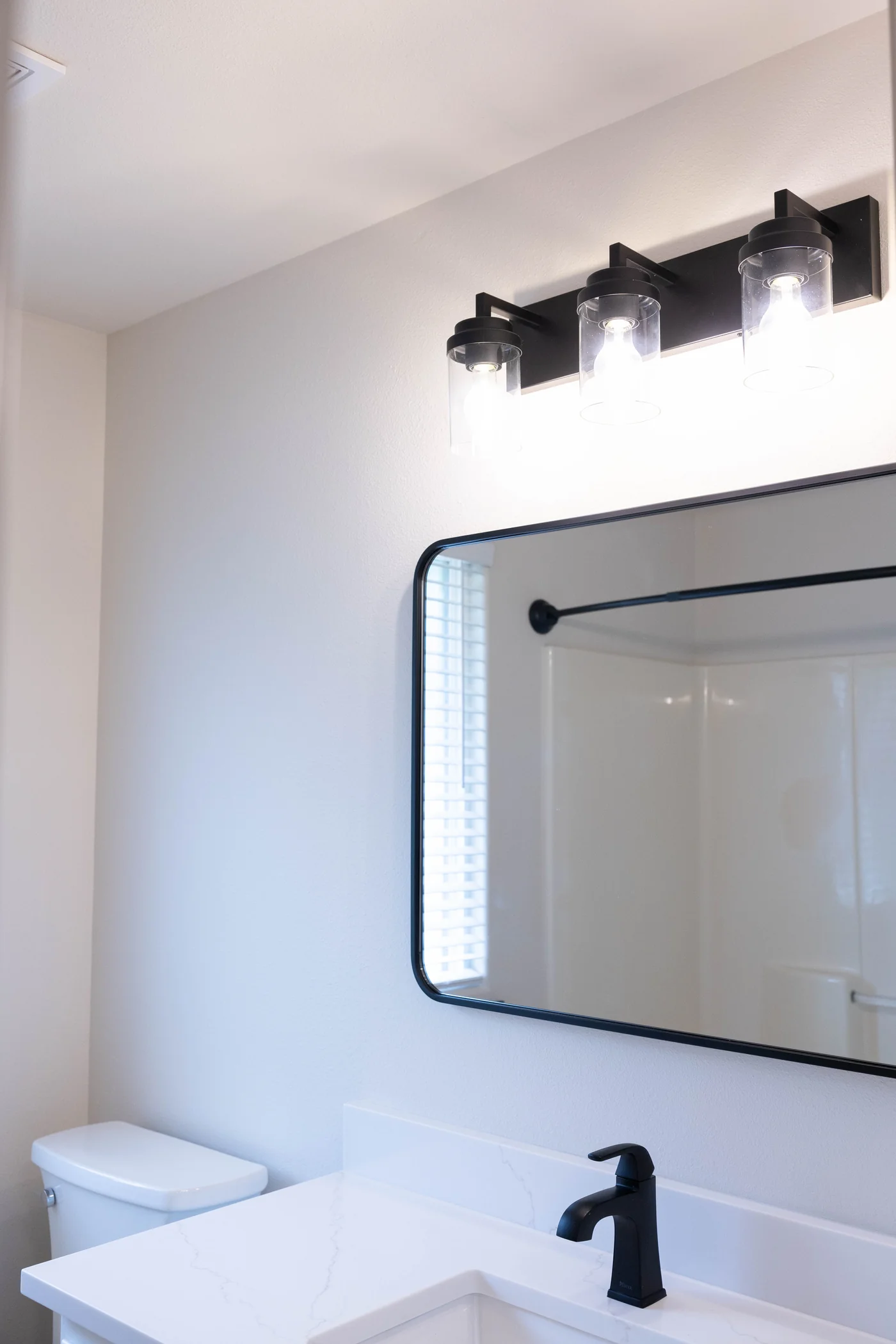
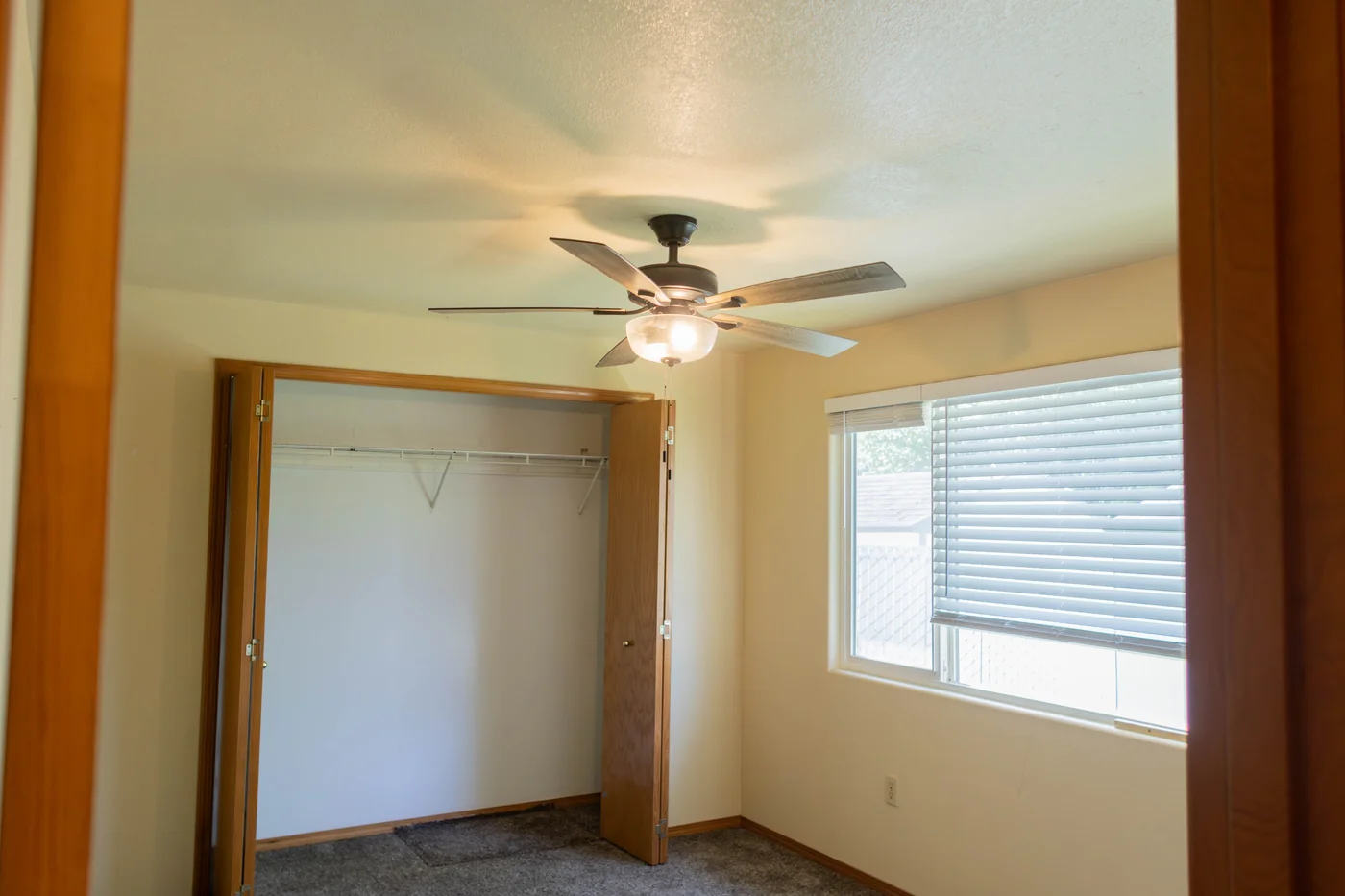
Three real projects, photo-documented for the insurance carrier. Drag each handle to compare.
“We recently had an unfortunate plumbing issue that led to some significant flooding issues. On the recommendation of our plumber we reached out to Robinson Restoration to help us with drying out our house and getting it ready to be put back together.”
Don Warner · Google Review
“We've had the bittersweet opportunity to have Robinson in our lives twice now. First, for a major 3,000 sq ft mold remediation of our crawl space. Then last week, we had an unfortunate flood. I don't know what we would have done without them.”
T Marie C · Google Review
“Chuck and Cole were very professional, courteous and knowledgeable about their restoration skills including close out processes. I'm really happy they were the two employees assigned to our home.”
Joanna Gamble · Google Review
In Oregon, you choose your restoration contractor, and your carrier can’t penalize you for it. We document every Cornelius loss with moisture maps, photos, and daily readings, then bill your insurer directly. You pay your deductible. That’s it.
Subject to policy coverage and deductible. We handle the paperwork, photos, and adjuster calls.
Wet winters in the Tualatin Valley keep crawlspaces damp long before a pipe ever fails, so we check the whole structure before setting equipment. Cornelius falls inside our regular route. Dispatch takes calls at any hour, technicians arrive with extraction and drying gear on board, and the invoice goes straight to your insurance carrier.
Flat ground and a high winter water table. The Tualatin Valley floor holds water instead of shedding it, so after weeks of rain the saturated soil rises to crawlspace level and comes in through vents and foundation joints. Older homes with no vapor barrier or a torn one are the most exposed. We extract, dry, treat the framing, and tell you honestly what will help next winter.
Sudden and accidental water is normally covered: a burst line, a hose that let go, an overflowing appliance. Groundwater entering from outside is a flood issue and needs separate coverage, which trips up a lot of Cornelius homeowners the first time. We identify the source in writing, document moisture levels room by room, and bill your carrier directly so you are not fronting the mitigation cost.
Yes. Agricultural and light commercial property around Cornelius is a normal part of the work: shops with slab floors, cold storage, pump houses, and office space attached to a warehouse. Slab and block construction holds water differently than a wood-framed house, so we use different drying equipment and check wicking height on the walls before signing off.
Mold can start on wet organic material within a couple of days under the right conditions, and a Cornelius winter provides them: cool, damp, and no ventilation under the floor. Speed matters more than any product. We dry the assembly to standard, apply an antimicrobial where it is warranted, and if growth is already established we contain the area before anything gets disturbed.
Robinson handles the mitigation side: extraction, drying, controlled demolition, and cleaning. Reconstruction is managed through vetted licensed contractors and sister companies, coordinated by us so you are not hiring three trades on your own. The moisture logs and photos from the drying phase go into the repair scope, which usually keeps the insurer moving instead of asking for another inspection.
Shut the water off at the main and stop the source if you can reach it safely. Move rugs, boxes, and anything with legs off wet flooring, and pull furniture away from damp walls. Leave the ceiling alone if it is sagging, and stay out of standing water near outlets or panels. Take photos before you clean anything up, then let our Cornelius crew handle the rest.
Standing water does not wait for business hours. Call Robinson and get a Cornelius crew moving now.
Licensed · Insured · IICRC Certified · Serving Washington & Oregon