Robinson Restoration is an IICRC-certified water damage restoration company serving North Plains, OR. Crews dispatch 24 hours a day, arrive on-site in 90 minutes or less, document the readings and photos your carrier needs, and bill your insurance directly on covered claims.
North Plains sits at the north edge of the Tualatin Valley, where nursery ground and hazelnut orchards meet a decade of new subdivisions. Two very different kinds of houses, one shared problem: heavy clay soil that holds water. Robinson Restoration takes water damage calls here around the clock.
The old core of town is small cottages and bungalows from the early 1900s, many of them on shallow crawlspaces. Everything built since 2010 sits on flat valley ground where the water table climbs within a foot or two of the surface by January. Dairy Creek and the sloughs west of town back up during long storms, and clay soil sheds runoff instead of absorbing it. Sump pumps here run more months than they rest.
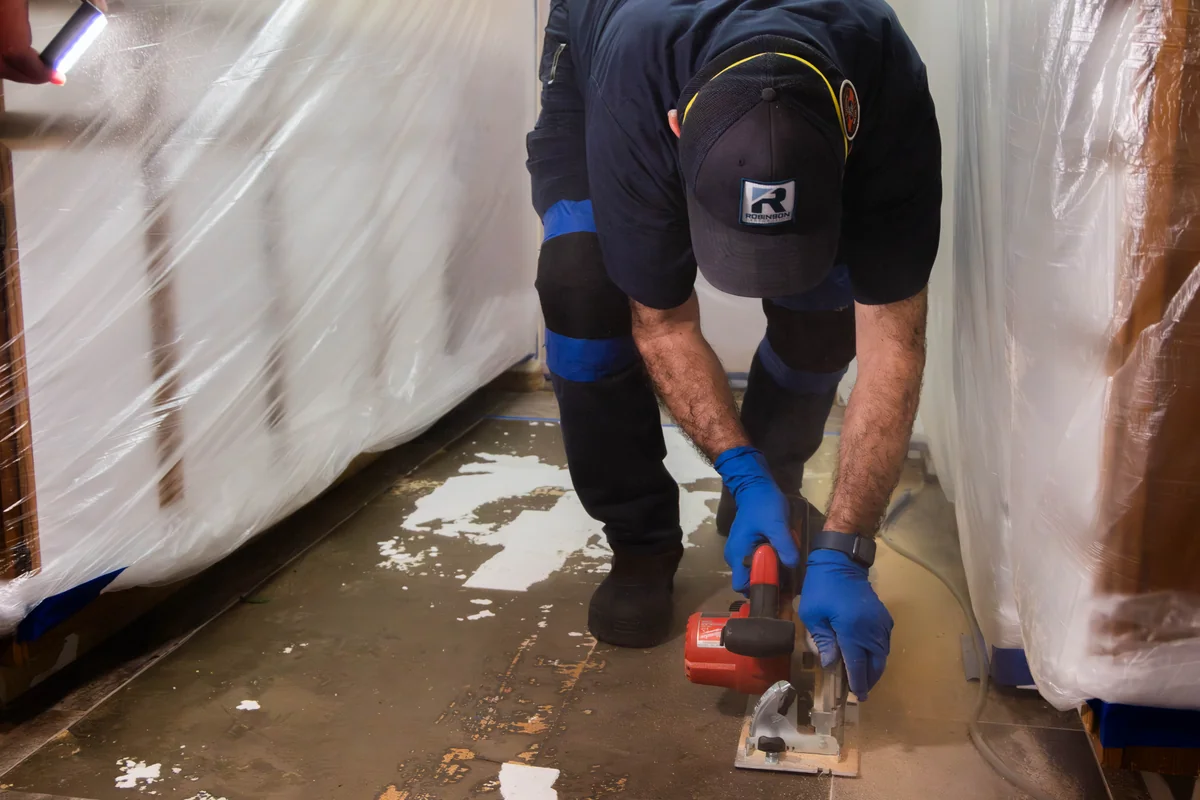
Dispatch runs 24/7 out of our Vancouver headquarters, and crews cover Washington County the same as anywhere else in the metro. When we arrive, the first job is mapping the water with meters and thermal imaging so nothing gets left wet behind a wall. Drying follows IICRC standards, with daily readings logged against a target. We bill your insurer directly and give the adjuster a documented file, which is what keeps North Plains claims moving.

Crews serving the west metro stay stocked for North Plains calls, from a flooded crawlspace on farm ground to a second-floor line in a new build.
24 hours a day, 7 days a week, our crews dispatch the moment you call and start mitigation the same visit. Call dispatch or message us for immediate help.
We stop further damage with commercial extraction, structural drying, and antimicrobial treatment, and we walk you through the entire insurance claim as we work.
We manage your rebuild to pre-damaged condition through our trusted network of licensed contractors and sister companies. One manager, one timeline.
Tualatin Valley soil is dense clay that turns to a bathtub by midwinter. Foundation drains silt up, downspout lines run full, and crawlspaces that never had an issue start showing an inch of standing water. It rarely arrives as a dramatic flood. What you get instead is a slow rise that gets under insulation and stays there until someone pulls a vent cover and looks.
Downtown cottages from the early 1900s still hide galvanized stubs and drum traps behind remodeled walls. The subdivisions off Highway 26 have the opposite problem: PEX manifolds, tankless units, and second-floor laundry, all young enough that homeowners assume nothing can fail. Builder-grade supply hoses reach the end of their life somewhere around year eight, and they usually do it while everyone is at work.
Past the city line the addresses change character fast: nursery operations, grass seed ground, hazelnut acreage, and homes on wells and septic. A saturated drainfield in February pushes waste water back toward the house, and that's a category three loss the moment it crosses the threshold. Those jobs need containment, antimicrobial treatment, and disposal handled correctly, not a shop vac and open windows.
North Plains empties out on weekday mornings, which is why so many losses here are discovered late. A supply line that fails at eight in the morning has nine hours to work before the first car gets home. That's the difference between drying a laundry room and replacing a ceiling below it. Shutting the main off before a trip is cheap insurance.
Most of the losses we run in North Plains start one of three ways: flooding and groundwater, sewage backups, and frozen and split pipes. Here is why each one happens here, and what it takes to dry it properly.
Flat valley ground with clay soil holds winter rain at the surface. Crawlspaces and low garages take on standing water once foundation drains stop moving anything, usually in the middle of a long storm.
Homes on acreage outside town run on septic. When the drainfield is under water in January, the system backs up through the lowest fixture in the house, and that water is contaminated from the start.
Pump houses, unheated shop bathrooms, and exposed hose bibs on farm buildings are the first things to freeze during a valley cold snap. Most split lines out here run unnoticed until someone opens the door.
Water is how most losses start. It’s rarely where they end. The same local crew handles all of it.
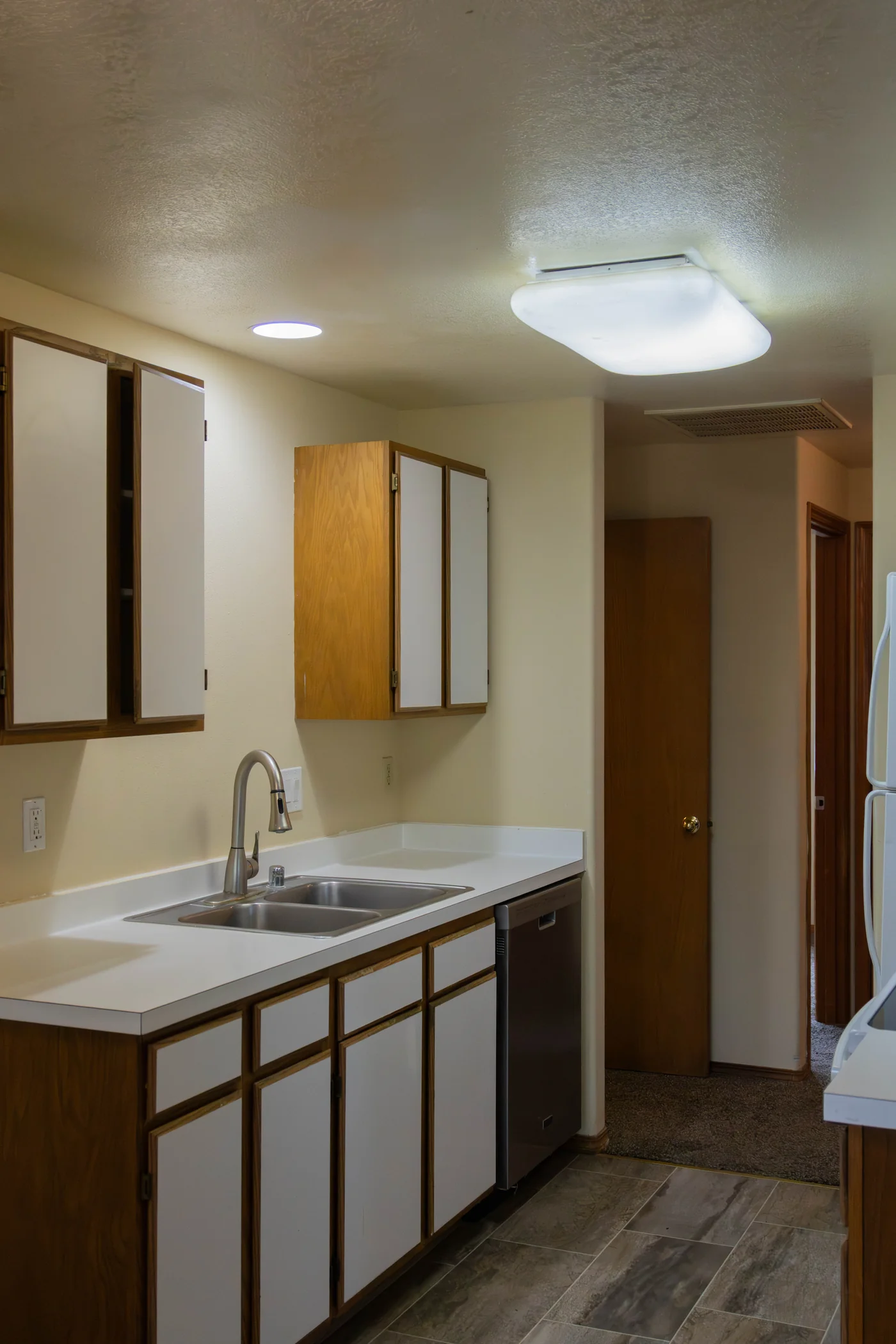
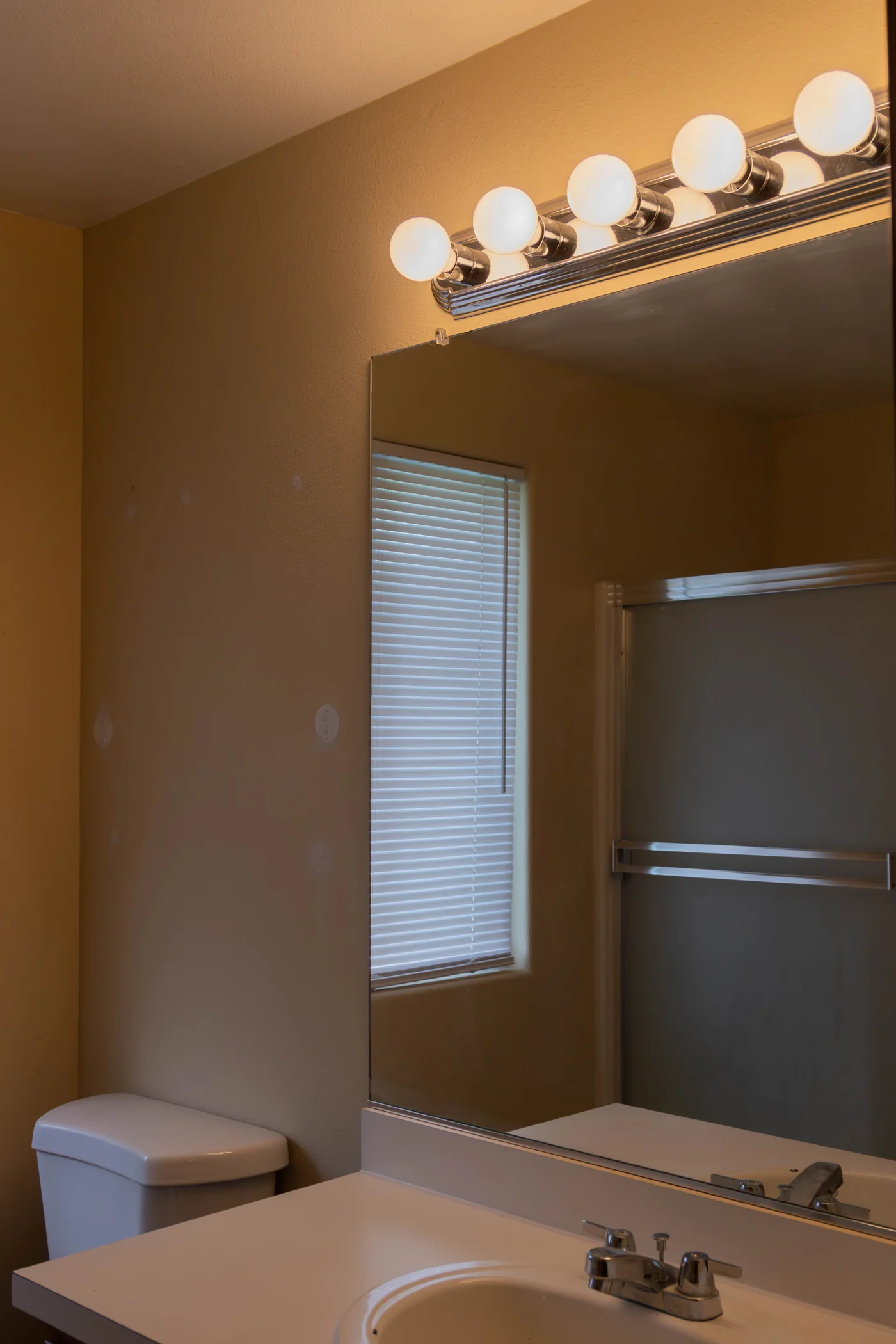
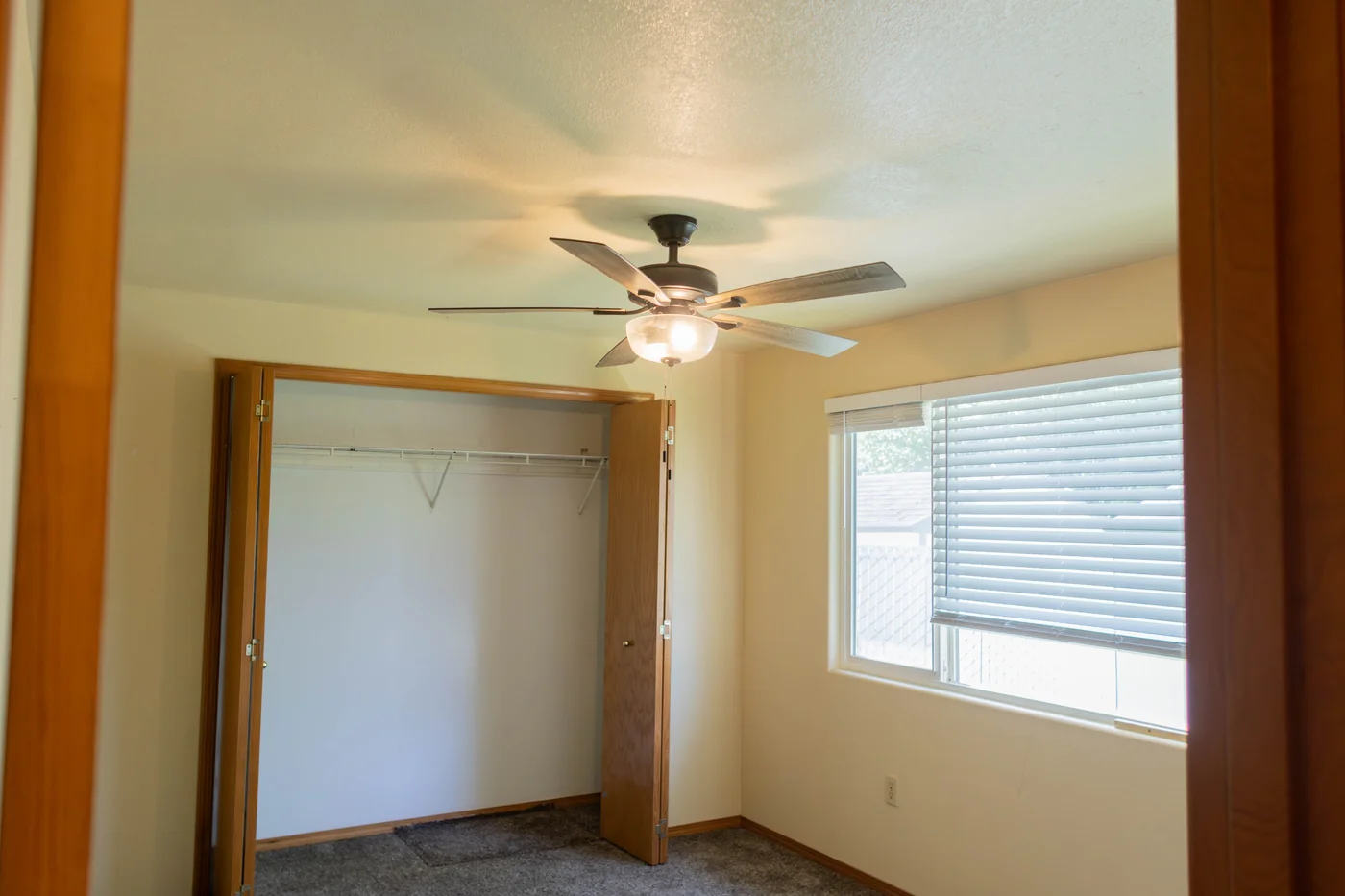
Three real projects, photo-documented for the insurance carrier. Drag each handle to compare.
“I want to express our sincere gratitude to the Robinson team that quickly moved to identify, rectify, repair, and then clean up the mess left by an itty-bitty hot water leak that went unnoticed because of its location.”
Michael Quinn · Google Review
“Kyla and Jake were super friendly and knowledgeable. Jake was at my house 90 minutes after I called and did a free inspection. I won't need their services this time, but I will definitely call them if I ever have to deal with water damage.”
Carmen Otten · Google Review
“Had a leak in our wall and our plumber recommended Robinson Restoration to handle remediation of the water damage. Christian and Adolfo were awesome. Great communication throughout the setup of the containment area and installation of the equipment to start the drying process.”
Won Lee · Google Review
In Oregon, you choose your restoration contractor, and your carrier can’t penalize you for it. We document every North Plains loss with moisture maps, photos, and daily readings, then bill your insurer directly. You pay your deductible. That’s it.
Subject to policy coverage and deductible. We handle the paperwork, photos, and adjuster calls.
There's a crew assigned to the Tualatin Valley, and North Plains falls inside that coverage. Dispatch is staffed around the clock, weekends and holidays included. The truck rolls with extraction units, air movers, and dehumidifiers, plus meters to check subfloors before anyone calls a room dry. Farm-adjacent properties out here often run well systems and aging plumbing. We bill insurance directly.
Two things usually stack up. The valley's clay soil holds rain rather than letting it percolate, so groundwater rises close to the surface from December through March. Then the foundation drain around the house silts in and stops carrying anything away. We can extract the water and dry the floor system, and we'll tell you honestly whether the fix is drainage work rather than more equipment.
Newer homes have their own failure list. Braided washer hoses, refrigerator ice lines, dishwasher supply valves, and tankless connections all age faster than the house does. Second-floor laundry rooms in the newer North Plains subdivisions mean a failure lands on the main floor ceiling and keeps going into the crawlspace. Age of the structure has very little to do with it.
Sometimes, and it depends on an endorsement. Standard policies frequently exclude water backup unless you've added that coverage, which many rural Washington County property owners have. We document the source, category, and extent either way, and we bill directly when coverage applies. If it doesn't, you'll get a written scope and price before anything gets torn out, so the decision is yours to make.
Three to five days for a typical clean-water loss, longer when hardwood, plaster, or a saturated floor system is involved. The equipment stays until readings hit dry standard, not until a calendar day passes. We take moisture measurements at the same points every day and show you the numbers. Pulling fans early is the single most common reason a repaired room ends up with a mold problem months later.
Yes. A good share of the North Plains work we run is on property outside the city line, with gravel drives, outbuildings, and no city water. Crews bring portable extraction for buildings a truck can't reach and generators when the power is down. Tell us on the call whether there's gate access and where the electrical panel is, and the crew can start working the minute they park.
We do, through licensed contractors and sister companies that we manage on your behalf. Drying and mitigation are our own certified crews. For the rebuild, flooring, drywall, texture, paint, and cabinetry get scheduled and coordinated by us so you're dealing with one company from the first phone call to the final walk-through instead of chasing trades yourself.
Every hour of standing water costs more to fix. Reach Robinson Restoration now and we'll dispatch a North Plains crew.
Licensed · Insured · IICRC Certified · Serving Washington & Oregon