Robinson Restoration is an IICRC-certified water damage restoration company serving McKenzie Bridge, OR. Crews dispatch 24 hours a day, arrive on-site in 90 minutes or less, document the readings and photos your carrier needs, and bill your insurance directly on covered claims.
Up the McKenzie River corridor, a frozen line or a failed pump can run for days before anyone finds it. Homes around McKenzie Bridge sit spread out along the highway and the side roads, and we cover them year round. Our trucks arrive with extraction and drying gear loaded. Call any hour.
This is cabin and river-house country. A lot of the building stock is older timber-frame and rustic construction with post-and-pier foundations, propane heat, private wells, and septic drainfields. Newer houses have gone up on lots cleared after the fire, which puts brand-new plumbing next to fifty-year-old plumbing on the same road. Snow, hard freezes, and a burn scar that sheds runoff fast all stack the odds against a structure that sits empty.
Somebody answers our line at any hour, which matters more out here than it does in town. Crews come from the Eugene and Springfield side with generators, extraction units, and dehumidifiers on board, because we do not assume power or a working well when we arrive. Every job runs to IICRC S500 with moisture mapping, logged readings, and photos from start to finish. We bill your carrier directly and manage rebuild work through licensed contractors.

A call from McKenzie Bridge gets a crew assigned the moment it comes in, gear staged, with on-site in 90 minutes as the target.
24 hours a day, 7 days a week, our crews dispatch the moment you call and start mitigation the same visit. Call dispatch or message us for immediate help.
We stop further damage with commercial extraction, structural drying, and antimicrobial treatment, and we walk you through the entire insurance claim as we work.
We manage your rebuild to pre-damaged condition through our trusted network of licensed contractors and sister companies. One manager, one timeline.
Older cabins up the corridor sit on posts and piers with an open or barely enclosed underfloor. That helps in a flood and hurts everywhere else, because supply lines, drains, and ductwork run through unconditioned air all winter. One split fitting sprays into insulation that then holds the water against the joists. We pull wet insulation, dry the framing, and check the band joists before signing off.
Ground that lost its canopy does not hold rain the way it used to. Storm water comes off those slopes carrying ash, silt, and rock, and it takes the easiest path, which is often a driveway or a cut bank above a house. Water arriving that way is dirty, so it gets treated as a contaminated loss rather than a simple extraction.
Getting to a loss up here means gravel drives, gates, and stretches where the plow has not been through. Our trucks carry generators, portable extractors, and enough cord and hose to reach a structure we cannot park beside. Power outages are routine in a Cascade winter, and drying equipment does no good without something to run it.
The corridor runs on visitors: guest cabins, lodges, and rentals that need to be back in service quickly. A wet unit is lost revenue every night it stays down, so we work those with containment, targeted drying, and enough equipment to compress the schedule. Commercial policies also handle business interruption differently, and we document accordingly from the first walkthrough.
Most of the losses we run in McKenzie Bridge start one of three ways: frozen and split pipes, burst and leaking pipes, and flooding and groundwater. Here is why each one happens here, and what it takes to dry it properly.
Elevation and clear cold nights drop temperatures well below what valley houses see. Propane runs out, a heater quits, and the lines in an unheated cabin or pump house split before anyone knows the power went off.
An empty river cabin has nothing to stop a broken line. Water runs at full pressure into a post-and-pier crawl for days or weeks, taking out insulation, subfloor, and often the cabinetry above it.
Rain on snow and runoff off bare slopes move fast in this narrow valley. Properties on the low bench near the river take sheet flow and debris rather than a slow rise, which makes it a dirty-water job.
Water is how most losses start. It’s rarely where they end. The same local crew handles all of it.
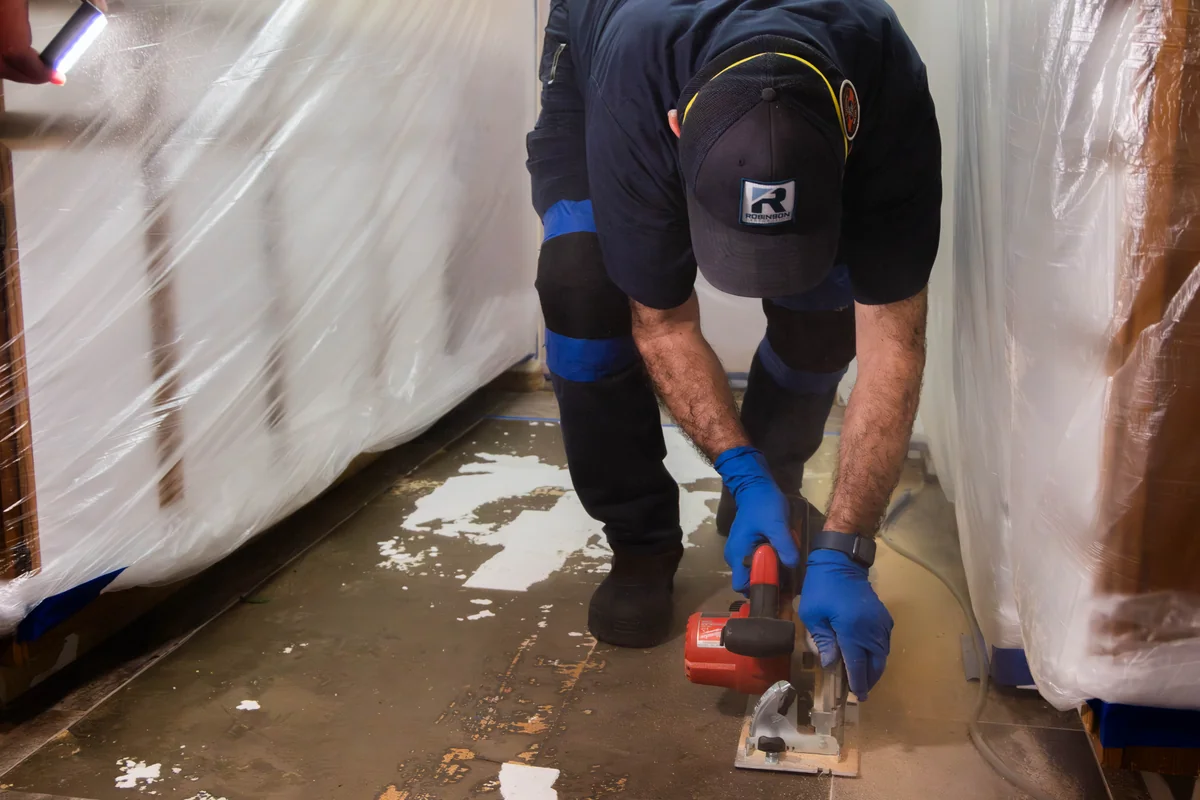
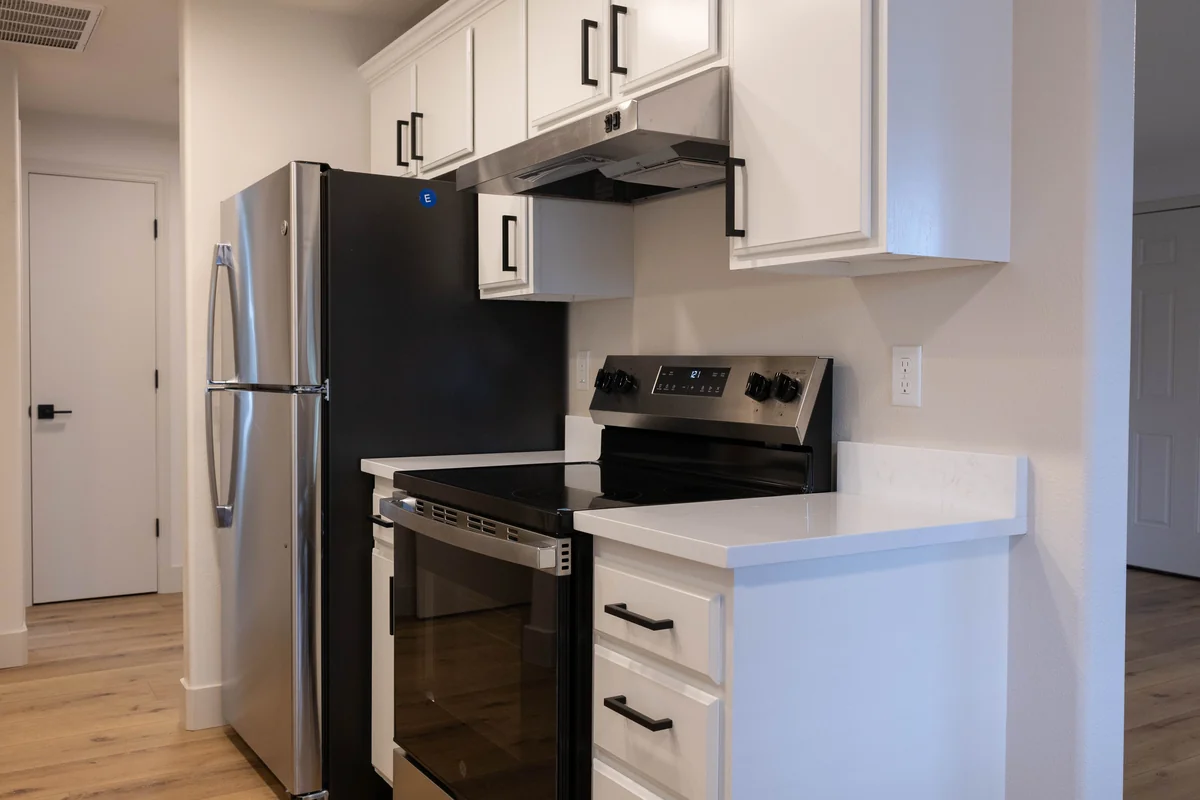
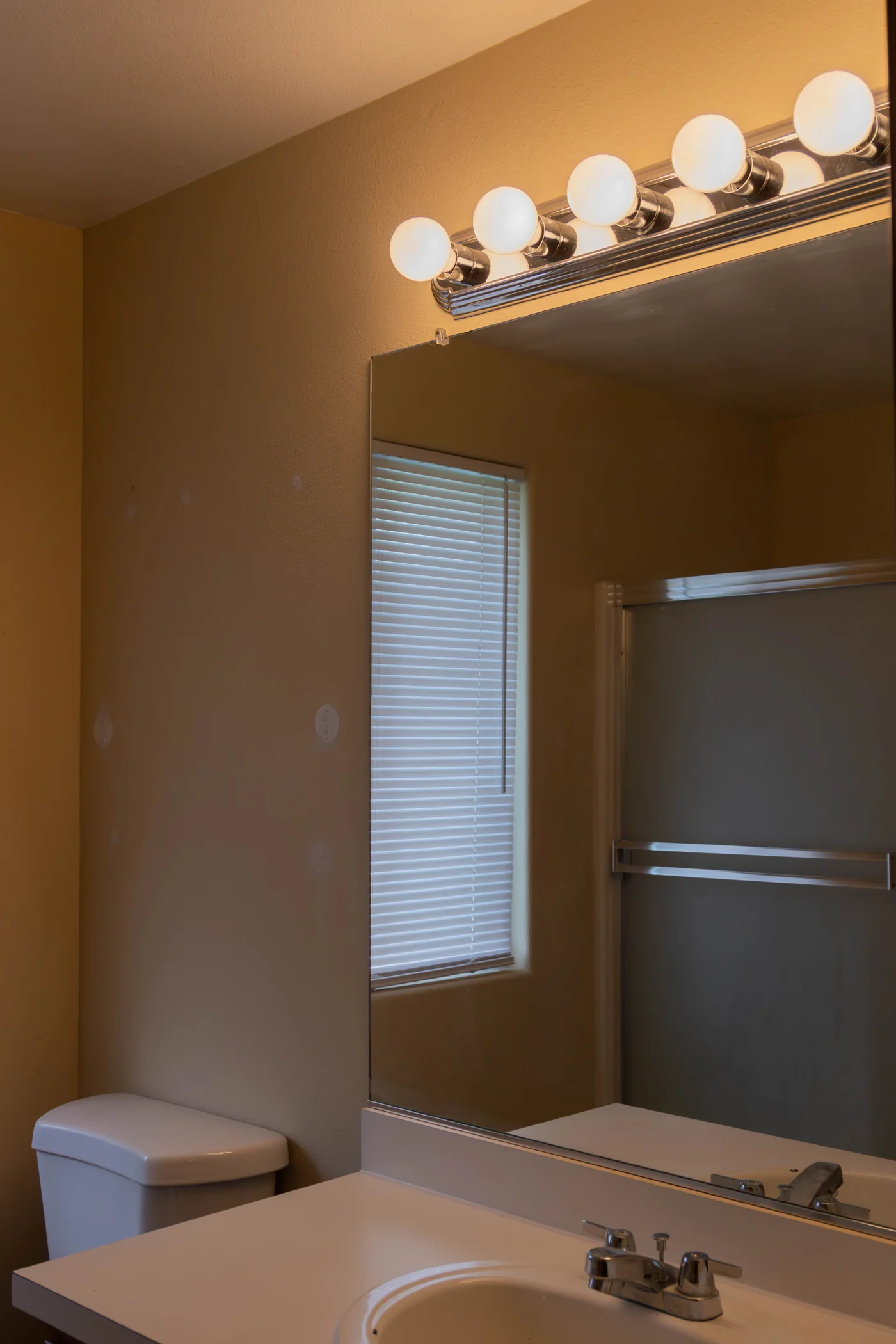
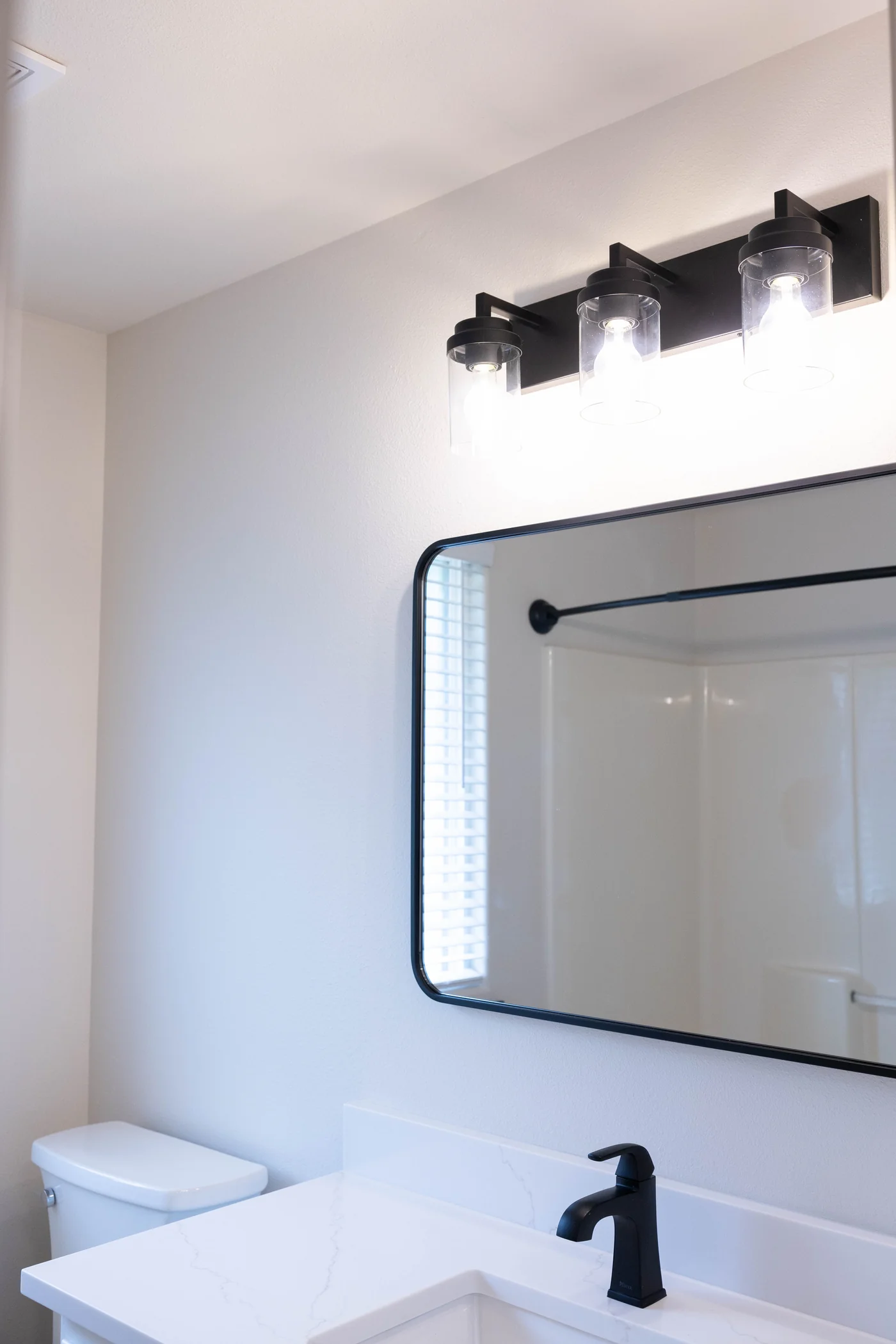
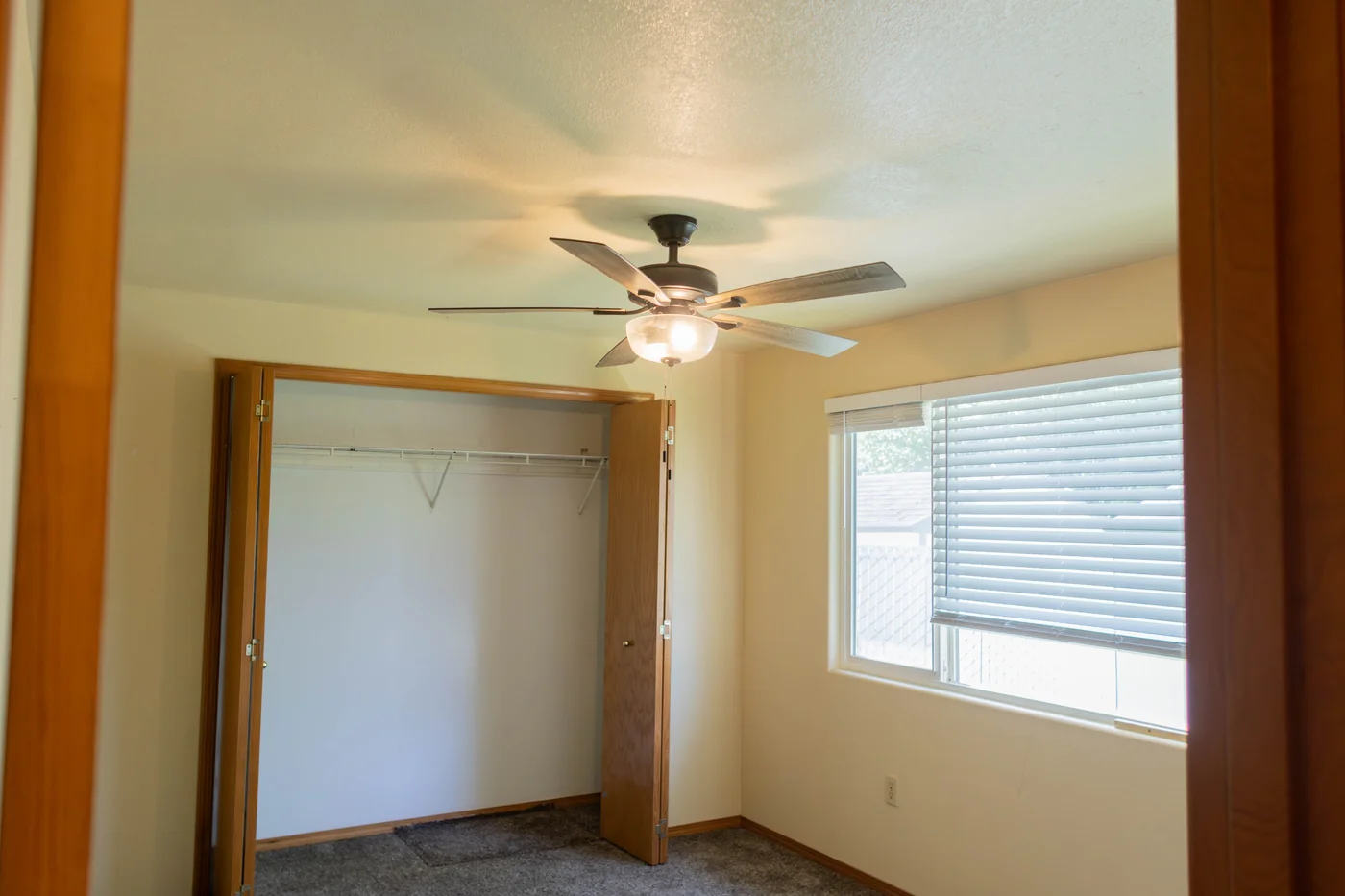
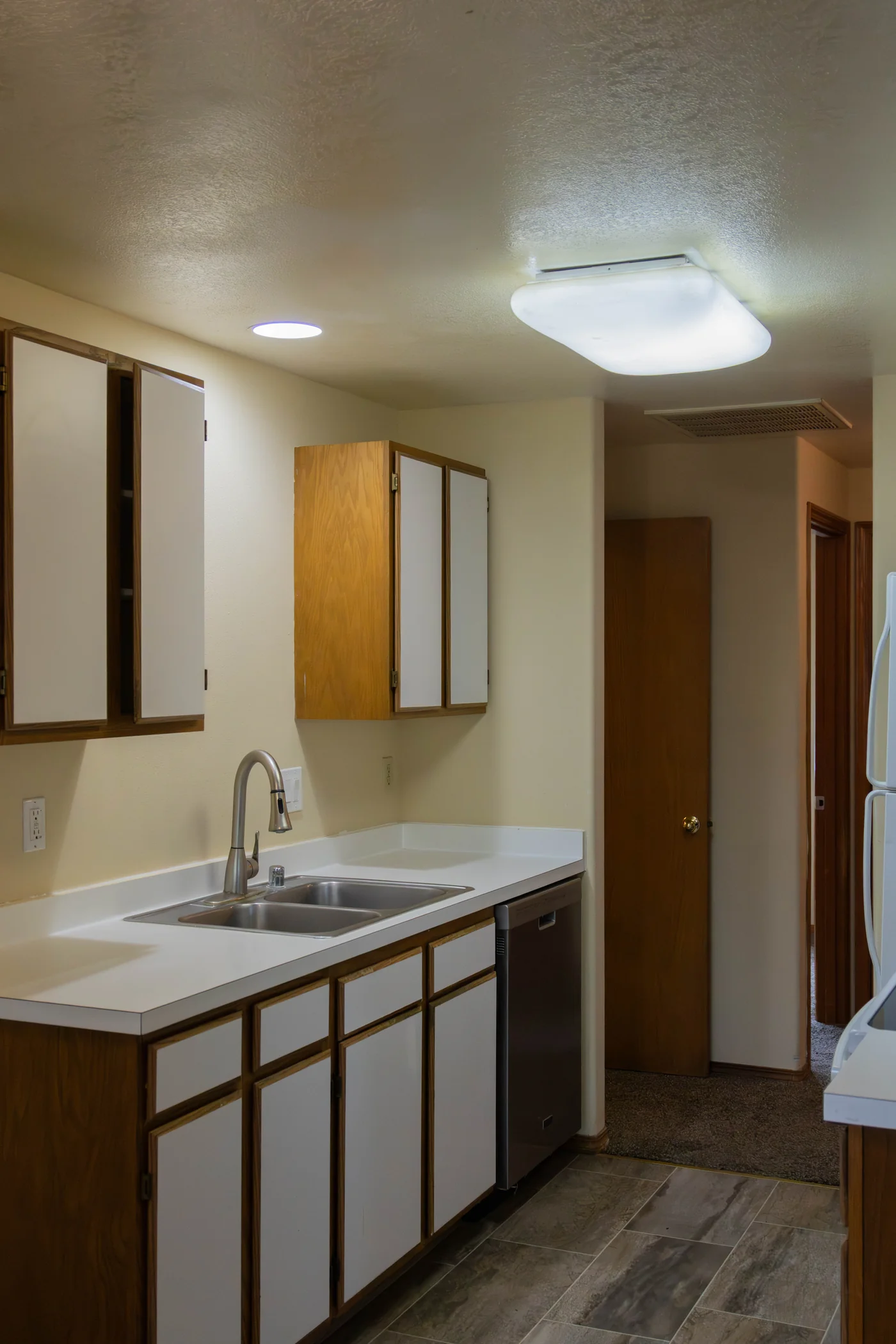
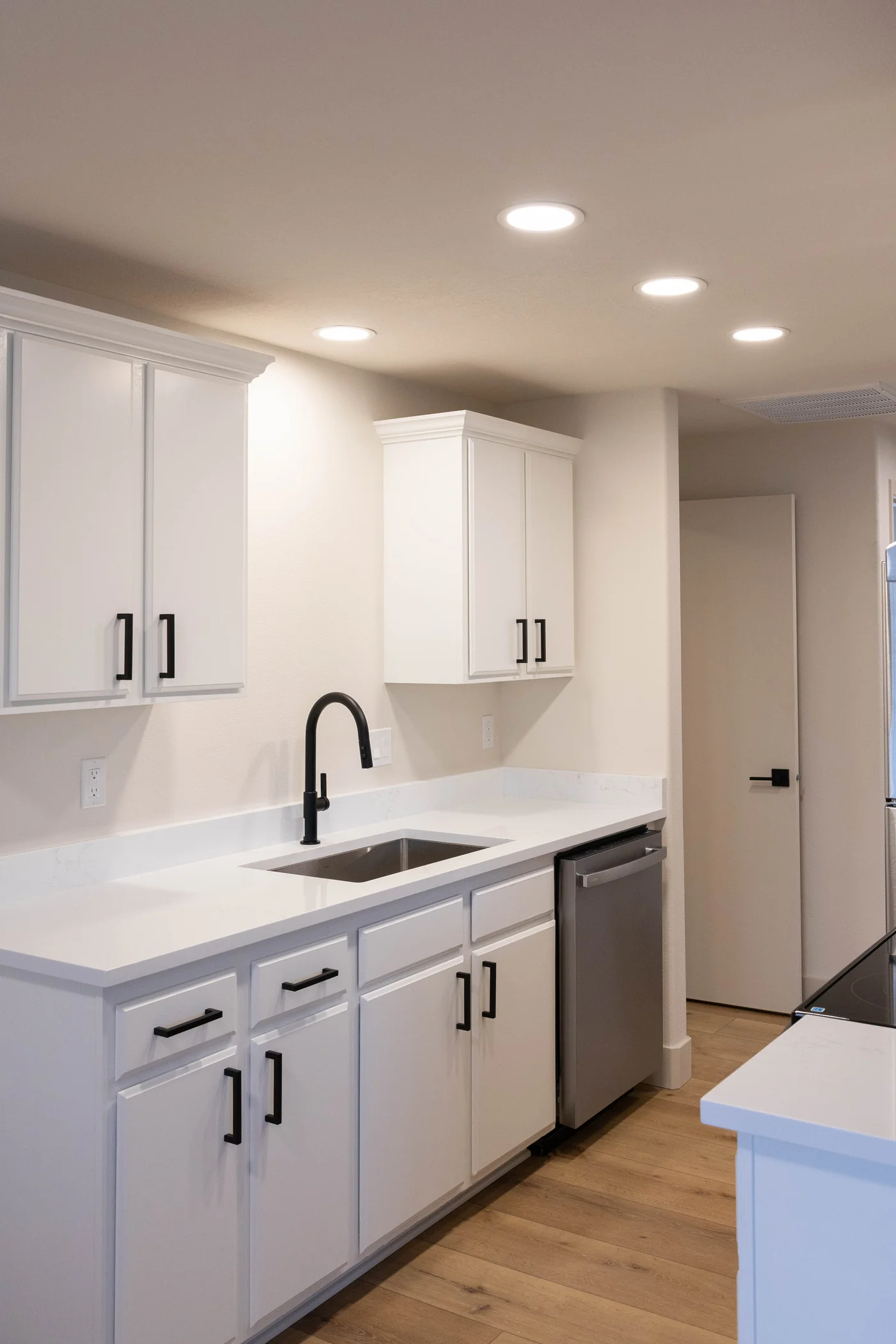
Three real projects, photo-documented for the insurance carrier. Drag each handle to compare.
“We've had the bittersweet opportunity to have Robinson in our lives twice now. First, for a major 3,000 sq ft mold remediation of our crawl space. Then last week, we had an unfortunate flood. I don't know what we would have done without them.”
T Marie C · Google Review
“Chuck and Cole were very professional, courteous and knowledgeable about their restoration skills including close out processes. I'm really happy they were the two employees assigned to our home.”
Joanna Gamble · Google Review
“We hired Robinson Restoration after a boiler joint failed and leaked what we thought was a small amount of water in our laundry room, but turned out to be more serious than it appeared. They did a fantastic job from first contact to insurance claim approval.”
Randi Covin · Google Review
In Oregon, you choose your restoration contractor, and your carrier can’t penalize you for it. We document every McKenzie Bridge loss with moisture maps, photos, and daily readings, then bill your insurer directly. You pay your deductible. That’s it.
Subject to policy coverage and deductible. We handle the paperwork, photos, and adjuster calls.
Out here that search usually returns companies based down in the valley that never actually come. Robinson covers McKenzie Bridge as part of our regular territory, with dispatch answered live at any hour. Trucks arrive carrying extraction units, air movers, dehumidifiers, generators, and moisture meters, so work starts on arrival. We document everything and bill your insurance carrier directly.
Yes. McKenzie Bridge is inside our regular service area, and the highway east is a route our crews run in every season. Dispatch takes the call live, assigns a truck, and tells you what to do while we are en route. Nobody is going to call you back on Monday. If access is limited by snow or a washout, tell the dispatcher so the crew brings what it needs.
Do not turn the water back on until somebody looks. Opening the main on a system that froze is how a small split becomes a flooded floor. Walk the place, check under sinks and around the water heater, look at the ceiling below any upstairs bathroom, and listen at the meter or pressure tank. If you hear water running with everything off, shut it down and call.
It depends on the policy language, and vacant or seasonal properties around McKenzie Bridge get looked at closely. Many carriers require heat maintained at a set temperature or the system drained when nobody is there. We document what we find, including the failure point and the condition of the heat source, so the adjuster is working from evidence instead of assumptions. Read your policy before winter closes the place up.
We bring generators. Losing power is common up the corridor, and dehumidifiers and air movers need a steady supply to do anything. Our crews carry portable extraction that does not depend on house power, plus enough capacity to keep the drying going while the utility works on the line. If the well pump is down, we will work around it and coordinate the repair.
Carefully, and with containment. Rustic construction hides growth behind board walls, under batt insulation, and in the underfloor, so we look before we tear. Once we know the extent, we seal the work area, put it under negative pressure, remove affected material, and clean what stays. Then we fix the moisture source, because remediation without correcting the cause just resets the clock.
Robinson manages the reconstruction and puts licensed contractors and sister companies on the tools. That matters on a McKenzie Bridge property, where finding a builder willing to schedule work up the highway can take longer than the repair itself. We hold the scope and the carrier communication so the job keeps moving instead of stalling between trades.
A broken line does not wait for spring. Call Robinson Restoration and we'll head up the river.
Licensed · Insured · IICRC Certified · Serving Washington & Oregon