Robinson Restoration is an IICRC-certified water damage restoration company serving Springfield, OR. Crews dispatch 24 hours a day, arrive on-site in 90 minutes or less, document the readings and photos your carrier needs, and bill your insurance directly on covered claims.
Springfield grew up between the McKenzie and the Willamette, and the ground it sits on tells you everything about how water moves here. Mill-era cottages, post-war ranches, and river-adjacent lots all fail in their own way. Our certified crews run 24 hours and start extraction the moment we walk in.
Much of the housing dates to the timber years: small 1940s and 1950s cottages built quickly for mill families, with shallow crawl spaces, minimal insulation, and plumbing that has been patched more than once. Thurston and the Mohawk Valley side add rural lots and well systems. Lane County catches a long, heavy wet season, so roofs grow moss, gutters overload, and crawl spaces stay damp from November through April.
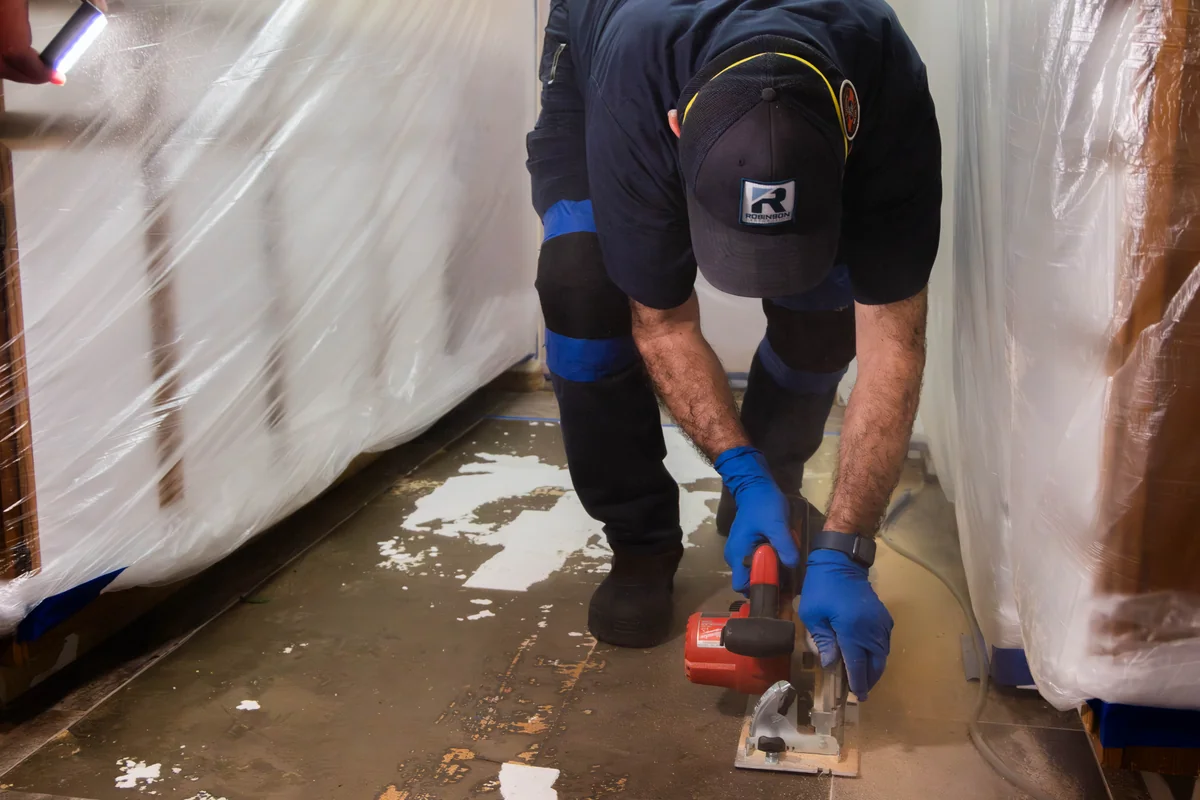
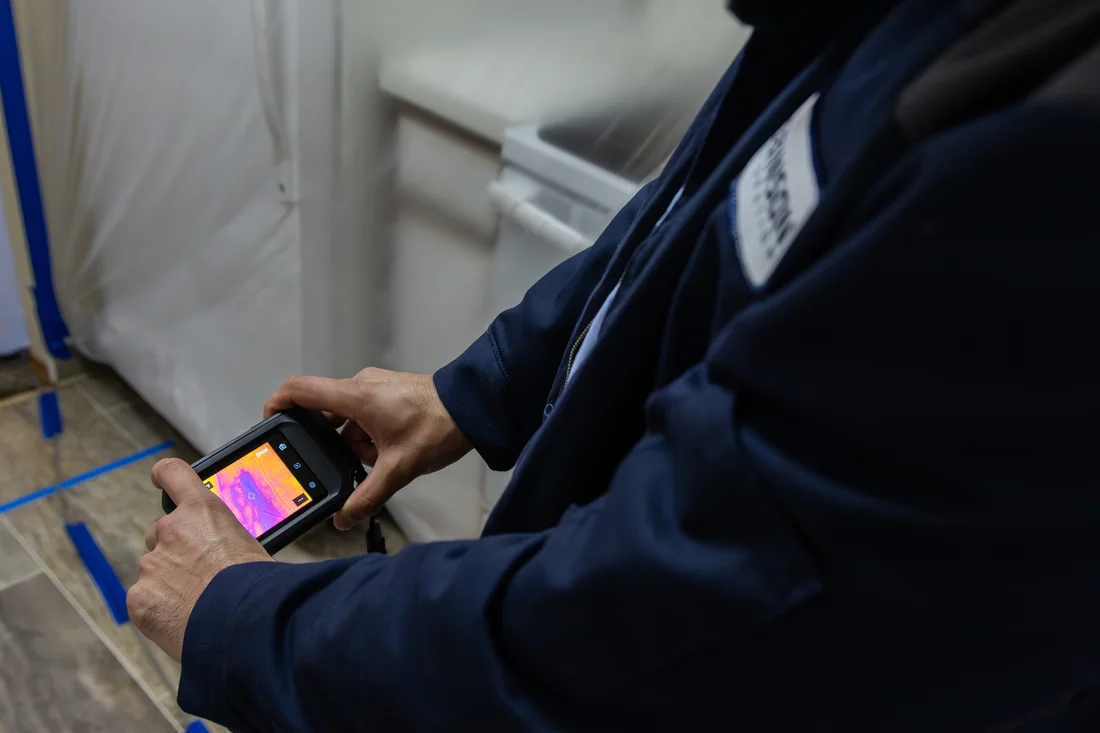
Our Eugene and Springfield crews cover this side of the valley, and dispatch is live 24 hours including holidays. Technicians are IICRC certified and work to S500, mapping the affected area with thermal imaging and meters before setting a single piece of equipment. Photos, readings, and daily logs go into a file your adjuster can act on, and we bill most carriers directly. Rebuild work is managed through vetted licensed contractors and our sister companies.

Springfield is home turf for this office, and a certified crew with extraction equipment is on-site in 90 minutes or less, day or night.
24 hours a day, 7 days a week, our crews dispatch the moment you call and start mitigation the same visit. Call dispatch or message us for immediate help.
We stop further damage with commercial extraction, structural drying, and antimicrobial treatment, and we walk you through the entire insurance claim as we work.
We manage your rebuild to pre-damaged condition through our trusted network of licensed contractors and sister companies. One manager, one timeline.
The McKenzie joins the Willamette right at Springfield's edge, and both respond fast when a warm front melts Cascade snow. Neighborhoods on the low side deal with rising groundwater and backed-up storm drains before any river ever tops a bank. Crawl spaces fill from underneath, which most homeowners never see until the floor feels cold and the house smells wrong.
Post-war housing built for mill work went up fast and cheap: shallow crawl spaces, thin subfloor, and supply lines run through uninsulated exterior walls. Seventy years later those lines are on borrowed time. When one lets go in a small floor plan, water reaches every room in the house before anyone gets home. We dry the structure without gutting more of it than necessary.
This part of the valley collects more rain than the north end does, and the tree cover keeps roofs shaded and damp. Moss lifts shingle edges, valleys stay wet, and flashing gives out early. The leak that follows usually runs down a rafter and into insulation for weeks, so the ceiling stain shows up long after the damage started.
Springfield still carries a working industrial footprint alongside newer medical and office development, and rental housing makes up a large share of the market. Those losses come with extra parties: a landlord, a tenant, a property manager, and sometimes two carriers. We scope structure and contents separately and keep everyone working from the same documentation instead of three conflicting versions.
Most of the losses we run in Springfield start one of three ways: flooding and groundwater, roof and storm leaks, and burst and leaking pipes. Here is why each one happens here, and what it takes to dry it properly.
Sitting where the McKenzie meets the Willamette, Springfield's low neighborhoods take groundwater and storm drain backup during heavy rain and snowmelt, often through crawl space vents and slab joints rather than the front door.
Heavy Lane County rainfall and dense tree cover keep roofs damp and mossy year-round. Flashing and shingle edges fail early, and the water tracks along rafters into insulation before anything shows on a ceiling.
Mill-era cottages run supply lines through uninsulated exterior walls and shallow crawl spaces. A few nights below freezing is enough, and the small floor plans mean one break soaks the entire house.
Water is how most losses start. It’s rarely where they end. The same local crew handles all of it.
Three real projects, photo-documented for the insurance carrier and backed by our 5-year workmanship warranty. Drag each handle to compare.
“Chuck and Cole were very professional, courteous and knowledgeable about their restoration skills including close out processes. I'm really happy they were the two employees assigned to our home.”
Joanna Gamble · Google Review
“We hired Robinson Restoration after a boiler joint failed and leaked what we thought was a small amount of water in our laundry room, but turned out to be more serious than it appeared. They did a fantastic job from first contact to insurance claim approval.”
Randi Covin · Google Review
“We had a major sewer back up a couple of weeks ago, into the laundry room and downstairs bathroom. Panic! We were referred to Robinson Restoration and what a blessing. The whole crew has been wonderful.”
Lynn Dee King · Google Review
In Oregon, you choose your restoration contractor, and your carrier can’t penalize you for it. We document every Springfield loss with moisture maps, photos, and daily readings, then bill your insurer directly. You pay your deductible. That’s it.
Subject to policy coverage and deductible. We handle the paperwork, photos, and adjuster calls.
There's a Robinson Restoration crew working this side of the Willamette, so Springfield calls get a local response instead of a long wait. Dispatch is live 24/7, and in many cases we're on-site in 90 minutes or less. Extraction, air movers, dehumidifiers and moisture mapping all happen on that first visit. Your insurance carrier is billed directly for the emergency work.
Often, yes. Most water damage in Springfield never involves a river cresting. It comes from a high winter water table pushing into crawl spaces, storm drains that surcharge during a downpour, and runoff finding a low garage slab. Flood maps do not describe any of that. If your crawl space smells musty or the ductwork sweats, there is already moisture moving under the house.
Most clean-water losses can be dried in place if we get there before the materials break down. Hardwood, framing, and even some drywall respond well to controlled airflow and dehumidification when the response is quick. Carpet pad, saturated insulation, and anything touched by contaminated water comes out regardless. The longer a Springfield crawl space stays wet in winter, the more of it we lose to demolition.
Springfield's climate does mold no favors. Ambient humidity stays high for months, so a wet crawl space or wall cavity can support growth in a day or two rather than a week. That is why drying to a measured standard matters more than getting the surface dry. We apply antimicrobial treatment where appropriate and document the moisture content, so nobody has to argue later about whether it was handled.
Call us and call your landlord or property manager, in whatever order gets someone moving. Stopping the water comes first. The building itself is the owner's responsibility and your belongings usually fall under renters insurance, so we document structure and contents separately from the start. A lot of Springfield housing is rental, and we work these jobs with landlords and tenants regularly.
We find and stop the source, then read the whole affected area with thermal imaging and moisture meters to map how far the water traveled. Extraction comes next, followed by controlled demolition only where materials cannot be saved. Then air movers and dehumidifiers go in and we set a drying plan sized to the Springfield humidity we are fighting. Before we leave, you get the scope, the readings, and a clear answer on what comes next.
We manage that for you. Robinson handles the mitigation and restoration directly, and when the job moves into framing, drywall, cabinetry, flooring, or a full rebuild, we coordinate it through vetted licensed contractors and our sister companies. You keep one project contact and one documented file for the whole loss rather than restarting the story with every new trade that shows up in Springfield.
Every hour a Springfield floor stays wet costs more to fix. Call and we'll roll now.
Licensed · Insured · IICRC Certified · Serving Washington & Oregon