Robinson Restoration is an IICRC-certified water damage restoration company serving Hood River, OR. Crews dispatch 24 hours a day, arrive on-site in 90 minutes or less, document the readings and photos your carrier needs, and bill your insurance directly on covered claims.
Pear orchards climb the valley, the wind comes up the river most afternoons, and old houses stack the hillside above the waterfront. Hood River takes on water in ways the rest of the state does not. Call any hour and a certified crew heads out, on-site in 90 minutes or less.
The older part of town holds early-1900s bungalows and foursquares with real basements, which is unusual for this region and a significant problem once water starts moving. Above them, the Heights adds mid-century ranch and newer construction on ground that drains downhill toward everything below it. Then there is Gorge weather: warm Pacific air riding over a cold east wind produces freezing rain that snaps limbs and splits exposed plumbing.
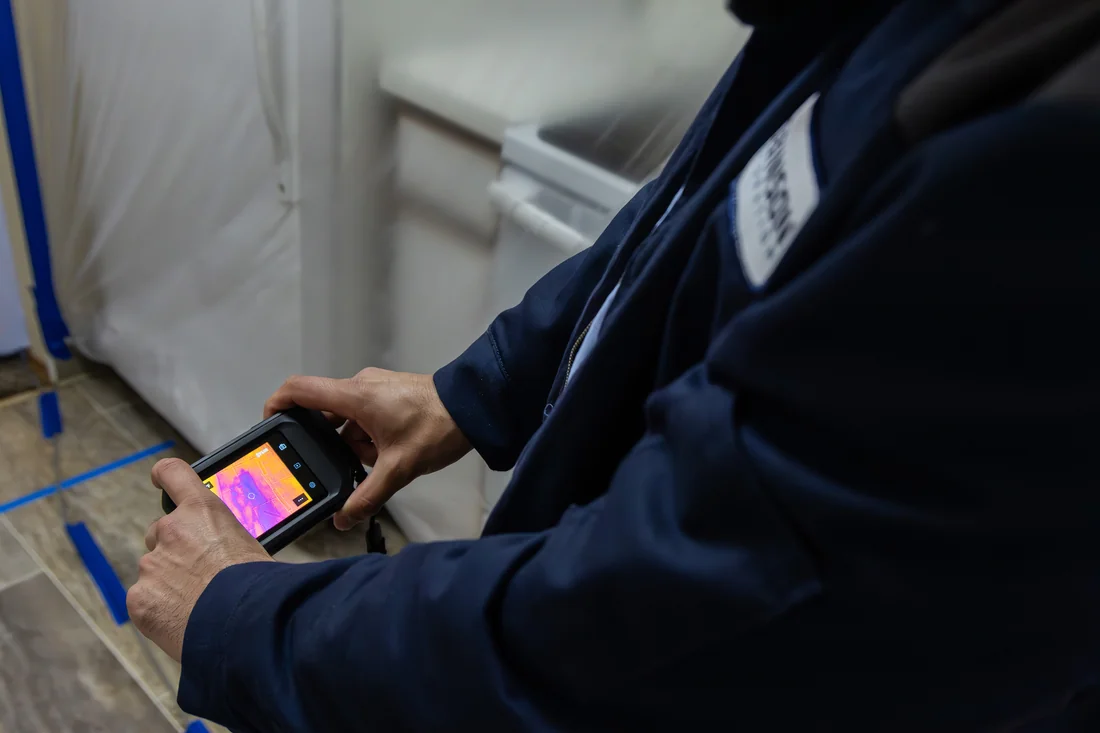
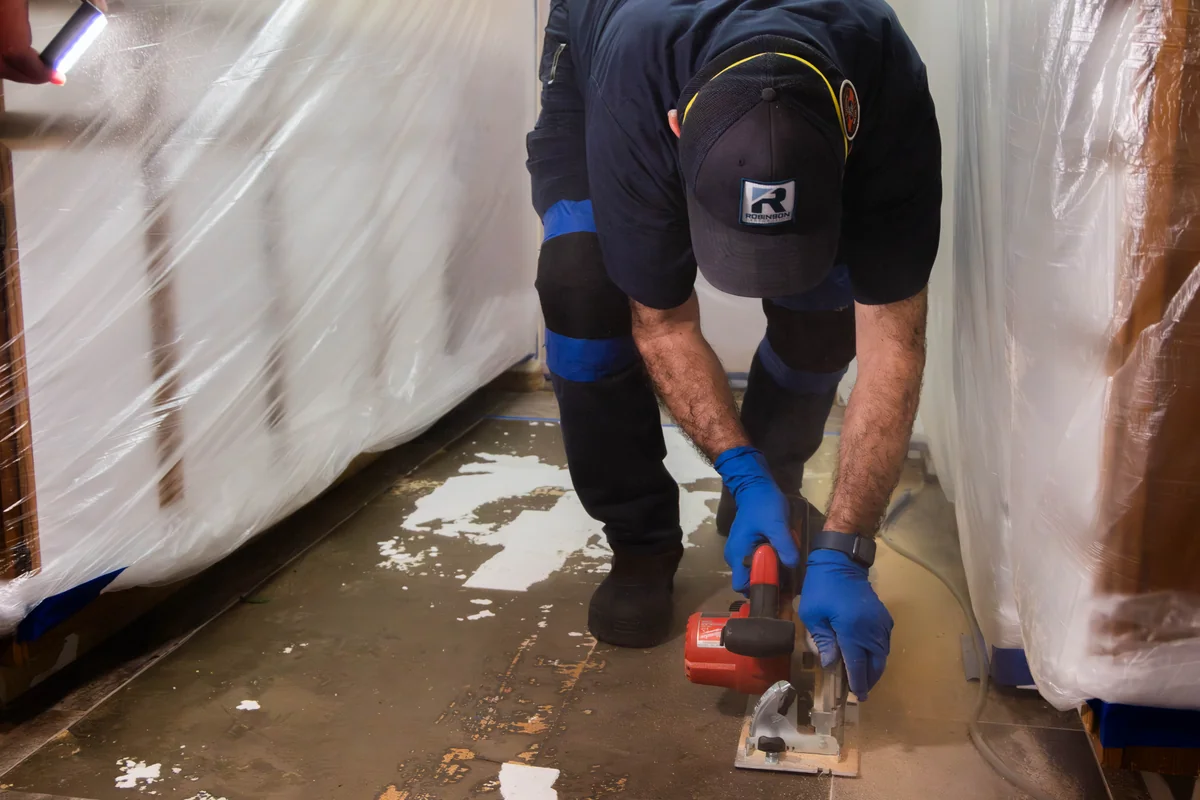
Gorge calls run out of our Vancouver, Washington headquarters, and dispatch is live at three in the morning the same as it is at noon. Crews work to IICRC S500: document the loss before touching it, map moisture through adjacent rooms, build containment, then size equipment to the actual water load. Daily readings and photographs become the file your adjuster reviews, and we bill the carrier directly instead of handing you an invoice.

Hood River sits on our Columbia Gorge route, and crews stage with drying equipment loaded so the target stays on-site in 90 minutes or less.
24 hours a day, 7 days a week, our crews dispatch the moment you call and start mitigation the same visit. Call dispatch or message us for immediate help.
We stop further damage with commercial extraction, structural drying, and antimicrobial treatment, and we walk you through the entire insurance claim as we work.
We manage your rebuild to pre-damaged condition through our trusted network of licensed contractors and sister companies. One manager, one timeline.
A century-old house downtown may still carry galvanized supply lines, a cast-iron waste stack, and a basement that was never meant to be finished living space. Water from an upstairs bathroom follows the framing down and collects at the lowest point, soaking sill plates and the underside of the first floor. The stain on the ceiling is usually the last symptom, not the first.
Freezing rain is the local specialty, and it does two things at once. Ice loads branches until they come down on service lines and roofs, and the power failure that follows takes the heat with it. Houses cool from the exterior walls inward, unprotected supply lines freeze, and the break announces itself hours later when the power comes back and the system pressurizes.
Pears and apples move through packing lines, controlled-atmosphere rooms, and refrigeration that runs on glycol and water both. A failed coil or a cracked line inside a cold room can flood a concrete floor with product staged on it. Farm housing, shops, and frost-protection sprinkler systems out in the valley add their own list of ways a building gets wet.
A lot of property here is second homes and short-term rentals, occupied part of the year. A supply line that fails between guests can run for days with nobody in the building. Insurers care about that gap: a vacancy clause or a freeze exclusion can change how a claim gets handled. We document the timeline carefully so the discussion stays factual.
Most of the losses we run in Hood River start one of three ways: roof and storm leaks, frozen and split pipes, and flooding and groundwater. Here is why each one happens here, and what it takes to dry it properly.
Gorge wind lifts shingles and pries at flashing, and ice dams form on the north-facing pitches after a cold snap. Meltwater backs up under the roofing and travels along a rafter until it finds a ceiling.
An ice storm takes out power, the house loses heat, and pipes in exterior walls or an unheated basement corner give way. The rupture usually reveals itself when service is restored and pressure returns to the line.
Hillside runoff and a high winter water table push against older basement walls and floor slabs. Seepage arrives slowly through cracks and cold joints, and a failed or overwhelmed sump pump turns it into standing water.
Water is how most losses start. It’s rarely where they end. The same local crew handles all of it.
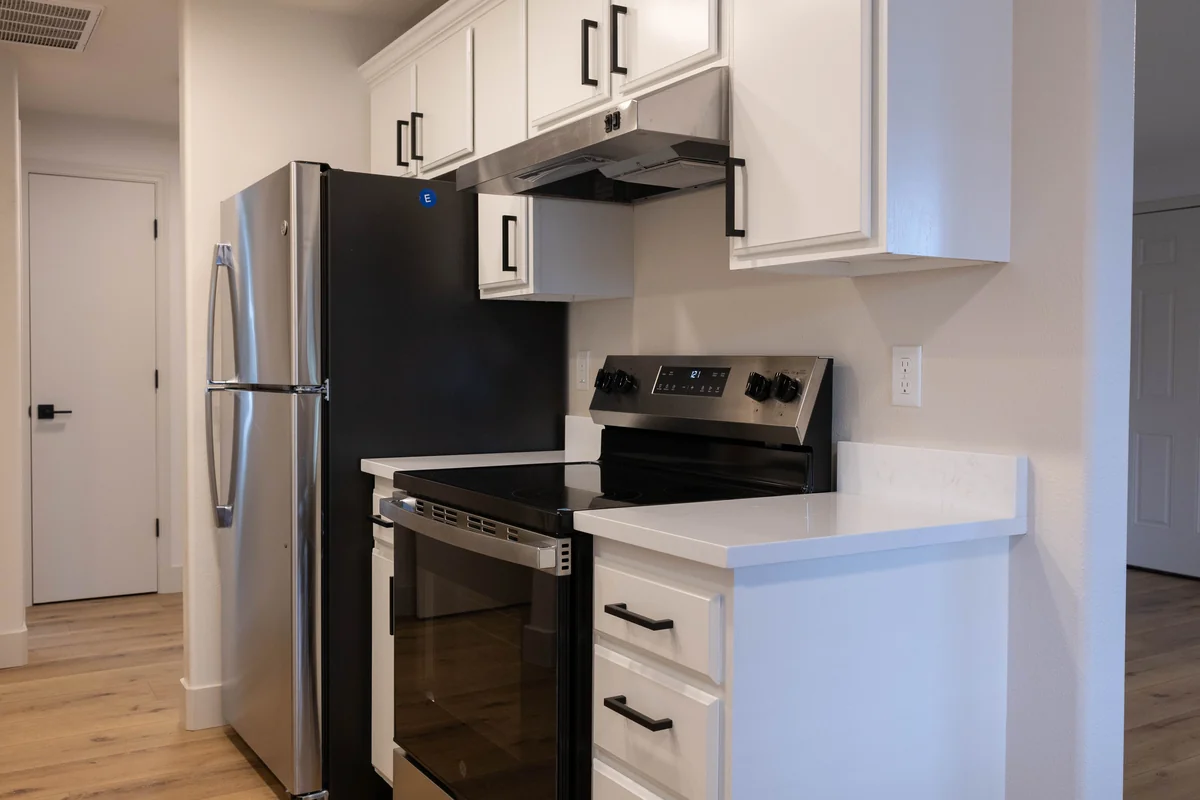
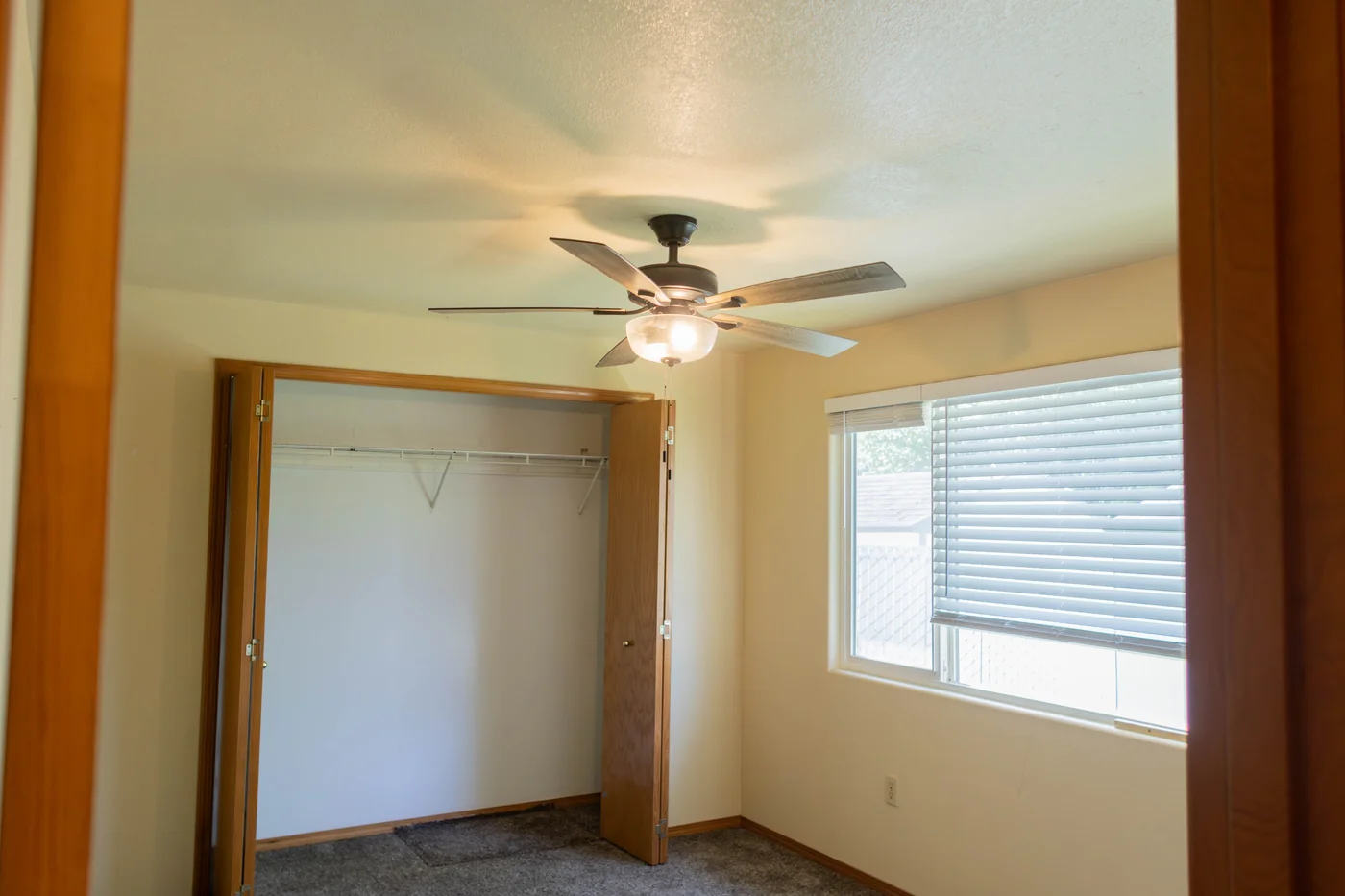
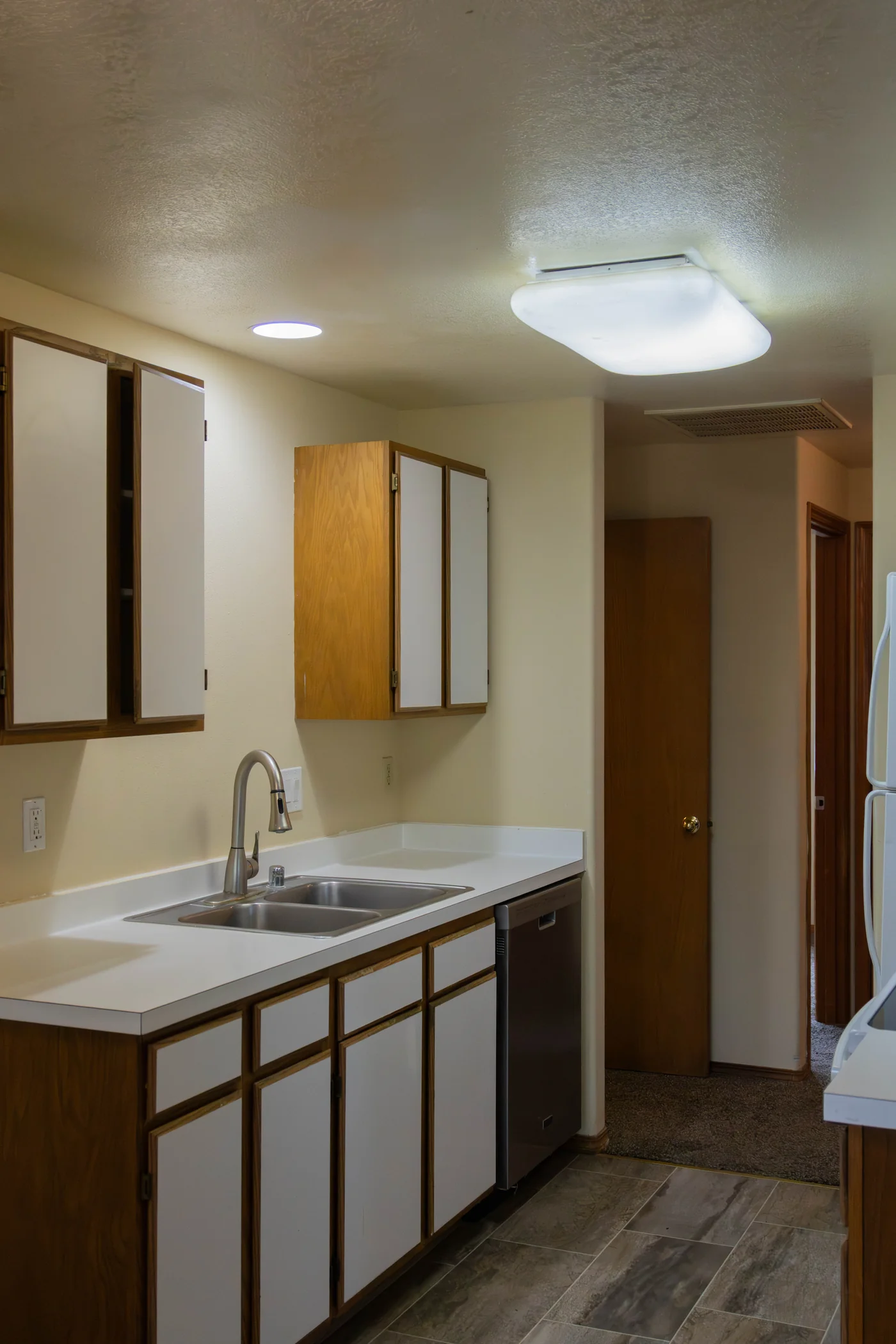
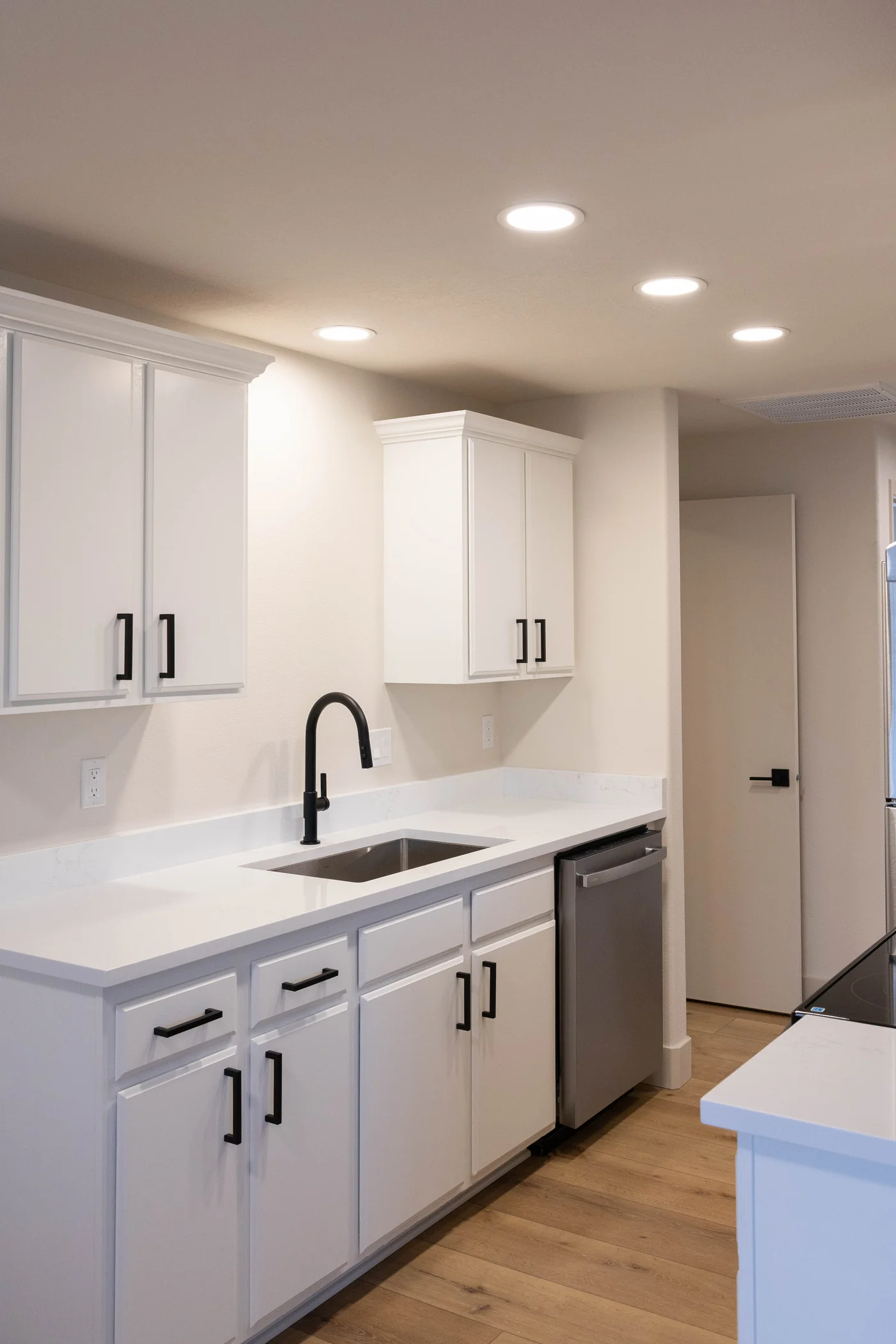
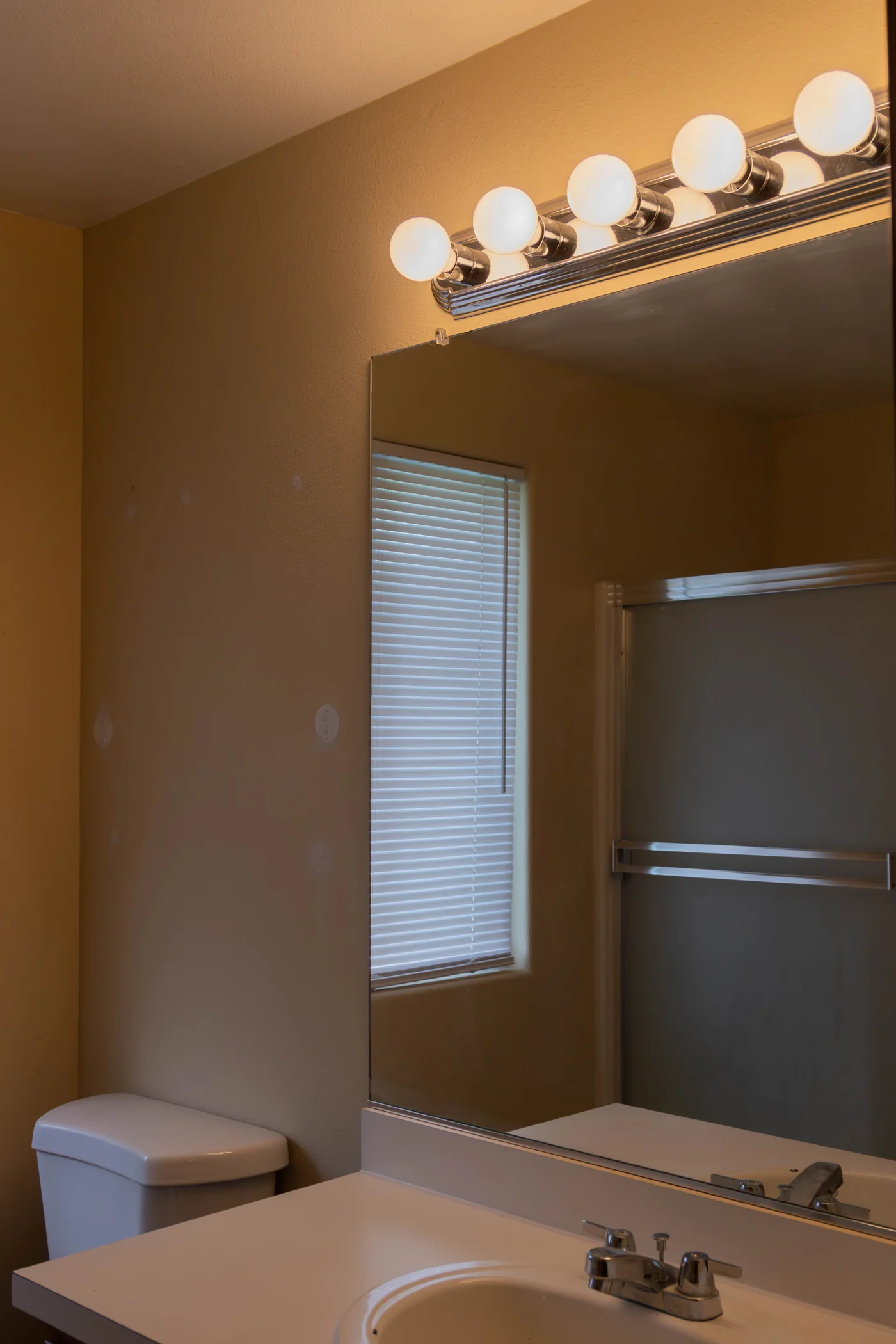
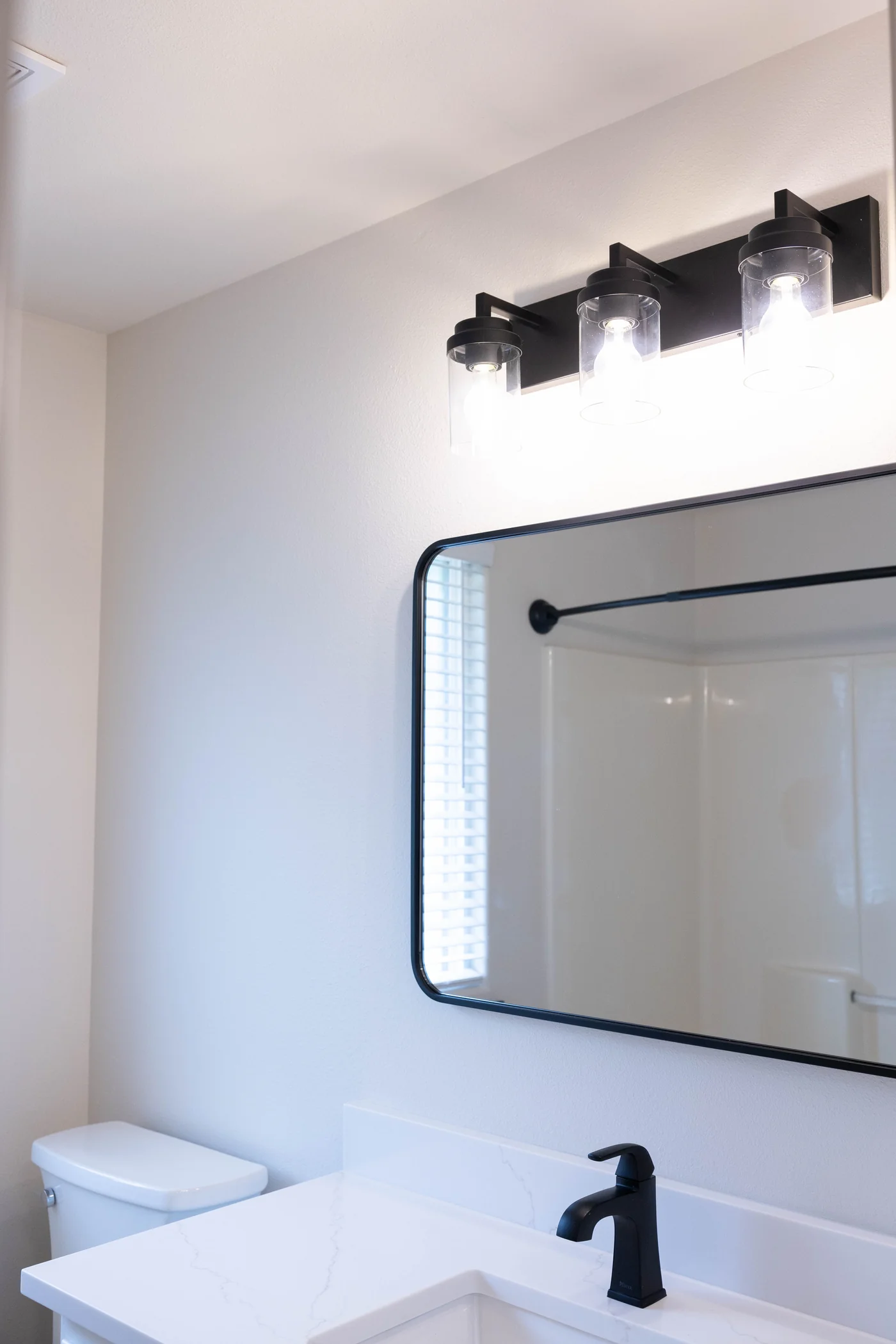
Three real projects, photo-documented for the insurance carrier. Drag each handle to compare.
“Just started a project with Cole and Chuck at Robinson Restoration and had to write a review straight away. These guys have been fantastic. We were away on a week long trip when we had a kitchen leak that destroyed our flooring and subfloor.”
Justin O'Neill · Google Review
“I want to express our sincere gratitude to the Robinson team that quickly moved to identify, rectify, repair, and then clean up the mess left by an itty-bitty hot water leak that went unnoticed because of its location.”
Michael Quinn · Google Review
“Kyla and Jake were super friendly and knowledgeable. Jake was at my house 90 minutes after I called and did a free inspection. I won't need their services this time, but I will definitely call them if I ever have to deal with water damage.”
Carmen Otten · Google Review
In Oregon, you choose your restoration contractor, and your carrier can’t penalize you for it. We document every Hood River loss with moisture maps, photos, and daily readings, then bill your insurer directly. You pay your deductible. That’s it.
Subject to policy coverage and deductible. We handle the paperwork, photos, and adjuster calls.
A local search should turn up a crew that knows the terrain, not a national queue. Hood River is standing coverage for our Gorge teams, dispatched live at any hour, and the responding truck carries extraction units, air movers, dehumidifiers, containment supplies, and metering equipment. Work begins on that first visit. Insurance billing goes directly to your carrier with the photos and drying logs attached.
Shut the water off at the main before anything else, then call. If the power is still out, leave the breakers for wet rooms in the off position so nothing energizes into standing water when service returns. Our crews carry generators and portable power, so drying can start before your electricity comes back. Do not wait for the roads to clear to make the call.
Typically not. Groundwater and surface seepage are excluded on most homeowner policies, which is frustrating when the damage is very real. What we can do is dry the space properly, treat any microbial growth, and give you a written assessment of what is driving it: grade against the foundation, downspout discharge, a cracked cold joint, or a sump that cannot keep up with a Hood River winter.
Yes, and it happens often here. We can coordinate access with a manager or a neighbor, send photos and readings as the job progresses, and handle adjuster communication without you being on site. What we need up front is written authorization to proceed and a clear contact for approvals. Everything else we can run remotely and document as we go.
We do. Packing sheds, cold storage, tasting rooms, shops, and farm housing are all regular work, and each needs different drying. A refrigerated space fights dehumidification, so we bring desiccant units rather than conventional equipment. Containment keeps one wet section from shutting down an entire operation, and we schedule around production when harvest timing does not allow a full stop.
Sometimes, depending on the wall assembly and how long water sat. Drywall over a stud cavity can often be dried with injection systems and cavity ventilation instead of demolition, though vinyl or foil-backed insulation traps moisture and forces removal. Carpet pad almost never survives. We take readings inside the cavity, not just on the surface, and make that call with data rather than a guess.
We establish a dry standard from unaffected materials in the same building at the beginning of the job, then measure affected materials against it every day. Wood framing, subfloor, drywall, and plaster all hold moisture differently, so each gets its own reading. Equipment comes out when the numbers reach that standard and stay there through a second check, and the whole progression is in your file.
Ice, wind, or a failed line, the answer is the same. Call and we will get moving.
Licensed · Insured · IICRC Certified · Serving Washington & Oregon