Robinson Restoration is an IICRC-certified water damage restoration company serving Stevenson, WA. Crews dispatch 24 hours a day, arrive on-site in 90 minutes or less, document the readings and photos your carrier needs, and bill your insurance directly on covered claims.
Rain is the main event on this end of the Gorge, and Stevenson catches a lot of it as storms stall against the Cascades. Everything here is built on a slope above the river. When water gets into a structure, our crews respond at any hour, on-site in 90 minutes or less.
Annual rainfall on this stretch of the Columbia runs several times what the east end of the Gorge sees, and it arrives in long atmospheric river events rather than tidy storms. Housing runs to timber-era cottages, cabins, and cedar-sided homes tucked into second-growth forest, plus county properties on wells and septic. Constant shade keeps roofs mossy, gutters full, and crawl spaces damp enough that a small leak never dries on its own.
Skamania County is covered from our Vancouver, Washington headquarters, a straight run up the river, and dispatch stays staffed 24/7 because storms do not keep office hours. Every job follows IICRC S500. We document conditions on arrival, map how far moisture has traveled, contain the affected area, extract, then dry with dehumidification sized for a climate that fights us the whole way. Logs and photos go to your carrier, and we bill them directly.

Stevenson is regular ground for our Gorge crews, and trucks stage loaded so the target stays on-site in 90 minutes or less.
24 hours a day, 7 days a week, our crews dispatch the moment you call and start mitigation the same visit. Call dispatch or message us for immediate help.
We stop further damage with commercial extraction, structural drying, and antimicrobial treatment, and we walk you through the entire insurance claim as we work.
We manage your rebuild to pre-damaged condition through our trusted network of licensed contractors and sister companies. One manager, one timeline.
Steep forested ground above town holds water until it cannot, then releases it all at once. Driveway culverts plug with needles and branches, cut banks weep, and a road ditch that overflows sends the whole volume toward the first house below it. Garages, shops, and daylight lower levels take that water first, usually through a door threshold rather than a crack.
Big conifers keep roofs in shadow, and a shaded roof grows moss that lifts shingle edges and holds moisture against the deck. Gutters fill with needles by October. Once water overtops the gutter it runs behind the fascia instead of away from the house, soaking sheathing and the top of the wall where nobody looks until a ceiling stain appears.
A good share of property around here is used seasonally or rented out by the week. A supply line that lets go in a house nobody is visiting can run for days, and in this climate the mold clock starts well before anyone notices. Shutting the water off between stays is the cheapest insurance available to a part-time owner.
Restoration is harder here than it is east of the Cascades, and it comes down to the air. When outdoor humidity sits near saturation for weeks, ventilation alone accomplishes nothing, and open windows actively make a job worse. We seal the work area and run refrigerant or desiccant dehumidification to pull moisture out mechanically, then verify with meter readings rather than assuming.
Most of the losses we run in Stevenson start one of three ways: flooding and groundwater, roof and storm leaks, and water heater failures. Here is why each one happens here, and what it takes to dry it properly.
Long atmospheric river events saturate slopes above town until the ground stops accepting water. Runoff overwhelms culverts and ditches, then arrives at a lower level or a crawl space with nowhere else to go.
Moss-lifted shingles, plugged gutters, and wind-driven rain combine on shaded roofs. Water gets under the covering, tracks along a rafter, and soaks insulation for weeks before the ceiling below finally shows it.
Tanks in unheated utility rooms and outbuildings corrode faster in constant damp. When one fails in a seasonal house, the water runs unnoticed and the humidity here guarantees microbial growth follows quickly.
Water is how most losses start. It’s rarely where they end. The same local crew handles all of it.
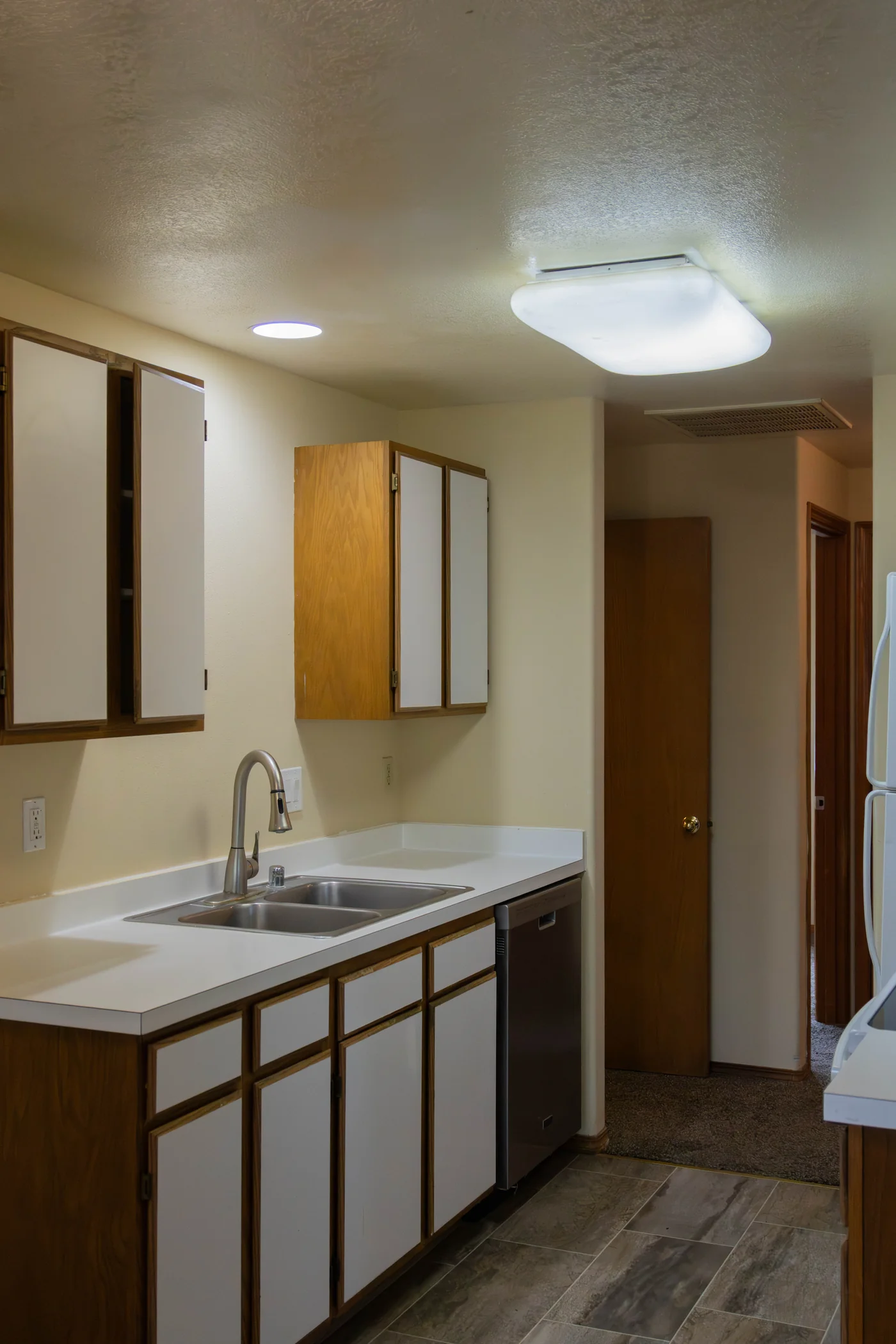
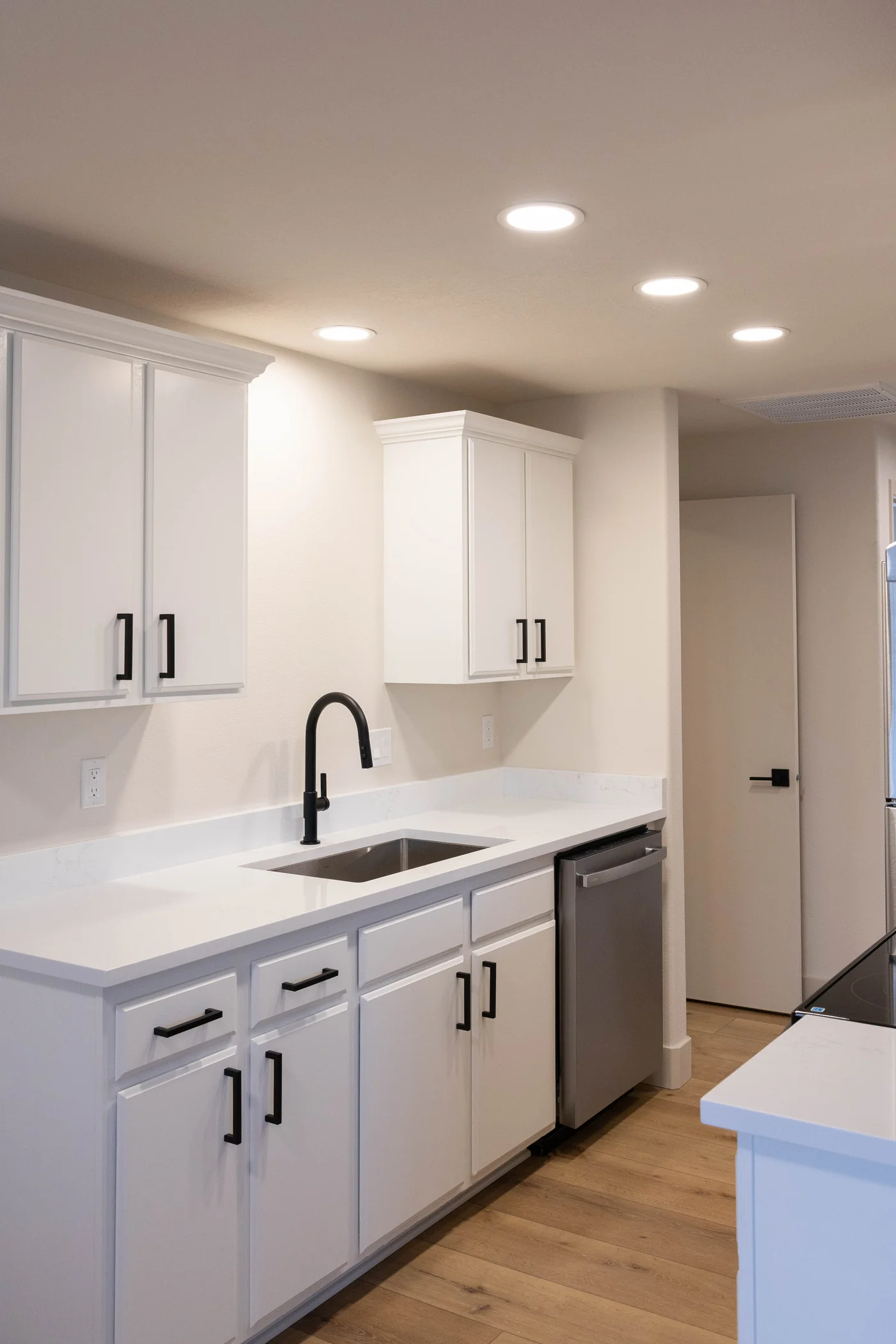
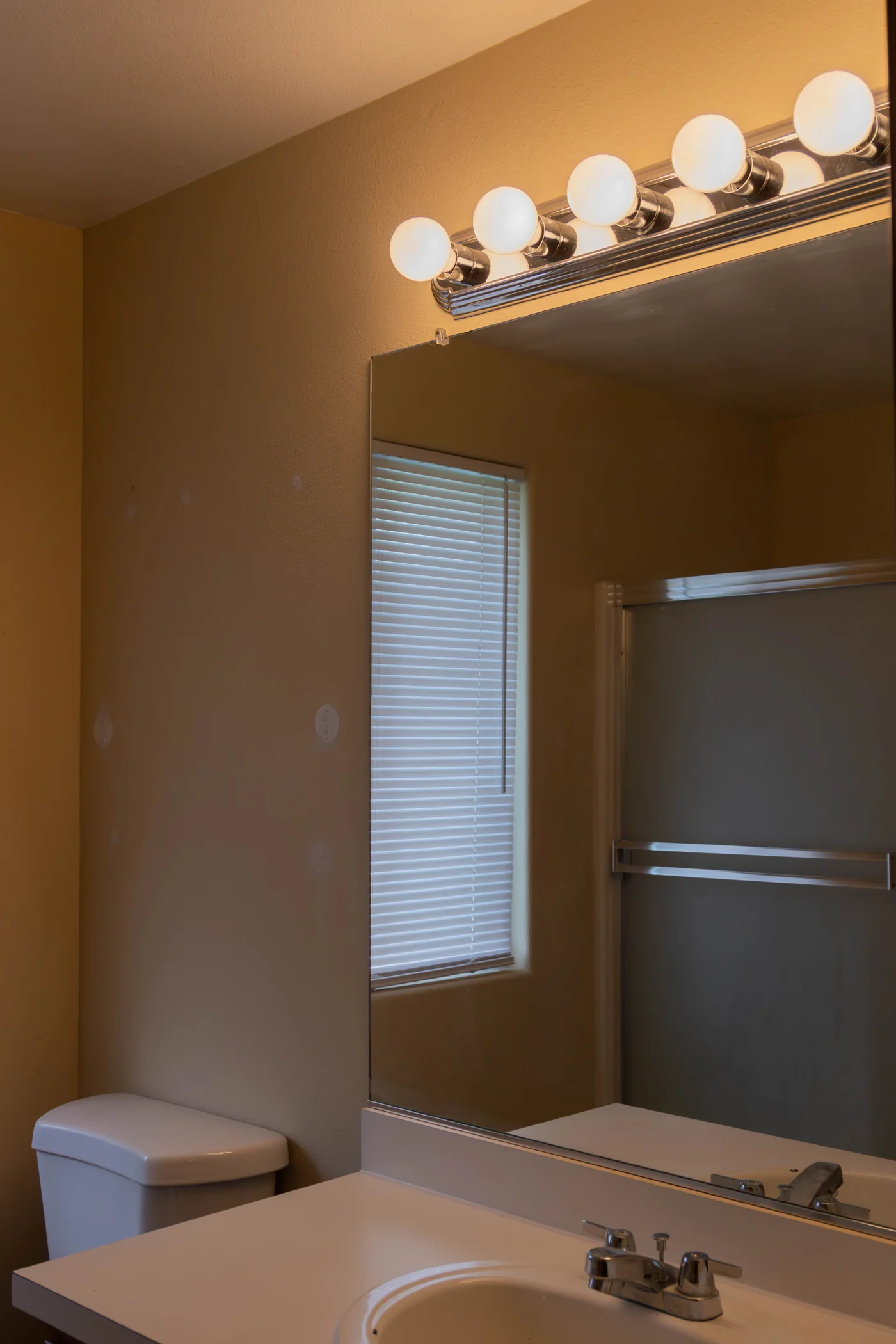
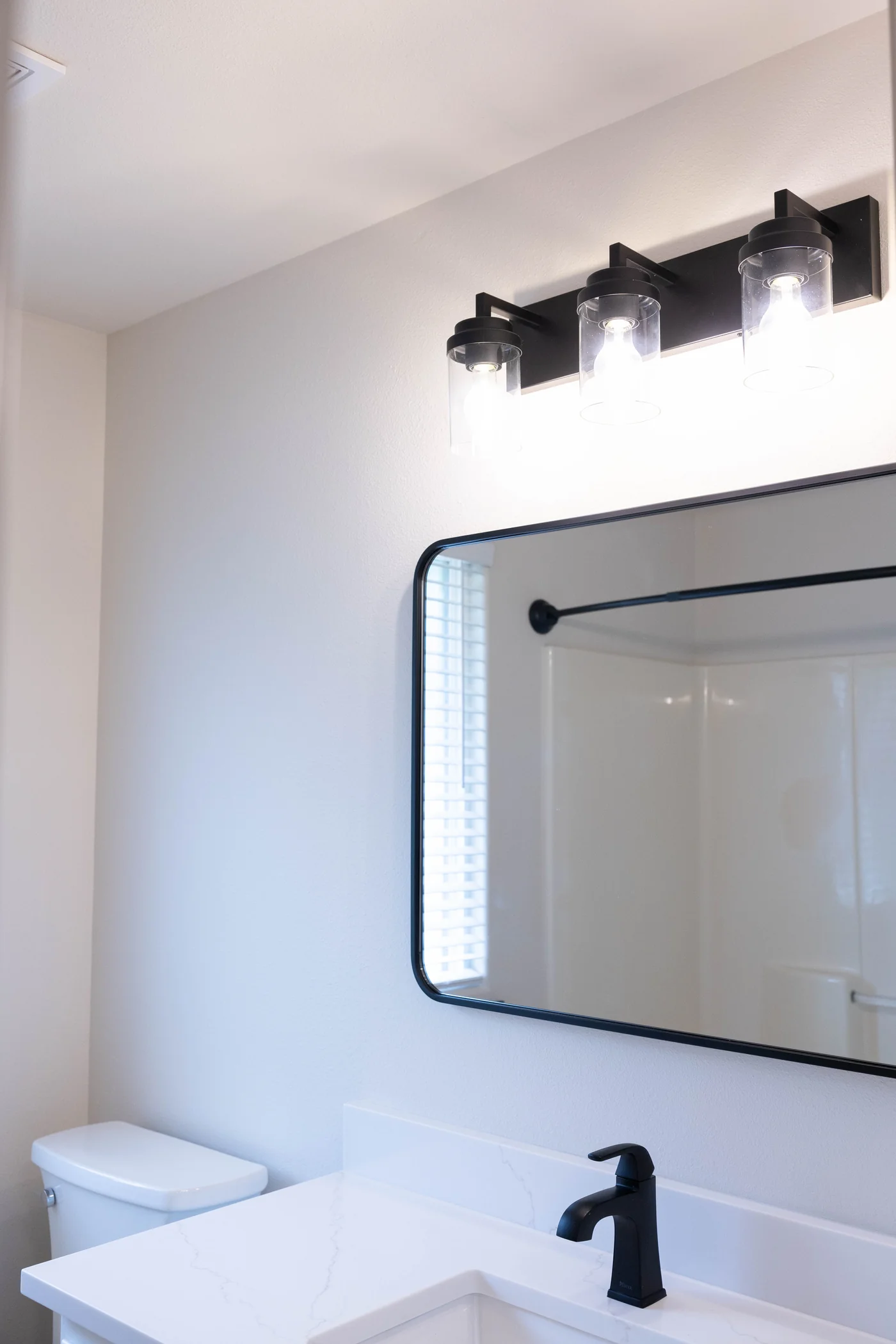
Three real projects, photo-documented for the insurance carrier. Drag each handle to compare.
“We've had the bittersweet opportunity to have Robinson in our lives twice now. First, for a major 3,000 sq ft mold remediation of our crawl space. Then last week, we had an unfortunate flood. I don't know what we would have done without them.”
T Marie C · Google Review
“Chuck and Cole were very professional, courteous and knowledgeable about their restoration skills including close out processes. I'm really happy they were the two employees assigned to our home.”
Joanna Gamble · Google Review
“We hired Robinson Restoration after a boiler joint failed and leaked what we thought was a small amount of water in our laundry room, but turned out to be more serious than it appeared. They did a fantastic job from first contact to insurance claim approval.”
Randi Covin · Google Review
In Washington, you choose your restoration contractor, and your carrier can’t penalize you for it. We document every Stevenson loss with moisture maps, photos, and daily readings, then bill your insurer directly. You pay your deductible. That’s it.
Subject to policy coverage and deductible. We handle the paperwork, photos, and adjuster calls.
Looking for someone close by usually means the water is already moving. Stevenson and the rest of Skamania County are covered around the clock by our Gorge crews, arriving with extraction units, air movers, dehumidifiers, generators, and moisture meters on board so drying starts immediately. Photos and readings begin at the front door, and we bill your insurance carrier directly instead of handing the paperwork back to you.
It generally does in Stevenson, and that is worth planning around. When outside air already carries most of the moisture it can hold, the equipment has to do all the work with no help from the environment. We seal the area, run more dehumidification than a comparable job elsewhere would need, and often add heat to raise the vapor pressure inside the materials. Expect a few extra equipment days rather than a surprise at the end.
Shut the water off at the main whenever the house is empty, and drain the lines before a hard freeze. Have somebody check the property after major storms, particularly the crawl space and any lower level. Most of the severe losses we see in seasonal Stevenson homes were small failures that ran for weeks. A water alarm near the heater and under sinks costs very little and buys you a phone call.
Surface water entering at grade is generally excluded from a standard homeowner policy and falls under separate flood coverage, which most people around here do not carry. The distinction turns on where the water came from, so documentation matters. We record entry points, water lines on the walls, and conditions outside, then dry and treat the structure regardless of how the coverage question lands.
Yes. Those are the nights Stevenson calls come in. Crews carry generators, so extraction and drying can start before utility service is restored, and we work around downed limbs and closed roads as conditions allow. If the highway is genuinely blocked, dispatch will tell you honestly and walk you through what to do in the meantime rather than leaving you waiting.
Reasonably, and not to the point of panic. Growth needs a wet material rather than humid air alone, but this climate shortens the window between a leak and a colony from days to something closer to two days. The practical answer is speed: find the source, dry the material completely, and verify with meters. We test and document rather than guess, and if remediation is needed we scope it properly.
We bill most carriers directly, so a typical claim leaves you responsible for the deductible. Pricing follows the same line-item estimating platforms adjusters use, with equipment counts, drying days, and labor documented rather than quoted as a lump sum. If you are paying out of pocket, tell us up front and we will scope the job with that in mind and show you where the choices are.
Storm damage does not pause overnight. Call and a certified crew will start heading up the river.
Licensed · Insured · IICRC Certified · Serving Washington & Oregon