CERTIFIED • LICENSED • INSURED
WA #ROBINRL752MZ · OR CCB# 256698
24/7 Emergency Dispatch | 90-Minute Response
24/7 Portland Dispatch

Mold Remediation in Portland, OR

Moisture source found and fixed
Air tested clean before we call it done
We bill your insurance directly
1,000+ 5-Star Reviews
Free Portland Mold Inspection
90 MIN
On-Site Response
24/7
Emergency Dispatch
1,000+
5-Star Reviews
IICRC
Certified Crews
Robinson Restoration technician setting drying equipment on a water loss
90 min
On-Site Response
Certified
IICRC
S500 Standard
Local Experts

Mold Remediation Built for Portland

Robinson Restoration is an IICRC-certified mold remediation company serving Portland, OR. We find the moisture source first, contain the work area with negative air and HEPA filtration, remove what the water damaged, and verify the space is clean before the containment comes down.

Mold rarely announces itself in Portland. It starts as a musty draft off a crawlspace vent, or a gray shadow spreading up basement drywall weeks after the leak that fed it. We find the water source first, contain the area, then remove the growth and verify the space is clean.

Most of the city's housing is old wood: bungalows, foursquares, and postwar ranches set over vented crawlspaces or full basements dug into ground that stays cold and damp for months. Add a wet season that starts in fall and doesn't really quit until June, indoor humidity with nowhere to vent, and framing that never gets a chance to dry. Mold doesn't need a flood here. A slow drip, an overflowing gutter, or a shower that's been leaking under the tile since spring will do it.

Every Portland job opens with an inspection: moisture meters, a look at the crawlspace and wall cavities, and a written scope of what's affected. We set containment, run negative air with HEPA filtration, and correct the moisture source before treating anything. Air and surface verification happens before we clear the space. Crews working out of Vancouver cover this side of the river daily, and your carrier gets photos, readings, and the scope in the format adjusters expect. Any rebuild gets managed through vetted licensed contractors and our sister companies.

True 24-Hour Service
Direct Insurance Billing
IICRC Certified
How We Respond

Inspect. Contain. Clear.

We inspect first, contain before any demo, and verify the air and surfaces in your Portland home before the containment comes down.

Robinson Restoration technician documenting damaged contents during the initial assessment
Phase 1

Inspect.

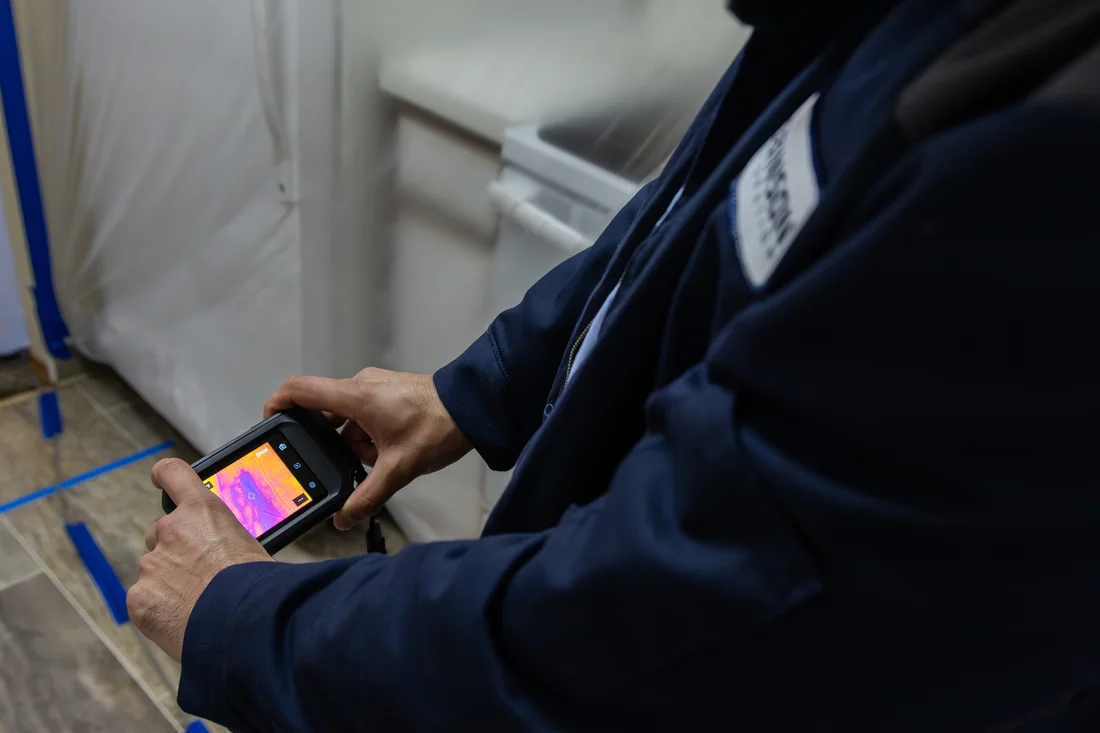
We start with moisture readings and thermal imaging to find the source and map how far growth has spread. Mold you can see is rarely all of it, and treating the symptom without the source means it comes back.

Robinson Restoration technician setting drying equipment on a water loss
Phase 2

Contain.

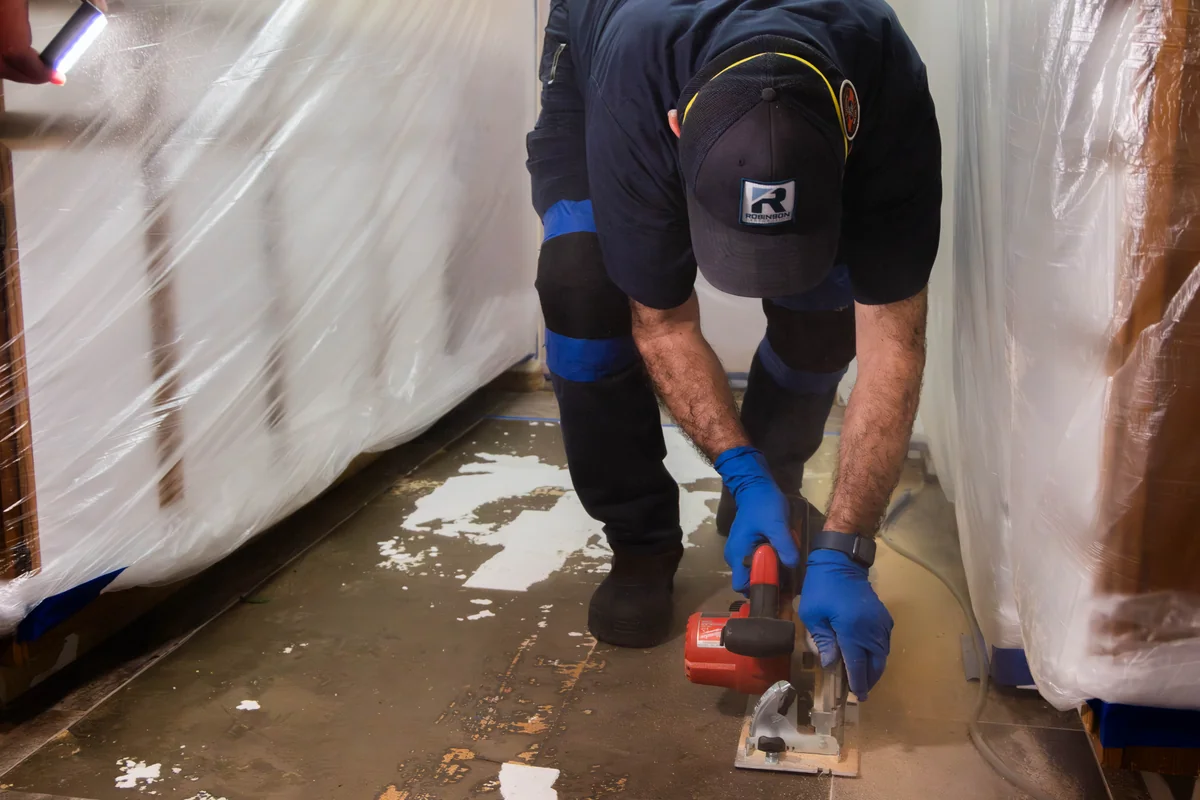
Plastic containment and negative air with HEPA filtration go up before removal starts, so spores never travel to clean rooms while affected drywall, insulation, and framing come out.

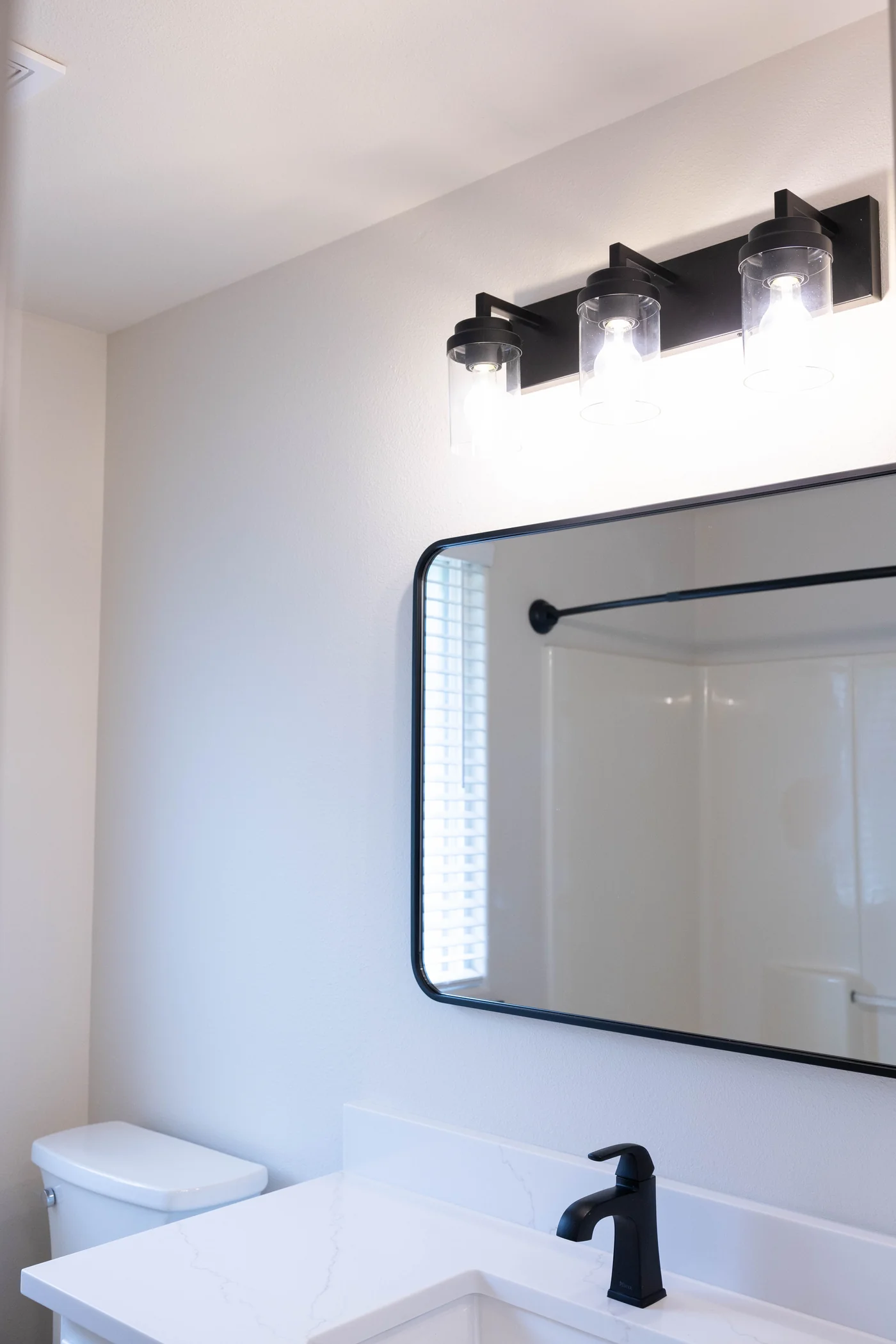
Finished bathroom after a Robinson Restoration managed rebuild
Phase 3

Clear.

Air and surface checks verify the space is clean before containment comes down. Any repairs are managed through vetted licensed contractors and sister companies, with one point of contact.

Local Knowledge

Why Portland Calls Robinson

Attic Decks That Stay Wet

Older Portland houses often have bath fans and dryer ducts that stop short of the roof, dumping warm, wet air into the attic. Through the gray months that moisture condenses on cold sheathing, and the north-facing slope is usually where it shows first. Dark staining across the plywood between the rafters is the tell.

Tightened Up, Never Vented

A lot of the city's older stock has been weatherized: new windows, blown-in insulation, sealed rim joists. The envelope got tighter, but nothing was added to move the moist air out. Showers, cooking, and laundry then load up a house that used to leak air through every gap, and growth turns up on closet walls and behind furniture on exterior corners.

Shaded Lots, Damp North Walls

Portland's tree canopy is one of the best parts of living here, and it's also why the north side of a house can stay damp from November on. Shade keeps siding from drying between storms, shrubs planted tight to the wall hold moisture against it, and the wall cavity behind stays cool enough that anything wet inside stays wet.

Found During a Remodel or Sale

Plenty of our calls here come from a contractor opening a wall or an inspector crawling under a house during a sale. Old kitchens, tile showers set before waterproof membranes, and patched-over leaks hide growth for years in this climate. We scope what's affected, contain it so the rest of the house stays clean, and put the findings in writing so a sale or a remodel can keep moving.

What We See in Portland

Where Does Mold Show Up in Portland Homes?

In Portland the growth we find is concentrated in three places: crawl spaces, basements, and bathrooms. Each one holds moisture for a different reason, which changes how the work gets scoped.

Crawl Spaces

Most older houses here sit on a vented crawlspace over bare or thinly covered soil. Winter ground moisture rises, the vapor barrier tears or slips, and joists, subfloor, and ductwork pick up growth that the family upstairs only smells.

Basements

Full basements are standard in the older neighborhoods, and most were dug long before anyone waterproofed a foundation. Finished walls, carpet, and stored boxes sit against cool concrete that wicks moisture all winter, which is why growth usually starts at the baseboard.

Bathrooms

Bathrooms in pre-war houses were rarely built for daily showers. Original tile set over mortar beds, an exhaust fan that quit working years ago, and no window anyone opens in January add up to grout, drywall, and subfloor that stay damp between showers.

Every Restoration Service, One Portland Call

Water is how most losses start. It’s rarely where they end. The same local crew handles all of it.

Documented Results

After Clearance, a Managed Rebuild

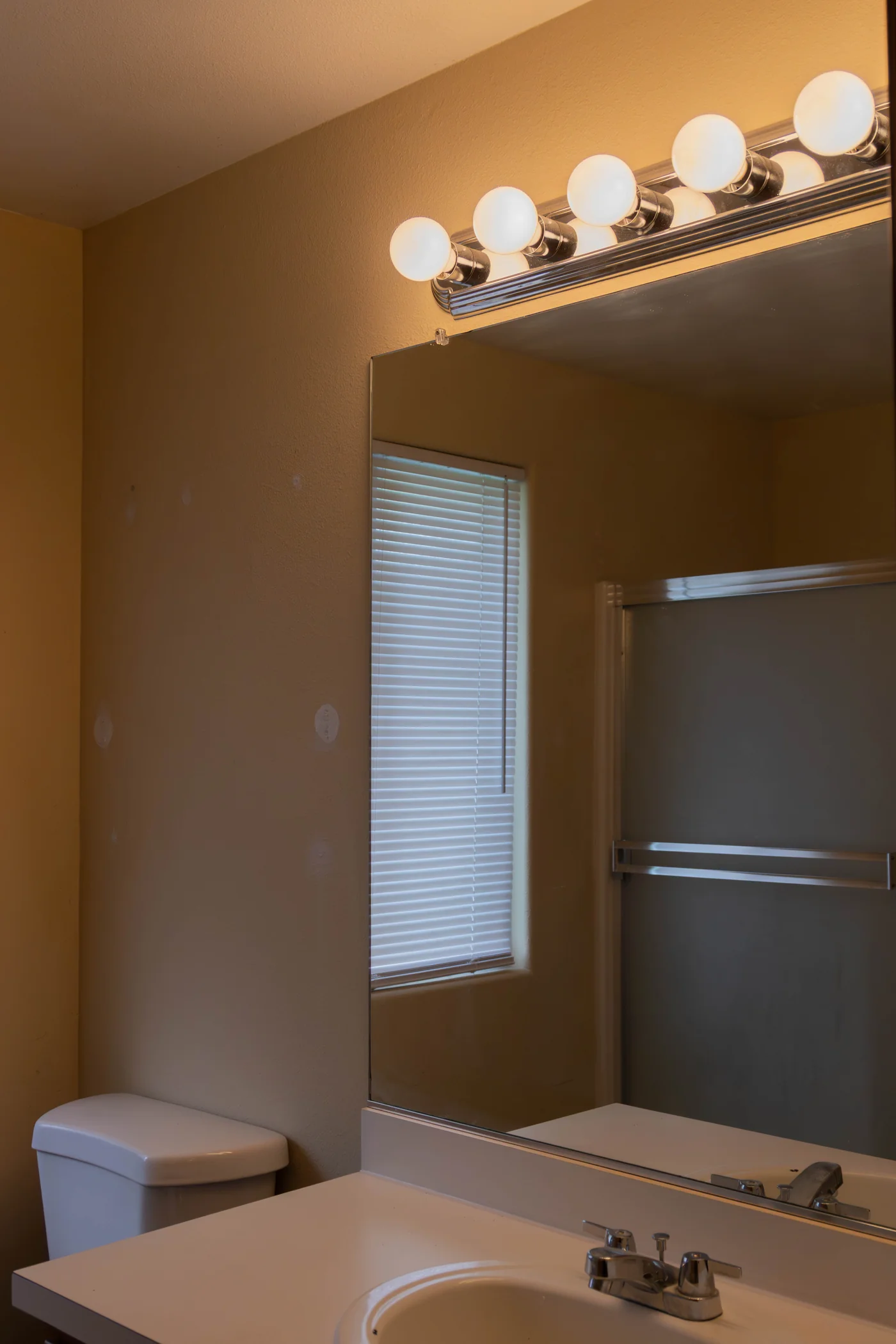
When remediation requires taking out drywall or flooring, we manage the rebuild too. Drag the handle to compare a documented Robinson project.

Bathroom Rebuild before restoration
Bathroom Rebuild after restoration
Before
After
Bathroom Rebuild · A Robinson Managed Rebuild
Real Customer Reviews

1,000+ Five-Star Reviews

5.0 on Google

“We've had the bittersweet opportunity to have Robinson in our lives twice now. First, for a major 3,000 sq ft mold remediation of our crawl space. Then last week, we had an unfortunate flood. I don't know what we would have done without them.”

T Marie C · Google Review

“Chuck and Cole were very professional, courteous and knowledgeable about their restoration skills including close out processes. I'm really happy they were the two employees assigned to our home.”

Joanna Gamble · Google Review

“I want to express our sincere gratitude to the Robinson team that quickly moved to identify, rectify, repair, and then clean up the mess left by an itty-bitty hot water leak that went unnoticed because of its location.”

Michael Quinn · Google Review

Insurance, Handled

$0 Out of Pocket on Covered Claims

In Oregon, you choose your restoration contractor, and your carrier can’t penalize you for it. We document every Portland loss with moisture maps, photos, and daily readings, then bill your insurer directly. You pay your deductible. That’s it.

Subject to policy coverage and deductible. We handle the paperwork, photos, and adjuster calls.

SAFECO
STATE FARM
ALLSTATE
FARMERS
NATIONWIDE
USAA

Looking for Mold Removal Near Me in Portland?

Searching for mold removal near you usually means you've already found something you don't like: a stain behind the toilet, a musty smell in a back bedroom, a patch on the crawlspace joists. Our crews cover Portland and the neighboring metro cities, and the first step is always an inspection with moisture readings and a written scope. Nothing to sign at the door.

Frequently Asked

Portland Mold Questions

Why does my Portland house smell musty even though we've never had a flood?

In this climate you don't need one. Ground moisture under a vented crawlspace, condensation inside cold wall cavities, and a house that's shut up from fall to spring will grow mold on their own. The smell usually arrives before anything is visible, and it's strongest near floor registers or the basement stairs. We start by finding where the moisture is coming from, since cleaning without that step just resets the clock.

Sometimes, and it depends on the policy. Most carriers will consider mold that resulted from a sudden, covered water loss, like a supply line that burst last week. Long-term seepage, deferred maintenance, and humidity problems are usually excluded, and many policies cap mold coverage at a set dollar amount no matter the cause. Check your declarations page for a mold or fungi limit. We document the source and the scope either way, so your adjuster has something real to work from.

Testing is worth it when the source isn't obvious, when someone in the house has air quality concerns, or when a sale is involved. For a visible problem with a known leak, the inspection and moisture readings usually tell us what we need. Either way, we don't call a job done on appearance. Containment stays up until air and surface verification comes back clean, and you get that documentation with the file.

Air moves from a Portland crawlspace up into the living space through floor gaps, plumbing penetrations, and duct leaks, so what's growing under the floor doesn't stay under the floor. It also sits on structural wood you'd rather keep. We clean the affected framing, replace the vapor barrier and any ruined insulation, and deal with the water getting in, which usually means grading, a downspout, or a failed supply line.

Usually, yes. Containment seals the work area off, and negative air with HEPA filtration keeps particulate from drifting into the rest of the house. That matters in older Portland homes, where the affected room is often the only full bathroom and there's no second one to fall back on. We stage entry and exit, protect the flooring on the path in, and coordinate access with tenants or a property manager before we start.

Leave it alone. Scrubbing visible growth with bleach spreads spores and drives water deeper into whatever it's on, and it makes the moisture reading useless later. Shut off any active leak if you can reach the valve, keep the door to the affected room closed, and turn off the HVAC so the system stops moving air through that space. Take photos. Then call us and we'll set the inspection.

24/7 Emergency Dispatch · Live Now

Portland Mold Problem?

Musty smell, visible growth, or a leak you just found? Call and we'll get an inspection scheduled.

Licensed · Insured · IICRC Certified · Serving Washington & Oregon