
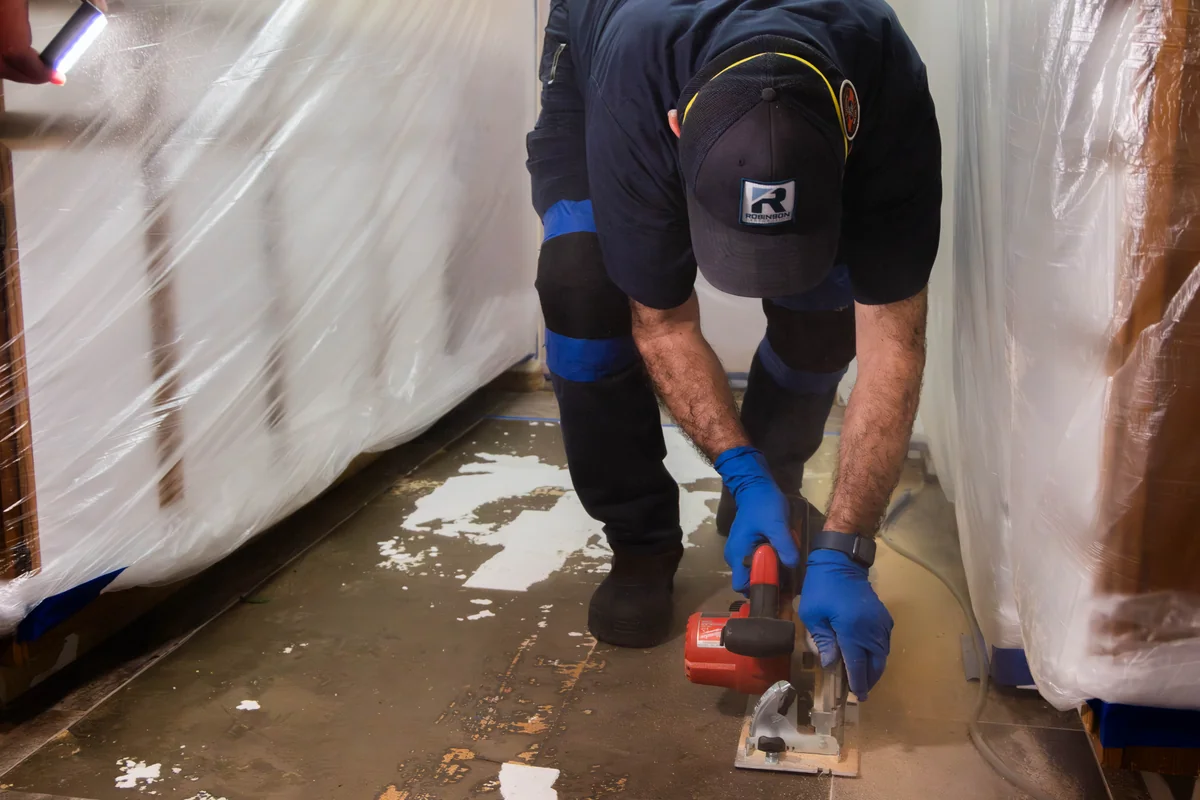

Robinson Restoration handles category 3 sewage cleanup in Kent, WA with biohazard-certified crews, 24 hours a day. We contain the area, extract the sewage, remove contaminated porous material, disinfect with EPA-registered products, dry the structure to IICRC S500 targets, and document every step for your insurance carrier.
A floor drain in the warehouse restroom comes up during the morning shift, and within an hour it has crossed the hallway. You have a Kent dock schedule to keep, employees who need a bathroom, and a smell that says this is a sewage cleanup, not a mop job.
The Kent Valley floor was farmland before it was distribution space, and the buildings on it sit on fill with groundwater close underneath. When a long winter rain loads the system, the lowest opening in a tilt-up building is a restroom floor drain or a mop sink, and that is where it comes up. Older mains near downtown and in the mature parts of East Hill back up under the same rain, and the storefronts downtown with apartments above them put a residential backup on top of a retail ceiling. The common thread is a low point on a big slab, and a slab spreads sewage sideways fast.
Robinson Restoration's operations center is in Kent, so the crew that answers a valley call is the crew that is based here. We contain the affected restroom or section with the HVAC serving it shut off, extract with dedicated equipment, bag out the porous material under that containment and disinfect the hard surfaces. For a working building we phase it: containment and negative air around the wet zone so the dock, the office side and the rest of the floor keep operating. Every stage is photographed, moisture readings are logged daily, and the file goes to your carrier with the invoice. If walls or flooring come out, the rebuild runs through vetted licensed contractors and sister companies.
In a Kent warehouse or office, each step runs inside a sealed zone so the rest of the building does not have to stop.
The affected area is sealed, the HVAC is shut off and the crew is in full PPE before anything is touched. Sewage and solids come out with dedicated extraction equipment, not the shop vac in your garage.
Carpet pad, drywall, insulation and anything porous that touched the water gets bagged out under containment. Hard surfaces are cleaned and disinfected with EPA-registered antimicrobials.
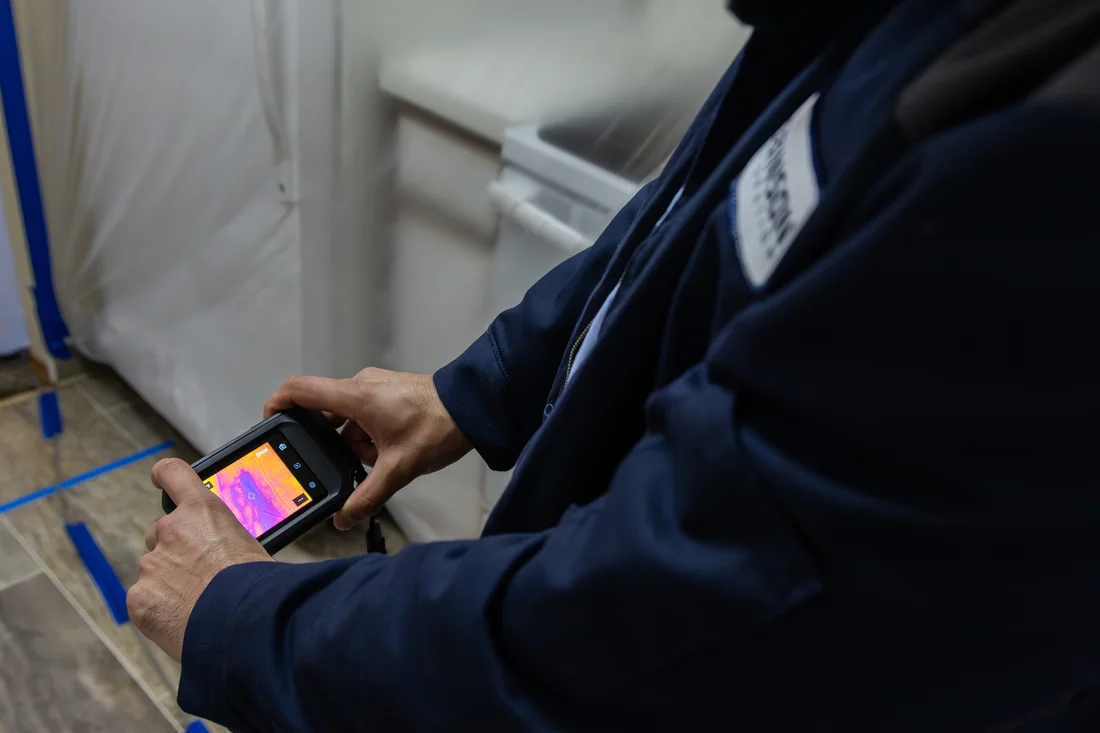
Structural drying runs to IICRC S500 targets with moisture readings logged daily, and the file goes to your adjuster with photos of every stage. Any rebuild is managed through vetted licensed contractors and sister companies.
Tilt-up buildings on the valley floor put their restrooms, mop sinks and floor drains on one big slab, and a backup surfaces at the lowest of them. Concrete absorbs little, so sewage runs flat and wide under partition walls before anyone sees it. We contain at the edge of the wet zone, extract, and pull the drywall that soaked. The slab gets cleaned, disinfected with EPA-registered antimicrobials and verified.
A sewage cleanup in a working Kent building is a scheduling problem as much as a cleanup. We put containment and negative air around the affected section, shut off only the HVAC serving it, and route the crew and bagged material out a door that is not your dock. Employees keep the other restrooms. The dock keeps its loads. You get a written scope with the zone marked, so staff know what is closed and for how long.
Robinson Restoration runs its Seattle-area operation out of Kent, so the crew that takes a valley call started the day here. A person answers 24/7 and the crew is on-site in 90 minutes or less, in full PPE with extraction equipment on the truck. For a facility manager that matters in a specific way: the sooner extraction starts, the less material has to be torn out, and the shorter the closure.
The mature mains near downtown Kent and in the older parts of East Hill back up when a long rain loads the system, and homes there take it at the lowest fixture: a basement drain in an old Craftsman, a ground-floor tub in a hillside tract house. A municipal surcharge is still category 3 water in your house, and the cause goes in the file because it decides which part of your policy applies.
Most of the sewage calls we run in Kent start in one of three places: floor drains and the lowest fixtures, municipal surcharges during heavy rain, and main lines blocked by tree roots. Where the backup starts decides how far it spreads, what has to be removed, and which parts of your policy apply.
In a valley warehouse or office the floor drain in the restroom or the mop sink is the lowest opening on the whole slab, so a blockage or a surcharge shows up there first. By the time it is visible in the hallway it has already run under the partition walls, and the drywall base on both sides has been soaking.
Long winter rain raises the water under the valley floor and loads the mains at the same time. When the city system surcharges, sewage comes back through the lowest connection, and a Kent building on fill with groundwater right underneath has nowhere lower for it to go.
Kent's older mains and the private lines that feed them, near downtown and in the mature sections of East Hill, are old enough for root intrusion and blockages. A blocked main stops every drain on the property, and in a house that means the basement or the ground-floor bathroom takes the backup.
Water is how most losses start. It’s rarely where they end. The same local crew handles all of it.
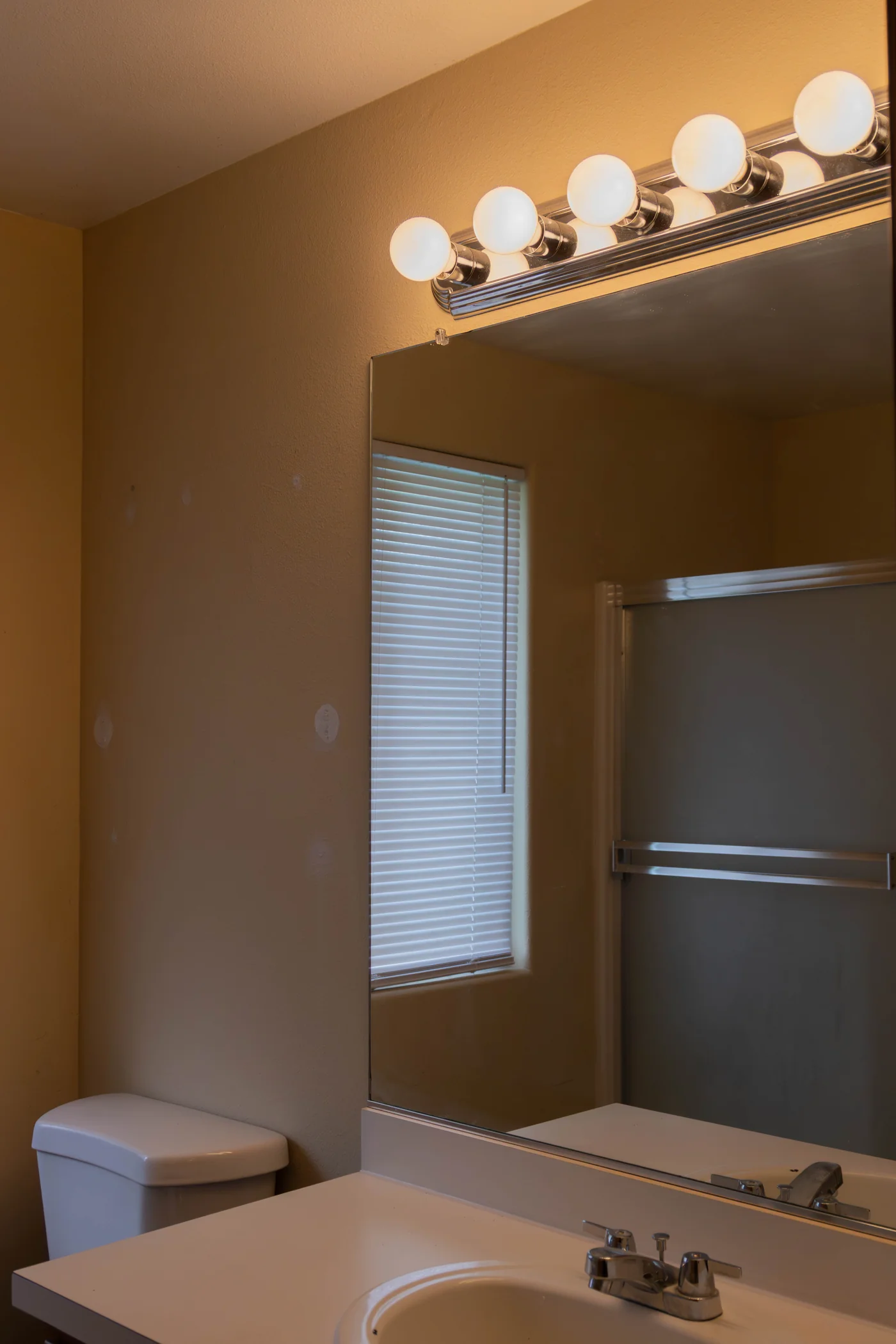
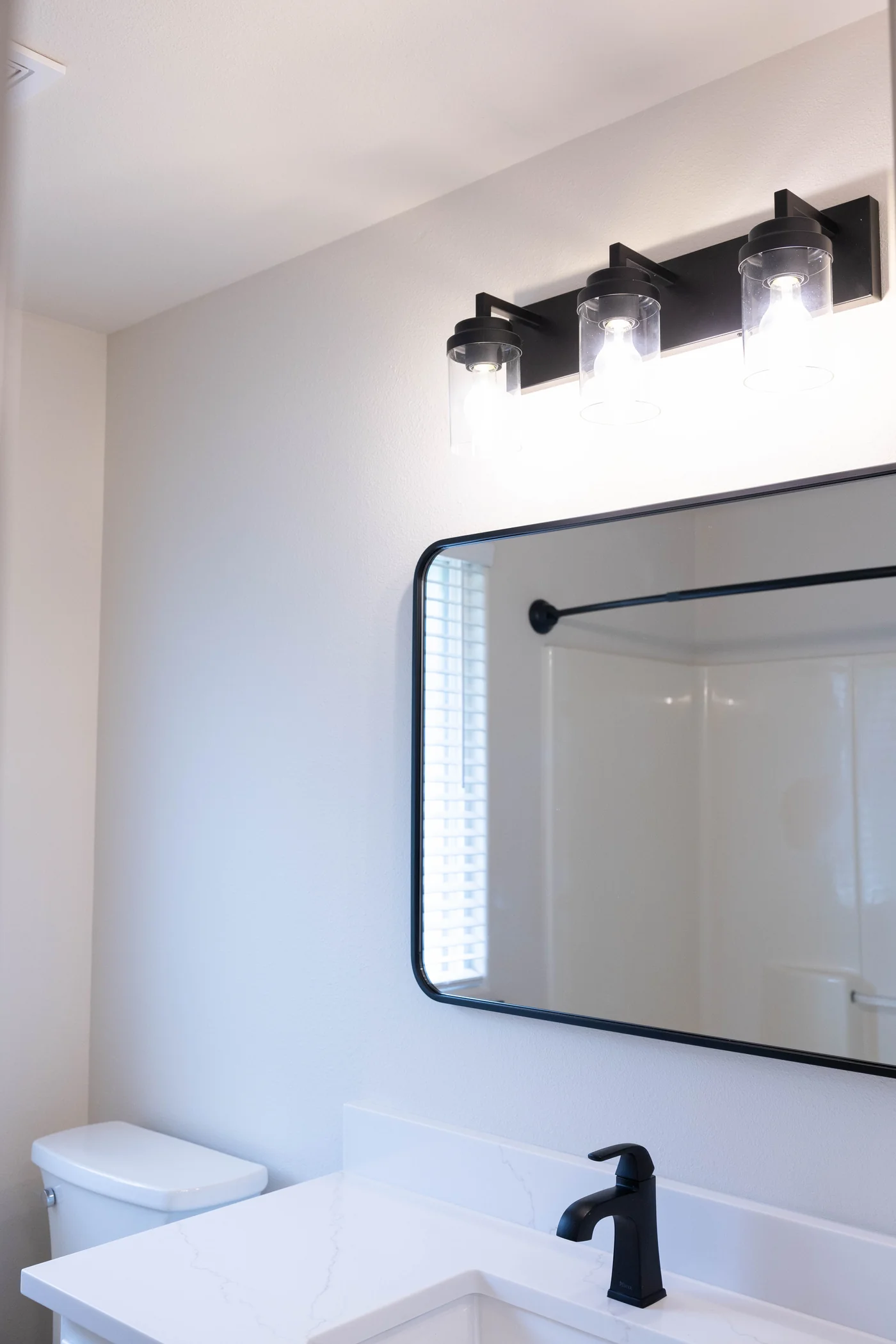
When a backup takes out flooring, drywall or a finished basement, we manage the rebuild too. Drag the handle to compare a documented Robinson project.
“Had a leak in our wall and our plumber recommended Robinson Restoration to handle remediation of the water damage. Christian and Adolfo were awesome. Great communication throughout the setup of the containment area and installation of the equipment to start the drying process.”
Won Lee · Google Review
“We recently had an unfortunate plumbing issue that led to some significant flooding issues. On the recommendation of our plumber we reached out to Robinson Restoration to help us with drying out our house and getting it ready to be put back together.”
Don Warner · Google Review
“Just started a project with Cole and Chuck at Robinson Restoration and had to write a review straight away. These guys have been fantastic. We were away on a week long trip when we had a kitchen leak that destroyed our flooring and subfloor.”
Justin O'Neill · Google Review
Sewer backup coverage is policy-specific, and many Washington policies only cover it through a sewer and drain backup rider. We review your policy language before you file, document the Kent loss with photos, moisture readings and a written scope, and bill your carrier directly for covered work. You pay your deductible.
Subject to policy coverage and deductible. We handle the paperwork, photos, and adjuster calls.
Search sewage cleanup near me from a Kent loading dock and you get companies from all over King County. Ours is the one based in Kent. A person answers, a crew in full PPE is on-site in 90 minutes or less with dedicated extraction equipment, and the inspection is free. You get a marked-up zone map, a written scope and a file your carrier can read.
Usually yes, in the parts of the building the sewage did not reach. Robinson Restoration seals the affected restroom or section with hard containment and negative air, shuts off the HVAC serving that zone, and keeps the crew's traffic and the bagged material away from your dock and your staff. Restrooms outside the zone stay in use. What forces a closure is sewage that has spread across the main floor or into the ductwork, and we tell you that at the inspection, not after the work starts.
The cause decides it, so it gets documented before anything is removed. A municipal surcharge during heavy rain, a blocked private line and a failed ejector pump are three different claims. Sewer backup coverage is policy-specific, and many policies only pay through a sewer and drain backup rider. We photograph the fixtures the sewage came through, review the policy language with you before you file, and bill the carrier directly for the covered work.
No, and it exposes them. Sewage is category 3 water under the IICRC S500 standard, carrying E. coli, salmonella, hepatitis A and parasites, none of which you can see or smell. A mop spreads it, a shop vac spreads it further, and disinfectant on top of soaked drywall or carpet does nothing to what is underneath. Have staff keep everyone out, stop water use in that section, turn off the HVAC serving it and photograph from the doorway. The crew arrives in full PPE for a reason.
Everything porous the sewage touched: the bottom of the drywall and its insulation, vinyl base, carpet tile and pad in the corridor, particleboard cabinets and any stored paper or cardboard sitting on the wet slab. Hard surfaces stay: the slab, tile, porcelain fixtures and metal partitions get cleaned, disinfected with EPA-registered antimicrobials and verified. How far it spread decides the quantity, which is why calling before the end of the shift instead of the next morning changes the scope.
It depends on how far the sewage traveled and how long it sat before extraction. The sequence is fixed: contain, extract, remove the porous material, disinfect, then dry to IICRC S500 targets with readings logged daily. Drying is the part that takes days, and a slab that soaked overnight holds more than one extracted the same shift. Robinson Restoration writes the scope with a zone map so you can tell staff which doors are closed and reopen the rest of the floor while drying finishes.
Yes, one file that works for both. Photos from before extraction and after each stage, a line-item written scope, daily moisture and equipment logs, and the invoice billed directly to your carrier. In a leased building the landlord's carrier and the tenant's carrier may both want it, and the same file goes to each. If the loss opens up walls or flooring, the rebuild is managed through vetted licensed contractors and sister companies with the same project manager on the file.
Floor drain or restroom backing up in a Kent building? Call for a free inspection and a crew that keeps the rest of the floor open.
Licensed · Insured · IICRC Certified · Serving Washington & Oregon