

Robinson Restoration is an IICRC-certified fire and smoke damage restoration company serving Kent, WA. We secure and board up the property the same day, clean soot and smoke residue by type, remove odor at its source, and manage the rebuild through vetted licensed contractors and sister companies.
A contained fire in a Kent warehouse or office leaves two problems: soot on everything, and a building full of people and freight that cannot wait a month. Fire and smoke damage restoration in Kent has to work around the business, and it does.
The valley floor is distribution space, tilt-up warehouses and older commercial buildings on fill, and a fire there behaves differently than a house fire. Sprinklers open, and the water runs across a slab under racked product. Smoke goes wherever the air handlers send it, and in a tilt-up with a shared plenum that can be the other tenant's space. Up on East Hill and West Hill the calls are houses: 1960s through 1990s tract homes, a lot of them on slab, where the ductwork is the fastest path from the kitchen to the bedrooms, plus apartment and townhome blocks that share walls. Downtown, older storefronts with apartments above put a kitchen fire upstairs and smoke in the shop below.
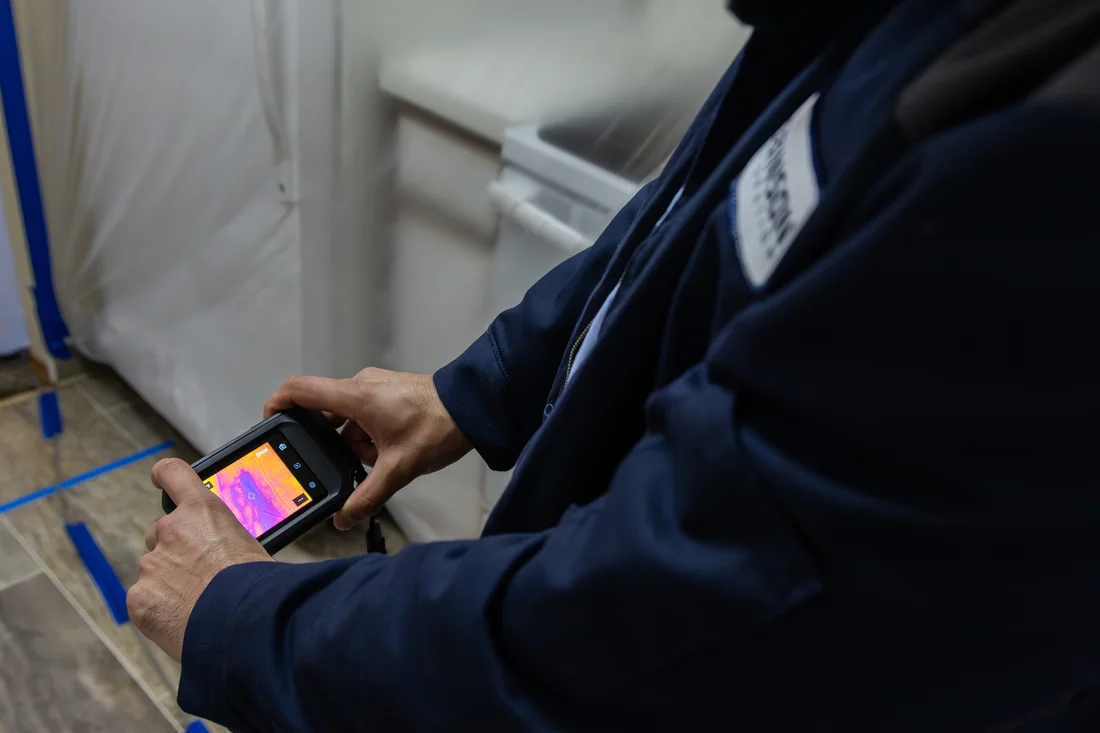
Robinson Restoration runs its operations center in Kent, so the equipment and the project managers for a commercial fire are already in the valley. First visit secures the building: board-up, a roof tarp if the fire vented through it, utilities checked, firefighting water extracted, and photos of every affected bay before a surface is wiped. Then we phase it. Hard containment and negative air around the burn area let the rest of the building keep working while soot is cleaned by residue type and odor is taken out at the source. Sprinkler heads that opened or cooked get replaced, coated smoke and duct detectors get swapped, and the scope, daily logs and invoice go straight to your carrier.
For a Kent business the three phases run behind containment, one section at a time, so the loading dock and the front office do not close for the whole job.
Once the fire department releases the property, we board up openings, tarp the roof, check utilities and pull out the firefighting water. Everything gets photographed for your claim before anything is moved.
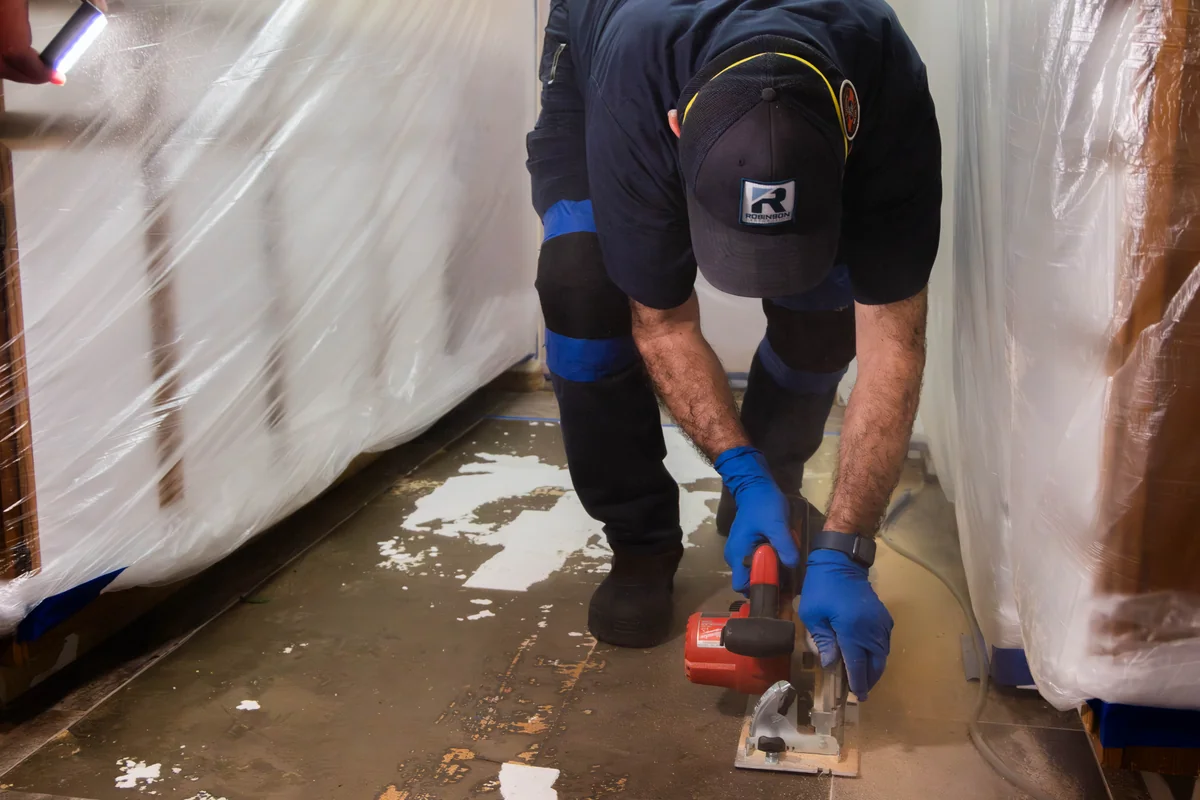
Soot is cleaned by residue type, because wet smoke, dry smoke and protein film each respond to different methods. HEPA air scrubbing, hydroxyl or ozone treatment and source removal end the odor instead of masking it.

Charred framing, drywall, flooring and finishes go back through vetted licensed contractors and sister companies, managed by the same Robinson project manager from the first day to the final inspection.
Fire and smoke damage restoration in a Kent distribution building does not have to shut the floor. We build hard containment around the affected bays, run negative air so soot and odor stay put, and clean section by section while freight keeps moving through the rest. Product that took smoke is photographed and inventoried before it moves, so your carrier gets a contents record that matches what left the building.
Any sprinkler head that opened, and any head that sat in the heat long enough to cook, gets replaced rather than reset. Smoke detectors and duct detectors coated in residue get swapped too; residue on a sensor is a reason to replace it, not wipe it. Those items go on the scope beside the cleaning line items, which matters when your carrier and the building inspector ask what was done to the life-safety systems.
The hills filled in with 1960s through 1990s tract housing, and a kitchen or dryer fire in one of those houses moves smoke through the forced-air system faster than through the rooms. On a slab home the ducts are the path, so the return pulls soot into the hall and bedroom runs and out every register. We clean the duct runs and plenum as part of the job; the attic insulation above the fire room usually comes out.
Kent has dense blocks of apartments and townhomes on East Hill and older storefronts with apartments above them downtown. Smoke does not respect a lease line: it crosses through chases, shared attics and stairwells into units the fire never reached. We scope every unit the residue reached, keep containment between them, and write separate documentation for the owner, the tenants and the management company.
In Kent, the fire is rarely the biggest part of the job. The residue we spend the most time on shows up in three places: HVAC systems and ductwork, closets and contents, and shared walls in multi-family buildings. Each one holds smoke for a different reason, which changes what gets cleaned and what has to come out.
Rooftop units in valley buildings move a lot of air, and the return side pulls smoke from the burn area into the whole system. In a tilt-up with a shared plenum that means the neighboring tenant's ceiling too. The duct runs and the return plenum get cleaned after the source material is out, or the odor is back the first time the units cycle.
Racked product, office paper and break-room furniture all count as contents, and each item gets photographed and barcoded before it moves. Hard goods go to ultrasonic cleaning, textiles to specialty washing, and porous items that soaked up wet smoke are usually written off. The inventory with ages and values is what the commercial adjuster works from.
Kent's East Hill apartment blocks and downtown buildings with apartments over shops share walls, chases and stairwells, and smoke uses all three. A fire in one unit ends up as an odor two doors down and a soot film in the hallway. Each affected unit is scoped and documented on its own so the owner's claim and the tenants' contents claims do not get tangled.
Water is how most losses start. It’s rarely where they end. The same local crew handles all of it.
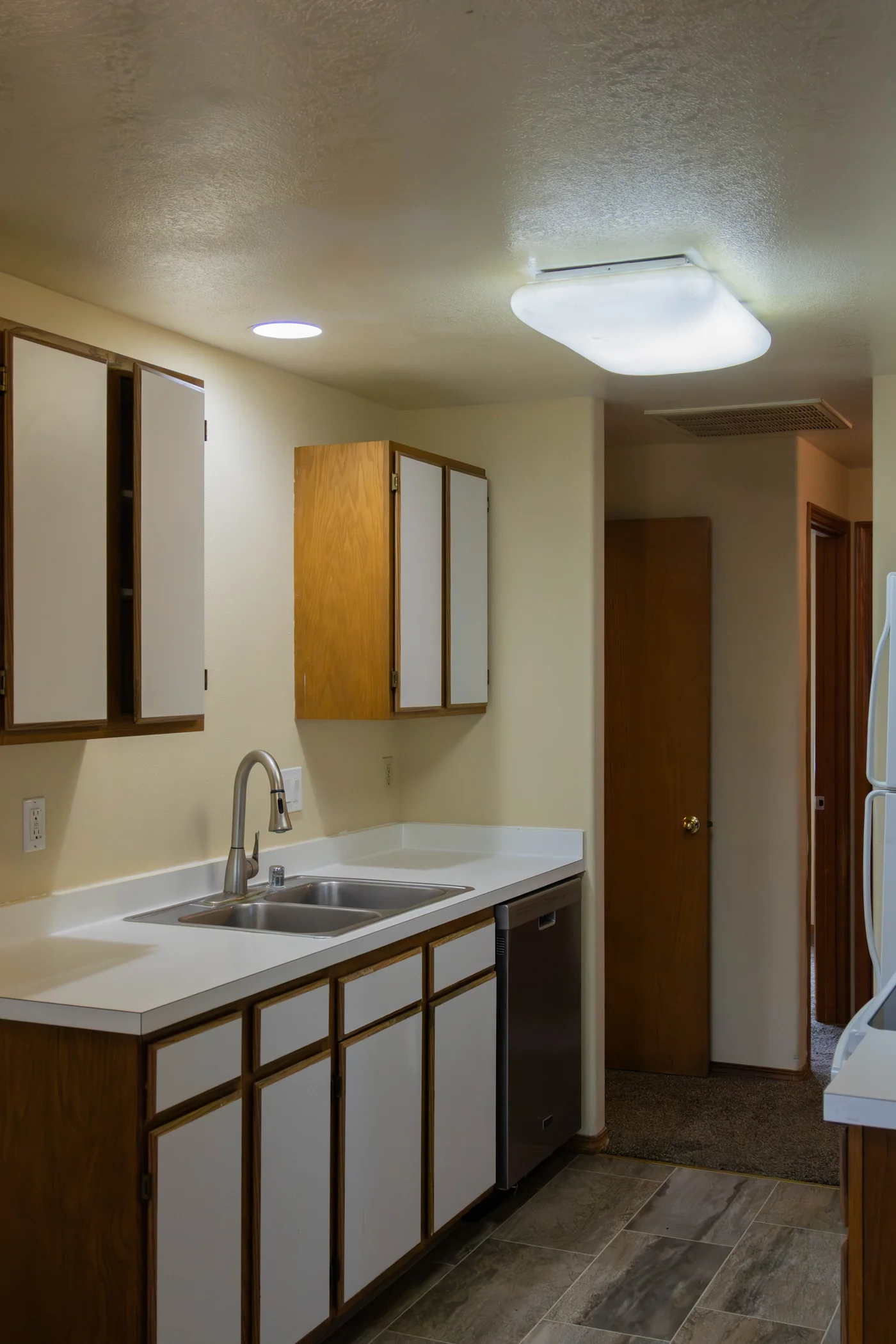
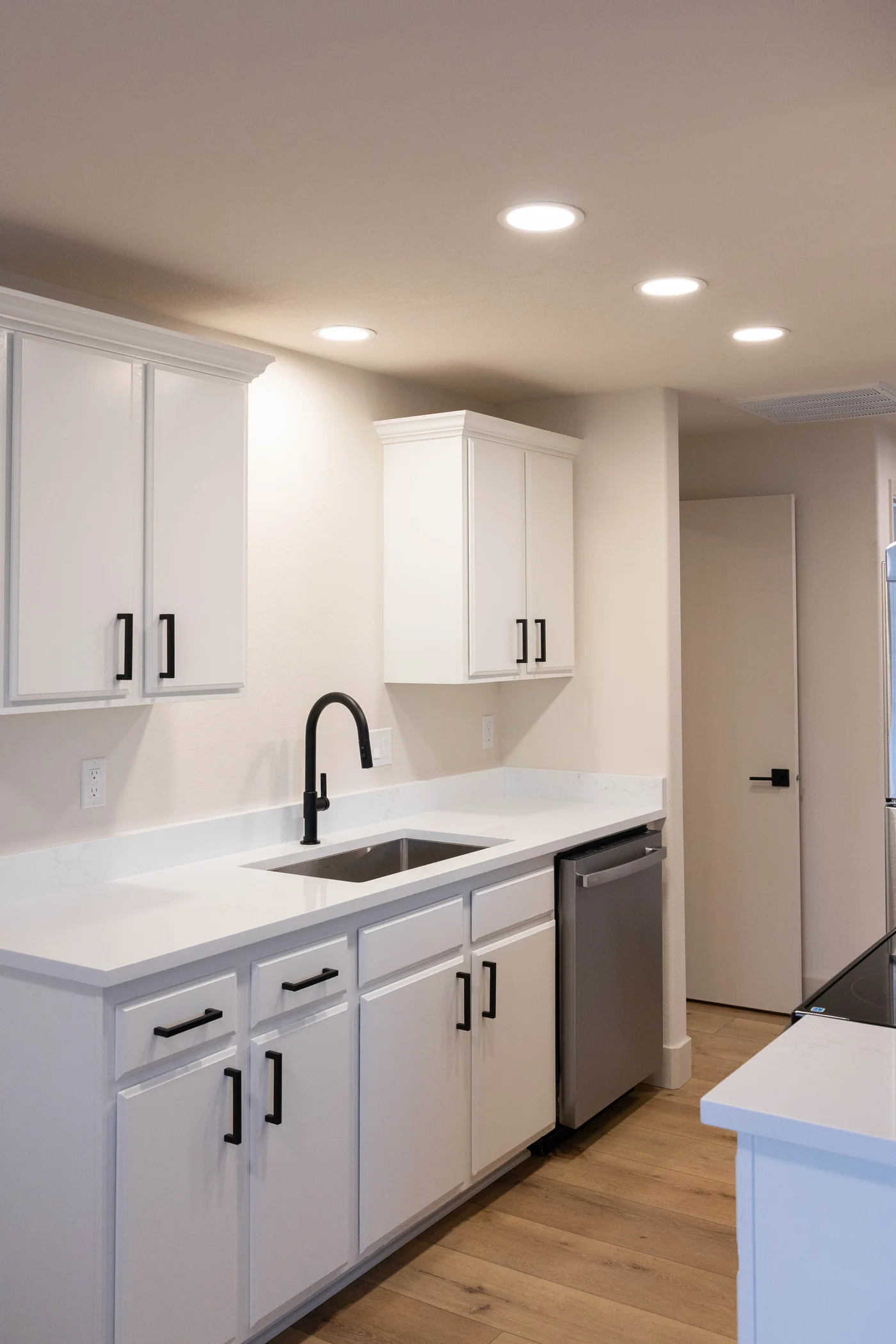
Once the soot is gone and the odor is verified out, we manage the rebuild through licensed contractors. Drag the handle to compare a documented Robinson project.
“We hired Robinson Restoration after a boiler joint failed and leaked what we thought was a small amount of water in our laundry room, but turned out to be more serious than it appeared. They did a fantastic job from first contact to insurance claim approval.”
Randi Covin · Google Review
“We had a major sewer back up a couple of weeks ago, into the laundry room and downstairs bathroom. Panic! We were referred to Robinson Restoration and what a blessing. The whole crew has been wonderful.”
Lynn Dee King · Google Review
“One of the pipes in the shower burst and water damage got all over the roof in the kitchen. As new home owners we were very scared and panicked. We contacted Kelly Farmer from Robinson Restoration and believe me when I say I felt like more than half of my problem was solved.”
Nav Basra · Google Review
Fire is one of the most reliably covered perils in a homeowners policy, and a Kent fire claim usually touches the dwelling, contents and additional living expenses at once. In Washington, you choose your restoration contractor. We photograph everything before cleanup starts, inventory contents room by room, write a line-item scope, and bill your carrier directly. You pay your deductible.
Subject to policy coverage and deductible. We handle the paperwork, photos, and adjuster calls.
Fire damage restoration near me in Kent points at the Robinson Restoration operations center in the valley, the shortest chain of command the company has. Dispatch is a person, any hour, the crew is on-site in 90 minutes or less, and the first hour goes to board-up, utilities and photographs. The inspection is free, and for a business it includes a phasing plan alongside the scope.
Usually yes, in the parts of the building the smoke did not reach. Robinson Restoration phases commercial work behind hard containment with negative air, so the burn area is sealed off while receiving, shipping and the office keep running around it. Hydroxyl and ozone odor treatment runs with the sealed section empty, so it gets scheduled for nights or a weekend. A shared plenum can put more of the building inside the containment line than you expect; the inspection tells you that on day one.
Not well, and it can cost you on the claim. Soot cleaning depends on the residue type: a slow smoldering fire in plastics leaves wet smoke that smears when wiped wrong, and a fast hot fire in paper and wood leaves a fine dry powder that heat drove into cracks and outlet boxes where a rag never reaches. Adjusters also want photos of the soot before anything is cleaned, so a crew that wipes first erases it. Soot is acidic and starts etching within days, so the right move is a fast inspection, not a fast wipe.
Any sprinkler head that operated or cooked, any smoke or duct detector that took residue, the charred structure, and anything porous the soot landed on. Ceiling tile, insulation, carpet and the drywall nearest the burn are the usual removals; steel, concrete and most hard finishes get cleaned. Firefighting water gets extracted and the slab and framing dried, with moisture logged daily. The written scope lists removals and cleaning separately so your carrier can see the split.
Robinson Restoration writes a line-item scope after the first walk, meets your adjuster on site, and updates it with photos when demo finds hidden damage. The rebuild is managed through vetted licensed contractors and sister companies with the same project manager who ran the cleanup, and permits, inspections and current code govern what goes back. On an older valley building that can mean upgrades the original construction never had, and those get their own lines so the carrier sees repair and code separately.
Into the ducts and the attic, mostly. In a slab tract home the forced-air return is the biggest pull in the house, so it draws smoke from the laundry into the bedroom ducts and out every register, and the attic insulation above the fire room usually comes out. Robinson Restoration cleans the ducts and plenum, removes that insulation, cleans and seals the framing, and runs the odor cycle with the house empty. Rubber and vinyl in a dryer fire leave wet smoke, so the bedroom walls need the method for sticky residue.
The sections outside containment never close; the sealed section follows the sequence. Day one is securing and documenting. Week one covers the scope, the adjuster meeting, the pack-out, demo to bare structure where the fire reached, and the drying. Weeks two to four are surface, cavity and duct cleaning, odor cycles and testing, then the rebuild on the permit schedule with the same project manager through the final walk. A bigger smoke footprint means more equipment days and containment, which moves the cost.
Contained fire in a Kent warehouse, office or East Hill home? Get a free inspection and a phasing plan today.
Licensed · Insured · IICRC Certified · Serving Washington & Oregon