Robinson Restoration is an IICRC-certified water damage restoration company serving Cinebar, WA. Crews dispatch 24 hours a day, arrive on-site in 90 minutes or less, document the readings and photos your carrier needs, and bill your insurance directly on covered claims.
Out in the timber country of eastern Lewis County, help is rarely around the corner. Cinebar properties sit on wells, septic, gravel drives, and acreage, and a line letting go at two in the morning is a different problem out here. We come equipped to work without a neighbor's help.
Homes run to farmhouses, cabins, manufactured homes on acreage, and owner-built additions, most of them on private water and septic. The Tilton drains this country down toward Mayfield Lake, and the foothills catch more rain and more wet snow than the valley floor does. Heat comes from wood stoves and propane as often as heat pumps, so a January outage cools a house fast and the plumbing pays for it.
Dispatch answers 24/7 and the job routes through our Kent operations center. Rural calls get planned differently. We ask about driveway access, power status, and whether the well pump is running before the truck leaves the shop. Crews carry generators and enough drying equipment to work a property with no usable power. Drying meets IICRC S500 with daily documented readings, and we bill your insurance carrier directly.

Acreage calls take planning, so we ask about access, power, and water source up front and load the truck for Cinebar conditions.
24 hours a day, 7 days a week, our crews dispatch the moment you call and start mitigation the same visit. Call dispatch or message us for immediate help.
We stop further damage with commercial extraction, structural drying, and antimicrobial treatment, and we walk you through the entire insurance claim as we work.
We manage your rebuild to pre-damaged condition through our trusted network of licensed contractors and sister companies. One manager, one timeline.
Wind takes trees, trees take lines, and rural power can stay off for days. Once the wood stove goes cold the house drops below freezing, and supply lines in crawlspaces and unheated utility rooms split. The break usually reveals itself only when power returns and the pump repressurizes the system, sometimes with nobody home to hear it.
Manufactured and modular homes run plumbing through the floor cavity above the belly board, which turns a small leak into a saturated insulation blanket nobody can see from inside. Water pools on the vapor barrier and stays. Drying one properly means opening the underside, pulling wet insulation, and metering the decking, not aiming a fan at the carpet.
A private system fails differently than city water. A cracked pressure tank, a stuck pressure switch, or a split line between the wellhead and the house will run continuously until somebody kills the breaker. By then the pump house or utility room has been flooded for hours. Shutting the pump down is the first thing we ask about.
Elevation east of the valley floor picks up heavier precipitation, including wet snow that towns down on the flats miss entirely. Roofs on older cabins and owner-built additions carry loads they were never framed for, gutters pack with fir needles, and meltwater backs up under the roofing. The ceiling stain shows up weeks after the storm that caused it.
Most of the losses we run in Cinebar start one of three ways: frozen and split pipes, roof and storm leaks, and water heater failures. Here is why each one happens here, and what it takes to dry it properly.
Outages here can run for days, and once the wood stove is out the house cools quickly. Crawlspace and utility-room lines split, then release when the power and the well pump come back on.
Foothill rain and wet snow load older roofs on cabins and owner-built additions. Packed gutters and debris in the valleys force water back under the roofing and into the ceilings below.
Tanks in unheated utility rooms, garages, and pump houses work hard out here and fail without warning. A ruptured heater on a wood floor can drain fifty gallons before anyone hears a thing.
Water is how most losses start. It’s rarely where they end. The same local crew handles all of it.
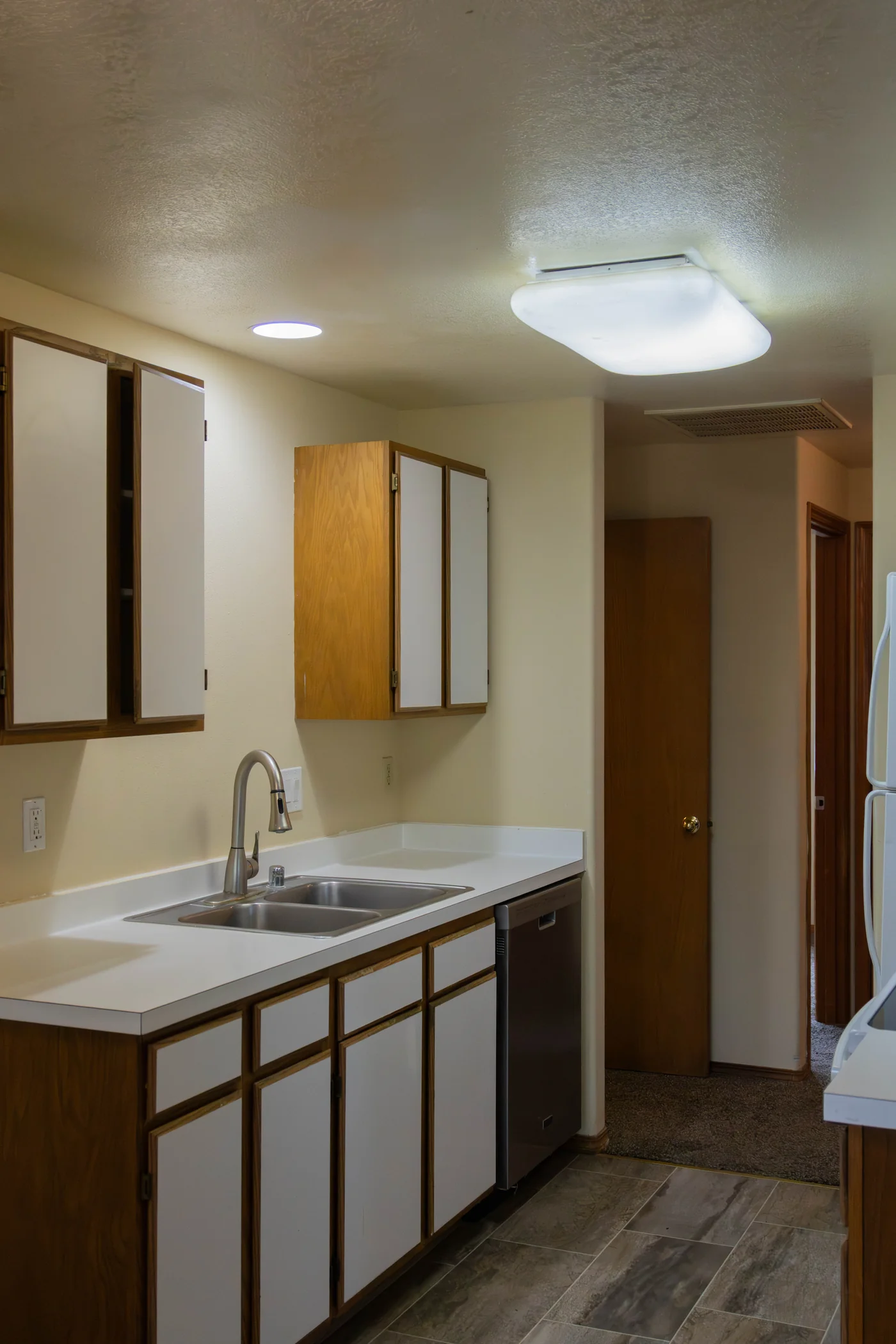
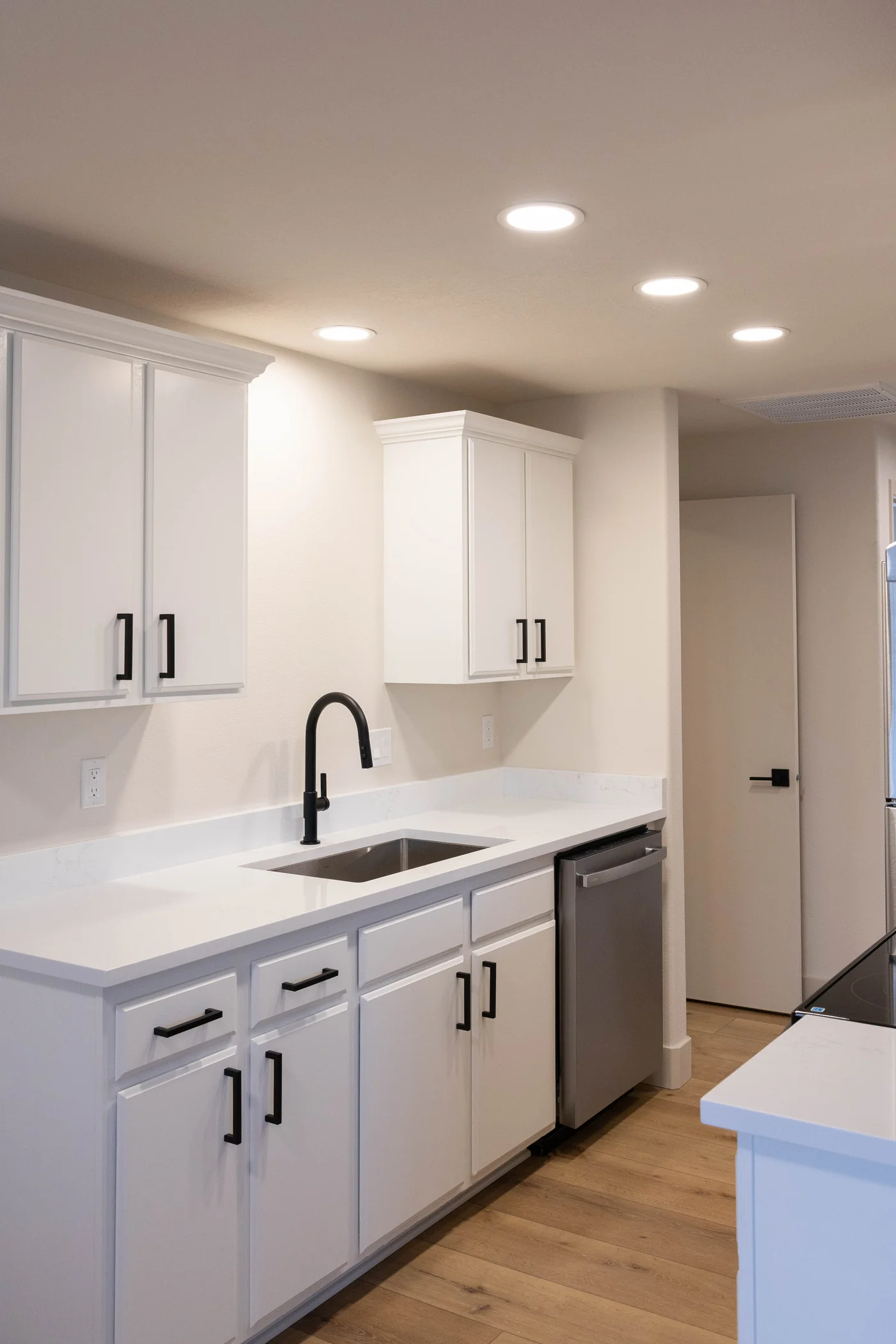
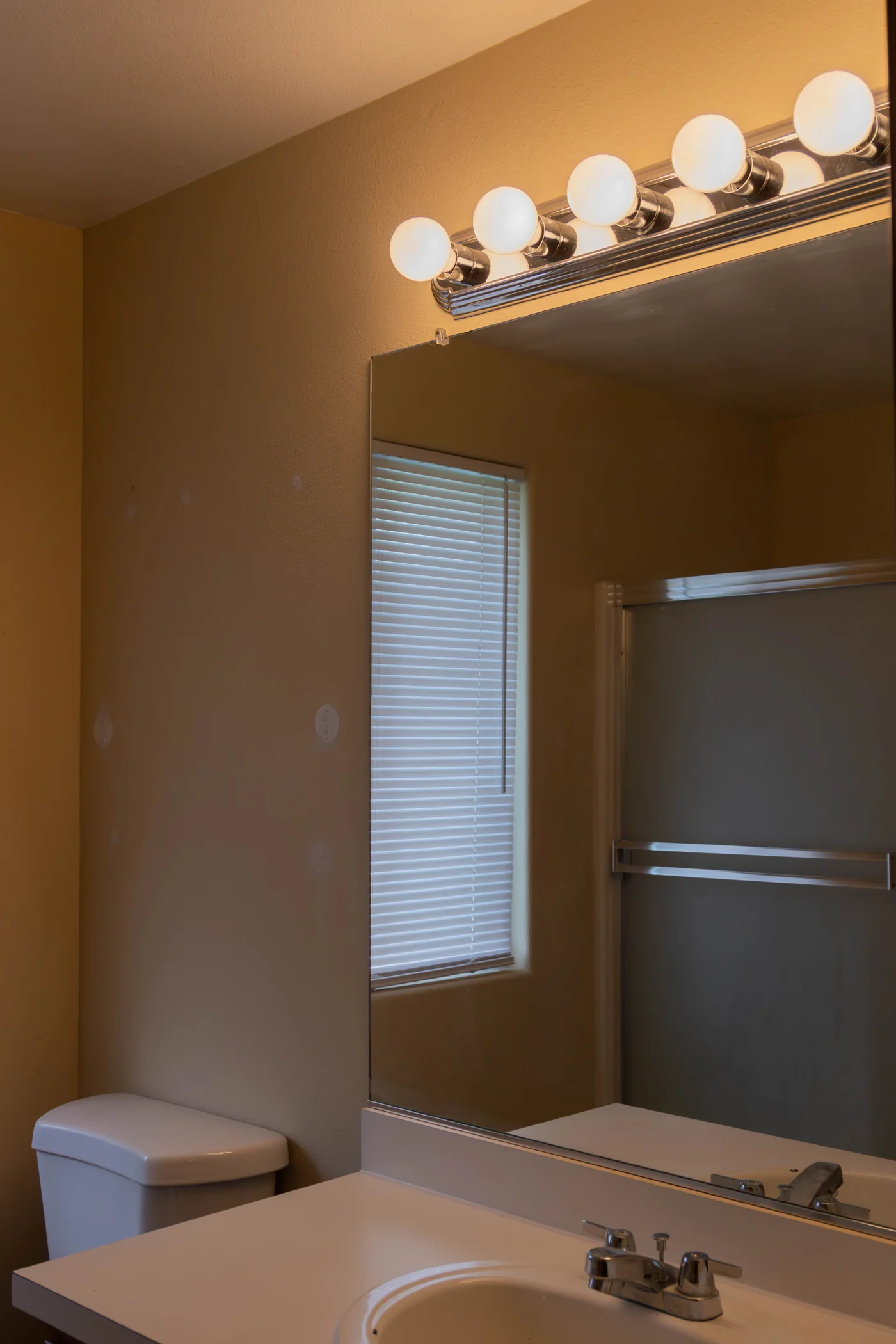
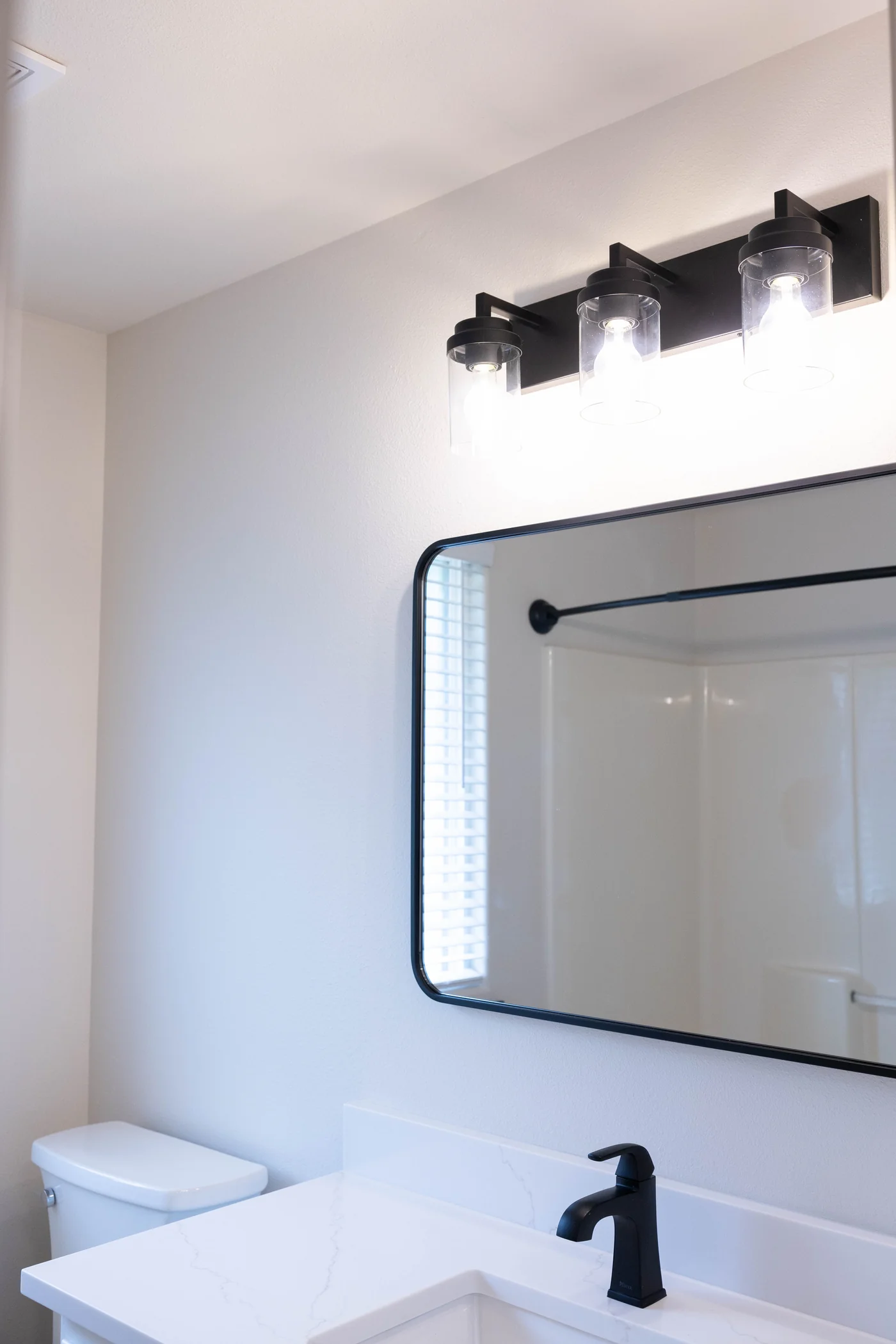
Three real projects, photo-documented for the insurance carrier. Drag each handle to compare.
“One of the pipes in the shower burst and water damage got all over the roof in the kitchen. As new home owners we were very scared and panicked. We contacted Kelly Farmer from Robinson Restoration and believe me when I say I felt like more than half of my problem was solved.”
Nav Basra · Google Review
“Just started a project with Cole and Chuck at Robinson Restoration and had to write a review straight away. These guys have been fantastic. We were away on a week long trip when we had a kitchen leak that destroyed our flooring and subfloor.”
Justin O'Neill · Google Review
“I want to express our sincere gratitude to the Robinson team that quickly moved to identify, rectify, repair, and then clean up the mess left by an itty-bitty hot water leak that went unnoticed because of its location.”
Michael Quinn · Google Review
In Washington, you choose your restoration contractor, and your carrier can’t penalize you for it. We document every Cinebar loss with moisture maps, photos, and daily readings, then bill your insurer directly. You pay your deductible. That’s it.
Subject to policy coverage and deductible. We handle the paperwork, photos, and adjuster calls.
Rural properties east of the valley often sit on well systems and septic, which changes how a water loss gets handled. Our technicians cover Cinebar and the surrounding foothills. Dispatch is live 24 hours a day, and the responding truck arrives with extraction equipment, air movers, and dehumidifiers ready to run. Once the scope is documented, the claim gets billed straight to your insurer.
Yes. Cinebar and the rural properties around it are inside our regular service area, and dispatch is staffed 24 hours a day. Tell us about the driveway, any gate code, whether power is on, and whether there are animals on the property. That extra minute on the phone keeps the crew from arriving without the right truck or the right gear.
Shut the well pump off at the breaker before power comes back, and close the main valve to the house if you can reach it safely. That single step prevents most of the damage, because a split line only floods once the system repressurizes. Then call. We bring generators, so a Cinebar job does not have to wait on the utility.
Usually, if the home was heated or properly winterized. Carriers get particular when a rural property sat vacant and unheated through a cold snap, which is a common situation with cabins and seasonal places around Cinebar. Document the heat source, the outage, and the timeline. We photograph the split, the affected area, and the conditions we found, and that record supports the claim.
It can, in specific situations. Surface water reaching a wellhead, a flooded pump house, or a septic backup near the well are the ones that matter. If any of that happened, treat the water as unsafe until testing says otherwise and contact Lewis County public health. We handle the building side: extraction, removal of contaminated material, cleaning, and documented drying of the structure.
Regularly. They just take a different approach. Plumbing runs through the floor cavity above the belly board, so water collects in insulation instead of running out. We open the underside, remove saturated insulation, meter the floor decking from below, and dry the cavity rather than the carpet. Skipping that step is why manufactured homes around Cinebar end up with soft floors later.
Most residential drying runs three to five days with equipment monitored daily. Cost depends on the affected footprint, the water category, and what has to come out, and you get a written scope before we start. For insured losses we bill the carrier directly, so a Cinebar homeowner typically pays only the deductible. Uninsured work gets a flat written estimate up front.
Broken line on a rural property? Call now and we'll roll a truck loaded for Cinebar conditions.
Licensed · Insured · IICRC Certified · Serving Washington & Oregon