Robinson Restoration is an IICRC-certified water damage restoration company serving Des Moines, WA. Crews dispatch 24 hours a day, arrive on-site in 90 minutes or less, document the readings and photos your carrier needs, and bill your insurance directly on covered claims.
Des Moines runs along the Puget Sound shoreline between Federal Way and Burien, with bluff-top homes, marina-district condos, and a lot of midcentury neighborhoods in between. Robinson Restoration handles water losses across Des Moines, from burst pipes to slide-driven intrusion, with certified crews and a claim file that holds up.
Most of the housing here went up between the 1950s and 1970s, which puts water heaters, supply lines, and drains right in the window where they fail. The bluffs above the Sound are prone to saturation and movement in wet winters, and homes near Saltwater State Park and Redondo deal with runoff that finds its way into daylight basements. Condos near the marina and along Marine View Drive add the shared-wall problem, where one unit's leak becomes three claims.
Des Moines is minutes from our Kent operation, and dispatch is staffed 24 hours a day. Crews arrive with extraction and drying equipment sized for the whole house, log moisture readings on every visit, and photograph each stage. We dry to IICRC S500 standards and bill your insurance carrier directly on covered claims, and we coordinate any rebuild through vetted licensed contractors.

Des Moines calls get a Kent crew with a full drying load, targeting on-site in 90 minutes or less, any hour of the night.
24 hours a day, 7 days a week, our crews dispatch the moment you call and start mitigation the same visit. Call dispatch or message us for immediate help.
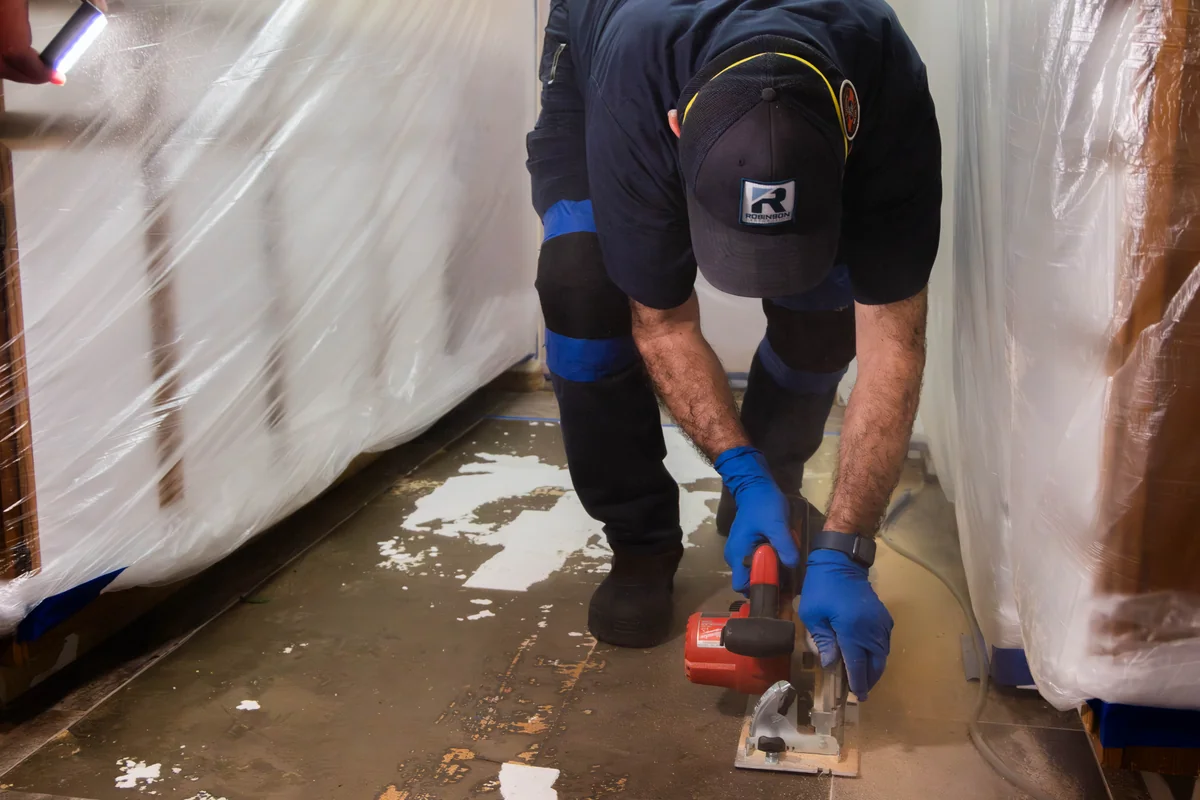
We stop further damage with commercial extraction, structural drying, and antimicrobial treatment, and we walk you through the entire insurance claim as we work.
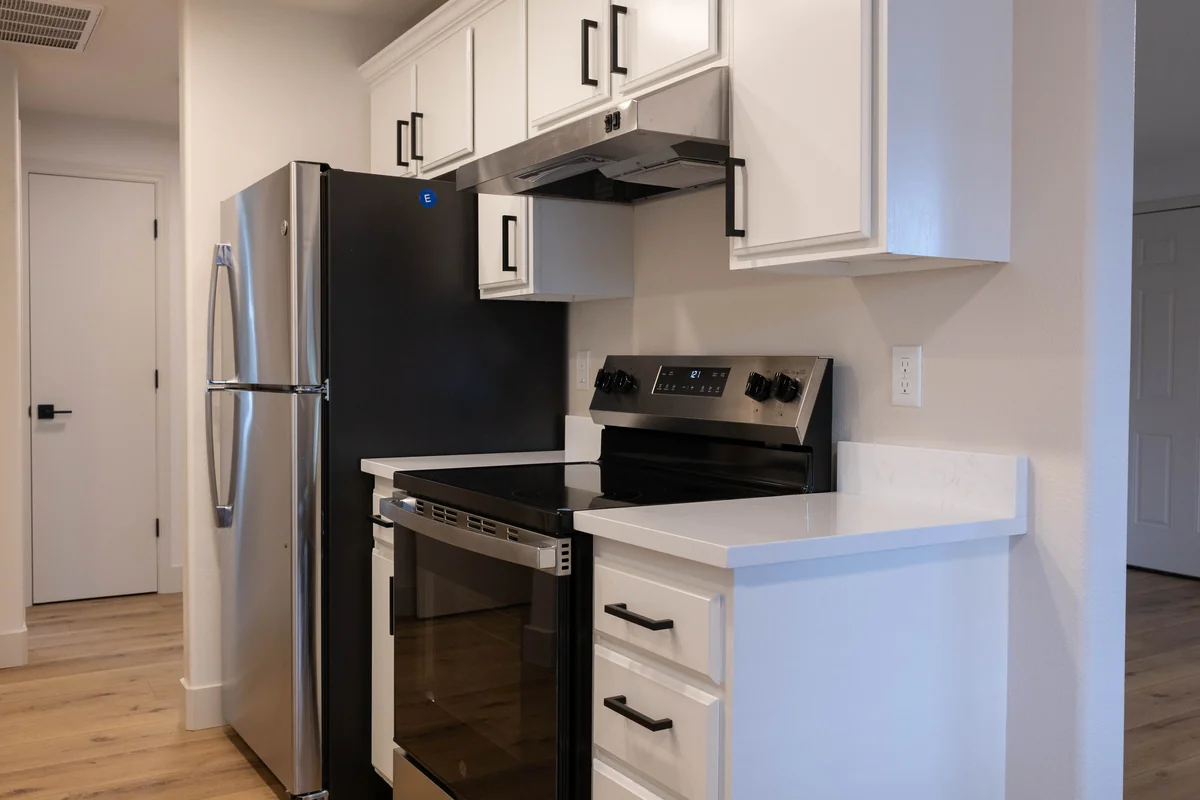
We manage your rebuild to pre-damaged condition through our trusted network of licensed contractors and sister companies. One manager, one timeline.
The bluffs above the Sound hold a lot of water after a long wet stretch, and it comes out through basement walls, under slabs, and around foundations. Homeowners on the view lots see it as damp carpet or a musty smell first. We dry it, remove damaged materials, and help you find where it is getting in.
Des Moines has block after block of homes built in the 1950s and 1960s. Original galvanized supply lines, cast iron drains, and water heaters in closets with no drain pan all fail on roughly the same schedule. The break is usually behind a wall or under a floor, so the water spreads before it shows.
Condos near the marina and along the waterfront share walls, floors, and often a single supply riser. When a unit floods, the water goes down and sideways into neighbors. We coordinate with the HOA, keep documentation separate for each unit and policy, and dry the shared structure as one job.
Everything west of Pacific Highway drains downhill toward the water, and heavy rain overwhelms yard drains and footing drains along the way. Daylight basements and garages built into the slope catch the overflow. The damage looks minor at first and turns into rot and mold if it sits.
Most of the losses we run in Des Moines start one of three ways: water heater failures, burst and leaking pipes, and flooding and groundwater. Here is why each one happens here, and what it takes to dry it properly.
Tank water heaters in Des Moines' midcentury homes sit in hall closets and garages, often with no pan, and fail by rupturing the tank bottom and flooding the floor around them.
Original galvanized supply lines in 1950s and 1960s homes corrode at the threads and let go inside walls, where the damage soaks framing and insulation before a stain appears.
Saturated bluffs and slope runoff push water into daylight basements and garages along the shoreline neighborhoods, a slow intrusion that damages flooring and framing over weeks.
Water is how most losses start. It’s rarely where they end. The same local crew handles all of it.
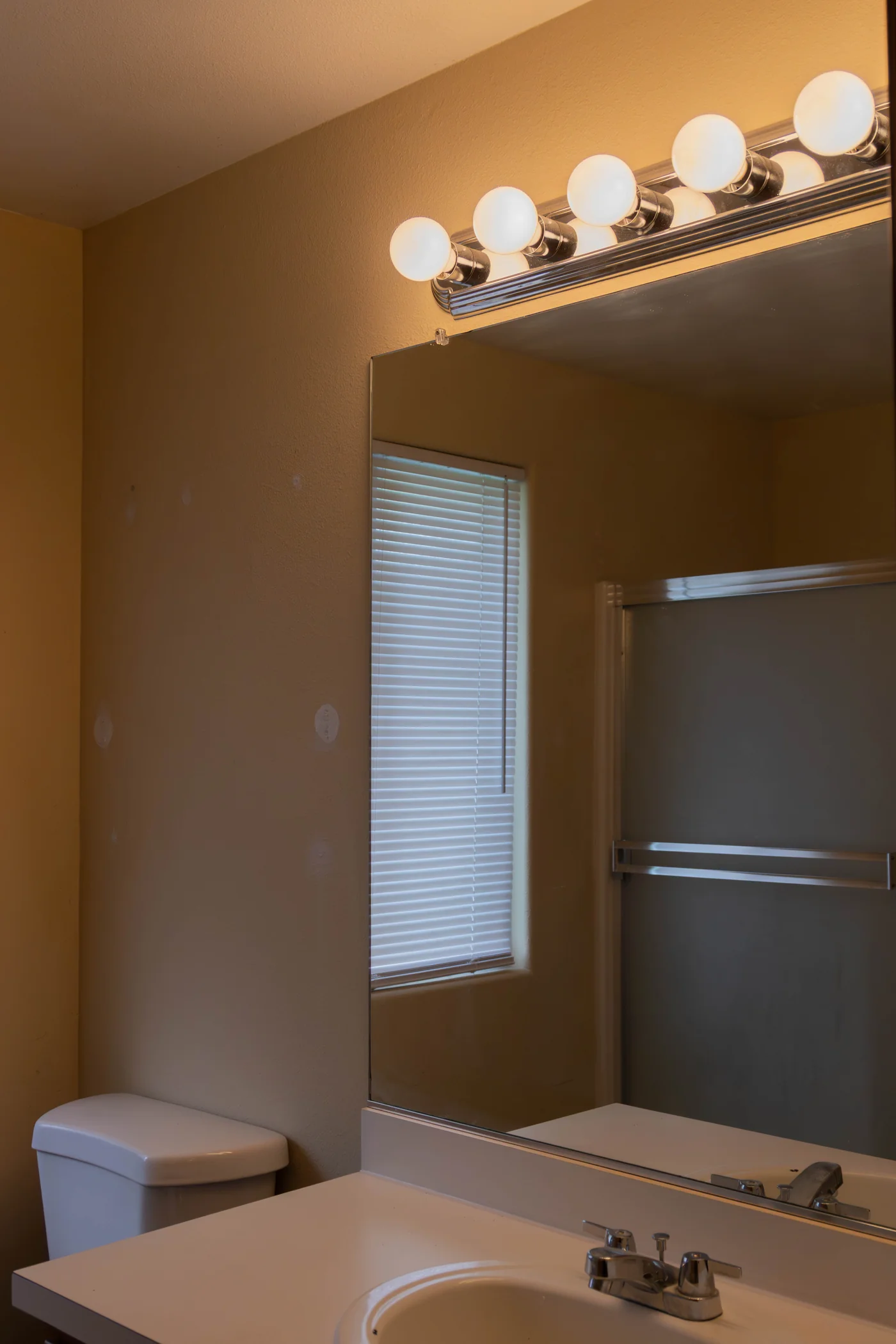
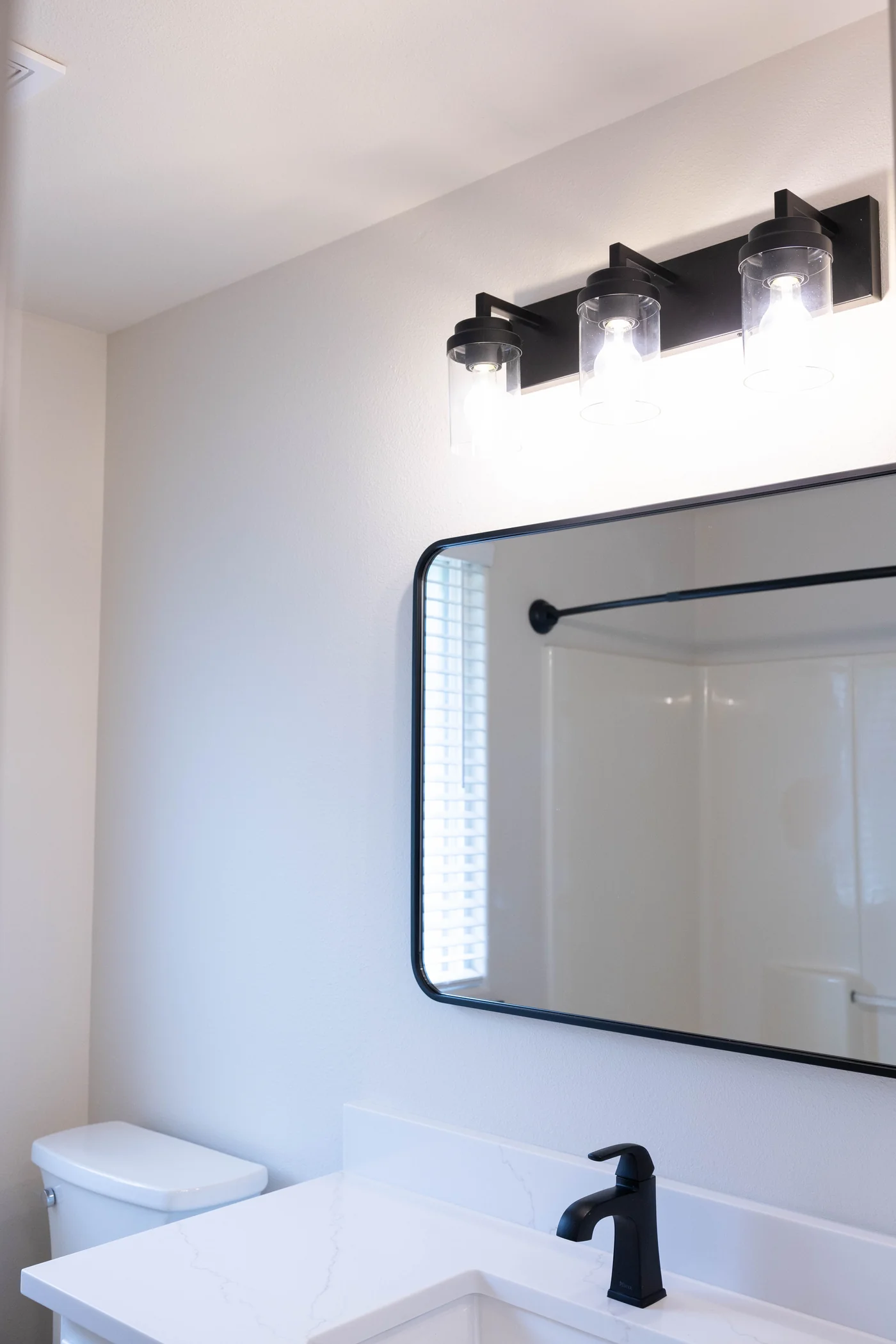
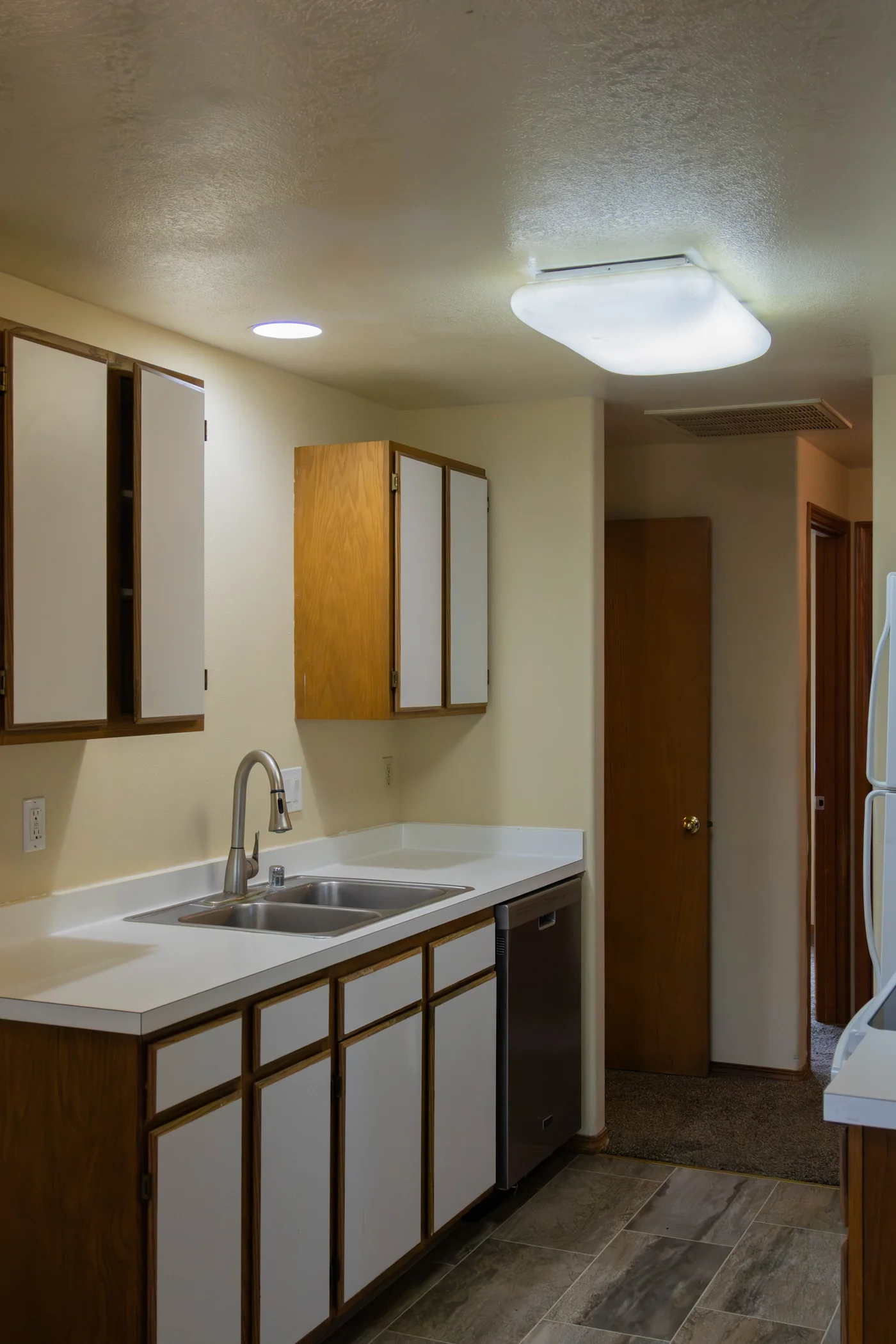
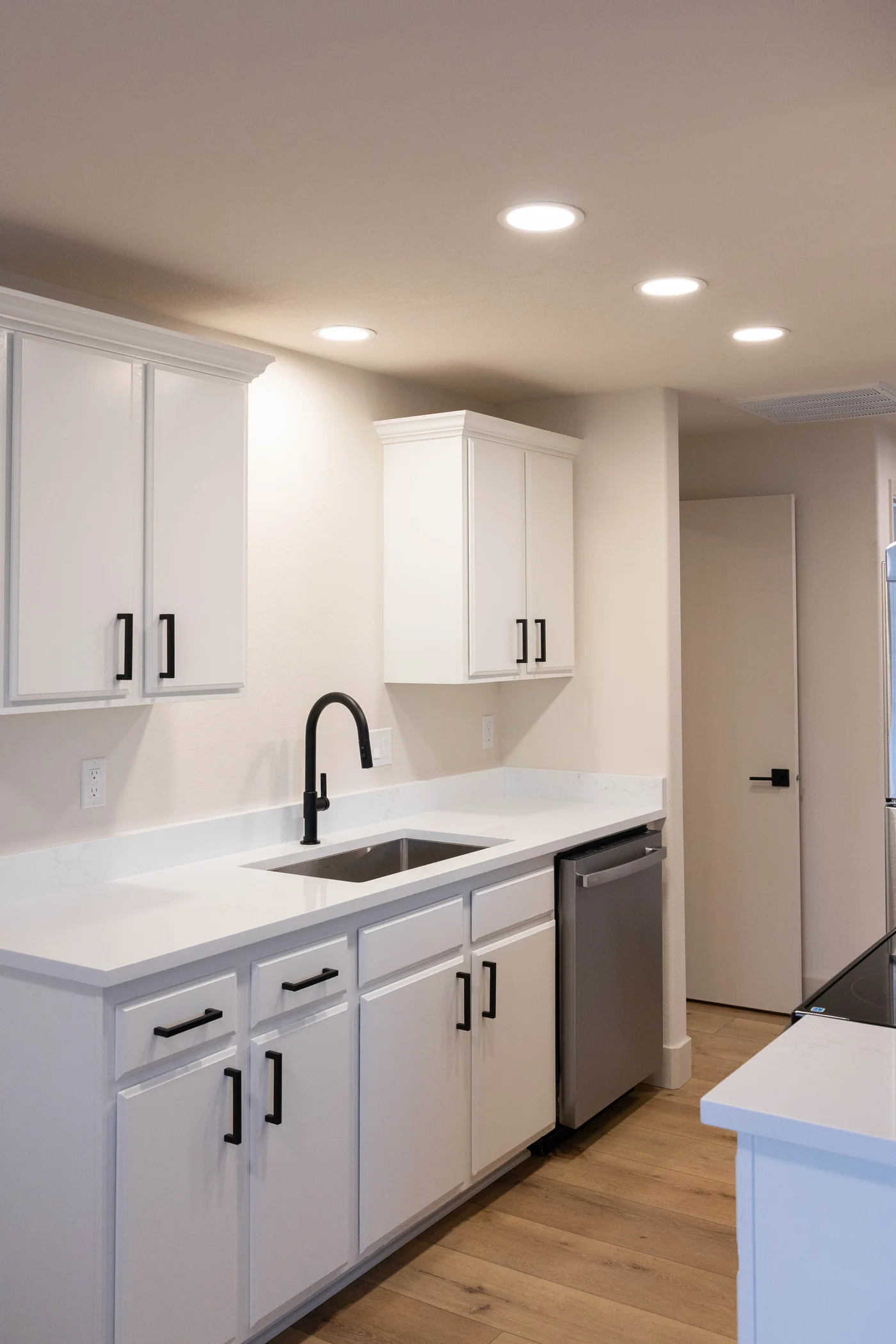
Three real projects, photo-documented for the insurance carrier and backed by our 5-year workmanship warranty. Drag each handle to compare.
“We had a major sewer back up a couple of weeks ago, into the laundry room and downstairs bathroom. Panic! We were referred to Robinson Restoration and what a blessing. The whole crew has been wonderful.”
Lynn Dee King · Google Review
“One of the pipes in the shower burst and water damage got all over the roof in the kitchen. As new home owners we were very scared and panicked. We contacted Kelly Farmer from Robinson Restoration and believe me when I say I felt like more than half of my problem was solved.”
Nav Basra · Google Review
“Just started a project with Cole and Chuck at Robinson Restoration and had to write a review straight away. These guys have been fantastic. We were away on a week long trip when we had a kitchen leak that destroyed our flooring and subfloor.”
Justin O'Neill · Google Review
In Washington, you choose your restoration contractor, and your carrier can’t penalize you for it. We document every Des Moines loss with moisture maps, photos, and daily readings, then bill your insurer directly. You pay your deductible. That’s it.
Subject to policy coverage and deductible. We handle the paperwork, photos, and adjuster calls.
Des Moines is one of the closest cities to our Kent operation, and dispatch is live 24 hours a day. When you call, the dispatcher confirms which crew is coming and an arrival window, and for active water losses we aim to be on-site in 90 minutes or less. The crew arrives with extraction and drying equipment for the whole house.
Usually not. Groundwater and surface runoff are excluded from standard homeowners policies, and that is what most bluff intrusion is. We will dry the space, remove damaged materials, and identify the entry point, and we will be honest about the cost since it is likely out of pocket. Sudden events like a burst pipe are a different story and are generally covered.
It depends on the HOA's master policy, your own HO-6 policy, and the neighbor's. We keep the documentation for each unit separate, with its own moisture map and photos, so every adjuster involved has a clear file. We also work with the HOA on shared-wall drying so the building is handled as one structure rather than three arguments.
Often they can be saved if we get there early. We use floor drying mats that pull moisture up through the wood and take daily readings to track it. Cupping usually flattens as the wood dries. When a floor has been wet too long, the readings tell us, and we document that for the replacement claim.
Yes. We work with property managers and landlords on units near Highline College and along Pacific Highway, coordinating tenant access and keeping documentation clean for the owner's policy. Multi-unit losses need containment so water from one unit does not become a problem in another.
In Des Moines' damp climate, mold can start within a couple of days of a leak. Discoloration, a musty smell, or soft drywall usually means it has been wet for a while. We check with moisture meters and thermal imaging, contain and remove affected materials, and treat the framing. Mold from a covered water loss goes into the same claim.
Standing water in Des Moines does not drain itself. Call Robinson and get a crew rolling from Kent.
Licensed · Insured · IICRC Certified · Serving Washington & Oregon