Robinson Restoration is an IICRC-certified water damage restoration company serving Graham, WA. Crews dispatch 24 hours a day, arrive on-site in 90 minutes or less, document the readings and photos your carrier needs, and bill your insurance directly on covered claims.
Graham spreads across the foothill country south of Puyallup, mostly acreage lots, wells, and septic systems instead of city utilities. Water damage plays out differently on property like that. Our crews arrive with extraction gear, moisture meters, and enough drying equipment for a house and a shop, any hour of the night.
The building stock here is younger than in the older Pierce County towns: 1990s and 2000s subdivisions, manufactured homes on five-acre parcels, shops and barns behind the house. Glacial till sits under most of it, which drains poorly and perches water a few feet down. After a wet November the ground stops taking anything, and crawlspaces on flat lots stay damp until spring unless somebody dries them out.
Pierce County calls run through our Kent operations center, staffed 24 hours, and for most of the area we target on-site in 90 minutes. Technicians map moisture before anything gets cut, follow IICRC S500 for the drying plan, and log readings daily so the file holds up with an adjuster. Direct billing is available with most carriers, and rebuild work goes through licensed contractors we vet and manage ourselves.

Long driveways, gated lots, and homes set back off Meridian are routine for our crews, and the dispatch line never goes to voicemail.
24 hours a day, 7 days a week, our crews dispatch the moment you call and start mitigation the same visit. Call dispatch or message us for immediate help.
We stop further damage with commercial extraction, structural drying, and antimicrobial treatment, and we walk you through the entire insurance claim as we work.
We manage your rebuild to pre-damaged condition through our trusted network of licensed contractors and sister companies. One manager, one timeline.
Dig anywhere in Graham and you hit hardpan, a dense layer that stops water from soaking away. Winter rain sits on top of it and moves sideways instead of down. That is why so many crawlspaces here hold standing water in February even without a plumbing failure, and why drying has to include the vapor barrier and insulation underneath.
There is no city meter to shut off out here. When a line breaks, the well keeps feeding it until the pump breaker gets pulled, and that can mean hundreds of gallons through a wall cavity. Know where your pressure tank and breaker are before you need them. We handle the extraction, then verify the system before it goes back into service.
A manufactured home hides water where you cannot see it. Wet insulation collects in the belly board under the floor and stays there, rusting ductwork and swelling particleboard decking from below. Standard fans in the hallway do nothing for that. Drying these homes correctly means opening the belly, removing saturated insulation, and metering the decking itself.
Most parcels here carry more than a house: a pole building, a horse barn, a garage with a slab. Those structures are usually uninsulated and unheated, so a broken hydrant line or a leaking roof panel goes unnoticed for weeks. We scope and document detached buildings separately, because policies often treat them under different limits than the dwelling.
Most of the losses we run in Graham start one of three ways: burst and leaking pipes, appliance failures, and frozen and split pipes. Here is why each one happens here, and what it takes to dry it properly.
Crawlspace runs on well-fed systems have no street shutoff, so a split line keeps pumping until the pump breaker is off. By then insulation, joists, and subfloor are already soaked.
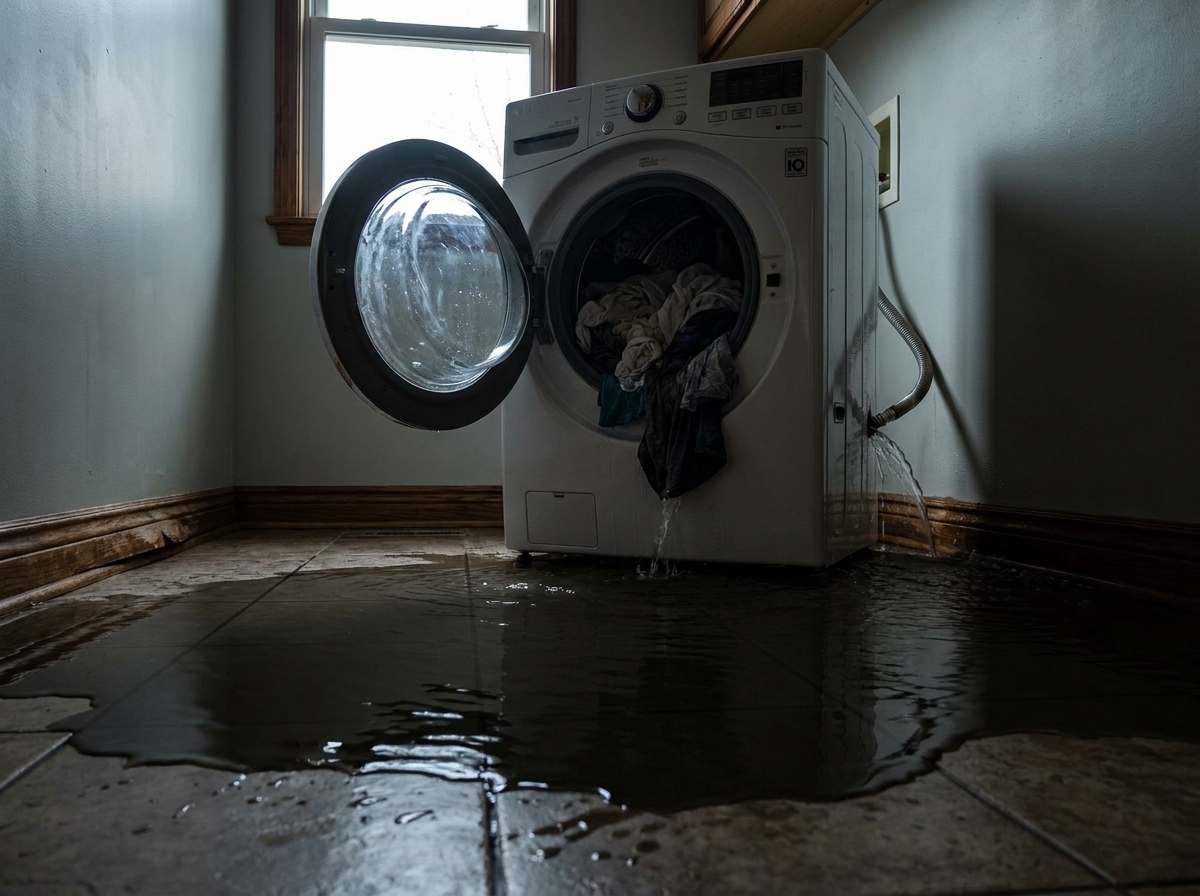
Newer Graham subdivisions put laundry upstairs. A failed supply hose or a leaking washer pan sends water down through the ceiling, into wall cavities, and out along the main-floor baseboards.
Cold east wind out of the Cascades drops temperatures hard for a few nights each winter. Uninsulated crawlspace lines, hose bibs, and shop plumbing split first, then run when it warms back up.
Water is how most losses start. It’s rarely where they end. The same local crew handles all of it.
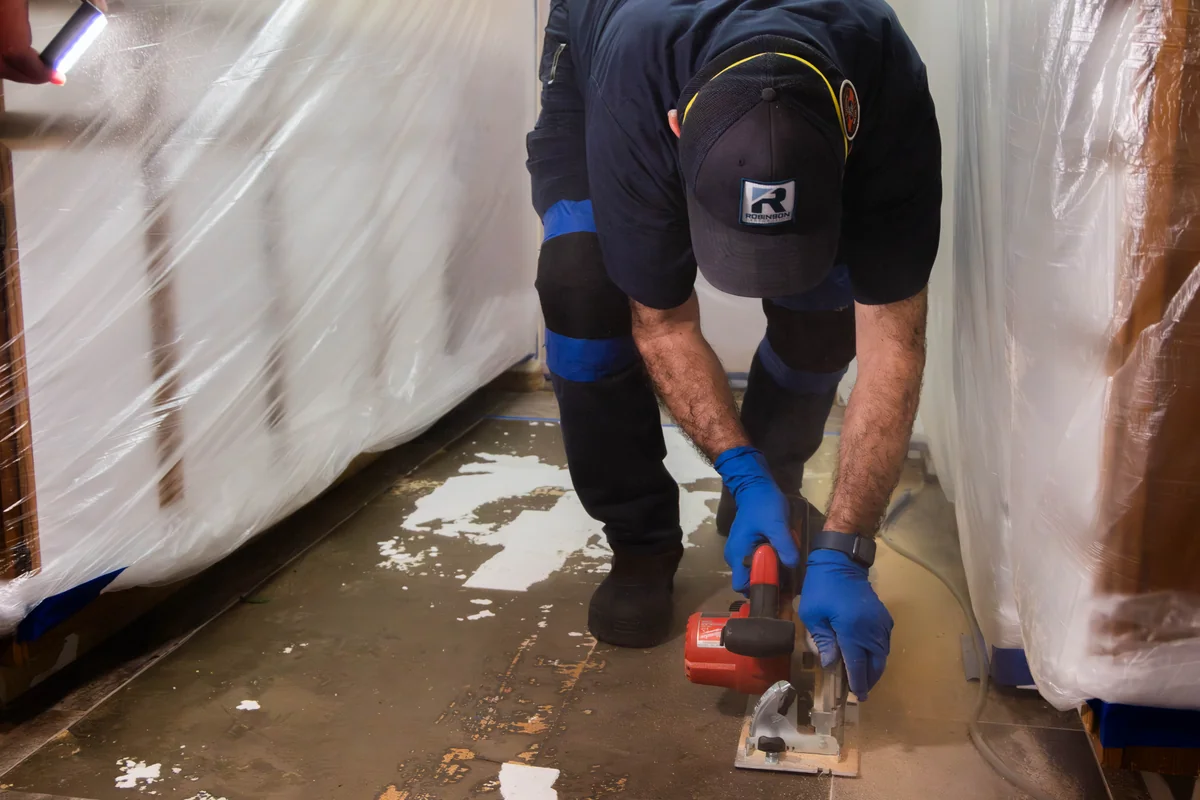
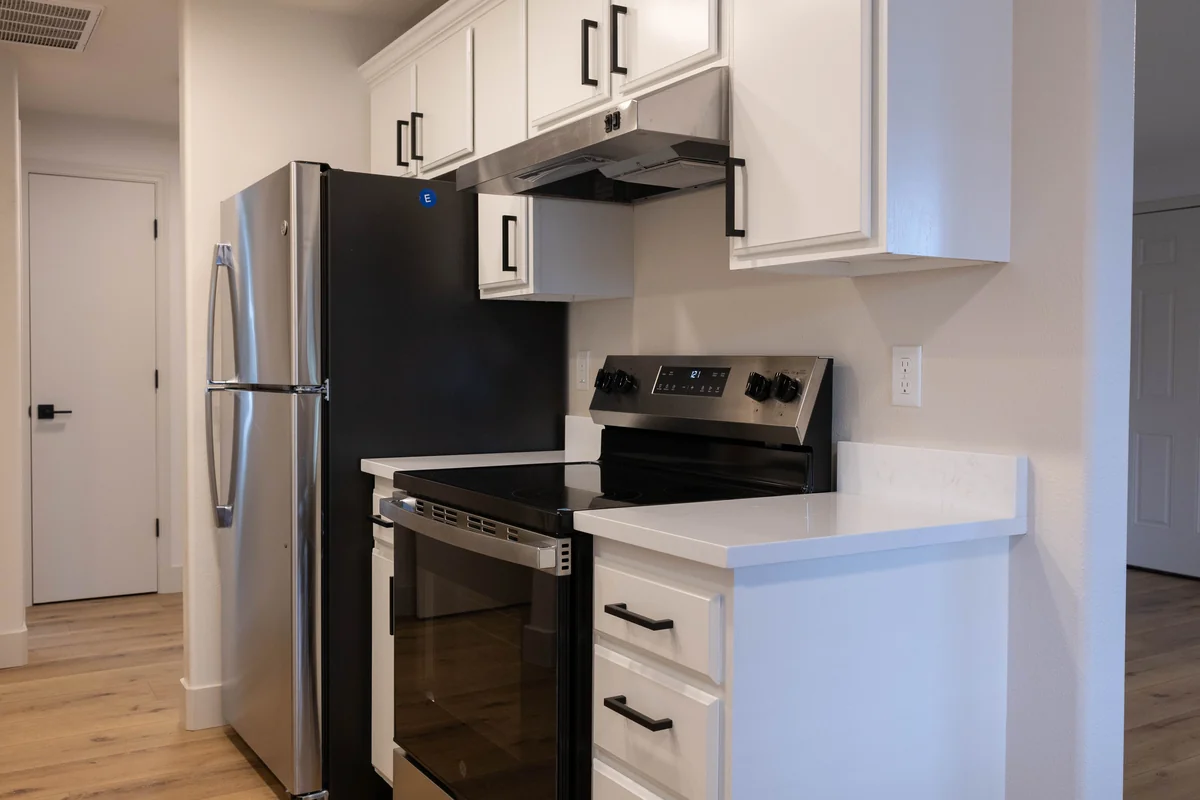
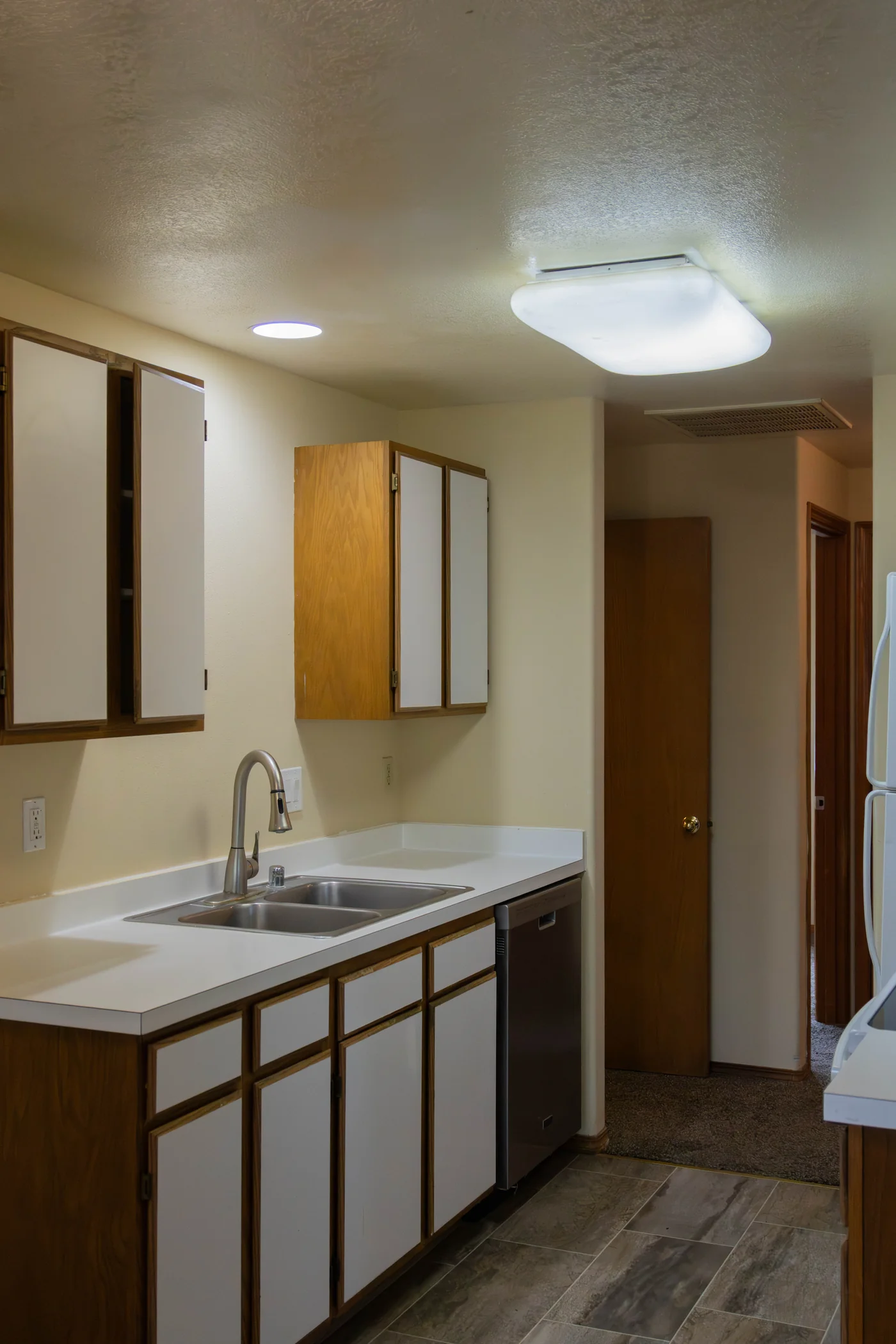
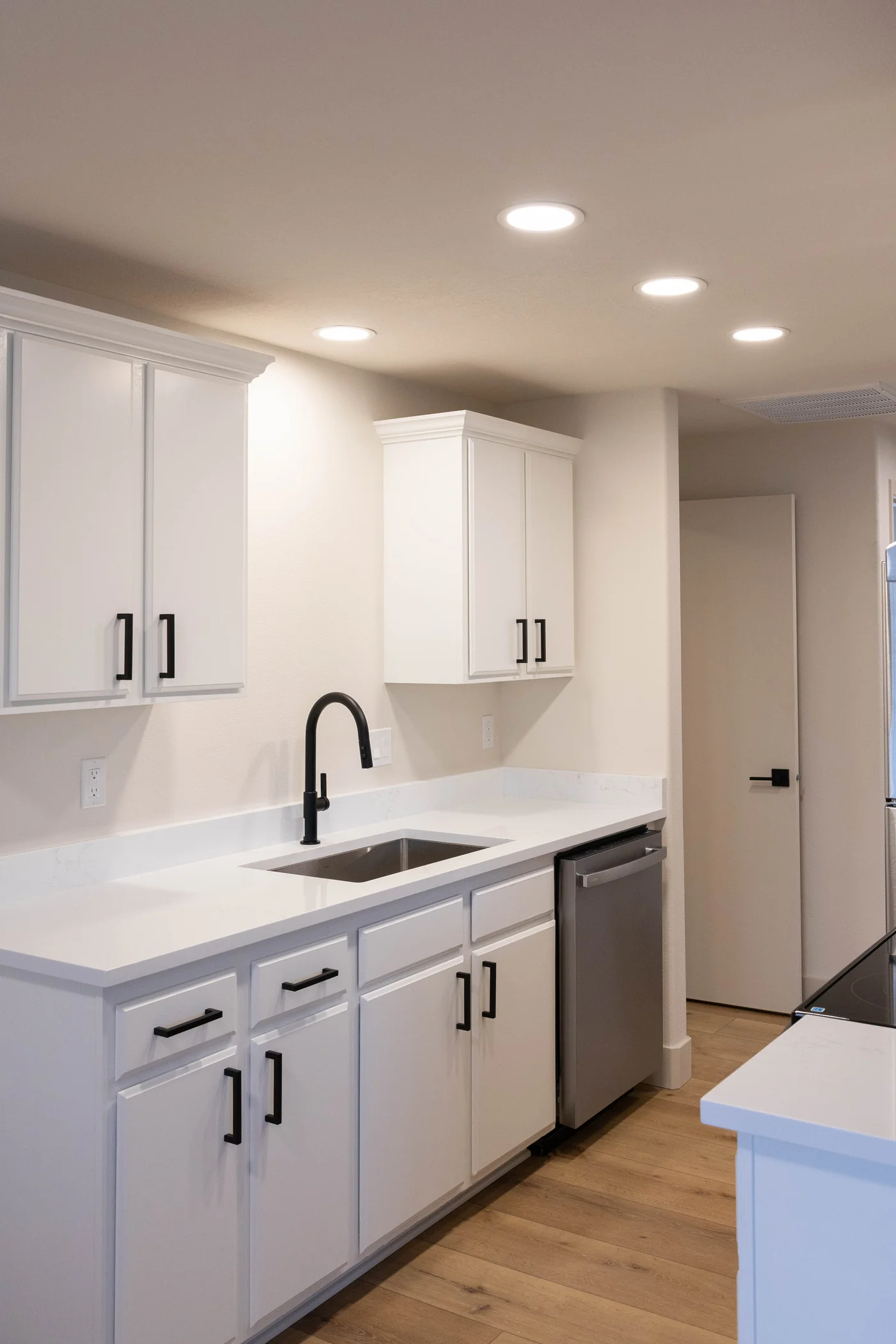
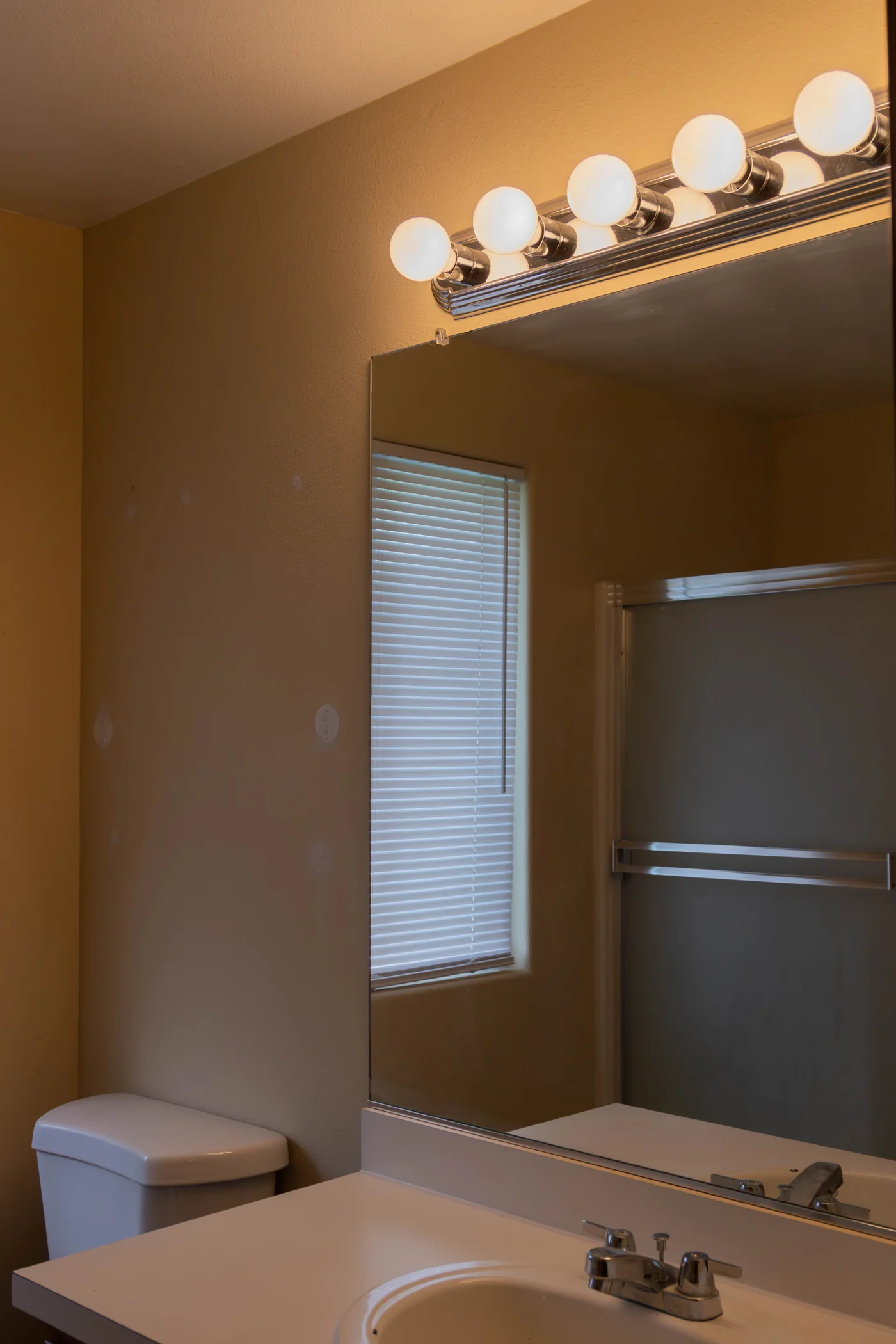
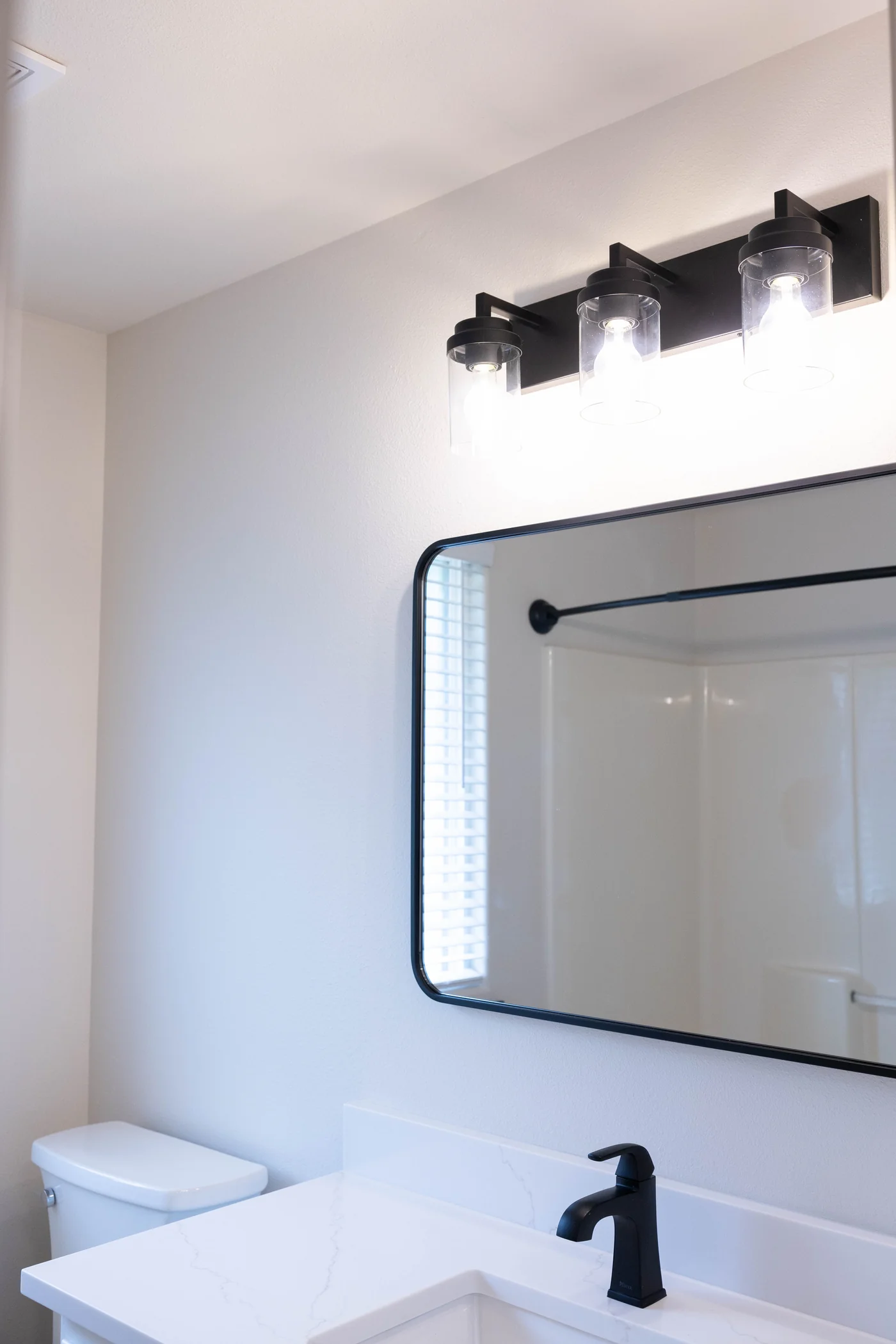
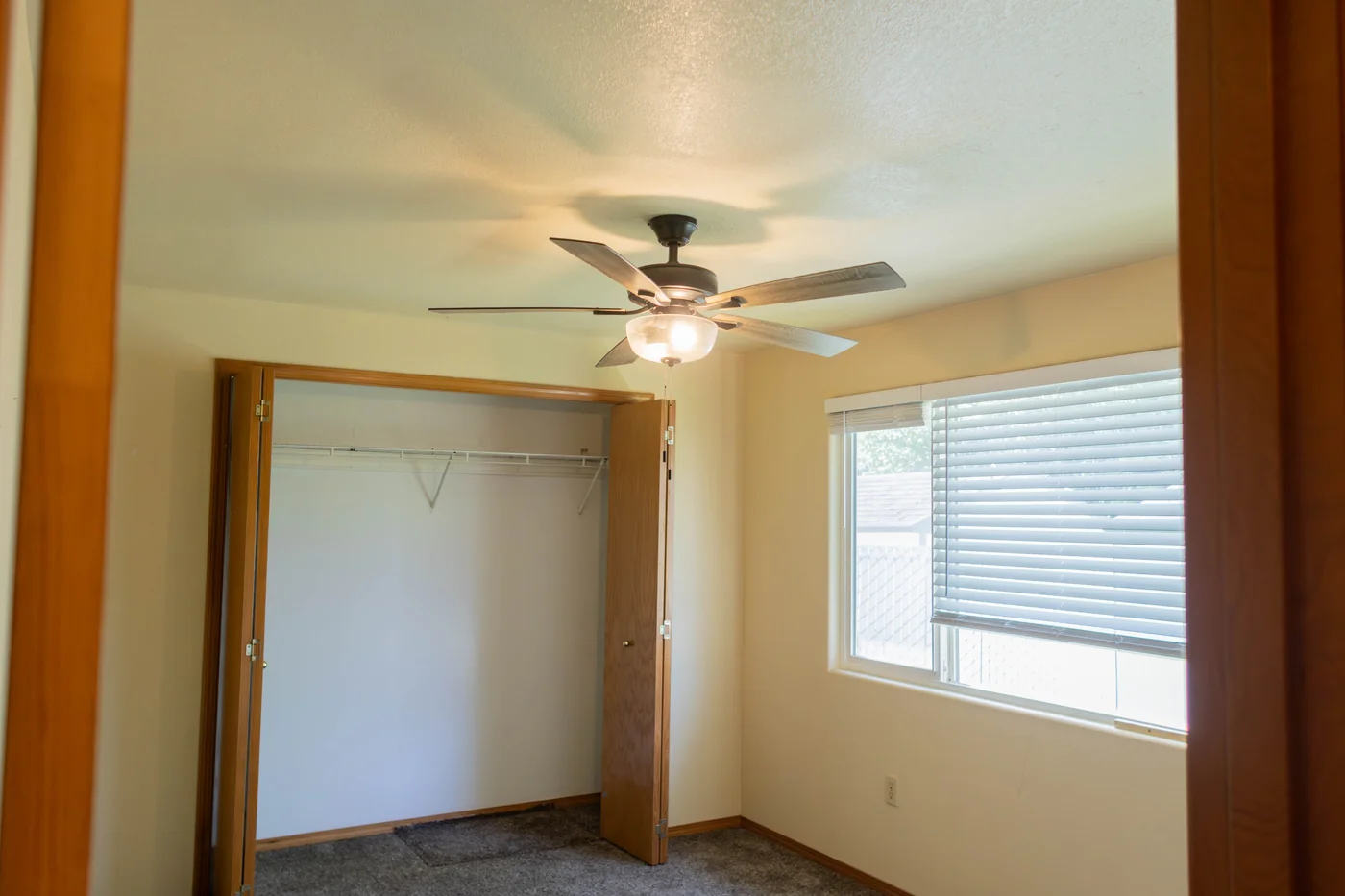
Three real projects, photo-documented for the insurance carrier. Drag each handle to compare.
“We hired Robinson Restoration after a boiler joint failed and leaked what we thought was a small amount of water in our laundry room, but turned out to be more serious than it appeared. They did a fantastic job from first contact to insurance claim approval.”
Randi Covin · Google Review
“We had a major sewer back up a couple of weeks ago, into the laundry room and downstairs bathroom. Panic! We were referred to Robinson Restoration and what a blessing. The whole crew has been wonderful.”
Lynn Dee King · Google Review
“One of the pipes in the shower burst and water damage got all over the roof in the kitchen. As new home owners we were very scared and panicked. We contacted Kelly Farmer from Robinson Restoration and believe me when I say I felt like more than half of my problem was solved.”
Nav Basra · Google Review
In Washington, you choose your restoration contractor, and your carrier can’t penalize you for it. We document every Graham loss with moisture maps, photos, and daily readings, then bill your insurer directly. You pay your deductible. That’s it.
Subject to policy coverage and deductible. We handle the paperwork, photos, and adjuster calls.
Call any hour and a person answers instead of an answering service that leaves a message for morning. Graham has a Robinson crew assigned to it, and that crew can be on-site in 90 minutes or less with extraction units, air movers, and dehumidifiers ready to run. Your insurance carrier gets billed directly, along with the documentation adjusters expect.
Dispatch answers 24 hours a day and we target on-site in 90 minutes across most of Pierce County. Give the dispatcher your gate code, the driveway situation, and any dogs on the property so the crew is not stuck at the road. While you wait, shut off the pump breaker or the main valve and get belongings off wet flooring.
In Graham it is usually groundwater sitting on hardpan rather than a leak. The tell is timing: plumbing failures show up suddenly and in one spot, while perched groundwater arrives with the wet season and spreads across the low side of the crawlspace. We meter it, dry the structure, and tell you which one you have before anybody starts pricing repairs.
Stop using water immediately, including toilets and the washer, so nothing adds to the backup. Septic backups are category three, meaning porous materials that absorbed it get removed instead of dried. We contain the area, extract, clean and treat hard surfaces, then dry the structure. Getting the tank pumped or the drainfield looked at is a separate call, and we will tell you plainly if that is what you need.
Most can be dried if we get to them early. The work is different from a stick-built house: the belly wrap gets opened, saturated insulation comes out, and readings are taken at the decking rather than the surface. Particleboard that has already swelled and delaminated does need replacement, and we will show you the meter numbers behind that call.
We bill most carriers directly, so you pay your deductible and we handle the rest of the paperwork. The file we send includes moisture readings, equipment logs, photos, and a line-item scope in the format adjusters expect. If your carrier pushes back on part of the scope, we defend it with the documentation rather than asking you to argue it.
Detached structures usually fall under a separate limit on a homeowners policy, often a percentage of the dwelling coverage. Because Graham parcels almost always have outbuildings, we scope and photograph them as their own line item so the claim reflects the real loss. Drying an unheated pole building takes different equipment than a finished interior, and we bring it.
Every hour water sits in a Graham crawlspace costs more to fix. Call and get crews rolling.
Licensed · Insured · IICRC Certified · Serving Washington & Oregon