Robinson Restoration is an IICRC-certified water damage restoration company serving Roy, WA. Crews dispatch 24 hours a day, arrive on-site in 90 minutes or less, document the readings and photos your carrier needs, and bill your insurance directly on covered claims.
Out on the Nisqually prairie, a failed well pump or a split line under a manufactured home can run all night before anyone hears it. Roy sits far enough out that most crews treat it as an afterthought. We don't. Call any hour and a certified team is dispatched with extraction gear and a documented plan.
Housing out here runs to farmhouses, doublewides on acreage, and newer builds on five-acre parcels, most of them on private wells and septic. The prairie soil is glacial outwash gravel, so surface water disappears fast while the water under your floor does not. Pump houses and pressure tanks sit in unheated sheds. Crawlspaces are vented and open to prairie wind, and a January cold snap here bites harder than it does closer to the Sound.
Dispatch runs 24/7 and our Kent crews carry generators, so a long gravel driveway and no power at the house doesn't stall the job. Techs work to IICRC S500: moisture mapped before demo, readings logged daily, photos of every wet assembly. We bill your carrier directly, and rural policies get read closely, since well and septic language varies. Rebuild work is managed through vetted licensed contractors and our sister companies.

Roy calls get a crew with rural gear on the truck: generators, extra hose, and drying equipment sized for outbuildings and crawlspaces.
24 hours a day, 7 days a week, our crews dispatch the moment you call and start mitigation the same visit. Call dispatch or message us for immediate help.
We stop further damage with commercial extraction, structural drying, and antimicrobial treatment, and we walk you through the entire insurance claim as we work.
We manage your rebuild to pre-damaged condition through our trusted network of licensed contractors and sister companies. One manager, one timeline.
Nearly every property out here draws from a private well. When a pressure tank bladder fails or a fitting in the pump house lets go, there's no city meter to shut off and no neighbor to notice. Water runs until someone kills the breaker. We've pulled soaked insulation out of crawlspaces where a supply line dripped for a week straight.
A lot of Roy area homes sit on piers behind vinyl skirting, and that changes how water behaves. A leak above the floor soaks into the belly wrap and pools there instead of draining, which hides the damage and keeps the subfloor wet for weeks. Drying one takes cut access, directed airflow under the floor, and readings taken through the decking.
The prairie has no tree cover to hold heat, so a clear cold night drops temperatures lower here than in town. Exposed hose bibs, pump house lines, and pipes running through unheated shop space are the first to split. Most of the calls come on the thaw, when pressure returns and a hairline crack starts putting out water at full flow.
Hay barns, horse stalls, and metal shops are part of the property here, and so are rental houses filled by families stationed at Joint Base Lewis-McChord. Tenants often find a loss late, and landlords are usually working from another state. We document everything for both parties, keep the file clean for the carrier, and coordinate access so drying isn't waiting on a phone call.
Most of the losses we run in Roy start one of three ways: frozen and split pipes, sewage backups, and burst and leaking pipes. Here is why each one happens here, and what it takes to dry it properly.
Clear prairie nights and no windbreak push pipe temperatures below what an unheated pump house or vented crawlspace can protect. Lines split at the coldest point and let go once the thaw brings pressure back.
Septic is standard out here, and a saturated drainfield in midwinter has nowhere to send effluent. It comes back through the lowest drain in the house, which makes it a Category 3 loss from the first minute.
Well water runs hard here, and decades of mineral scale plus older poly and galvanized fittings mean joints fail without warning. On acreage, nobody hears it, so the water keeps moving until the next visit to the pump house.
Water is how most losses start. It’s rarely where they end. The same local crew handles all of it.
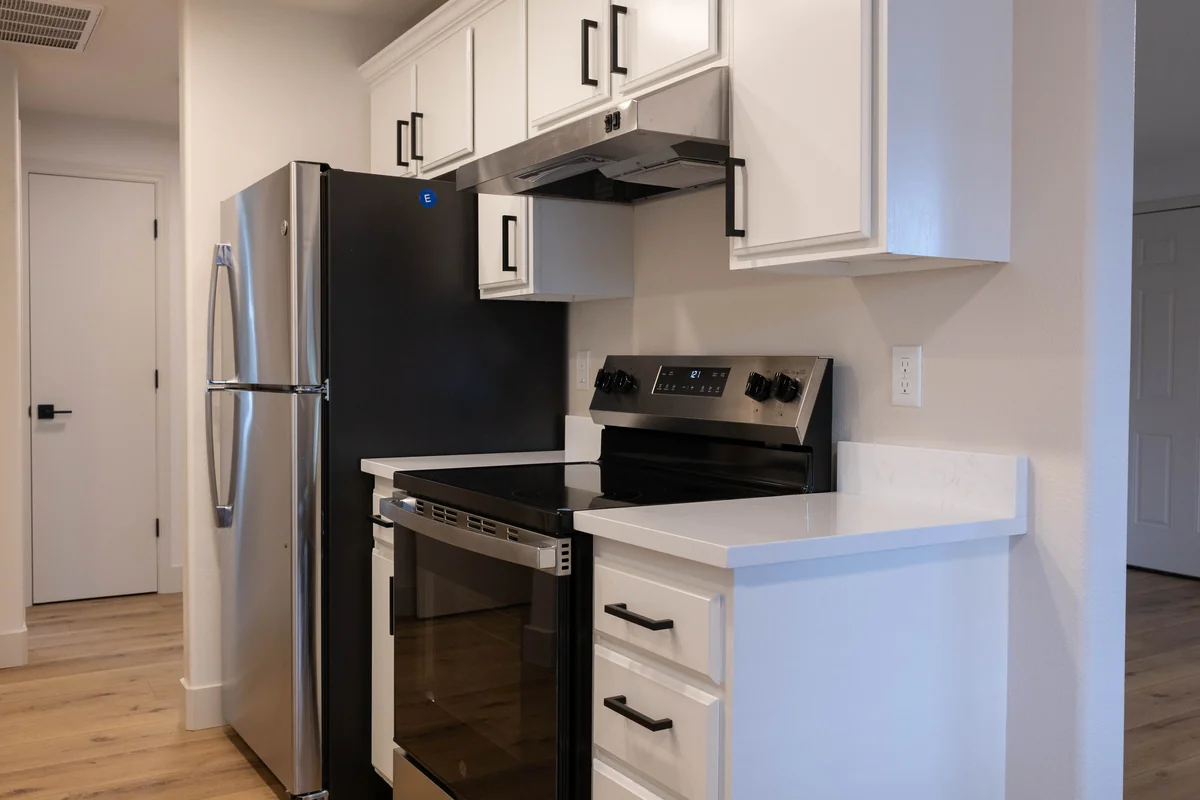
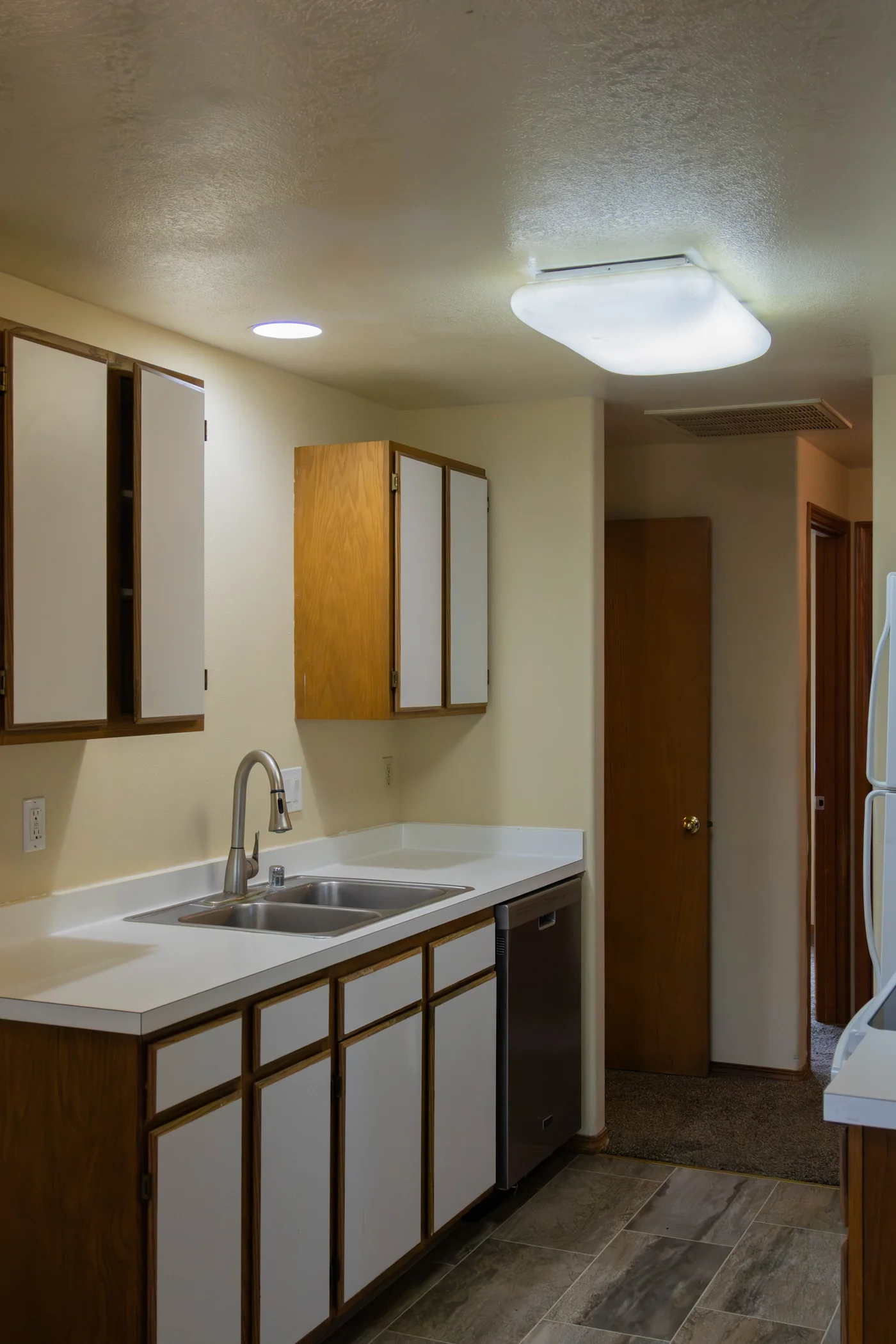
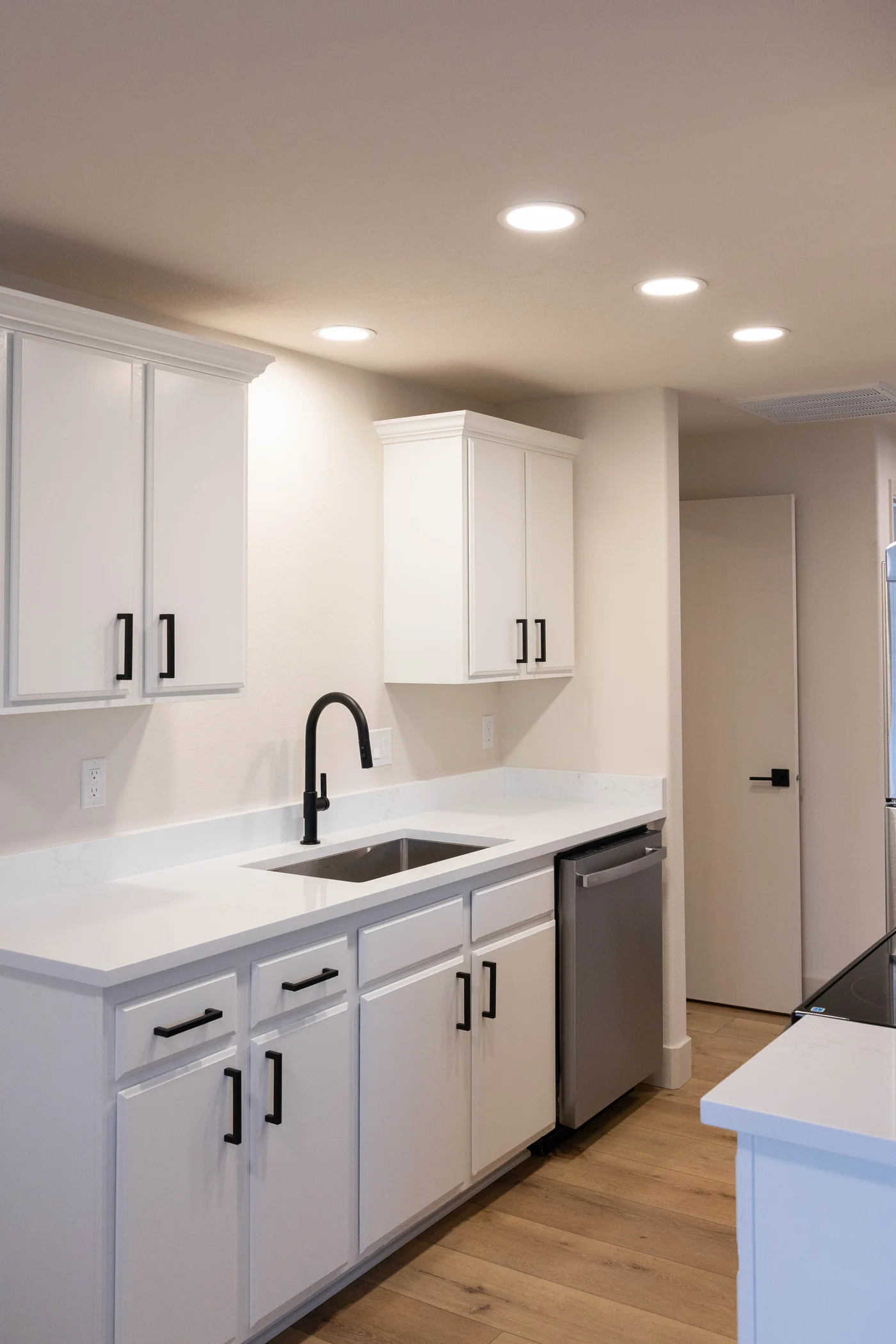
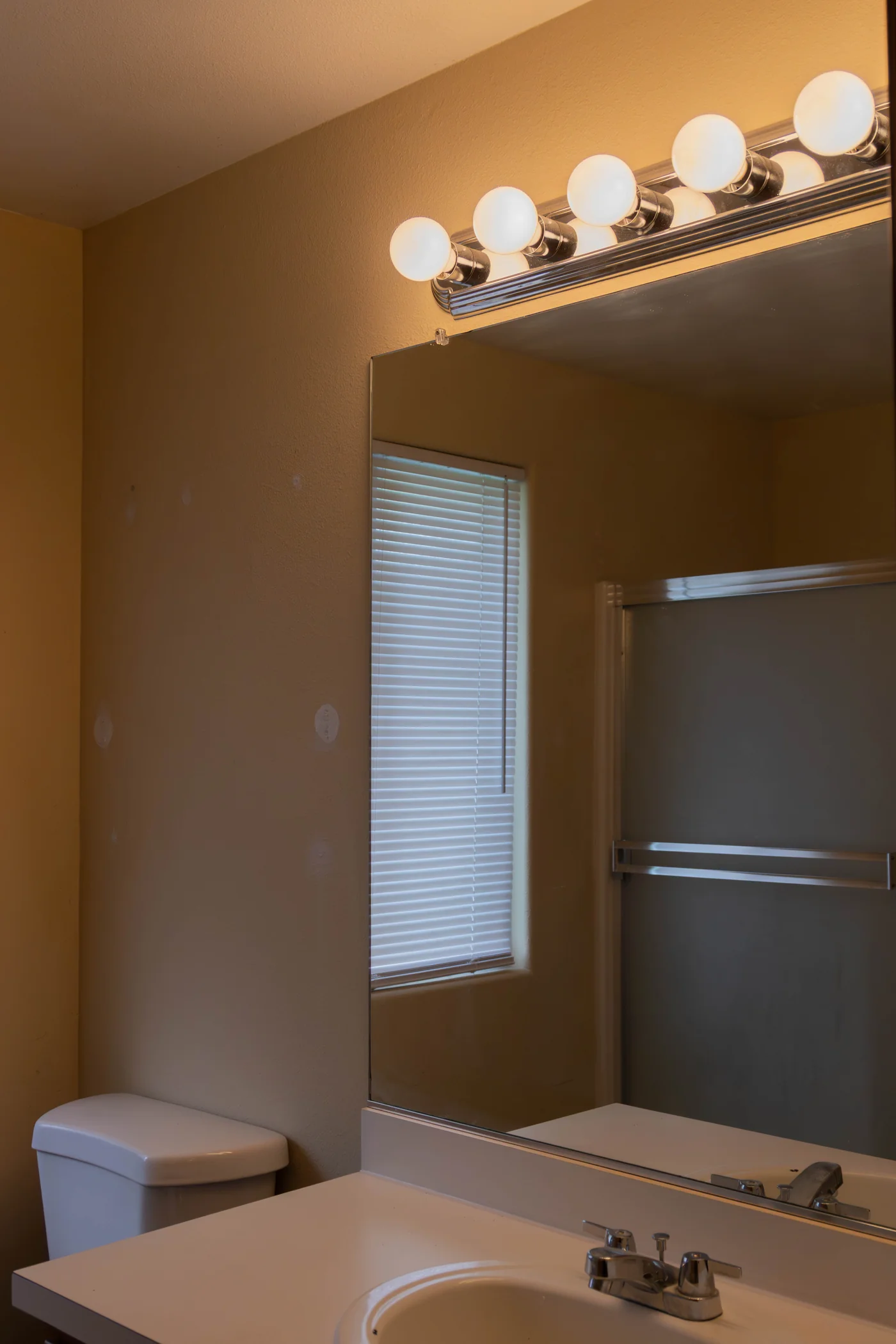
Three real projects, photo-documented for the insurance carrier and backed by our 5-year workmanship warranty. Drag each handle to compare.
“We had a major sewer back up a couple of weeks ago, into the laundry room and downstairs bathroom. Panic! We were referred to Robinson Restoration and what a blessing. The whole crew has been wonderful.”
Lynn Dee King · Google Review
“One of the pipes in the shower burst and water damage got all over the roof in the kitchen. As new home owners we were very scared and panicked. We contacted Kelly Farmer from Robinson Restoration and believe me when I say I felt like more than half of my problem was solved.”
Nav Basra · Google Review
“Just started a project with Cole and Chuck at Robinson Restoration and had to write a review straight away. These guys have been fantastic. We were away on a week long trip when we had a kitchen leak that destroyed our flooring and subfloor.”
Justin O'Neill · Google Review
In Washington, you choose your restoration contractor, and your carrier can’t penalize you for it. We document every Roy loss with moisture maps, photos, and daily readings, then bill your insurer directly. You pay your deductible. That’s it.
Subject to policy coverage and deductible. We handle the paperwork, photos, and adjuster calls.
Rural south Pierce County is on our regular route, and Roy is well inside it. Someone answers the dispatch line at any hour, and the responding truck carries extraction units, air movers, and dehumidifiers, so extraction and drying happen on one trip. Homes on well systems and septic need a careful look at what the water touched. Insurance billing is direct, handled between us and your adjuster.
Kill the breaker to the pump first, then the water stops even if the leak is under the house. Standing water in a Roy crawlspace won't drain on its own, since the vapor barrier holds it. We extract, pull saturated batt insulation, and run low-grain dehumidifiers under the floor until joist readings match dry wood elsewhere in the house. Open vents alone won't do it in winter.
Usually not without an endorsement. Most Washington policies exclude sewer and drain backup unless you bought the add-on, and rural policies written around septic can read differently than a city policy. Check your declarations page for backup coverage and note the sublimit. We document the source and the path the water took either way, because that determination decides which part of your policy responds.
Yes. Roy is inside the area our Kent operations center covers, and dispatch is staffed 24/7. Crews load out with generators and extra hose because rural jobs often mean no working power, a well instead of a meter, and a long run from the truck to the wet part of the house. Call and you'll get a real dispatcher, not a callback in the morning.
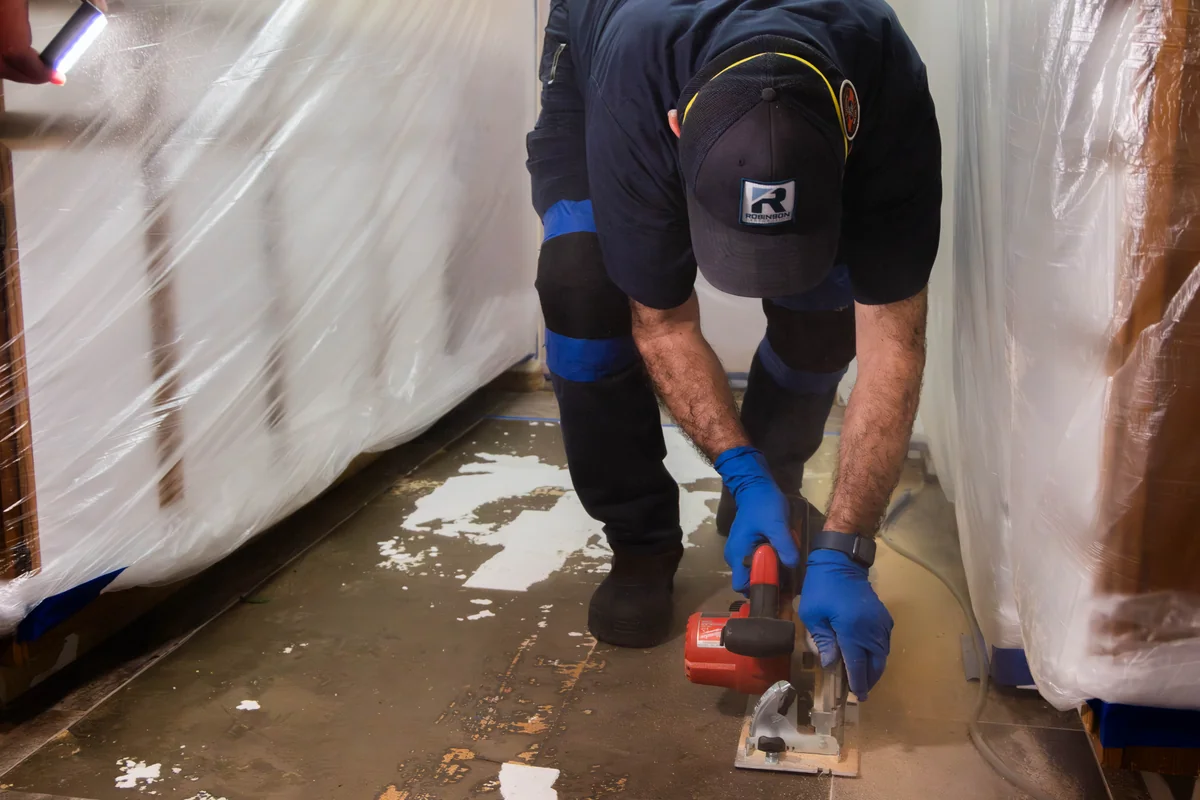
The floor system is a sealed sandwich: decking, insulation, and a belly wrap underneath. Water that gets in doesn't drain, it sits. We cut controlled access in the belly, extract what's pooled, and push dry air through the cavity while monitoring the decking from above. Skipping that step is why a lot of Roy area homes still smell musty months after somebody ran a shop fan for a weekend.
Mitigation and reconstruction are separate scopes. We handle the emergency work, extraction, controlled demo, and drying to IICRC standards, then manage the rebuild through vetted licensed contractors and our sister companies. You keep one point of contact, and the rebuild estimate carries the same documentation the drying file already produced, which keeps the adjuster from asking you to prove the same thing twice.
That's common around Roy, with so many tenants tied to the base. We can coordinate access with your tenant, send photos and moisture logs as the job runs, and communicate with your carrier and property manager directly. Approvals come from you. The documentation is built so an adjuster reviewing it remotely can see exactly what was wet, what came out, and why.
Water spreads while you wait on a callback. Call now and a crew is rolling toward Roy.
Licensed · Insured · IICRC Certified · Serving Washington & Oregon