Robinson Restoration is an IICRC-certified water damage restoration company serving Hobart, WA. Crews dispatch 24 hours a day, arrive on-site in 90 minutes or less, document the readings and photos your carrier needs, and bill your insurance directly on covered claims.
Hobart sits in the wooded country between Issaquah and Maple Valley, where houses hide behind long driveways and second-growth fir. Storms take the power out here before anywhere else. Our crews come prepared for that with generators, extraction equipment, and the documentation your insurance company is going to ask for.
This is well-and-septic country on the shoulder of Tiger Mountain, and the terrain does most of the damage. Slopes shed winter rain into culverts and driveways that were never sized for a real storm, and the water ends up against a foundation. Housing runs from 1970s cedar-sided homes to newer custom builds on acreage, plus older cabins that have been added onto more than once. Daylight basements are common and take the brunt.
Our Kent operations center dispatches King County calls at any hour, and crews headed to Hobart bring generators because outages and water losses tend to arrive together. Every job follows IICRC S500: moisture mapping first, then a drying plan, then daily readings until materials hit standard. We bill most carriers directly and hand your adjuster a complete file. Rebuild work is managed through licensed contractors we have used for years.

Rural King County addresses, gravel drives, and storm nights are ordinary work for us, and dispatch stays live through every one of them.
24 hours a day, 7 days a week, our crews dispatch the moment you call and start mitigation the same visit. Call dispatch or message us for immediate help.
We stop further damage with commercial extraction, structural drying, and antimicrobial treatment, and we walk you through the entire insurance claim as we work.
We manage your rebuild to pre-damaged condition through our trusted network of licensed contractors and sister companies. One manager, one timeline.
Water that lands on the hillside above you has to go somewhere, and on these lots it usually finds a driveway, a culvert, or a foundation wall. A plugged culvert during a December storm can put several inches into a daylight basement in a single night. Extraction comes first, then drying, then a serious look at where the water entered.
Tall second-growth fir around these homes comes down in a windstorm and takes the line with it. A house left unheated for two or three days in a cold snap starts splitting pipes, and the break floods when power returns and the thaw begins. Generators let us start drying without waiting on the utility.
Homes here run their own water systems, often with a pump house, a pressure tank, and a filtration setup in the garage. Any one of those can let go, and the well keeps supplying it until somebody kills the breaker. We shut the system down, extract, and check whether the failure pulled anything into the lines before the house goes back into service.
Cut a house into a hillside and the uphill wall is holding back saturated soil all winter. Older Hobart homes often have a finished lower level built before anyone thought hard about drainage or vapor barriers. Water seeps through the cold joint at the slab, wicks up drywall, and hides behind finished walls for months before it smells.
Most of the losses we run in Hobart start one of three ways: frozen and split pipes, flooding and groundwater, and sewage backups. Here is why each one happens here, and what it takes to dry it properly.
Wind takes the power down and the house cools for days. Pipes in unheated crawlspaces and garage walls split, then flood the moment heat and pressure come back.
Hillside runoff crosses these lots on its way to the creeks below, and plugged culverts or overwhelmed swales push surface water straight into daylight basements and garage slabs.
Saturated hillside soil in midwinter can stop a drainfield from accepting anything more. The system backs up toward the house, and the lowest fixture in a daylight basement takes it first.
Water is how most losses start. It’s rarely where they end. The same local crew handles all of it.
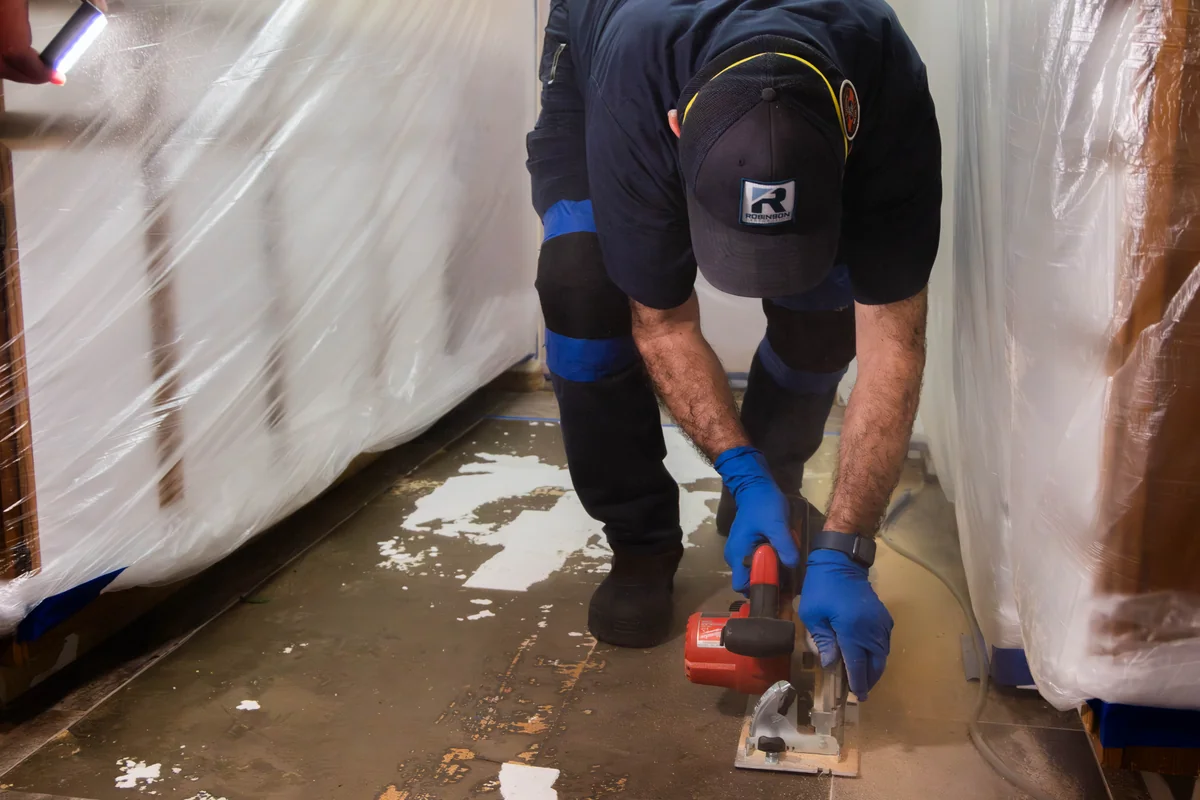
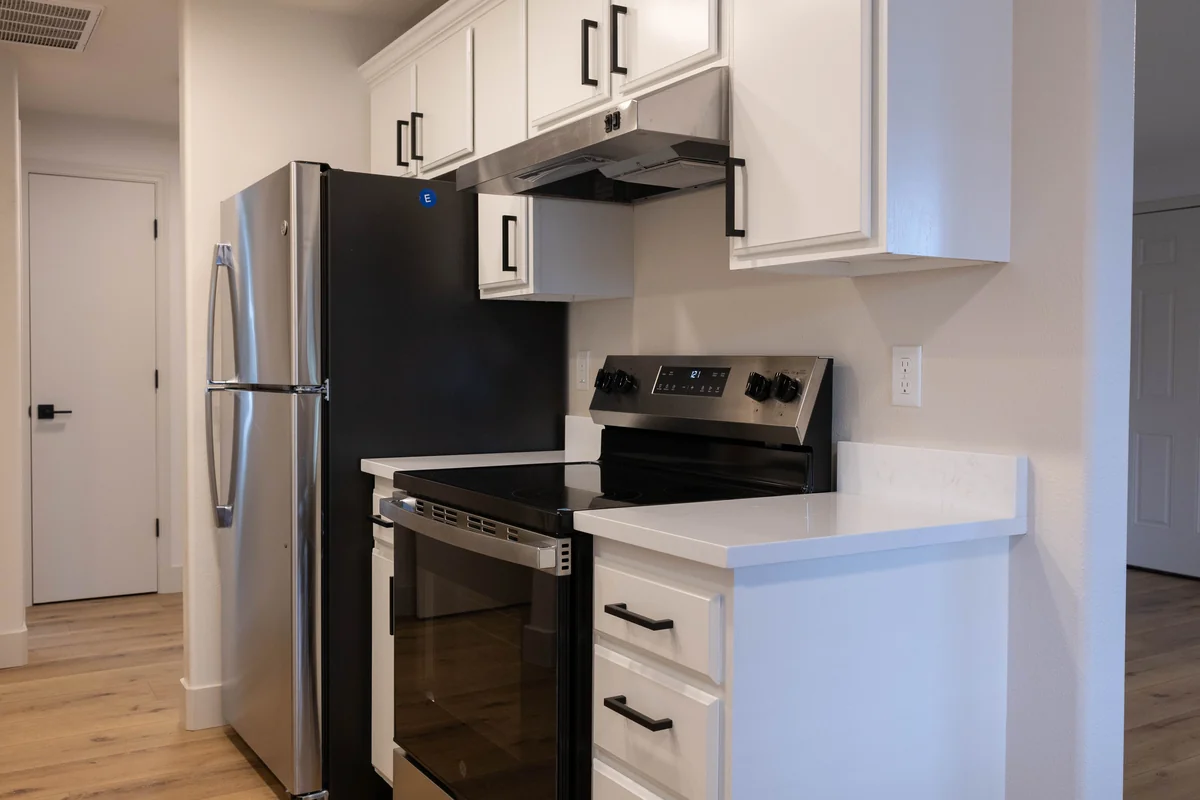
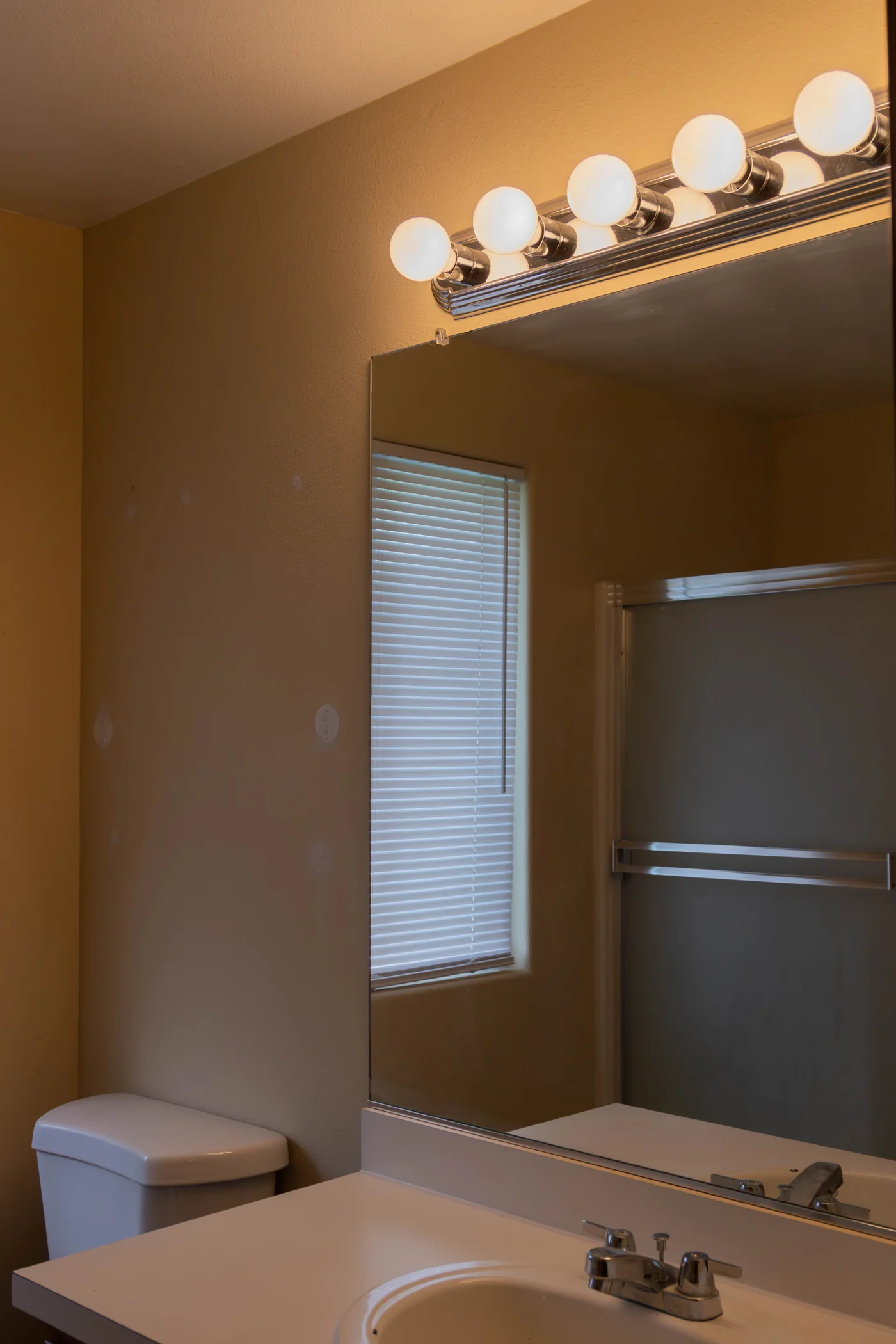
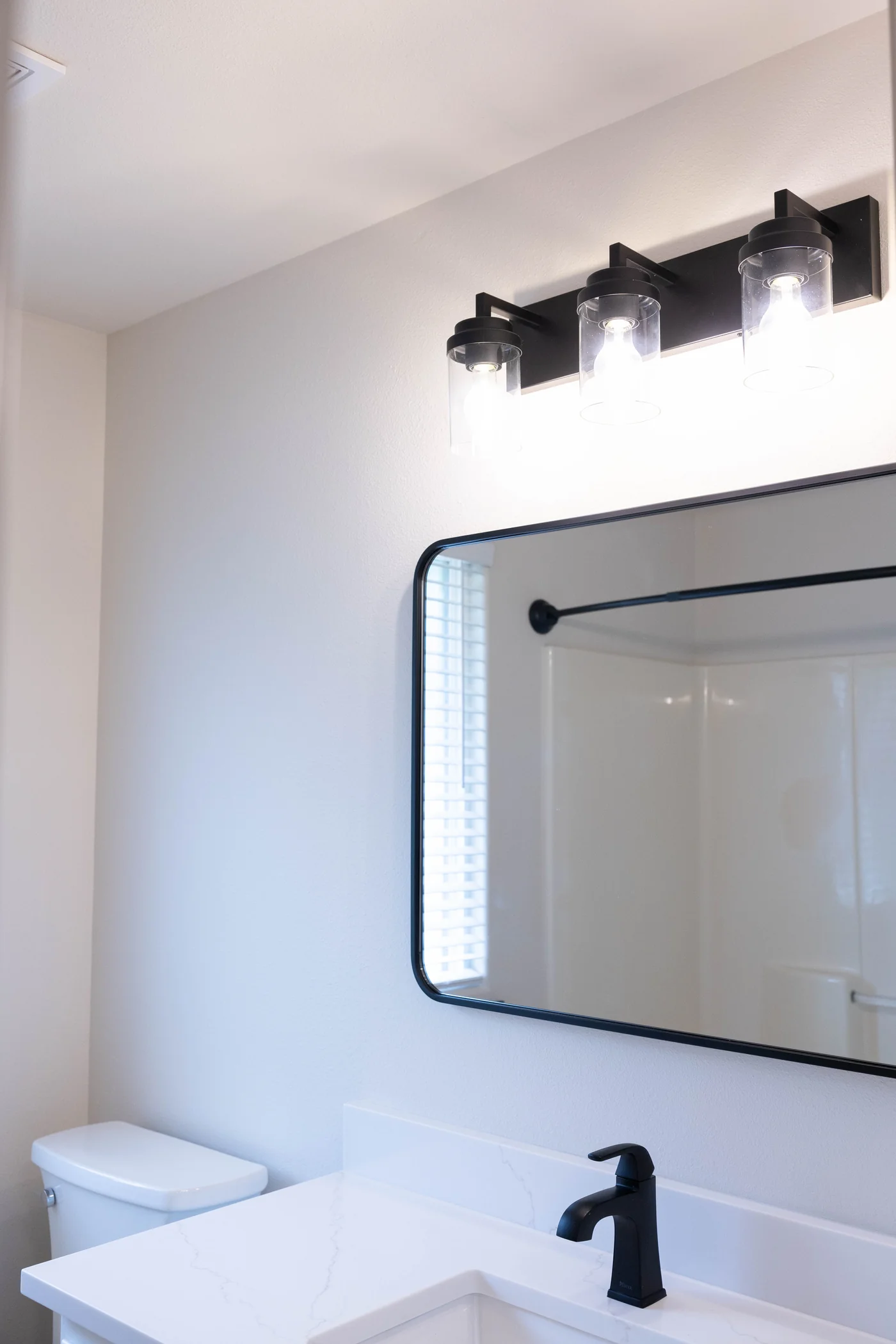
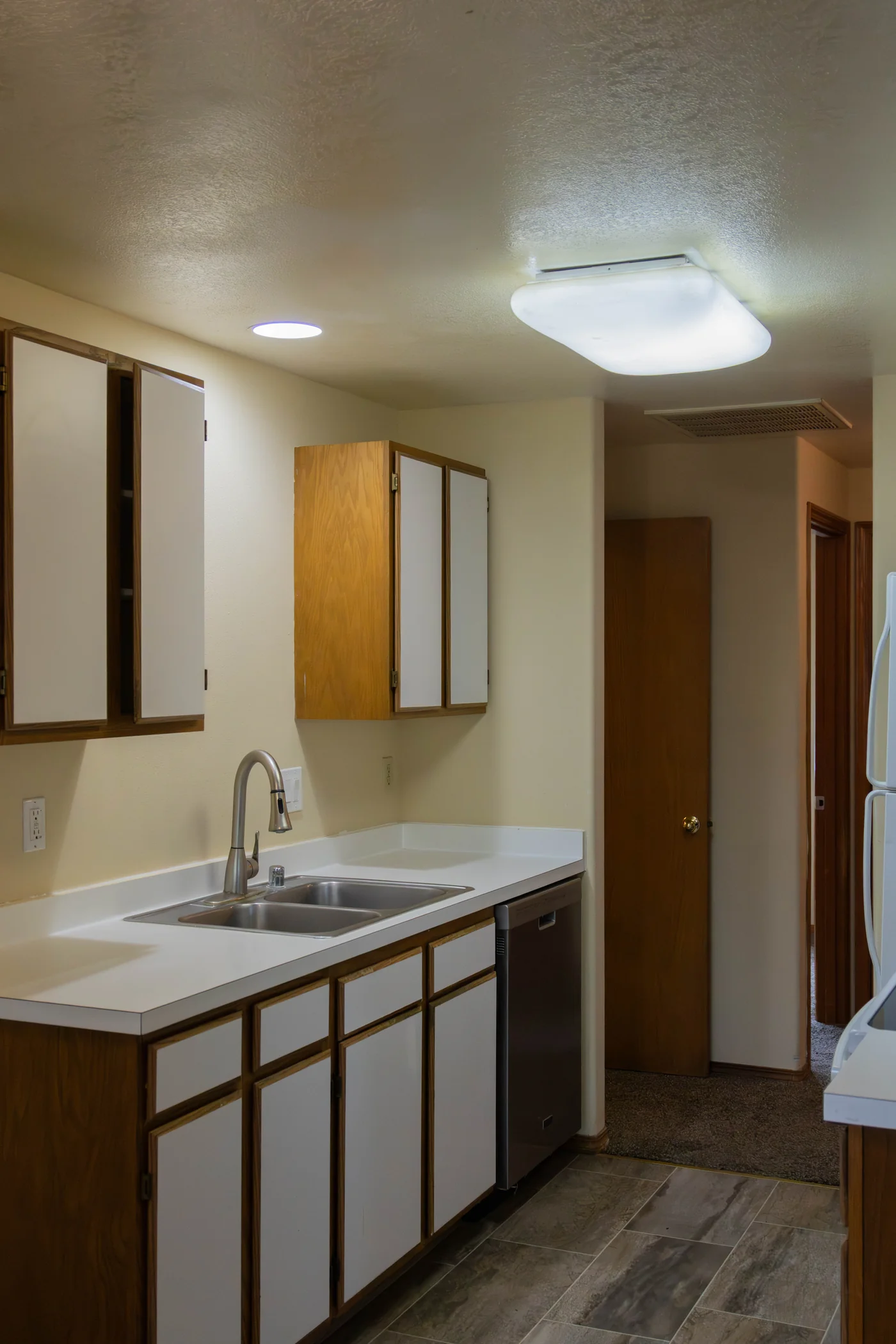
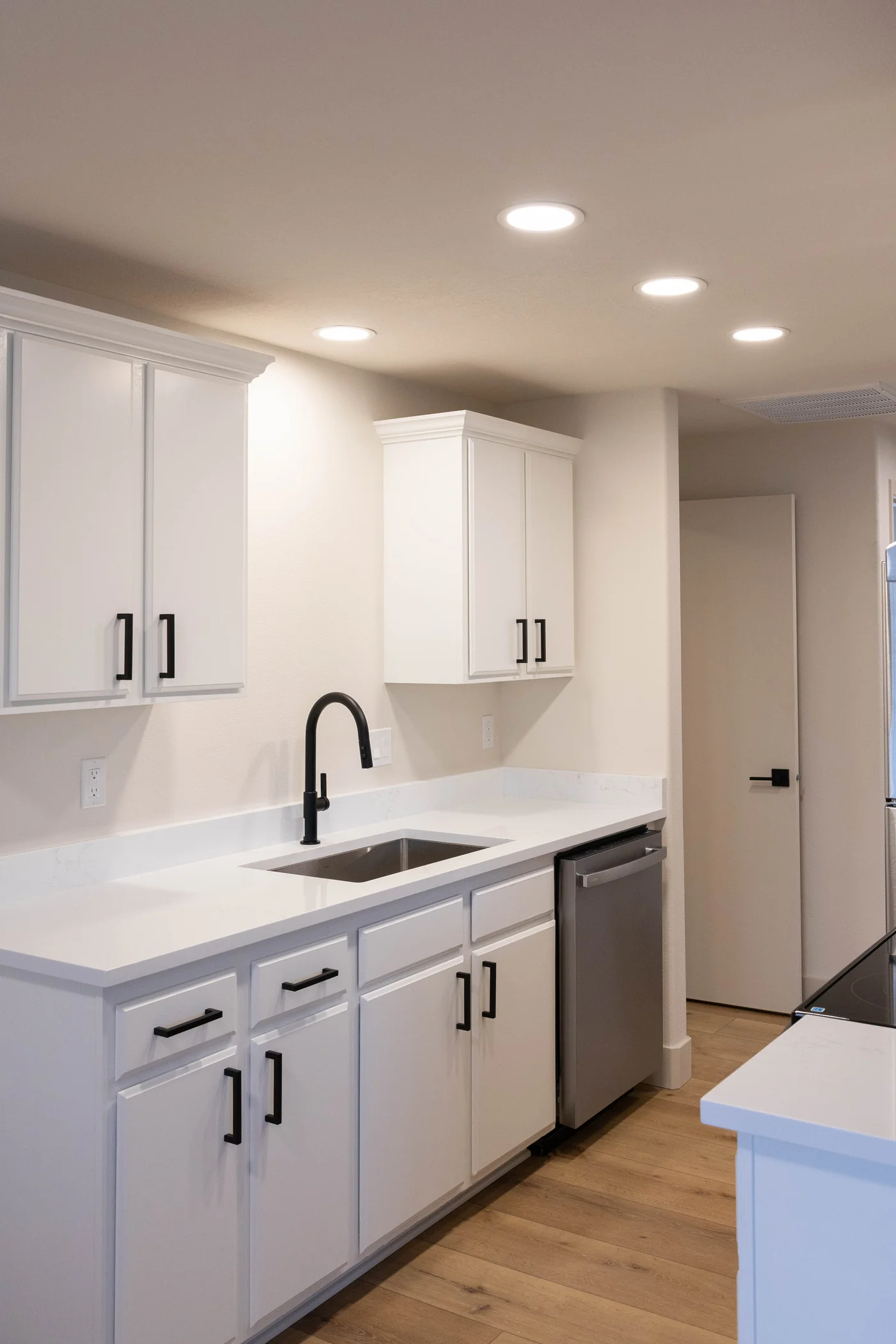
Three real projects, photo-documented for the insurance carrier. Drag each handle to compare.
“Kyla and Jake were super friendly and knowledgeable. Jake was at my house 90 minutes after I called and did a free inspection. I won't need their services this time, but I will definitely call them if I ever have to deal with water damage.”
Carmen Otten · Google Review
“Had a leak in our wall and our plumber recommended Robinson Restoration to handle remediation of the water damage. Christian and Adolfo were awesome. Great communication throughout the setup of the containment area and installation of the equipment to start the drying process.”
Won Lee · Google Review
“We recently had an unfortunate plumbing issue that led to some significant flooding issues. On the recommendation of our plumber we reached out to Robinson Restoration to help us with drying out our house and getting it ready to be put back together.”
Don Warner · Google Review
In Washington, you choose your restoration contractor, and your carrier can’t penalize you for it. We document every Hobart loss with moisture maps, photos, and daily readings, then bill your insurer directly. You pay your deductible. That’s it.
Subject to policy coverage and deductible. We handle the paperwork, photos, and adjuster calls.
Forested lots and long driveways in southeast King County can make a water emergency feel isolating. It isn't. Hobart is inside Robinson's coverage, dispatch answers 24 hours a day, and technicians arrive with extraction units, air movers, and dehumidifiers already on the truck. Moisture readings get logged daily until the structure reads dry, and your insurance carrier is billed directly.
Yes, and it helps to tell dispatch what to expect: gate codes, a shared driveway, low branches, or a bridge with a weight limit. Crews run trucks and trailers, so knowing the access up front saves everyone time. If you have a neighbor who can meet the crew at the road during a storm, that works too.
Surface water from outside the building is generally a flood exposure, and standard homeowners policies exclude it. Some losses turn out differently, for instance a failed sump pump with a rider on your policy, or water entering through a storm-damaged opening. We document the entry point and conditions on arrival so the determination is based on facts rather than assumptions. Mitigation should start either way.
No. Outages are exactly when Hobart water losses happen, and waiting is what turns a drying job into a mold job. We bring generators to run extraction units and dehumidifiers while the line is still down. If your house is unheated and you can drain the system, do it, then call so a crew can be scheduled before the thaw.
By finding the water line first. We meter the drywall and framing to see how high it wicked, then make small controlled cuts or drill weep holes to get airflow into the wall cavity instead of removing whole walls. Cabinets and built-ins get treated the same way where possible. Material that stayed wet long enough to lose integrity still comes out, and the readings show why.
We manage that phase for you. Robinson handles emergency response, extraction, drying, and cleanup with our own crews, and the rebuild runs through vetted licensed contractors and sister companies. For a rural Hobart property, that saves you from calling around for a contractor willing to come out for drywall and flooring on one house.
Treat it as contaminated. Category three water carries bacteria and needs containment, protective equipment, and removal of porous materials that absorbed it. Keep people and pets out of the area, shut off the HVAC so nothing circulates, and stop running water into the system. Crews clean and treat hard surfaces, then dry the structure and verify with readings before anything gets rebuilt.
Water in a Hobart basement or crawlspace only spreads. Call and we will start pulling it out.
Licensed · Insured · IICRC Certified · Serving Washington & Oregon