Robinson Restoration is an IICRC-certified water damage restoration company serving Fall City, WA. Crews dispatch 24 hours a day, arrive on-site in 90 minutes or less, document the readings and photos your carrier needs, and bill your insurance directly on covered claims.
Two rivers meet at Fall City, and both of them run hard in winter. Property on the valley floor knows what that means. We take emergency water calls around the clock, arrive with pumps, extraction units, and moisture instruments, and start pulling water out before it finds the framing.
The Snoqualmie comes down past the falls and the Raging River joins it here, which puts a lot of this community squarely in a floodplain that the county has mapped for decades. Housing runs older and more rural than the plateau towns nearby: farmhouses, riverfront cottages, converted outbuildings, homes on acreage with septic and well. Crawlspaces sit close to a water table that rises every winter, and some of them never fully dry between storms.
Dispatch answers 24/7 out of our Kent operations center, and valley calls get crews who understand what they're walking into on a flooded rural property. Work follows IICRC standards: moisture mapping, calculated drying, daily documented readings, photos throughout. We bill your carrier directly. Because flood and homeowners claims are handled by different policies, we document the water source precisely from the first walkthrough, and rebuild work is managed through vetted licensed contractors.

When the valley gets hit, Fall City calls go to a live dispatcher and crews load pumps and extraction gear before the water starts dropping.
24 hours a day, 7 days a week, our crews dispatch the moment you call and start mitigation the same visit. Call dispatch or message us for immediate help.
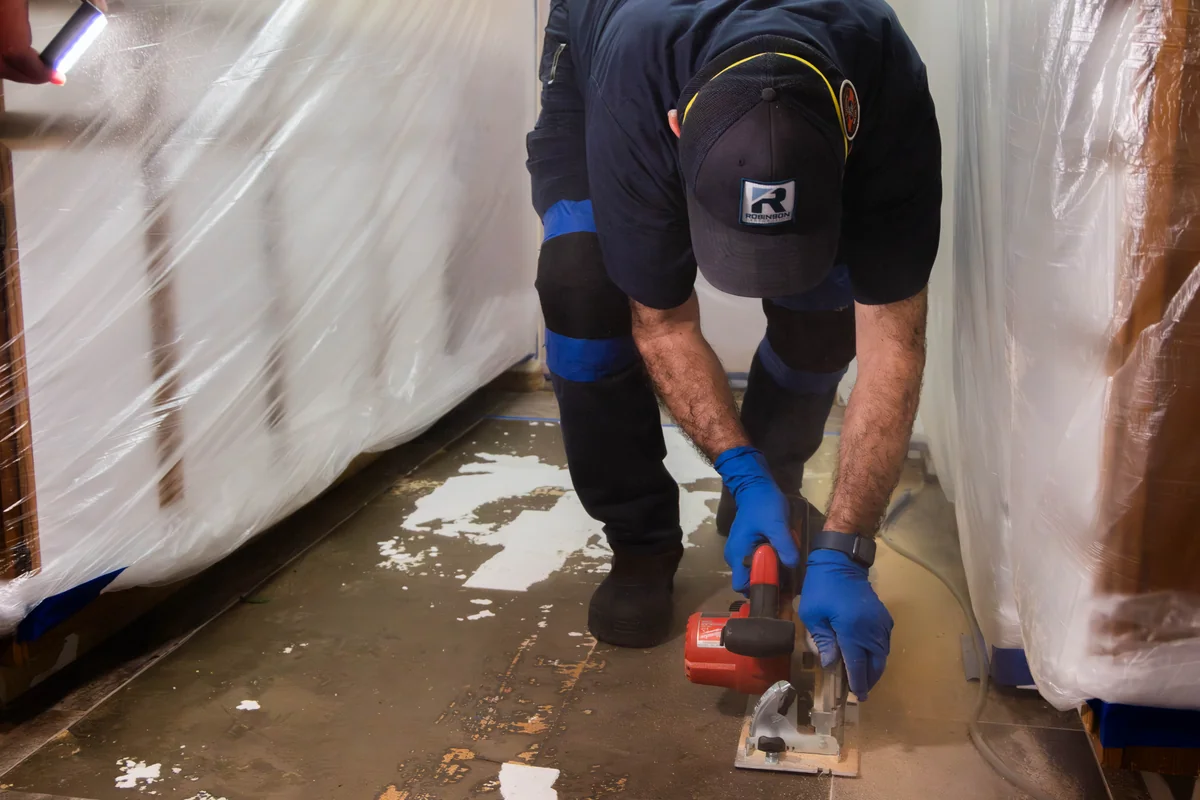
We stop further damage with commercial extraction, structural drying, and antimicrobial treatment, and we walk you through the entire insurance claim as we work.
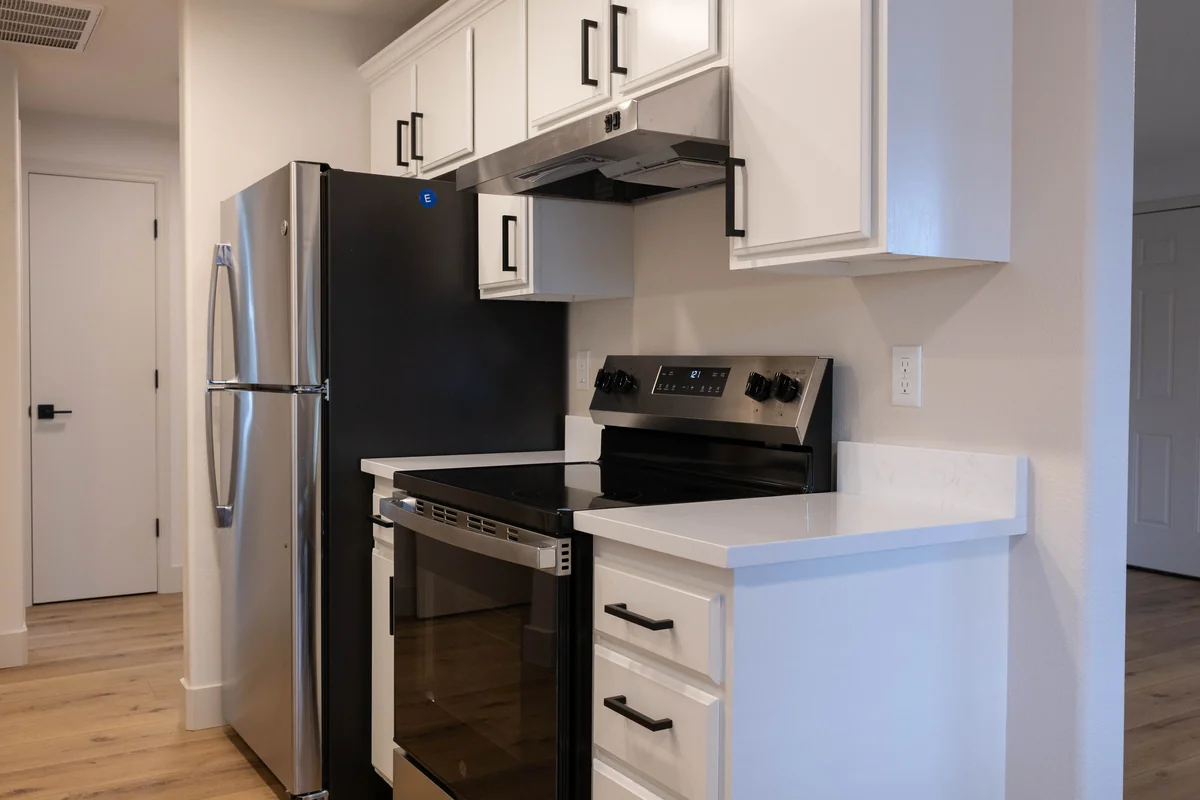
We manage your rebuild to pre-damaged condition through our trusted network of licensed contractors and sister companies. One manager, one timeline.
The Snoqualmie and the Raging River meet at this end of the valley, and when a warm storm melts snow in the upper watershed, both come up together. High water gets into crawlspaces, outbuildings, and lower floors, and it leaves silt and organic material behind. Cleanup means extraction, removing contaminated material, disinfecting, and drying the structure to a verified target.
A lot of houses out here started small and grew. An original farmhouse core, a 1970s addition, a converted porch, and plumbing spliced together across all three. Those transitions are where things fail: a fitting between old copper and newer PEX, a drain run through an unheated space, a bathroom added over a crawlspace with no insulation under it.
Most properties here are on septic, and a drainfield stops accepting water once the surrounding soil is at capacity. That's a normal condition in the valley from December through March. The system backs up toward the house, and the lowest fixture takes it. Sewage cleanup requires containment, removal of porous materials, disinfection, and verified drying before anything gets rebuilt.
Standard homeowners coverage responds to a burst pipe, a failed appliance, or a roof leak. Rising river water needs a separate flood policy, and in a mapped floodplain like this one, lenders often require it. The distinction shapes the whole claim, so we photograph conditions on arrival, record where the water entered, and log moisture from day one.
Most of the losses we run in Fall City start one of three ways: flooding and groundwater, sewage backups, and roof and storm leaks. Here is why each one happens here, and what it takes to dry it properly.
The Snoqualmie and the Raging River both drain into this stretch of valley, and winter high water regularly reaches crawlspaces, outbuildings, and lower floors on the Fall City flats.
Septic drainfields in valley-floor soil lose capacity once the ground saturates. When the field can't take more, waste backs up into the lowest drains in the house and needs category three cleanup.
Big conifers shade valley roofs, moss holds moisture, and older farmhouse roofs carry patched flashing at additions and chimneys. Weeks of steady winter rain find every one of those weak points.
Water is how most losses start. It’s rarely where they end. The same local crew handles all of it.
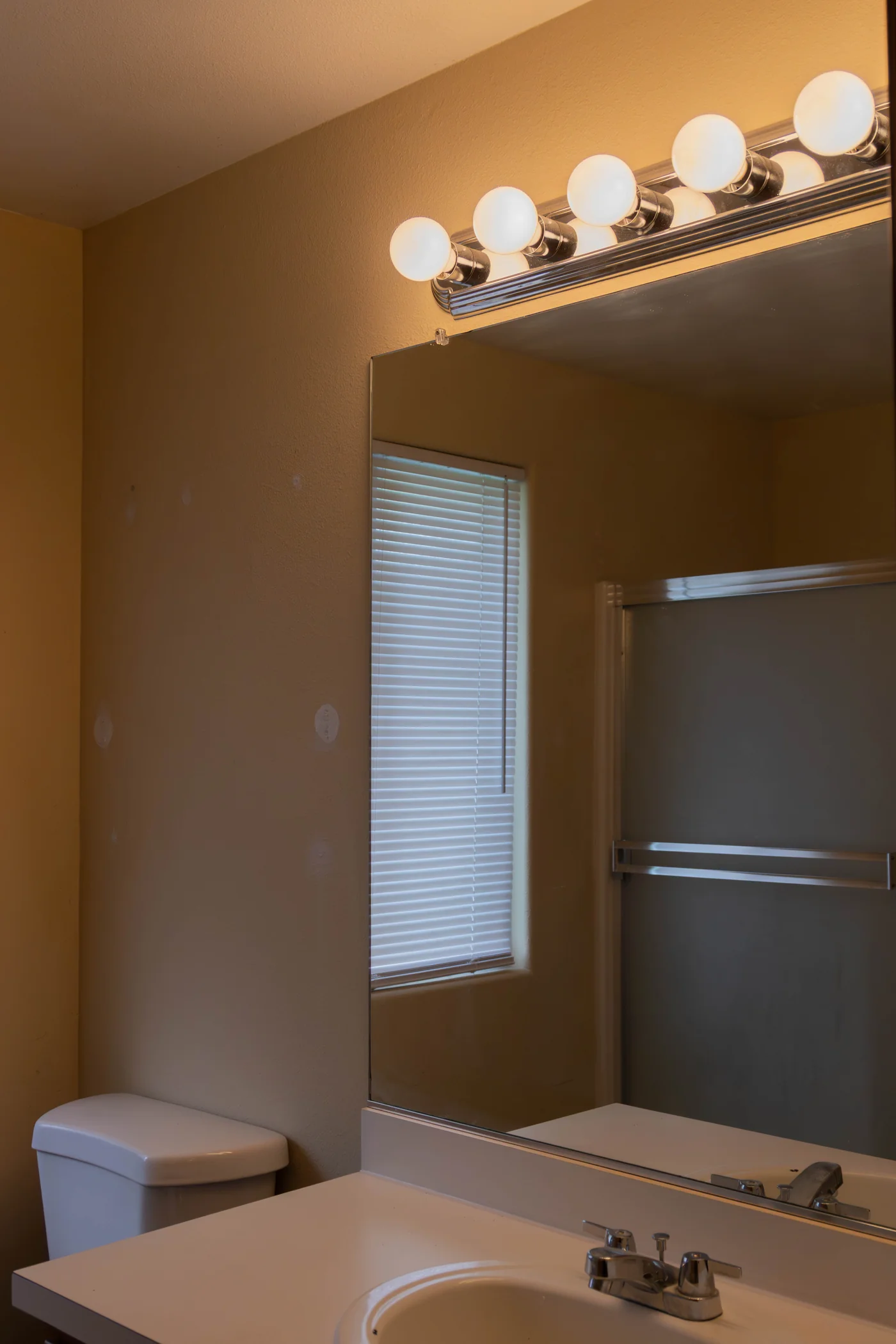
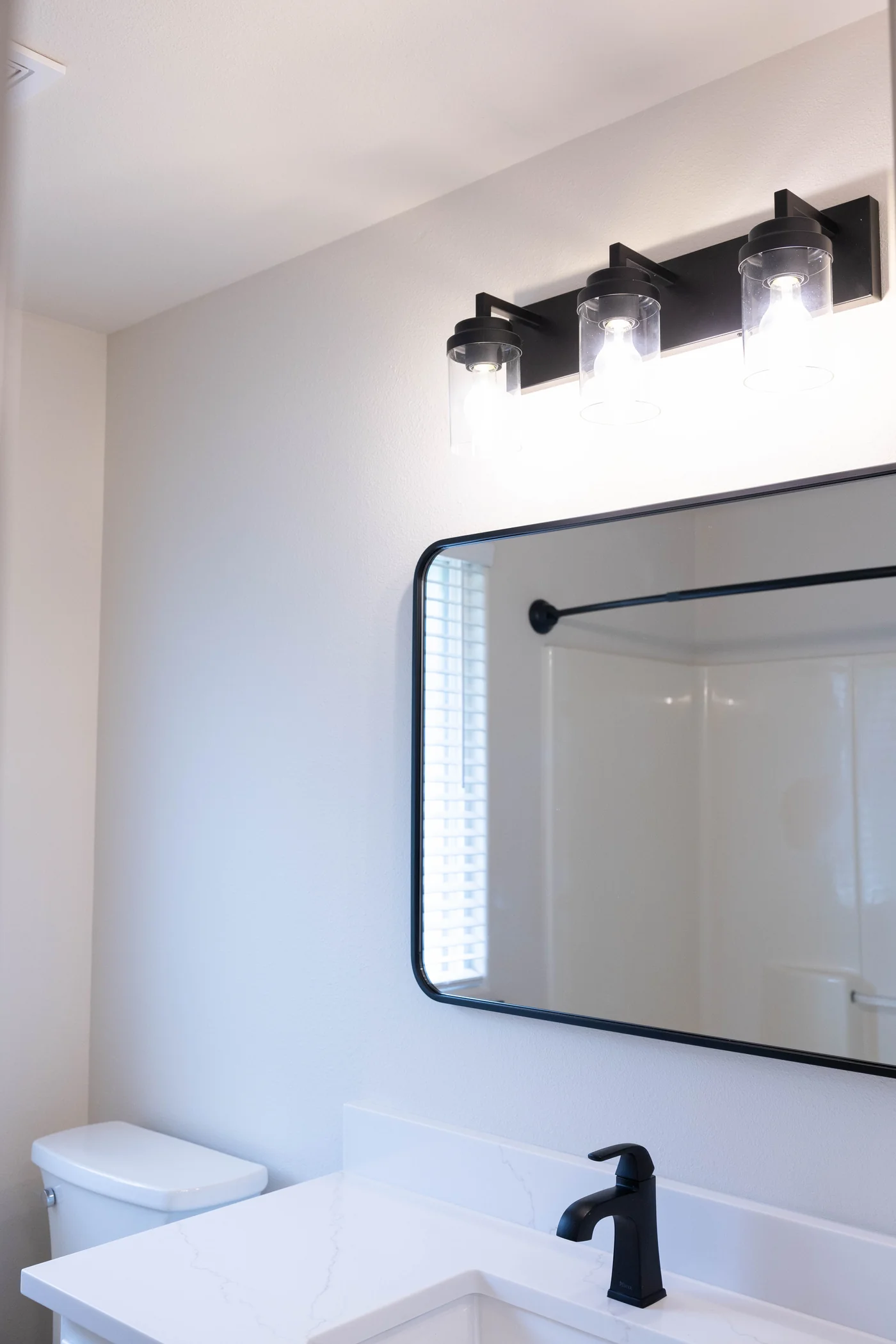
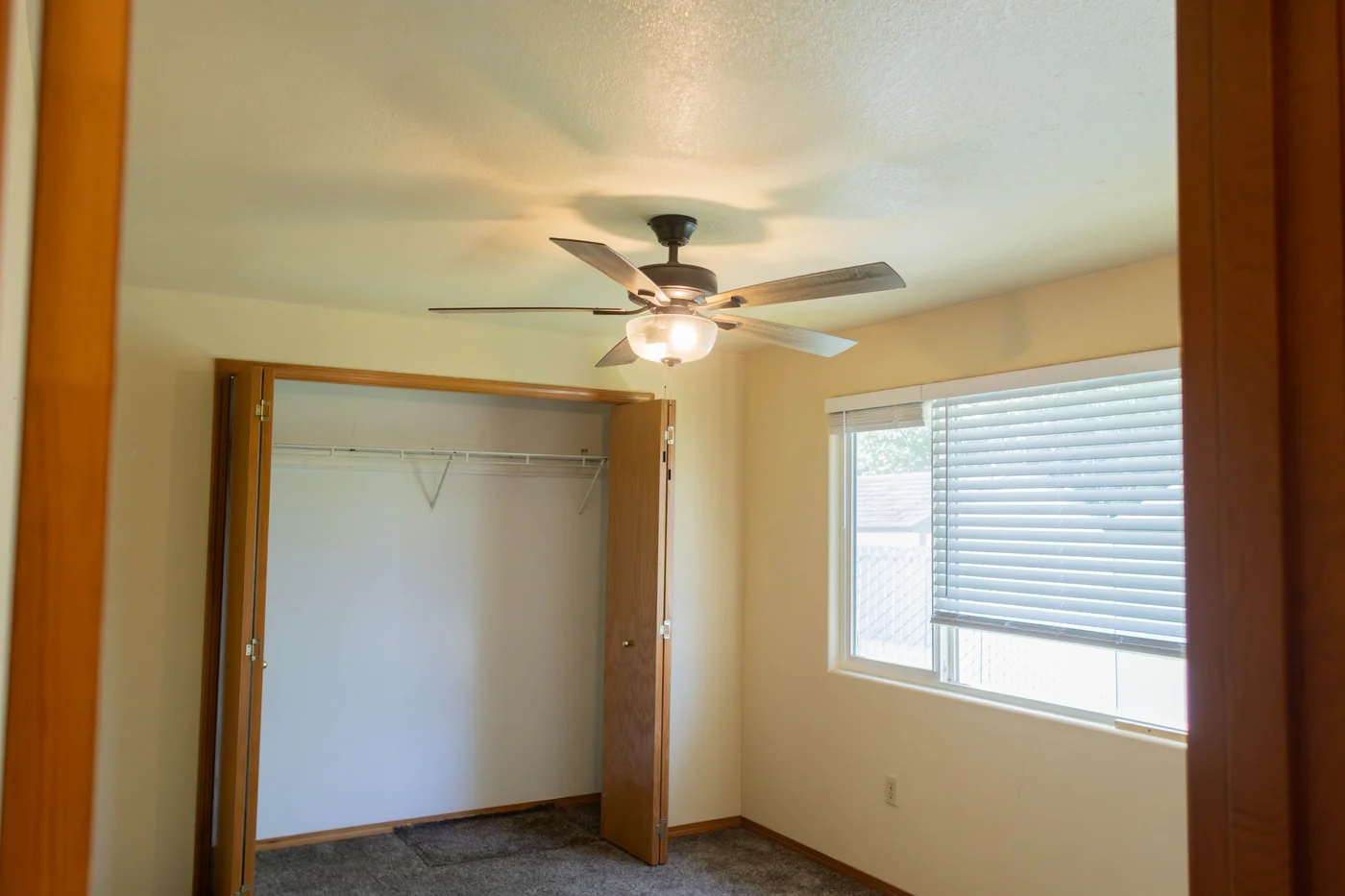
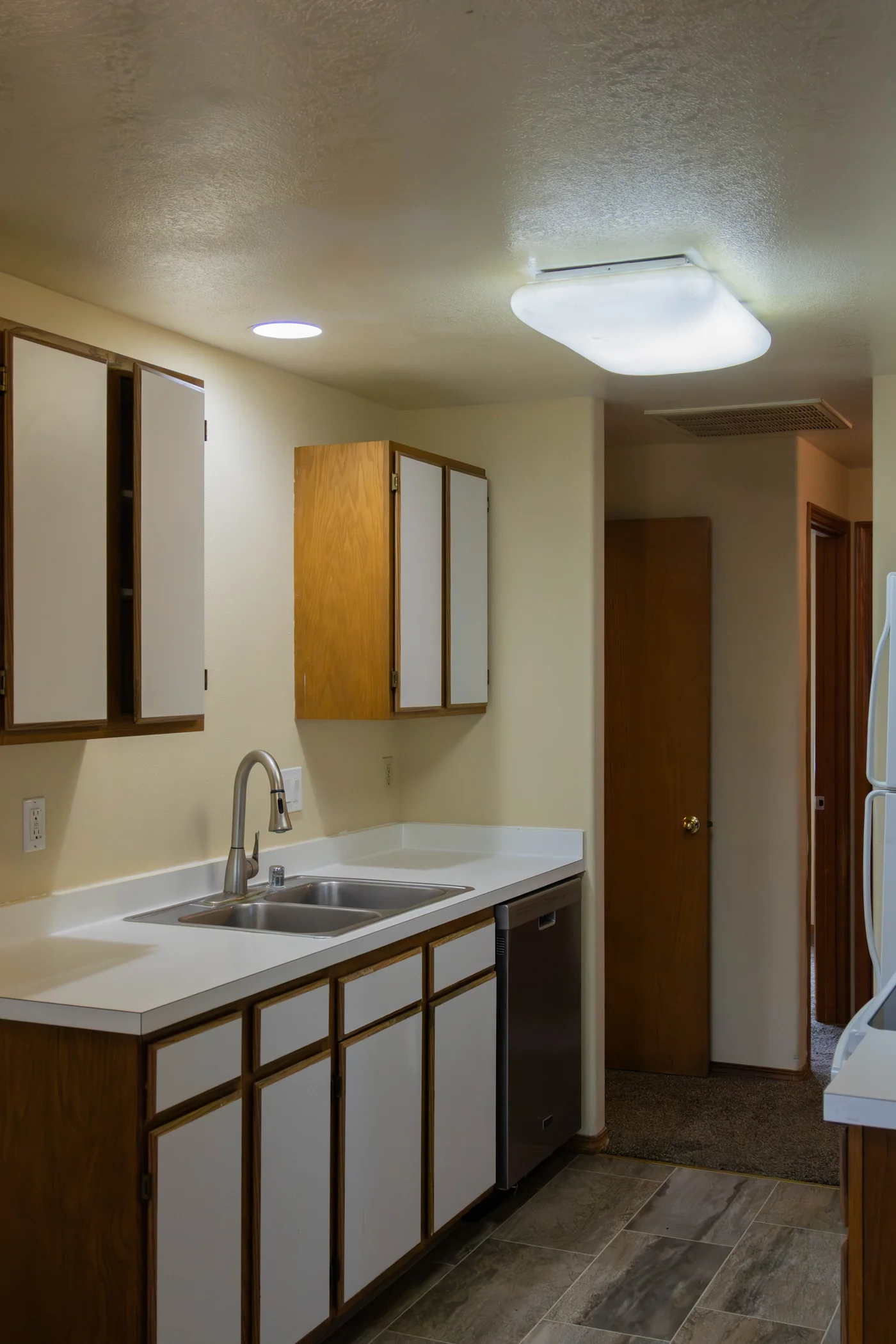
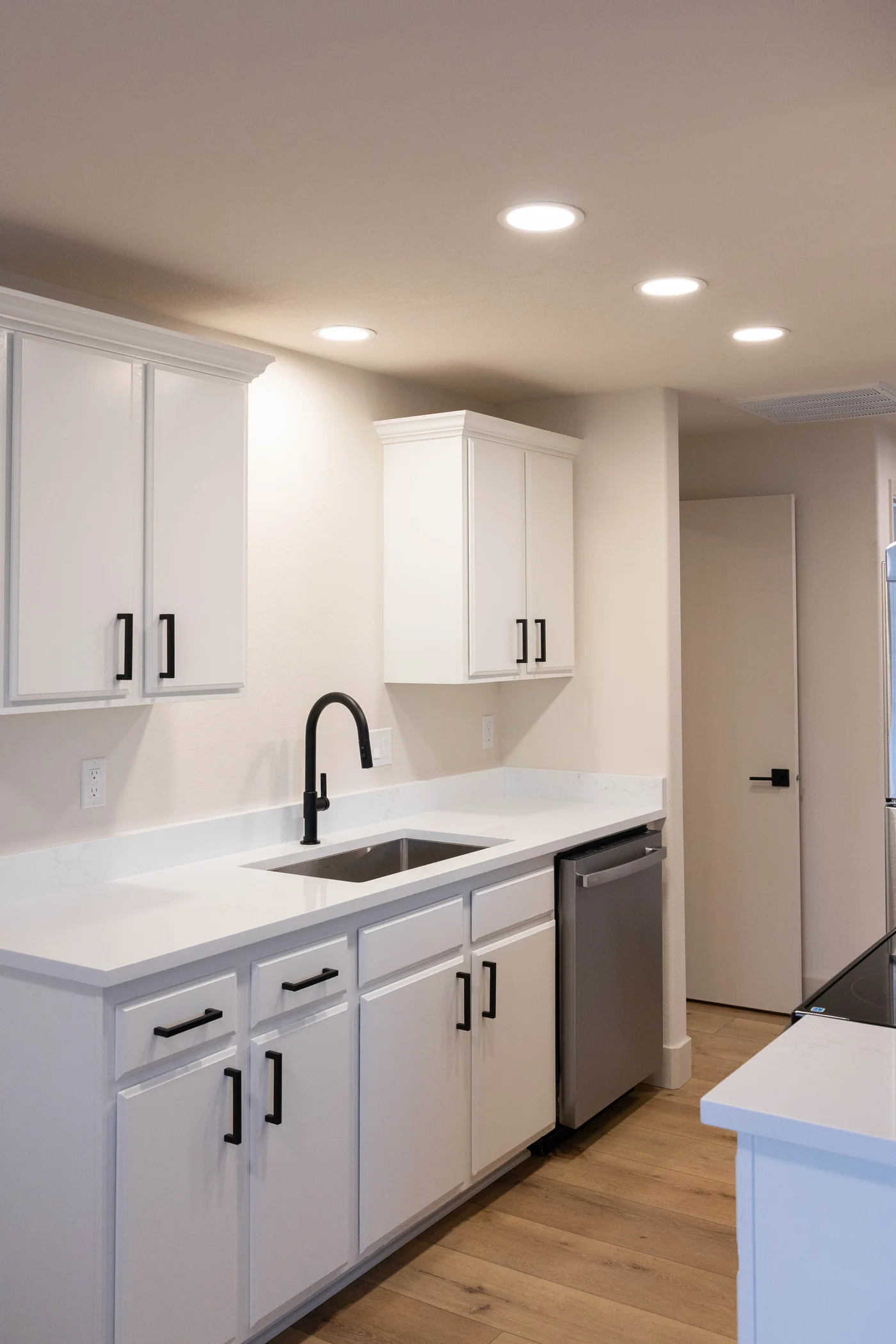
Three real projects, photo-documented for the insurance carrier and backed by our 5-year workmanship warranty. Drag each handle to compare.
“We had a major sewer back up a couple of weeks ago, into the laundry room and downstairs bathroom. Panic! We were referred to Robinson Restoration and what a blessing. The whole crew has been wonderful.”
Lynn Dee King · Google Review
“One of the pipes in the shower burst and water damage got all over the roof in the kitchen. As new home owners we were very scared and panicked. We contacted Kelly Farmer from Robinson Restoration and believe me when I say I felt like more than half of my problem was solved.”
Nav Basra · Google Review
“Just started a project with Cole and Chuck at Robinson Restoration and had to write a review straight away. These guys have been fantastic. We were away on a week long trip when we had a kitchen leak that destroyed our flooring and subfloor.”
Justin O'Neill · Google Review
In Washington, you choose your restoration contractor, and your carrier can’t penalize you for it. We document every Fall City loss with moisture maps, photos, and daily readings, then bill your insurer directly. You pay your deductible. That’s it.
Subject to policy coverage and deductible. We handle the paperwork, photos, and adjuster calls.
Flooding doesn't keep business hours in the Snoqualmie Valley, where rivers rise fast in a heavy winter. Storm nights and holidays get the same staffed dispatch, and the King County crew that answers already works Fall City. Techs bring extractors, air movers, and dehumidifiers, and they open wet wall cavities before mold gets started. Your insurance company is billed directly for the mitigation work.
Safety, then water removal. We check for electrical hazards, pump the standing water out, and remove saturated insulation and vapor barrier, which hold contamination and slow everything down. Then the structural drying starts with air movement and dehumidification, monitored daily. River water is treated as contaminated, so Fall City crawlspace jobs include disinfection before we call the space dry.
Call us first, then your insurer. Mitigation is time-sensitive and most policies require you to prevent further damage, so getting water out early protects the claim. We document the condition when we arrive, which gives the flood adjuster a baseline. Plenty of Fall City properties carry both a flood policy and a homeowners policy, and clear documentation keeps the two from pointing at each other.
Different water, different process. A septic backup is category three from the start, which means containment, removal of carpet, pad, and affected drywall, disinfection of what stays, and verified drying. It also triggers different coverage than a river flood does. Many carriers require a sewer and drain backup endorsement, so check your declarations page. Around Fall City we see these most often in the saturated months.
Growth can start within a day or two on wet organic material at normal indoor temperatures, which is why we push hard on early extraction. In a Fall City crawlspace that already runs humid, the window is even shorter. We dry to measured targets and log the readings, and if growth has already established, we handle remediation with containment and negative air rather than pretending a fan will fix it.
We route around closures where they exist and dispatch is tracking conditions during a high-water event. Fall City sits at a junction of valley roads, and access can change hour to hour in a big storm. Call as soon as you have water, even if you think we can't reach you yet, because getting into the queue early makes a real difference in how fast a crew arrives.
Robinson manages the rebuild through vetted licensed contractors and sister companies. On Fall City jobs that often means subfloor and framing repairs, new crawlspace insulation and vapor barrier, flooring, drywall, and paint. We scope everything against the carrier's approved estimate before work begins, coordinate the trades, and keep one contact on the file so you're not chasing anyone down.
High water or a broken line, a Fall City property dries faster when the call comes early.
Licensed · Insured · IICRC Certified · Serving Washington & Oregon