Robinson Restoration is an IICRC-certified water damage restoration company serving Kenmore, WA. Crews dispatch 24 hours a day, arrive on-site in 90 minutes or less, document the readings and photos your carrier needs, and bill your insurance directly on covered claims.
Water moves fast in Kenmore. Homes sit where the Sammamish River meets the north end of Lake Washington, on ground that holds moisture long after the rain quits. Our crews handle the extraction, the drying and the paperwork so you can stop guessing what happens next.
Kenmore's building stock runs from postwar ramblers and split-levels to newer townhomes packed onto the hillsides above the valley floor. The flats near the river carry soft, peaty soil and a water table that sits close to the surface, which is why crawlspaces here take on standing water when Swamp Creek runs high. Uphill toward Finn Hill, the problem flips: runoff sheets down driveways and finds its way through foundation walls.
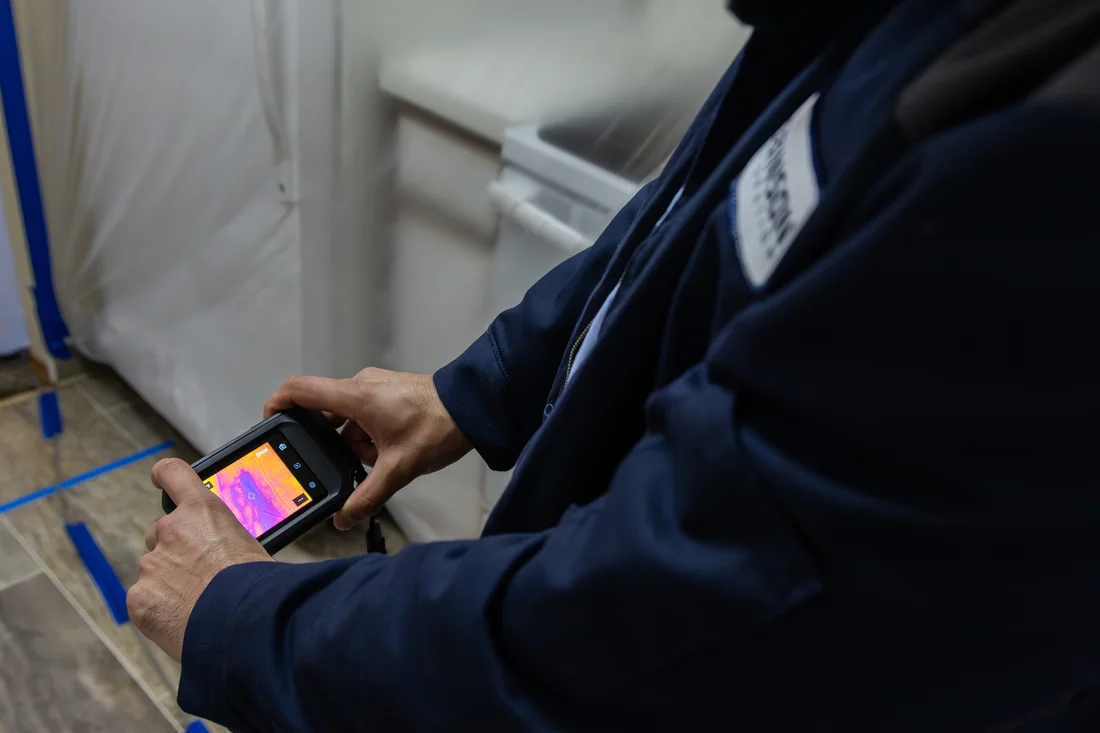
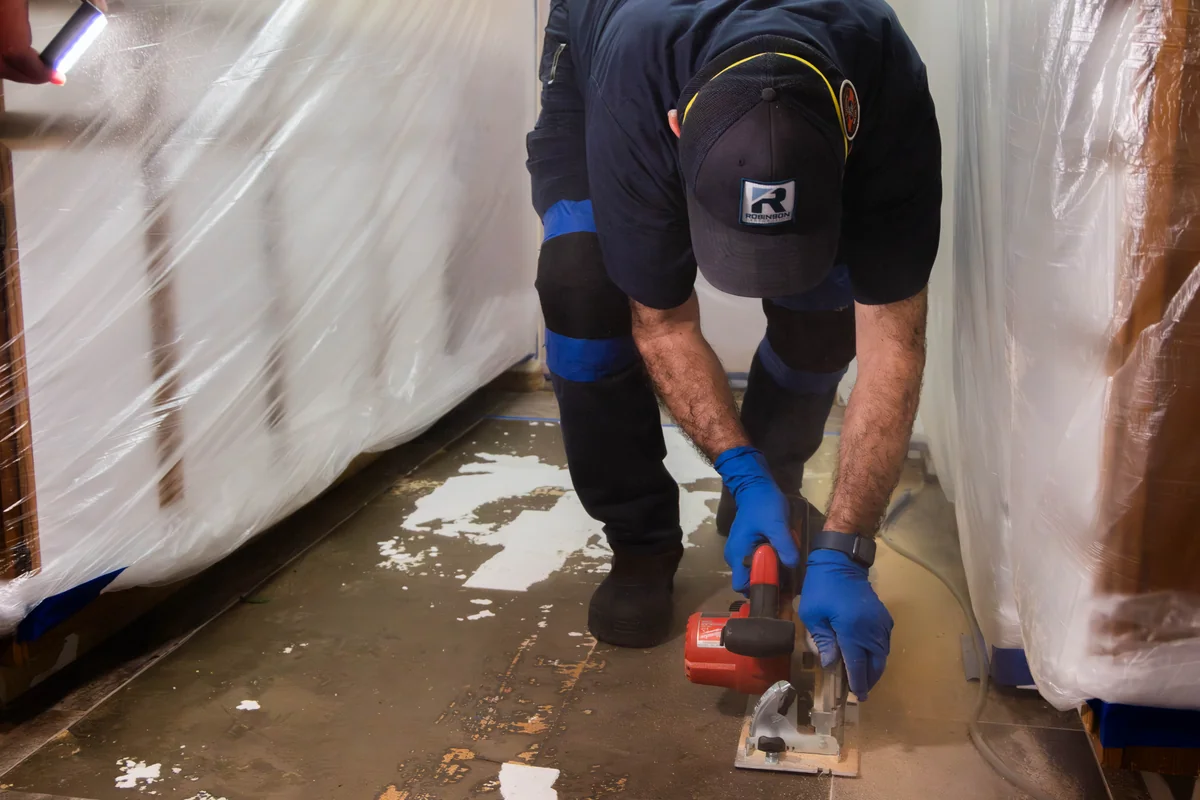
Our Kent operations center dispatches to Kenmore around the clock. Technicians arrive with moisture meters and thermal cameras, map how far the water traveled behind cabinets and under flooring, and set drying equipment to IICRC S500 standards. Every reading gets logged daily, photographed and packaged for your carrier. We bill insurance directly, so the conversation with your adjuster is about drying progress instead of receipts.

Kenmore calls go straight to a live dispatcher at any hour, and we can be on-site in 90 minutes with extraction and drying gear loaded.
24 hours a day, 7 days a week, our crews dispatch the moment you call and start mitigation the same visit. Call dispatch or message us for immediate help.
We stop further damage with commercial extraction, structural drying, and antimicrobial treatment, and we walk you through the entire insurance claim as we work.
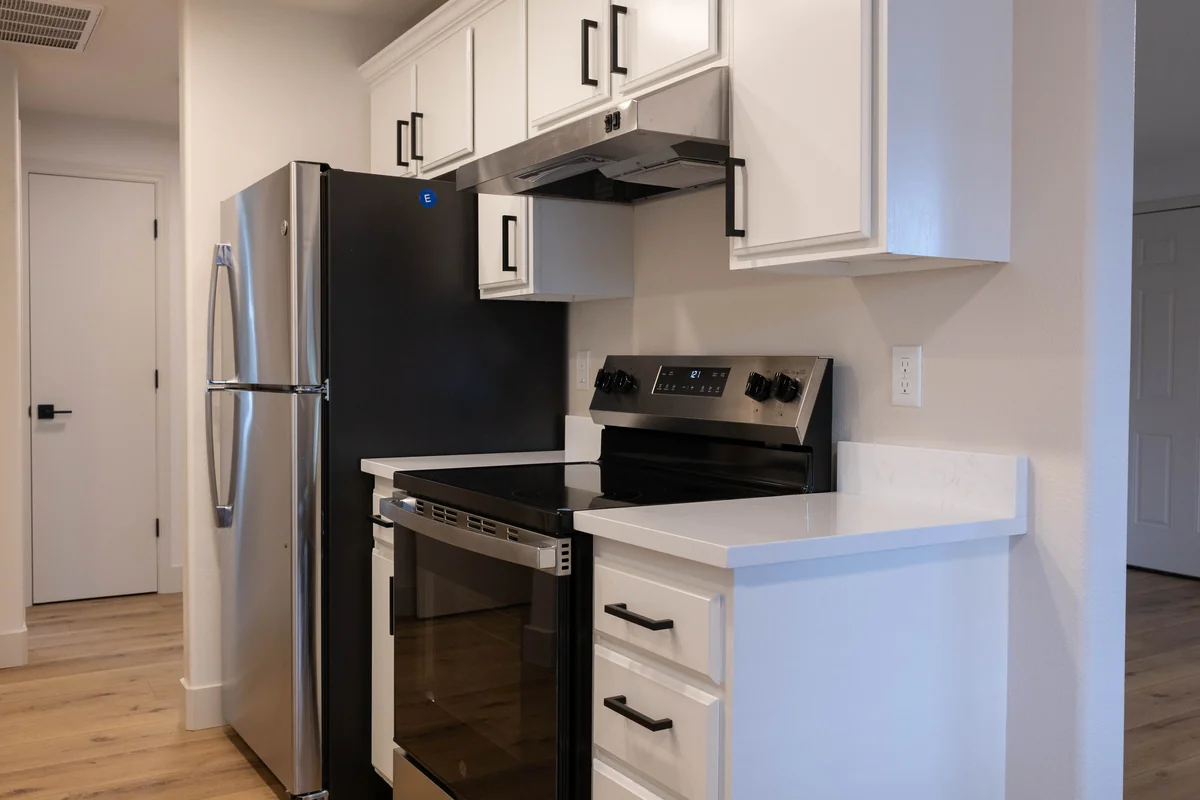
We manage your rebuild to pre-damaged condition through our trusted network of licensed contractors and sister companies. One manager, one timeline.
The flat stretch where the Sammamish River empties into Lake Washington keeps groundwater high through winter. Sump pumps run constantly, and when one fails at 2 a.m. the crawlspace fills before anyone notices. We pump, extract the saturated insulation, treat the substructure and dry the framing back to a documented target rather than guessing by feel.
A lot of Kenmore was built between the 1950s and the 1970s, and the original galvanized supply lines and cast iron drains in those houses are past their service life. Pinhole leaks behind a laundry wall can soak framing for weeks. We open only what the moisture readings justify, dry the cavity, and leave documentation showing what was wet and what was not.
Slopes rising toward Finn Hill and Inglewood shed rain onto the homes below. Daylight drains plug with fir needles and leaves, downspout lines back up, and water pushes against foundation walls until it finds a seam. Daylight basements and lower-level rec rooms take the hit. We extract, dry the wall assemblies and flag where the water entered so the fix actually holds.
Puget Sound winters deliver weeks of steady rain instead of one dramatic storm, and that pattern saturates soil until it stops absorbing anything. Roof leaks that stayed quiet all summer show up as ceiling stains in December. We track moisture through insulation and drywall, dry the assembly, and give your carrier the daily log that supports the claim.
Most of the losses we run in Kenmore start one of three ways: flooding and groundwater, burst and leaking pipes, and roof and storm leaks. Here is why each one happens here, and what it takes to dry it properly.
Homes on the low ground near the Sammamish River and Swamp Creek see groundwater push into crawlspaces and lower levels once winter rain saturates the soft valley soil.
Mid-century Kenmore houses still run original supply lines. Aging galvanized pipe and old solder joints let go without warning, often inside a wall where the leak goes unseen for days.
Long stretches of steady rain and heavy fir cover mean clogged gutters and tired flashing. Water backs up under shingles and travels along rafters before it ever shows on a ceiling.
Water is how most losses start. It’s rarely where they end. The same local crew handles all of it.
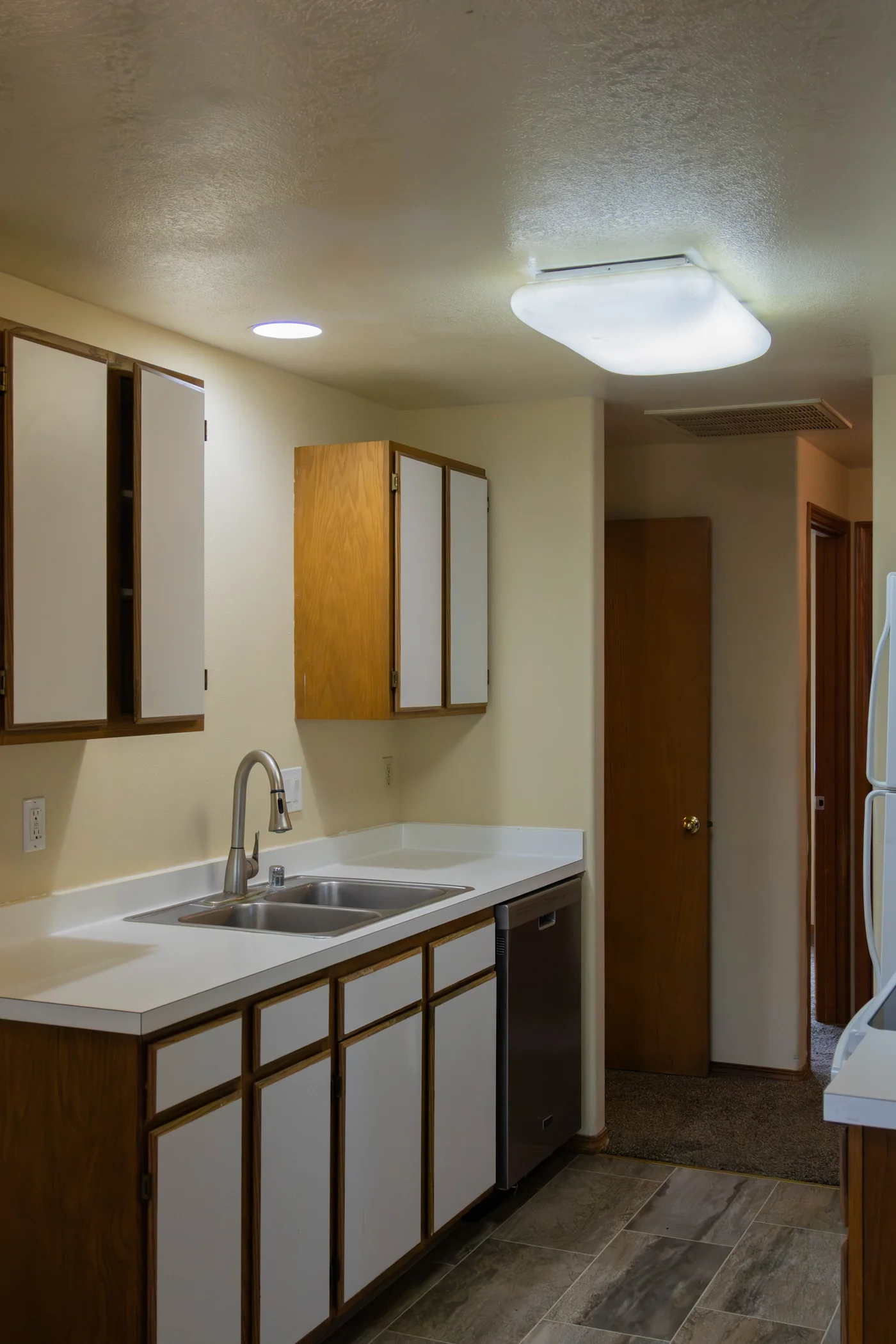
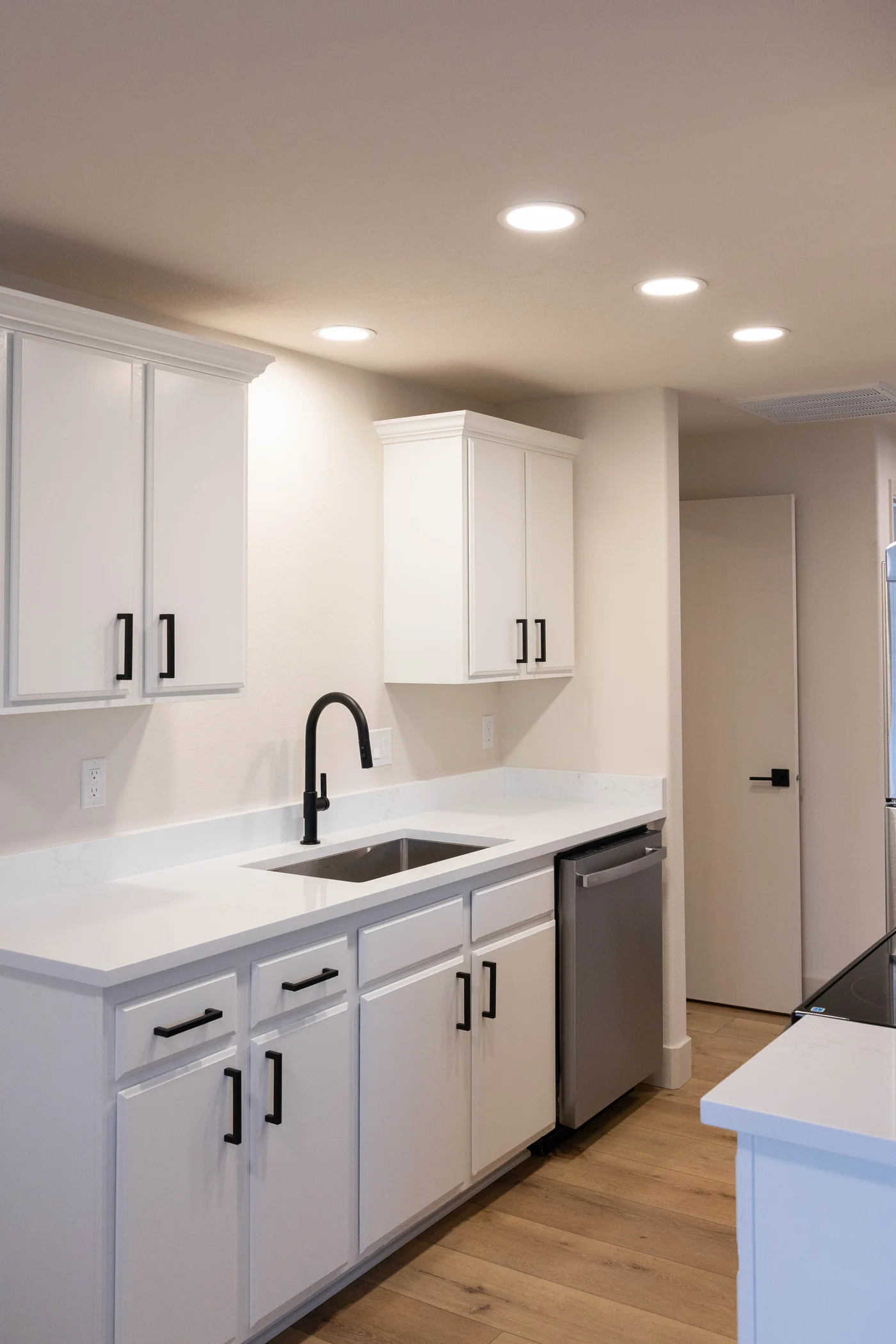
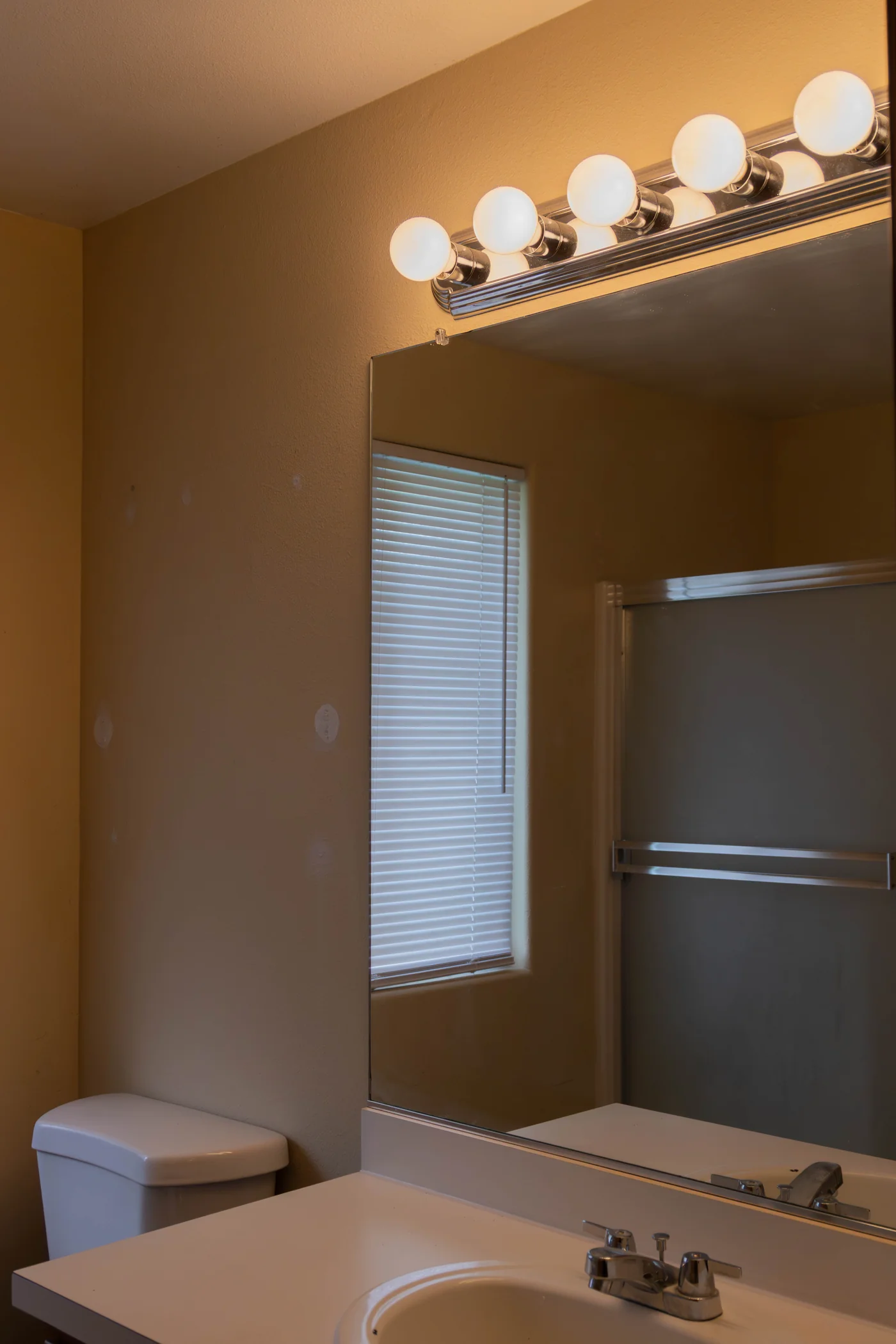
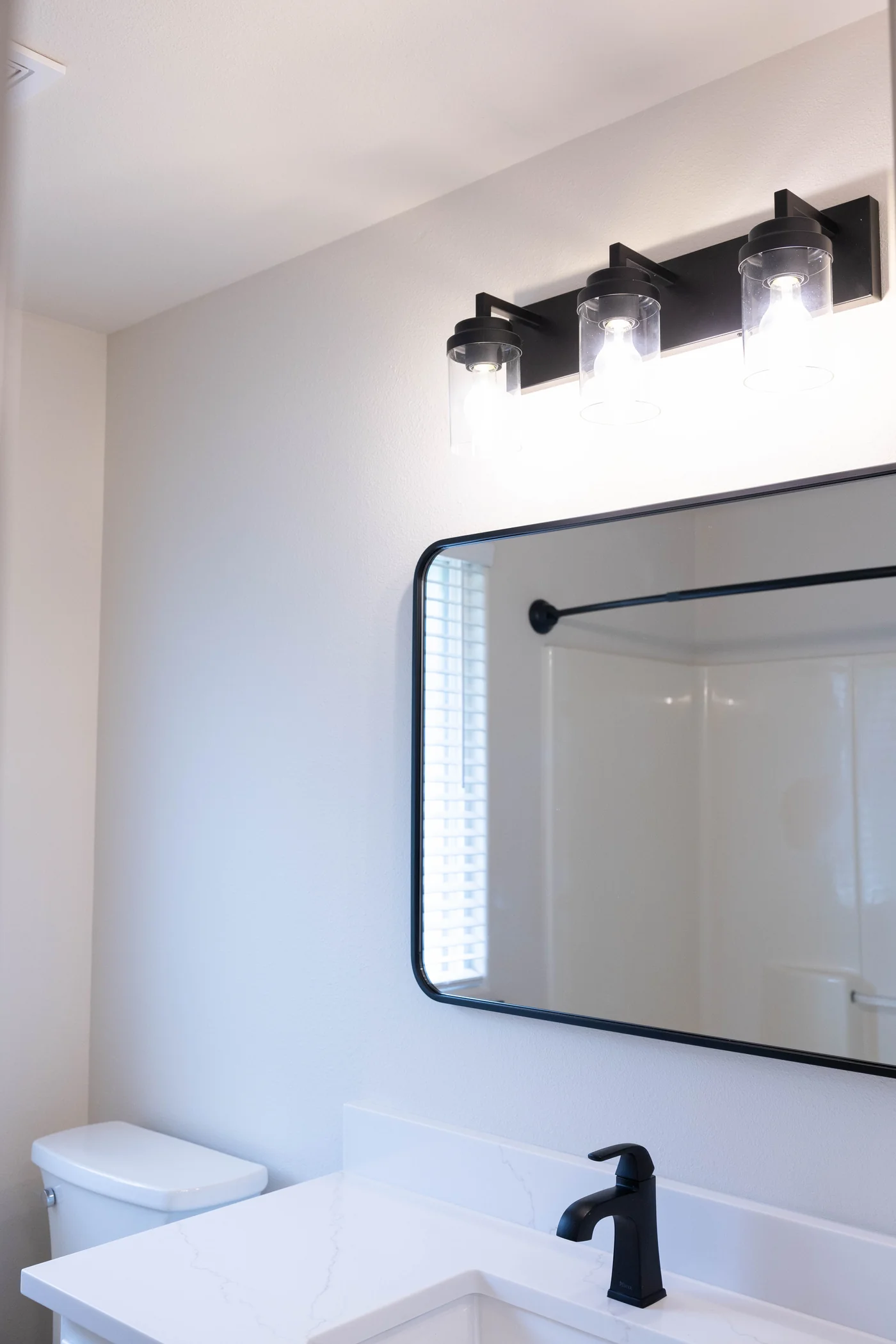
Three real projects, photo-documented for the insurance carrier and backed by our 5-year workmanship warranty. Drag each handle to compare.
“We had a major sewer back up a couple of weeks ago, into the laundry room and downstairs bathroom. Panic! We were referred to Robinson Restoration and what a blessing. The whole crew has been wonderful.”
Lynn Dee King · Google Review
“One of the pipes in the shower burst and water damage got all over the roof in the kitchen. As new home owners we were very scared and panicked. We contacted Kelly Farmer from Robinson Restoration and believe me when I say I felt like more than half of my problem was solved.”
Nav Basra · Google Review
“Just started a project with Cole and Chuck at Robinson Restoration and had to write a review straight away. These guys have been fantastic. We were away on a week long trip when we had a kitchen leak that destroyed our flooring and subfloor.”
Justin O'Neill · Google Review
In Washington, you choose your restoration contractor, and your carrier can’t penalize you for it. We document every Kenmore loss with moisture maps, photos, and daily readings, then bill your insurer directly. You pay your deductible. That’s it.
Subject to policy coverage and deductible. We handle the paperwork, photos, and adjuster calls.
Flooded basement at midnight? Someone answers. Robinson keeps technicians working north King County, and Kenmore sits inside that coverage, so the response is local rather than routed in from another region. Crews bring extraction units, air movers, and dehumidifiers and begin drying on arrival. Your insurer gets billed directly, and we hand over readings and photos to support the claim.
The lower parts of Kenmore sit on soft, water-holding ground near the mouth of the Sammamish River, and the water table climbs close to the surface once the rain settles in. Add a failed sump pump or a plugged perimeter drain and the crawlspace becomes the low point for everything around it. We extract the standing water, pull saturated insulation and vapor barrier, and dry the framing to a documented moisture content.
Constantly. The slopes above the Kenmore valley floor send runoff toward the houses below, and daylight basements catch it first. Our approach is to find the entry point rather than mop the puddle and leave. We use thermal imaging and probe readings to trace how far the water moved into wall cavities and subfloors, dry what is actually wet, and document the source so any drainage repair addresses the real problem.
Sudden and accidental water damage, a burst supply line or an appliance failure, is typically covered. Groundwater and surface flooding usually are not, unless you carry a separate flood policy. Coverage varies by carrier, so we document everything either way: photos, moisture maps and daily readings. That record is what an adjuster relies on, and we bill your insurance directly once the claim is open.
We dispatch 24 hours a day, and crews can be on-site in 90 minutes with extraction units, air movers and dehumidifiers on the truck. Speed matters because the difference between a dry-in-place job and a demolition job is often the first several hours. Call as soon as you find the water, shut off the supply if you safely can, and we will take it from there.
Drying comes first, and we handle that ourselves to IICRC S500 standards. When the loss requires reconstruction, drywall, cabinetry, flooring or finish carpentry, Robinson manages that phase through vetted licensed contractors and our sister companies. You get one point of contact for the whole Kenmore project instead of chasing separate trades and separate invoices.
In a climate this damp, yes. Kenmore homes rarely dry out on their own between November and February, and untreated moisture in a wall cavity can start growing within a couple of days. That is why we set controlled drying with dehumidification rather than pointing fans at a wet floor, monitor daily, and confirm materials are back to normal moisture content before we pull equipment.
Standing water in a Kenmore home gets worse by the hour. Call now and we will roll a crew.
Licensed · Insured · IICRC Certified · Serving Washington & Oregon