Robinson Restoration is an IICRC-certified water damage restoration company serving Mineral, WA. Crews dispatch 24 hours a day, arrive on-site in 90 minutes or less, document the readings and photos your carrier needs, and bill your insurance directly on covered claims.
Cold comes early up here. Mineral sits in the Cascade foothills south of Mount Rainier, where cabins and year-round homes run on wells, septic, and wood heat, and a January cold snap finds every uninsulated line. A frozen pipe in an empty place can run for days. Dispatch is staffed 24/7.
The community grew around Mineral Lake and the timber industry, and it still reads that way: small older homes, log and frame cabins, seasonal places, and shops on wooded parcels. Elevation means snow that stays put, ice dams on low-slope roofs, and freeze-thaw cycles that split hose bibs and crawlspace runs. Power drops in the big storms, which stops well pumps, heat tape, and any sump you were counting on.
Our Kent crews run the Lewis County mountain routes and keep trucks loaded for winter work: generators, portable heat, and enough hose to reach a house set well back off the road. Dispatch answers 24/7. Techs meter, photograph, and log drying to IICRC S500 standards, which matters even more when a second-home claim gets scrutinized. We bill your carrier directly, and any rebuild is managed through vetted licensed contractors.

Mountain-town calls get trucks stocked for cold-weather work, because a Mineral job can mean snow on the ground and no power at the meter.
24 hours a day, 7 days a week, our crews dispatch the moment you call and start mitigation the same visit. Call dispatch or message us for immediate help.
We stop further damage with commercial extraction, structural drying, and antimicrobial treatment, and we walk you through the entire insurance claim as we work.
We manage your rebuild to pre-damaged condition through our trusted network of licensed contractors and sister companies. One manager, one timeline.
Winter at this elevation lasts longer and bites harder than it does down in the valley towns. Crawlspace runs, hose bibs, pump house lines, and any plumbing on an exterior wall are all candidates. Damage usually shows up on the thaw rather than during the cold, when pressure returns to a line that split three nights earlier and nobody was there to hear it.
A lot of property around Mineral is used part of the year, which means a break in February might not be discovered until spring. By then the water has soaked framing, floors, and insulation, and microbial growth is well established. Winterizing properly, draining lines and leaving heat at a low setting, prevents more of these losses than any single repair we make.
Snow sits on these roofs instead of sliding off, and warm air escaping into an under-insulated attic melts the underside of the pack. That meltwater refreezes at the cold eave and builds a dam, then backs up under the shingles. Water enters at the top plate and runs down inside the wall, so the ceiling stain rarely appears where the actual leak is.
Carriers separate a sudden failure from long-term seepage, and that distinction decides many mountain-property claims. A pipe that burst and ran for two weeks in a closed cabin invites questions about maintenance and heat. Documenting the failure point, the condition of the structure, and the timeline from the first visit protects your position far better than anything explained after the fact.
Most of the losses we run in Mineral start one of three ways: frozen and split pipes, roof and storm leaks, and water heater failures. Here is why each one happens here, and what it takes to dry it properly.
Hard freezes at elevation split lines in crawlspaces, pump houses, and exterior walls. In a closed-up cabin the break can run unnoticed until someone drives up and opens the door.
Ice dams at the eaves and heavy wet snow on low-slope sections force water back under the roofing, where it enters at the wall top plate and travels inside the assembly.
Tanks in unheated utility rooms and sheds run on well water that is often hard, and corrosion plus cold makes failure more likely in exactly the months nobody is checking.
Water is how most losses start. It’s rarely where they end. The same local crew handles all of it.
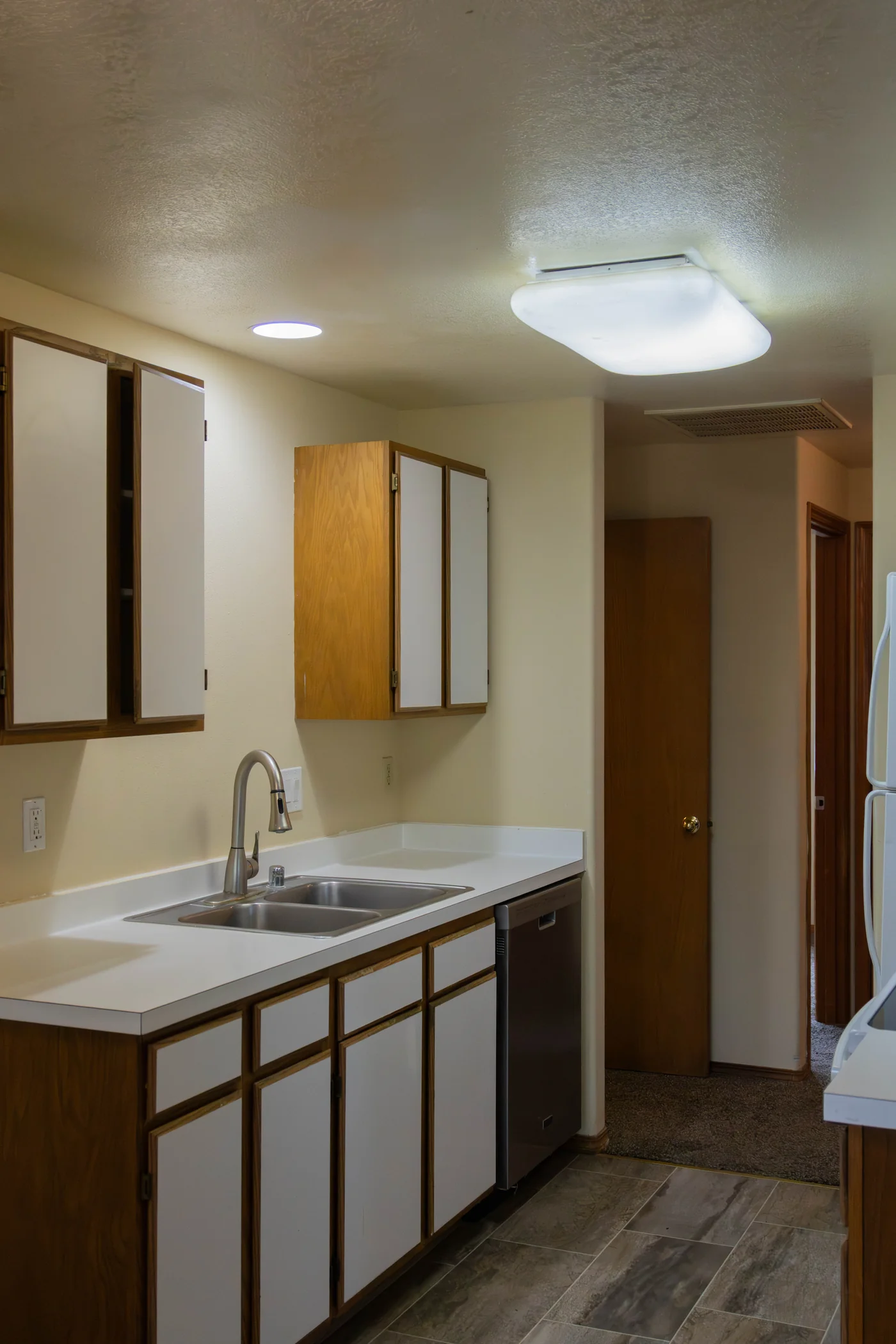
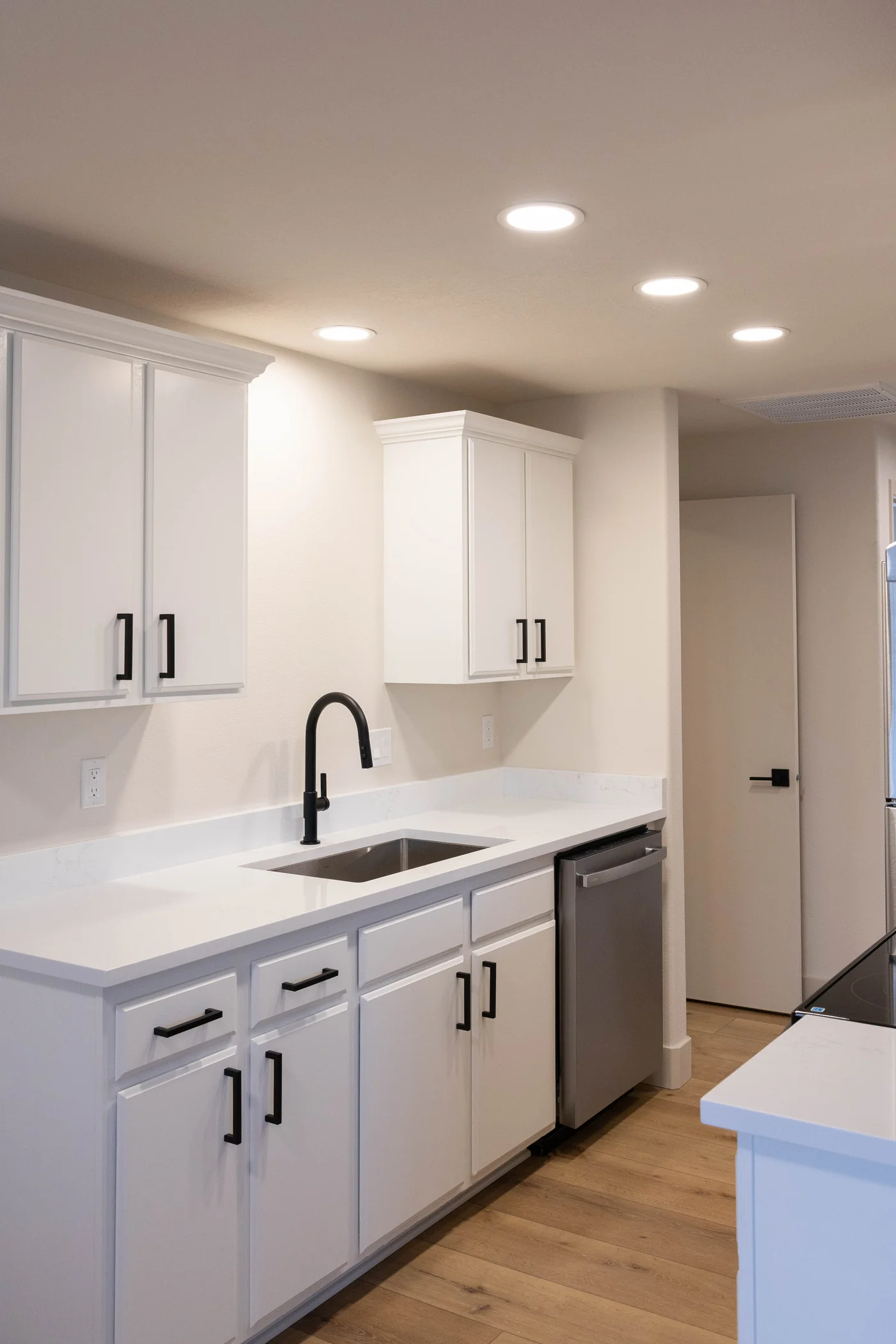
Three real projects, photo-documented for the insurance carrier. Drag each handle to compare.
“We've had the bittersweet opportunity to have Robinson in our lives twice now. First, for a major 3,000 sq ft mold remediation of our crawl space. Then last week, we had an unfortunate flood. I don't know what we would have done without them.”
T Marie C · Google Review
“Chuck and Cole were very professional, courteous and knowledgeable about their restoration skills including close out processes. I'm really happy they were the two employees assigned to our home.”
Joanna Gamble · Google Review
“We hired Robinson Restoration after a boiler joint failed and leaked what we thought was a small amount of water in our laundry room, but turned out to be more serious than it appeared. They did a fantastic job from first contact to insurance claim approval.”
Randi Covin · Google Review
In Washington, you choose your restoration contractor, and your carrier can’t penalize you for it. We document every Mineral loss with moisture maps, photos, and daily readings, then bill your insurer directly. You pay your deductible. That’s it.
Subject to policy coverage and deductible. We handle the paperwork, photos, and adjuster calls.
Small Lewis County communities in the Cascade foothills often get treated as an afterthought when a pipe fails. We work them the same as anywhere else. Our 24/7 dispatch takes Mineral calls at any hour, and the crew shows up with extraction units, air movers, and dehumidifiers so the water comes out before it reaches the subfloor. Direct insurance billing keeps the claim moving.
Shut the water off at the main or the pressure tank, cut power to wet areas at the breaker, and photograph everything before you move a thing. Then call us. Long-running losses need mold assessment alongside drying, so we scope both together rather than drying first and discovering growth later. Do not run the heat hard to dry it out, because that drives moisture deeper into wood and finishes.
Frozen pipe damage is generally covered, with an important condition: most policies require that heat was maintained or the system was properly drained while the home was unoccupied. Carriers ask about that on mountain-property claims. Keep records of your winterization, thermostat settings, or any monitoring service. We document the condition of the structure and the failure point on the first visit, which supports your account of what happened.
Yes. Crews carry generators and portable heat so extraction and drying can begin without utility service, and no running water actually simplifies the first step since nothing more is entering the building. What we cannot do is repair your well, your electrical service, or the road. Tell dispatch what the conditions are and we will send equipment matched to them.
Dispatch runs 24/7 and mountain routes are part of what our crews do, with chains and winter gear on the trucks. Conditions on SR 7 and the local roads still govern what is safe, so we will be straight with you about that instead of making a promise the weather controls. Call as soon as you know, because staging early beats waiting for a window to close.
Almost always an ice dam. Meltwater backs up under the shingles, enters at the top plate, and runs inside the wall or across the ceiling before it finds a spot to show. Clearing the dam without damaging the roofing is the immediate task, drying the assembly is the next one, and improving attic insulation and ventilation is what stops it from repeating every winter.
Drain the system or keep the structure heated, insulate crawlspace and pump house lines, and put heat tape on a working thermostat with a way to know it lost power. A cellular temperature and water sensor is inexpensive and works where wifi does not. Around Mineral, the single best investment is somebody local who checks the place after a hard freeze or a heavy snow.
Found a burst line at the cabin? Call our 24/7 dispatch and we will start drying and documenting.
Licensed · Insured · IICRC Certified · Serving Washington & Oregon