Robinson Restoration is an IICRC-certified water damage restoration company serving Othello, WA. Crews dispatch 24 hours a day, arrive on-site in 90 minutes or less, document the readings and photos your carrier needs, and bill your insurance directly on covered claims.
Othello sits in the middle of the Columbia Basin Project, where canal water turned shrub-steppe into potato and onion ground. Water is useful right up until it is inside your walls. Call any hour and a certified crew heads your way with extraction and drying equipment on the truck, on-site in 90 minutes or less.
Housing here runs to postwar and mid-century ranch on slab, a healthy share of manufactured homes, and newer builds out toward the processing plants. The soil is sandy loess that drains fast, so a slow leak rarely announces itself with a puddle in the yard. Winters drop well below freezing for stretches, summers push past a hundred, and that annual swing works every joint in a plumbing system.
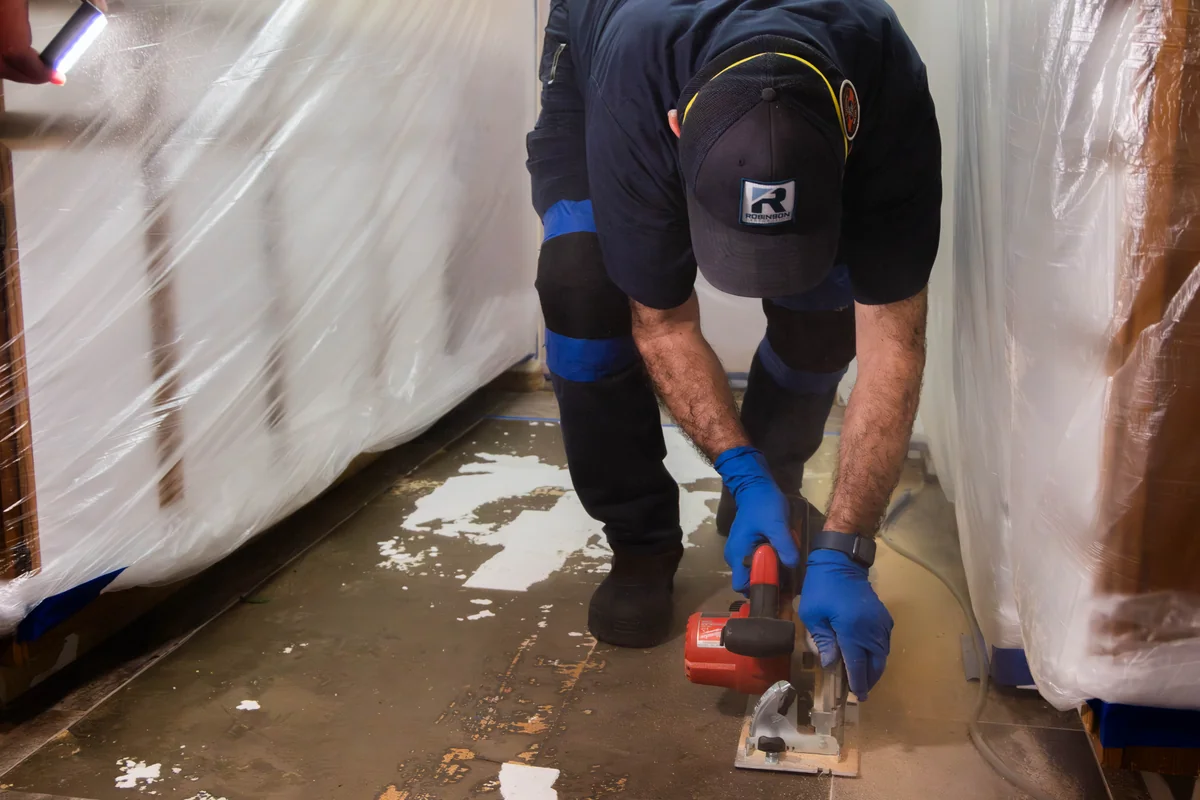
Our Tri-Cities crews cover Adams County, and dispatch stays staffed overnight and on weekends because that is when most losses get discovered. The work follows IICRC S500 standards. We map moisture before any demolition, set containment so drying does not spread contamination, take daily readings, and photograph the whole progression. Billing goes straight to your carrier, and if the adjuster wants to inspect before anything comes out, we hold and document instead.

Adams County calls get a crew dispatched with meters, air movers, and dehumidifiers already loaded, targeting on-site in 90 minutes or less in Othello.
24 hours a day, 7 days a week, our crews dispatch the moment you call and start mitigation the same visit. Call dispatch or message us for immediate help.
We stop further damage with commercial extraction, structural drying, and antimicrobial treatment, and we walk you through the entire insurance claim as we work.
We manage your rebuild to pre-damaged condition through our trusted network of licensed contractors and sister companies. One manager, one timeline.
A lot of Othello housing sits directly on concrete with supply lines run in or under the slab. There is no crawl space to catch a drip and no basement to show a stain, so the first clues are a water bill that jumped, a warm spot underfoot, or baseboard that has started to swell. By then the subfloor edges and the bottom plates are already wet.
Potato and onion handling runs long shifts through the fall and winter, and cold rooms, wash lines, and boiler systems all move water under pressure. Farm shops out on the circles have their own risk: a heater quits over a holiday weekend and the whole wet system in the building freezes solid. We bring desiccant units for those wide-open, unconditioned spaces.
Decades of irrigation have lifted the water table across the basin, which is why seep lakes exist out toward the wildlife refuge in the first place. Properties on low ground can see saturated soil and damp crawl spaces once the canals are charged for the season. That standing moisture is slow, quiet, and very good at growing microbial problems under a floor.
Most homeowner policies pay for sudden discharge and not for seepage that has been happening over weeks. That line gets argued more often than anything else on a claim. Photographs, moisture maps, and dated readings from the first visit are what settle it. We build that record whether or not the loss turns out to be covered, because you deserve to know the condition of the structure either way.
Most of the losses we run in Othello start one of three ways: frozen and split pipes, sewage backups, and appliance failures. Here is why each one happens here, and what it takes to dry it properly.
Cold snaps in Adams County arrive under clear skies and sit for days in the single digits. Pipes in unheated utility rooms and along exterior walls give out, frequently while the family is away for the holidays.
Older laterals in the original part of town run through sandy soil that shifts, and roots find the joints. Once a main backs up, the lowest drain in the house is where it comes out.
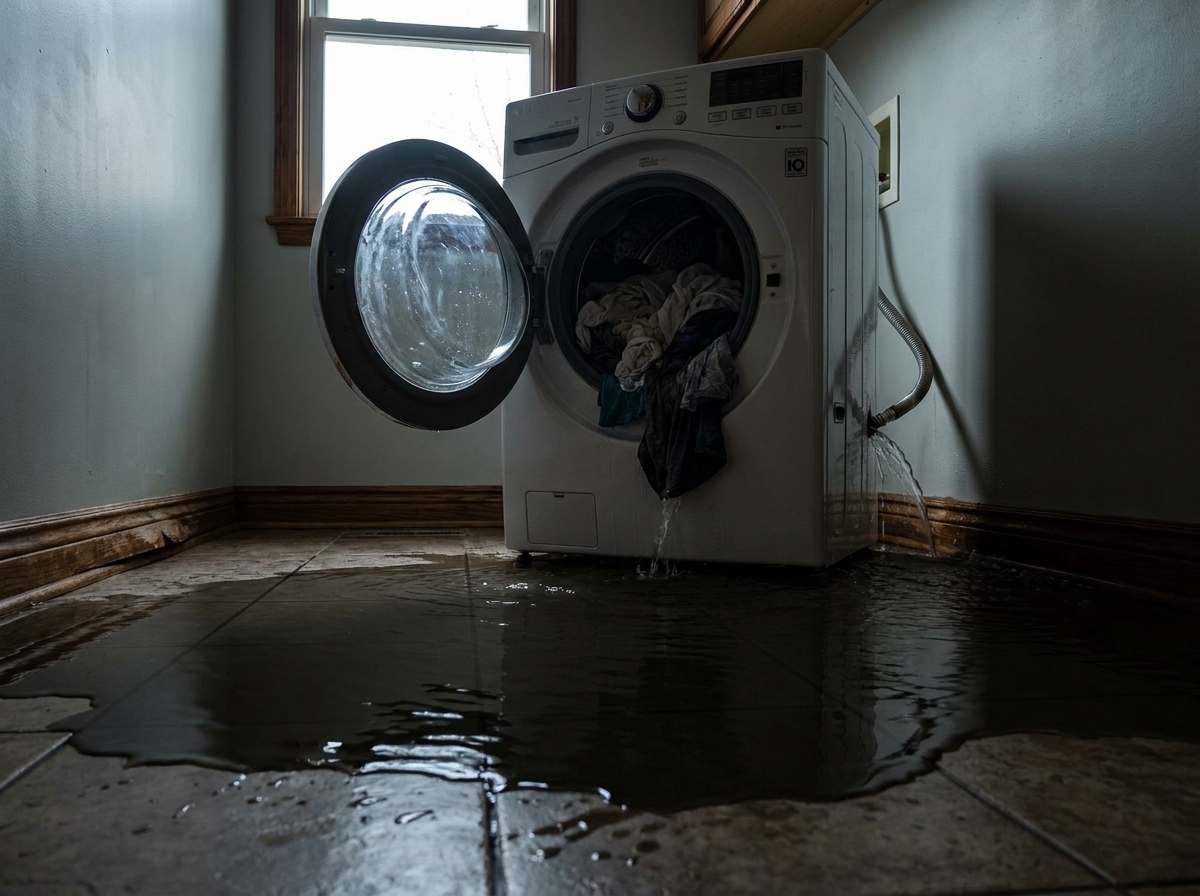
Mineral-heavy water is rough on supply valves and hoses. Dishwashers, ice makers, and washing machines are the three that fail most often, usually at a fitting that has been weeping quietly for months.
Water is how most losses start. It’s rarely where they end. The same local crew handles all of it.
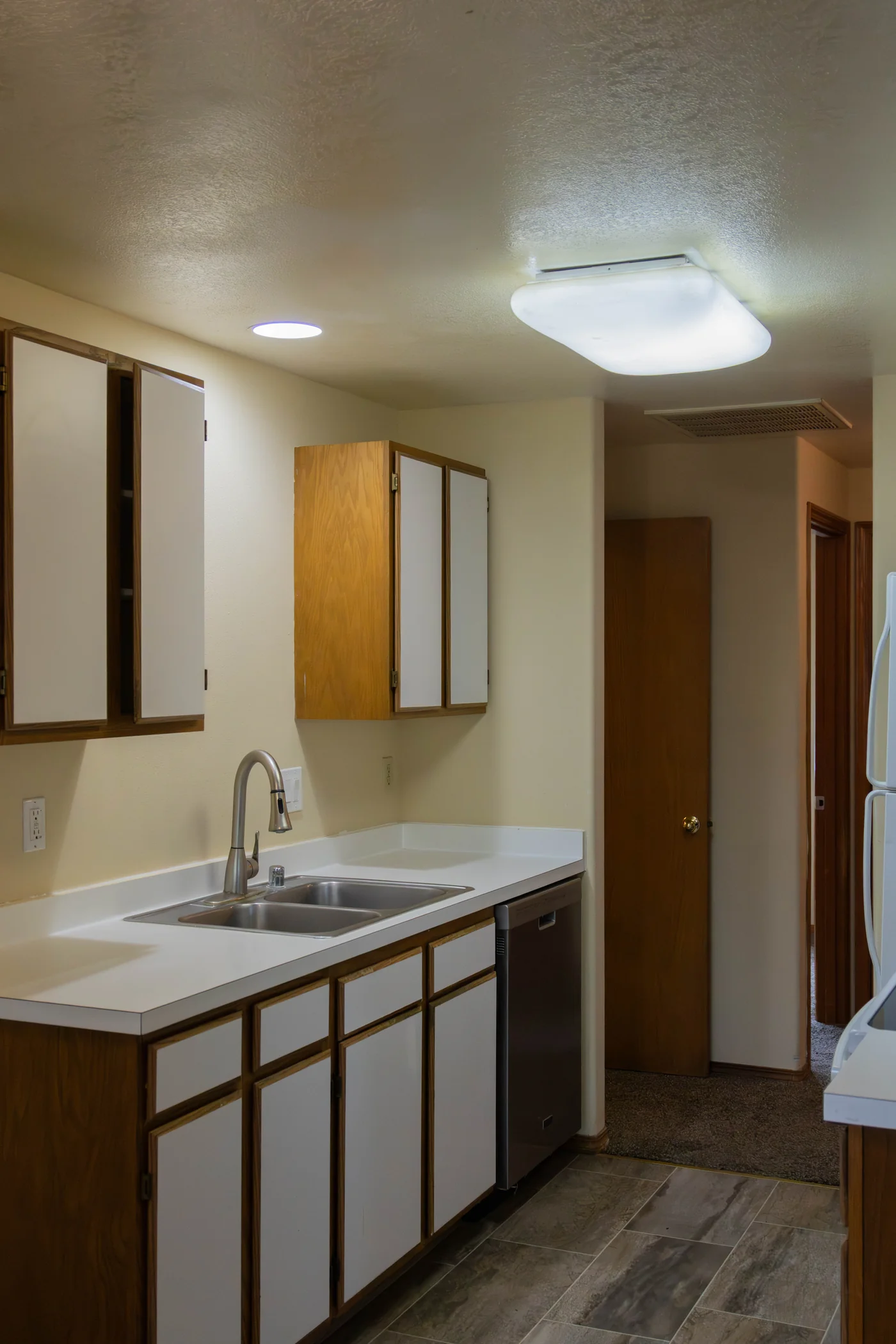
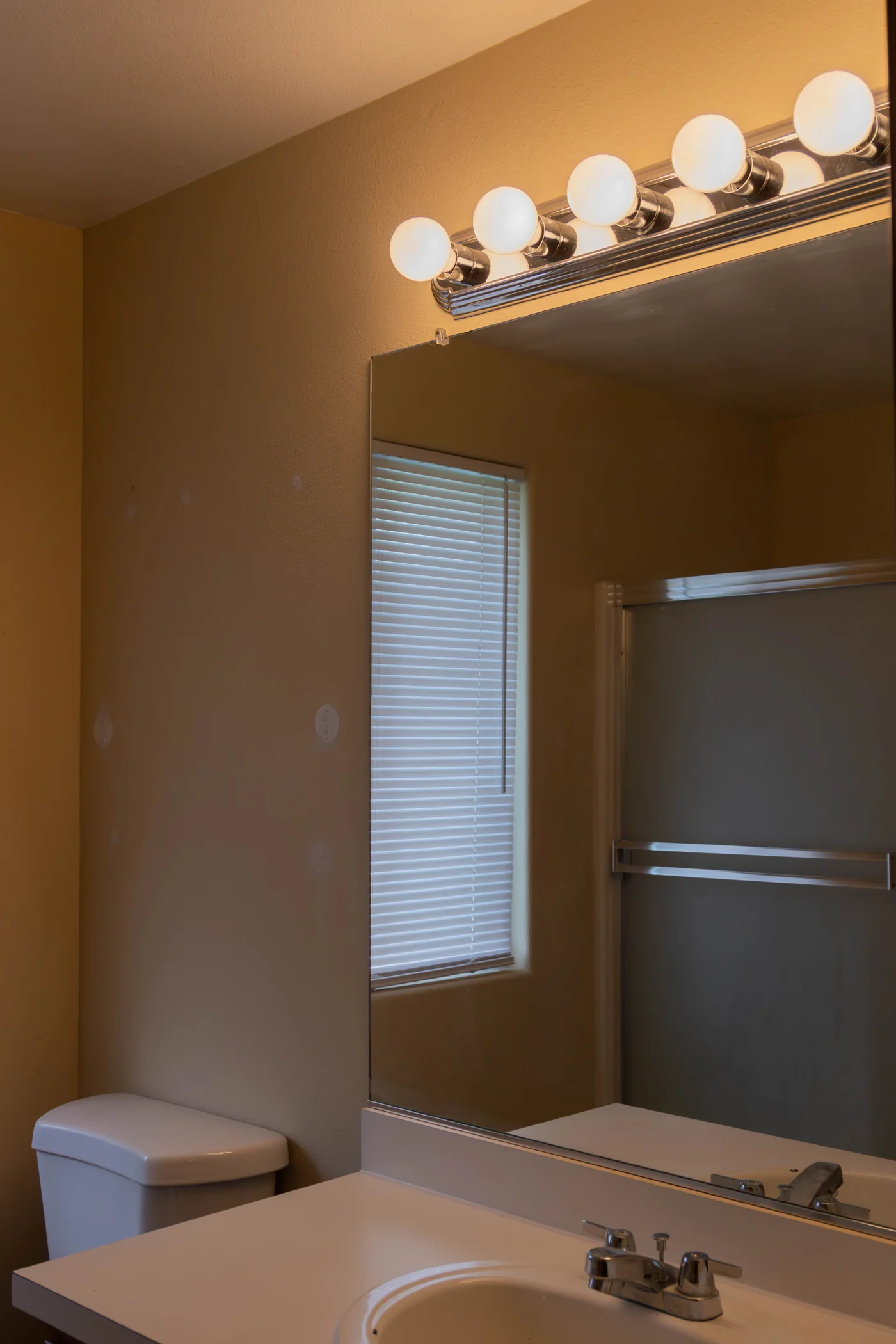
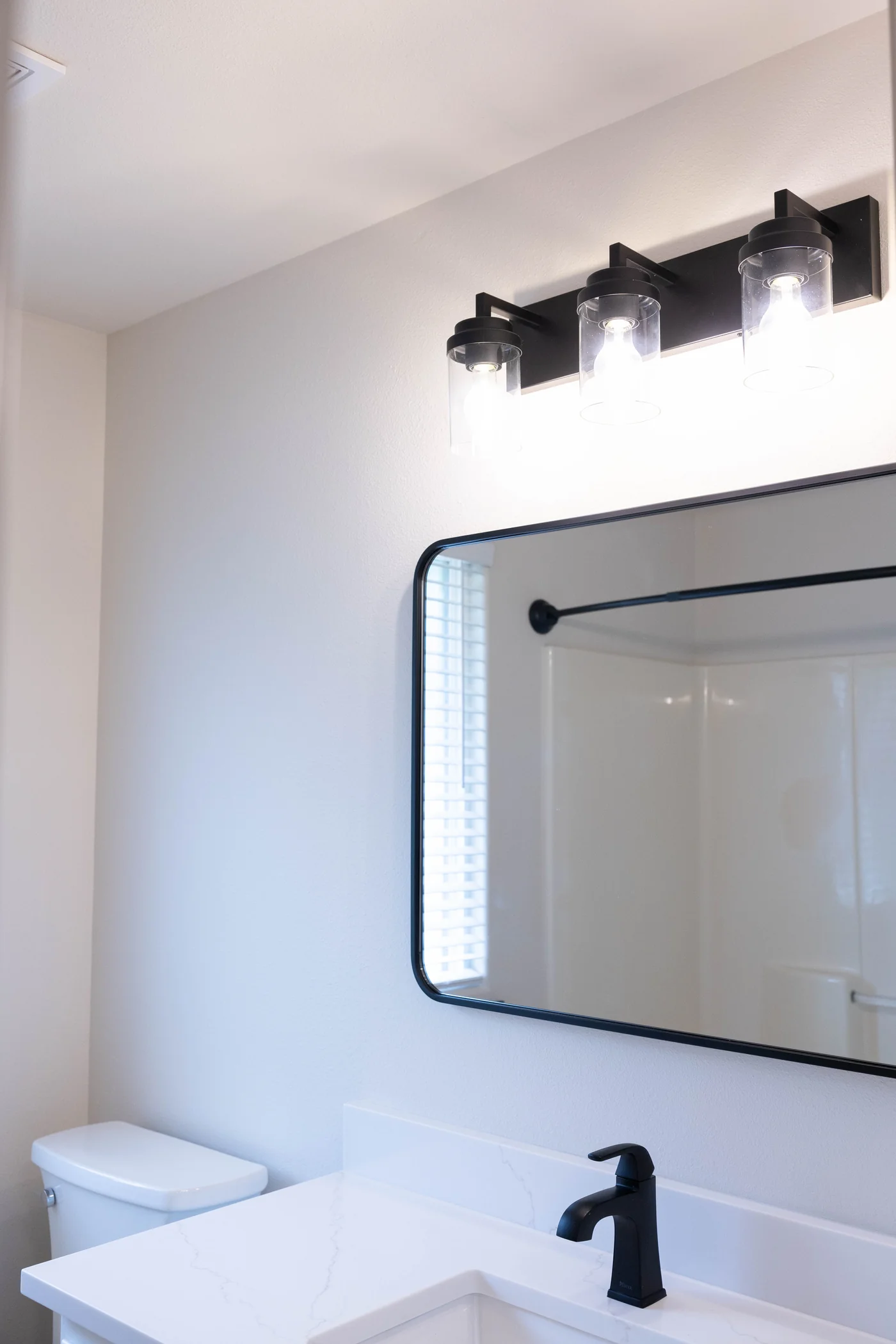
Three real projects, photo-documented for the insurance carrier. Drag each handle to compare.
“I want to express our sincere gratitude to the Robinson team that quickly moved to identify, rectify, repair, and then clean up the mess left by an itty-bitty hot water leak that went unnoticed because of its location.”
Michael Quinn · Google Review
“Kyla and Jake were super friendly and knowledgeable. Jake was at my house 90 minutes after I called and did a free inspection. I won't need their services this time, but I will definitely call them if I ever have to deal with water damage.”
Carmen Otten · Google Review
“Had a leak in our wall and our plumber recommended Robinson Restoration to handle remediation of the water damage. Christian and Adolfo were awesome. Great communication throughout the setup of the containment area and installation of the equipment to start the drying process.”
Won Lee · Google Review
In Washington, you choose your restoration contractor, and your carrier can’t penalize you for it. We document every Othello loss with moisture maps, photos, and daily readings, then bill your insurer directly. You pay your deductible. That’s it.
Subject to policy coverage and deductible. We handle the paperwork, photos, and adjuster calls.
The crew closest to you is the one that gets the call. Our Columbia Basin operation covers Othello around the clock, with truck-mounted extraction, air movers, dehumidifiers, containment materials, and moisture meters loaded before anyone leaves the shop. That means water comes out on the first visit rather than after a scheduling window. Insurance billing goes directly to your carrier, and the documentation starts the moment we walk in.
Outdoor humidity has almost nothing to do with it. Mold needs a wet material and a few days, and the inside of a wall cavity after a supply line break is a sealed, dark, humid environment regardless of what the weather is doing outside. We have opened plenty of walls in Othello with active growth behind intact paint. Drying quickly and verifying with meters is what prevents it.
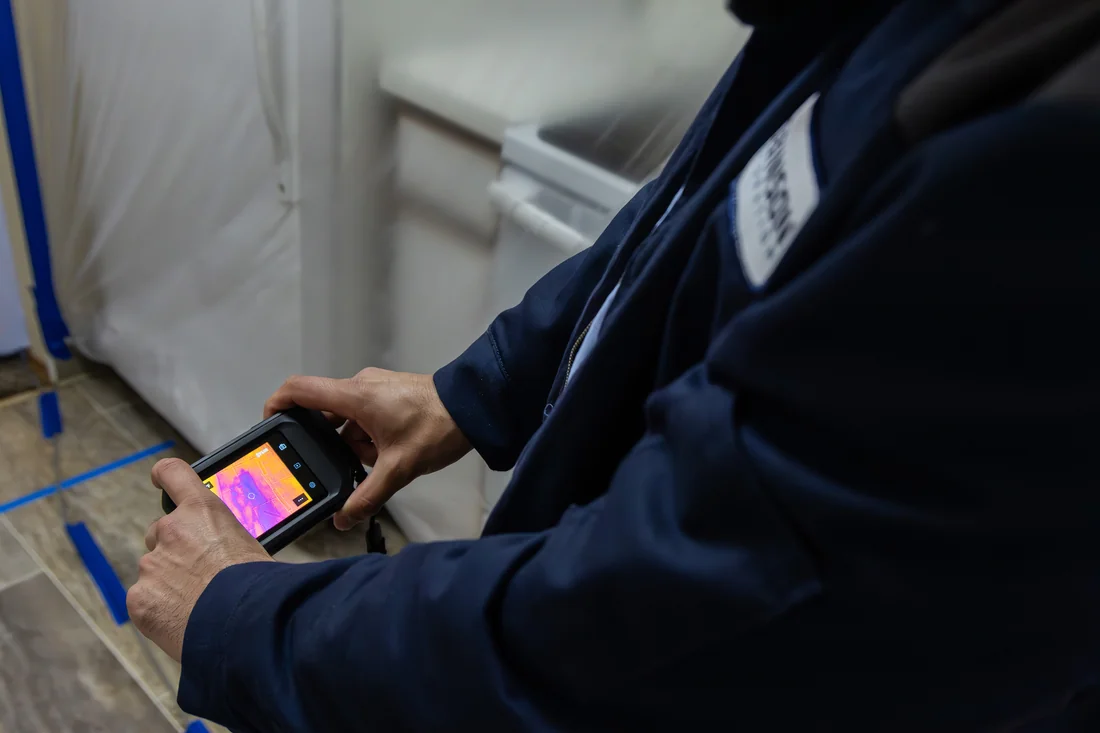
A combination of tools rather than guesswork. Thermal imaging shows temperature differences through the floor, moisture meters confirm what the camera suggests, and acoustic equipment can pin a pressurized line. We locate before we cut, because opening a slab in the wrong spot costs you money and proves nothing. The whole process gets photographed so the plumber and the adjuster both see the same evidence.
It changes the shut-off procedure and the sequence. On a private system we look at the pressure tank, the pump controls, and whether the well house itself froze, since that is a common source. If a septic drainfield is saturated and pushing back into the house, the water gets treated as contaminated from the start. Containment, antimicrobial treatment, and removal of porous materials all follow from that.
Yes, and they need a different approach. The belly wrap under a manufactured home holds water like a bathtub once it is breached, so simply drying the interior leaves the underside wet for months. We open, drain, and dry that cavity, then verify it. Insulation that has been saturated gets replaced rather than dried, because compressed wet fiberglass never recovers its value.
We bill most carriers directly, so in a typical claim you cover your deductible and nothing further. From the first visit we assemble what the adjuster needs: scope photos, moisture maps, daily drying logs, equipment counts, and line-item pricing in the estimating platforms carriers already use. You are welcome to be involved in every conversation, and plenty of people would rather hand it off entirely.
Three to five days covers most contained losses, longer when water has traveled under flooring or into a slab. Fans are loud and dehumidifiers put off heat, and pulling them early is the single most common reason a job has to be reopened. We take readings every day and remove equipment when the materials hit dry standard and hold there, not when the calendar says so.
Every hour water sits, the repair gets wider. Call and we will start moving equipment your way.
Licensed · Insured · IICRC Certified · Serving Washington & Oregon